
Sustainable development of PE production enterprises”
2026-08-28
- Strategic transformation: why sustainability has become a key survival factor for PE plants
- Technological modernization as the basis for environmental efficiency
- Resource flow management and circular economy
- Energy efficiency and reduced carbon footprint
- Regulatory and Certification: Navigating the Labyrinth of Standards
- Frequently Asked Questions
- Practical Steps to Transformation: A Roadmap for Leaders
- Conclusion: The future belongs to the adaptive
Strategic transformation: why sustainability has become a key survival factor for PE plants
In 2026 conceptsustainable development of PE production enterprisesno longer just a marketing slogan or a demand for ethical investment; today it is a tough economic imperative that determines the plant’s ability to stay afloat in the face of a global recession and stricter environmental regulations. We are witnessing a fundamental paradigm shift: if five years ago the priority was maximum extrusion speed and minimizing downtime, now the main KPIs are specific energy consumption per kilogram of granulate and the percentage of use of recycled materials without loss of mechanical properties of the final product. In our practice of working with major market players from Siberia to Kaliningrad, we see that companies that ignore the transition to a closed production cycle face the loss of up to 30% of contracts with European and Asian partners that require transparent carbon reporting.
The reality is that the traditional extract-make-discard model for polyethylene is dead. New ISO 14064 standards and the requirements of the CBAM (Carbon Border Adjustment Mechanism) regulation dictate new rules of the game, where every ton-kilometer of logistics and every kilowatt of energy has its own price in the form of carbon credits. Factories that failed to adapt their production lines to process post-consumer waste or implement heat recovery systems are now forced to pay huge fines or lose access to premium raw materials. This is not a theoretical threat of the future—it is a daily operational pain that production managers face right now.
Deep integration of sustainability principles requires a re-examination of the entire value chain. We are talking not only about installing solar panels on the roof of the workshop, but about deep modernization of extruders, the introduction of IoT systems for monitoring emissions in real time and a complete restructuring of logistics schemes. Companies that have already gone this route report 15-18% reduction in production costs due to energy and raw material savings, despite high initial capital costs. However, this path is full of pitfalls, and blindly following trends without taking into account the specifics of the Russian climate and the availability of raw materials can lead to catastrophic financial losses.
Technological modernization as the basis for environmental efficiency
The heart of any modern polyethylene production facility is the extrusion line, and this is where the greatest potential for sustainability lies. Older extruder models manufactured before 2015 often have efficiencies below 75%, meaning that a quarter of the electricity used is simply dissipated as heat, requiring additional costs for cooling systems. The transition to modern twin-screw extruders with frequency-controlled drives makes it possible to reduce energy consumption per unit of production by 25-30%. In one of our plant modernization projects in Tatarstan, replacing three old lines with new heat recovery equipment reduced electricity bills by 4 million rubles annually, recouping the investment in less than two years.
However, simply replacing equipment is only half the solution. The ability to work with unstable raw materials becomes a critical aspect. Traditional lines are configured to work with primary granulate of strictly defined viscosity and fluidity. Sustainable development requires the ability to process regranulates, the properties of which can fluctuate over a wide range. Modern screw pairs with an increased L/D ratio (length to diameter) and special degassing zones make it possible to effectively remove volatile substances from recycled materials, preventing the formation of bubbles and defects in the film or pipe. Without this technology, using even 20% recycled material results in waste that ends up in a landfill, ruining all environmental efforts.
We encountered an interesting problem when implementing such systems at a plant in the Ural region. Engineers installed advanced equipment, but did not take into account the quality of local secondary raw materials, which contained increased amounts of moisture and contaminants. The result was frequent failure of filter elements and line downtime of 40% of the time. The solution came not through the purchase of even more expensive equipment, but through the installation of an additional multi-stage washing and drying system in front of the extruder. This case teaches us an important lesson: technology is powerless without proper preparation of the input data stream and raw materials. Sustainability is a system, not a single machine.
Another critical parameter is the accuracy of temperature control. Polyethylene is sensitive to overheating, which leads to the destruction of the polymer and the release of harmful volatile compounds. Modern control systems with PID controllers and new generation thermocouples maintain the temperature in the plasticization zone with an accuracy of ±0.5°C. This not only improves product quality, but also reduces the risk of carbon deposits on the auger, which extends service intervals and reduces the use of cleaning chemicals. For the production manager, this means less downtime and a more predictable maintenance schedule.
It is also important to note the role of automation in reducing the human factor. Operators working while fatigued may make errors in setting modes, leading to excessive consumption of raw materials. The implementation of SCADA systems and the Industrial Internet of Things (IIoT) allows algorithms to adjust process parameters in real time, minimizing waste during launch and transition between product brands. At leading enterprises, the level of waste when switching from one brand to another has decreased from 50 kg to 5-7 kg thanks to predictive analytics. This is a direct contribution to the circular economy within the workshop itself.
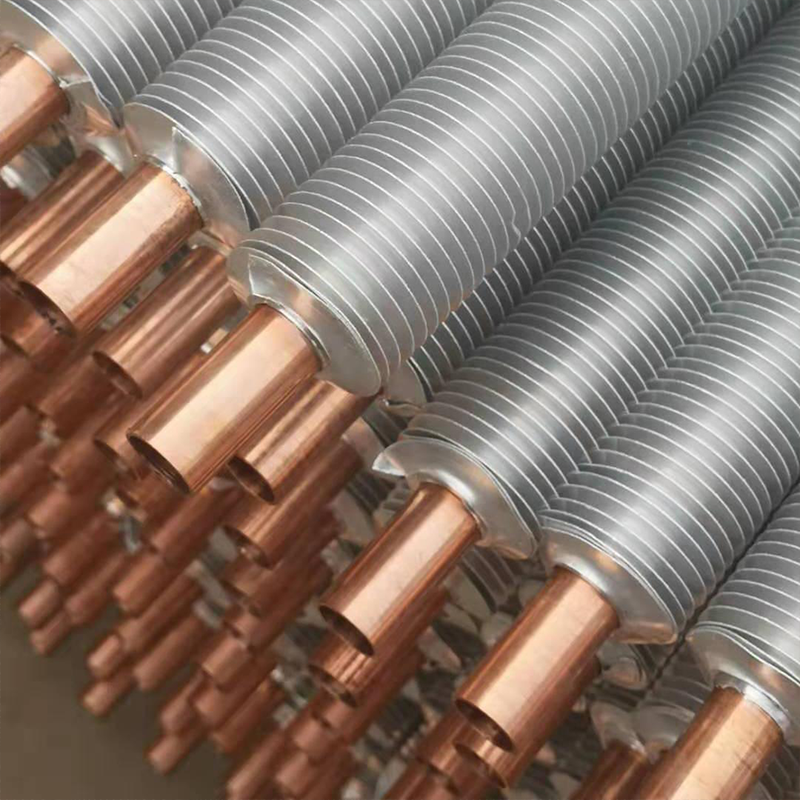
The key element of such modernization is highly efficient heat exchange equipment capable of operating in aggressive environments and under extreme loads. This is where specialized solutions from companies such asWuxi Kaisheng Electric Power and Petrochemical Equipment Co., Ltd.. Specializing in the design and manufacture of advanced heat exchangers and components for the oil, gas and chemical industries, the company offers products critical to the energy-efficient circuits of modern PE plants. Their portfolio includes titanium shell-and-tube heat exchangers, ASME-standard high-pressure units, and corrugated tube bundles in 316 stainless steel, C46400 marine brass, and nickel alloys (such as N06625). The use of such materials provides exceptional corrosion resistance and thermal efficiency, which is especially important for heat recovery in extruder cooling systems or waste heat boilers. Wuxi Kaisheng equipment, certified according to PED and ASME standards, allows the integration of reliable heat exchange units into complex technological lines, guaranteeing process stability even when working with secondary raw materials containing aggressive impurities.
Resource flow management and circular economy
The transition to a sustainable model is impossible without a radical change in the approach to procurement and management of raw materials. For a long time, the PE industry relied exclusively on virgin polyethylene derived from oil and gas. Today, the share of recycling in the portfolio of successful manufacturers reaches 40-50%, and in some packaging segments it is even higher. However, the use of recycled materials (PCR - Post-Consumer Recycled) poses serious technical challenges. The main problem is the heterogeneity of the composition. A mixture of HDPE and LDPE entering a line for the production of high-pressure pipes can lead to wall delamination and emergency rupture of the pipeline under load.
To ensure consistent quality, it is necessary to implement strict incoming inspection protocols. We recommend the use of near-infrared (NIR) spectroscopic analyzers at the raw material acceptance stage. These devices determine the type of polymer and the presence of impurities in seconds, allowing unsuitable batches to be screened out before entering the hopper. One of our clients in the Moscow region implemented such a system and reduced the number of complaints from customers by 90% in the first year of operation. An investment in an analyzer pays off by preventing the release of defective products, the cost of which is many times higher than the cost of the device itself.
Reverse logistics also plays a key role. Waste collection from the population and industrial enterprises is often chaotic and economically ineffective. Sustainable businesses create their own collection networks or enter into long-term partnerships with municipal operators, ensuring a steady flow of uniform raw materials. For example, specialized collection of stretch film from logistics centers makes it possible to obtain pure HDPE, suitable for reuse in the production of new films without deep chemical processing. This reduces the carbon footprint compared to virgin plastic production by 60-70%.
There is a common misconception that products containing recycled materials must necessarily be cheaper. The market is showing the opposite trend: certified “green” polyethylene often carries a premium premium. Consumer packaging brands are willing to pay more for material that allows them to declare the use of recycled resources in their ESG reporting. However, this only works if there are appropriate certificates confirming the origin and percentage of the recyclate. Data falsification or lack of supply chain traceability can lead to loss of reputation and legal action.
Chemical recycling represents the next frontier for the industry. Mechanical processing has a limit: after 3-4 cycles, the properties of the polymer degrade so much that it cannot be used for critical applications. Pyrolysis and other methods of chemical depolymerization make it possible to break down plastic into monomers and create a new polymer identical in quality to the primary one. Although the technology is still expensive and energy-intensive, pilot projects in Russia show its viability for processing mixed and contaminated waste that was previously sent to landfills. For large holdings, investments in such capacities become a strategic asset over a 5-10 year horizon.
Energy efficiency and reduced carbon footprint
Polyethylene production is an energy-intensive process, where the main costs are for heating raw materials, driving extruders and operating cooling systems and compressors. In the context of rising tariffs for electricity and gas, energy saving becomes a matter of competitiveness. Simply replacing lamps with LEDs gives a negligible effect compared to optimizing heat balances. Heat recovery from extruder cooling zones for heating incoming raw materials or heating workshop premises in winter can cover up to 20% of the plant's thermal energy needs. In the northern regions of Russia, where the heating season lasts 8 months, this measure has a colossal economic effect.
The use of renewable energy sources (RES) is moving from the exotic category to the de facto standard category for export-oriented industries. Installing your own solar power plants or wind generators allows you to fix part of your energy costs and reduce your dependence on fluctuations in market prices for electricity. Moreover, the presence of “green” energy in the enterprise mix is a mandatory requirement for obtaining international certificates such as ISCC PLUS, necessary for supplies to Europe. Even if a plant cannot completely switch to renewable energy sources, purchasing guarantees of energy origin becomes a necessary step to legitimize its products on the global market.
Monitoring greenhouse gas emissions requires the implementation of complex accounting systems. It is necessary to count not only direct emissions from fuel combustion (Scope 1), but also indirect emissions from electricity consumption (Scope 2), as well as emissions from the entire supply chain (Scope 3). Many Russian enterprises underestimate the importance of Scope 3, which includes the transportation of raw materials, the production of additives and waste disposal. Without a full audit of all three categories, it is impossible to get an objective picture of a product's carbon footprint. Errors in calculations can lead to poor strategic decisions and fines from regulators or partners.
Optimization of compressor facilities is another point of growth. Compressed air is often referred to as the “fourth utility resource” and leaks can account for up to 30% of total output. Regular audit of pneumatic systems and replacement of old piston compressors with frequency-controlled screw compressors can significantly reduce energy consumption. In addition, using the heat generated by air compression for process purposes is an example of resource management that is often ignored due to a lack of local engineering culture. This is where custom air coolers and waste heat boilers, offered by market leaders in heat exchange equipment, play a critical role in maximizing energy return to the production cycle.
It is important to understand that reducing your carbon footprint is an ongoing process and not a one-time event. Technology moves quickly, and what was considered cutting-edge three years ago may be outdated today. Regular energy audits conducted by independent experts at least once every two years help identify new savings reserves. We have seen cases where simply repairing steam piping insulation provided savings comparable to replacing the entire unit. Attention to detail in energy matters distinguishes a professional enterprise from a cottage industry.
| Comparison parameter | Traditional PE production | Sustainable PE production (2026) | Impact on business |
|---|---|---|---|
| Source of raw materials | 100% virgin granulate (petrochemical) | Mix: 50-70% primary + 30-50% PCR/PIR | Reduced dependence on oil prices, access to “green” tenders |
| Energy consumption | 0.45 – 0.55 kWh/kg product | 0.28 – 0.35 kWh/kg of product (with recovery) | Reduced operating expenses (OPEX) by 25-35% |
| Waste level | 5-8% of production volume (disposal) | <1% (full internal recycling) | No payments for environmental damage, additional revenue |
| Certification | ISO 9001 (quality) | ISO 9001 + ISO 14001 + ISCC PLUS / GOST R | Access to international markets, premium to product price |
| Monitoring | Manual readings, monthly reports | IoT sensors, real-time cloud analytics | Predictive maintenance, eliminating human errors |
Regulatory and Certification: Navigating the Labyrinth of Standards
The Russian polymer production market operates in a complex regulatory system that is constantly updated. GOST remains the basic document, but for export and work with international corporations it is necessary to comply with ISO standards and specific industry requirements. ISO 14001 (environmental management system) certification has become almost mandatory for medium and large players. The presence of this certificate confirms that the company does not simply declare concern for the environment, but has established processes for monitoring impacts, setting goals and achieving them.
Particular attention should be paid to the ISCC PLUS (International Sustainability & Carbon Certification) standard. Originally developed for biofuels, it has become the gold standard for recycled plastic supply chains. The certificate guarantees the traceability of raw materials from the moment of waste collection to the final granulate. To receive ISCC PLUS, a company must undergo a strict audit confirming the absence of human rights violations, the protection of biodiversity and the correct calculation of the carbon balance. Without this label, products containing recycled content will not be accepted by many Western brands seeking to fulfill their sustainability commitments.
Within Russia, extended producer responsibility (EPR) applies, obliging companies to recycle a certain proportion of produced packaging or pay an environmental fee. Proper sustainability management allows you to count your own efforts to recycle recyclable materials towards compliance with EPR standards, significantly reducing financial contributions to the state. However, the offset mechanism is complex and requires perfect documentary support for each kilogram of recycled material. Errors in maintaining registers can lead to the fact that the tons actually processed will not be counted, and the enterprise will pay twice.
The trend towards voluntary carbon certification of products is also gaining momentum. The carbon footprint of a product, confirmed by an independent verifier, becomes a competitive advantage on the store shelf. Consumers are increasingly paying attention to eco-labels, and the availability of reliable CO2 emissions data influences purchasing decisions. Businesses that begin to collect and verify this data now are setting the stage for a future when carbon regulation becomes even more stringent. Ignoring this trend is tantamount to refusing to participate in the arms race of the future.
It is important to note that standards are not static. Requirements for the content of microplastics, the migration of harmful substances and the possibility of recycling are becoming more stringent every 2-3 years. The technical control department and the legal department must be in constant contact with specialized associations and regulators in order to promptly adapt technical specifications (TS) and recipes. A proactive approach to regulations allows you to turn compliance from a cost item into a marketing tool and protecting the market from unscrupulous competitors.
Frequently Asked Questions
What is the minimum percentage of recycled materials that can be used without losing product quality?
The answer depends on the type of product and customer requirements, but for most packaging films, 20-30% of high-quality regranulate is considered a safe threshold. For technical products, such as sewer pipes or geomembranes, the proportion of recycled materials can reach 50-70%, provided the composition is properly stabilized. The key factor is not so much the percentage as the uniformity and purity of the recycled material, as well as the use of modern additive packages (stabilizers, impact modifiers) that compensate for polymer degradation. Blindly increasing the proportion of recyclate without laboratory tests for tensile and fragility will lead to defects.
Does installing a heat recovery system on old equipment pay for itself?
Yes, in most cases the payback period is from 12 to 24 months, especially in regions with cold climates and high energy tariffs. The recovery system allows you to use the heat removed from the extruder cooling zones to heat water, heat workshops or preheat raw materials. Cost-effectiveness calculations must take into account not only the cost of energy saved, but also the reduced load on chillers, which extends their life. However, before implementation it is necessary to conduct a thermal audit, since on some old lines the installation of heat exchangers may be technically difficult or economically impractical due to low productivity.
How to confirm the origin of recyclable materials for international clients?
The only recognized way is to obtain a chain of custody certificate such as ISCC PLUS or GRS (Global Recycled Standard). This process involves an audit of the entire chain: from the waste collection point to the granulate manufacturing plant. Each batch of raw materials is assigned a unique identifier, which is tracked in the documentation. Simply providing invoices from the waste supplier is not enough as they do not guarantee that the waste has actually been recycled and not landfilled. Investments in certification pay off with the opportunity to enter premium markets and sign contracts with global brands.
Does the use of recyclate affect the extrusion speed?
Yes, as a rule, the speed has to be reduced by 10-15% compared to working with primary raw materials. Recycled granulate often has an uneven bulk density and fractional composition, which requires more thorough melting and homogenization. In addition, the presence of volatile substances necessitates the effective operation of degassing systems, which limit the maximum performance of the auger. An attempt to force the process leads to a deterioration in the surface quality of the product and the appearance of defects. Operators must be trained to work with “capricious” raw materials and be able to balance between speed and quality.
Practical Steps to Transformation: A Roadmap for Leaders
Beginning the journey towards sustainability can often seem daunting due to the scale of change required. However, the most effective strategy is the phased implementation of projects with a quick return on investment. The first step should be a comprehensive audit of the current state: energy consumption, waste generation, raw material sources and compliance with regulations. Without accurate data, any action will be shooting blindly. We recommend engaging independent consultants who can identify bottlenecks and propose a prioritized action plan. Often simple organizational measures, such as eliminating compressed air leaks or optimizing equipment operating schedules, have an immediate effect without capital investment.
The second stage is the pilot introduction of technologies for processing secondary raw materials. There is no need to immediately convert the entire plant to recyclate. Start with one line and one type of product, perfect the technology, select the optimal recipes and stabilize the quality. The experience gained will allow us to scale our success to other industries with minimal risks. At the same time, it is worth starting work on certification of management systems. Preparing for an ISO 14001 audit disciplines the team and builds transparent accounting processes that will be useful for other initiatives.
The third step is digitalization and automation. Implementing real-time monitoring systems gives management eyes and ears inside the production process. You see energy consumption every second, know the exact percentage of defects and can react to deviations before they become a problem. The data collected by these systems serves as the foundation for making strategic decisions and justifying investments to the board of directors or banks. The digital twin of production allows you to simulate various modernization scenarios and select the most effective one.
Don't forget about working with staff. Sustainability is a culture, not just a technology. Employees must understand why waste sorting, saving resources and strict adherence to regulations are needed. Conduct regular trainings, implement a motivation system related to resource efficiency indicators (KPIs for energy intensity, defect rate). When each operator feels responsible for the overall result, the efficiency of the enterprise grows exponentially. People who find meaning in their work perform better and come up with innovative solutions to problems.
The final chord is communication with the market. Don't hide your achievements. Publish sustainability reports, participate in industry rankings, and tell customers how your product helps them achieve their own environmental goals. Transparency breeds trust, and trust is converted into loyalty and long-term contracts. In the modern world, secrecy is perceived as having something that needs to be hidden. Openness positions the company as a leader and innovator.
Conclusion: The future belongs to the adaptive
To summarize, we can say with confidence thatsustainable development of PE production enterprisesis not a temporary trend, but a new operational reality. Companies that can seamlessly integrate sustainability into their business model will gain decisive advantages in the form of lower costs, access to new markets and enhanced reputation. Those who continue to ignore signals from the market and regulators risk finding themselves isolated with obsolete assets and growing debts. The choice of development strategy today will determine the company’s place in the industry tomorrow.
The path to sustainability is complex and requires competencies that may be lacking within the team. Mistakes along the way are costly, but the cost of inaction is even higher. Whether you're ready to begin transforming your operations, assess your energy-saving potential, or select recycling equipment, our team of experts is ready to provide support. We have practical experience in implementing similar solutions at dozens of factories and know how to avoid typical pitfalls.
Don't put off addressing environmental and efficiency issues until later - every change missed today reduces your competitiveness tomorrow.Contact us todayto conduct a preliminary audit of your enterprise and develop a customized roadmap for transition to sustainable production. Together we will make your business not only profitable, but also future-proof.