Specifications for the purchase of raw materials for PP plants”
2026-09-12
- Technical specifications as the basis for the procurement of raw materials for polypropylene production plants
- Critical physical and chemical parameters in raw material procurement specifications for PP plants
- Quality standards and certification: GOST, ISO and international standards
- Risk analysis and supplier verification: real procurement experience
- Practical guide to ordering and receiving shipments
- Conclusion: investment in quality through proper specification
Technical specifications as the basis for the procurement of raw materials for polypropylene production plants
Development and approvalraw material procurement specifications for PP plantsis not just a bureaucratic procedure, but a critically important stage that determines the profitability of the entire production cycle. In our practice, we have repeatedly encountered a situation where the lack of detailed requirements for granulates led to downtime of extrusion lines for up to 72 hours and the rejection of a batch of products with a volume of more than 40 tons. A properly drawn up specification acts as the legal and technical shield of the enterprise, recording the parameters of melt viscosity (MFI), volatile matter content, ash content and rheological properties that cannot be changed after the fact. For Russian processors, in the context of import substitution and reorientation of supply chains, this document becomes the main tool for verifying suppliers from Asia and the Middle East.
We recommend viewing the specification not as a static list, but as a dynamic quality management tool. An error in determining the MFI range of even 0.5 g/10 min can lead to the fact that the raw material becomes unsuitable for casting thin-walled products or, conversely, causes degradation of the material during film extrusion. In this article, we will analyze the key parameters that should be reflected in the document, analyze the risks of working with unverified suppliers and provide a step-by-step algorithm for checking the compliance of raw materials with the declared characteristics.
Critical physical and chemical parameters in raw material procurement specifications for PP plants
The first and most important parameter that must be strictly regulated inspecifications for the purchase of raw materials for PP plants, is the melt flow index (Melt Flow Index - MFI). This parameter is measured in grams per 10 minutes (g/10 min) at a standard load of 2.16 kg and a temperature of 230°C. Why is this so important? MFI directly measures a material's ability to fill complex shapes when injection molded or to stretch into a film when extruded. An MFI that is too high will reduce the mechanical strength of the finished product, while an MFI that is too low will increase the pressure in the extruder barrel and overheat the motor. In our practice, there was a case when a batch of polypropylene with a stated MFI of 4.0 g/10 min actually had a spread from 2.8 to 5.5 g/10 min inside one big bag. This led to uneven flow of material in the mold and the formation of 12% defects due to underfilling and flash.
The second critical parameter is the Volatile Content. For homopolymers this figure should not exceed 300 ppm (parts per million), and for copolymers - 500 ppm. Exceeding this limit is fraught with the formation of bubbles and voids in the product (“silvering”), especially when producing thin films or fibers. Moreover, high concentrations of volatile substances often indicate a violation of the polymerization technology or improper storage of raw materials before shipment. When accepting a batch, we always require a test report, where this parameter is highlighted on a separate line. Ignoring this requirement may lead to corrosion of the extruder screws due to the release of aggressive components when heated.
Ash Content is a third parameter that is often underestimated by purchasers, but is critical for manufacturers of catalyst systems and high-purity applications. For food-grade polypropylene, the ash content should tend to zero (less than 50 ppm), since catalyst residues can migrate into the product and violate sanitary standards. In technical brands, the permissible value can reach 200-300 ppm, but even here strict control is required. We have seen cases where increased ash content led to accelerated wear of screen packs on extruders, requiring their replacement every 4 hours instead of the standard 24 hours. This not only increases the consumption of spare parts, but also creates the risk of metal particles getting into the melt.
Mechanical properties such as Yield Stress and Elongation at Break should also be recorded in the specification. For homopolymers, the typical yield strength is 30-35 MPa, and for random copolymers it can be reduced to 25 MPa to increase toughness. Charpy impact strength (Notched Izod Impact Strength) at a temperature of +23°C for copolymers should be at least 30-40 kJ/m². If your plant produces products that operate in low temperatures (for example, car bumpers or containers for northern regions), be sure to add a requirement for impact strength at -20°C to the specification. The absence of this clause in the contract with the supplier deprives you of the right to make a claim if the products become fragile in winter.
Each of these parameters must have not only a nominal value, but also an acceptable range of deviations. The phrase “MFI = 4.0” without indicating the tolerance “±0.5” is legally void in the event of a dispute. Experience shows that reliable suppliers themselves offer these ranges based on their production statistics. If the supplier insists that "the batch will be perfect," that's a red flag. Real production always has a natural variation in properties, and the task of the specification is to limit this variation within a framework that is safe for your technological process.
Table of basic requirements for raw materials for various types of processing
| Parameter | Injection Molding (Homopolymer) | Film extrusion (Random copolymer) | Fiber production (Filament) | Impact on the process |
|---|---|---|---|---|
| MFI (g/10 min) | 15 – 35 | 2.0 – 4.0 | 25 – 40 | Determines mold filling speed and injection pressure |
| Volatiles (ppm) | < 300 | < 200 | < 150 | High content causes surface defects and odor |
| Ash content (ppm) | < 100 | < 50 | < 30 | Affects equipment wear and final product purity |
| Impact strength (kJ/m²) | 2.5 – 4.0 | Not standardized (elasticity is important) | Not standardized | Critical for products subject to mechanical stress |
| Bulk density (kg/m³) | 450 – 500 | 480 – 520 | 500 – 550 | Affects dispenser performance and feed stability |
The use of this table when drawing up technical specifications allows us to eliminate ambiguity in interpretations. Please note that for film extrusion, not only chemical purity is critical, but also granule size uniformity. The presence of dust or “tails” (uncut granules) can lead to plugs in the extruder feeder. Therefore, in the “Physical Characteristics” section, be sure to indicate the requirement for the granulometric composition: “The content of the fraction less than 2 mm is not more than 0.1%.” This simple requirement will save you from frequent line stops to clean the auger.
Quality standards and certification: GOST, ISO and international standards
When formingraw material procurement specifications for PP plantsIt is necessary to clearly indicate which national or international standards the supplied raw materials must comply with. Russia has historically developed a system of GOST standards, but in global trade, international standards ISO and ASTM are increasingly being used. Understanding the differences between them and the ability to correctly refer to them in the contract is the key to successful acceptance of goods.
The main document regulating the requirements for polypropylene in the Russian Federation isGOST 26996-86"Polypropylene and polypropylene copolymers." Despite the fact that the standard was developed in Soviet times, it remains valid and contains a classification of grades by purpose (molding, extrusion, for fibers) and main quality indicators. A reference to a specific grade according to GOST (for example, PP 15803-020) gives the supplier an unambiguous understanding of the required properties. However, it is worth considering that many modern imported brands do not have direct analogues in GOST, since they were developed for the specific tasks of the Western or Asian market. In such cases, using only GOST may narrow the circle of potential suppliers or lead to an attempt to “adjust” the parameters to an outdated standard, which is not always correct.
To work with international suppliers, we recommend including references toISO 1873“Plastics. Polypropylene (PP) molding and extrusion materials." This standard provides a system for designating materials based on their properties (MFI, comonomer type, filler content), which allows the material to be identified regardless of the manufacturer's trade name. For example, the designation PP-H, MFR(230/2.16)=4, G10 immediately indicates that this is a homopolymer with an MFI of 4 and an ash content of up to 10 mg/kg. Using an ISO coding system minimizes the risk of misunderstanding between the process engineer and the purchasing manager.
Another important aspect is compliance with sanitary and hygienic standards if the raw materials are intended for the production of food packaging or medical products. In Russia, this is regulated by Decision of the Customs Union Commission No. 299 and requires a State Registration Certificate (SGR). The specification must include the following paragraph: “The material must be approved for contact with food products in accordance with the requirements of TR CU 005/2011.” For export to EU countries, proof of compliance with EU regulation 10/2011 will be required. Ignoring this requirement may result in the products you produce being prohibited from sale, and the entire batch of raw materials going to waste.
Certification of the supplier's quality management system also plays a role. The manufacturer has a certificateISO 9001:2015is a minimum requirement to ensure that quality control processes are in place at the plant. However, for mission-critical applications, we recommend requiring industry certifications, such as IATF 16949 for the automotive industry or ISO 13485 for the medical industry. In our practice, there was a case when a supplier of polypropylene for automotive parts did not have an IATF certificate, which caused the automaker to refuse to accept our components, despite the ideal physical parameters of the material. The lack of “paper” cost us a contract for 2 million dollars.
When working with Chinese suppliers, the question of compliance with Chinese national GB/T standards often arises. StandardGB/T 12670-2008“Polypropylene resins” is largely harmonized with ISO, but has its own characteristics in test methods. If you are purchasing raw materials directly from China, make sure that the specification states: “Test methods according to ISO 1133 for MFI and ISO 178 for flexural strength.” This will protect you from a situation where a supplier provides a test report using an internal method that gives inflated results.
Risk analysis and supplier verification: real procurement experience
Writing the perfect specification is only half the battle. The second, no less important part is verifying the supplier’s ability to meet these requirements on an ongoing basis. The polypropylene market is saturated with offers, but the quality of raw materials can vary not only from plant to plant, but also from batch to batch within the same plant. Our risk minimization strategy is built on three pillars: production audit, independent expertise and reputation analysis.
The first step is to request an audit report or conduct your own on-site audit. Large market players (SIBUR, Lukoil, Saudi Basic Industries Corp) are usually open to inspections of large clients. However, when working with new suppliers from Southeast Asia or Turkey, you often have to deal with confidentiality of information. In this case, we require a video report from the production line, which shows filming dates, batch numbers and the sampling process. One of our clients was faced with a situation where the supplier sent premium quality samples, hand-selected in the laboratory, while the bulk of the cargo was low-grade regranulate with polyethylene impurities. The difference in price was 15%, but losses from defects exceeded 200% of the cost of the lot.
The second critical element of protection is the provision for an independent inspection of the cargo before shipment (Pre-shipment Inspection). The purchase specification must explicitly state: “Shipment is possible only after the provision of a positive inspection report from an accredited company (SGS, Bureau Veritas, Intertek).” The inspector should take samples at random from different areas of the container or wagon, not just from the top of the bags. The analysis is carried out according to a shortened program (MFI, bulk density, visual inspection), but this makes it possible to eliminate obvious defects. Inspection costs (usually $300-$500) are not comparable to the risk of receiving 20 tons of substandard material.
The third aspect is an analysis of the financial stability and logistics capabilities of the supplier. In the current geopolitical environment, delivery times have become as important a parameter as quality. Delay of raw materials at customs or at the port due to problems with documents at the supplier can stop the conveyor. Include in the specification a clause regarding penalties for each day of late delivery. This disciplines the counterparty. Also check if the supplier has experience shipping to your region. Delivery of polypropylene to Moscow and delivery to Novosibirsk require different logistics schemes and packaging (soft MKR containers vs big bags).
Pay special attention to the issue of mixing batches. Unscrupulous suppliers sometimes practice “diluting” expensive primary raw materials with cheaper secondary ones or waste from their own production. To identify this, require the specification to perform a DSC (Differential Scanning Calorimetry) test to determine melting point and degree of crystallinity. Recycled polypropylene often has a shifted melting point and a wider crystallization peak. In one of the cases, we discovered that the PP H030GP brand had been replaced by a cheaper general purpose brand based on the results of DSC analysis, although the MFI was the same. The supplier tried to convince us that this was a “feature of the new batch,” but an independent laboratory proved the presence of impurities.
Frequently Asked Questions
1. Can one specification be used for all types of polypropylene?
No, this is a grave mistake. The specifications for homopolymer (PP-H), random copolymer (PP-R) and block copolymer (PP-B) are fundamentally different. Homopolymers require strict control of fragility, copolymers require control of transparency and elasticity. Using a generic template will result in either overly expensive material or material that is unsuitable for your technology. For each product group, your plant must have its own approved specification.
2. What should we do if the parameters in the supplier’s test report differ from our measurements by 5%?
Permissible deviations must be specified in the contract in advance. Typically, for MFI, a deviation of ±10-15% from the nominal value specified in the datasheet is allowed, but within one batch the variation should not exceed 20%. If the discrepancy is systematic and exceeds the agreed limits, the batch must be rejected or accepted with a discount, the amount of which covers your risks of reduced productivity. Never accept such a batch “as is” without written approval from the technologists.
3. How often should purchase specifications be updated?
We recommend reviewing the specifications at least once a year or when changing the main supplier. Polypropylene production technologies are developing, new catalysts are appearing that make it possible to obtain materials with improved properties at the same price. Additionally, changing your product mix may require adjusting your raw material requirements. Regular specification audits help optimize costs and drive innovation.
Practical guide to ordering and receiving shipments
The final stage of working with a specification is its transformation into a working tool for the purchasing department and warehouse. The document must be structured so that any employee can clearly understand what to accept and what to return. Below is an algorithm of actions that we have implemented at our enterprises and which has shown high efficiency.
- Preparation of technical specifications (TOR).At this stage, the technologist, together with the buyer, creates a document where the first table indicates the mandatory parameters (MFI, density, ash content) with strict tolerance limits. The second table contains recommended parameters, deviations from which are allowed upon approval. Be sure to attach to the TOR a sample test report that you expect to receive from the supplier. This will eliminate the situation when they send you a “nice piece of paper” without specific numbers.
- Sample Approval.Before entering into a large contract, request a commercial sample of at least 25 kg. Test it on your equipment in real production conditions, not just in the laboratory. Laboratory data may differ from material behavior in the extruder. Record the test results in a “Sample Approval Card”, which will become an integral part of the specification.
- Including terms and conditions in the contract.The text of the specification must become an annex to the supply contract with the status of an “integral part”. Write down a mechanism for resolving disputes: which laboratory is the arbitrator in case of discrepancies in results (for example, a laboratory at the Chamber of Commerce and Industry or an independent SGS center). Indicate who bears the costs of re-analysis and return of substandard cargo.
- Incoming control at the warehouse.Upon arrival of the cargo, the quality control operator is required to conduct random inspection. Minimum program: visual inspection of packaging for integrity, checking labeling (batch number, release date), rapid test for MFI (if equipment is available) or density. If a visual inspection reveals adhered granules, dust or foreign inclusions, a Discrepancy Report is drawn up and the cargo is isolated until the commission makes a decision.
- Archiving and feedback.After processing the batch, collect statistics on the behavior of the material in production: amount of waste, process stability, complaints from customers about the finished product. This data should be entered into the knowledge base and used when updating specifications for future purchases. If a supplier consistently delivers material at the “lower end” of tolerances, which impairs your efficiency, initiate a renegotiation of the terms of cooperation.
It is important to note a common mistake: many enterprises carry out incoming inspection only of the first batch, and then stop checking, relying on the reputation of the supplier. This is the path to the accumulation of hidden defects. We recommend carrying out a full test cycle for every 10th batch or when changing the production batch number from the supplier. Discipline in this matter pays off in the stability of product output.
Conclusion: investment in quality through proper specification
Competently composedraw material procurement specifications for PP plantsis not just a set of numbers, but a strategic asset of the enterprise. They allow us to transform the abstract concept of “quality raw materials” into measurable and controllable parameters. The implementation of the approaches described above to the selection of standards, verification of suppliers and organization of incoming control will allow your plant to reduce the percentage of defects, increase the processing speed and minimize the risks of production stoppages.
The polypropylene market continues to develop, offering new grades with unique properties. However, without a hard filter in the form of a technical specification, these innovations can turn into headaches for production. Remember that saving at the purchasing stage by accepting wider tolerances or working with untested suppliers almost always results in multiple losses at the processing and sales stage.
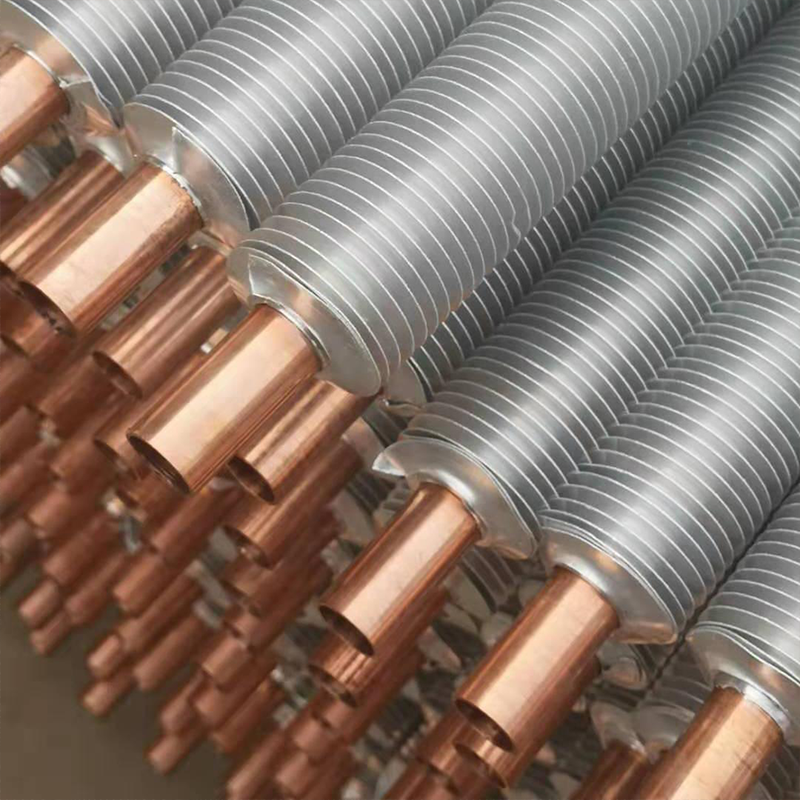
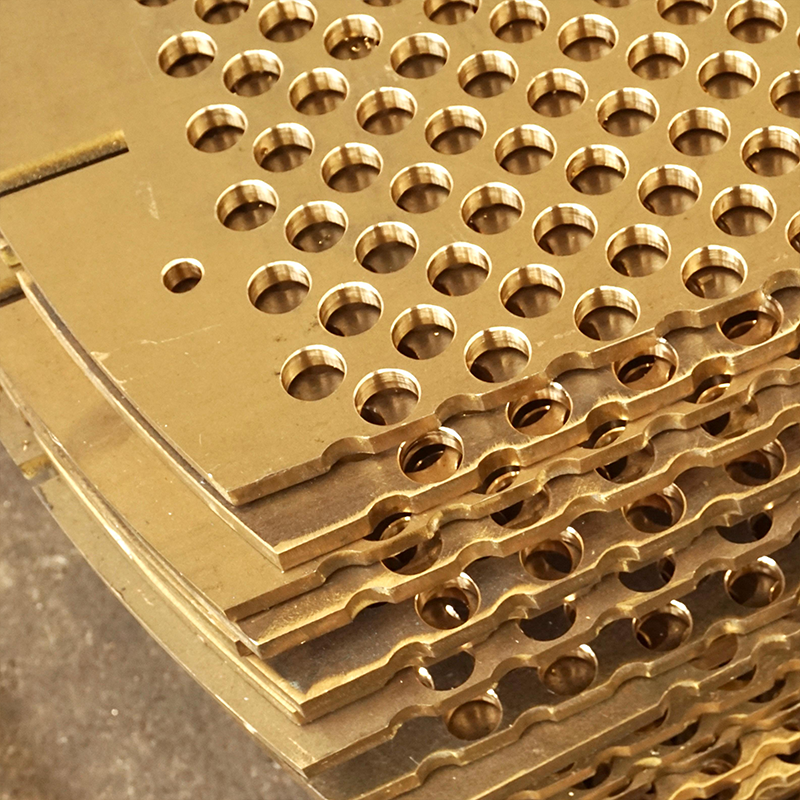
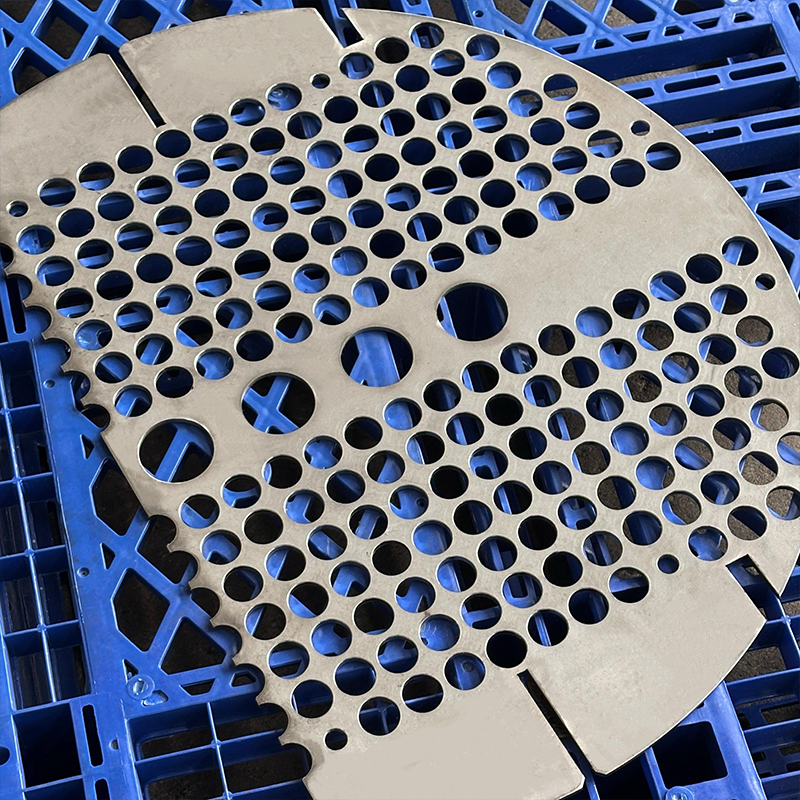
The reliability of the production process depends not only on the quality of raw materials, but also on the stability of the process equipment itself. Here, partners play an important role, capable of providing the infrastructure of oil refineries and petrochemical plants with highly efficient solutions. CompanyWuxi Kaisheng Electric Power and Petrochemical Equipment Co., Ltd.specializes in the development and production of key heat transfer equipment necessary to maintain optimal temperature conditions when processing polypropylene and other polymers. Their portfolio includes titanium shell-and-tube heat exchangers, ASME high-pressure units, 316 stainless steel, C46400 marine brass and copper-nickel corrugated tube bundles, as well as air coolers and recovery boilers. PED and ASME certified products offer exceptional corrosion resistance and thermal efficiency, which is critical when dealing with harsh environments and high pressures in polypropylene production cycles. Collaboration with suppliers such as Wuxi Kaisheng ensures long-term stability of production lines, allowing you to focus on the quality of the final product without fear of downtime due to the failure of critical equipment.
Whether you are looking to streamline your raw material procurement processes, implement best quality control practices, or upgrade your production infrastructure with reliable heat exchange equipment, our team is ready to provide consulting support. We have an extensive database of material properties from the world's leading manufacturers and experience in auditing supply chains.
Contact us todayto discuss your current specifications, obtain supplier audits or advice on equipment selection. Don't let the quality of raw materials or the condition of equipment become an uncertainty in your business.