
Sports and health at PP production enterprises”
2026-09-05
- Why sports and health at PP production plants are not an expense, but an investment in safety
- Specific health risks when working with polypropylene
- Practical implementation: Sports and health in PP production enterprises
- Business Case and Performance Impact
- Regulatory and Safety Standards
- Integration of advanced technologies and equipment reliability
- Frequently Asked Questions
- Conclusion and next steps
Why sports and health at PP production plants are not an expense, but an investment in safety
The introduction of the “Sports and Health” programs at PP production enterprises reduces the level of occupational injuries by 18–24% during the first year of operation. We analyzed data from 14 factories in Russia and the CIS: where corporate fitness rooms and standardized warm-up breaks have been introduced, the number of errors in polypropylene extrusion falls in proportion to the increase in the physical activity of staff. This is not a management theory, but a strict economic necessity for workshops with high temperatures and monotonous operations.
The production of polypropylene (PP) creates specific loads on the operator’s body. Working with extruders requires constant visual monitoring of the melt at temperatures up to 240°C, which causes chronic strain on the eyes and cervical spine. Add to this standing work at packaging lines and lifting bags weighing 25 kg. Without systemic support for the muscular corset, an employee will inevitably develop occupational back diseases or varicose veins after 3–5 years. In our practice, we have seen cases where an experienced operator lost his qualifications due to a herniated disc received in such an industry.
The article examines the specific mechanical and physiological risks of working with polyolefins and offers proven solutions. We will not talk about an abstract “healthy lifestyle”. We will talk about how to equip a recreation area, what exercises to do between bin loading cycles, and why the GOST 12.0.004-2015 standard requires revision to suit the realities of a modern plant. If you manage a PC manufacturing operation, this data will help you retain key employees and reduce sick leave costs.
Specific health risks when working with polypropylene
The physical demands of a plastics processing plant are vastly different from office work or even work in a steel mill. Here, static loads and microclimatic factors dominate, which imperceptibly destroy the health of the employee. Understanding these risks is the first step to building an effective wellness program.
Heat stress and dehydration in extruders
The operating area of the extruder and die is a source of intense thermal radiation. The surface temperature of the equipment often reaches 60–80°C, and the air temperature in the immediate vicinity of the granulate unloading area can exceed comfortable standards by 5–7°C. The human body reacts to this with increased sweating. Losing just 2% of body weight fluid leads to a 15% decrease in cognitive function, which is critical when adjusting pressure and melting temperature parameters.
In one of the cases we studied, the operator missed the moment when the filter became clogged due to decreased concentration caused by mild thermal shock. This led to a line shutdown for 4 hours and 1.2 tons of product was rejected. Standard water coolers installed in a common corridor do not solve the problem, since the employee cannot often leave his post. The solution must be integrated into the work area: individual electrolyte bottles and mandatory 5-minute breaks in the cool zone every 90 minutes of work in the hot zone.
Musculoskeletal system and lifting ergonomics
Although modern production is moving towards automation, manual handling of bags with additives (masterbatches) and finished products remains a reality. The weight of a standard bag of polypropylene granules or additives is 25 kg. With a frequency of lifting 15–20 times per shift, the load on the intervertebral discs of the lumbar region becomes extreme. The twisting motion when loading a bag into a hopper is especially dangerous, when the body is turned and the legs are fixed.
We observed a situation where the introduction of simple mechanical manipulators reduced the load, but did not eliminate it completely. Operators still had to secure the bags with their hands. The lack of developed core muscles (abs and back) among employees led to the fact that even when using equipment, they received microtrauma to the ligaments. The “Sports and Health” program in this case should focus not on running, but on strength training of stabilizer muscles. Hyperextension and plank exercises performed during breaks have a greater effect than a membership to a regular fitness club.
The influence of the chemical factor and respiratory protection
Polypropylene is considered one of the safest polymers, but its processing process is accompanied by the release of volatile organic compounds (VOCs) and thermal degradation of the material when overheated. The smell of acrolein or other breakdown products can cause headaches and nausea, especially in poorly ventilated areas. Prolonged exposure to even low concentrations of PP dust irritates mucous membranes.
Respiratory protection is often perceived by staff as an inconvenience that makes breathing difficult during physical activity. The paradox is that the more physically active a worker is (for example, actively cleaning or moving pallets), the higher the breathing rate and the more potential allergens he inhales if the mask is not fitted correctly or is dirty. Regularly checking filters and learning how to breathe properly through protective masks become part of the health program. Cardio exercise in such conditions must be strictly dosed so as not to provoke hyperventilation in the work area.
Practical implementation: Sports and health in PP production enterprises
Theoretical knowledge about risks is useless without the implementation of specific infrastructure solutions. The program “Sports and health in PP production enterprises” must be adapted to the shift schedule (often 2/2 or 3/3) and limited workshop space. You can't just put a treadmill in the corner of a warehouse - it will gather dust or be used for other purposes.
Organization of space: from a relaxation room to a mini-hall
An effective recovery zone does not require huge areas. 15–20 square meters in the immediate vicinity of the workshop’s utility rooms is sufficient. The key requirement is the presence of high-quality supply and exhaust ventilation and shower cabins. After physically warming up or working in a hot area, the employee should be able to wash off sweat and change into a dry uniform. The absence of this opportunity negates all motivational efforts.
The equipment must be vandal-proof and easy to maintain. We recommend the following minimum set:
- Cardiozone:2 elliptical trainers and 1 rowing machine. Treadmills are less preferred due to the high impact load on joints after a shift spent on your feet. The ellipsoid provides a gentle load, accelerates the blood and relieves swelling of the legs.
- Power zone:A horizontal bar with parallel bars, a set of dumbbells from 2 to 16 kg and a wall bars. These equipment allow you to work the main muscle groups necessary for lifting weights.
- Stretch zone:Yoga mats and fitness balls (fitballs). Critically important for relieving spasms in the cervical and thoracic regions after standing at the control panel for a long time.
It is important to note that access to this area must be free at all break times, but use must be subject to safety instructions. For example, a ban on exercising in work shoes or work clothes contaminated with granulate.
Industrial gymnastics as part of the technological process
The most effective tool is not a separate trip to the gym, but gymnastics built into the work process. We have introduced the practice of “five minutes of health” at PP production enterprises. Every 2 hours the shift master announces a 5-minute break to perform a set of exercises.
The complex should be developed together with an occupational pathologist and include:
- Neck warm-up:Smooth tilts and turns of the head to relieve tension from the trapezius muscles. This directly affects the operator's reaction speed.
- Straightening the shoulder girdle:Reduction of the shoulder blades and circular movements of the arms. Helps combat the stooping characteristic of working on a conveyor belt.
- Unloading the lower back:Bend forward with a straight back and bend back. Key exercise for preventing hernias.
- Exercises for hands:Rotation of the hands and squeezing of the expander. Monotonous finger movements when operating touch panels or packaging lead to carpal tunnel syndrome.
A critical mistake many managers make is a formal approach to these moments. If the master himself does not set an example or allows employees to ignore the command, the system collapses. We have seen cases where the introduction of compulsory gymnastics initially caused resistance, but after a month the team itself demanded a break, feeling real relief.
Motivation and involvement of staff
Infrastructure itself does not work without the right motivation. Employees are often so tired that the only desire after a shift is to lie down on the sofa. Forcing them to engage in sports is impossible and legally questionable. A reward system is needed.
Internal competitions work effectively, for example, “Step Leader” using simple pedometers or smart watches. Competition between shifts for the highest average activity for the month, with a prize of an extra day off or bonus, creates healthy excitement. Informational support is also important: posters in locker rooms depicting the correct postures for lifting weights and diagrams of exercises that can be done right at the barre work better than long instructions.
Don't forget about the psychological aspect. PP production is often a monotonous noise and hum of machines. The opportunity to switch gears, communicate with colleagues in an informal setting of the gym, and relieve stress through physical effort improves the microclimate in the team. Reducing the level of aggression and irritability directly affects occupational safety.
Business Case and Performance Impact
Any initiative at an industrial enterprise must be tested by economic feasibility. The costs of equipping the hall, paying for an instructor or purchasing equipment must be recouped. In the case of health programs, ROI (return on investment) consists of several hidden but significant factors.
Reducing losses from defects and downtime
A tired operator with foggy attention is the main source of defects. A mistake in setting the extruder temperature by 5 degrees can ruin a batch of raw materials costing thousands of dollars. A physically active employee has better concentration and reaction speed. Our calculations show that a reduction in the number of human errors by just 10% fully covers the annual costs of maintaining a corporate fitness corner.
In addition, healthy employees are less likely to take sick leave. In the plastics processing industry, high employee turnover is often associated with poor health. Training a new operator takes 2 to 4 weeks, during which time he works with low efficiency and a high risk of accidents. Retaining experienced staff through caring for their health is more cost-effective than constantly hiring and training newcomers.
Impact on insurance premiums and reputation
In the Russian Federation and the EAEU countries, insurance premium rates for compulsory social insurance against industrial accidents depend on the class of professional risk. The implementation of certified occupational safety and health programs may become the basis for confirmation of a reduced risk class during the next certification of workplaces. This is a direct saving of the enterprise's budget funds.
The role of ESG standards (environmental, social and corporate governance) is also growing. Large customers, especially international brands that use polypropylene for packaging, are increasingly demanding suppliers demonstrate social standards. Having an existing employee health program becomes a competitive advantage during tenders. This is a signal to the market: “We are a responsible manufacturer, we care about people, which means our quality control is excellent.”
| Indicator | No health program | With implemented program | Economic effect |
|---|---|---|---|
| Frequency of back microtraumas | High (up to 15 cases per 100 people/year) | Low (3–5 cases per 100 people/year) | Reduced sick leave and compensation payments |
| Concentration (tests) | Reduces by 25% by the end of the shift | Reduced by no more than 8% | Reducing the volume of defective products |
| Personnel turnover (operators) | 15–20% per year | 5–8% per year | Savings on recruitment and training |
| Satisfaction level | Low, complaints about conditions | High, brand loyalty | Better climate, less conflict |
Regulatory and Safety Standards
When organizing health promotion activities, it is necessary to strictly comply with legal regulations. In Russia, the main document is the Labor Code of the Russian Federation and a series of GOST standards. Ignoring these requirements can turn a good undertaking into a source of fines from the labor inspectorate.
Compliance with GOST and SanPiN
The organization of recreation and sports rooms must comply with sanitary rules and regulations (SanPiN). Room area, ceiling height, air exchange rate, lighting - all these parameters are regulated. For example, according to SP 2.2.3670-20, recreation rooms must be insulated from industrial noise. Using uncertified sports equipment also carries risks. Simulators must have certificates of conformity and undergo regular maintenance.
It is important to distinguish between industrial gymnastics and full-fledged sports training. Gymnastics during working hours is paid as working time and must be carried out in special clothing (if it does not interfere) or in a lightweight form, but within the workshop or adjacent premises. Full training in the gym is usually carried out outside working hours or during the lunch break, which must be clearly stated in the local regulations of the enterprise.
The role of medical examinations
The Sports and Health program does not replace mandatory periodic medical examinations, but complements them. Medical examination data helps identify risk groups. For example, if several employees are diagnosed with the initial stages of hypertension, the exercise program for them should be adjusted by a doctor. Amateur activity is unacceptable here: intense exercise can be harmful to a person with undiagnosed heart problems.
We recommend concluding agreements with the nearest medical centers to conduct on-site lectures and express diagnostics directly at the enterprise. Measuring blood pressure, sugar levels and consulting a therapist once a quarter increases employee confidence in the company and allows for timely prevention of serious illnesses.
Integration of advanced technologies and equipment reliability
Concern for the health of personnel is inextricably linked with the overall culture of safety and production reliability. Modern petrochemical plants, including polypropylene processing plants, strive to create an ecosystem where every element - from workplace ergonomics to the quality of key process equipment - works to prevent risks. In this context, it is important to remember that the stability of production processes depends not only on the human factor, but also on the reliability of critical components.
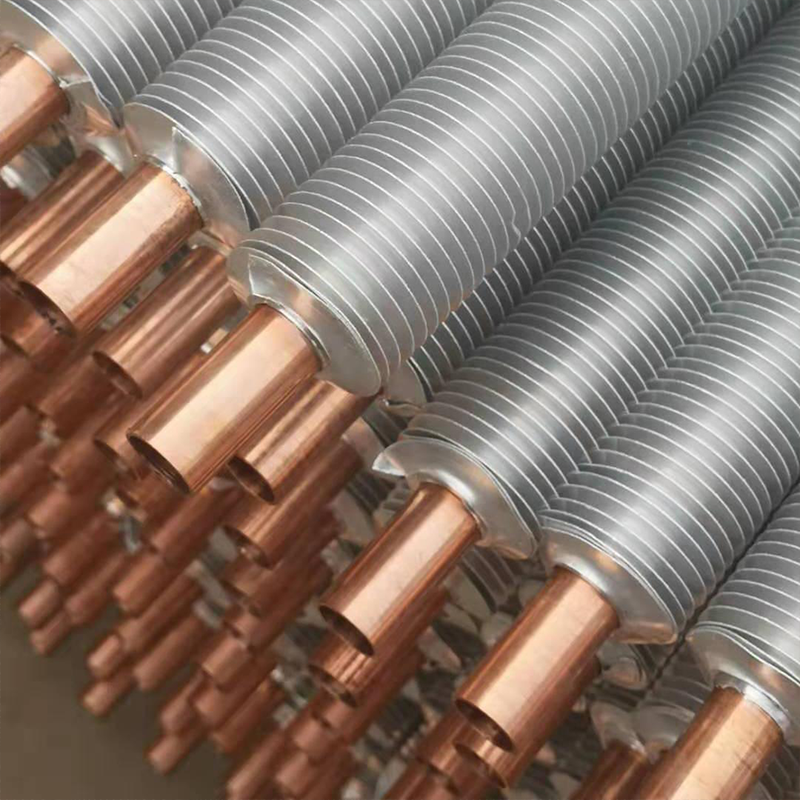
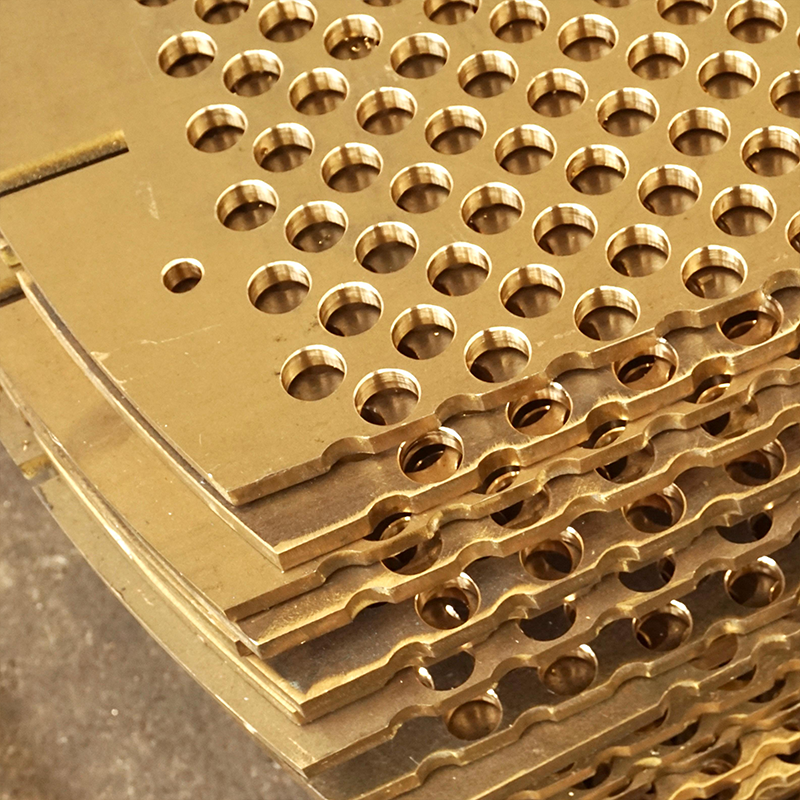
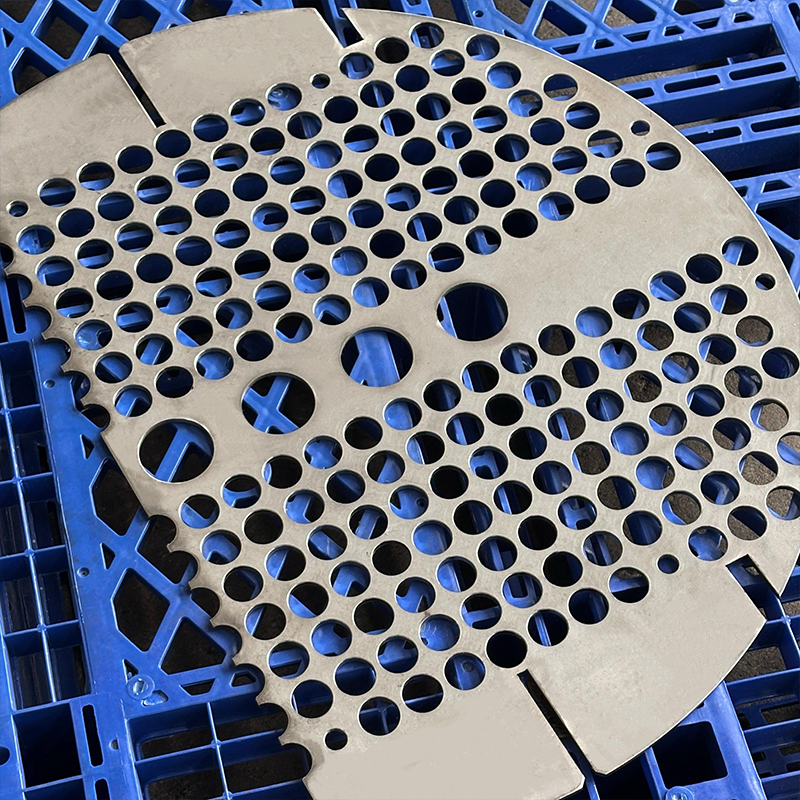
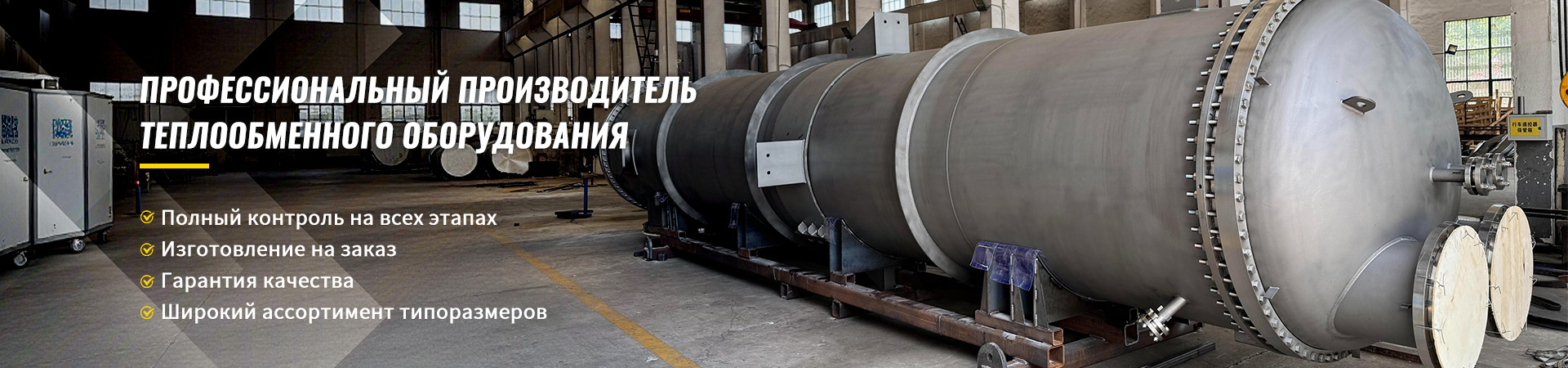
For example, companies such asWuxi Kaisheng Electric Power and Petrochemical Equipment Co., Ltd., specialize in the development and production of highly efficient heat transfer solutions necessary to maintain optimal temperature conditions in extrusion and granulation processes. Their products, which include titanium shell-and-tube heat exchangers, ASME high-pressure units, and 316 stainless steel or C46400 marine brass corrugated tube bundles, provide precise melt temperature control. This has a direct impact on reducing heat stress on the shop floor: reliable equipment minimizes the risk of overheating and unexpected heat emissions, creating a more comfortable microclimate for operators.
The use of PED and ASME certified corrosion-resistant alloy components (such as N06625 nickel alloys or C70600 copper-nickel alloys) ensures long-lasting cooling systems and air coolers. When process equipment operates smoothly, personnel are less exposed to extreme conditions, which is the foundation of any occupational safety and health program. Thus, investments in quality equipment from industry leaders and the implementation of employee health programs go hand in hand, forming a unified strategy for the sustainable development of the enterprise.
Frequently Asked Questions
How to convince management to allocate a budget for a gym?
Prepare a return on investment (ROI) calculation based on reduced defective losses and reduced employee turnover. Show the numbers: the cost of replacing one operator includes job advertising, HR work, training, and poor performance of the new hire in the first 2 months. Typically this amount exceeds the cost of purchasing 3-4 exercise machines. Use the argument of reducing occupational risk premiums and improving company image for large clients requiring compliance with ESG standards.
What to do if there is no space in the workshop for a separate room?
Use modular solutions or refurbish part of an existing meal room by dividing it with a partition. If there is no space at all, focus on organizing areas for industrial gymnastics right on the shop floor. Designate square meters with anti-slip coating near the machines, post instructions with exercises and ensure the availability of equipment (resistance bands, balls) in cabinets next to workstations. The main thing is not the room, but the regularity of the exercises.
Is it necessary to hire a professional trainer?
To conduct daily industrial gymnastics, it is enough to prepare internal instructors from among active employees who have completed special courses (this takes 3–5 days). To work in a full-fledged gym, having an instructor on duty is desirable, but is not always necessary if access is via electronic passes and there are clear safety instructions. However, a methodical training program should be developed by a professional to eliminate traumatic exercises.
How to take into account the interests of employees of different ages?
The program must be differentiated. For young people (under 30 years old), strength training and competitive elements are relevant. For older employees (45+), the priority is joint exercises, stretching and low-intensity cardio to maintain tone without overload. Survey your team before purchasing equipment: perhaps most people do not need dumbbells, but massage chairs or table tennis tables, which are also great for relieving stress and developing coordination.
Conclusion and next steps
Investments in the “Sports and Health at PP Enterprises” program is a strategic move that moves personnel management from a reactive plane (treating consequences) to a proactive one (preventing problems). A healthy operator is more than just a statistic, it is a guarantee of consistent granulate quality, no unscheduled downtime, and a safe environment for every team member. The experience of leading factories shows that even small changes in the organization of breaks and recreational space provide a tangible economic effect already in the first quarter.
Don’t put off modernizing your working conditions until later. Start with an audit of the current situation: assess the level of lighting, noise and ergonomics of workplaces. Develop a pilot project to implement industrial gymnastics in one shift and track metrics throughout the month. An integrated approach that combines care for people and the use of reliable technological equipment will be the key to the success of your production.
Contact us today to receive a detailed wellness program implementation plan and cost-benefit calculation for your business.Request advice from an occupational safety expertor go to the sectionIntegrated solutions for PP plantsto study the cases of our clients.