
Improvement of the territories of plastic pipe factories”
2026-09-05
- Why landscaping the territory of a plastic pipe plant is a matter of safety, not aesthetics
- Load analysis and coating selection for pipe warehouses
- Organization of drainage and protection of foundations of industrial buildings
- Zoning and logistics: traffic safety for heavy equipment
- Landscape design as an element of environmental safety and image
- Common mistakes when implementing landscaping projects
- Standards and regulatory framework for industrial areas
- Economic justification for investing in quality improvement
- Frequently Asked Questions
Why landscaping the territory of a plastic pipe plant is a matter of safety, not aesthetics
Landscaping the territories of plastic pipe factories is fundamentally different from landscaping office parks or residential complexes. What is at stake here is not the attractiveness for investors, but the physical safety of raw materials and finished products. In our practice, we have repeatedly encountered situations where saving 15% on base preparation led to subsidence of storage areas and damage to batches of polyethylene pipes with a diameter of more than 1200 mm. The basic principle that guides our team when working with polymer production is that the coating must withstand dynamic loads from fully loaded forklifts and the chemical effects of possible leaks of process fluids.
The specifics of the production of pipes from PVC, HDPE and PP require a special approach to logistics inside the workshop and in the open warehouse. Heavy coils and long strands create point pressure on the ground, which ordinary asphalt or paving slabs cannot withstand for more than two seasons. We saw how, 18 months after the commissioning of the facility, the beautiful paving stones turned into a chaotic terrain, making it impossible to safely move equipment. Therefore, in this article we will analyze the technical nuances of creating industrial coatings that last for decades, and not until the first winter.
Load analysis and coating selection for pipe warehouses
The first stage of any project begins not with choosing the color of the tile, but with calculating the axle load on the axle of the vehicle that will move around the territory. For plastic pipe factories, this parameter is critical, since standard Euro trucks with large diameter pipes can weigh up to 40 tons. If you ignore this factor and choose a coating designed for pedestrian loads or passenger cars, destruction will begin at the joints of paving elements after just six months of operation.
In the polymer pipe production industry, the most vulnerable areas are temporary storage sites (open storage). Here, products often lie directly on pallets or special trays. The weight of one such storage unit can reach 2-3 tons. When using vibration-pressed tiles less than 60 mm thick without a reinforced base, individual stones are pushed through. This creates a washboard effect that vibrates the product itself. For plastic pipes, especially thin-walled corrugated products, constant vibration from the passage of equipment on an uneven floor can provoke microcracks in the structure of the material even before shipment to the client.
Our experience shows that the optimal solution for main driveways and intensive maneuvering areas is industrial concrete with topping or granite paving stones with a thickness of 80 mm or more. Concrete floors with a reinforced top layer (topping based on corundum or metal fiber) provide solidity, eliminating the appearance of cracks where dirt and moisture can get clogged. However, this solution has a drawback: if the technology of expansion joints is violated, the concrete can crack unpredictably. We recommend using a joint map at least every 4-6 meters, filling them with elastic sealants that are resistant to UV radiation and temperature changes from -40°C to +50°C.
Granite paving stones, despite the high initial cost, demonstrate better maintainability. If a section of road is damaged by an emergency or overload, only a few stones can be replaced without stopping the entire warehouse. It is important to remember that granite must be chipped or sawn to ensure a high coefficient of adhesion. Smooth polished granite becomes a skating rink in winter and after rain, which is unacceptable for forklift drivers handling multi-ton loads. In one of our projects in the Leningrad region, replacing smooth tiles with rough granite reduced the number of micro-accidents in the area by 70% in the first year.
When choosing a material, chemical resistance must also be taken into account. Although plastic pipes themselves are inert, the manufacturing process uses lubricants, dyes and stabilizers that can spill onto the floor. Cheap types of concrete or sand-lime brick can absorb these substances, becoming a source of constant pollution and slipping. Clinker paving stones or high-quality vibro-cast concrete with water-repellent additives create a surface that can only be washed with water under pressure to restore it to its original appearance. Do not skimp on the grade of concrete: for industrial areas, grades below M400 (B30) are strictly not recommended.
Organization of drainage and protection of foundations of industrial buildings
Water is the main enemy of any industrial enterprise, and pipe factories are no exception. Improperly organized landscaping that ignores storm drainage leads to flooding of the foundations of workshops and warehouses. As a result, a capillary rise of moisture occurs, which destroys the base concrete and provokes corrosion of the metal structures of the canopies. In our practice, there was a case when the lack of a slope on the site in front of the extrusion workshop led to the accumulation of melt water, which in one winter, by defrosting, destroyed the blind area of a building worth several million rubles.
The surface drainage system must be designed taking into account the maximum hourly rainfall rates for a specific construction region. For most regions of Russia, this means using trays with a width of at least 200 mm with cast iron or steel gratings of load class D400 or E600. Plastic gratings, popular in private construction, are not applicable here - they will burst under the wheel of the first loaded tractor. Trays must be installed with mandatory concreting of the side supports, since the dynamic load from transport creates the effect of pulling out loose elements.
Surface slopes are another critical parameter that contractors often violate in pursuit of ideal “zero” geometry. For effective water drainage, the minimum slope should be 1.5-2%. On large pipe warehouse sites, this creates a height difference that must be properly leveled so as not to create obstacles for the movement of carts. We use laser leveling at the soil leveling stage to ensure uniform water flow to storm water inlets without the formation of stagnant zones (puddles). Stagnation of water is dangerous not only for the foundation, but also for the product itself: moisture getting inside the pipes or on the packaging can lead to defects during subsequent welding or installation at the customer’s site.
Special attention should be paid to sand traps. On the territory of a plastic pipe plant there is always a certain amount of abrasive dust (especially in the cutting and edge processing areas) and organic debris (packing tape, film). Without regular cleaning of the stormwater system, these deposits clog the sewers, causing water to backflow during rainstorms. The improvement project should provide convenient access points for sewage disposal equipment or the ability to easily manually clean the trays by plant personnel. The installation of removable gratings and the presence of inspection wells every 30-40 meters of the drainage line is a mandatory requirement, not an option.
Integration of the drainage system with the general plant sewage system requires coordination with production technologists. Drainage from equipment wash stations or pipe leak testing areas may contain specific contaminants. In such cases, it is necessary to provide local treatment facilities or grease and oil separators before discharging into the general network. Ignoring this requirement leads to fines from environmental services and the risk of blocking the enterprise's activities. Remember that properly functioning drainage extends the life of the road surface by 30-40%, preventing washout of the base.
Zoning and logistics: traffic safety for heavy equipment
Effective improvement of the plant territory is inextricably linked with proper zoning. Chaotic movement of loaders, trucks and pedestrian personnel is a direct road to injury and cargo damage. We insist on clear separation of flows through markings, curbs and physical barriers. In areas where long measuring pipes (6 or 12 meters) are stored, the turning radius of the equipment should be increased. Standard 3 meter wide lanes are not sufficient here; a minimum of 4.5-5 meters is required for the safe maneuver of a road train with a long load.
The marking of the territory should be done with special thermoplastics or cold plastics with increased wear resistance. Ordinary road paint is erased in one season of active use by the wheels of special equipment. Color-coding of zones helps personnel instantly navigate: for example, a red zone is for fire equipment only, a yellow zone is for loading/unloading zones, and a green zone is for pedestrian paths. It is important that pedestrian paths do not intersect flush with major freight arteries. If it is not possible to make overground or underground crossings, the crossing points should be equipped with a forced speed reduction (“speed bumps”) and improved lighting.
The organization of storage areas for finished products also affects the traffic pattern. Large diameter pipes are often stored in several tiers. The access to such stacks must allow the operation of manipulator cranes with a boom reach. The coating in these areas experiences maximum point load from the outrigger supports (outriggers) of the crane. Here it is advisable to lay additional concrete slabs or use steel sheets, which are included in the mandatory equipment of the crane operator’s workplace. The absence of such pads on soft ground or asphalt in hot weather can lead to the crane and its load tipping over.
Lighting the area at night and in winter (when daylight hours are short) plays a key role in safety. For open storage warehouses, it is recommended to use LED floodlights on high masts (12-18 meters), providing uniform illumination without a glare effect for drivers. Shadows from lighting poles should not fall on the working areas of manipulations. In our latest project, we implemented an automatic lighting system with motion sensors in low-activity areas, which reduced energy consumption by 25% without compromising safety. Dark corners in the workplace are high-risk areas where accidents most often occur.
Zoning also includes the organization of places for washing wheels of off-site vehicles. Dirt transported from the plant onto public roads is a direct conflict with utility services and the risk of fines. The washing area must have a hard surface sloping towards the sediment trap and be equipped with a water recirculation system or a connection to the sewerage system. Even the simple procedure of installing a wheel washer at the exit saves the company’s reputation and keeps internal roads clean, reducing abrasive wear of the surface from sand and clay brought in from outside.
Landscape design as an element of environmental safety and image
Many plant managers consider landscaping a secondary expense item, but for chemical and polymer industry enterprises it is a tool for environmental control. Properly selected plants act as a natural filter, trapping dust and absorbing some of the harmful emissions, although modern extrusion equipment minimizes their volume. In addition, the green zone creates a buffer between production and administrative buildings or neighboring areas, reducing noise levels from fans and compressors.
When selecting a variety of plants for a plastic pipe plant, avoid species that produce large amounts of pollen, seeds, or sticky substances that could contaminate products or clog plant ventilation systems. Coniferous trees (spruce, pine, thuja) are preferable to deciduous trees in industrial areas, as they remain decorative all year round and effectively retain pine dust. However, the depth of the root system should be taken into account: trees with strong roots cannot be planted closer than 5 meters to communications and the foundations of light buildings. We recommend using medium-height shrubs to separate functional zones - they do not overshade the area, but create visual barriers.
Lawns in an industrial area are a complex element. An ordinary parterre lawn is quickly trampled and requires constant care. For areas where there may be infrequent movement of equipment or personnel walking in work shoes, it is better to use special lawn mixtures with increased resistance to trampling or replace the grass with a geogrid backfilled with gravel. The geogrid allows water to sink into the ground, preventing the formation of dirt, and at the same time reinforces the surface, allowing it to withstand the weight of passenger vehicles or forklifts in emergency situations.
The image component of landscaping works to attract large customers and partners. When a potential client sees a well-kept area with clear navigation, green areas and a modern office facade, this subconsciously builds confidence in the quality of the product. The logic is simple: if a company keeps order on the street, it means that it also carefully controls the processes inside the workshop. The entrance area of the plant should look presentable: flower beds with seasonal flowers, a branded illuminated stele, neat parking for guests. This is an investment in the brand, which pays off through customer loyalty and employee confidence in the stability of the employer.
Don't forget about the seasonality of care. In winter, it is necessary to promptly clear areas of snow and ice using reagents that are safe for concrete and metal. Salt mixtures are aggressive to metal structures of warehouses and can cause corrosion. It is better to use a sand-salt mixture or modern acetate-based anti-icing compounds, which are less aggressive, although more expensive. In summer, watering green spaces is important; installing an automatic watering system will save resources of security personnel and ensure the survival of plants during dry periods.
Common mistakes when implementing landscaping projects
Analysis of hundreds of objects allows us to identify a number of systemic errors that customers and unscrupulous contractors make. The first and most common mistake is trying to save money on geology. Refusal to carry out full-fledged engineering and geological surveys leads to the fact that the type of coating is selected “by eye”. As a result, on heaving soils the hard concrete coating breaks, and on weak peat bogs the asphalt “floats”. By spending 0.5% of the project budget on surveys, you insure the remaining 99.5% of the investment against the risk of complete relocation in two years.
The second mistake is a violation of the base preparation technology. You can often see a picture: the turf was removed, crushed stone was poured, and tiles were laid. The absence of layer-by-layer compaction of each layer of the base with a vibrating roller leads to inevitable subsidence. For severe operating conditions of pipe factories, the thickness of the crushed stone base should be at least 30-40 cm, using crushed stone of different fractions to create a dense structure. Ignoring geotextiles between soil and crushed stone leads to siltation of the base and loss of its bearing capacity. Geotextiles act as a filter and separator, preventing layers from mixing.
The third mistake concerns the quality of the materials themselves. Purchasing curbs, tiles or concrete from unverified suppliers in order to reduce costs often results in poor service life. Cheap tiles have a low frost resistance grade (less than F200) and begin to crumble after the first freeze-thaw cycles. We require suppliers to provide test reports for each batch of materials. Incoming quality control at the facility is the responsibility of the customer’s technical supervision. Accepting materials “as delivered” without laboratory testing is a risk that does not justify the imaginary savings.
The fourth mistake is the lack of a construction management project (CIP) in terms of landscaping. The work is being carried out chaotically, heavy equipment drives where fresh coatings have already been laid, damaging them. A competent POS regulates the sequence of work: first underground communications, then the foundation, then coverings, and only at the end - landscaping and small architectural forms. Violation of this sequence leads to the fact that new roads are dug up to lay cables, and lawns are used as a warehouse for building materials.
The fifth mistake is underestimating operating costs. The customer chooses a solution with the minimum construction cost, but forgets to calculate the cost of maintenance after 5-10 years. Cheap asphalt requires pothole repairs every year, while high-quality paving stones or concrete with topping can last 20 years with virtually no investment. Calculation of the total cost of ownership (TCO) should be the main argument when choosing a landscaping technology, and not just the turnkey price per square meter at the time of start.
Standards and regulatory framework for industrial areas
All work on landscaping the territories of industrial enterprises in Russia must comply with a number of state standards and building codes. The main document is SP 82.13330.2016 “Improvement of territories”, which updated SNiP III-10-75. This set of rules regulates the requirements for coatings, landscaping, lighting and drainage. Failure to comply with these standards may lead to refusal to accept the object by the state commission or problems when passing inspections by the labor inspectorate and the Ministry of Emergency Situations.
For coatings, compliance with GOST 17608-2017 “Concrete paving slabs” is important. This standard sets requirements for compressive strength, frost resistance and water absorption. For industrial areas, slabs of at least strength class B40 and frost resistance class F300-F400 are required. GOST 26633-2015 is also used for heavy and fine-grained concrete. Understanding these markings allows the customer to competently draw up technical specifications and weed out suppliers of substandard products.
In matters of labor safety in the territory, GOST 12.1.051-90 (SSBT) “Inter-industry rules for labor protection in the production of containers and packaging of products” and general requirements for production organizations apply. They require clear markings, fencing of dangerous areas and sufficient lighting. Ignoring these requirements during landscaping makes the enterprise vulnerable to fines in the event of accidents. Judicial practice shows that the lack of proper development of the territory is often interpreted as a violation by the employer of obligations to ensure safe working conditions.
Environmental aspects are regulated by Federal Law No. 7-FZ “On Environmental Protection”. Any change in terrain, installation of new drains or disposal of construction waste must be approved. When landscaping, it is necessary to take measures to protect soils from contamination by construction materials. Disposal of old pavement (asphalt chips, broken concrete) must be carried out by licensed organizations with the execution of appropriate acts. This is not bureaucracy, but a necessity to maintain the ecological balance of the region and avoid serious sanctions.
Certification of materials according to the GOST R system or the availability of declarations of conformity with the Technical Regulations of the Customs Union (EAC) is a prerequisite for the admission of materials to the facility. This is especially true for polymer drainage elements and geosynthetic materials. The use of uncertified products may void the warranty for the work performed. We always include a clause on the provision of a full package of certificates in the contract, since this is the only proof of the quality of materials in case of disputes.
Economic justification for investing in quality improvement
Investment in professional landscaping of a plastic pipe plant should not be viewed as a cost, but as an asset that impacts operational efficiency. Direct savings are achieved by reducing the cost of repairing roads and sites. High-quality coating lasts 3-5 times longer than budget analogues, which reduces the frequency of major repairs. If you count the cost of equipment downtime during road repairs and the time lost by logisticians to avoid potholes, then the difference in construction costs will pay off in the first 2-3 years of operation.
Indirect savings are associated with product safety. Level platforms prevent broken pipes, damage to packaging and contamination of products. One batch of defective pipes due to falling off a forklift on uneven ground can cost more than the entire warehouse leveling project. In addition, effective drainage protects building foundations from destruction. Repairing the foundation of a production workshop is a multimillion-dollar expense and stops production, while proper blind area and storm drainage are incomparably cheaper.
The impact on labor productivity is also significant. Convenient logistics, good lighting and the absence of dirt reduce the time required for loading and moving cargo. Employees work faster and safer in a comfortable environment. Reduced injury rates lead to lower insurance claims and no downtime due to accident investigations. Psychological factor: employees are proud of an enterprise that is clean and beautiful, which reduces staff turnover - an important problem for industrial regions.
The market value of an enterprise with a well-groomed territory is higher. When selling a business or attracting investments, the condition of fixed assets, including land and infrastructure, undergoes a thorough assessment (due diligence). A neglected area signals poor management and hidden problems within the company. On the contrary, the modern industrial landscape increases the investment attractiveness and credit rating of the company in the eyes of banks and partners.
Calculation of ROI (return on investment) for improvement projects usually shows a positive value over a 5-7 year horizon. Considering the long life cycle of industrial facilities (20-50 years), the share of improvement costs in the total construction budget is negligible (usually 3-5%), and the contribution to trouble-free operation is huge. We recommend including annual funds in the enterprise development budget for maintaining and modernizing the landscape, considering this as insurance against major emergency expenses in the future.
Frequently Asked Questions
What is the most durable coating for the passage of trucks with pipes?
The most durable solution is a reinforced concrete floor with a topping (strengthened top layer) at least 150-200 mm thick or granite paving stones on a concrete base. When heavy loads are parked and traffic speeds are low, asphalt is prone to rutting, especially in summer. Concrete provides solidity and high load-bearing capacity, and granite paving stones allow local repairs of areas without stopping the entire flow. The choice depends on the budget: concrete is cheaper to install, granite is cheaper in long-term maintenance.
Is it necessary to heat the grounds in winter?
An anti-icing system (electric heating or water heated floor) is recommended only for critical areas: ramps, entrances to workshops and areas with heavy pedestrian traffic. For large warehouse areas this is not economically feasible due to the enormous energy consumption. It is enough to organize prompt mechanical snow removal and treatment with safe reagents. However, if your plant operates 24/7 and equipment downtime is unacceptable, local heating of key logistics units can pay off by accelerating transport turnover.
Is it possible to lay tiles over old asphalt?
This is technically possible, but is highly not recommended for industrial loads. Old asphalt is an unstable base; it can “float” when heated or sag. Laying tiles on such a base will quickly disrupt the geometry of the coating and destroy the locks between the elements. The correct technology involves the complete removal of old asphalt, the installation of a new crushed stone base with layer-by-layer compaction, and only then the installation of the coating. Savings on dismantling will result in double the cost of remodeling in a year.
What slope is needed to drain water on a large area?
The minimum longitudinal slope for trays and surfaces should be 0.5-1%, and the transverse slope for coverings should be 1.5-2%. On very large areas (more than 1 hectare), a slope of 2% will create a significant difference in elevation, so a combination of slopes and additional rainwater inlets in the center of the map is used. The main rule: water should not stand anywhere. Even a small accumulation of water in winter will turn into an ice slide, dangerous for equipment. Slope design should be done by professionals using survey data.
How long does it take to improve the territory of an average plant?
The timing depends on the volume of excavation work and weather conditions. For an area of about 1 hectare with the construction of roads, platforms and basic landscaping, a realistic period is 3-5 months. In winter, work is limited (concrete work requires warming up, landscaping is impossible), so the ideal schedule is to start in early spring and complete in the fall. Compressing deadlines is possible by increasing the number of equipment and crews, but this leads to an increase in the cost of the project and the risk of disruption of soil compaction technologies.
Landscaping the territories of plastic pipe factories is a complex engineering process that requires a deep understanding of the specifics of production, logistics and climatic conditions. Mistakes at this stage are too expensive to experiment with. Entrust the creation of infrastructure to professionals who know the value of every millimeter of coverage and every liter of diverted water. Your territory is the face of your business and the foundation of your operational efficiency.
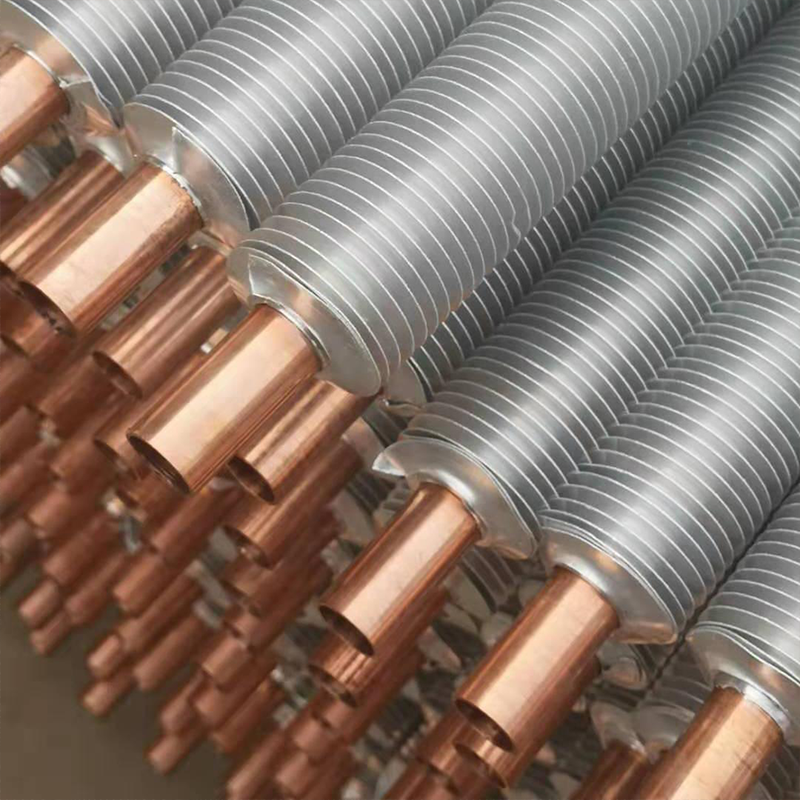
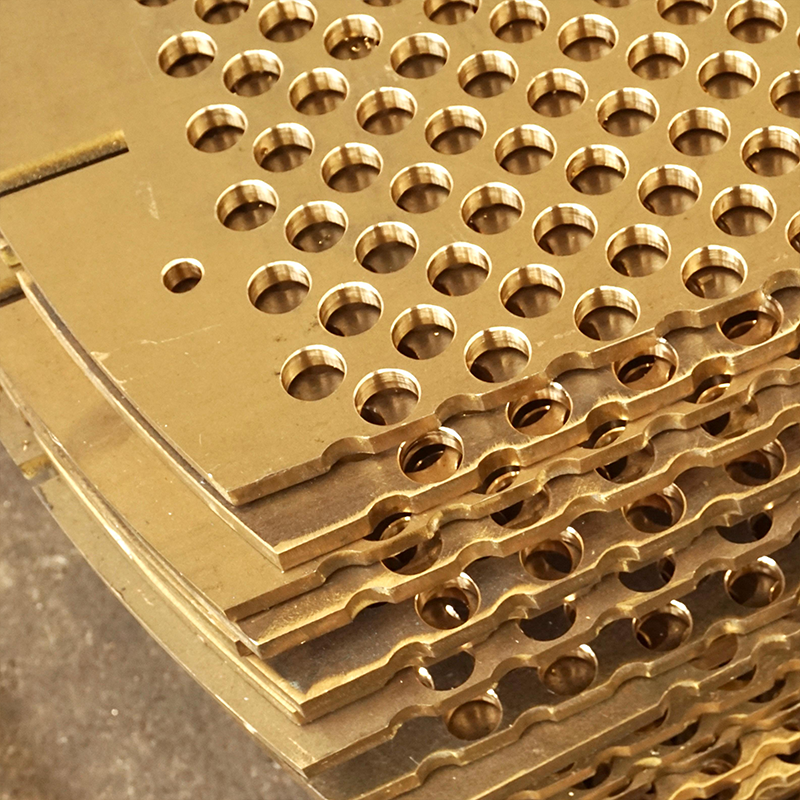
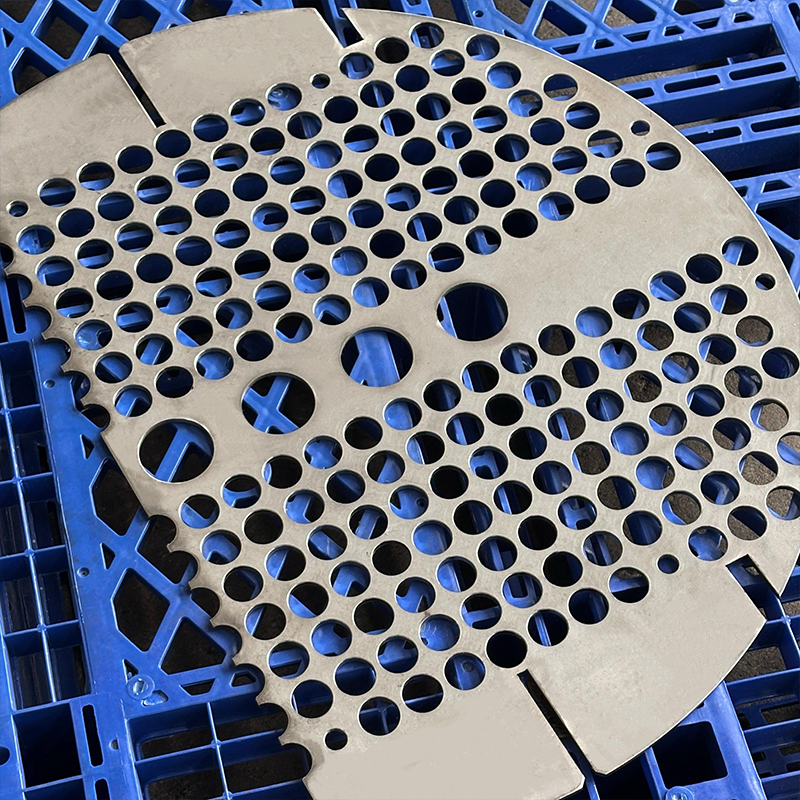
The approach to building reliable infrastructure requires the same attention to detail and quality of materials as the production of high-tech equipment. For example, a companyWuxi Kaisheng Electric Power and Petrochemical Equipment Co., Ltd., which specializes in the design and production of heat transfer equipment, applies similar principles in its work. Their products, including titanium shell-and-tube heat exchangers, ASME high-pressure systems and specialty alloy tube bundles (316 stainless steel, C46400 marine brass, copper-nickel alloys), are certified to international PED and ASME standards. As is the case with industrial landscaping, where corrosion resistance and resistance to high loads are important, Wuxi Kaisheng equipment provides reliability in the most aggressive environments of oil refining, chemical industry and shipbuilding. This example proves that, regardless of the application - whether paving or heat exchangers - long-term success depends on the use of certified materials and adherence to strict process standards.
If you are planning to modernize an existing site or build a new plant, do not put off the issue of designing landscaping until later. Contact us today for a consultation and audit of your property. We will help you develop a solution that will last for decades and become a reliable basis for the growth of your production.Order a calculation for an industrial territory improvement project.