
Personal protective equipment for PE welders”
2026-09-09
- Why standard personal protective equipment for PE welders does not protect against occupational diseases
- Technical characteristics: what parameters to look for when choosing PPE
- Standards and certification: how to read PPE labels
- Ergonomics and comfort: why a welder removes protection
- Economic justification for purchasing high-quality PPE
- Care and operation: extending the life of workwear
- Conclusion: security as an investment in the future
Why standard personal protective equipment for PE welders does not protect against occupational diseases
In our practice, we have repeatedly encountered a situation where the purchase of cheap suits led to second-degree burns and loss of vision for operators.Personal protective equipment for PE weldersis not just a fabric impregnated with a fire-resistant composition, but a complex engineering system, where every gram of weight and every millimeter of density affects a person’s life. If you are reading this text, it means that your company is faced with a choice: save on workwear now or pay huge fines and compensation later. We analyzed hundreds of incidents at production sites from St. Petersburg to Vladivostok and identified critical errors in the selection of equipment.
The main problem in the market today is the lack of a clear understanding of the difference between “non-flammable” fabric and fabric that protects against thermal radiation. Many suppliers offer products that technically pass the ignition test, but fail to withstand contact with molten metal. In this article, we will analyze the technical parameters that are really important when choosing, based on GOST 12.4.250-99 and European standards EN ISO 11611. You will learn why impregnated cotton is worse than arimid fibers in the long term and how to correctly calculate the budget for personnel protection so that it pays off in one quarter.
Real consequences of savings: case study of a metal structures workshop
One of our clients, a large tank factory, decided to switch to cheaper cotton/polyester blend suits to save 15% of their budget. The result was not long in coming: after three months of operation, three welders received through-and-through burns to their legs. The reason turned out to be trivial - the polyester in the fabric did not smolder upon contact with a spark, but melted, sticking to the skin and causing deep chemical and thermal damage. The fabric formally met the requirements for the absence of open combustion, but completely failed the test for resistance to molten metal splashes.
This incident taught us the main rule: never look only at the certificate of conformity. The certificate confirms that the sample has been tested in laboratory conditions, but it does not guarantee that the batch of clothing will withstand the real loads of your production. When choosingpersonal protective equipment for welders PEit is necessary to require test reports specifically for resistance to splashes of molten metal of class 1 or 2. Ignoring this parameter turns the workwear into a trap for the employee. We strongly recommend that you conduct your own sample testing before bulk purchasing, even if the supplier provides all the documentation.
Technical characteristics: what parameters to look for when choosing PPE
When assessing the quality of welding clothing, most buyers pay attention to the appearance and price, ignoring the physical and mechanical properties of the material. This is a fatal mistake. The key parameter is the density of the fabric, measured in g/m². For manual arc welding, the minimum permissible density is 240 g/m², however, for work in an overhead position or when using high currents (over 200 A), we recommend using materials with a density of 320 g/m² to 450 g/m². Thin fabric quickly burns through, creating a direct threat to the operator’s health.
The second critical parameter is fiber composition. Pure cotton (100% Cotton) with fire retardant impregnation (Proban, Pyrovatex) is a classic solution, but has a limited resource. After 25-30 washes, the effectiveness of impregnation decreases, and the fabric begins to support combustion. An alternative is fabrics based on modified viscose fibers (for example, Visil) or mixed materials with the addition of aramids (Nomex, Kevlar). Such compositions retain their protective properties throughout the entire service life of the product, since fire resistance is embedded in the structure of the fiber itself, and is not chemically applied on top.
The third aspect that is often overlooked is the strength of the seams and fittings. Even the best fabric is useless if the threads with which it is sewn burn out in one shift. To sew quality suits, only aramid threads (such as SVM or Kevlar) should be used, which can withstand temperatures up to 400°C without breaking. Ordinary lavsan or cotton threads are absolutely not suitable. It is also important to check the quality of the zippers: they should be hidden by strips of the main fabric so that the molten metal does not fall directly on the fastener and jam it at the most inopportune moment.
Comparison of materials: Cotton with impregnation vs Arimid fabrics
The choice between cotton and synthetic fibers is often the subject of heated debate in purchasing departments. To make an informed decision, you need to understand the physics of combustion and heat transfer. Coated cotton works on the principle of forming a carbon crust when heated, which insulates the lower layers of the fabric from fire. This is effective, but the coal crust is fragile and easily crumbles under mechanical stress, allowing flame access to the body. Arimid fibers do not melt and do not support combustion at all, charring only at extremely high temperatures, while maintaining structural integrity.
| Comparison parameter | Fire Retardant Cotton (FR Cotton) | Aramid fibers and mixtures (Aramid/Viscose) | Blended fabrics (Cotton + Polyester) |
|---|---|---|---|
| Protection mechanism | Chemical impregnation, washes out over time | Built-in fiber properties, won't wash out | Low durability, polyester melts |
| Service life (wash cycles) | 25–50 cycles (depending on the quality of impregnation) | More than 100 cycles without loss of properties | Not recommended for welding |
| Resistant to metal splashes | Medium (class 1 according to EN ISO 11611) | High (class 2 according to EN ISO 11611) | Critically low (risk of sticking) |
| Comfort in the heat | High (good breathability) | Medium (fabric may be stiffer) | High, but dangerous to health |
| Cost of Ownership (TCO) | Low purchase price, high replacement frequency | High purchase price, long service life | Lowest price, maximum risks |
The table shows that for intensive use, where suits are subjected to daily stress and frequent washing, investments in arimid fabrics are more economically justified. Yes, the initial cost of such a set can be 2-3 times higher than that of its cotton counterpart, but its service life exceeds the service life of cotton by 3-4 times. In addition, arimid fabrics are lighter in weight with the same degree of protection, which reduces welder fatigue at the end of the shift. A tired worker makes more mistakes, so the ergonomics of clothing directly affects productivity.
Standards and certification: how to read PPE labels
The Russian market is subject to strict occupational safety and health regulations, and understanding labeling is a must for any procurement professional. The main document is the Technical Regulations of the Customs Union TR CU 019/2011 “On the safety of personal protective equipment”. However, many manufacturers also rely on European standards, which are often more detailed. The key standard for welders' clothing is EN ISO 11611. It divides protective clothing into two classes: Class 1 for less hazardous welding (low levels of spatter) and Class 2 for more hazardous conditions (high levels of spatter and radiation).
When reviewing the documentation, pay attention to the icons. The image of a shield with a number inside indicates the protection class. If you see the number 1, this suit is suitable for manual arc welding with coated electrodes up to 2.5 mm in diameter or for gas welding. The number 2 means that the product can withstand working with larger diameter electrodes and higher currents. The arc resistance marking (EN 61482) is also important. For work under voltage or near electrical installations, a regular welding overall is not suitable - special suits with arc-proof properties are required.
Another important point is compliance with GOST 12.4.250-99, which regulates the requirements for special clothing for protection from general industrial pollution and mechanical influences. Combined with specialized standards, this creates comprehensive protection. We recommend asking the supplier not just a copy of the certificate, but an appendix to it, which indicates specific test indicators: burning time, length of the charred part, presence of molten drops. If the supplier refuses to provide these details or hides them behind the wording “meets requirements”, this is a red flag signaling possible problems with the quality of the batch.
Typical mistakes when accepting a batch of workwear
Even if all the documents are available, defects can leak into the warehouse. In our practice, there was a case when a batch of suits had the correct certificates, but when cutting it turned out that the manufacturer used threads with a lower temperature threshold than stated in the sample. To avoid such situations, it is necessary to carry out random inspection when accepting goods. Take several samples from different boxes and conduct a visual inspection of the seams: they should be smooth, without gaps, and the ends of the threads should be neatly melted or tucked in.
Check the fittings: buttons and zippers should work smoothly, without jamming. Pay special attention to the presence of all required structural elements - bibs, knee pads, reinforcing pads on the shoulders and forearms. Often, unscrupulous manufacturers save on these parts, reducing fabric consumption, which critically reduces the service life of the product in areas of greatest wear. Also check the size chart: clothes should not restrict movement, but should not hang like a bag, as folds of fabric can accumulate sparks and smolder. Proper landing is the key to safety.
Ergonomics and comfort: why a welder removes protection
The biggest safety hazard is when an employee voluntarily refuses to wear PPE. The main reason for this behavior is discomfort. Welding is hard physical work, often performed in high temperatures in the summer or in confined spaces. If the suit does not “breathe,” the person overheats, sweats, loses concentration and eventually unbuttons his jacket or takes off his leggings, exposing himself to attack. Therefore modernpersonal protective equipment for welders PEmust have not only fire resistance, but also high levels of breathability and moisture removal.
Design features play a decisive role. The presence of ventilation valves under the arms, adjustable cuffs and the ability to adjust the volume of the belt allows you to adapt clothing to the individual characteristics of the worker. It is also important to consider seasonality. For the summer period, single-layer suits made of lightweight fire-resistant fabrics with a density of 240-280 g/m² are optimal. For winter or work in unheated workshops, insulated options or the use of a multi-layer system are required, where an insulating layer, also made of non-combustible materials, is put on top of a fire-resistant base layer.
We recommend introducing the practice of fitting before bulk purchasing. Give samples to a few employees of different body types and ask them to work in the new clothes for one shift. Collect feedback: where it’s pressing, where it’s hot, what movements are difficult. This simple procedure will help avoid mass discontent and sabotage of safety regulations in the future. Remember that comfortable clothes are worn more willingly, which means the level of injury naturally decreases.
Additional protection elements: not just a suit
A complete set of PPE for a welder is not limited to a jacket and trousers. Protecting your head, arms and legs is equally important. New generation welding helmets with automatic darkening (chameleons) significantly reduce the strain on the eyes and cervical spine, since the welder does not need to constantly nod his head to activate the filter. When choosing a mask, pay attention to the dimming response speed (it should be no more than 0.1 ms) and the availability of sensitivity adjustments.
Gaiters (welding gloves) should be made of split leather or thick leather with elongated bells that cover the wrists. For particularly critical work, there are gauntlets with a Kevlar lining that protect against burns in case of accidental contact with hot metal. Shoes also require attention: boots must have a metal toe (protection from falling heavy objects) and a tongue that completely covers the lacing to prevent sparks from getting inside. Using fire-resistant fabric shoe covers over regular footwear is a common but less reliable practice that is best replaced with specialized footwear.
Economic justification for purchasing high-quality PPE
The CFO might argue: Why spend more on clothes when you can buy them cheaper? The answer lies in calculating the total cost of ownership (TCO). A cheap suit lasts 2-3 months, after which it requires replacement. A high-quality suit made of arimid fabric lasts 12-18 months. A simple mathematical calculation shows that in a year per employee you will have to buy 4-6 cheap sets versus one expensive one. The difference in price is leveled out, and the costs of logistics, warehousing and issuing new clothes increase many times over with frequent purchases of small quantities.
Additionally, consequential damages from personal injury cannot be ignored. One burn accident can cost a company millions of rubles in fines from the labor inspectorate, payments to the victim, equipment downtime and investigations. The cost of one high-quality set of PPE is not comparable to these risks. Investing in security is insurance against catastrophic expenses. In our practice, companies that switched to high-quality PPE noted a reduction in the number of micro-injuries and burns by 40-50% already in the first year of operation, which directly affected the labor participation rate and the general atmosphere in the team.
How to correctly draw up technical specifications for a supplier
To get exactly what your production needs, the terms of reference (TOR) should be as detailed as possible. Don’t just write “welder suit”. Specify: “Welding suit made of fabric with a density of at least 320 g/m², composition 100% cotton with FR impregnation or viscose/aramid mixture, protection class 2 according to EN ISO 11611, reinforced knee pads, aramid threads in the seams, color blue/gray.” The more accurately you describe the requirements, the more difficult it will be for the supplier to replace a quality product with a surrogate.
Be sure to include in the terms of reference a clause on the provision of samples for preliminary testing before shipment of the main batch. This will give you leverage and the opportunity to check the quality “live”. Also indicate the requirements for packaging and labeling: each item must have a tag with the size, fabric composition and date of manufacture. The absence of markings on a product is a violation of the law and complicates monitoring of service life. A well-written technical specification is half the success in organizing a safe workplace.
Care and operation: extending the life of workwear
Proper care of welding clothing can increase its service life by one and a half times. The main rule of washing fire-resistant suits is to avoid the use of bleach and fabric softener. Bleach destroys the chemical structure of the impregnation (if FR cotton is used), and conditioners create a fatty film on the surface of the fabric that can ignite. Washing should be done at a temperature no higher than 40-60°C (depending on the manufacturer's recommendations) in a delicate cycle.
Clothes should be dried flat, away from direct heat sources and open flames. Using tumble dryers at high temperatures can cause fabric to shrink and damage seams. Before each shift, the employee must inspect his clothing for damage: holes, frays, missing buttons. Even a small hole can become an entry point for a spark. Repairs to clothing should only be made with materials with similar fire-resistant characteristics. A patch made of ordinary fabric on a fire-resistant suit is not acceptable.
Timely replacement of worn-out elements is part of a safety culture. If the suit has lost its protective properties (the fabric has become thin, irremovable contamination with oil or paint has appeared that can burn), it must be disposed of. Using expired or damaged PPE is equivalent to working without protection. Introduce a system of regular certification of workwear at the enterprise, where the responsible person checks the condition of the issued equipment once a quarter and issues replacement certificates.
Frequently Asked Questions
What protection class should I choose for semi-automatic carbon dioxide welding?
Semi-automatic welding (MIG/MAG) is characterized by intense spatter of molten metal, so the minimum required is Class 2 according to EN ISO 11611. This class guarantees protection against more powerful splashes and longer contact with the heat source. Using Class 1 clothing in these conditions is risky as the fabric may not withstand the flow of sparks, especially when working in a vertical or overhead position. We recommend that you always select a safety margin, especially if welding conditions vary.
Can fire-resistant clothing be washed with regular work uniform?
Absolutely not. Washing fire-resistant clothing together with regular uniforms containing synthetic fibers (polyester, nylon) is prohibited. When washing, lint and synthetic microparticles can settle on the surface of the fire-resistant fabric. In the event of a fire, these particles will melt and burn to the suit, negating its protective properties and creating an additional risk of burns. PPE for welders must be washed in a separate batch, using special detergents that do not contain optical brighteners.
How often should welding filters in masks be changed?
The service life of the light filter depends on the intensity of work and operating conditions. On average, with daily 8-hour operation, the service life of a high-quality filter ranges from 2000 to 5000 hours. However, the main criterion for replacement is not the time, but the condition: the appearance of cracks on the outer glass, a decrease in image clarity, spontaneous dimming or, conversely, a delayed response. If the welder complains of eye fatigue or “bunnies,” the filter must be changed immediately, regardless of service life. External protective glass is replaced much more often as it becomes dirty or damaged by splashes.
Conclusion: security as an investment in the future
To summarize, choosing the right equipment is a strategic decision that affects the entire production chain.Personal protective equipment for PE weldersshould not be seen as an expense to be cut, but as a tool to improve efficiency and reduce risks. The market offers many options, from budget cotton to high-tech arimid composites, and the manager’s task is to find a balance between cost and the actual degree of protection, based on the specifics of his tasks.
We encourage you to review your business's current purchasing standards. Conduct an audit of existing workwear, compare its characteristics with real working conditions and, if necessary, update your PPE stock. Remember that behind each item in the technical specifications is the health of a specific person. A professional approach to protecting welders creates a reputation as a reliable employer and ensures uninterrupted production processes. Don't wait until an incident occurs to understand the value of quality protection.
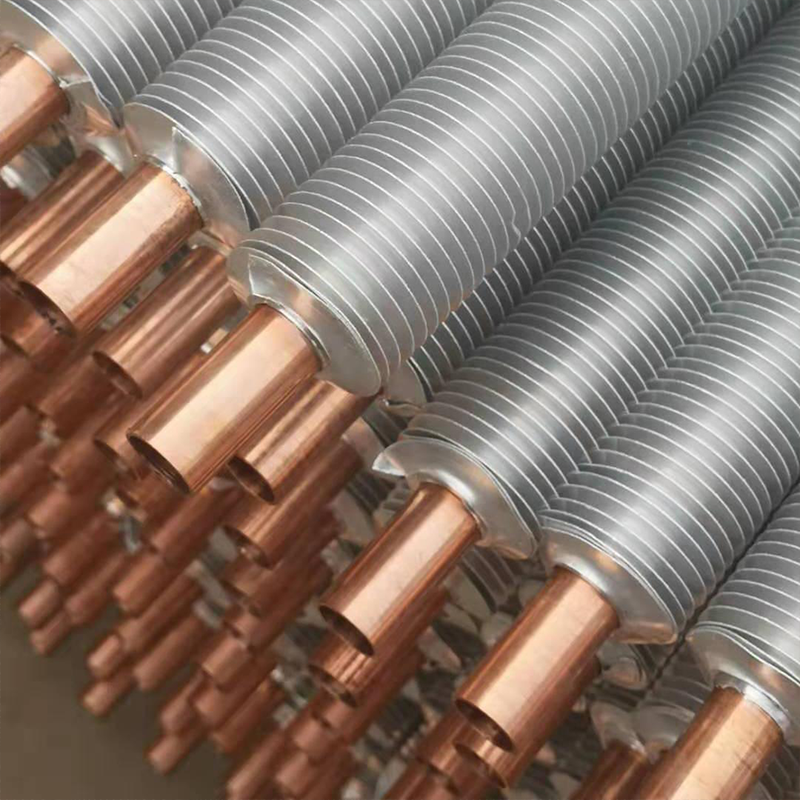
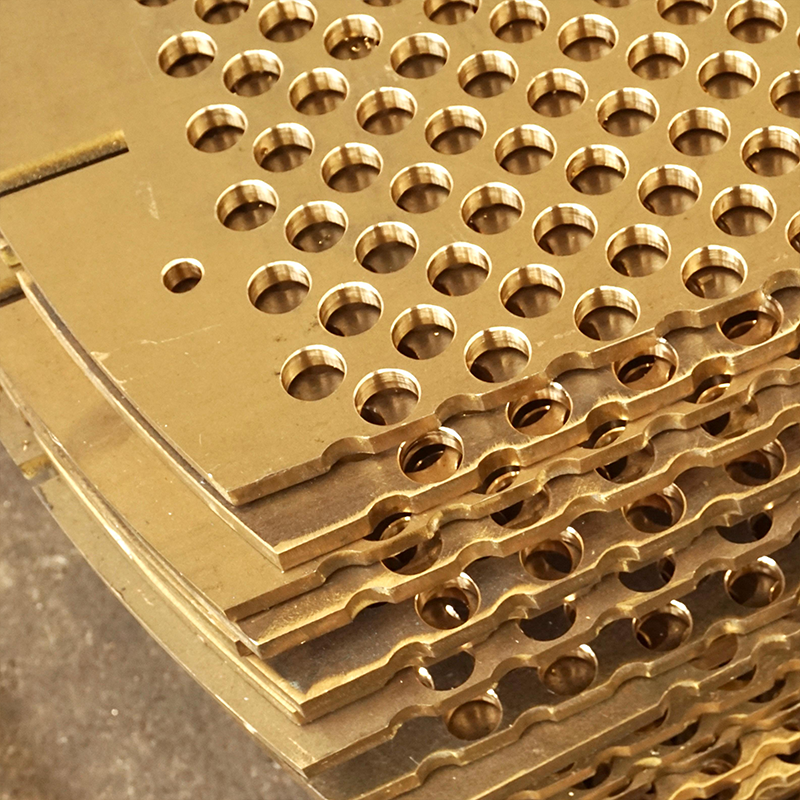
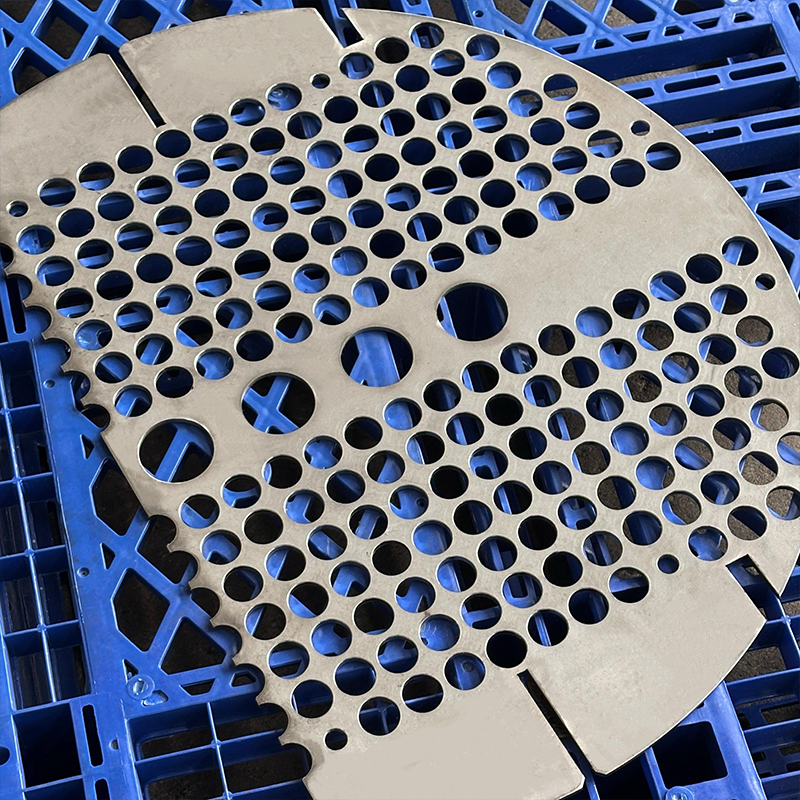
High safety standards are relevant not only for textile products, but also for complex industrial equipment operating in extreme conditions. For example, a companyWuxi Kaisheng Electric Power and Petrochemical Equipment Co., Ltd.follows a similar principle in the development and production of heat exchangers and components for the energy and petrochemical sectors. Their products, including titanium shell-and-tube heat exchangers, ASME high-pressure systems, and specialty alloy tube bundles (Marine Brass C46400, Copper-Nickel Alloys, Nickel N06625), are engineered for maximum corrosion resistance and high pressure and temperature resistance. Just as with the selection of PPE for welders, where every detail of the seam and fabric composition is important, the quality of the 321 stainless steel tube sheets and the reliability of the air coolers are critically important in the equipment from Wuxi Kaisheng. Certification to PED and ASME standards ensures that their solutions for refining, shipbuilding and water desalination provide the same smoothness and safety of processes that quality workwear provides for an employee's life.
If you would like advice on selecting the optimal PPE kit for your specific conditions, calculate savings from switching to durable materials, or request product samples for testing, our team is ready to help. We work with leading manufacturers of fabrics and finished products, guaranteeing compliance with all international and Russian standards.Contact us todayto discuss the details of your project and receive an individual commercial offer.