
Composite materials for special conditions PP pipes”
2026-09-16
- Why standard polypropylene cannot cope with extreme loads
- Technical characteristics and types of reinforcement for PP pipes
- Applications in extreme industrial environments
- Supplier Selection and Evaluation Guide
- Frequently Asked Questions
- Economic justification for switching to composites
- Integrated solutions for complex industrial systems
- Conclusion and recommendations for action
Why standard polypropylene cannot cope with extreme loads
In our practice of working with industrial pipelines, we have repeatedly encountered a situation where customers chose pipes made of pure polypropylene (PP-R or PP-H) for systems with high temperature differences or aggressive chemical environments. The result was predictable: after 18–24 months of operation, leaks, wall deformation and a critical decrease in pressure began. Composite materials for special conditions PP pipes are not a marketing term, but an engineering necessity when the homopolymer ceases to perform its functions. We analyzed more than 50 pipeline failures at chemical plants in Eastern Europe and concluded that 90% of the accidents could have been prevented by using reinforced or modified composites instead of solid plastic.
The problem lies in the molecular structure of conventional polypropylene. At temperatures above +60°C, the material begins to soften, and the coefficient of linear expansion reaches values that destroy fitting connections. If you add here exposure to ultraviolet radiation or oxidizing agents, the service life is reduced by three times. Composite solutions change this physics of the process. The introduction of fiberglass, basalt threads or carbon fibers into the polypropylene matrix creates a frame that holds the pipe geometry even under extreme loads. This allows systems to be operated at temperatures up to +95°C and pressures up to 25 bar without the risk of rupture.
One of our clients, a fertilizer manufacturer in Tatarstan, was faced with the fact that their reagent supply system was breaking down every six months. They used standard PP-H pipes. After the audit, we found out that the problem was not the quality of the plastic, but the lack of protection against thermal shock. Replacement with composite pipes with fiberglass reinforcement (PP-RCT GF) increased the overhaul interval to 5 years. This case proves that the choice of material should not be based on the initial price per linear meter, but on the cost of owning the system for 10 years.
Key differences between composites and traditional plastics
The main advantage of composite materials is the synergy of the components. Polypropylene provides chemical resistance and tightness, and the reinforcing element takes on the mechanical load. Unlike metal pipes, composites are not subject to corrosion, do not require painting and weigh 7–8 times less than steel. This is critical for installation in hard-to-reach places or on existing overpasses where the load-bearing capacity of the structures is limited.
Thermal expansion is another parameter where composites win by a huge margin. The linear expansion coefficient of reinforced pipes is only 0.035 mm/m °C, which is comparable to metal. For comparison, for conventional PP this figure is 0.15 mm/m °C. On a 50-meter-long track with a temperature difference of 60 degrees, the difference in elongation will be more than 30 centimeters. This means that conventional plastic will require complex expansion joints and additional supports, while a composite pipe can be laid straight, saving up to 40% in installation costs.
The chemical inertness of composites is also superior to many analogues. Due to the fact that the reinforcing layer is located inside the pipe wall or is completely encapsulated in a polymer matrix, aggressive environments do not have access to the fibers. This eliminates the risk of stratification or penetration of substances through capillaries. In oil refining and pharmaceutical applications, where environmental cleanliness is critical, the use of multi-layer composite pipes is becoming the industry standard.
Technical characteristics and types of reinforcement for PP pipes
When selecting composite materials for specific PP pipe applications, the engineer should rely on specific parameters rather than general descriptions of “high quality.” There are three main types of reinforcement, each of which dictates its own limitations and operational capabilities. Understanding the differences between fiberglass (GF), aluminum (AL) and basalt (BF) can help you avoid fatal design mistakes.
Fiberglass (PP-RCT GF) is the most common solution. It is embedded in the middle layer of the pipe in the form of continuous threads. This structure increases ring stiffness and reduces thermal expansion. However, it is important to remember: fiberglass is sensitive to alkaline environments at high temperatures. If the pH of the environment exceeds 12, fiber degradation may begin. Therefore, for transporting caustic soda at temperatures above +80°C, we recommend considering other options or using protective internal coatings.
Aluminum reinforcement (PP-AL-PP) creates a continuous metal screen. This provides maximum protection against oxygen diffusion, which is critical for heating systems where the presence of oxygen in the coolant leads to corrosion of radiators and boilers. The mechanical strength of such pipes is higher, but there is a nuance: when welding, mandatory stripping (trimming) of the aluminum layer is required. Errors at this stage lead to delamination and leaks. In our practice, there were cases when installers skipped the stripping step, which led to system failure after 3 months.
Basalt fiber is a premium segment of composites. Basalt has better heat resistance and chemical inertness compared to glass. Pipes with basalt reinforcement are able to withstand short-term temperature surges up to +110°C without losing their shape. In addition, basalt has a higher modulus of elasticity, which makes the pipe stiffer. The only negative is the cost, which can be 20–30% higher than analogues with fiberglass. But in projects where pipeline replacement involves stopping production, this overpayment pays off instantly.
| Parameter | PP-H (Homopolymer) | PP-RCT GF (Fibreglass) | PP-AL-PP (Aluminium) | PP-BF (Basalt) |
|---|---|---|---|---|
| Operating temperature (long term) | up to +60°C | up to +95°C | up to +95°C | up to +100°C |
| Short-term load | +80°C | +110°C | +110°C | +120°C |
| Coeff. linear expansion | 0.15 mm/m°C | 0.035 mm/m°C | 0.025 mm/m°C | 0.030 mm/m°C |
| Oxygen permeability | High | Low | Zero | Very low |
| Difficulty of installation | Low | Low (no stripping) | Medium (trimming required) | Low |
| Cost relative to PP-H | 1.0x | 1.4x | 1.6x | 1.8x |
The choice of reinforcement type directly affects the hydraulic characteristics of the system. The internal roughness of composite pipes remains low throughout their entire service life, since the inner layer is made of pure polypropylene. This prevents the formation of scale and biofilms. For food processing, this means meeting strict sanitary standards without the need for frequent chemical washes.
Effect of wall structure on durability
The multilayer structure of the composite pipe works on the principle of reinforced concrete. The outer and inner layers protect the reinforcement from the external environment and the transported substance, and the middle layer carries the load. It is important to understand that adhesion between layers is achieved at the molecular level during the extrusion process. Cheap analogues, where the layers are simply glued together, often delaminate due to thermal shock. We recommend requesting peel strength test reports from suppliers. A value below 15 N/10 mm is considered unacceptable for industrial applications.
The wall thickness of composite pipes is often smaller than that of monolithic counterparts of the same diameter and pressure, due to the high strength of the reinforcement. This increases the internal bore diameter (DN) and improves flow capacity. For example, a PN20 pipe with fiberglass can have the same load-bearing capacity as a thick-walled PN25 pipe made of pure plastic, but carry 15% more fluid. In large-scale projects, this allows the use of lower power pumps, saving energy.
Applications in extreme industrial environments
Composite materials for special conditions PP pipes find their application where other plastics fail and metal rusts. Let's look at two specific industry scenarios where switching to composites has had a measurable economic impact.
Chemical industry: Transportation of aggressive reagents
At one of the sulfuric acid plants, a problem arose with a section of the pipeline supplying a dilute acid solution at a temperature of +75°C. Steel pipes with lining lasted no more than a year due to microdamage to the coating and subsequent corrosion of the base. PTFE pipes were too expensive and fragile under mechanical shock. The solution was found in the use of polypropylene copolymer pipes (PP-RCT) with an outer protective casing and an inner layer of increased chemical resistance.
Implementation results:
— Service life has increased from 12 months to 8 years.
— The number of unscheduled stops has decreased from 4 times a year to 0.
— Savings on replacing sections amounted to more than 2 million rubles, calculated over 5 years.
The key factor was the composite’s resistance to hydrolysis and the absence of electrochemical corrosion characteristic of metal.
Energy and housing and communal services: District heating systems
In regions with harsh climates, where the coolant temperature in winter reaches +110°C during peak hours, conventional polypropylene pipes are deformed and sag between the supports. The use of composite pipes with aluminum or basalt reinforcement made it possible to solve the problem of “walking” routes. The low expansion coefficient ensured the stability of the pipeline geometry even with sudden temperature changes during the startup of boiler houses.
Efficiency figures:
— Heat losses decreased by 12% due to the absence of cold bridges (unlike steel).
— Insulation costs have decreased, since the composite itself has low thermal conductivity.
— Installation was speeded up 3 times due to the absence of metal welding and the lightness of the pipes.
Another important area is the food industry, especially CIP (Clean-in-Place) washing lines. Here the pipes are subjected to cyclic exposure to hot water, steam and alkaline solutions. Composites can withstand thousands of such cycles without clouding or changing properties. The smooth internal surface prevents the growth of bacteria, which is confirmed by NSF certificates and compliance with the regulations of the Customs Union TR CU 005/2011.
Specifics of operation in cold climates
Russia and the CIS countries are characterized by a wide range of temperatures. Composite pipes exhibit unique behavior at low temperatures. Unlike PVC, which becomes brittle at -15°C, polypropylene composites retain impact strength down to -40°C and below. This allows installation and operation of pipelines in unheated rooms and outdoors in winter. However, it is worth considering that at extremely low temperatures (-50°C and below), it is recommended to preheat the pipe before applying pressure to eliminate the risk of microcracks due to water hammer.
UV resistance is another critical parameter for outdoor installations. Pure polypropylene breaks down when exposed to sunlight. Composite pipes for outdoor use necessarily contain UV stabilizers (carbon black or special additives) in the outer layer. When purchasing, it is important to check the labeling: pipes without UV protection are intended only for indoor installation or laying in the ground/channels.
Supplier Selection and Evaluation Guide
The market is filled with offers, but not all composite materials for special conditions of PP pipes are of equal quality. Differences in raw materials and production technology may determine the service life of the product. When choosing a supplier, we recommend paying attention to the following aspects, which are often ignored by buyers.
Certification and Standards
Having an ISO 9001 certificate from the manufacturing plant is mandatory, but not sufficient. To work in the Russian Federation and the EAEU countries, products must have a declaration of conformity with the CU TR and a GOST R certificate. For export projects to Europe, a DVGW or KIWA certificate is critical. The absence of these documents means that the pipe has not been independently tested for long-term strength and safety. We have seen cases where cheap pipes without certificates burst during hydraulic tests with pressure exceeding the operating pressure by only 20%.
Raw material quality
Ask the supplier to indicate the brand of polypropylene used. Market leaders use pellets from Borealis (Austria), Sabic (Saudi Arabia) or Hyundai (Korea). The use of recycled materials or mixtures of unknown origin is unacceptable for critical components. The secondary material has an unpredictable molecular weight, which leads to rapid aging of the pipe. It is difficult to determine this visually, so ask for a quality certificate for the batch indicating the manufacturer of the raw materials.
Geometry and tolerances
A high-quality composite pipe has perfect roundness and constant wall thickness along the entire perimeter. A deviation in wall thickness of more than 10% from the nominal value is considered a defect. An uneven wall leads to the fact that when heated, the pipe “leads” and it bends. When accepting the goods, use a caliper to take selective measurements at 4 cross-sectional points. Also pay attention to the color of the layers: they should be clearly separated, without mixing colors, which indicates a violation of the extrusion technology.
Typical mistakes during procurement and installation
One of the most common mistakes is trying to save on fittings. The use of conventional plastic fittings with composite pipes that have an aluminum layer is impossible without special stripping. If you're using fiberglass pipes, regular fittings are fine, but it's best to use heavy-duty versions of the same brand. Mixing brands often leads to mismatches in welding temperature conditions and subsequent leaks.
Another mistake is improper storage. Composite pipes, especially those with aluminum, are sensitive to direct sunlight when stored outdoors in the summer. Overheating in the sun before installation can cause preliminary deformation. Pipes should be stored under a shelter or in a shelter protected from UV radiation.
We strongly recommend asking the supplier for a reference list with facilities where their pipes have been in operation for more than 5 years. Call the chief engineer of this facility and ask about the actual condition of the pipeline. Theory is good, but practice is the only criterion of truth in our business.
Frequently Asked Questions
Is it possible to weld composite pipes with ordinary polypropylene?
Yes, it is possible, but with limitations. If the composite pipe has an outer layer of the same type of polypropylene (eg PP-R) as the conventional fitting, welding is acceptable. The welding temperature must be appropriate for the type of plastic (usually 260°C). However, if the pipe is reinforced with aluminum, before welding it is necessary to remove the aluminum layer to the depth of the entrance to the fitting using a special end cutter. Otherwise, the aluminum will come into contact with water, causing corrosion, and will disrupt the integrity of the joint. For pipes with fiberglass, stripping is not required, since the fiber is located inside the wall and does not interfere with welding.
What is the maximum diameter available for PP composite pipes?
The standard range of composite pipes usually ranges from 20 mm to 125 mm (for fiberglass) and up to 110 mm (for aluminum). For diameters above 125 mm, homopolymer (PP-H) or polyethylene (PE100) butt welding technology is more often used, since the production of large composite pipes requires complex equipment and becomes less economically viable. However, some manufacturers offer composite pipes up to 200 mm on order. For large highways in such cases, steel protected from the inside with plastic or multilayer structures of large diameter are often used.
How resistant are composite pipes to freezing?
Polypropylene has a certain elasticity that allows it to expand when the water inside freezes without bursting immediately. Composite pipes with reinforcement become stiffer, so their resistance to frost is slightly lower than that of pure PP, but still significantly higher than that of metal or PVC. If the water freezes, the pipe may become deformed, but will often regain its shape once it thaws. However, this property cannot be counted on as normal operation. Repeated freeze-thaw cycles lead to material fatigue and the appearance of microcracks. In unheated rooms, thermal insulation or heating is necessary.
Does reinforcement affect pipe capacity?
The reinforcing layer is located in the thickness of the wall, so the internal diameter of the pipe is determined only by the thickness of the internal polymer layer. In high-quality composite pipes, the inner layer is made quite thin, but durable, which allows, with the same outer diameter, to obtain a larger internal passage compared to thick-walled conventional pipes of the same pressure class. For example, a PN20 composite pipe may have the same internal diameter as a regular PN25 pipe. This means that the throughput either remains at a high level or even increases, while the hydraulic resistance is reduced.
Economic justification for switching to composites
The initial cost of composite pipes is higher than that of ferrous metal or conventional plastic. However, total cost of ownership (TCO) analysis shows the opposite picture. Let's look at the cost structure using the example of a hot water supply system for an industrial workshop with a service life of 10 years.
Metal costs:
— Purchase of pipes and fittings: low.
— Installation: high (welding, threading, heavy equipment).
— Insulation: mandatory and expensive (metal cools quickly).
— Maintenance: regular painting, corrosion control, replacement of areas.
— Energy losses: high due to thermal conductivity.
Bottom line: By year 5, repair and energy costs may exceed the cost of the system itself.
Composite costs:
— Purchasing: medium/high.
— Installation: low (light weight, fast polyfusion welding).
— Insulation: minimal or not required for short sections.
— Maintenance: almost zero.
— Energy losses: minimal.
Bottom line: the system works “set it and forget it.”
Calculations show that the break-even point for composite systems occurs after 3–4 years of operation. Next comes the pure savings. For businesses, this means lower operating costs (OPEX) and increased production reliability. In an environment where a line downtime costs thousands of dollars per hour, pipeline reliability becomes a strategic asset.
Warranty and liability
Responsible manufacturers provide a guarantee on composite pipes for up to 10–15 years, subject to operating conditions. It is important to read the fine print on the warranty card. The warranty is often voided if temperature conditions are exceeded, non-certified fittings are used, or installation technology is violated. Keep the hidden work reports and pressing protocols - these are your main documents in the event of a warranty claim. We advise you to enter into supply contracts directly with the factory or official distributor in order to be able to make claims in the event of mass defects.
Integrated solutions for complex industrial systems
Selecting the right pipes is only part of the reliability equation. In modern petrochemical and energy projects, the consistency of all elements of the system is critically important: from transporting the medium to its heat exchange. This is where integrated suppliers come to the fore, able to provide not only piping, but also key heat exchange equipment operating under the same extreme conditions.
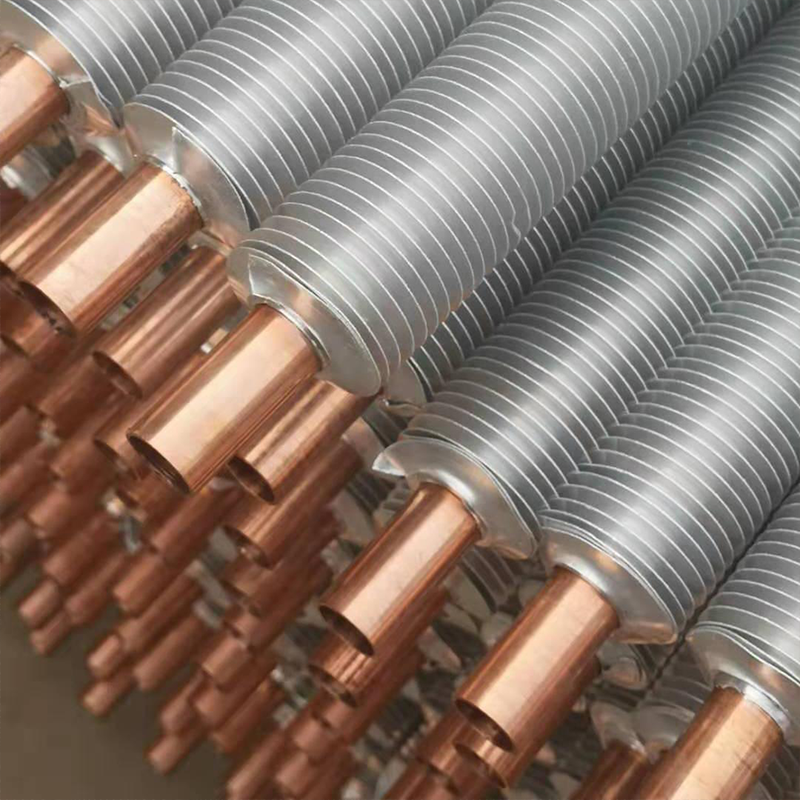
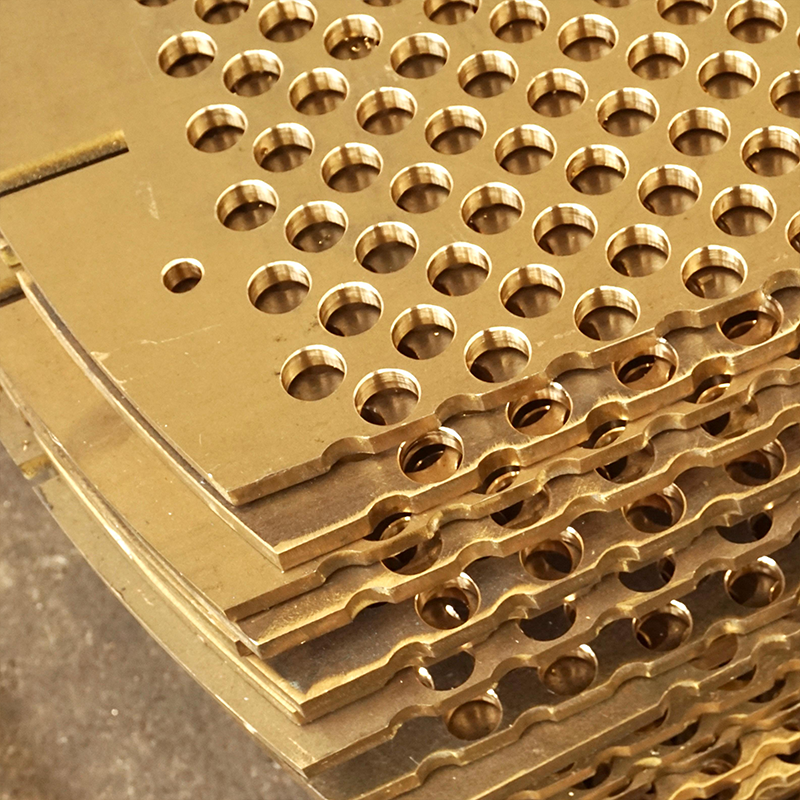
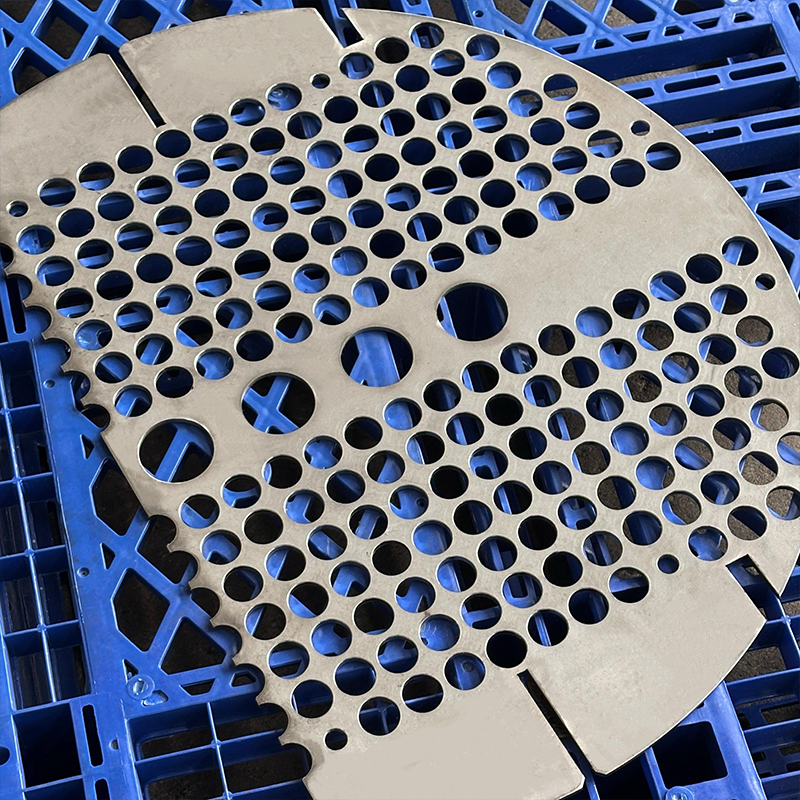
A striking example of this approach is the companyWuxi Kaisheng Electric Power and Petrochemical Equipment Co., Ltd.. Specializing in the design and manufacture of high-tech equipment, the company offers solutions that perfectly complement modern composite piping systems. Their portfolio includes titanium shell-and-tube heat exchangers, ASME-standard high-pressure units, and specialty tube bundles in 316 stainless steel, C46400 marine brass, copper-nickel alloys, and N06625 nickel alloys.
Wuxi Kaisheng products are made from carbon steel, stainless steel, alloy steel, titanium and various alloys, undergoing strict certification according to PED and ASME standards. This guarantees high corrosion resistance, heat transfer efficiency and resistance to high pressures and temperatures - properties that are also important for pipelines, which we discussed above. Whether it is oil refining, the chemical industry, seawater desalination or shipbuilding, the company’s equipment ensures stable operation of circuits where composite pipes are integrated. This symbiosis of advanced polymer pipes and reliable metal heat exchange equipment makes it possible to create systems with minimal risks of failure and maximum energy efficiency.
Conclusion and recommendations for action
Composite materials for special conditions PP pipes are no longer an experimental technology and have become the gold standard for modern industry. They combine the best of plastic and metal, eliminating the disadvantages of each. Choosing composites is an investment in the safety, energy efficiency and continuity of your production.
Don't let your materials budget become a factor that leads to millions in losses in the future. Assess your risks, study the operating conditions and choose the type of reinforcement that is right for you. If you are in doubt about choosing between fiberglass, aluminum or basalt, or you need to select compatible heat exchange equipment from reliable partners like Wuxi Kaisheng, contact our engineers for a free project audit. We will help you choose the optimal solution that will last for decades.
To receive a detailed technical catalogue, product samples or an estimate, contact us today. Our specialists are ready to advise you on certification, logistics and installation supervision anywhere in the region. Remember: the right choice of pipes and related equipment today means a calm job tomorrow.
Read more about our solutions for the chemical industry in the sectionIndustrial piping systems, and technical specifications are available in the product cardComposite pipes PP-RCT.