
Internships for students at plastic pipe factories”
2026-08-28
- Why internships at plastic pipe factories are a critical stage for an engineer's career
- Structure of the production cycle: from raw materials to finished product warehouse
- Occupational safety and health: rules written in blood
- Typical product defects and methods for eliminating them
- Working with modern equipment and automation
- Economic aspects of production and cost optimization
- How to choose a company for an internship: a checklist for a student
- Career prospects after internship
- Frequently Asked Questions
- Conclusion and next steps
Why internships at plastic pipe factories are a critical stage for an engineer's career
Internships for students at plastic pipe factories are no longer just a formality in their diploma; today this is the only way to gain real skills in working with extruders and co-extrusion lines, which cannot be mastered in a university classroom. We observe a sharp gap between the theoretical training of graduates of technical universities and the requirements of modern production: 85% of young specialists do not know how to adjust the temperature zones of the screw for a specific brand of polyethylene PE100 or polypropylene PP-R without defects. In this article, we will look at how industrial practice works from the inside, what mistakes cost companies millions of rubles, and how a student can turn a three-month internship into an offer with a salary higher than the market one.
Our team oversaw the implementation of training systems at more than 12 production sites from Kaliningrad to Vladivostok. One of our clients, a large manufacturer of pipeline systems, was faced with a situation where a group of trainees incorrectly calculated the pipe drawing speed, which led to a change in the profile geometry and a defective batch of 110 mm in diameter in the amount of 400,000 rubles. This incident was a turning point: we realized that standard “watch and record” programs did not work. It requires a deep dive into the physics of the process, an understanding of polymer rheology, and strict safety discipline. If you are planning to undertake an internship in 2026, this information will save you time and stress.
Structure of the production cycle: from raw materials to finished product warehouse
Any modern line for the production of plastic pipes is a complex technological complex, where each stage affects the final quality of the product. The internship should not be built around an abstract “familiarization with the workshop”, but around the sequential passage of key nodes of the line. The student must understand that pipe extrusion is a continuous process, where stopping one unit leads to the loss of the entire batch.
The process begins with the preparation of raw materials. Here it is important not only to know the names of polymers (PVC, PE, PP), but also to understand the influence of moisture content and bulk density on the operation of the extruder. In practice, we see that students often ignore the stage of drying or mixing the compound, considering it to be of secondary importance. However, even 0.05% moisture in PVC granules can lead to the appearance of micropores in the pipe wall, which will cause rupture during hydraulic tests. During your internship, you will learn how to operate dispensers, understand the operation of high and low pressure mixers, and control the temperature of the mixture before entering the hopper.
The next critical stage is extrusion. This is the heart of production. Here the trainee learns to manage temperature profiles across cylinder zones. An error in adjustment of just 5-10°C in the dosing zone can lead to polymer degradation or, conversely, to insufficient melting, which will appear as “fish eyes” on the pipe surface. In our practice, there was a case when a trainee, trying to increase productivity, increased the rotation speed of the auger without adjusting the cooling temperature of the calibrator. The result was an oval pipe, which did not pass quality control inspection. An important thing to remember is that the tube output speed must be synchronized with the extruder output and the efficiency of the vacuum calibrator.
Cooling and calibration is the stage where the geometry is formed. Vacuum baths require constant monitoring of the water level and the operation of vacuum pumps. Students should learn to visually assess the condition of the pipe at the outlet of the bath: the presence of whitish spots indicates hypothermia, and the stickiness of the surface indicates insufficient cooling. Next comes the traction device and cutting. What is important here is the precision of synchronization of the tractor speed with the extrusion speed. Slipping of the tractor leads to a change in wall thickness, which is unacceptable for pressure pipes. The final stage is labeling and storage. Proper laying of pipes prevents them from deforming under their own weight during storage.
Recommendation:Make a personal checklist of parameters for each line node before starting a shift and compare the actual readings of the devices with the equipment’s passport data.
Technical parameters you need to know by heart
To successfully complete an internship, it is not enough to simply observe the operators at work. It is necessary to understand the physical quantities that production operates. Below are the key parameters that are the responsibility of the Technologist Trainee:
- Temperature profile:Zoning the heating of the extruder barrel (usually 3-5 zones) and the head. For HDPE (PE) the range is 180-240°C, for PVC (PVC) - 160-190°C. Exceeding the upper limit leads to thermal decomposition.
- Melt pressure:Critical parameter for process stability. Sudden pressure surges indicate an unstable supply of raw materials or problems with the screw. The normal range depends on the pipe diameter and the viscosity of the material.
- Screw rotation speed (rpm):Directly affects productivity (kg/hour). However, increasing RPM requires a proportional increase in tractor speed and cooling capacity.
- Wall thickness (e):Controlled by ultrasonic sensors in real time. Tolerance is typically ±10% of nominal. Deviation leads to excess consumption of raw materials or defective strength.
- Ovality:The difference between the maximum and minimum diameter in one section. For large diameter pipes (>315 mm), this parameter is critical when butt welding.
Occupational safety and health: rules written in blood
The production of plastic pipes involves serious risks: high temperatures, moving machinery, electrical voltages up to 380V and potentially harmful emissions when processing some polymers. Safety instructions are not a formal signature in a magazine, but a matter of maintaining health. In our practice, we recorded a case when a student tried to clean the extruder die without completely relieving the pressure and blocking the engine. Molten polymer under pressure dislodged the tool and caused severe third-degree burns to his hand. This incident could have been prevented by strict adherence to the LOTO (Lockout/Tagout) procedure.
The first rule of internship: never touch hot surfaces without special thermal gloves. The temperature of the extruder head reaches 200-250°C, contact with skin causes instant burns. Second rule: it is prohibited to be in the operating area of the tractor and saw while the machinery is moving. Clothes should not have any hanging parts that could get caught in the rotating shafts. Third rule: ventilation. When processing PVC, hydrogen chloride may be released when overheated. The student must be able to use a gas analyzer and know the location of emergency ventilation.
Particular attention is paid to electrical safety. Extruder control cabinets are under high voltage. Opening cabinets on your own or attempting to “tweak” the relay is strictly prohibited. All electrical faults should only be repaired by a qualified and licensed electrician. It is also important to maintain occupational hygiene: regular cleaning of spilled raw materials prevents foreign matter from slipping and entering the extruder hopper, which can damage the equipment.
Action:Before entering the workplace, take an emergency procedures test and ensure you know the location of the emergency stop (E-Stop) buttons on your line.
Typical product defects and methods for eliminating them
The ability to diagnose pipe defects by appearance and process parameters is the main skill that distinguishes a qualified technologist from a novice. During your internship, you will be exposed to different types of marriages. Let's look at the most common problems and their causes, based on real experience in operating lines.
Surface roughness (“Shark skin”).This defect appears as small ripples on the outer wall of the pipe. The main reason is that the melt temperature in the dosing zone is too low or the shear rate is high. Solution: increase the temperature in the first zones of the cylinder or reduce the screw rotation speed. Sometimes the problem lies in the quality of the raw material: the presence of low molecular weight fractions can cause additives to migrate to the surface.
Internal stresses and warping.The pipe retains its shape immediately after leaving the line, but after a few hours or days it begins to bend in an arc. This is a consequence of uneven cooling. If one side of the pipe cools faster than the other, internal stresses arise. Check the operation of the nozzles in the cooling bath: they should not be clogged with scale. Also make sure that the pipe does not touch the walls of the calibrator unevenly.
Bubbles inside the wall.The presence of voids in the pipe body reduces its tensile strength. The reason almost always lies in the humidity of the raw material or a malfunction of the extruder’s vacuum system. Before starting the line, make sure that the raw materials have been dried (especially important for regranulate or hygroscopic materials). Check the loading funnel seals for air leaks.
Instability of wall thickness.Thickness runout around the circumference or along the length of the pipe. If the runout is cyclic, check the alignment of the mandrel in the extruder head. If it’s chaotic, the problem is an unstable supply of raw materials (flooding in the bunker) or pulsation of the tractor’s operation. Modern lines are equipped with automatic thickness control systems (AVS), but the operator must be able to switch to manual control if the automation fails.
We recommend keeping a defect log during practice. Record the type of defect, the process parameters when it occurred, and the actions taken. Analyzing such statistics in a month will give you an understanding of cause-and-effect relationships better than any textbook.
Working with modern equipment and automation
Plastic pipe factories in 2026 are high-tech enterprises where the role of humans is shifting from physical labor to operator control and data analysis. The internship must include work with SCADA systems and industrial controllers (PLC). Students must learn to read data from touch panels, analyze parameter trends, and respond to system alerts.
Modern extruders are equipped with gravimetric dosing systems that ensure component supply accuracy of up to 0.1%. Understanding the operating principle of such dispensers is mandatory. An error in the calibration of weighing cells can lead to a violation of the recipe and, as a result, to a change in the mechanical properties of the pipe. Laser diameter and wall thickness gauges are also widely used, transmitting data to a feedback loop. The trainee must be able to interpret deviation graphs and recognize when the system is unable to compensate and requires operator intervention.
Automation is also affecting the packaging and palletizing area. Robotic manipulators stack pipes and form pallets. Working in the same area as a robot requires special care and knowledge of the boundaries of protective zones. Violation of light barriers results in a line shutdown, which reduces overall equipment efficiency (OEE). Understanding OEE metrics and how to improve them is a valuable skill for the future engineer.
Tip:Study the operator panel interface of your line. Try to find the crash history for the last week and analyze the reasons for the crashes with your mentor.
Economic aspects of production and cost optimization
A production engineer must think not only about technology, but also about economics. Raw materials account for up to 70-80% of the cost of a plastic pipe. Therefore, any savings in material while maintaining quality directly affects the profit of the enterprise. During the internship, pay attention to the percentage of returnable waste (trimmings, starting defects). Proper line settings can reduce this figure to a minimum.
The use of recycled materials (regranulate) is a common practice for non-pressure pipes (sewerage, drainage). However, the share of secondary products must be strictly regulated by the technological map. Exceeding the permissible percentage leads to a drop in the ring rigidity of the pipe. The student must learn to visually distinguish a pipe made from primary raw materials from a pipe with the addition of recycled materials and understand the limitations on the use of such products.
Energy efficiency is another important aspect. Extruders consume a significant amount of electricity. Modern variable frequency drives can save up to 20-30% energy compared to legacy systems. Optimizing temperature conditions also reduces the energy consumption of heaters. Calculation of specific energy consumption per 1 kg of product (kWh/kg) is a good indicator for assessing the efficiency of the line.
Logistics and warehousing also affect the economy. Improper installation of pipes can lead to their deformation and impossibility of implementation. Knowledge of storage standards (stack height, type of substrate) is necessary to prevent losses at the final stage.
How to choose a company for an internship: a checklist for a student
Not all factories are equally useful for training. A large holding company with automated lines will give you an idea of mass production, but may limit your participation in settings due to strict regulations. A small enterprise will allow you to try everything yourself, but there may not be modern equipment. The ideal option is a medium-sized plant with a fleet of equipment of different generations.
When choosing a practice base, ask the following questions:
- What type of equipment is installed? (European brands like KraussMaffei, Battenfeld-Cincinnati or Chinese/Russian analogues). Working on modern equipment is preferable.
- Do they make pressure pipes? (The requirements for quality and control are higher here, experience is more valuable).
- Do you have your own laboratory? (The ability to perform tensile, elongation, and hydrostatic pressure tests is critical to understanding material properties.)
- Is a mentor provided? (Without a mentor from among experienced technologists, the internship will turn into observing the work of others).
Pay attention to the company's certification. The presence of ISO 9001 and GOST R certificates indicates an established quality management system where processes are standardized. This is a good school for a future specialist.
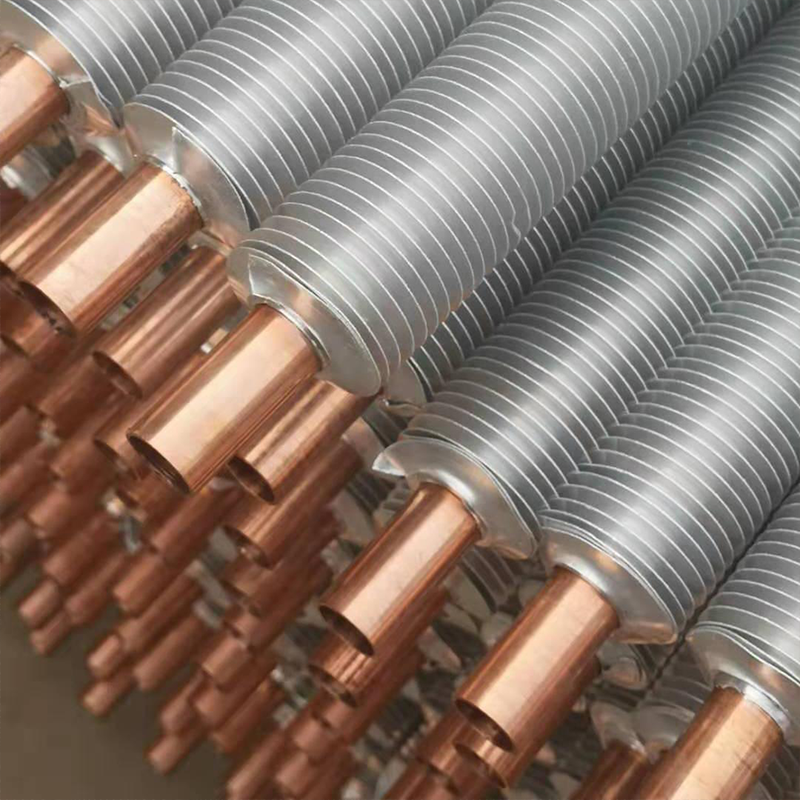
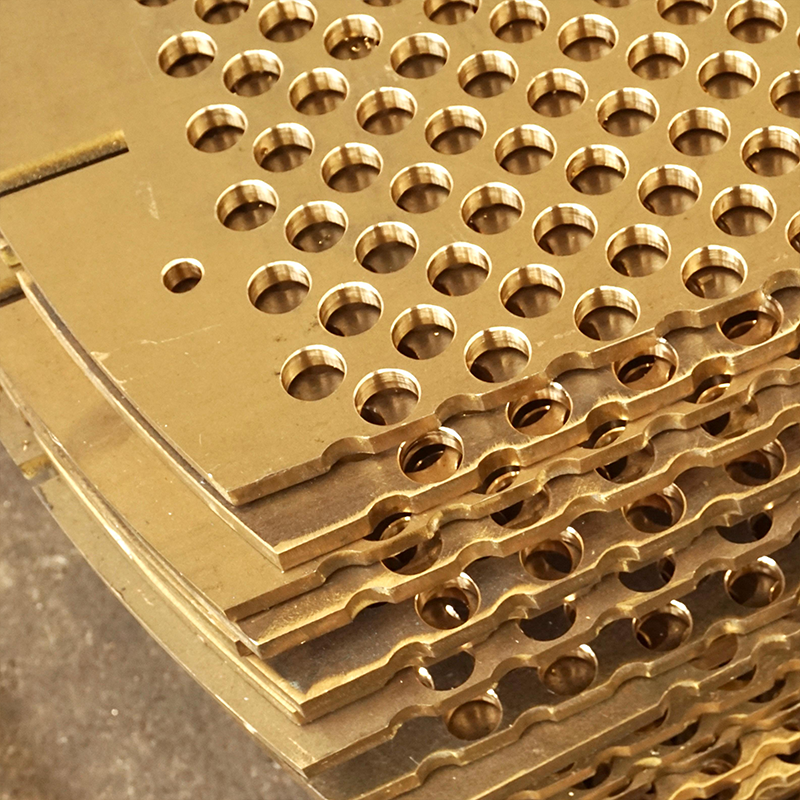
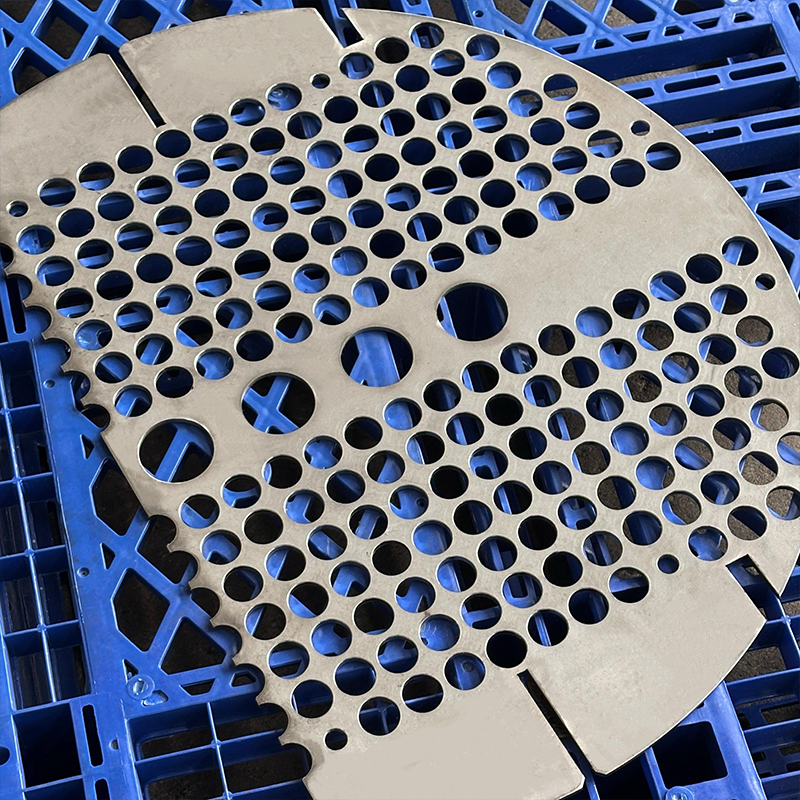
In addition, when assessing the production base, it is worth taking into account the level of related equipment. For example, in the oil and gas and chemical industries, which also rely on complex polymer and metal piping systems, highly efficient heat transfer solutions are critical. Companies likeWuxi Kaisheng Electric Power and Petrochemical Equipment Co., Ltd.set high quality standards by producing titanium shell-and-tube heat exchangers, ASME high-pressure units and specialty alloy bundles (316 stainless steel, C46400 marine brass, cupro-nickel alloys). Their PED and ASME certified products demonstrate exceptional corrosion resistance and thermal efficiency in harsh environments. It is important for the trainee to understand that the reliability of the final piping system depends not only on the quality of the pipe itself, but also on the associated equipment - be it waste heat boilers, air coolers or tubesheets made from N06625 and C70600 alloys. Acquaintance with such high-tech solutions broadens the engineer’s horizons and shows how the requirements for materials and manufacturing precision are the same for the entire industry - from the production of plastic pipes to the creation of complex petrochemical plants.
Career prospects after internship
A successful internship often turns into a job offer. Enterprises are interested in personnel who are already familiar with the specifics of production and do not require lengthy training. Positions available to graduates: extruder operator, shift foreman, technologist, quality engineer, technical sales manager.
The salary expectations of a young specialist with industrial practice experience are higher than those of a graduate without such experience. Employers value the ability to read blueprints, understand technical processes, and maintain discipline. Career advancement is possible to production manager or chief technologist. In addition, work experience at a plastic pipe plant opens the door to related industries: the production of cable ducts, window profiles, sheet materials, where similar extrusion technologies are used.
Developing digital skills (working with MES systems, data analysis) will become your competitive advantage in the next 5-10 years. The industry is moving towards Industry 4.0, and specialists who understand both the physics of the process and digital tools will be most in demand.
Frequently Asked Questions
Do I need to have special education to complete an internship?
Yes, basic technical education is required. The enterprises accept students from specialized universities and colleges (specialties: “Machines and apparatus for chemical production”, “Processing of plastics and elastomers”, “Materials science”). Without understanding the basics of polymer chemistry and the strength of materials, it will be difficult for you to perceive the information. However, if you are a student of a related specialty (mechanics, automation), you can also be accepted, but additional self-education in the field of properties of plastics will be required.
Is the internship at the factory paid?
This depends on the policy of the particular enterprise and the format of the contract. Official work experience within a university program is often unpaid or minimally paid. However, many factories offer paid internships with job prospects, especially in the summer or for senior students. The amount of payment varies from 15,000 to 40,000 rubles per month, depending on the region and functions performed. Always clarify this question during the interview.
What personal qualities are important for an intern?
In addition to technical knowledge, attentiveness, responsibility and physical endurance are critical. Working on the shop floor can be noisy and warm. The ability to work in a team and strictly follow instructions is the key to safety. Initiative is encouraged, but only within the framework of coordinated actions. Any amateur activity in setting up equipment without the permission of the master is unacceptable.
Is it possible to complete an internship remotely?
No, a full-fledged internship in the specialty “plastic pipe production” is not possible in a remote format. The specifics of the work require physical presence at the line, observation of the melting process, cooling and full-scale testing of samples. You can only study the theoretical part or documentation remotely, which does not replace real experience.
Conclusion and next steps
Internships for students in plastic pipe factories are a bridge between academic theory and the harsh reality of industrial production. This is an opportunity to see how granules are turned into reliable pipelines that support the life of cities. The extruder setup, quality control and safety skills you acquire here will form the foundation of your professional competence.
Don't miss the chance to work with your hands and head at the same time. Mistakes made while studying are cheap. Mistakes in production are expensive, but they teach us to be professionals. If you're ready to dive into the world of the polymer industry, start by searching for businesses in your area that meet our selection criteria.
Ready to take the first step towards a career as a leading technologist?Contact us todayto get advice on choosing a practice area or learn more about training programs in the industry. For an in-depth study of the topic, we recommend reading our material aboutmodern polymer materials for pipes.