
Scientific research in the field of new polymers”
2026-08-29
- Scientific research in the field of new polymers: moving from laboratory samples to industrial reality
- Key areas: where science meets production
- Test methodology: why passport data lies
- Cost-effectiveness and supplier selection
- A practical guide to introducing new materials
- The future of the industry: forecast for 2025-2026
- Frequently Asked Questions
- Integration of materials in heavy industry: experience of Wuxi Kaisheng LLC
- Conclusion
Scientific research in the field of new polymers: moving from laboratory samples to industrial reality
Modernscientific research in the field of new polymersno longer a purely academic pursuit. Today this is a critical stage that determines the competitiveness of industrial enterprises in the global market. We are seeing a fundamental shift: if ten years ago the cycle for introducing a new material took 7-10 years, now, thanks to high-performance computing and automated testing, this period has been reduced to 18-24 months. However, speed should not compromise reliability. In our practice, we have repeatedly encountered situations where rushed customers introduced “promising” polymers without proper validation, which led to premature destruction of components and millions in losses. This article focuses on how to correctly interpret scientific reports, distinguish marketing promises from actual performance specifications, and select materials that will withstand extreme conditions.
The key conclusion that we want to convey right away is that scientific novelty in itself does not guarantee commercial success. Success depends on meeting the specific requirements of your production process. Below we will look at specific classes of materials, methods for testing them, and pitfalls that engineers face when purchasing.
Key areas: where science meets production
Analysis of current trends shows thatscientific research in the field of new polymersconcentrated around three main vectors: heat resistance, chemical inertness and mechanical strength with low weight. Let's look at each of them through the lens of real-world applications rather than abstract graphs.
High Temperature Thermoplastics (HTP)
Traditional engineering plastics, such as standard polyamide or polycarbonate, have a service ceiling of about 120-130°C. New developments in the PEEK (polyetheretherketone), PEI (polyetherimide) and PPS (polyphenylene sulfide) classes are pushing this limit to 260°C and above. But here lies the first nuance, which suppliers are often silent about. Glass transition temperature (Tg) and melting temperature (Tm) are not the same thing. The material may retain its shape at 250°C, but its modulus of elasticity will drop so much that the part will deform under load already at 180°C.
In one of our projects, a customer replaced a metal journal bearing with a modified PEEK component based only on melting point data. The result was jamming of the unit after 400 hours of operation, since at an operating temperature of 190°C the material “floated”. Scientific research shows that adding carbon fiber (30%) increases the high temperature modulus by 45-50% but reduces toughness. This is a trade-off that needs to be taken into account during the design phase.
- Application:Oil and gas equipment, aerospace components, automobile engines.
- Critical parameter:HDT (Heat Deflection Temperature) under a load of 1.8 MPa, not just Tg.
- Risk:Anisotropy of properties in injection molded parts.
If you are considering replacing metal with high temperature plastic, ask the supplier for creep charts specifically for your operating temperature, not reference data at room temperature.
Biodegradable and biobased polymers
The pressure of environmental regulations is forcing manufacturers to look for alternatives to traditional polyethylenes. Research into new polymers here focuses on polylactide (PLA), polyhydroxyalkanoates (PHAs) and starch blends. The problem with most early versions of these materials was their hydrophilicity and low thermal stability. A pure PLA part could lose 60% of its strength after a month in a humid warehouse.
Modern composites solve this problem through nanomodification and the use of special barrier coatings. However, it is important to understand the difference between “bio-based” (material derived from plants) and “biodegradable” (material that degrades naturally). Sugarcane polyethylene is chemically identical to petroleum-based polyethylene and does not degrade in the soil, although it reduces the carbon footprint. True biodegradability requires specific composting conditions (temperature 58°C, humidity 60%) that are not found in normal environments. One of our clients faced complaints when “eco-plastic” packaging began to deteriorate right on the store shelf due to high humidity in the warehouse, which did not meet the conditions of industrial composting.
- Application:Food packaging, disposable tableware, agricultural film.
- Critical parameter:Degradation rate under specific environmental conditions (soil, water, compost).
- Risk:Unpredictable changes in properties during storage.
When selecting bio-polymers, always request EN 13432 or ASTM D6400 certifications to demonstrate degradation conditions.
Self-healing and smart materials
This is the most futuristic, but rapidly developing direction. We are talking about polymers with microcapsules containing a hardener, or materials with reversible chemical bonds (Diels-Alder reactions). When a microcrack occurs, the capsules are destroyed, the substance fills the damage and polymerizes, restoring the integrity of the structure. Although the widespread use of such materials in load-bearing structures is still limited by cost, they are already finding a niche in protective coatings and sealants.
The effectiveness of self-healing varies. In laboratory conditions, restoration of up to 90% of the original strength is achieved, but in real conditions, in the presence of contamination or cyclic loads, this figure drops to 40-50%. However, even partial restoration can extend the service life of the coating by 2-3 times, preventing the development of corrosion under the paint layer.
Test methodology: why passport data lies
Reliance on technical passports (datasheets) without additional verification is the main mistake of buyers. Specification data are obtained on ideal blade samples cast under strictly controlled conditions, often without taking into account the orientation of macromolecules. A real part with a complex shape behaves differently.Research into new polymersemphasize the need for applied testing that simulates real-life operating conditions.
Aging and durability tests
Accelerated climate tests (UV, heat, moisture) make it possible to predict the behavior of a material for 5-10 years in a few months. However, the correlation between an accelerated test and reality is not always linear. For example, exposure to ultraviolet radiation at elevated temperatures can trigger degradation mechanisms that do not occur when exposed to these factors separately. We recommend testing according to ISO 4892 followed by measuring not only the color but also the mechanical properties (Charpy impact strength).
A common mistake: assessing only appearance. Yellowing of the surface may be a cosmetic defect, but if the elongation at break is simultaneously reduced from 50% to 5%, the material has become brittle and is ready to break at the first vibration.
Chemical resistance over time
Chemical resistance tables typically give a “recommended/not recommended” rating for static immersion. In reality, parts are often under voltage. The combination of chemical environment and mechanical stress causes the phenomenon of stress corrosion cracking (ESC). Polycarbonate, which perfectly tolerates contact with oil in a calm state, can instantly become covered with a network of cracks if it is clamped in a housing and subject to vibration.
For critical applications, ESC testing must be performed per ASTM D543, subjecting the sample to a corrosive environment until failure or visible defects appear.
| Parameter | Standard Test (Datasheet) | Real Conditions (Application Test) | Risk of discrepancy |
|---|---|---|---|
| Tensile strength | Measured on an ideal blade, speed 50 mm/min | Part with gates, variable load, presence of notches | High: Stress raisers reduce actual strength by 30-40% |
| Heat resistance | HDT with short-term heating | Long-term exposure to temperature + load (creep) | Critical: material may deform at 40°C below HDT |
| Chemical resistance | Static immersion without load | Contact with reagent under pressure or voltage | Medium/High: risk of stress corrosion cracking (ESC) |
| Wear resistance | Friction on steel in dry conditions | Friction in the presence of dust, moisture or abrasive particles | High: abrasive wear accelerates degradation by 5-10 times |
Our recommendation is simple: never make a decision to replace a material based solely on the manufacturer's brochure. Request samples to run your own tests in your environment or request a validation report for a similar application.
Cost-effectiveness and supplier selection
The price per kilogram of raw materials is just the tip of the iceberg. When working with new polymers, the cost of ownership (TCO) consists of the price of the material, the cost of processing, the percentage of defects and the service life of the product. Expensive super-engineering plastics (such as PEEK) can be cheaper in the long run than cheap polyamide if they allow longer service intervals or reduce the weight of the assembly, saving energy.
Hidden Costs of Recycling
New polymers often require specific processing regimes. High melting temperatures (up to 380°C for some fluoroplastics) mean higher energy costs and equipment wear. The hygroscopicity of materials such as PA66 or new biopolymers requires careful drying before casting. Under-dried material leads to hydrolytic destruction directly in the extruder screw, which manifests itself in a drop in viscosity and the appearance of bubbles. Losses of raw materials due to improper preparation can reach 15-20% in the first months of development.
We have seen cases where a company saved 20% on the cost of raw materials by purchasing an analogue without stabilizers, but lost 30% of the product due to casting defects and frequent line stops for cleaning. Always consider the manufacturability of the material.
Certification and Compliance
To enter international markets, certificates are required. In Russia and the EAEU countries, this is a declaration of conformity with the CU TR and a GOST certificate. For Europe - CE, REACH, RoHS. For the food industry - FDA or EC regulation 10/2011. Scientific research into new polymers often outstrips regulatory developments. A new material may be physically superior, but legally “invisible,” which blocks its use in regulated industries (medical, food, construction).
Check the availability of certificates not only for the brand of polymer, but also for a specific batch. The composition of the formulation can change, and yesterday's certified material may not pass the substance migration test today.
A practical guide to introducing new materials
The introduction of a new polymer is a project that requires a systematic approach. Chaotic attempts to “try something new” usually end in disappointment. Below is the algorithm that we use together with our clients to minimize risks.
- Audit of the current problem.Clearly articulate why the current material is not suitable. Is this the price? Weight? Chemical resistance? Temperature? It often turns out that the problem is not in the material, but in the design of the part. Optimizing geometry can have a greater effect than changing the brand of plastic.Error:change the material without trying to fix the design.
- Search and pre-selection.Use databases (UL Prospector, MatWeb) to filter materials by key parameters. Select 3-5 candidates. Request technical data sheets and MSDS from suppliers. Pay attention to the country of origin of the raw materials and the stability of supplies.Tip:Avoid single source materials if there is a risk of supply chain disruption.
- Laboratory validation.Obtain samples (pellets or ready-made test samples). Conduct basic mechanical and thermal tests in your laboratory. Compare the results with the passport data. If the discrepancy exceeds 10-15%, this is a red flag. Check rheological properties (RPR) to assess flow properties.
- Industrial tests (Trial Run).Conduct a test casting of a batch of parts on your equipment. Select modes: zone temperatures, injection speed, pressure, cooling time. Document all settings. Inspect the parts for defects (shrinkage, warping, sprue marks). Measure critical dimensions.
- Operational tests.Install a batch of experimental parts under real operating conditions. Monitoring should last for a minimum of 3-6 months (or accelerated equivalent). Record any changes: wear, discoloration, cracks, loss of seal.
- Final solution and scaling.Only after successfully completing all stages sign a contract for permanent supplies. Update technical documentation and operator instructions.
Remember that even the best material can be ruined by improper processing. Investments in personnel training to work with the new polymer pay off faster than the purchase of expensive raw materials.
The future of the industry: forecast for 2025-2026
The polymer market is at a bifurcation point. On the one hand, tightening environmental regulations (especially in the EU and China) are forcing the transition to recyclable and bio-based materials. On the other hand, the growing demand for electric vehicles and aerospace requires materials with extreme performance.Research into new polymerswill focus on hybrid solutions in the next two years.
The market for continuous carbon fiber composites (CFRTP), which combines the lightness of plastic with the strength of metal, is expected to grow. A breakthrough is also predicted in the field of chemical processing of plastics (depolymerization), allowing waste to be returned to the monomer state without loss of quality. This will change the economics of secondary raw materials: regranulate will become indistinguishable from primary material, which will remove many restrictions on its use in critical components.
For Russian manufacturers, this means the need to diversify suppliers and develop their own scientific and technical base. Dependence on imported additives and modifiers remains a weak link. Companies that invest in R&D and localization of specialty polymer production now will gain a decisive advantage in 3-5 years.
Frequently Asked Questions
How to distinguish a high-quality polymer from a fake?
It is almost impossible to do this visually. The only reliable way is laboratory analysis. Check the melt index (MFI): it must strictly correspond to the passport. Perform a melting point test (DSC analysis). Counterfeits often contain large amounts of chalk or recycled materials, which changes the density and flammability of the material. Request from the supplier a certificate of origin and incoming inspection protocols for each batch. If the supplier refuses to provide samples for independent examination, this is a reason to terminate cooperation.
Is it possible to mix different brands of the same type of plastic?
It is strictly not recommended without preliminary compatibility tests. Even polyamide 6 from different manufacturers can have differences in stabilizers, molecular weight and moisture content. Mixing can lead to delamination of the material, the appearance of streaks on the product and a sharp drop in mechanical strength. At best, you will end up with an unstable casting process. If you must use a mixture, disperse thoroughly and test each batch for impact strength.
What is the shelf life of engineering plastics?
When properly stored (in original packaging, in a dry place at 15-25°C), most engineering plastics will retain their properties for 12-24 months. However, hygroscopic materials (PA, PET, PC) require special care. If the packaging was tampered with, the material could have absorbed moisture. Before use, such material must be dried according to the manufacturer's recommendations, even if the expiration date has not expired. Old plastic may undergo thermal-oxidative degradation, which will manifest itself in yellowing and brittleness.
Does the color of the granules affect the properties of the material?
Yes, it does, especially if a masterbatch (dye concentrate) is used. The introduction of pigment changes the rheology of the melt and can act as a crystallization point or, conversely, a structure destroyer. Black pigments (carbon black) often improve UV resistance, but may hide material defects. Bright pigments sometimes reduce heat stability. For critical parts, it is better to use natural (unpainted) resin and paint the product separately, or order pre-compounded material from a trusted manufacturer, where the effect of the pigment is already taken into account in the recipe.
Integration of materials in heavy industry: experience of Wuxi Kaisheng LLC
Choosing the right material becomes critical not only for polymer parts, but also for complex metal structures operating in extreme conditions. This is where the interests of materials science and heavy engineering intersect. A striking example of such symbiosis is the company’s activitiesWuxi Kaisheng Electric Power and Petrochemical Equipment Co.,Ltd", which specializes in the development and production of highly efficient heat exchange equipment for the oil and gas and energy industries.
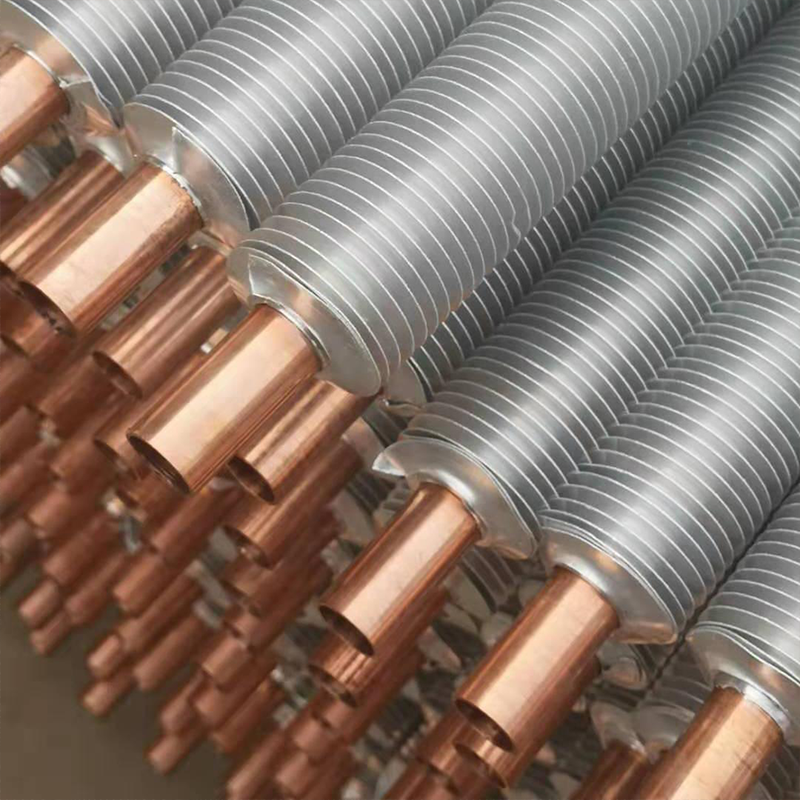
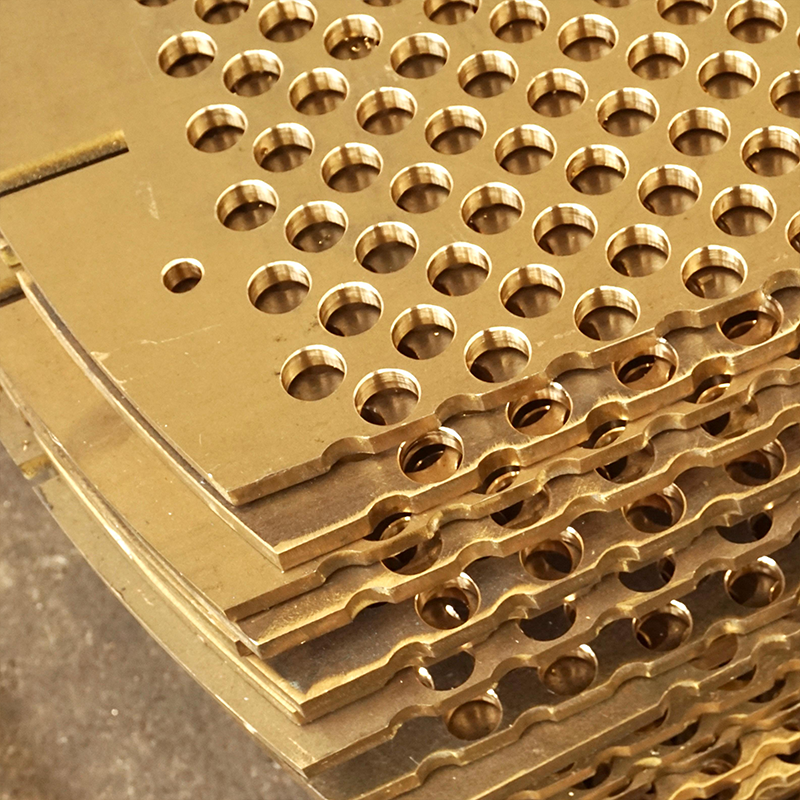
While polymers solve the problems of lightweight structures and protection from moderately aggressive environments, metal alloys remain indispensable where extreme pressures and temperatures are required. Wuxi Kaisheng's products include titanium shell-and-tube heat exchangers, ASME pressure vessels, and corrugated tube bundles made from 316 stainless steel, C46400 marine brass, and copper-nickel alloys. A special place in their portfolio is occupied by products made from N06625 nickel alloys, which, like high-temperature polymers, provide operation in conditions inaccessible to conventional materials.
The validation principles described above for polymers are fully applicable to the selection of metals for applications such as air coolers or waste heat boilers. The company uses carbon, stainless and alloy steels, as well as titanium and copper alloys, certified to strict international PED and ASME standards. This guarantees high corrosion resistance and thermal efficiency of equipment used in seawater desalination, shipbuilding and the chemical industry. As with polymers, the success of a project depends not only on the grade of the material, but also on the quality of its processing and compliance with specific operating conditions. Wuxi Kaisheng provides customized solutions, demonstrating that reliable equipment is the result of a deep understanding of material properties and precise engineering calculations.
Conclusion
Scientific research into new polymers opens up endless possibilities for engineers and manufacturers. From ultra-lightweight transport structures to biocompatible implants, the potential of these materials is enormous. However, the path from a laboratory test tube to a serial product is strewn with risks. The key to success lies not in blindly following trends, but in a deep understanding of the physical and chemical processes of processes, strict validation and partnership with reliable suppliers, be they manufacturers of special plastics or manufacturers of complex heat transfer equipment.
Don't let marketing slogans overshadow engineering calculations. Check, test, doubt. It is this skepticism, combined with an openness to innovation, that allows us to create products that work for years, not months.
If you are faced with choosing a material for a new project or are faced with the problem of destruction of existing parts, our experts are ready to audit your situation. We have access to a database of more than 5,000 polymer brands and our own testing center.
Contact us todayfor consultation on the selection of materials and organization of incoming inspection. We will help you turn scientific achievements into real profits for your business.
For more information on recycling standards, visit our sectionpolymer technical documentation.