
Expert articles on choosing chemical-resistant materials”
2026-08-22
- Why the choice of chemical-resistant materials determines the service life of equipment
- Critical environmental parameters: temperature, concentration and mechanics
- Comparative analysis of the main groups of materials: metals vs polymers
- The role of certificates and standards in quality assurance
- Practical cases: where theory diverges from practice
- How to avoid common mistakes during procurement and installation
- Frequently Asked Questions
- Expert opinion and recommendations
Why the choice of chemical-resistant materials determines the service life of equipment
Expert articles on the selection of chemical-resistant materials begin with a harsh reality: the incorrect selection of polymer or alloy leads to production stoppages within the first 6-18 months of operation. In our practice, we regularly encounter situations where a purchasing engineer selects a material according to a chemical resistance table from the Internet, without taking into account the actual concentration of the reagent and temperature peaks. The result is predictable - seals lose elasticity, pipes leak, and tanks deform under load. We have seen projects where replacing fluoroplastic with cheaper polypropylene saved 15% of the budget at the start, but led to losses of 300% of the cost of equipment due to unscheduled repairs a year later.
The chemical aggressiveness of the environment is not a static parameter. It changes depending on temperature, pressure and the presence of mechanical impurities. For example, hydrochloric acid at 20°C and a concentration of 10% is safe for many plastics, but when heated to 60°C it becomes destructive to most standard thermoplastics. Experts know that the compatibility chart is just a starting point, not a final verdict. Real-world conditions often include cyclic loads, vibration, or the presence of oxidizing agents that dramatically change the behavior of the material.
In this article we will analyze selection criteria based on real cases, and not on theoretical assumptions. You'll learn how to interpret test data, what hidden risks beginners ignore, and why GOST or ISO certification is sometimes more important than the lowest price. If you are responsible for the reliability of the production line, this information will save you budget and nerves.
Critical environmental parameters: temperature, concentration and mechanics
Temperature is the most insidious factor when choosing chemical-resistant materials. Many engineers make the mistake of focusing only on the maximum operating temperature of the material, forgetting about the temperature coefficient of expansion and changes in the chemical properties of the medium when heated. On one of our projects, a client used PVC to pump a hot lye solution. According to the passport, PVC can withstand temperatures up to 60°C, but with prolonged exposure to hot alkali, the material began to soften already at 45°C due to a synergistic effect. We recommend always maintaining a temperature margin of at least 15–20°C relative to the peak values of the process.
The concentration of the aggressive substance also requires detailed analysis. Linear dependence rarely works here. It often happens that a material perfectly resists dilute acid, but is instantly destroyed in concentrated acid, or vice versa. Sulfuric acid is a classic example: carbon steel is suitable for concentrated acid (due to surface passivation), but is absolutely unsuitable for dilute acid. Polymers behave differently: some fluoropolymers are inert over their entire range, while polyethylene can swell at certain concentrations of organic solvents.
Mechanical loads and abrasive wear are often left out of the equation in purely “chemical” selection. If particulate matter is present in the flow, even the most chemically resistant material can fail due to erosion. We observed a case where a rubber lining, ideal for chemical resistance, was worn down to metal in three months due to sand in suspension. In such cases, experts recommend composite solutions or materials with increased hardness, such as ceramic-filled polymers or special grades of stainless steel.
Action:Before approving the specification, ask the technologists for the exact temperature profile and the presence of solid fractions in the medium. Don't rely on averages.
Errors in the interpretation of chemical resistance tables
Chemical resistance tables provided by manufacturers often contain average data obtained in laboratory conditions, which are far from the realities of the workshop. A standard test is usually carried out statically, without movement of the medium and at a constant temperature. In real equipment, fluid moves, creating turbulence, which accelerates the diffusion of aggressive agents into the structure of the material. In addition, the tables often do not take into account material aging due to UV radiation or ozone if the equipment is located in an open area.
Another pitfall is the designation “Conditionally stable” or “Limited applicability”. To an inexperienced buyer this may sound like “can be used”, but to an expert it is a red flag. “Limited usability” often means that the material will withstand contact for several months before irreversible degradation begins. In critical components such as mechanical seals of pumps or valve diaphragms, such a risk is unacceptable. We advise you to exclude any options marked with restrictions if the item cannot be regularly replaced.
It is important to pay attention to the source of the data. Tables from well-known brands (for example, DuPont, Ensinger) are usually more reliable than impersonal reference books. However, even authoritative data requires double-checking for your specific task. If the table shows a concentration range of 10-50% and your process is running at 48%, you are at risk. Limit values always require additional testing.
Action:Use tables only for initial screening. For the final selection, request test reports under conditions as close as possible to yours, or conduct your own tests on samples.
Comparative analysis of the main groups of materials: metals vs polymers
The choice between metals and polymers is a fundamental decision that determines the architecture of the entire project. Metals such as AISI 316L stainless steel or titanium provide high mechanical strength and heat resistance, but are vulnerable to pitting and intergranular fracture in chloride-containing environments. Polymers, in turn, are absolutely inert to many acids and alkalis, but have restrictions on temperature and pressure. Below is a detailed comparison table based on our experience in the chemical industry.
| Comparison parameter | Stainless steel (AISI 316/316L) | Fluoroplastic (PTFE/PFA) | Polypropylene (PP-H) | Polyvinyl chloride (PVC/CPVC) |
|---|---|---|---|---|
| Maximum operating temperature | up to 400–500°C (depending on pressure) | up to 260°C (PTFE), up to 180°C (PFA) | up to 90–100°C | up to 60°C (PVC), up to 90°C (CPVC) |
| Resistant to strong acids | Medium (risk of pitting in HCl, H2SO4) | Excellent (inert to almost everything) | Good (except for strong oxidizing agents) | Good (except organic solvents) |
| Mechanical strength | Very high, withstands impacts | Low, prone to creep under load | Medium, good at low temperatures | Low, becomes brittle in the cold |
| Cost (relative) | High (especially titanium and duplexes) | Very high | Low / Medium | Low |
| Main risk of failure | Stress corrosion, welds | Deformation at high pressure, cold estrus | Destruction by UV irradiation, oxidation | Impact cracking, limited by T° |
Stainless steel remains the standard for highly loaded components, where not only chemistry is important, but also pressure. However, in recent years we have seen a trend towards replacing metal pipelines with fluoroplastic-lined pipes. This solution combines the strength of steel with the chemical resistance of fluorine. The only negative is the difficulty of controlling the quality of the lining. If there is a micropore inside, the acid will reach the metal and the pipe will rot from the inside unnoticed. Therefore, when ordering such products, we require a spark test for each section.
Polypropylene (PP-H) has become a real workhorse for electroplating shops and water treatment systems. It's cheap, easy to weld, and holds up well. But it has an Achilles heel - oxidizing agents. Chromic, nitric acid or sodium hypochlorite quickly destroy polypropylene chains, making it brittle. In such environments, switching to PVDF (polyvinylidene fluoride) is mandatory, despite the price increase by 3-4 times. PVDF combines good mechanics and outstanding oxidation resistance.
For environments containing organic solvents (acetone, toluene, benzene), most polyolefins are useless - they simply dissolve or swell. Here the only options are fluoroplastic or special elastomers like Viton (FKM). We encountered a situation where a HDPE tank was used to store solvent. After a week, the walls of the tank turned into a jelly-like mass. This emphasizes the importance of testing resistance specifically to organics, and not just to inorganic acids.
Action:Create a risk matrix for your process. If the medium contains oxidizing agents, exclude PP. If there is abrasive, exclude pure PTFE without reinforcement. If the temperature is above 100°C, forget about PVC.
The role of certificates and standards in quality assurance
In industrial procurement, a paper guarantee is often more important than a manager’s verbal promises. The presence of a GOST, ISO or European CE marking certificate of conformity indicates that the material has been independently tested. However, not all certificates are created equal. The ISO 9001 certificate only confirms the quality of the plant's management system, but does not guarantee the properties of a specific batch of pipes or sheets. We need Material Test Reports (MTRs) that show actual yield strength, elongation at break, and chemical analysis results.
To work in Russia and the EAEU countries, compliance with the technical regulations of the Customs Union (TR CU) is critically important. For example, TR TS 032/2013 regulates the safety of equipment operating under excess pressure. The absence of a declaration of compliance with this regulation makes operation legally impossible and creates risks during inspections by Rostechnadzor. We strongly recommend that you request a copy of the declaration from the supplier indicating the HS codes and serial numbers of the products.
In the food and pharmaceutical industries the requirements are even stricter. Here, FDA certificates (USA) or compliance with EC regulation 1935/2004 (Europe) are required. Materials must be inert and not release migrating substances into the product. Often, Chinese analogues look identical to the originals, but laboratory analysis reveals that the permissible limits of heavy metals or plasticizers are exceeded. Saving on certified raw materials in such industries is unacceptable.
Pay attention to the labeling of the products themselves. A quality manufacturer applies the logo, material grade (e.g. PP-H, PVDF), size and production date directly to the surface of the pipe or sheet. Lack of markings or smudged printing is the first sign of counterfeit or the use of recycled materials. Recycled plastic may contain impurities of other polymers, which sharply reduces its chemical resistance and predictable behavior.
Action:Include in the supply contract a clause on the mandatory transfer of a set of as-built documentation, including MTR and certificates of origin, before payment.
Practical cases: where theory diverges from practice
The theory is good in textbooks, but the workshop makes its own adjustments. Let's look at two real cases from our practice that illustrate the importance of an integrated approach.
Case 1: Destruction of the pump in the neutralization system.
The client installed a centrifugal pump with a polypropylene casing to pump a mixture of acids and alkalis. According to the chemical resistance table, PP was ideal. However, after 4 months the body cracked in the area of the cochlea. The analysis showed that the reason was not chemistry, but cavitation. Due to errors in hydraulic calculations, a vacuum occurred at the inlet, leading to the collapse of steam bubbles. The shock wave from cavitation chipped the material. Polypropylene turned out to be too soft for such conditions. Solution: replace with a pump with a cast iron casing with PFA lining, which better dampens vibrations and has a high coating hardness.
Case 2: Leak in flange connection.
A chemical plant used paronite gaskets to connect steel pipes with acid. Paronite is an excellent material, but in this environment it dried out and lost elasticity due to the proximity of the heating coils. When the pipes expanded due to temperature, the gasket did not compensate for the movement, and the connection leaked. The mistake was to ignore the thermal factor of neighboring equipment. Solution: Switch to spiral wound gaskets with graphite filler and stainless steel restrictor rings that maintain elasticity at high temperatures.
These examples show that expert articles on the selection of chemical-resistant materials should take into account not only the material itself, but also the design of the unit, operating modes and external factors. Selecting a plastic brand in isolation without reference to an engineering context is a recipe for disaster.
Action:Audit existing nodes operating in hostile environments. Pay attention not only to the base material, but also to the seals, fasteners and support structures.
How to avoid common mistakes during procurement and installation
Even the right material can be ruined by incompetent installation. Welding plastic pipes is an art that requires skill. Overheating of the joint leads to burnout of the stabilizers and the formation of a fragile zone that will burst at the first water hammer. Underheating results in a lack of diffusion of molecules, and the seam will simply come apart. We recommend requiring installers to be certified to weld with a specific type of plastic and to conduct random radiography or ultrasonic inspection of critical seams.
Storing materials prior to installation is another vulnerable stage. Polymer sheets and pipes are sensitive to ultraviolet radiation. PVC or PP pipes left in the sun in the open air become brittle within one season. Microcracks appear on them, which cannot be seen with the eye, but which will become centers of destruction under pressure. Always insist on storing polymer products in covered warehouses or under thick awnings that protect from direct rays.
Fasteners often become the weak link. Using conventional steel bolts to secure plastic or composite flanges results in galvanic corrosion and seized connections. Moreover, when tightening, the tightening torque must be strictly observed. Tightening a plastic flange with a regular wrench “all the way” is guaranteed to lead to its cracking. Use torque wrenches and follow the manufacturer's torque recommendations.
Don't forget to compensate for thermal expansion. Plastic expands 10–15 times more than steel. If you mount a long PP pipeline rigidly, without compensators (U-shaped or bellows), when heated, it will bend in an arc and tear out the supports. Calculation of the pitch of supports and installation locations of expansion joints should be carried out by a designer familiar with the specifics of polymers.
Action:Develop installation instructions for your team or contractors, including items on UV protection, welding procedures, and fastener tightening torques.
Frequently Asked Questions
What material to choose for sulfuric acid with a concentration of 93%?
For concentrated sulfuric acid (93-98%) at temperatures up to 60-80°C, carbon steel is an excellent choice, as the acid passivates the metal surface, creating a protective film. PTFE, PFA and polypropylene are also suitable. However, if the temperature exceeds 80°C or the concentration drops below 70%, carbon steel will begin to corrode quickly. In this case, the only reliable option remains fluoroplastic or special alloys such as Hastelloy. Never use 304/316 stainless steel for concentrated sulfuric acid at elevated temperatures - the risk of pitting corrosion is extremely high.
Can PVC pipes be used for hot water?
Standard PVC (PVC-U) is designed for temperatures up to a maximum of 45–50°C. At higher temperatures it loses strength and may deform under pressure. For hot water, you must use chlorinated polyvinyl chloride (CPVC), which can withstand up to 90–95°C, or polypropylene (PP-R), which can withstand up to 70–80°C in continuous mode. Using conventional PVC for hot water supply is a gross mistake leading to accidents.
What is the difference between PTFE and PFA?
PTFE (polytetrafluoroethylene) and PFA (perfluoroalkoxy) have almost identical chemical resistance and temperature range. The main difference is in the processing technology. PTFE cannot be melted and cast using traditional methods; it is sintered. PFA, on the other hand, is a fusible polymer, which makes it possible to manufacture complex parts from it by injection molding and extrusion, resulting in products without pores and with better transparency. PFA is more often used for lining reinforcement and making transparent viewing windows where structural integrity is important.
How to check the quality of the lining of a steel tank?
The main control method is a spark test (holiday detection). A special device generates high voltage on a brush that is passed along the surface of the lining. If there is a through pore or crack in the layer of rubber or plastic to the metal, an electric arc occurs, signaling a defect. Also important is a visual inspection for delamination (sound tapping) and measurement of the layer thickness with an ultrasonic thickness gauge. Request a report of these tests before accepting the equipment.
Expert opinion and recommendations
Selecting chemical-resistant materials is a balance between cost, safety and durability. There is no universal solution that would suit everyone. The key to success lies in a deep understanding of your environment and a willingness to invest in quality materials where the cost of error is too high. Expert articles on choosing chemical-resistant materials teach us one main rule: do not skimp on materials that come into contact with aggressive environments. A cheap solution today will result in millions of losses tomorrow.
We recommend forming long-term relationships with suppliers who provide not just goods, but engineering support and complete documentation. Check each batch, test samples in real conditions and don’t be afraid to play it safe with a margin of safety. The reliability of your production depends on every meter of pipe and every seal.
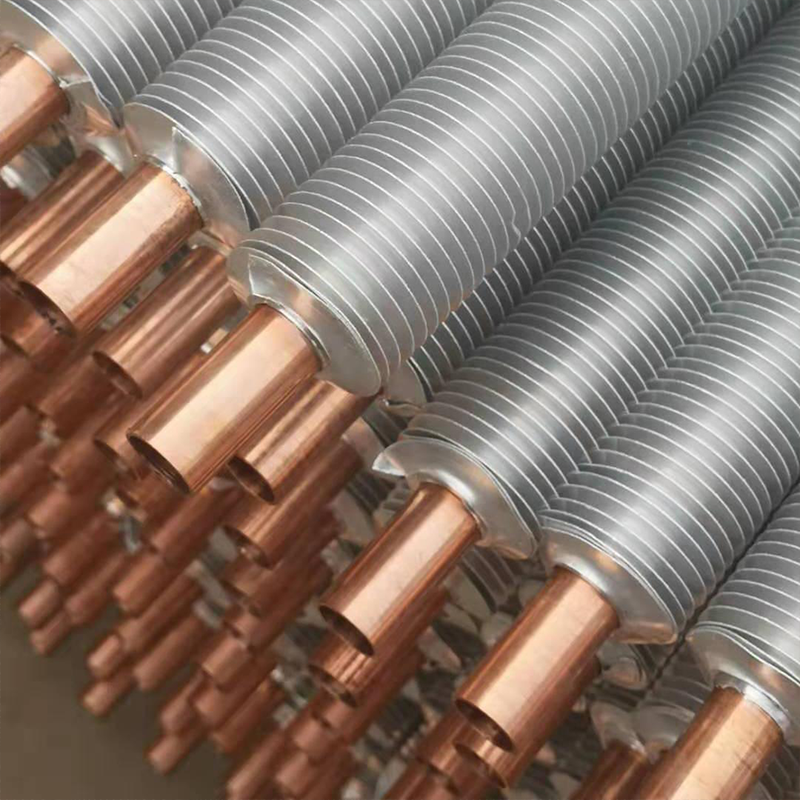
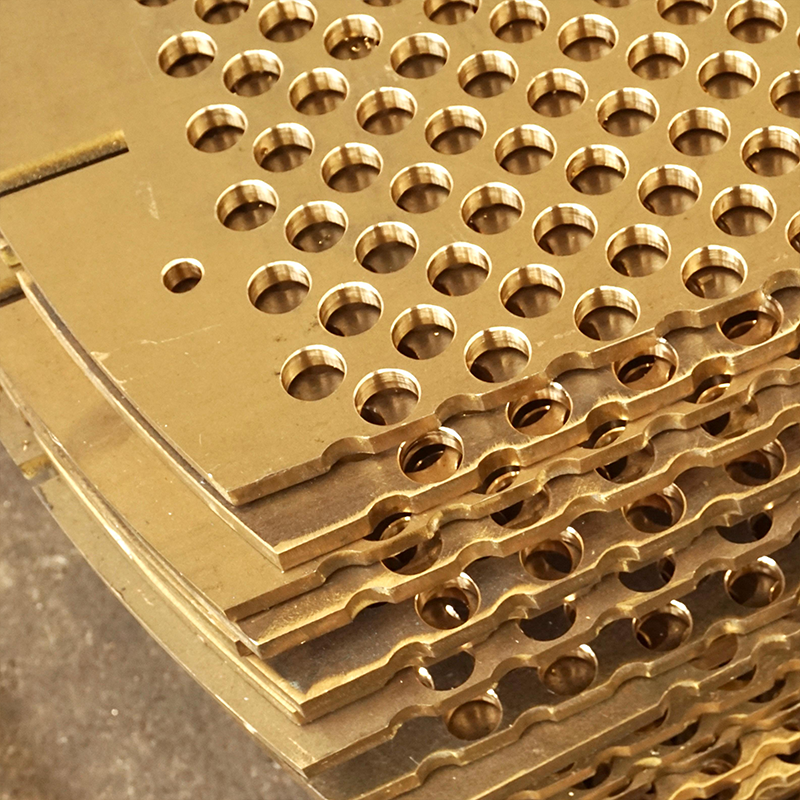
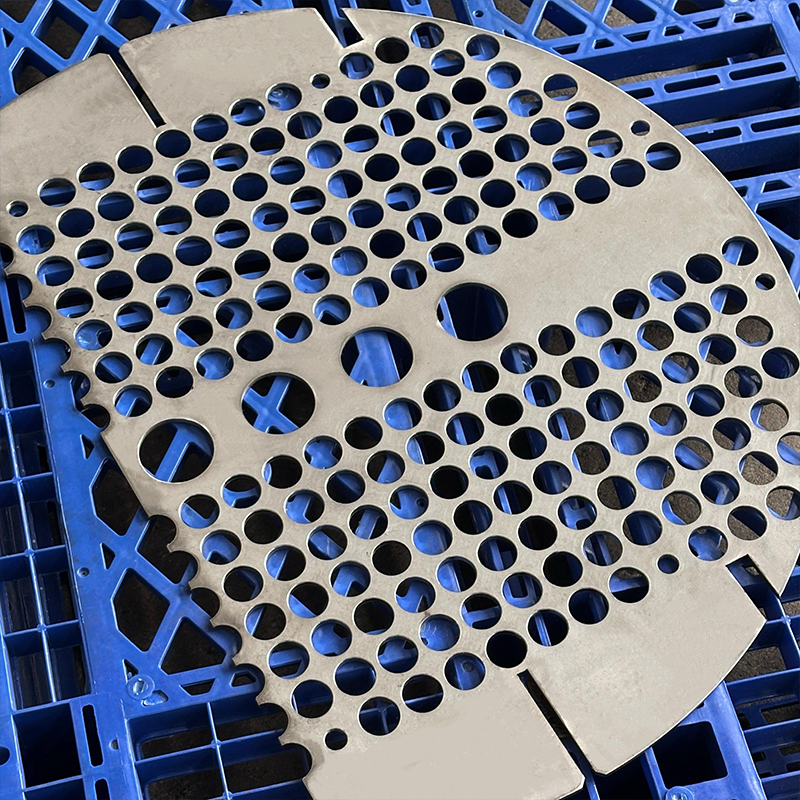
In applications where high pressures, extreme temperatures and corrosive environments are critical, the choice of equipment manufacturer becomes a decisive factor. CompanyWuxi Kaisheng Electric Power and Petrochemical Equipment Co., Ltd.specializes in creating such reliable solutions. Designing and manufacturing heat transfer equipment for the oil refining, petrochemical and seawater desalination industries, the company uses a wide range of materials, from carbon and stainless steel to titanium, C46400 marine brass, copper-nickel alloys and N06625 nickel alloys. Products including titanium shell-and-tube heat exchangers, ASME high-pressure units and corrugated tube bundles are certified to stringent international PED and ASME standards. This guarantees not only high corrosion resistance and thermal efficiency, but also the ability to operate in the most challenging environments, ensuring process stability around the world.
If you are faced with the difficult task of selecting materials or doubt the correctness of the chosen solution, contact our specialists. We will help you audit your system, select the best analogues and ensure the supply of certified products.Contact us todayto receive advice and calculate the cost of the project.
For further study of the topic, we recommend that you familiarize yourself with our materials onindustrial fittingsandengineering designchemical production