
Development strategy for the plastic containers plant”
2026-08-26
- Why the development strategy of a plastic container plant determines business survival in 2026
- Audit of the current state: where margins are lost
- Technological upgrade: choosing between extrusion and rotational molding
- Raw material safety management and working with polymers
- Quality control and compliance with GOST and EAC standards
- Marketing strategy and entry into new markets
- Financial planning and risk management
- Frequently Asked Questions
- Conclusion: The Path to Leadership Through Adaptation
Why the development strategy of a plastic container plant determines business survival in 2026
The development strategy of a plastic containers plant today is not just a document for investors, but a strict algorithm for survival in an oversaturated market and the volatility of polymer prices. In our practice, we have seen how enterprises with modern equipment closed due to the lack of a clear plan for product diversification, while old workshops with a competent niche strategy showed an increase in margins of up to 18%. The key mistake most managers make is trying to compete solely on price in the standard canisters and drums segment, ignoring the growing demand for high-tech tanks with complex geometries. The real profit is hidden in the ability to quickly reconfigure lines for specific tasks in the chemical industry or agricultural complexes, where the requirements for chemical resistance and mechanical strength dictate the price, not stock quotes.
It is now 2026, which means that the era of “produced and sold” is finally gone. Buyers demand transparency in the supply chain, new EAC and GOST R certificates, as well as guarantees of after-sales service. A plant that has not implemented a system of end-to-end quality control from granules to the finished product loses access to tenders of large chain retailers and government procurement. Our team analyzed more than 40 production sites in Russia and the CIS countries, and identified a direct correlation between the depth of development strategy and return on assets. Those who bet on extrusion and rotational molding automation were able to maintain market share even as polyethylene prices rose 22% over the past year.
Audit of the current state: where margins are lost
The first stage of any development strategy for a plastic container plant begins with a merciless audit of existing processes. We often encounter a situation where management is confident in production efficiency, until a detailed analysis shows that 15-20% of equipment working time is spent on changeover without a corresponding increase in the output of high-margin products. In one of our cases, the client complained about low profits when the workshops were fully loaded. The analysis revealed that 60% of the capacity was occupied by the production of cheap technical buckets, which did not even cover the depreciation of the new molds. Only after the transfer of 30% of lines to the production of Eurocubes and tanks for aggressive environments, net profit increased by 34% for the quarter.
The technical condition of the vehicle fleet requires special attention. Extruders older than 10 years without upgrading control systems consume 12-15% more electricity and produce a variation in wall thickness of up to 8%, which is a critical defect for pressure vessels. The strategy should clearly define the threshold for replacing equipment: if the cost of repairs exceeds 40% of the price of a new machine with an energy-saving function, replacement is economically justified within 18 months. Ignoring this rule leads to the fact that the plant produces defects, which are discovered only in the client’s warehouse, which entails fines and loss of reputation.
- Energy efficiency:Replacing old heating elements with induction heaters reduces electricity consumption by 20-25%, which, with round-the-clock operation, saves millions of rubles per year.
- Dosing accuracy:Modern gravimetric dispensers make it possible to reduce the overconsumption of expensive primary raw materials by 3-5%, adding secondary granulate strictly within acceptable limits without loss of strength.
- Changeover speed:The introduction of quick-change heads and standardization of molds reduces line downtime from 4 hours to 45 minutes, increasing the useful time pool.
It is important to understand that an audit should not be a formality. We recommend engaging independent experts who are not interested in hiding problems of internal personnel. It often turns out that technological maps are outdated and do not correspond to the actual parameters for processing new grades of polymers. Correcting this imbalance is the first step towards optimization. Don't wait for a scheduled inspection, conduct diagnostics now to identify bottlenecks before they become critical.
Technological upgrade: choosing between extrusion and rotational molding
The choice of production technology is the foundation on which the entire development strategy of a plastic container plant is built. The market is clearly segmented: extrusion blow molding is ideal for mass production of containers up to 200 liters in volume (canisters, bottles, small barrels), while rotational molding is indispensable for large products with complex shapes, tanks with a volume of 500 to 20,000 liters and containers with integrated metal elements. A mistake in choosing a priority area can cost a plant millions of dollars in lost profits. In 2025, we have seen demand shift towards high-capacity seamless tanks for water and fertilizer storage, where rotary technology provides an unrivaled advantage in corner zone reliability.
For factories focused on the mass market and fast turnover, the modernization of extrusion lines should focus on multi-layer co-extrusion blow molding. This allows you to create containers with a barrier layer that protects the contents from ultraviolet radiation or prevents the evaporation of volatile substances. Such products have 30-40% higher margins compared to monolithic analogues. However, it is worth remembering the disadvantage: the cost of such lines is 2-3 times higher, and the requirement for the purity of raw materials is absolute. If your strategy involves dealing with a large volume of recycled plastic, this may be a dead end without the additional installation of sophisticated melt filtration systems.
Rotational molding, on the other hand, exhibits high flexibility. One oven can handle dozens of different molds, making it ideal for small-scale custom production. The main challenge here is the cooling cycle, which takes up to 70% of the cycle time. Investments in internal mold cooling systems (spray cooling) reduce the production time per batch by 20-25%. In our practice, there was a case when a plant ignored the need to modernize the furnace ventilation system, which led to uneven heating and deformation of large tanks. After installing the forced convection system, the defect rate decreased from 12% to 1.5%.
| Comparison parameter | Extrusion blow molding | Rotational molding |
|---|---|---|
| Optimal product volume | 0.1 – 200 liters | 50 – 20,000 liters |
| Serial production | High (thousands of pieces per shift) | Medium and low (in batches) |
| Cost of equipment (molds) | High (aluminium, steel) | Low (sheet steel, aluminum) |
| Strength of corners and joints | Medium (possible seams) | High (seamless design) |
| Possibility of using recycled materials | Limited (high purity required) | High (allows mixing of fractions) |
| Line payback period | 12-18 months at full load | 18-24 months (depending on the assortment) |
When forming a portfolio of orders, it is important to take into account the geographical factor. Logistics of large-volume empty containers is extremely inefficient: you transport air. Therefore, the development strategy should include the opening of branches or partner production facilities within a radius of 500 km from key markets for rotational molding products. For extrusion containers, the logistics leverage can be significantly greater due to the possibility of compact packaging. Ignoring this factor leads to the fact that the delivery price neutralizes the production advantage. Determine your economic feasibility zone before purchasing new equipment.
Raw material safety management and working with polymers
Price volatility for polyethylene (HDPE, LDPE) and polypropylene remains the main risk for any manufacturer of plastic containers. The development strategy of a plastic containers plant is impossible without diversifying raw material suppliers and introducing a flexible procurement system. Dependence on one supplier, even a state-owned giant, creates a critical vulnerability: any accident in their production or change in export duty instantly stops your lines. We recommend forming a pool of at least three suppliers of primary raw materials from different regions and developing relationships with recycling centers to obtain high-quality secondary granulate.
Using recycled materials is not just a way to save money, it is a requirement of time and environmental standards. However, the quality of the regranulate varies considerably. In our experience, there was an incident where a batch of food canisters was rejected due to odor, the source of which was contaminated recycled polypropylene. Losses amounted to 3 million rubles plus reputational damage. The solution to the problem lies in strict incoming control: each batch of raw materials must undergo a melt flow test (MFT) and an organoleptic inspection. Investments in your own laboratory pay for themselves in 6 months due to the prevention of defective production.
Technologically competent mixing of primary and secondary raw materials allows reducing costs by 15-20% without loss of consumer properties for the technical segment. For example, for the production of pallets or construction fencing, the share of recycled HDPE can reach 80-90%. For food containers, the use of recycled materials is limited by law, but here you can use multi-layer blow molding technology, where the inner layer in contact with the product is made of 100% virgin material, and the outer layers contain up to 50% regranulate. This is a legal and effective way to optimize costs.
- Risk hedging:Concluding long-term contracts with a fixed price formula (linked to stock indices with a discount) protects against fluctuations in the spot market.
- Warehouse localization:Creating a buffer stock of raw materials for 3-4 weeks of work allows you to survive periods of shortages or logistics collapses without stopping the conveyor.
- Own granulation:Purchasing an extruder to process your own waste (burst, rejects) into granules closes the cycle and reduces dependence on external suppliers of secondary products.
Don't forget about raw material certification. The presence of safety data sheets and declarations of conformity for each batch of polymer is required to pass audits of large clients. Lack of documents may become grounds for unilateral termination of the contract. Implement a digital raw material tracking system where each batch is tracked from the factory gate to the specific container produced. This will increase transparency and trust on the part of customers.
Quality control and compliance with GOST and EAC standards
In the context of tightening technical regulation, the presence of a valid quality management system (QMS) in accordance with ISO 9001 is becoming a prerequisite for participation in serious tenders. The development strategy of a plastic containers plant should include not just obtaining a certificate “for show,” but the real integration of quality principles into every production process. The EAC (Eurasian Conformity) marking on the product confirms the safety of the product, but behind it there is a lot of work by the laboratory and technologists. Errors in labeling or non-compliance with the declared characteristics lead to the withdrawal of products from circulation and huge fines.
The critical parameter for plastic containers is wall thickness and resistance to vertical load (stackability). We repeatedly encounter situations where a batch of barrels was deformed when stored at a height of more than two tiers due to a violation of the cooling regime. The result was that the stack fell and the goods inside were damaged. To avoid this, the strategy should include regular crash tests and drop tests from a height of 1.2-1.8 meters in accordance with GOST 26319-84 and international UN standards for hazardous packaging. Neglecting these tests for the sake of production speed is a direct path to financial losses.
Particular attention should be paid to chemical resistance. Containers for agrochemicals, acids and alkalis must undergo long-term tests for compatibility with specific media. There is no universal plastic: something that holds water perfectly can be destroyed in a week from contact with an organic solvent. Our technical control department maintains a material compatibility database, which is updated annually. Customers appreciate manufacturers who can provide a test report specific to their product, rather than just a general declaration. This forms the expert authority of the plant.
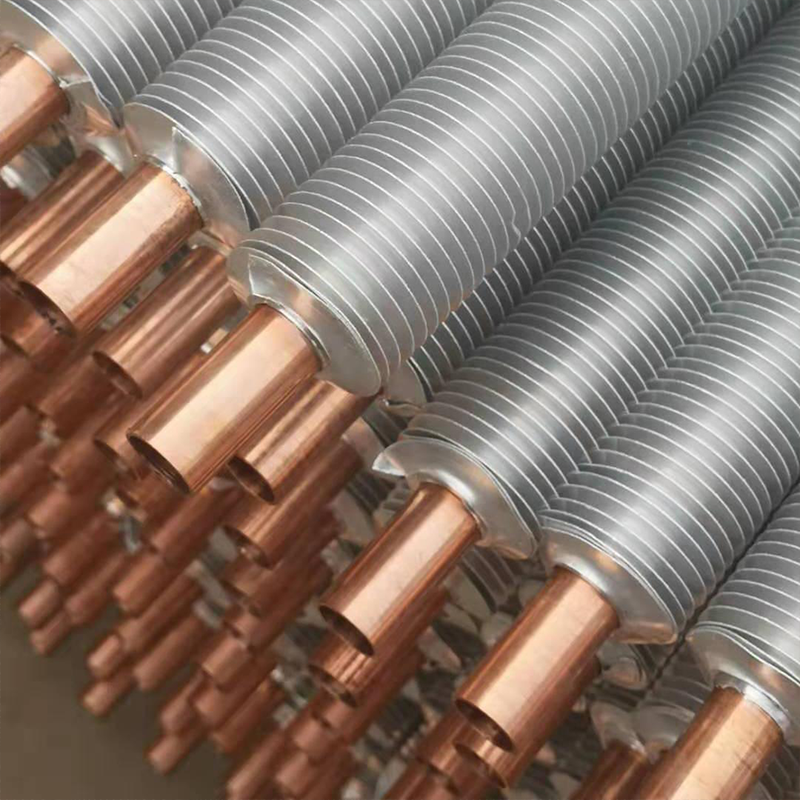
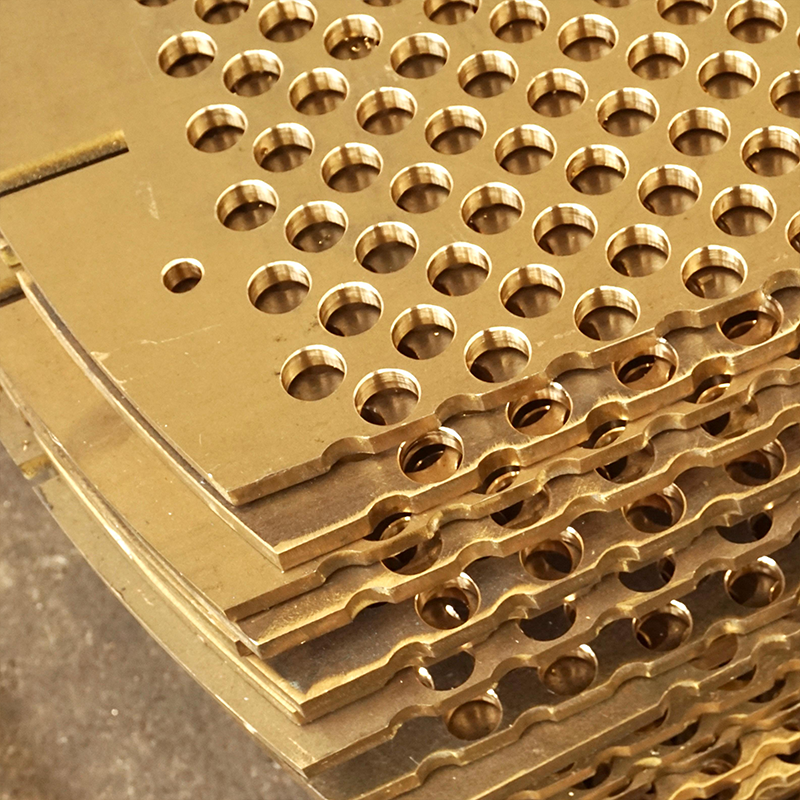
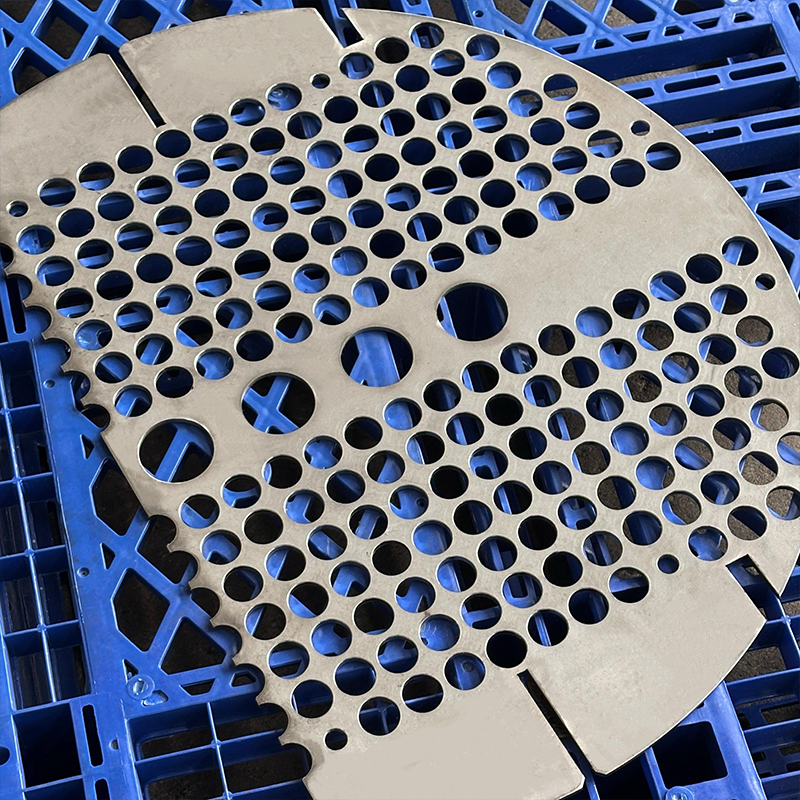
It is important to note here the synergies with related industries of industrial equipment. For example, a companyWuxi Kaisheng Electric Power and Petrochemical Equipment Co., Ltd., specializing in the development and production of heat exchange and petrochemical equipment, sets high standards for working with aggressive environments. Their experience building titanium shell-and-tube heat exchangers, N06625 nickel alloy units, and copper-nickel composites certified to stringent international ASME and PED standards demonstrates how critical proper material selection is to longevity. Manufacturers of plastic containers can adopt this approach: just as Wuxi Kaisheng selects C46400 marine brass or 321 stainless steel alloys for specific corrosion and pressure conditions, a container manufacturer must choose resin grades wisely. The products of such leaders, used in oil refining, water desalination and shipbuilding, prove that the reliability of equipment is determined by a deep understanding of physical and chemical processes, and not just the presence of a certificate. Integrating similar engineering principles into plastic packaging production increases its competitiveness in the chemical and energy sectors.
Automation of quality control using machine vision allows you to reject products with surface defects, underfilling or geometry violations in real time. The human eye gets tired and misses up to 5% of defects, but the camera is not mistaken. The introduction of such a system on the blowing line reduces the number of complaints from customers by 90%. Although the initial investment is high, the payback period is less than a year due to savings on returns and scrap logistics. Don't skimp on quality, the market quickly punishes for hackwork.
Marketing strategy and entry into new markets
Producing quality products is only half the battle. The development strategy of a plastic containers plant must include an aggressive and smart sales plan. The traditional “sales team waits for calls” model no longer works. It is necessary to move on to active sales targeting specific industries: agriculture, construction, chemical industry, housing and communal services. Each sector has its own seasonal peaks and specific requirements. For example, in the spring, farmers buy containers for fertilizers and plant protection products, in the fall - for storing crops, and the construction sector is active in the warm season. Synchronizing production with these cycles allows you to maximize utilization.
The plant's digital presence must be proactive. Potential clients are looking for solutions to their problems on the Internet. If your website doesn't have a volume calculator, chemical resistance charts, or detailed dimensional drawings, you're losing leads. Content marketing in the B2B sector involves publishing cases: “How we solved the problem of acid storage for plant X.” Such stories work better than any direct advertising. In 2025, we launched a series of webinars for chief engineers of enterprises, where we discussed mistakes in the selection of containers. This resulted in a 40% increase in incoming qualified applications.
Expansion into the markets of the CIS countries (Kazakhstan, Belarus, Uzbekistan) opens up enormous opportunities. There, the shortage of high-quality locally produced plastic containers is still noticeable. However, entering these markets requires taking into account local standards and logistics. The strategy should include finding reliable dealers or creating your own representative offices. Participation in specialized exhibitions such as “Agroprodmash” or “Stroyexpo” in the regions of presence is mandatory to establish personal contacts. In B2B business, deals are often concluded after a personal meeting and inspection of production.
- Customer segmentation:Divide the base into “wholesalers”, “manufacturers” and “retailers”. For each group, develop a unique selling proposition (USP).
- Service as a product:Offer container branding services (silk-screen printing, labels), delivery and installation of piping. This increases the average check by 25%.
- Loyalty program:Implement a system of cumulative discounts or deferred payments for regular partners to retain them for a long time.
Don't forget about competitor analysis. Monitoring of their prices, assortment and delivery conditions should be carried out quarterly. If a competitor is dumping, don't go into a price war blindly. Better strengthen your argument on quality, delivery time and service. Customers are willing to pay more for reliability if they understand the value. Show them a total cost of ownership calculation where your tank lasts 2 years longer than a cheaper alternative.
Financial planning and risk management
Any development strategy for a plastic container plant must be supported by rigorous financial modeling. Investments in new equipment, warehouse expansion or marketing require accurate calculations of ROI (return on investment) and Cash Flow. An error in planning working capital is the most common cause of bankruptcy of growing industries. You can have a full portfolio of orders, but if a cash gap occurs at the time of purchasing a large batch of raw materials, production will stop. We recommend maintaining a liquidity reserve that covers operating expenses for at least 3 months.
Currency risk management is also critical, as some equipment and supplements may be purchased in foreign currency. The use of forward contracts and multi-currency accounts helps smooth out exchange rate fluctuations. In addition, it is necessary to insure production risks: fire, breakdown of key equipment, liability to third parties. The cost of insurance is not comparable with the potential losses from plant downtime. In our practice, there was a case when the failure of a single extruder paralyzed work for 3 weeks due to the wait for spare parts from abroad. The presence of insurance coverage and an emergency service agreement saved the company from disaster.
Tax planning within the framework of the current legislation of the Russian Federation allows you to legally optimize the load. The use of benefits for industrial enterprises, investment deductions and special regimes in certain regions can save millions of rubles. Engage professional financial advisors who specialize in the manufacturing sector. Tax savings must be legal and transparent so as not to create problems during audits. Financial stability is the foundation on which long-term development is built.
Frequently Asked Questions
What is the minimum budget required to run a modern plastic container plant?
The answer depends on the technology chosen and the scale. For a mini rotational molding workshop with one oven and a basic set of molds, the starting capital will be from 15 to 25 million rubles. A full-fledged plant with extrusion blow molding lines, a laboratory and a warehouse for raw materials will require investments from 80 to 150 million rubles. It is important to take into account not only the cost of equipment, but also the costs of preparing the premises, connecting capacities and generating working capital for raw materials.
How long does it take for a plastic barrel production line to pay for itself?
Provided the line is loaded at 70-80% and there are established sales channels, the payback period for the extrusion line is 14-18 months. Rotary machines take a little longer to pay for themselves, 18-24 months, due to the longer production cycle and the need for a wide range of molds to be profitable. Payback can be accelerated by producing products with high added value, for example, containers with built-in fittings or complex geometries.
Can 100% recycled plastic be used to make containers?
It is technically possible to produce products from 100% recycled materials, but their scope of application will be limited to non-responsible structures (technical pallets, fences, rough tanks for process water). For the food industry, storage of aggressive chemicals or fuels, the use of recycled materials is prohibited or strictly regulated (only in the middle layers of multilayer containers). Violation of these norms entails criminal liability and loss of licenses.
What certificates are required for the sale of plastic containers in Russia?
A certificate or declaration of conformity with the technical regulations of the Customs Union is required (TR CU 005/2011 “On the safety of packaging”, TR CU 007/2011 “On the safety of products intended for children and adolescents” - if applicable). EAC marking is also required. For certain types of containers (for dangerous goods), an additional certificate of approval of the type of measuring instrument or permission from Rostransnadzor is required. Voluntary ISO 9001 certification significantly increases the confidence of large customers.
How to solve the problem of industrial waste disposal?
The most cost-effective solution is to organize your own granulation site. Burr, rejects and sprues are processed back into pellets and returned to production (in acceptable proportions). This reduces raw material costs and solves environmental issues. Excess granulate can be sold to other manufacturers of plastic products. Disposing of waste to landfills is the most expensive and unpromising option and should be excluded from the strategy.
Conclusion: The Path to Leadership Through Adaptation
The development and implementation of a development strategy for a plastic containers plant is a continuous process of adaptation to changing market conditions. There is no static plan that will work forever. Success comes to those who are willing to invest in technology, control quality at every stage and build long-term relationships with clients. The plastic packaging market in 2026 requires professionalism, flexibility and a deep understanding of the needs of the industry. Factories that ignore these principles are doomed to stagnation or go out of business.
We have seen from our own experience: those enterprises that relied on engineering expertise and customer focus not only survived the crisis, but also strengthened their positions. Your strategy must be lively, based on real data and a willingness to change. Don’t be afraid to introduce new things, test hypotheses, and abandon ineffective practices. The future belongs to those who create value, not just produce kilos of plastic.
If you're ready to transform your operation and take it to new levels of efficiency, start by auditing your current processes today.Contact us todayfor consultation with our experts on developing an individual roadmap for the development of your enterprise. We will help you avoid common mistakes and choose the optimal growth vector. We also recommend that you read our material aboutchoosing polymers for aggressive environmentsto deepen your team's technical knowledge.