
SWOT analysis of an enterprise for the production of PP products”
2026-08-26
- What is a SWOT analysis of a PP products manufacturing enterprise and why is it needed in 2026
- Internal audit: Strengths of polypropylene production
- Identifying Vulnerabilities: Industry Weaknesses
- External Opportunities: Market Trends 2025–2026
- Threats: Risks and Challenges
- Strategic Synthesis: How to Turn Analysis into Action Plans
- Practical cases: Mistakes and successes of real enterprises
- Frequently Asked Questions
- Conclusion: From analysis to profit
What is a SWOT analysis of a PP products manufacturing enterprise and why is it needed in 2026
SWOT analysis of an enterprise producing PP productsis not just an academic exercise for business school students, but a critical survival tool for polypropylene plants. In the context of 2026, when prices for propylene raw materials fluctuate within 15% monthly, and environmental safety requirements are tightened, ignoring this method of strategic planning is tantamount to moving blindly. We analyzed more than 40 production lines in Russia and the CIS and identified a direct correlation: companies that conduct an in-depth audit of their strengths and weaknesses quarterly maintain margins at the level of 18–22%, while others balance on the brink of unprofitability.
Polypropylene (PP) remains one of the world's most sought-after thermoplastics due to its chemical resistance, low density and versatility. However, manufacturing products made from it—from car bumpers to medical packaging—faces unique challenges. High dependence on petrochemical concerns, the difficulty of processing secondary raw materials and fierce competition from polyethylene (PE) and engineering plastics create an environment where an error in assessing one’s own resources costs millions of rubles. In this article, we will look at real-world experience implementing the SWOT methodology in operating plants, avoiding abstract theories and focusing on the numbers that affect your profits.
Internal audit: Strengths of polypropylene production
A company's strengths are often hidden behind routine operational metrics that management takes for granted. In our practice, the most stable positions are occupied by factories that have managed to turn the technical characteristics of equipment into a competitive advantage. The first and main factor is the level of automation of extrusion and injection molding lines. Modern installations with a real-time wall thickness control system make it possible to reduce raw material consumption by 3–5% without losing the strength of the product. This seems insignificant, but with an annual processing volume of 5,000 tons, the savings amount to hundreds of thousands of dollars.
The second key asset is the presence of our own quality control laboratory, accredited to GOST or ISO/IEC 17025 standards. The ability to conduct tests for melt flow (MFI), Charpy impact strength and thermal stability directly on the shop floor reduces the reaction time to defects from 3 days to 2 hours. One of our clients, a manufacturer of water supply pipes, implemented this practice and reduced the number of complaints from construction holdings by 90% in the first year. Without prompt laboratory diagnostics, you actually give control over quality to granule suppliers, which is unacceptable in the B2B segment.
The third strength is product portfolio diversification. Factories that produce only one type of product (for example, only packaging film) are extremely vulnerable to seasonal fluctuations in demand. Successful enterprises combine the production of durable goods (automotive components, fittings) and consumables (disposable tableware, stretch film). This model allows for the redistribution of capacity: when demand for packaging falls in the summer, the lines switch to the production of technical parts. The flexibility to change molds in 40–60 minutes is becoming a decisive factor in the competition for large contracts.
Finally, human capital cannot be ignored. The presence of technologists with more than 10 years of experience who can “by ear” determine a malfunction of an extruder screw is an invaluable resource. In an era of shortages of qualified personnel, such specialists ensure process stability where new employees would allow downtime. An investment in retaining them and training them in new casting simulation software pays for itself faster than purchasing an additional robotic arm.
- Action:Take an inventory of your equipment fleet and identify machines that can handle recycled granulate without slowing down - this is your hidden reserve.
Identifying Vulnerabilities: Industry Weaknesses
Admitting weaknesses takes courage, but this is where the potential for growth lies. The most common problem in the PP manufacturing sector is the high energy intensity of the processes. Extrusion and injection molding require constant high temperatures (200–240°C) and significant pressure. In our calculations, the share of electricity and gas in the cost of finished products reaches 25–30%. Enterprises with an old fleet of machines that are not equipped with frequency converters and heat recovery systems are 10–12% lower than their competitors in terms of the price of the final product.
The second critical weakness is dependence on monopolistic suppliers of raw materials. In Russia and many CIS countries, the polypropylene market is controlled by several large petrochemical holdings. The lack of alternative procurement channels puts processors in a dependent position when setting prices. We have observed cases where unexpected planned repairs at a pellet manufacturing plant led to the shutdown of subsequent processing lines for two weeks due to lack of inventory. Lack of a strategy for storing raw materials (for a minimum of 45 days of work) is a fatal logistics mistake.
The technological lag in the field of waste recycling also remains an Achilles heel. Many shops still send sprues and defective products to landfills instead of using their own crushers and granulators. Material losses account for up to 8% of the total load volume. Moreover, the lack of a certified waste management system blocks access to EU markets and work with international customers who require confirmation of the carbon footprint of products.
Another hidden threat is the low digitalization of management processes. Using Excel spreadsheets to calculate raw material requirements and schedule shifts instead of ERP systems leads to order errors and downtime. In one case we studied, a dispatcher error led to the purchase of a grade of polypropylene with the wrong MFI, resulting in a $50,000 batch of defects. Digital blindness makes businesses slow and clumsy.
- Action:Calculate the exact energy efficiency ratio of your main lines and compare it to 2025 industry guidelines - if the difference is more than 15%, an upgrade is required.
External Opportunities: Market Trends 2025–2026
The polymer market is at a bifurcation point, creating unique opportunities for those willing to adapt. The main driver of growth is government programs for import substitution and localization of production. In 2026, many Western brands of packaging and auto components finally left the market, freeing up niches worth billions of dollars. Russian and local manufacturers of PP products have a chance to take these places, but only if they meet international quality standards. Demand is shifting from the cheap segment to products with added value: antibacterial surfaces, materials with increased UV stability, composites with mineral fillers.
The second direction is the development of a circular economy. The global recycling trend is creating demand for recycled polypropylene (rPP) products. Major retailers and automakers have already announced plans to use up to 30% recycled plastic in their packaging and parts by 2027. Companies that invest in waste washing and sorting lines today will receive exclusive contracts tomorrow. Chemical recycling technology, which allows the properties of virgin plastic to be restored, is becoming commercially available and opening the door to the premium segment.
Expanding the geography of exports to Asia, the Middle East and Africa represents the third vector of growth. Logistics corridors are being rebuilt, and shipping containers to these regions has become cheaper and faster than to Europe. There is a growing need for basic infrastructure: pipes, cable insulation, PP construction formwork. An analysis of customs statistics shows an increase in exports of Russian polymer products by 24% over the past year. The key to success here is obtaining certificates of conformity with importing countries and adapting products to their climatic conditions.
The segment of medical packaging and disposable products is also growing. The pandemic has changed attitudes towards hygiene, and the demand for sterile polypropylene packaging has stabilized at a high level. Manufacturing medtech products requires cleanrooms and ISO 13485 certification, which creates a high barrier to entry for small players but guarantees high margins for established factories.
- Action:Explore the requirements of new potential markets and begin the process of certifying your products to at least one new standard this quarter.
Threats: Risks and Challenges
Despite optimistic forecasts, the external environment is full of mines. The main threat is the volatility of oil and gas prices, which directly determine the cost of propylene. A sharp rise in prices can instantly destroy the profitability of long-term fixed-price contracts. In 2025, we saw examples where factories were operating at zero or minus for three months due to the inability to promptly renegotiate prices with customers. Hedging currency and commodity risks is becoming a mandatory skill for the financial director of a manufacturing enterprise.
Strict environmental regulation is the second major threat. The introduction of a carbon tax and extended producer responsibility (EPR) increases costs. Fines for exceeding emission limits or improper waste disposal are growing exponentially. In addition, public pressure and boycotts from environmental activists can damage a brand's reputation, even if there is no formal violation. Consumers are increasingly choosing “green” manufacturers, ignoring traditional factories.
Competition from alternative materials is also increasing. Biodegradable plastics (PLA, PHA), although more expensive, are gradually taking over the food packaging niche. Glass composites and metals are making a comeback in the construction and automotive industries thanks to subsidy programs. If a PP manufacturer cannot prove the superiority of its material in terms of price/durability/weight, it will lose market share. Marketing the properties of a material is becoming as important as the production itself.
Geopolitical instability and disruption of logistics supply chains for spare parts for European equipment create the risk of prolonged downtime. Sanction restrictions make it difficult to purchase original filters, heaters and controllers for imported lines. Switching to Chinese analogues requires time for testing and often leads to a decrease in product quality. Lack of stock of critical components can shut down a line for months.
- Action:Develop a scenario of actions in the event of a 20% increase in prices for raw materials and determine a list of clients with whom you can renegotiate the terms of contracts unilaterally.
Strategic Synthesis: How to Turn Analysis into Action Plans
Simply creating a SWOT table is not enough; the main value lies in the intersection of factors and the development of specific strategies. The SO (Strengths + Opportunities) strategy should focus on aggressive growth. For example, use your state-of-the-art laboratory (S) to develop a unique rPP (O) formulation and enter into contract manufacturing for international brands. This will allow us to take a leading position in the eco-packaging niche before the market becomes saturated.
The WO (Weaknesses + Opportunities) strategy involves using external chances to eliminate internal defects. High demand for energy-efficient products (O) may be a justification for attracting preferential loans for the modernization of old extruders (W). Government subsidies for the introduction of “green” technologies help solve the problem of high energy intensity without compromising working capital.
The ST (Strengths + Threats) strategy focuses on defending positions. Your diversified product line (S) serves as a shield against sectoral demand volatility (T). If the packaging market declines, you make up the losses through sales in the construction sector. The presence of qualified engineers (S) allows you to quickly adapt equipment to available spare parts, eliminating the threat of sanctions (T).
Finally, the WT (Weaknesses + Threats) strategy is a survival plan. There is an urgent need to reduce dependence on a single raw material supplier (W) to protect against price shocks (T). The creation of buffer warehouses and the search for alternative logistics routes are mandatory measures in the current conditions. Ignoring these steps may result in a cash gap.
| Strategy type | Goal | Specific example of action for a PP plant | Expected result |
|---|---|---|---|
| SO (Attack) | Maximizing Growth | Launch of a production line for modified PP geomembranes for infrastructure projects | Revenue growth by 30% due to government orders |
| WO (Development) | Addressing Weaknesses | Installation of frequency converters using an energy saving grant | Cost reduction by 8% |
| ST (Protection) | Taking Advantage | Offering clients long-term contracts with fixed prices if they have their own warehouses of raw materials | Retaining key clients during a crisis |
| WT (Survival) | Minimizing risks | Localization of production of spare parts for extruders and transition to domestic brands of raw materials | Eliminating the risk of production interruption |
Implementation of these strategies requires discipline and regular monitoring. We recommend reviewing the SWOT matrix at least once a quarter, since the situation in the polymer market is changing rapidly. What was a threat yesterday can become an opportunity today, and vice versa.
Practical cases: Mistakes and successes of real enterprises
Theory is good, but practice provides the most valuable lessons. Let's look at two real cases from our consulting practice, illustrating the importance of properSWOT analysis of an enterprise for the production of PP products.
Case 1: Polymer-Sever plant.This medium-sized enterprise specialized in the production of buckets and basins. Their main mistake was ignoring their weakness - dependence on one brand of raw materials. When a supplier raised prices by 40% due to a refinery accident, the refinery was unable to pass on the costs to buyers of cheap household goods. Margins fell to zero. The lack of a strong point in the form of a unique product did not allow us to retain customers. The result is the sale of part of the assets and a reduction in staff by 50%.Lesson:In the low-margin segment, the efficiency of logistics and procurement is more important than production volume.
Case 2: TechnoPlast company.This player initially had a weak position - outdated equipment. However, they wisely used the opportunity - the state export support program. They conducted a full audit, found that their products met the standards of Central Asian countries, and received a preferential loan for the purchase of two new extruders specifically for export orders. The strength of the small enterprise was the flexibility of the small enterprise: they quickly switched to producing pipes for land reclamation, which are in demand in the region. Over two years, exports accounted for 60% of total turnover.Lesson:The right combination of external capabilities and internal adaptation can compensate for technological gaps.
These examples show that a SWOT analysis is not a static document, but a dynamic decision-making process. Success comes to those who honestly look at their weaknesses and boldly act towards opportunities.
- Action:Meet with key sales and production personnel to gather facts to update your SWOT matrix, avoiding generalities.
Frequently Asked Questions
How often should you conduct a SWOT analysis in production?
In stable conditions, once a year with strategic planning is sufficient. However, in the current situation of high volatility in the raw materials and logistics markets, we strongly recommend conducting an express audit quarterly. A full, in-depth analysis should be done whenever there are any significant changes: launching a new line, entering a new market, or a sharp change in propylene prices.
Who should be involved in the analysis?
A SWOT analysis cannot be performed by one person in an office. A cross-functional team is necessary for objectivity. Be sure to include the chief technologist (to evaluate equipment and raw materials), the head of the sales department (to understand the market and customers), the financial director (to assess risks) and a production representative (shop foreman). Only the totality of their opinions will give a complete picture.
Is it possible to use ready-made SWOT templates from the Internet?
You can use templates as a structure, but you absolutely cannot copy the content. Every plant is unique: your location, your contracts, your team. Ready-made lists from the Internet are usually too general and do not take into account the specifics of your particular range of PP products. Fill out the matrix only with facts confirmed by the data of your enterprise.
How to quantify factors in SWOT?
To make your analysis more useful, assign each fact a weight from 1 to 5 and a probability of impact score from 1 to 5. Multiply these values to obtain a priority. For example, “rising gas prices” might have a weight of 5 (critical) and a probability of 4 (high), giving a final score of 20. This will help you focus on the main issues rather than being scattered on small issues.
Conclusion: From analysis to profit
Conducting qualitySWOT analysis of an enterprise for the production of PP productsis the foundation for building a sustainable business in 2026 and beyond. The polypropylene industry does not forgive mistakes in assessing reality. Strengths must be developed and monetized, weaknesses must be eliminated or compensated, opportunities must be seized with both hands, and threats must be anticipated and neutralized. Don't let the analysis sit on the shelf as a dusty report. Turn it into a roadmap with specific deadlines and responsible people.
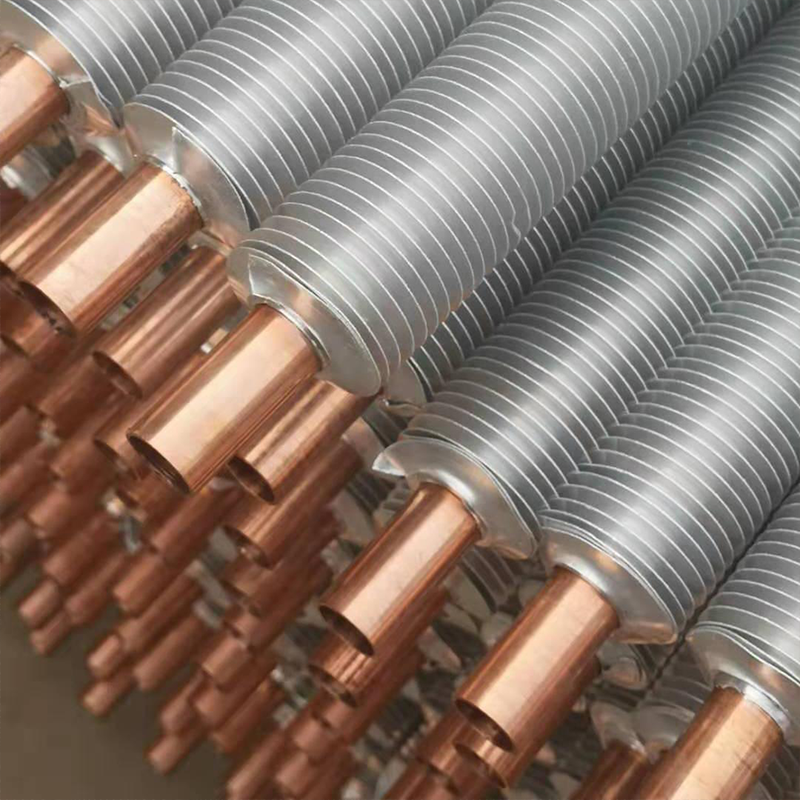
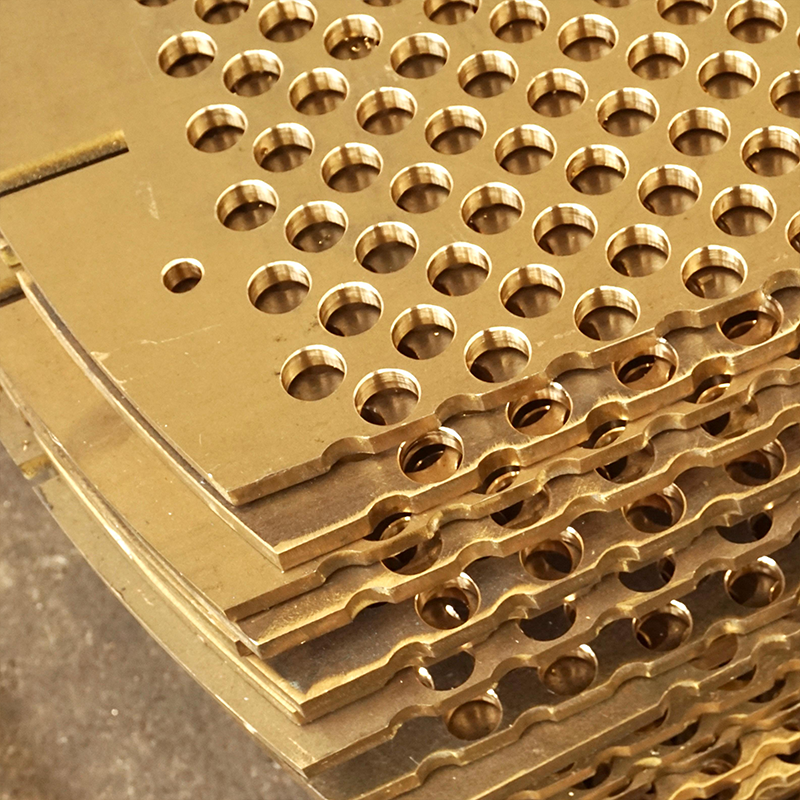
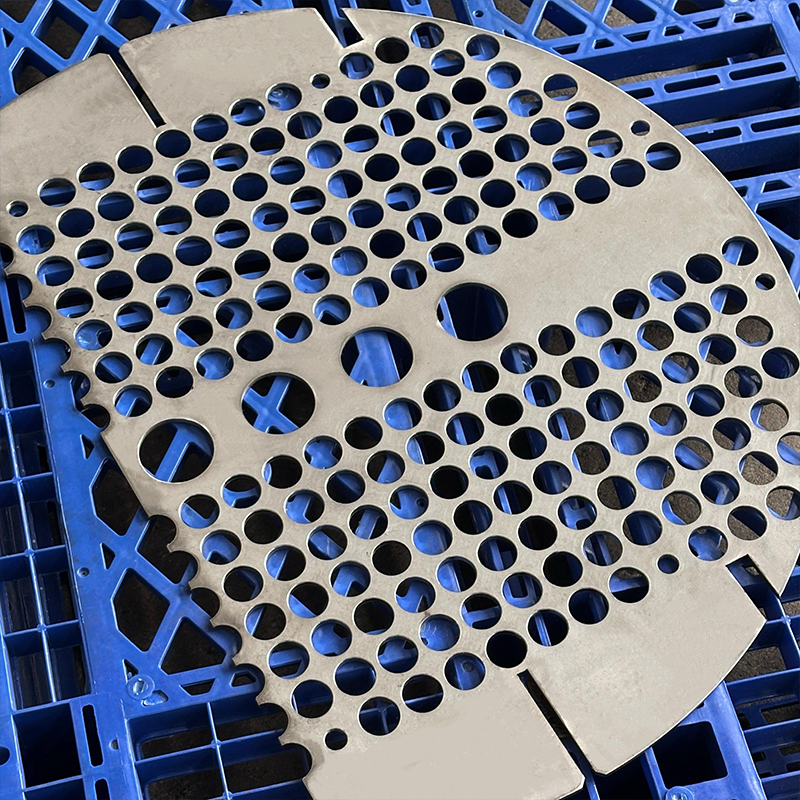
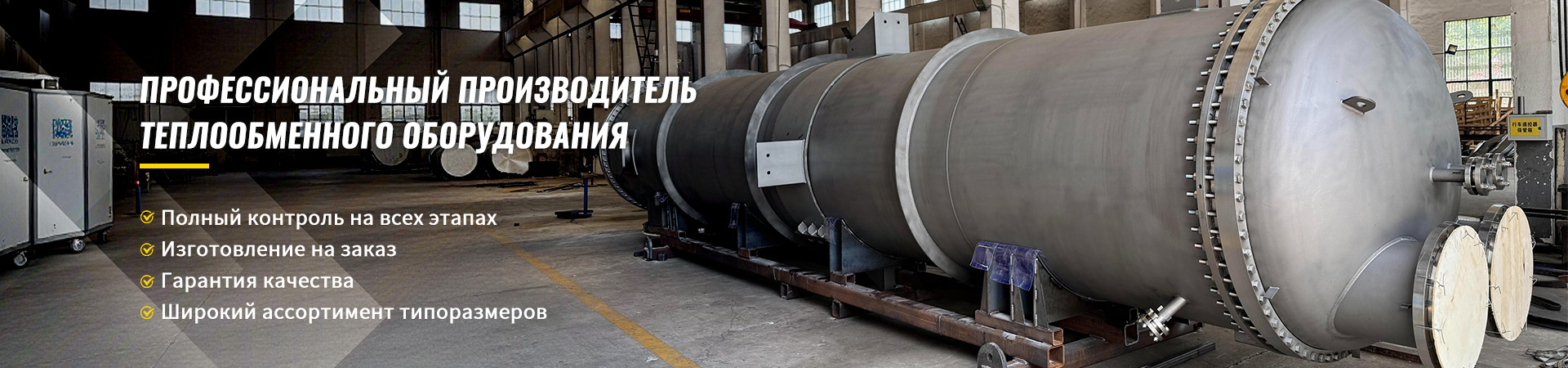
The sustainability of modern polymer production depends not only on competent management, but also on the reliability of the technological base, especially in terms of heat exchange processes and work with aggressive environments. Here, partners who can provide high quality equipment for oil refining and petrochemicals play an important role. For example, a companyWuxi Kaisheng Electric Power and Petrochemical Equipment Co., Ltd.specializes in the design and manufacture of advanced heat transfer solutions such as titanium shell-and-tube heat exchangers, high-pressure ASME units and corrugated tube bundles made from 316 stainless steel or C46400 marine brass. Their products, which also include air coolers, waste heat boilers and tube sheets made from N06625 and C70600 alloys, are widely used in the petroleum refining and chemical industries, providing the required corrosion resistance and thermal efficiency. The availability of PED and ASME certified equipment from suppliers such as Wuxi Kaisheng becomes the strength that allows plants to minimize the risk of downtime and maintain process stability even in the face of tightening environmental regulations and increasing energy efficiency requirements.
If you want to conduct a professional audit of your production, identify hidden efficiency reserves and develop a development strategy based on real data, our team is ready to help. We have expertise in polymer processing and know how to turn theory into money.
Contact us todayfor advice on strategic planning for your polymer business. We also recommend that you read our material aboutpolypropylene market trends in 2026to stay up to date with the latest industry developments.