
Welding technology for large PP tanks”
2026-08-16
- The essence of the technology for welding large-sized polypropylene tanks
- Substrate preparation and edge cutting geometry
- Extrusion welding modes and equipment parameters
- Sequence of assembly and welding of tank components
- Quality control and typical defects in welded joints
- Specifics of working with various modifications of polypropylene
- Economic efficiency and durability of structures
- Integrated solutions for the oil and gas and energy industries
- Frequently Asked Questions
The essence of the technology for welding large-sized polypropylene tanks
Welding technology for large PP tanks requires strict control of extrusion temperature, filler rod feed rate and edge preparation to ensure a solid weld that prevents leakage of corrosive media. Unlike joining small parts, working with containers with a volume of 10 to 100 cubic meters turns the process from a craft into an engineering task, where the cost of an error is measured in millions of rubles in losses from a chemical spill. Our experience shows that 80% of accidents at sites occur not due to defects in the sheet material itself, but due to violation of welding conditions or ignoring the thermal expansion of the structure.
We have repeatedly encountered a situation where customers tried to save money on process automation by using manual extruders for seams longer than 50 meters. The result was predictable: the uneven speed of welding led to local overheating and subsequent cracking under load after just six months of operation. One of our clients lost a batch of finished products due to the fact that the welder did not heat the edge to the required 240°C before starting deposition, relying only on visual inspection of the melt. This article is based on real production cases and DVS 2207-1 standards so that you can avoid similar mistakes when building your own storage facilities.
Substrate preparation and edge cutting geometry
The quality of the welded joint of a polypropylene tank is 90% determined by the correct preparation of the joint even before turning on the welding machine. Sheet polypropylene (PP-H, PP-B or PP-R) has a specific crystal structure that requires the creation of a certain contact area for the diffusion of molecules. The standard practice of cutting sheets with a guillotine or grinder often leaves microcracks and melted edges, which become stress points. We use only milling on stationary machines or specialized hand cutters with carbide knives, ensuring the opening angle of the edges is strictly 60 degrees with a bluntness of 2-3 mm.
Cleaning the surface is not just wiping with a rag, but mandatory chemical and mechanical treatment. Polypropylene has low surface energy, and any traces of oils, silicones or release agents brought onto the sheet during transport act as a barrier to welding. In our practice, we use degreasing with specialized solvents based on isopropyl alcohol, avoiding aggressive chlorine-containing compounds that can cause stress corrosion of the material. After chemical cleaning, it is imperative to mechanically clean a 50 mm wide area from the joint line with abrasive discs with a grain size of at least P80, but no more than P40, so as not to create too deep risks where contamination can get in.
The most important step is fixing the sheets before welding. Large tanks are assembled from sheets with a thickness of 10 to 40 mm, which have significant weight and tend to change geometry under their own weight. The use of clamps should alternate with tacks. Tacks are made with the same filler material as the main weld, with a length of at least 50 mm and a pitch of 300-400 mm. A mistake we see regularly: welders make tacks too long or place them randomly. This creates zones of local stress, which, when the main seam cools, lead to deformation of the tank wall (“wave” on the vertical surface). The correct tactic is to make short tacks strictly along the axis of the future seam, leaving a gap between them, which will be filled with the main roller.
For large diameter tanks, edge clearance control is critical. It should be uniform along the entire length of the joint and be 1-2 mm depending on the thickness of the sheet. Too large a gap will require excess filler material, increasing cooling time and the risk of shrinkage. A gap that is too small will not allow the melt to penetrate deep into the joint, creating a “non-steam” effect. We recommend the use of spacers made of Teflon or thin metal, which are removed immediately before passing the extruder welding head. This simple technique allows us to guarantee the stability of the channel geometry for feeding the melt.
Before starting the main work, it is necessary to check the moisture content of the material. Although polypropylene practically does not absorb water, condensation on the surface when working in a cold workshop or in an open area can lead to the formation of pores in the seam. If the ambient temperature is below +10°C, we strongly recommend organizing local heating of the welding area with heat guns to +20°C. Ignoring this requirement in winter leads to rapid cooling of the melt pool and lack of adhesion between layers. Remember: preparation takes up to 40% of the total tank construction time, but savings here are unacceptable.
Action:Before starting welding, test the wettability of the cleaned surface with water - it should lie on an even film and not collect in drops, which will indicate residual grease contaminants.
Extrusion welding modes and equipment parameters
Extrusion welding is the only reliable method for joining polypropylene sheets over 6 mm thick in the manufacture of large containers. The operating principle is based on feeding granules of the same chemical composition as the base material through an extruder screw, where it melts and is squeezed under pressure into the joint area. The key parameter here is the melting temperature. For homopolymer PP-H the operating range is 260-280°C, while for copolymers PP-B and PP-R it can be reduced to 240-260°C. Exceeding the temperature leads to thermal degradation of the polymer, loss of mechanical strength and the appearance of a characteristic smell of burnt plastic.
The rotation speed of the screw and the speed of the welding head must be synchronized. In automatic systems this communication is hard-coded, but in manual welding of large tanks it all depends on the skill of the operator. The optimal seam speed for a thickness of 10-15 mm is 0.8-1.2 meters per minute. An attempt to speed up the process leads to the fact that the extruder does not have time to fill the cutting volume, forming cavities and lack of penetration. The slowdown, in turn, causes overheating of the base material around the seam, its softening and loss of shape of the product. We record these parameters in technological maps for each project, taking into account the wall thickness and the configuration of the unit.
The pressing pressure of the extruder nozzle to the surface is the second critical factor. The nozzle should fit snugly against the edges, creating a closed space for the formation of the bead, but not press so hard that it forces the melt outward before it adheres to the base. Excessive pressure leads to the formation of burr (burst) on the inside of the tank, which is difficult to remove and which creates turbulence in fluid flows during operation. Insufficient pressure leaves air bubbles between layers. Our specialists use extruders with an adjustable nozzle angle and a pneumatic clamping system, which allows them to adapt to different spatial positions of the seam (vertical, ceiling, horizontal).
The temperature for preheating the edges with hot air also requires precise adjustment. The air flow from the hair dryer should heat the joined surfaces to a viscous flow state without the formation of a glossy sheen, which signals the beginning of the destruction of the material. Usually it is 200-230°C. It is important to direct the air flow symmetrically to both edges. Asymmetrical heating is a common mistake made by beginners, leading to one side melting faster than the other and the seam ending up skewed. In modern devices, temperature sensors are installed directly in the air outlet channel, which eliminates the human factor when assessing the degree of heating “by eye”.
The choice of filler material should be based not only on the PP marking, but also on the melt flow index (MFI). For high-quality MFI welding, the additives and the base sheet must match with an accuracy of 0.5 g/10 min. Using a high MFI rod will cause the weld to be too fluid and cause more shrinkage. A rod with low MFI will not have time to completely mix with the base, creating a phase boundary. We always request MFI certificates from sheet suppliers and select an additive from the same batch or from the same manufacturer. When working with colored tanks, it is important to ensure that the pigment in the additive is heat-stable and will not burn out at extrusion temperatures, changing the color of the seam.
Action:Before each shift, calibrate the thermocouples of the extruder and hair dryer using an external pyrometer, as the built-in sensors can produce an error of up to 15°C over time.
Sequence of assembly and welding of tank components
- Welding the bottom and the first belt.Work begins with laying out the bottom sheets on the prepared foundation. The sheets are butt welded together on both sides. Particular attention is paid to corner joints where four sheets meet - here the technology requires special trimming and sequential filling to avoid stress concentration at one point. After welding all the seams of the bottom, the first wall chord is mounted. The vertical seams of the first chord are welded from the outside and inside, and the order of the seams should be staggered to minimize warping. The horizontal seam of the connection between the bottom and the wall is performed last, after the vertical joints have completely cooled.
- Extension of wall belts.The assembly of subsequent belts is carried out in rings or separate sheets. When using the ring method (welding the belt on the ground, then lifting it with a crane), heavy-duty equipment is required to maintain roundness. In sheet-by-sheet assembly at height, the installation of internal bracing is critical. Welding of vertical seams is carried out from bottom to top or top to bottom, depending on access, but always ensuring penetration of the root of the seam. Each subsequent belt is installed only after the previous one has completely cooled; usually a pause of at least 2 hours is maintained to relieve internal stress. Violation of this sequence leads to the fact that the upper rings crush the lower ones, causing the tank to become oval.
- Installation of roof and stiffening elements.The roof structure (conical, flat or domed) is assembled separately or partially on the wall. For large diameters, flat roofs require the installation of radial stiffeners made of the same PP or metal profile with cladding. Welding the junction of the roof to the upper chord of the wall is the most critical unit, experiencing maximum loads when the level of liquid and gas pressure changes. Here, a double seam with a control channel is often used to check the tightness with compressed air. All insertions of pipes and hatches are made using reinforcing rings (flanges) welded to the tank body with a continuous seam.
- Welding of internal partitions and gutters.If the tank is sectioned, the installation of partitions is carried out after the completion of the main load-bearing seams. Partitions should not be rigidly connected to the walls in one plane without compensation for thermal expansion, otherwise the structure may deform when the contents are heated. Gutters and overflow systems are integrated during the belt assembly process to avoid complex workarounds and additional joints in the finished container. All internal elements are ground at welding points to prevent stagnant zones where sediment can accumulate.
- Finishing and control.After completing all welding operations, the burr is removed (if it protrudes inward by more than 1-2 mm) and a visual inspection of all seams is carried out. The surface of the seam should be smooth, without pores, cracks or color changes. Then the reservoir is hydrotested with water for 24-48 hours with a gradual increase in height (25%, 50%, 75%, 100%). At each stage, an inspection is performed for leaks and geometry measurements. Only after successful completion of hydrotests is the tank considered ready for use.
Attention:Never try to speed up the cooling of seams by pouring water on them or directing fans - this is guaranteed to lead to the appearance of microcracks and a decrease in the impact strength of the material in the heat-affected zone.
Quality control and typical defects in welded joints
Ensuring the tightness of large tanks is impossible without a multi-level control system. The visual method (VIC) is primary, but insufficient for critical structures. An experienced inspector is able to identify external signs of problems: uneven seam width, the presence of pores, discoloration of polypropylene (yellowing indicates overheating, blue discoloration indicates oxidation). However, internal defects, such as lack of root penetration or lack of fusion between layers, require instrumental confirmation. We use ultrasonic flaw detection for seams thicker than 20 mm, which allows us to detect delaminations as small as 2 mm.
One of the most insidious defects is “cold welding,” when visually the seam looks intact, but molecular diffusion has not occurred. This happens when the heating temperature is insufficient or the driving speed is too high. Such a defect can only be detected using the destructive method (cutting out samples) or the vacuum method with the application of a soap emulsion to a specially prepared channel. In our practice, there was a case when a batch of tanks for galvanic baths was rejected precisely because of the cold welding detected during the first filling with acid - the seams separated under the influence of the chemical environment that penetrated into the microcavities.
Cracks in the heat-affected zone (HAZ) are often caused by residual stresses. Polypropylene has a high coefficient of linear expansion, and when long seams cool, significant compressive forces arise. If the structure is clamped tightly or if welding was carried out with excessive heat input, the material cannot withstand and cracks after a few days or weeks. Prevention consists of following the sequence of sutures and using the correct cooling modes. It is also important to avoid drafts in the welding area, which cause uneven cooling.
Porosity of the seam is a consequence of contamination of the material or the presence of moisture. Gas bubbles trapped in the weld body reduce the effective cross-section of the joint and serve as stress concentrators. During radiographic inspection, they are visible as dark round spots. The fight against porosity begins with cleanliness of the work area and dryness of the filler material. Extruder pellets must be stored in airtight packaging until loaded into the hopper. The use of regranulate (recycled raw materials) for welding critical tanks is strictly prohibited, since its properties are unstable and unpredictable.
Documentation of the welding process is a mandatory requirement for industrial facilities. The welder's log must contain data on the temperature of the machine, welding speed, grade of material, batch number of the additive and the name of the performer. This allows the history of each seam to be traced in case of future claims. Modern digital extruders can automatically record these parameters into internal memory, generating an electronic protocol that is attached to the product passport. This approach increases customer confidence and complies with international quality standards ISO 9001.
Action:Introduce a system of color marking of completed welds (for example, stickers with the date and signature of the welder) to eliminate missed inspection areas and personalize responsibility.
Specifics of working with various modifications of polypropylene
Not all polypropylene is the same, and welding technology must be adapted to the specific grade of material. Homopolymer (PP-H) has high chemical resistance and rigidity, but low impact strength at subzero temperatures. Welding PP-H requires higher temperatures and careful handling as the material is prone to brittle fracture. PP-H tanks are ideal for storing aggressive acids and alkalis at room temperature, but are not suitable for shock loading or freeze-thaw cycles.
Block copolymer (PP-B) contains ethylene additives, which significantly improves its impact resistance, especially in the cold climate of Russia and the CIS countries. The PP-B welding technology is slightly different: the material is more viscous, requires slightly lower extrusion temperatures, but takes longer to cool down. PP-B seams are more elastic and better compensate for thermal expansion of the body. This is the preferred choice for tanks installed in open areas or unheated warehouses where temperature changes are possible. However, the chemical resistance of PP-B to some oxidizing agents may be slightly lower than that of a homopolymer, which must be taken into account when choosing a material for a specific environment.
Random copolymer (PP-R) is most often used in hot water piping, but is sometimes used in tank equipment operating at elevated temperatures (up to 90°C). Its welding requires special attention to the cooling time, since crystallization occurs more slowly. Premature removal of loads or filling of the tank can lead to material creep and geometry changes. When mixing different types of polypropylene (for example, repairing a PP-H tank with a PP-B additive), the strength of the seam drops sharply, since the materials are incompatible at the molecular level. We strictly prohibit this practice and require the use of an additive identical in type and manufacturer to the base material.
Sheets with reinforcement (fiberglass, fiberglass) are becoming increasingly popular due to their increased rigidity and reduced coefficient of thermal expansion. Welding such composites has its own nuances: it is necessary to carefully clean the edges until pure polymer appears, removing the surface layer with fibers, otherwise adhesion will be impossible. The filler material must also match the composite matrix. Errors when welding reinforced sheets lead to delamination of the seam, where the plastic separates from the reinforcement. This is a complex process that requires highly qualified personnel and special equipment with increased clamping force.
When working with painted sheets, it is important to consider the effect of pigments on the melting point. Some dyes can change the rheology of the melt. In addition, the weld may differ in color from the base sheet even when using an identical additive due to different heat treatment history. This is not a defect in terms of strength, but may be considered by the customer as a visual defect. We recommend agreeing on permissible color deviations in advance and carrying out test welding on scraps of material before starting the main work in order to fine-tune the modes and ensure the compatibility of the batches.
Action:Always check the quality certificate of the material before starting work, paying attention not only to the brand (PP-H/B/R), but also to the presence of UV stabilizers if the tank will be placed outdoors.
Economic efficiency and durability of structures
Investment in quality welding technology for large PP tanks pays off with a service life of up to 50 years if used properly. Compared to lined steel tanks or stainless steel products, polypropylene tanks benefit in cost of ownership (TCO). No corrosion means zero costs for painting, sheet replacement and repair downtime. However, this economy only works if the welding quality is impeccable. Repairing a poor-quality weld on an existing tank, especially one containing hazardous substances, costs 10-20 times more than the original weld due to the need to drain, neutralize, clean and recommission.
The cost of welding is a significant part of the project budget, but trying to reduce it by using unqualified crews or using cheap equipment leads to disastrous consequences. Automatic welding complexes allow you to increase productivity by 3-4 times compared to manual welding and guarantee stability of parameters. For mass production of tanks of standard volumes, investment in robotic cells is fully justified. For unique large-diameter projects, it is advisable to use mobile automatic extruders with a track system that move along the seam, ensuring the ideal bead geometry.
The energy efficiency of the process also plays a role. Modern extruders with inverter control consume less electricity and maintain temperature more accurately than older models with thyristor controllers. Reducing energy consumption by 15-20% with round-the-clock operation of the welding station provides tangible savings. In addition, accurate temperature control reduces the scrap rate and the consumption of filler material, which is one of the main variable costs. Optimizing sheet cutting and minimizing waste during edge preparation also contributes to overall production profitability.
The durability of the tank directly depends on the protection of the seams from external influences. Although polypropylene is UV resistant better than many other plastics, prolonged use in direct sunlight without protection can cause the surface layer of the joint to age. We recommend coating external seams with special varnishes or using sheets with a co-extruded protective layer. The inside surface of the joint in contact with the product should be as smooth as possible to prevent erosion and accumulation of deposits. Regular monitoring of the condition of seams (every 3-5 years) allows you to identify signs of aging at an early stage and plan preventive repairs.
In the context of tightening environmental regulations, the use of polypropylene tanks is becoming a strategic advantage. Full recyclability of the material (both the tank itself and production waste) corresponds to the principles of the green economy. Unlike composite materials or steels with complex coatings, waste PP can be recycled into secondary raw materials for less critical products. This makes the technology more attractive to ESG-minded investors. Welding technology for large PP tanks continues to evolve, introducing new control and automation methods, making it an even more reliable and cost-effective solution for the industry.
Action:Calculate the full lifecycle cost of tank ownership over a 20-year period, including potential repairs and downtime to justify the budget for high-quality welding to management.
Integrated solutions for the oil and gas and energy industries
While polypropylene tanks are an excellent storage solution for many chemical media, modern industrial facilities often require a hybrid approach that combines different materials for maximum efficiency. This is where the value of integrated engineering comes into play. CompanyWuxi Kaisheng Electric Power and Petrochemical Equipment Co., Ltd.specializes in the development and production of high-tech equipment that ideally complements the infrastructure of chemical production. Along with polymer containers, heat exchange systems and high pressure elements are critical components.
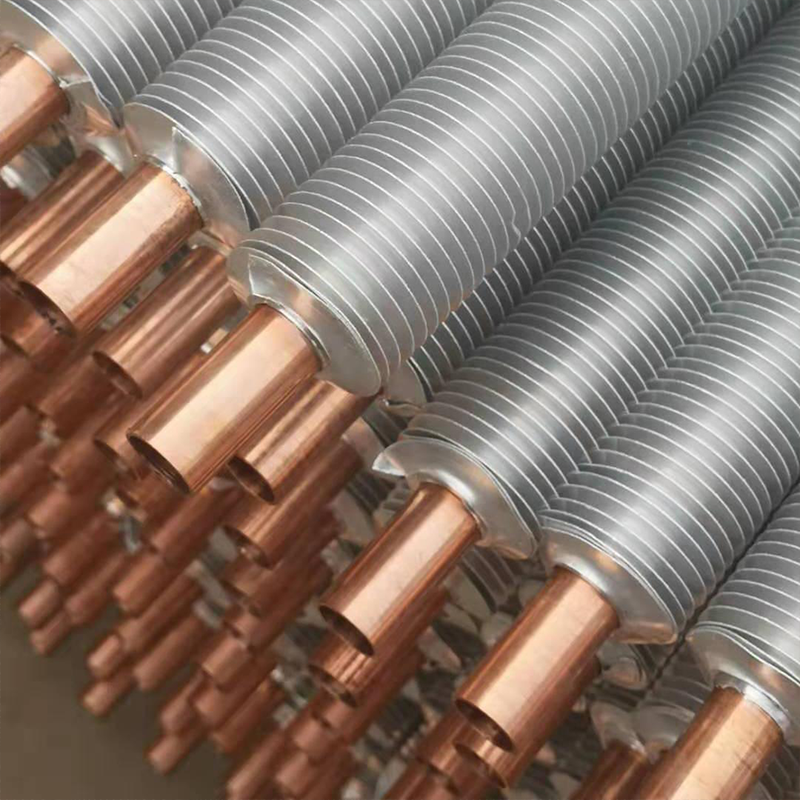
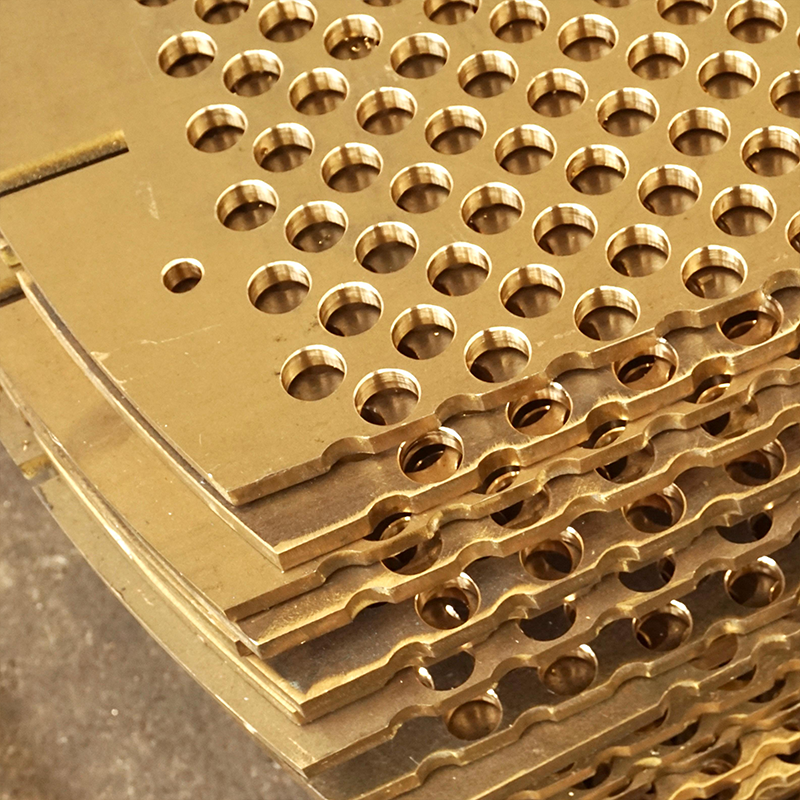
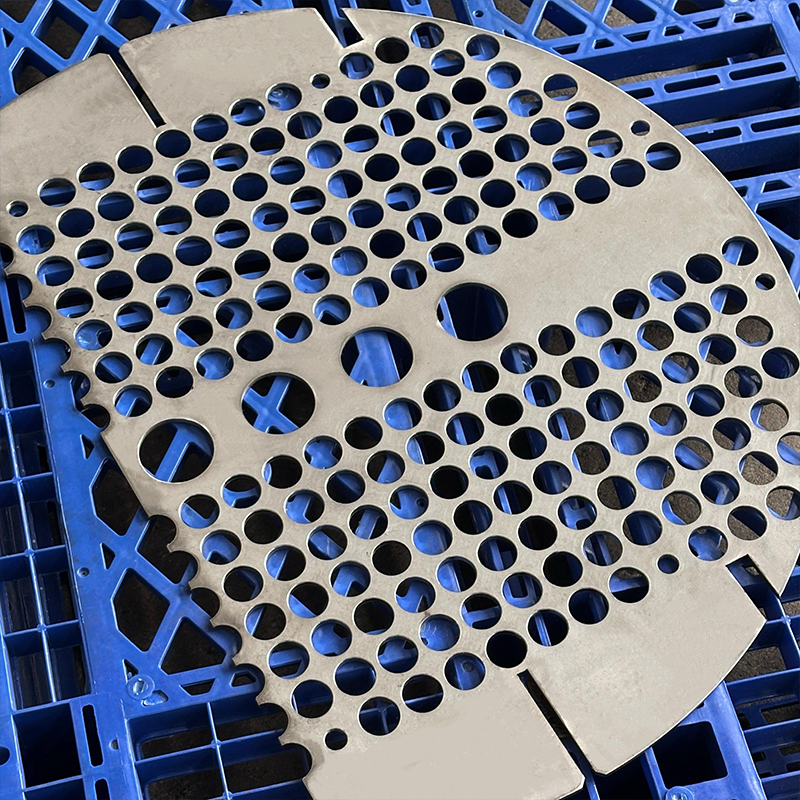
Our company offers a wide range of solutions, including titanium shell-and-tube heat exchangers and high-pressure units certified to ASME and PED standards. For harsh environments where polypropylene may have temperature or pressure limitations, we manufacture corrugated tube bundles in 316 stainless steel, C46400 marine brass, copper-nickel alloys and N06625 nickel alloys. These materials provide unmatched corrosion resistance and thermal efficiency in oil refining, seawater desalination and shipbuilding processes. We also manufacture air coolers, waste heat boilers and complex tube sheets from alloy 321, C46400 and C70600.
Integrating polypropylene tanks with our metal equipment allows us to create closed production cycles with minimal energy loss and maximum safety. Whether it is carbon steel for structural components or exotic alloys for extreme conditions, Wuxi Kaisheng LLC provides customized solutions that are time-tested and meet the most stringent international requirements. We help customers around the world optimize their production by combining the best properties of polymers and metals.
Frequently Asked Questions
What is the maximum wall thickness that can be welded using the extrusion method?
Extrusion welding technology allows you to effectively join polypropylene sheets up to 40-50 mm thick in one pass using powerful equipment and proper cutting of edges. For thicknesses over 50 mm, multilayer welding is recommended with intermediate mechanical processing of each layer to remove burr and ensure adhesion of the next bead. The limitation is not so much the possibility of melting as the control of heat input and shrinkage: too massive a seam under the wrong conditions can lead to significant deformation of the structure.
Is it possible to cook polypropylene outdoors in winter?
Yes, this is possible, but it requires the organization of a special greenhouse or the use of local heated shelters. The ambient temperature in the welding area should not fall below +5°C, and the material itself should be acclimatized in a warm room for at least 24 hours before installation. Welding in the cold without protection leads to instant cooling of the seam, crystallization without diffusion and guaranteed defects. Wind is also a critical factor as it blows away the heat flow of the hairdryer, so the use of windbreaks is mandatory.
How to check the tightness of a seam without filling the tank with water?
For preliminary testing, the vacuum method is used (for accessible seams) or blowing with compressed air and applying a soap solution. A special device creates a vacuum above the seam, and if there is a through defect, the pressure gauge will show a pressure drop. The spark test is also used to detect microcracks in combination with penetrating liquids, although for thick-walled tanks the hydraulic test head, which simulates operating conditions, remains the most reliable.
What is the difference between welding PP-H and PEHD (polyethylene)?
Although the processes are superficially similar, the materials have different melting and crystallization temperatures. PP melts at higher temperatures (260-280°C versus 200-220°C for PE) and cools faster, requiring higher operating speeds and precise heat control. You cannot mix additives: a seam made of PE on PP will be fragile and will collapse immediately, and vice versa. The equipment is often universal, but mode settings must be strictly specific to the type of polymer.
How long does it take for the seam to cool before removing the load?
Cooling time depends on the thickness of the seam and the ambient temperature, but the general rule is not to load the seam until it reaches ambient temperature. For a 10 mm thick seam this can take 30-40 minutes, for 30 mm - up to 2-3 hours. Forced cooling is prohibited. Removing spacers prematurely or starting to weld an adjacent seam can cause distortion due to residual stresses in the still ductile material.
The construction of reliable polypropylene tanks is a symbiosis of advanced materials and impeccable welding technology. The technology for welding large PP tanks does not tolerate compromises in terms of preparation, temperature conditions and quality control. Each millimeter of seam carries the load of the entire liquid column, and the reliability of this connection determines the safety of the entire plant. We are ready to share our expert experience and ensure that work is performed at the highest level, meeting international standards.
If you are planning the construction or modernization of capacitive equipment, do not risk quality for the sake of immediate savings.Contact us todayfor consultation on your project, cost calculation and discussion of technical details. Our engineers will help you choose the optimal solution that will last for decades.