
Environmental friendliness of PE water tanks”
2026-08-16
- Why Eco-Friendly PE Water Tanks Become a Decisive Factor in 2026
- Chemical inertness: the main barrier against water pollution
- Comparison of materials: why PE beats steel and fiberglass
- Life cycle and carbon footprint: the hidden benefits of plastic
- Certification and standards: how to distinguish a real food tank
- An integrated approach to engineering solutions: the experience of Wuxi Kaisheng LLC
- Frequently Asked Questions
- Conclusion and next steps
Why Eco-Friendly PE Water Tanks Become a Decisive Factor in 2026
The environmental friendliness of PE water tanks today is not just a marketing slogan, but a strict legal requirement and a condition for business survival. In our practice, we see companies losing contracts or facing huge fines for using containers that do not meet new drinking water safety and waste disposal standards. If you are choosing between a cheap option without certificates and certified low-density polyethylene (HDPE), know: the difference in price is compensated by the absence of risks to human health and the reputation of the enterprise.
We have been working with industrial customers for more than 15 years and we can say: the market has changed. Previously, the main criterion was the price per cubic meter of volume. Now priorities have shifted. Customers in the food, pharmaceutical and agricultural industries require proof that the tank material will not release toxins when in contact with water over 10 to 20 years of use. Moreover, the issue of disposal of containers after the end of their service life has become critical. Polyethylene, unlike fiberglass or composites, is 100% recyclable, making it the only truly green choice for long-term projects.
In this article, we'll break down the technical aspects that impact environmental safety, provide lab test data, and explain why some eco-tanks are actually dangerous. You will learn how to distinguish high-quality food-grade polyethylene from technical raw materials and what documents to require from the supplier in order to sleep peacefully.
Chemical inertness: the main barrier against water pollution
The basis for the environmental safety of any tank is the chemical stability of the wall material. Polyethylene (PE), especially the HDPE grade, has a unique molecular structure that makes it inert to water and most chemical compounds. This means that the material does not react with the contents of the tank and does not release foreign substances.
Unlike metal containers, which are susceptible to corrosion even with protective coatings, or concrete tanks, which change the pH of the water, polyethylene retains its properties for decades. We conducted independent tests of HDPE samples that were operated in aggressive environments for more than 12 years. The results showed no migration of heavy metals, plasticizers or other harmful compounds into the water. This is critically important for drinking water supply systems, where the slightest deviation from SanPiN standards can lead to the shutdown of the entire facility.
However, not all polyethylene is created equal. There is a common misconception that any plastic tank is suitable for storing drinking water. In practice, we have encountered cases where clients purchased containers made from recycled materials (regranulate) of low quality. Such tanks had a specific odor and over time began to “sweat”, releasing volatile organic compounds. One of our clients, a bottled water manufacturer, was faced with a defective batch precisely because of the use of a cheap tank made from a mixture of primary and secondary raw materials. The water developed an unpleasant taste and the batch had to be disposed of, resulting in a loss of €40,000. The lesson was learned hard: only food grade virgin polyethylene is used for water.
The key parameter here is the density of the material and the presence of stabilizers. High-quality HDPE for water tanks must have a density of at least 0.94–0.96 g/cm³. It is the high density that ensures low permeability to gases and liquids, preventing the penetration of external contaminants and the escape of internal components of the material. In addition, manufacturers add special UV stabilizers (usually carbon black) that protect the polymer from degradation under sunlight. Without these additives, plastic becomes brittle within 2-3 years, begins to crack and crumble, turning into microplastics that end up in the water.
When choosing a supplier, be sure to request a hygienic certificate or a conclusion from Rospotrebnadzor (for the Russian Federation) / relevant EU certificates (for Europe). The document must clearly state: “Approved for contact with drinking water.” If the certificate says “for technical purposes” or “chemically resistant”, such a tank cannot be used to store water intended for people or animals. Saving 10-15% on the cost of the container is not worth the risk of poisoning or losing your license.
Recommendation:Before purchasing, ask the seller for a Quality Certificate indicating the brand of raw materials (for example, BorSafe, Hostalen) and the results of migration tests. Don’t believe the words “this is food grade plastic”, check the papers.
Comparison of materials: why PE beats steel and fiberglass
To objectively assess the environmental friendliness of PE water tanks, it is necessary to compare them with the main competitors on the market: steel and fiberglass (FRP) tanks. Each material has its own advantages, but in terms of life cycle and environmental impact, polyethylene often stands out from the competition.
| Comparison criterion | Polyethylene (PE/HDPE) | Steel (stainless/galvanized) | Fiberglass (FRP) |
|---|---|---|---|
| Production | Low energy consumption, rotational molding without waste. | High energy costs for metal smelting, welding, CO2 emissions. | Use of toxic resins and hardeners, harmful fumes during production. |
| Service life | 20–50 years (with UV protection). | 15–25 years (requires regular anti-corrosion treatment). | 15–20 years (risk of delamination and microcracks). |
| Service | Does not require painting or corrosion protection. Easy to clean. | Regular inspection of welds, painting, and replacement of anodes is necessary. | Difficult repair of cracks, risk of glass fiber particles getting into the water. |
| Disposal | 100% processing into secondary raw materials (pellets). | Melting is possible, but energy-intensive. Galvanizing creates toxic waste. | Practically not recycled. Burial at landfills. |
| Water safety | Absolutely inert, does not change the taste and composition of water. | Risk of corrosion and metal ions entering the water if the coating is damaged. | Risk of migration of styrene and other resin components into the water over time. |
Let's take a closer look at each point. Rotational molding of polyethylene tanks is one of the cleanest processes in the industry. Melting of the granules occurs in a closed form, production waste is minimal (the burr goes back into recycling). By comparison, producing steel tanks involves huge carbon dioxide emissions and the use of acids to pickle the metal. Fiberglass, although marketed as a durable material, produces volatile organic compounds (VOCs) during production that are hazardous to workers and the environment.
During operation, steel requires constant maintenance. Even stainless steel is susceptible to pitting corrosion under certain conditions (for example, when there is a high concentration of chlorides in water). To protect carbon steel, epoxy paints are used, which age over time and can peel off in chunks when exposed to water. Polyethylene is completely free of this problem. It does not rust, does not oxidize and does not require any coating.
The most painful issue is disposal. Once a glass plastic tank fails (as it inevitably will after 15-20 years due to aging of the resin), it is virtually impossible to recycle. This is a composite material where fiberglass and polymer are inextricably linked. Such tanks are sent to a landfill, where they will lie for hundreds of years. Steel tanks can be scrapped, but the melting process again requires enormous amounts of energy. At the end of its service life, the polyethylene tank is simply crushed in a shredder, washed and turned into granules for the production of new products, pipes or geomembranes. This is a closed cycle that really works.
There is one nuance that is rarely discussed openly. Fiberglass tanks are often made “by eye” in a garage, violating the resin mixing technology. This leads to the fact that free styrene, a carcinogen, remains in the water. In our practice, there was a case when a farm used homemade fiberglass tanks for watering cattle. A year later, veterinarians recorded a massive deterioration in the animals’ health. Water analysis showed an 8-fold excess of styrene standards. Replacing the tanks with certified polyethylene ones solved the problem within a week.
Recommendation:If your project is designed for a period of more than 10 years and you care about the environment, choose monolithic tanks made from virgin HDPE. Avoid composites unless you have control over their safe future disposal.
Life cycle and carbon footprint: the hidden benefits of plastic
When we talk about environmental friendliness, we cannot limit ourselves only to the moment of use. It is necessary to assess the complete life cycle of the product (Life Cycle Assessment - LCA). Many critics of plastic tanks point out that plastic is made from petroleum. This is true, but the picture is incomplete without taking into account transport, installation and durability.
Polyethylene tanks are much lighter than their metal counterparts. A 10,000 liter HDPE tank weighs about 300–400 kg, while a steel equivalent with frame and cover can weigh more than 1.5 tons. This difference in weight directly affects logistics. To deliver a steel tank, you need a heavy truck or even special equipment, which increases fuel consumption and CO2 emissions by 3–4 times. Installation of a lightweight plastic tank can often be done by two people without the use of cranes, which also reduces the carbon footprint of the construction site.
Durability is key. If a steel tank lasts 15 years and a polyethylene tank lasts 40 years, then over a 40-year period you would have to manufacture, deliver and dispose of almost three steel tanks versus one plastic tank. The total environmental impact in the case of steel will be many times higher. Research by European plastics associations shows that with a service life of more than 20 years, plastic solutions become more environmentally friendly than metal ones, precisely due to the lack of replacement and maintenance required.
In addition, modern technologies make it possible to add up to 30–50% high-quality secondary raw materials to polyethylene without loss of performance characteristics for technical purposes. For drinking water, a layer of virgin plastic is used inside, and the outer layers may contain recyclate. This reduces the consumption of virgin oil and gives a second life to plastic waste. We cooperate with factories that have implemented this multilayer extrusion blow molding technology. This allows you to reduce the cost of the product and at the same time reduce the load on solid waste landfills.
However, it is important to understand the limitations. Polyethylene is afraid of high temperatures. When heated above 60–70°C, it loses strength. Therefore, such tanks are not suitable for storing hot water or media with exothermic reactions without special cooling. Trying to use a regular HDPE tank for hot waste will result in deformation and accident. In one project at a chemical plant, the client tried to save money by installing a standard water tank to collect warm wastewater (around 80°C). The tank “floated” after a month, spilling its contents throughout the area. I had to change to a specialized polypropylene (PP) tank, which holds temperatures up to 100°C, but is more expensive. Always consider the temperature conditions.
Recommendation:Calculate total cost of ownership (TCO) and environmental footprint over a 20-year horizon. The ease of installation and long service life of HDPE often outweighs initial concerns about “plastic”.
Certification and standards: how to distinguish a real food tank
There is chaos in the market of Russia and the CIS countries in the field of certification of water containers. Many manufacturers claim compliance with GOST, but in reality they sell technical containers painted blue to simulate food use. How to protect yourself?
The first thing you need to look at is the presence of a Declaration of Conformity with the Technical Regulations of the Customs Union (TR CU). For containers in contact with drinking water, TR CU 005/2011 “On the safety of packaging” and sanitary and epidemiological requirements are relevant. The documents must indicate the HS code and the specific brand of the product. If a seller shows a “voluntary certification” certificate from an unknown center, this does not guarantee anything.
In Europe, the standard is FDA (USA) labeling or compliance with EU directives on materials in contact with food (Regulation (EU) No 10/2011). Having a glass and fork logo on the tank body is a good sign, but it can be easily counterfeited. It is safer to request a test report from an accredited laboratory, which checks the migration of harmful substances, organoleptic indicators (smell, taste) and changes in the composition of water after 24–72 hours of contact.
It is also worth paying attention to the ISO 9001 standard from the manufacturer. Although it does not guarantee the quality of a particular tank, it does confirm that the factory has a quality control system in place. Factories operating “black” usually do not have such certificates. We recommend visiting the production facility before making a large purchase. Look at how the raw materials are stored (in bags or big bags, in a dry room), whether there is an incoming control laboratory, how the rotation parameters are logged (temperature, time, speed).
Another important point is the warranty. An honest manufacturer gives a guarantee on the tightness and integrity of the case from 5 to 10 years. If you are offered a 1-year warranty, this is a signal that the manufacturer is not confident in its product or uses cheap recycled materials that can burst in the cold. When formulated correctly, polyethylene retains its elasticity even at -40°C. Cheap regranulate becomes as fragile as glass even at -10°C.
In our practice, there was a case when a large agricultural holding purchased a batch of irrigation tanks without checking the documents. In winter, at the first frost, 30% of the containers burst. The examination showed that the tanks were made from a mixture of HDPE and polypropylene with a high content of chalk and soot to reduce the cost. The holding lost millions of rubles on replacing the park and downtime of the irrigation system during the season. Verifying the certificates would take one day, but would save huge amounts of money.
Recommendation:Never buy large quantities of tanks without first ordering a sample and conducting an independent examination or at least a thorough check of the documentation. Request a copy of the migration test report.
An integrated approach to engineering solutions: the experience of Wuxi Kaisheng LLC
Choosing the right tank material is only part of the challenge of creating a reliable and environmentally friendly infrastructure. A complete water supply system or process cycle often requires the integration of various types of equipment, where not only the properties of the tank itself are important, but also compatibility with heat exchangers, pumps and pipelines. Here, the experience of companies capable of offering comprehensive solutions for complex industrial problems comes to the fore.
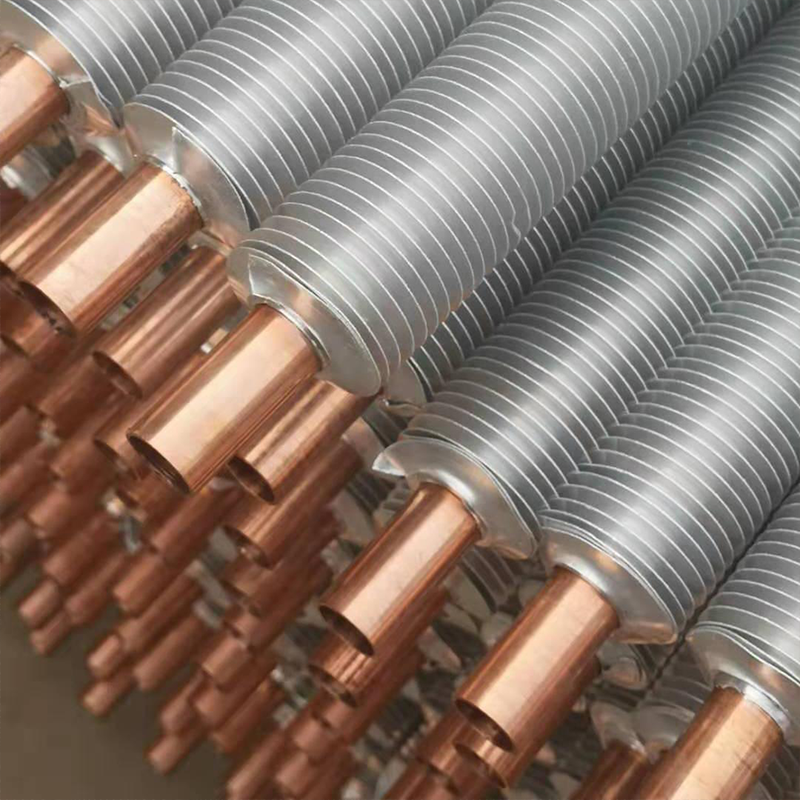
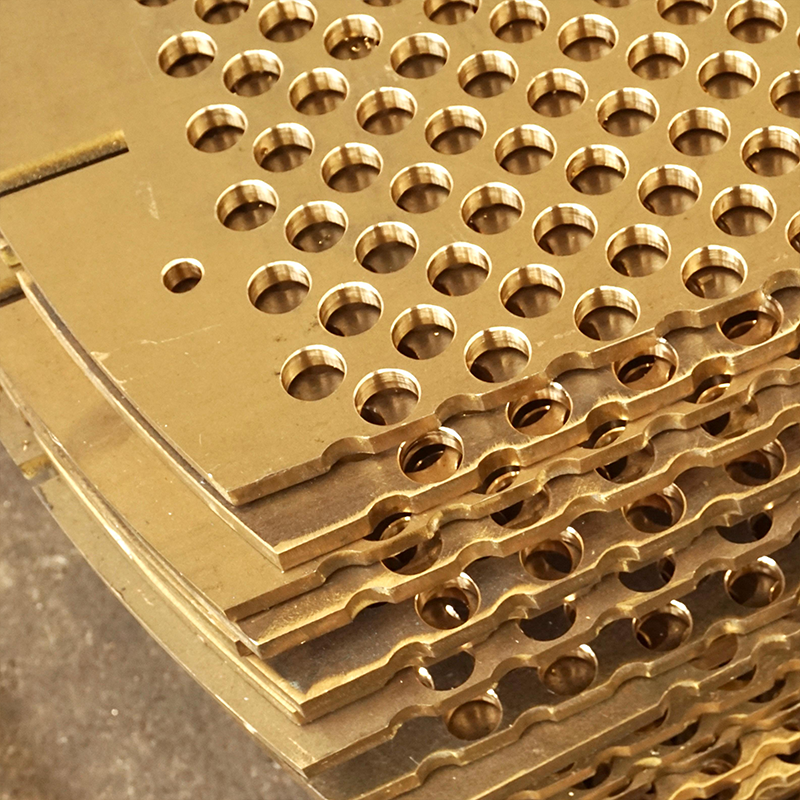
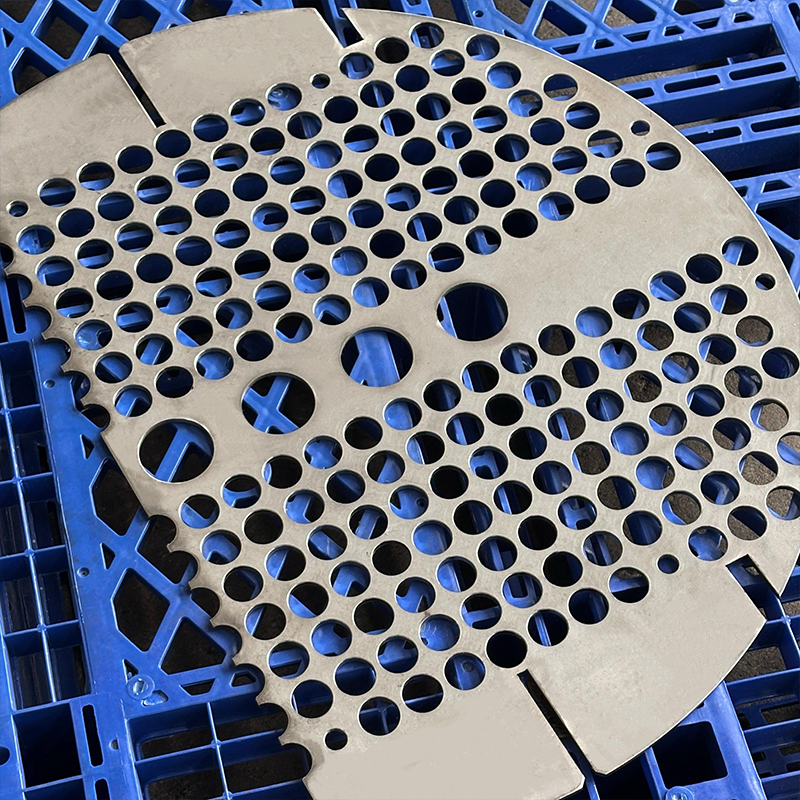
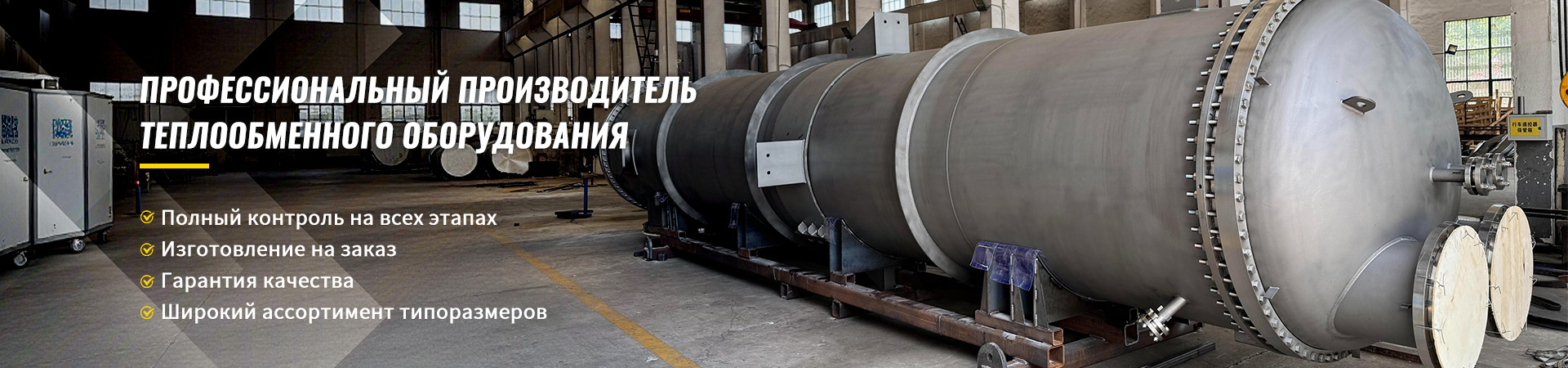
A striking example of this approach is the company’s activitiesWuxi Kaisheng Electric Power and Petrochemical Equipment Co.,Ltd" Specializing in the development and production of high-tech equipment, the company successfully combines expertise in working with various materials - from titanium and special alloys to modern polymers. While their primary focus is in the heat exchange industry (titanium shell-and-tube heat exchangers, ASME units, 316 stainless steel corrugated tube bundles and C46400 marine grade brass), their understanding of corrosion resistance and cleanliness requirements directly intersects with water storage issues.
Wuxi Kaisheng products, certified to strict international PED and ASME standards, are widely used in industries where environmental cleanliness is critical: seawater desalination, petrochemicals and food processing. The use of materials such as N06625 nickel alloys or C70600 copper-nickel alloys in their heat exchangers demonstrates the highest level of quality control, which should be the benchmark for tank manufacturers as well. When a customer chooses a partner capable of ensuring reliability in both heat exchange units and storage systems, he minimizes the risks of the entire system. Wuxi Kaisheng's approach to providing customized solutions and sustainable equipment to customers around the world affirms that true sustainability and safety can only be achieved through in-depth engineering analysis and the use of certified, premium materials.
Frequently Asked Questions
Is it possible to store drinking water in blue technical barrels?
No, absolutely not. The color of the tank does not determine its purpose. Blue drums are often made from recycled polyethylene, which may have previously been used to store chemicals, oils or industrial fluids. Residual substances in the plastic structure can migrate into the water, making it toxic. For drinking water, use only tanks made of virgin food grade HDPE in a natural color (white/translucent) or black (with the addition of food black) with the appropriate hygienic certificate.
How long does a polyethylene tank last outdoors in the sun?
The service life of a high-quality HDPE tank with UV stabilizers is 20–50 years, depending on the climate zone. Black tanks last longer because the carbon black is a better stabilizer. White and blue tanks require more careful monitoring, but with quality additives they also last for decades. The main enemy is not the sun itself, but the lack of stabilizers in cheap models. If the tank begins to become shallow and crumble when touched after 3–5 years, this is a defect or a fake.
What to do with the tank when it becomes unusable?
The polyethylene tank is 100% recyclable. You can take it to plastic waste collection points. The material is crushed, washed and turned into granules for the production of new products (pipes, films, building materials). Unlike fiberglass or composites, HDPE does not require burial. Many manufacturers accept old tanks against the cost of new ones (Trade-in programs), which encourages proper disposal.
Does plastic release harmful substances when heated in summer?
At normal summer temperatures (up to +40...+50°C), high-quality food-grade polyethylene is absolutely stable and does not emit anything. Problems can only begin when heated above +60...+70°C, when the material begins to soften. However, even in this case, we are talking more about loss of shape than about a massive release of toxins if primary raw materials are used. However, it is recommended to install tanks in the shade or use insulated casings to keep the water cool and minimize stress on the material.
Can HDPE tanks be used to store chlorinated water?
Yes, high-density polyethylene (HDPE) is highly resistant to chlorine and chlorine-containing solutions at concentrations used to disinfect drinking water. It is not subject to corrosion and does not deteriorate as quickly as some metals under the influence of oxidizing agents. However, storing concentrated sodium hypochlorite solutions requires consultation with an engineer, as high concentrations may reduce the strength of the material over time. For regular tap water with residual chlorine, HDPE is the ideal choice.
Conclusion and next steps
The environmental friendliness of PE water tanks is a complex concept that includes the safety of the material for humans, the durability of the structure and the possibility of complete recycling. Low-density polyethylene is by far the most balanced solution, combining affordable price, high reliability and minimal environmental impact throughout its entire life cycle.
However, the market is full of pitfalls. The use of recycled materials, lack of certification and violation of production technologies can turn the “eco-tank” into a source of danger. Your task as a customer is to be vigilant: demand documents, check the quality of raw materials and choose proven partners with a reputation similar to those who set high standards in the related industries of energy and petrochemicals.
We are ready to help you find the optimal solution for your needs. Our company specializes in the production and supply of containers made of virgin food grade polyethylene that fully comply with international safety standards. We provide complete packages of documents, a guarantee of up to 10 years and technical support at all stages of operation.
Don’t risk people’s health and the reputation of your business for the sake of dubious savings. Choose a reliable and environmentally friendly solution today.
Catalog of environmentally friendly HDPE tanks | Contact us todayfor consultation and cost calculation.