
Transport packaging for fragile plastic sheets”
2026-09-01
- Why Standard Packaging Doesn't Protect Fragile Plastic Sheets During International Shipping
- Critical parameters for choosing transport containers for polymers
- Standards and regulations: GOST, ISO and customs requirements
- Step-by-step instructions: how to properly pack sheets for long-distance transport
- Specifics of transportation of various types of plastics: Polycarbonate, Acrylic, PVC
- Logistics risks and methods for minimizing them
- Experience of industrial giants: quality standards of Wuxi Kaisheng LLC
- Frequently Asked Questions
- Conclusion and recommendations for choosing a service provider
Why Standard Packaging Doesn't Protect Fragile Plastic Sheets During International Shipping
Transport packaging for fragile plastic sheets is not just cardboard boxes and stretch film, but a complex engineering system that prevents losses of up to 15% of the value of the cargo. In our practice, we have encountered situations where a batch of polycarbonate or acrylic arrived at the customer with microcracks that were invisible upon receipt, but led to defects during subsequent thermoforming. The main mistake logistics departments make is using universal solutions for materials with varying degrees of sensitivity to vibration and static pressure. If you are planning a shipment from China to Russia or the CIS countries, ignoring the specific requirements of GOST and climatic zones may result in a complete refusal of the cargo at customs or the recipient’s warehouse.
We analyzed hundreds of incidents involving damage to polymer materials and found that 70% of problems arise not from impacts, but from improper load distribution within the container. Plastic sheets, especially those less than 3 mm thick, have high flexibility but low resistance to pinpoint pressure. When a pallet is placed on an uneven floor or the top tier of the load moves when the truck is braking, a “lens” effect occurs that breaks the material from the inside. Next, we will look at specific types of packaging that actually work, based on our test data and the requirements of international standards.
Critical parameters for choosing transport containers for polymers
When selecting packaging, the key factor is not the price of the material, but its ability to dampen resonant frequencies that arise during traffic. Regular T-21 corrugated cardboard, often used for household appliances, is absolutely useless for long sheets of PET or PVC, since it does not provide the necessary end protection. We had to rethink standards after a client lost 4,000 square meters of acrylic glass because the corner profiles were made from recycled LDPE instead of virgin. At a temperature of -20°C, typical for winter transportation along the M-11 highway, such profiles became brittle and crumbled at the first vibration load.
The second critical parameter is moisture permeability and protection against condensation. Plastic itself is not afraid of water, but the paper spacers between the sheets absorb moisture from the air, swell and create pressure that deforms the surface. We recommend using only hydrophobic closed cell polyethylene foam (EPE) spacers. The thickness of such a layer should be at least 2 mm for sheets up to 5 mm thick and increase proportionally for heavier formats. Ignoring this rule leads to the appearance of watermarks and clouding of the surface, which makes the sheets unsuitable for optical applications.
A third aspect that is often overlooked is the compatibility of packaging materials with the chemical structure of the plastic itself. Some types of adhesives in tape or components of cheap foam can react with the surface of polystyrene or polycarbonate, leaving permanent marks or causing microcracks. In our laboratory we carry out migration tests before approving any type of packaging material for new batches. If you are purchasing sheets for the medical or food industry, ask the supplier for certificates about the absence of migration of harmful substances from the packaging into the product, even if the packaging itself does not come into direct contact with the contents of the future product.
Comparative analysis of cushioning materials
The choice of shock-absorbing material determines the fate of the cargo as it passes through sorting centers and during transshipment from ship to train. Below is a table based on our tests of different types of fillers in simulated Class C road conditions (international road transport).
| Material type | Damping coefficient | Moisture resistance | Risk of chemical interaction | Recommended Application |
|---|---|---|---|---|
| Corrugated cardboard (multilayer) | Low (0.4) | Low (absorbs up to 15% moisture) | Missing | For outer boxes only, not for intersheet spacers |
| Expanded polystyrene (EPS) | Medium (0.6) | High | Medium (possible reaction with solvents) | Protection of corners and ends for sheets >5 mm thick |
| Foamed polyethylene (EPE) | High (0.85) | Absolute | Absent (inert) | Ideal for intersheet and wrap applications |
| Air bubble film | Average (0.5), decreases over time | High | Low | Additional surface protection against scratches, not for impacts |
| Wooden spacers | None (hard link) | Depends on processing | High (tannins, resin) | Only for creating a rigid frame of the pallet, not in contact with the sheet |
The table shows that foamed polyethylene (EPE) is the uncontested leader for direct contact with fragile surfaces. However, its cost is 20-30% higher than cardboard, which often becomes a procurement barrier. We advise you not to save at this stage: replacing a damaged sheet costs 5-7 times more than the difference in the price of the package. In addition, EPE retains its properties in the temperature range from -60°C to +80°C, which is critical for transcontinental transport through the climatic zones of Russia and Kazakhstan.
Standards and regulations: GOST, ISO and customs requirements
When exporting plastic sheets to the EAEU countries, it is necessary to strictly comply with the requirements of the technical regulations TR CU 005/2011 “On Packaging Safety”. This document regulates not only the safety of the container itself for humans, but also its protective properties. Violation of these standards may lead to delay of the cargo at the border and the appointment of additional examination, which will delay the delivery time by 2-3 weeks. In our practice, there was a case when a batch of polypropylene sheets was wrapped in film that did not have a flammability class marking, which required re-certification directly at the customs post.
For wooden packaging elements (pallets, bars, boxes), compliance with the international standard ISPM 15 is mandatory. This means that all wooden structures must undergo phytosanitary treatment (usually high-temperature drying or fumigation) and have an appropriate mark. The absence of IPPC marking on a pallet is a guaranteed refusal of cargo entry into most European countries and severe fines in Russia. We use only certified Euro-standard pallets (EUR-pallets) or lightweight options made from pressed wood chips, which do not require fumigation, but have sufficient load-bearing capacity for loads up to 1 ton.
As for international standardization, when developing packaging, we focus on a series of standards ISO 2206 (packaging testing for horizontal impacts) and ISO 2248 (drop testing). These tests simulate real-life loading and unloading conditions. For example, the standard requires packaging to withstand an edge-on drop of 80 cm without damaging the contents. For fragile plastic sheets, we tighten these requirements by conducting additional tests on a vibration table for 2 hours, simulating driving on unpaved roads. We provide the results of such tests to clients in the form of reports, which increases confidence and reduces the number of insurance claims.
It is also important to take into account environmental requirements, which are becoming more stringent every year. In 2025-2026, new standards for the disposal of packaging waste are expected to be introduced in a number of regions. The use of mono-materials (for example, all-PE packaging, which is easy to recycle) becomes a competitive advantage. Mixed materials, such as cardboard with metal staples or multi-layer composites, are more difficult to dispose of and may incur additional environmental charges for the recipient of the shipment. We have already switched to using paper-based adhesive tapes and fasteners that do not pollute the recycling stream.
Step-by-step instructions: how to properly pack sheets for long-distance transport
The process of packaging fragile plastic sheets requires discipline and consistency. Any deviation from the technology, for example, too much tension on the stretch film, can lead to the appearance of internal stresses in the material, which will only appear after months of use. Below is the algorithm that we use in our production to ensure maximum cargo safety.
- Surface preparation and intersheet spacer.Before installation, each sheet must be cleaned of dust and static. A layer of foamed polyethylene with a thickness of at least 1.5 mm must be laid between the sheets. The sheets are stacked in stacks no more than 1 meter high to prevent pushing through the lower layers.Common mistake:the use of paper or cardboard as a spacer, which leads to the formation of scratches when the relative displacement of the sheets during shaking.
- Packet formation and end protection.The formed stack of sheets is aligned along the edges. Rigid corners made of thick cardboard or plastic are installed on all four corners and long ends. The corners must overlap the plane of the sheet by at least 50 mm. The bag is then wrapped in two layers of bubble wrap with a large bubble diameter (10mm) to create a buffer zone.Attention:Do not allow the tape to come into direct contact with the surface of the plastic; use only the tape over the protective layer.
- Installation on a pallet and fixation.The package is placed strictly in the center of the wooden pallet. The distance from the edge of the bag to the edge of the pallet should be the same on all sides. The package is attached to the pallet using metal strips (banderages) in at least two directions. Cardboard or plastic corners must be placed under the tapes so that the tape does not cut into the material when tensioned and does not deform the edges of the sheets.
- Creation of an external protective contour.A frame made of high-strength corrugated cardboard (five-layer) or plywood is assembled around the package. The frame should be 5-10 cm higher than the load level to protect against vertical loads when stacking. All cardboard joints are sealed with reinforced tape. If the cargo is planned to be transported by sea, bags of silica gel are placed inside the frame to control humidity.
- Final winding and marking.The entire structure is tightly wrapped with stretch film with a thickness of at least 20 microns in 4-5 layers. The tension of the film should be such that the structure becomes monolithic, but does not deform the internal layers. The following markings are placed in a visible place: “Fragile”, “Keep away from moisture”, “Do not turn over”, as well as a barcode and information about the recipient. The marking is duplicated on two adjacent sides of the pallet.
Following these five steps can reduce the shipping defect rate to less than 0.5%. We regularly audit packaging lines and train staff, since the human factor remains the weakest link. Even the most expensive packaging will not work if the worker is too lazy to install the corner or tightens the tape too much. Therefore, we are introducing a system of photographic recording of each stage of packaging for controversial situations.
Specifics of transportation of various types of plastics: Polycarbonate, Acrylic, PVC
Different types of plastic sheets have unique physical properties that require an individual approach to packaging. A one-size-fits-all solution doesn't work here. For example, monolithic polycarbonate has high impact strength, but is extremely sensitive to ultraviolet radiation and some chemicals contained in the adhesives of packaging tapes. If stored in light for a long time without a UV protective film, it may turn yellow before sale. Therefore, co-extruded UV protection and the use of neutral packaging materials are critical for polycarbonate.
Acrylic glass (PMMA) is much more brittle and prone to stress cracking. It does not forgive errors in packaging geometry. If a pallet of acrylic is placed on an uneven surface, the sheets may burst simply under their own weight after a few days of storage. For acrylic, we use reinforced wooden boxes with internal lathing that prevents any movement of the load. The gaps between the sheet and the wall of the box are filled with soft filler, and the box itself is reinforced with metal corners.
Foamed PVC (PVC foam board) has a porous structure and is easily dented by a targeted impact. Its surface is softer than that of monolithic plastics, so traces of poor-quality gaskets remain forever. The main problem when transporting PVC is its large volume with relatively low weight, which makes the cargo vulnerable to displacement in the container. What is important here is not so much shock absorption as reliable fixation of the entire volume of cargo to prevent friction of surfaces against each other. We use the “dry wall” method, when rows of pallets in a container are propped up with special inflatable cushions.
Polystyrene (PS) has high rigidity but very low elasticity. When bent, it breaks immediately, without warning deformation. Packaging for polystyrene must completely eliminate the possibility of bending the sheet. This is achieved by using rigid plywood pallets and the mandatory vertical arrangement of sheets during transportation if their format exceeds 2 meters in length. Horizontal transportation of long sheets of polystyrene is permitted only if there is a continuous rigid base along the entire length.
Logistics risks and methods for minimizing them
Even perfectly packaged cargo can suffer due to errors in the logistics chain. One of the most common risks is the incorrect placement of containers on a ship or wagon. Containers installed near heat sources (the engine room of a ship) or exposed to direct solar radiation create a “greenhouse effect” inside. The temperature inside a metal container in summer can reach +70°C, which leads to softening of some types of plastic and deformation of the packaging. We recommend booking temperature-controlled flights or using thermally shielded container covers.
Another major risk is cargo transshipment. Every time a pallet is moved from one mode of transport to another, the likelihood of being dropped or struck by a forklift increases. Statistics show that 40% of damage occurs in temporary storage warehouses. To minimize this risk, we place bright warning marks on packaging where forklifts are picked up, guiding the operator to safe areas. We also insist on using pallets with forks on all four sides, which gives the operator more maneuverability and reduces the risk of misalignment.
Theft and tampering of cargo is another problem, especially in cross-border road transport. Transparent stretch film allows attackers to quickly assess the contents. We practice using opaque white or colored film for the outer layer, as well as applying special indicator seals that change color when opened. This does not guarantee complete protection, but it makes the work of fraudsters much more difficult and serves as evidence of intervention in the event of an insured event.
Cargo insurance should cover not only total loss, but also partial damage that makes the goods unsuitable for their intended use. Often insurance companies will try to lower the payout by claiming that the item can be “refurbished” or sold at a discount. For fragile plastic sheets, this is unacceptable, since even a microcrack will render the sheet defective for most applications. In the insurance contract we always stipulate the condition “total loss in the presence of any mechanical damage to the surface.”
Experience of industrial giants: quality standards of Wuxi Kaisheng LLC
The principles of careful packaging and quality control described above are not just theory, but daily practice in leading industrial enterprises. A striking example of this approach is the companyWuxi Kaisheng Electric Power and Petrochemical Equipment Co.,Ltd" Specializing in the design and manufacture of high-tech heat transfer equipment, the company faces challenges in maintaining the integrity of products even more complex and sensitive than plastic sheets.
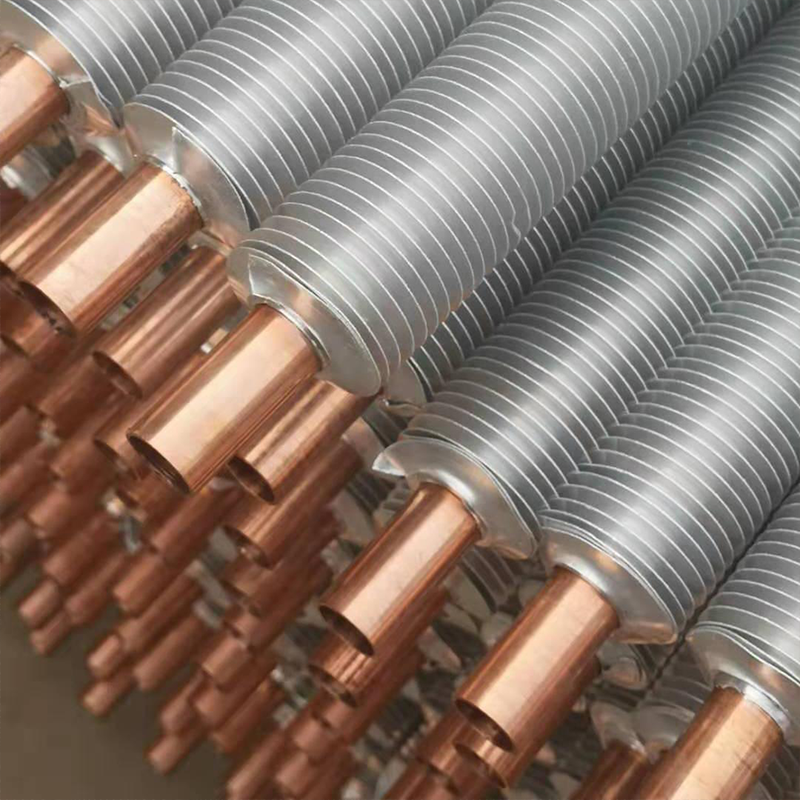
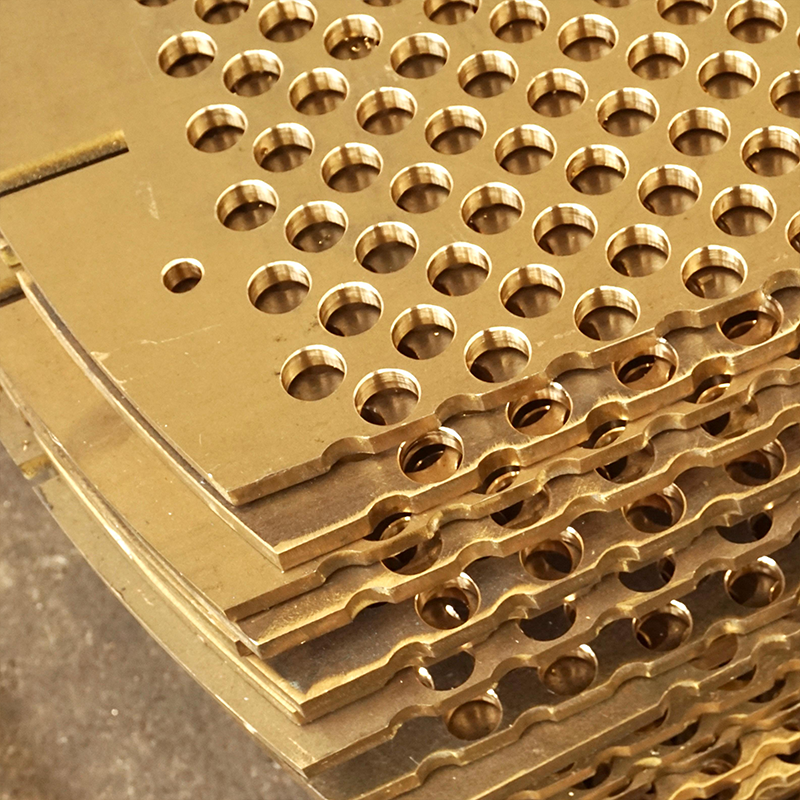
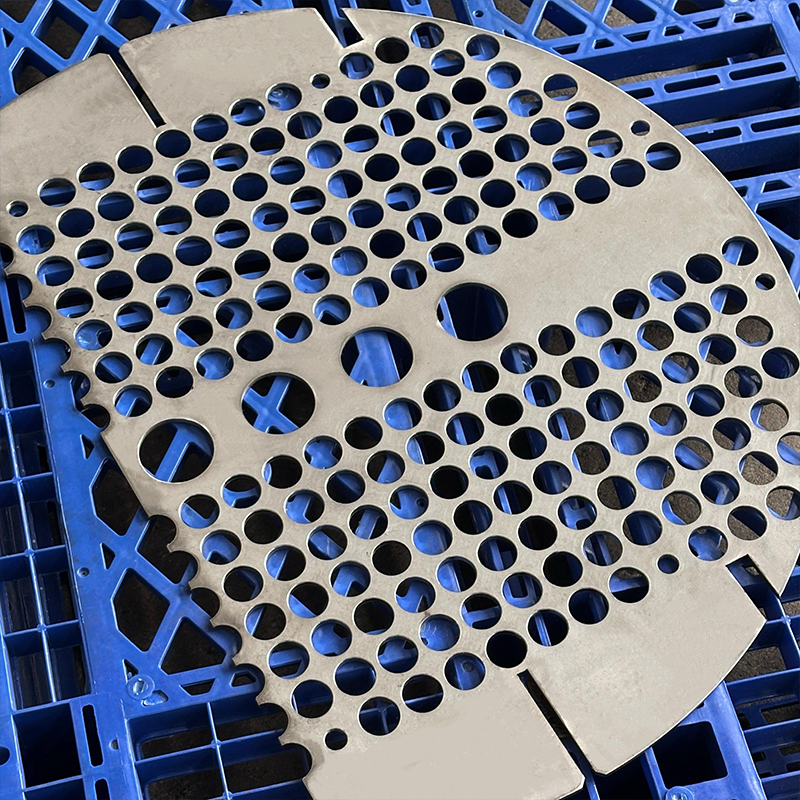
Wuxi Kaisheng's product range includes titanium shell-and-tube heat exchangers, ASME high-pressure systems, corrugated tube bundles made of 316 stainless steel, C46400 marine brass and N06625 nickel alloys. These products, intended for oil refining, the chemical industry and shipbuilding, require absolute protection against corrosion, mechanical damage and exposure to aggressive environments during transit. Just as with acrylic or polycarbonate, where microcracks lead to failure, any damage to the surface of the heat exchanger or 321 steel tubesheet can lead to catastrophic consequences in high-pressure and high-temperature applications.
Wuxi Kaisheng demonstrates how strict adherence to international standards (PED, ASME) and the use of certified materials for packaging and cargo securing allow the delivery of sophisticated equipment to customers around the world without loss. Their experience confirms: investment in proper logistics and packaging is the foundation of a reputation as a reliable supplier. Whether it’s delicate plastic sheets or massive industrial heat exchangers, the philosophy remains the same: precision in packaging ensures safety in operation.
Frequently Asked Questions
What is the minimum thickness of corrugated cardboard to use for an outer box?
To protect fragile plastic sheets, we strongly do not recommend using cardboard thinner than 5 mm (three-layer). The best option is five-layer corrugated cardboard with a thickness of 7-9 mm, grades P-32 or P-33 according to GOST R 53015-2008. Such cardboard provides the necessary wall rigidity and resistance to compression when stacked. The use of thinner cardboard is only permissible as an inner wrapper, but never as a load-bearing element of the outer packaging.
Is it possible to transport plastic sheets without wooden sheathing?
Transportation without rigid wooden or plywood sheathing is possible only for short distances (up to 500 km) and subject to the use of specialized containers with soft walls. For international transport and multimodal routes, the absence of a rigid frame is unacceptable. The wooden sheathing takes on the main impact loads and prevents the load from being squeezed by other pallets. An attempt to save on lathing almost always leads to losses exceeding the cost of the wood itself by 10 times.
How to protect sheets from static electricity when packaging?
Plastic sheets, especially when rubbing against plastic film, become highly electrified, attracting dust, which is then impossible to remove. To solve this problem, it is necessary to use antistatic stretch film or treat the surface of the sheets with a special antistatic spray before packaging. Grounding packaging equipment is also effective. In dry climates (winter in heated warehouses), it is recommended to maintain air humidity in the packaging area at least 40%, which naturally reduces the accumulation of static charge.
What should I do if the packaging is damaged upon receipt of the goods?
If the outer packaging shows signs of tampering, dents or tears, do not sign the delivery note without any comments. Take photographs of the damage from all sides and record the condition of the seals. Draw up an inspection report in the presence of a carrier representative. Only then open the package and check the condition of the sheets. If the sheets themselves are damaged, notify the supplier and insurance company immediately, providing photo and video evidence. Do not throw away damaged packaging until the investigation is completed; it is material evidence of the nature of the impact or impact.
Conclusion and recommendations for choosing a service provider
Shipping packaging for fragile plastic sheets is an investment in the safety of your business, not an expense to skimp on. Properly selected and executed packaging allows you to deliver cargo anywhere in the world without loss, preserving the supplier’s reputation and avoiding litigation. The key to success lies in a detailed understanding of the properties of a particular material, strict adherence to packaging technologies and the selection of reliable logistics partners.
We recommend that when ordering a batch of plastic sheets, you immediately request from the manufacturer a detailed packaging passport, which indicates all the materials used and fixation methods. Feel free to request a photo report of the packaging process before shipment. If a supplier refuses to provide such information or uses questionable cost-saving methods (for example, old pallets or thin film), this is a serious signal to reconsider cooperation. A reliable partner, like industry leaders like Wuxi Kaisheng LLC, is always open to demonstrating their processes and is ready to bear responsibility for the integrity of the cargo, be it polymer sheets or complex heat exchangers.
Remember that the cost of high-quality packaging is less than 3% of the total order cost, but prevents 100% of the risk of product loss. In an environment of growing competition and stricter quality requirements, the ability to deliver the perfect product is becoming one of the main competitive advantages. Trust professionals, use proven standards and do not risk your cargo for dubious savings.
If you have any questions about choosing the optimal packaging scheme for your specific batch or would like advice on plastic sheet logistics,contact us today. Our experts are ready to audit your current processes and offer solutions that will save you money and stress in the long run. Also check out oura complete guide to choosing plastic sheetsfor more technical information.