Warehouse logistics of large PP tanks”
2026-09-01
- Why warehouse logistics of polypropylene tanks determines 80% of project success
- Organization of the storage area: requirements for the site and stack configuration
- Transport logistics: selection of rolling stock and fastening scheme
- Frequently asked questions about logistics and storage
- Final recommendations and action plan
Why warehouse logistics of polypropylene tanks determines 80% of project success
In our practice of working with the chemical industry, we have repeatedly encountered a situation where a polypropylene (PP) tank, ideal in its technical characteristics, failed long before the end of the warranty period. The reason was not an error in calculating the wall thickness or the quality of welding of the seams, but a banal violation of the rules of storage and transportation at the stage of warehouse logistics of large PP tanks. Polypropylene is a material with high chemical resistance, but it has a specific sensitivity to ultraviolet radiation, point mechanical loads and temperature deformations if improperly installed. If you are planning to purchase containers with a volume of 5 m³ and above, understanding the nuances of their movement and storage is critical to maintaining your budget and production safety.
Warehouse logistics for large PP tanks requires a different approach compared to steel or fiberglass counterparts. We have seen cases where customers have lost up to 15% of the value of a shipment due to hairline cracks caused by forklift loading without the use of special adapters. In this article we will analyze not theoretical calculations from textbooks, but real engineering solutions that allow us to minimize risks. You will learn how to properly organize a temporary storage area, what rigging schemes to use for containers with a diameter of more than 2 meters, and why standard pallets often cause hidden defects.
Physical Material Limitations: What You Need to Know Before Planning
Polypropylene homopolymer (PP-H) and copolymer (PP-B/PP-R), used in the production of industrial containers, have a modulus of elasticity significantly lower than that of steel. This means that a large tank can become deformed under its own weight if the support point is chosen incorrectly. Unlike metal, which works in bending, PP works in tension and compression, but it tolerates stress concentration at one point extremely poorly. When we talk about tanks with a volume of over 10 m³, their weight when empty can reach several hundred kilograms, and when filled - tens of tons. However, even when empty, long structures are subject to sagging.
The critical factor is the temperature coefficient of linear expansion of polypropylene, which is approximately 0.15 mm/m °C. This number seems small, but for a tank 6 meters long, the temperature difference from night +5°C to daytime +35°C gives a change in geometry of almost 3 cm. If such a tank is rigidly fixed in a warehouse or laid on an uneven surface without compensation gaps, internal stresses arise, leading to cracking of the welds. In our practice, there was a case when a batch of vertical containers, which stood on open concrete in direct sun for two weeks before installation, received irreversible deformations of the bottom. The client insisted on installation, but our engineers insisted on returning the batch to the factory for heat treatment and straightening, otherwise the risk of depressurization during the first filling would be 90%.
Another aspect that logisticians often ignore is sensitivity to UV radiation. Although modern sheet polypropylene contains stabilizers (usually carbon black or special additives), long-term storage in the open air without tents reduces the impact strength of the material. For large tanks, this is especially dangerous in the areas of piping and pipes, where the wall thickness may be less than the main bowl. The rule is simple: if the storage period in a warehouse exceeds 30 days, the use of covering materials is mandatory. Do not rely on the supplier’s assurances about “high quality plastic” - physics is physics, and no one has canceled the second law of thermodynamics.
Organization of the storage area: requirements for the site and stack configuration
Planning a warehouse area for large thermoplastic products begins not with the arrangement of shelving, but with an analysis of the load-bearing capacity of the floor. Horizontal cylindrical containers are supported by saddle-shaped supports, which transfer the load to a very small area. The pressure at the point of contact can exceed 5-7 kg/cm², which is the limiting value for some types of industrial floors. We recommend using distribution pads made of dense rubber or wooden beams with a cross-section of at least 100x100 mm under each tank support. This simple action reduces the risk of the coating being pressed through and, more importantly, prevents local deformation of the container body itself.
When forming stacks, it is necessary to take into account the geometry of the products. Vertical tanks should never be stored on top of each other unless this is expressly provided for by the reinforced bottom and top ring design. In 95% of cases, stacking of vertical containers leads to damage to the flange connections and disruption of the neck geometry. Horizontal containers can be stacked in two tiers only if special supports are used that follow the radius of curvature of the body. The distance between the support points must be at least 2/3 of the length of the tank, counting from the ends. An attempt to save space by placing a horizontal container on three supports in the middle will lead to a “saddle” effect and tearing of the longitudinal seam.
The storage area must be protected from drafts and sudden temperature changes if we are talking about pre-assembled units with thin-walled elements. However, the main threat in a warehouse is the human factor and loading equipment. The width of the passages for loaders should allow maneuvering without the risk of touching protruding pipes. We recommend marking storage areas with bright lines and installing physical barriers to prevent forklift operators from coming within 1 meter of products without special equipment. Statistics show that 40% of damage occurs when maneuvering equipment in cramped conditions.
- Surface flatness:The permissible height difference is no more than 3 mm per 1 linear meter. Irregularities lead to body distortion and stress concentration in the lower chord.
- Temperature:The optimal range is from +5°C to +25°C. Avoid storing in close proximity to heat sources (steam lines, stoves); the distance should be at least 2 meters.
- Rain protection:A canopy or awning is required. The accumulation of water inside open tanks creates additional stress and can lead to capsizing in windy conditions.
- Access for inspection:Between the rows of containers there must be a passage at least 1.2 meters wide for visual inspection of the condition of welds and markings.
Specifics of rigging and loading and unloading operations
Lifting large polypropylene tanks is an operation that requires strict adherence to regulations. The main mistake we see at customer sites is the use of steel slings without soft pads. The steel edge of the sling under load acts like a knife, capable of cutting through a 20 mm thick wall in a matter of seconds. The only correct solution is to use textile slings with a width of at least 300 mm or special traverses with polymer inserts. The opening angle of the slings should not exceed 60 degrees from the vertical. The larger the angle, the higher the horizontal component of the compression force, which can collapse the body of a cylindrical container.
For tanks with a volume of more than 20 m³, we strongly recommend using stock metal frames or traverses that distribute the load along the upper stiffening ring. Lifting by pipes or hatches is strictly prohibited, even if they seem massive. These elements are designed for hydrostatic fluid pressure inside, and not for dynamic loads when lifting the entire structure. On one project, we had to rebuild a batch of neutralizers after the contractor decided to lift them by the suction pipes of the pumps. The result was predictable: the pipes were torn off along with part of the housing wall. The repair took three weeks and cost more than renting the proper lifting equipment.
When using forklifts, it is necessary to use extended forks or special grips that cover the container body by at least 2/3 of its length. Point lifting with a fork in the middle of the bottom of a horizontal tank is unacceptable. Polypropylene has a creep effect: under prolonged static load it continues to deform. Even a short-term lifting with a violation of the slinging pattern can cause residual deformation, which will appear only after months of operation under the pressure of the working environment. Always check the lifting capacity of the equipment based on the weight of the tank plus the weight of the process fluid if the test is performed in a full condition (although it is most common to test empty tanks).
Transport logistics: selection of rolling stock and fastening scheme
The choice of vehicle for transporting large PP tanks is dictated by their dimensions and fragility of the structure. Standard curtainsider semi-trailers are only suitable for small vertical containers that can be installed vertically. For horizontal tanks longer than 6 meters, the optimal solution is low-loader trawls or platforms with a flat floor. The presence of sides complicates the process of unloading by crane, as it limits the angle of approach of the slings. We prefer to work with carriers who have experience transporting oversized composite loads because they understand the importance of a smooth ride and less jerky braking.
Securing cargo on a platform is a separate science. The use of metal chains to secure polypropylene containers is prohibited. When the chain vibrates on the way, it acts as an abrasive, grinding the outer layer of material. The only acceptable option is textile belts with tensioning mechanisms (rackets), equipped with corner protectors at the points of contact with the body. The tension of the belts should be monitored with a dynamometer: excessive force can flatten the container, insufficient force can lead to displacement. The fastening scheme must exclude any possibility of longitudinal or transverse displacement relative to the platform. Particular attention is paid to the protection of protruding parts: all pipes, ladders and service platforms must be dismantled or reliably protected with wooden boxes.
The delivery route also matters. Avoid roads with poor surfaces and steep slopes where frequent braking is required. The inertia of a multi-ton tank during sudden braking creates a colossal load on the mounting points and the body itself. If the route involves driving through areas with low temperatures (below -5°C), the driving speed should be reduced, as the impact strength of polypropylene decreases and the risk of cracks from road vibration increases. In winter, we recommend insulating the cargo with shrink film or awnings, not so much to preserve heat, but to protect against the oncoming flow of cold air, which can cause local hypothermia of individual sections of the wall.
| Comparison parameter | Steel tanks | Tanks made of PP (Polypropylene) | Critical consequences of errors |
|---|---|---|---|
| Point load | High stability, allows contact with metal | Low stability, requires load distribution | Wall puncture, instant depressurization |
| Reaction to UV radiation | Requires corrosion protection (painting) | Degradation of molecular structure, loss of strength | Fragility of the material, cracks during installation |
| Temperature expansion | Minimum (12×10⁻⁶ 1/°C) | Significant (150×10⁻⁶ 1/°C) | Destruction of welds, deformation of the body |
| Slinging methods | Chains, cables, magnetic grips | Only soft slings, traverses with protection | Section of the body with the edge of the sling |
| Stacking | Multi-level is allowed (if the bottom is strong) | Prohibited (except for special designs) | Irreversible geometry deformation |
Documentary support and acceptance of cargo
Logistics does not end with unloading at the customer’s warehouse. A critical step is the acceptance procedure, which must record the condition of the product before installation begins. We require that the acceptance certificate be signed only after a visual inspection and, if necessary, ultrasonic inspection of wall thickness in potential impact areas. Often, damage received along the way is masked by dirt or transport packaging. Remove the packaging gradually and inspect the surface with side lighting - this allows you to identify microcracks and scratches that are invisible in direct light.
All accompanying documents must contain a quality certificate for polypropylene sheets, a welders certificate (in accordance with DVS 2203 or similar standards) and factory test reports (hydraulic tests). The absence of these documents makes it impossible to put equipment into operation at enterprises with a high level of safety requirements (petrochemicals, food industry). Check that the markings on the tank body correspond to the data in the passport: order number, production date, volume, operating pressure. Any discrepancy is a reason to stop acceptance and conduct an internal investigation.
If damage is detected, it is necessary to immediately draw up a report with photographic documentation and involve an independent expert. Do not attempt to eliminate major defects on your own until agreed with the manufacturer. Unprofessional repairs to polypropylene (for example, applying patches without proper edge preparation and extruder temperature control) will only aggravate the situation and void the warranty. Remember that the chemical resistance of the repaired seam may differ from the properties of the base material, which will create a source of corrosion in the future.
An integrated approach to the supply of equipment for the oil and gas industry
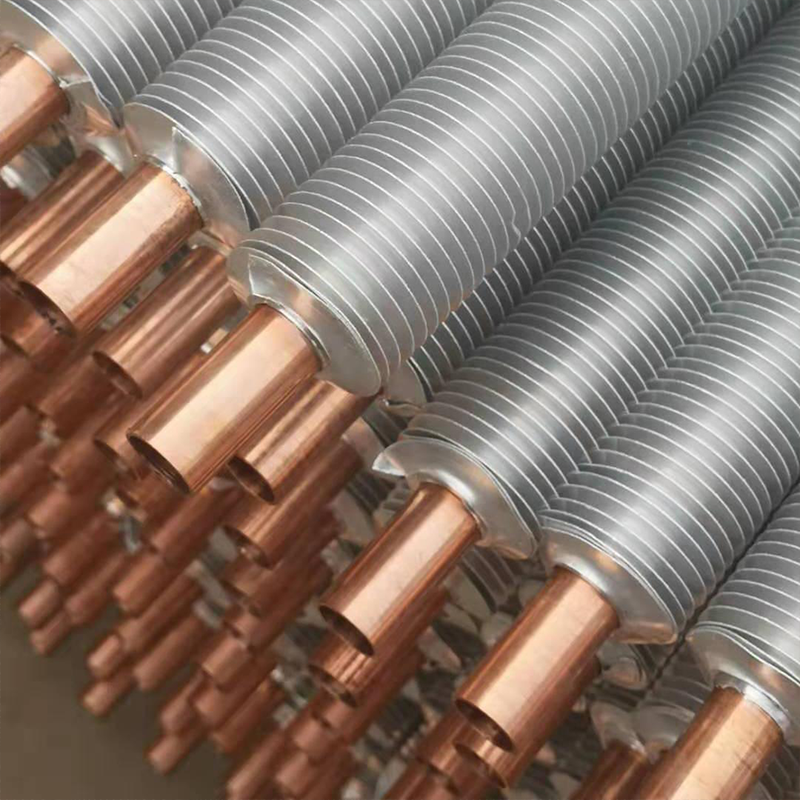
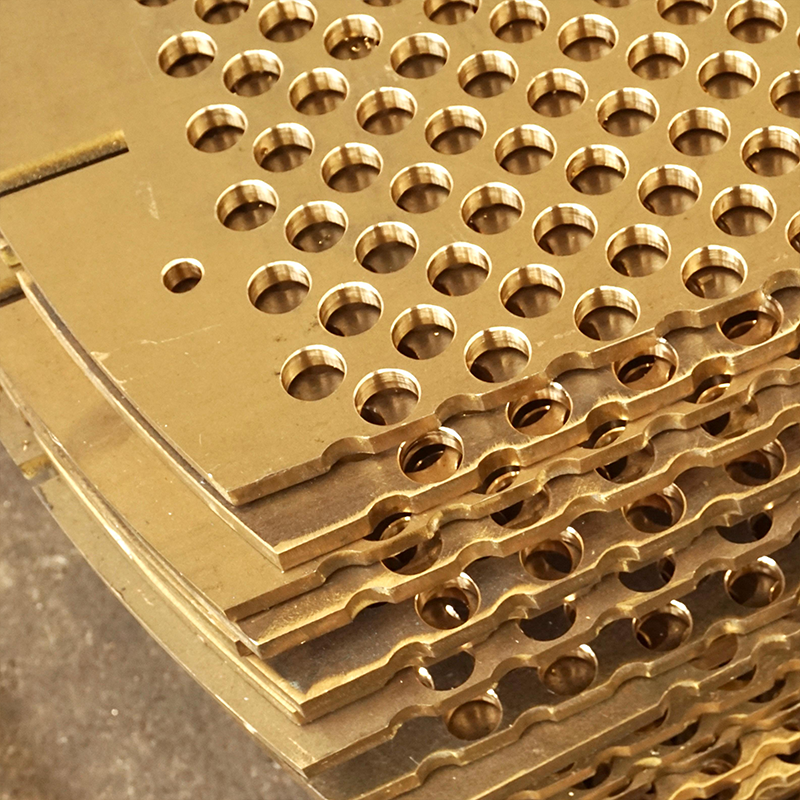
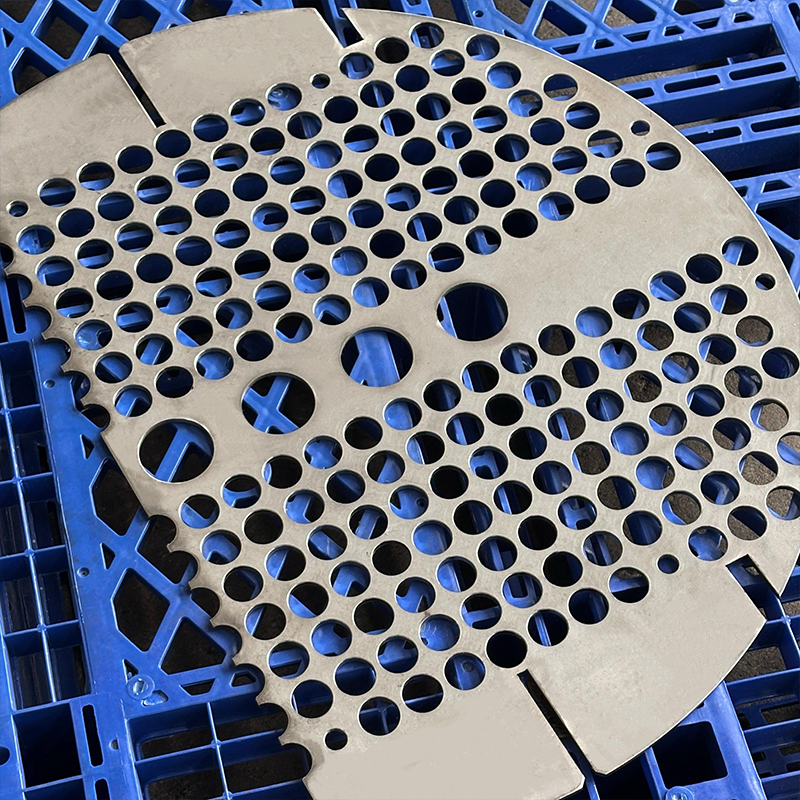
Understanding the intricacies of logistics and storage is critical not only for plastic containers, but also for the entire range of high-tech equipment used in modern industry. For example, a companyWuxi Kaisheng Electric Power and Petrochemical Equipment Co., Ltd.specializes in the development and production of complex heat transfer systems and components for the energy and petrochemical sectors. Their products, including titanium shell-and-tube heat exchangers, ASME-standard high-pressure units, and specialty alloy tube bundles (316 stainless steel, C46400 marine brass, copper-nickel alloys, N06625 nickel), require the same careful handling and storage conditions as polypropylene tanks.
Products manufactured from carbon steel, stainless steel, alloy steel, titanium and various alloys are certified to strict international PED and ASME standards. They offer outstanding corrosion resistance and heat transfer efficiency while operating under extreme pressures and temperatures. The use of such equipment in oil refining, chemicals, water desalination and shipbuilding means that every stage of the supply chain - from the plant to the installation site - must be organized with the utmost care. As in the case of PP tanks, violation of the conditions of transportation or storage of metal and composite components can lead to hidden defects that reduce the service life of expensive equipment. Therefore, choosing a reliable partner who provides not only quality products, but also expertise in logistics and installation issues, becomes a key factor in the success of any industrial project.
Frequently asked questions about logistics and storage
What is the maximum shelf life of PP tanks outdoors?
We do not recommend storing polypropylene tanks outdoors for more than 14 days. Even with stabilizers, intense solar radiation begins to destroy the surface layer of the material, reducing its impact strength. If storage is unavoidable, use light-colored opaque awnings (to reflect heat) and provide ventilation under the shelter to avoid the greenhouse effect. In our practice, we recorded a case when, after three months of storage under the sun, the surface of the containers became chalky and crumbled when touched, which required a complete replacement of the batch.
Is it possible to move a filled large tank?
Absolutely not. Moving filled tanks with a volume of more than 1-2 m³ is prohibited due to the enormous inertia of the liquid (free surface effect), which can overturn the container or destroy its body with the slightest jerk. In addition, the weight of a filled container often exceeds the lifting capacity of standard warehouse forklifts. All movements must be carried out only in an empty state. The exception is small wheeled tanks that are specifically designed for mobility, but these are not classified as “large tanks”.
What ambient temperature should be maintained in the warehouse?
The optimal temperature range for storage is from +5°C to +25°C. Temperatures below 0°C make polypropylene brittle: if it is accidentally hit by a forklift in cold weather, the likelihood of a through breakdown increases significantly. Temperatures above +40°C (especially in direct sun) can cause the material to soften and lose shape under its own weight. If your warehouse is not heated in winter, bring the containers into a warm room 24 hours before the start of installation work for acclimatization.
Are tanks allowed to be stored near sparks or open flames?
Although polypropylene is difficult to ignite (flammability class G4), during a fire it melts and flows, supporting combustion and emitting toxic smoke. Storage near welding stations, furnaces or storage areas of flammable liquids is prohibited by fire safety regulations. The minimum safe distance is 10 meters. In addition, sparks from an angle grinder or welding that hit the body instantly burn through the plastic, creating pockets of future corrosion. The storage area must be equipped with primary fire extinguishing means (foam or powder fire extinguishers).
Final recommendations and action plan
Efficient warehouse logistics for large PP tanks is not just a matter of convenience, but a prerequisite for the longevity of the equipment. Errors at the storage and transportation stage can negate all the advantages of polypropylene over metal. To minimize risks, follow the checklist: check the levelness of the site, use only soft slings, protect containers from the sun and organize proper access for equipment. Don't skimp on rigging—the cost of renting the right crossbar is negligible compared to the cost of replacing a leaking tank.
If you are planning to purchase a batch of containers, make sure that your supplier provides not only the product, but also detailed logistics instructions tailored to specific models. We are ready to provide a full package of technical documentation and advise your logisticians on issues of safe transportation. Proper organization of the process will save your money and nerves.
To receive an individual calculation of the cost of tanks, taking into account delivery conditions and installation recommendations,contact us today. Our engineers will help you choose the optimal solution for your production, taking into account all the nuances of warehouse logistics for large PP tanks.
Read more about production technologies and types of polypropylene in our sectionproduction of chemical tanks.