
Plastic pipe 60 mm: characteristics and application”
2026-08-10
- Plastic pipe 60 mm: key parameters for industrial systems
- Areas of application: from domestic sewerage to industrial drainage
- Installation and connection: technologies and common mistakes
- Comparative analysis of manufacturers and selection criteria
- Logistics, storage and acceptance of goods
- Frequently Asked Questions
- Conclusion and recommendations for purchasing
Plastic pipe 60 mm: key parameters for industrial systems
The 60 mm plastic pipe is a universal engineering solution used in water supply, sewerage, ventilation and electrical wiring systems. In our practice, we observe that it is this diameter (often corresponding to the DN50 marking or an external diameter of 63 mm, depending on the standard) that becomes the “golden mean” between throughput and installation flexibility. It is critical for engineers and purchasers to understand not just the dimensions, but a set of characteristics: material of manufacture (PVC, PP, HDPE), ring stiffness class (SN) and operating temperature conditions. An error in choosing the type of plastic at the design stage can lead to the destruction of the pipeline due to water hammer or deformation under soil load.
The market is saturated with offers, but real reliability is determined by compliance with GOST and the availability of certificates of conformity. We have repeatedly encountered situations where cheap analogues without the SN8 or SN10 markings burst when backfilling a trench, requiring expensive repairs. In this guide, we will examine the technical nuances that distinguish a quality product from a defective one, and provide clear recommendations for use in various industries.
Materials of manufacture and their effect on durability
Selecting the material is the first and most important step. The 60 mm plastic pipe can be made of unplasticized polyvinyl chloride (UPVC/PVC-U), polypropylene (PP) or low-density polyethylene (HDPE). Each polymer has its own chemical structure, which dictates its application.
UPVC (PVC-U)is the standard for free-flow sewers and cable routes. The material has high chemical resistance to aggressive environments, which makes it indispensable in the chemical industry. However, it has a temperature limitation: the maximum operating mode usually does not exceed +45°C. In our practice, there was a case when ordinary gray PVC-U pipes were used in food production to drain hot wastewater from washing machines (+60°C). The result is predictable: after six months, the pipes lost their ring rigidity, sagged, and leaks formed at the joints. This led to a shutdown of the workshop for three days. The conclusion is simple: uPVC is not suitable for hot environments.
Polypropylene (PP), especially modifications PP-RCT or PP-B, can withstand temperatures up to +95°C for a short time and up to +70°C continuously. It is an ideal choice for domestic hot water and heating systems. The walls of such pipes are often multi-layered, reinforced with fiberglass or aluminum to reduce linear expansion. If you are designing a heating system in a warehouse where temperature changes are possible, using pure polyethylene instead of reinforced polypropylene will be a fatal mistake due to the effect of “elongation” of the pipe when heated.
HDPEcharacterized by exceptional elasticity and frost resistance. Pipes made of cross-linked polyethylene or HDPE are widely used for laying underground communications in the northern regions of Russia. They can withstand the freezing of water inside without bursting, since the material is capable of stretching. However, HDPE is sensitive to ultraviolet radiation: open laying in the sun without protection leads to rapid degradation of the material. We recommend using black pipes with a blue stripe for water only in the ground or with protective covers.
When ordering a batch, always request a quality passport, which indicates the type of raw material (for example, PE100 for HDPE). The use of recycled materials (regranulate) reduces the service life of the product by 3-4 times. It is difficult to check this visually, but an indirect sign is uneven color or the presence of dark inclusions in the pipe wall.
Geometric characteristics and tolerances according to GOST
When it comes to the "60mm" size, there is confusion between the inner and outer diameter. In Russian and European practice for pressure pipes (HDPE, PP), the main parameter isouter diameter. Thus, a pipe commonly referred to as a “60” pipe most often has an actual outer diameter of 63 mm (standard SDR range). For non-pressure sewerage (UPVC) a system of nominal diameters (DN) is used, where DN50 corresponds to a pipe with an outer diameter of approximately 50-60 mm, depending on the manufacturer and series (light, medium, heavy).
A critical parameter is the wall thickness, which directly affects the pressure that the pipe can withstand. This parameter is described through the SDR (Standard Dimension Ratio) indicator - the ratio of the outer diameter to the wall thickness. The lower the SDR number, the thicker the wall and the higher the pressure.
- SDR 11:The wall thickness for a diameter of 63 mm will be about 5.8 mm. Such pipes can withstand pressures of up to 10-12 atm (PN10-PN12). Used for main water supply.
- SDR 17:Wall thickness is about 3.7 mm. Working pressure up to 6-8 atm. Suitable for irrigation, drainage and low-pressure systems.
- SDR 26 and higher:Thin-walled pipes used exclusively for gravity systems or cable protection.
Pay attention to tolerances. According to GOST R 52134-2003 and GOST 32415-2013, the deviation of the outer diameter should not exceed +0.3...+0.6 mm depending on the accuracy class. If you buy fittings from one brand and pipes from another, even the slightest discrepancy in diameter (for example, 63.0 mm vs. 63.8 mm) will make welding impossible or unreliable. In one of our projects, the supplier mixed batches of pipes from different factories. When installing by butt welding, the device gave an error “insufficient heating” or, conversely, squeezed too much bead inside the pipe, blocking the flow by 15%. This led to the rejection of 200 linear meters of the already installed route.
For socket connections (sewerage), the length of the socket and the planting depth are important. The standard insertion depth is 30-40 mm. Insufficient depth of the pipe entry into the socket due to thermal expansion can lead to the pipe simply jumping out of the connection, causing a sewerage breakthrough.
Ring stiffness classes (SN) for underground installation
If a 60 mm (or 63 mm) plastic pipe is planned to be laid in the ground, the pressure parameter (PN) fades into the background. Comes in first placering stiffness (SN). The soil presses on the pipe from above, and if the plastic is not rigid enough, the pipe will flatten into an oval, which will sharply reduce the throughput or completely block the flow.
According to GOST R ISO 9969, pipes are divided into series:
- SN2 (Light Series):Withstands a load of 2 kN/m². Designed for laying under lawns, pedestrian paths, where there is no traffic. The depth of installation is minimal.
- SN4 (Mid Series):Load 4 kN/m². Laying under lightly loaded roads and passenger car parking areas is allowed. The most popular option for private construction and cottage communities.
- SN8 (Heavy Series):Load 8 kN/m². Mandatory for laying under highways, railway tracks, runways, as well as for installation depths of more than 4-6 meters.
- SN12 and SN16:Special series for extreme loads and great depths.
A common cost-saving mistake is using SN2 pipes where trucks will travel. We recorded an incident at a logistics center warehouse: a “light” sewer pipe (presumably SN2 or non-standard) was laid under the access roads for trucks. After two seasons of heavy heavy truck traffic, the pipe became deformed, forming a counterslope. The drains stopped flowing, and the warehouse foundation began to flood. Replacing the section required opening up the asphalt and shutting down the terminal for a week. The cost of repairs exceeded the savings on pipes by 50 times.
When choosing a pipe, be sure to consider the height of the backfill. Soil pressure increases linearly with depth. For a pipe with a diameter of 63 mm and a depth of 2 meters, it is already recommended to use a series no lower than SN4, and in the presence of dynamic loads (transport) - SN8.
Areas of application: from domestic sewerage to industrial drainage
The versatility of the size makes the 60 mm plastic pipe in demand in a variety of sectors of the economy. Below we will look at specific use cases with technical requirements.
Industrial ventilation and aspiration
In woodworking shops and plastics production, pipes with a diameter of 60-63 mm are often used as air ducts for local aspiration (removal of chips, dust, sawdust). The smoothness of the inner surface is critical here. The roughness of the inner wall affects the resistance to air flow. UPVC pipes are ideal for these purposes due to their low dust adhesion.
However, there is a caveat: static electricity. The plastic accumulates a charge, which creates a fire risk in wood dust environments. For such systems, it is necessary to use special antistatic pipes or provide for grounding of each section of the main line. In one of the furniture factory projects, ignoring this requirement led to a micro-explosion of a dust cloud inside the ventilation duct. Although the damage was contained, the system was completely disabled. Solution: use pipes with the addition of carbon fiber or install metal grounding inserts every 3-5 meters.
Drainage systems and storm sewerage
To drain groundwater and precipitation, perforated pipes in a geotextile filter are used. A diameter of 60-63 mm is optimal for wall drainage of the foundations of low-rise buildings or drainage of sports fields. Perforation should be done evenly around the entire circumference or at the bottom (depending on the type of soil).
The filtration class of geotextiles is important here. If you use a filter that is too dense on clay soils, it will quickly silt and stop letting water through. If it is too sparse, the sand will clog the pipe perforation. We recommend carrying out a preliminary granulometric analysis of the soil. In practice, there have been cases when the drainage stopped working after a year due to improper selection of the filter, which led to flooding of the basements in the spring.
Protection of cable lines (corrugated and smooth pipes)
Smooth, rigid PVC pipes in orange or gray with a diameter of 63 mm serve as an excellent sleeve for protecting power cables when laid in the ground or in concrete screed. They provide mechanical protection against damage by a shovel during excavation work and prevent the spread of fire (if the pipe is self-extinguishing).
It is important to distinguish between pipes for open and hidden wiring. For those hidden in concrete, lightweight series can be used, since concrete takes on the main load. For direct installation in the ground, the heavy series (SN4-SN8) is required. It is also worth remembering about thermal expansion: long straight sections of cable in the pipe can create tension. It is necessary to provide compensation loops or use special couplings.
Integration into complex industrial complexes
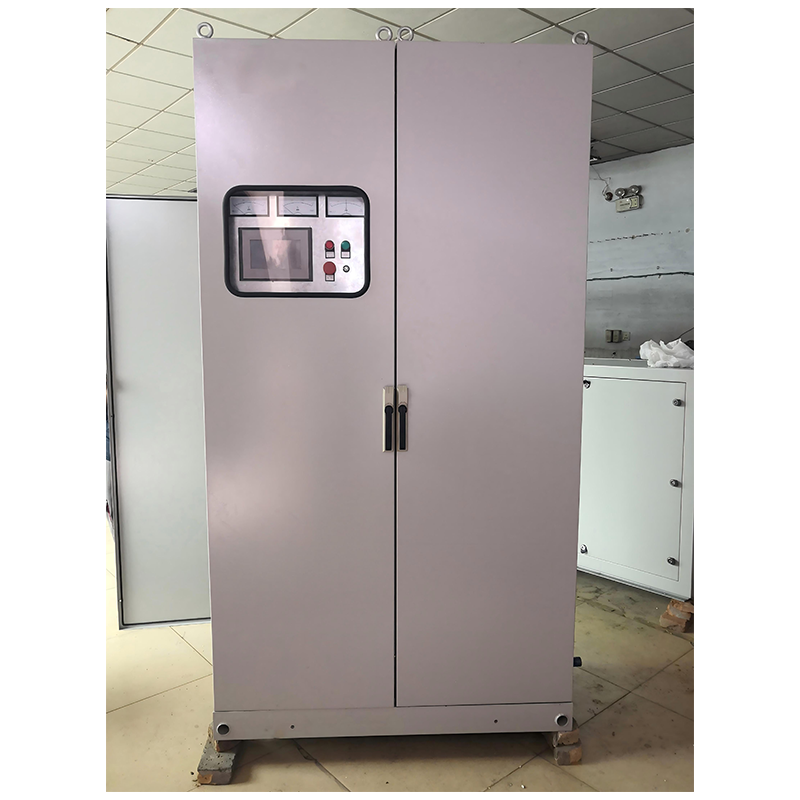
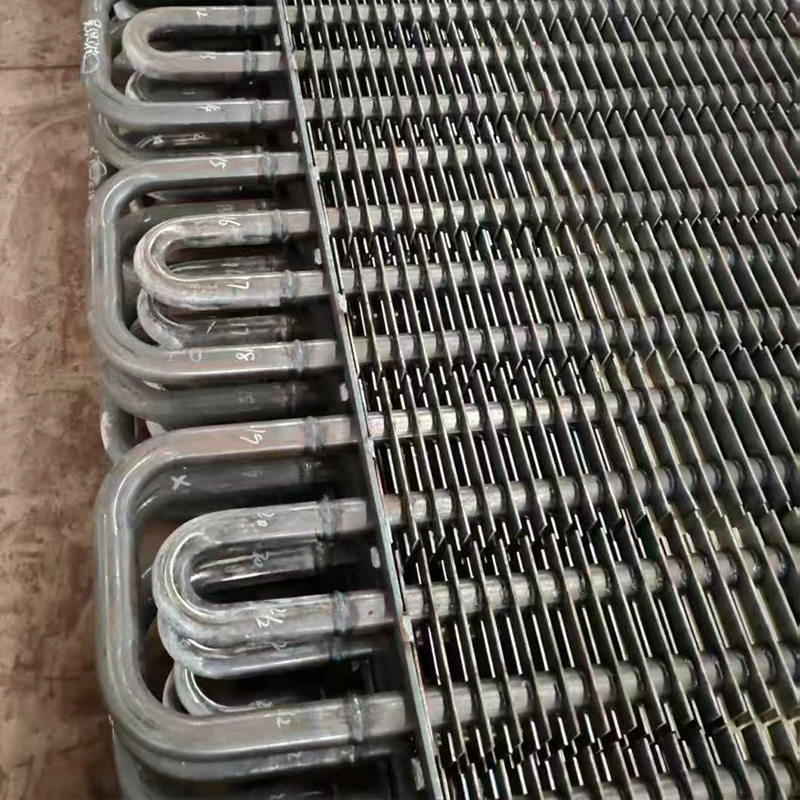
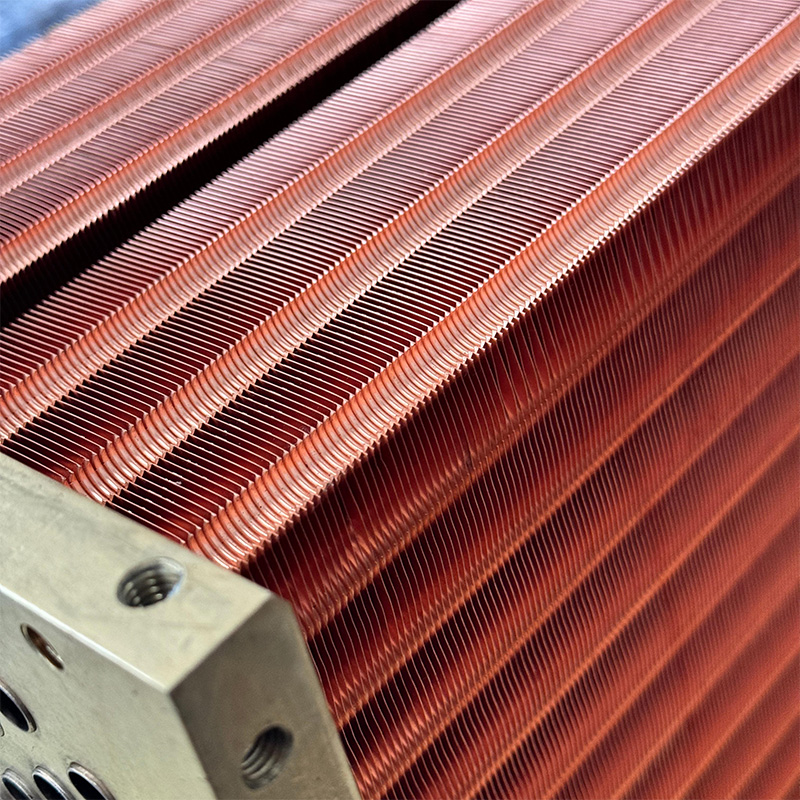
Plastic pipelines rarely operate in isolation; they are part of large-scale infrastructures including heat exchange equipment, waste heat boilers and cooling systems. The reliability of the entire system depends on the coordinated operation of all components. For example, a companyWuxi Kaisheng Electric Power and Petrochemical Equipment Co., Ltd.specializes in creating highly efficient solutions for the oil refining, chemical and energy industries. Their products, including titanium shell-and-tube heat exchangers, 316 stainless steel corrugated tube bundles, and air coolers, often require precision piping of process fluids, where 60-63mm diameter plastic tubing provides the ideal connection for drainage, venting or reagent delivery.
Equipment from manufacturers such as Wuxi Kaisheng, certified to ASME and PED standards, is resistant to high pressures and temperatures, as well as corrosion resistance thanks to the use of alloys N06625, C70600 and others. When designing facilities where plastic lines are interfaced with metal heat exchangers or boilers, it is critical to consider material compatibility and temperature conditions. A professional approach to the selection of both plastic pipes and basic technological equipment guarantees a long service life of the entire system without emergency downtime.
Installation and connection: technologies and common mistakes
The quality of installation determines 80% of the reliability of the system. Even the most expensive pipe will leak if the connection technology is broken. For pipes with a diameter of about 60 mm, three main methods are used: socket connection with a seal, adhesive welding (for uPVC) and butt/socket welding (for HDPE/PP).
- Preparing the ends.Before any type of connection, the end of the pipe must be strictly perpendicular to the axis. Use a special cutter or scissors for plastic pipes. An oblique cut will lead to uneven pressure in the joint and leaks. Be sure to chamfer (15-30 degrees) and remove burrs. The burr inside the pipe collects debris and creates flow turbulence.
- Cleaning and degreasing.When using adhesive welding (UPVC), the surface must be absolutely clean and dry. Use a cleaner (primer) recommended by the adhesive manufacturer. Grease or moisture on the surface will reduce adhesion to zero. We have seen situations where installers wiped pipes with a dirty rag, and the connections came apart during the first pressure test.
- Connector application.The glue is applied in an even layer to the pipe and inside the socket. Do not allow puddles of glue to form inside the pipe - this will narrow the flow area. The connection must be made quickly, turning the pipe a quarter turn to evenly distribute the glue. You need to fix the parts with your hands for at least 30 seconds before setting.
- Heat shrinkage and compensation.Polymer pipes change size with temperature changes. On long straight sections (more than 10 meters), be sure to install expansion joints or L-shaped turns. Ignoring thermal expansion will lead to bending of the pipeline in a “wave” and destruction of the support clamps.
- System testing.After installation, the system must be tested. For sewerage, a spill of water is carried out (at least 75% of the volume); for pressure systems, a hydraulic test is carried out with a pressure exceeding the working pressure by 1.5 times for at least 1 hour. Only after a successful test can backfilling be carried out.
Common mistake:using a hammer to hammer the pipe into the socket. This is strictly prohibited! Impact loading can create microcracks in the material that will appear after months of stress. Use a wooden spacer and soft blows, or a special mounting lever.
Comparative analysis of manufacturers and selection criteria
There is a wide range of brands on the Russian market. The choice between them should not be based on the price per linear meter, but on the total cost of ownership and risks.
| Criterion | Premium segment (Europe/Top Russian Federation) | Budget segment (China/Local) | Risks |
|---|---|---|---|
| Raw materials | Primary granulate (Borealis, Sabic). Stable properties. | It is possible to use regranulate (recycled material). Instability. | Fragility in the cold, service life reduced by 2-3 times. |
| Geometry | Strict adherence to GOST/ISO tolerances. Perfect connection. | Floating diameter (±1mm). Problems with fittings. | Impossibility of installation, leaks in connections. |
| Certification | Full package (GOST, ISO 9001, fire certificates). | Often there are missing or “gray” copies. | Problems when handing over the facility to supervisory authorities. |
| Price | 20-40% higher. | Dumping. | Savings on purchases are offset by the cost of repairs. |
We recommend that for critical facilities (industrial workshops, apartment buildings, highway networks) choose products from well-known factories operating in a full cycle. For temporary structures or non-essential drainages, a budget option is acceptable, but only after incoming inspection of samples.
Logistics, storage and acceptance of goods
Plastic pipes require compliance with storage rules. Direct sunlight (UV radiation) degrades most polymers, making them brittle. Pipes can be stored in an open warehouse without covering with a tent for no more than 1-2 months (for HDPE with soot - longer, for PVC - critical).
When accepting the batch, pay attention to the markings. It must be applied with indelible paint every meter and contain: manufacturer's name, material, size (dn x en), pressure (PN) or hardness (SN), date of issue and standard (GOST). Lack of marking is a sign of counterfeit or technology violation.
Transporting pipes 3 or 6 meters long requires a body of appropriate length. Bending pipes over the side of the car is unacceptable - this creates residual stress in the material. When unloading, it is prohibited to drop pipes from a height of more than 1 meter, especially in the cold season (+5°C and below), when the plastic becomes more fragile.
Frequently Asked Questions
What is the actual melting temperature of a 60mm pipe?
The softening and melting temperature depends on the material. For uPVC (PVC-U) the Vicat softening temperature is about +80°C, but operation is only possible up to +45°C. For polypropylene (PP), the melting point of the crystalline phase reaches +160...+170°C, but the operating temperature is limited to +95°C. In the event of a fire, plastic pipes burn (except for special self-extinguishing brands), releasing toxic substances. Therefore, in evacuation zones their use is regulated by strict fire safety standards.
Is it possible to connect pipes of different colors?
The color of the pipe (gray, white, orange, black) often indicates its purpose, but does not always guarantee compatibility of materials. Gray and white pipes are usually uPVC for indoor use. Orange - for external sewage (often more frost-resistant). Black - HDPE. Weld PVC-U and HDPE togetherabsolutely not possible— они имеют разную химическую природу и не сплавляются. Соединение возможно только механическим способом (фланцы, компрессионные фитинги с резиновыми уплотнителями). Сварка труб одного материала, но разных цветов (например, серый и белый ПВХ) допустима, если производитель подтверждает идентичность сырья.
Какой срок службы пластиковой трубы в земле?
При соблюдении условий монтажа и отсутствии превышения нагрузок, производители декларируют срок службы не менее 50 лет для канализационных систем и до 100 лет для водопроводных (при температуре 20°C). Однако реальный срок зависит от агрессивности грунта и наличия блуждающих токов. В нашей практике трубы, проложенные в 90-х годах из качественного импортного сырья, функционируют до сих пор без нареканий. Cheap analogues made from recycled materials begin to degrade within 10-15 years.
Conclusion and recommendations for purchasing
Труба пластиковая 60 мм (63 мм) — это фундаментальный элемент современных инженерных сетей. Ее правильный выбор требует понимания не только диаметра, но и материала, класса жесткости и условий эксплуатации. Экономия на качестве труб — это бомба замедленного действия, которая может взорваться в виде аварии, экологического штрафа или простоя производства.
При формировании спецификации обязательно требуйте от поставщика протоколы испытаний на кольцевую жесткость и гидравлическое давление. Проверяйте наличие действующих сертификатов соответствия ГОСТ. Не стесняйтесь запрашивать образцы для проведения собственных краш-тестов (например, проверка на сжатие или удар при отрицательной температуре).
Мы готовы предоставить консультации по подбору оптимальной конфигурации труб для ваших задач, будь то сложный промышленный дренаж или система водоснабжения жилого комплекса. Наша компания обеспечивает полный цикл поставок, включая технический аудит проекта и сопровождение монтажа.
Ознакомиться с полным каталогом трубной продукцииorcontact us todayдля получения индивидуального коммерческого предложения с расчетом сметы.