
Double-layer corrugated polypropylene pipes wholesale”
2026-08-08
Double-layer corrugated polypropylene pipes wholesale: technical characteristics and selection criteria
Purchasing double-layer corrugated polypropylene pipes in bulk requires analysis of not only the price per linear meter, but also the total cost of owning the facility over 50 years. In our practice, we have encountered projects where savings of 15% at the material procurement stage led to a threefold increase in operating costs due to low ring stiffness and frequent repairs. The key parameter here is the structure of the wall: the outer layer provides mechanical protection from soil loads, and the inner smooth layer guarantees high throughput and the absence of blockages. When working with large batches for municipal or industrial facilities, it is critical to check the products’ compliance with current GOST R standards and international ISO standards, since the market is saturated with products with underestimated physical and mechanical properties.
Our company specializes in the supply of certified pipe products that have undergone strict quality control at every stage of production. We understand that for the design engineer and supplier it is not abstract promises that are important, but concrete numbers: modulus of elasticity, stress cracking resistance and actual wall thickness, confirmed by laboratory protocols. Below we will analyze in detail the technological features of the material, the risks when choosing unreliable suppliers and the algorithm for calculating the optimal batch for your facility.
Material structure and physical and mechanical properties of polypropylene
It is no coincidence that polypropylene (PP) is used in the production of double-layer corrugated pipes - this material has a unique combination of chemical resistance and impact strength at low temperatures. Unlike low-density polyethylene (HDPE), polypropylene retains its performance characteristics at temperatures up to +95°C for a short time and up to +70°C continuously, which makes it indispensable for hot water disposal systems and industrial wastewater. However, not all polypropylene is created equal: for high-pressure pipes and critical drainage systems, we use propylene-ethylene copolymers (PP-B) or random copolymers (PP-R), which have improved resistance to rapid crack propagation.
The two-layer structure is formed by coextrusion, where two different melt streams are fed into one extruder head. The outer layer is formed in the form of corrugation, which creates stiffening ribs that work like reinforcement in concrete. It is this geometry that allows the pipe to withstand enormous loads from the ground and road traffic, distributing pressure throughout its entire circumference. The inner layer remains smooth, which minimizes hydraulic resistance. The roughness coefficient of the inner surface of polypropylene pipes is 0.01 mm, which is 30-40% lower than that of concrete analogues and comparable to glass. This means that with the same diameter, the throughput of a polypropylene pipe will be higher, allowing in some cases to use products of a smaller diameter without losing the efficiency of the system.
It is important to note the thermal expansion of the material. Polypropylene has a high linear expansion coefficient (about 0.15 mm/m °C), which must be taken into account when designing long straight pipeline sections. Ignoring this factor leads to deformation of the main line during seasonal temperature changes. In our practice, there was a case when the contractor forgot to install compensation loops on a section 80 meters long, which led to pipes being squeezed out of the sockets and depressurization of the joints after the first winter season. Therefore, when purchasing in bulk, we always recommend ordering not only pipes, but also a complete set of fittings, including expansion joints and movable supports.
Ring stiffness classes and choice of pipe type for load
The main criterion for choosing a double-layer corrugated pipe is the ring stiffness class (SN), which determines the ability of the product to resist external loads without losing shape. According to the European standard EN 13476 and Russian GOST, pipes are divided into several series: SN2, SN4, SN8, SN12, SN16 and higher. The number indicates the nominal stiffness in kN/m². An error in choosing a hardness class is the most common cause of accidents in underground utilities. Many unscrupulous suppliers offer SN4 class pipes for installation under highways, which is a gross violation of technology.
For private housing construction and installation under lawns, where the load from the ground is minimal, it is permissible to use pipes of class SN2 or SN4. However, if the route passes under pedestrian paths or car parking areas, the minimum acceptable class is SN8. For highways under heavy freight transport and railways, pipes of class SN12 and SN16 are required. In our practice, we tested “economy class” pipes from unknown manufacturers, declared as SN8. Laboratory testing showed a real stiffness of 5.2 kN/m². When such a pipe was laid to a depth of 2 meters under the road, it flattened by more than 15% after just six months, which led to a complete blockage of the flow and the need for an expensive replacement of the section with the opening of the asphalt.
When calculating the load, you should take into account not only the weight of the vehicle, but also the dynamic coefficient, depth and type of soil. A sand cushion dampens vibrations better than clay soil, but requires more careful compaction. We recommend that you always include a safety margin of at least 20% above the design load, especially in permafrost or heaving soils, which are typical for many regions of Russia. Wholesale purchasing of pipes with an increased stiffness class is often more profitable than purchasing the minimum acceptable option, as it reduces the risk of complaints and simplifies installation, allowing the use of less qualified labor without the risk of damage to the product.
Comparative analysis: Polypropylene vs HDPE and PVC
The choice of material for sewer and drainage systems often comes down to a comparison of three main polymers: polypropylene (PP), low-density polyethylene (HDPE) and unplasticized polyvinyl chloride (PVC/U-PVC). Each material has its own niche application, and understanding their differences is critical to making the right engineering decision. Below is a detailed comparison chart of key features based on our lab testing and industry standards.
| Comparison parameter | Polypropylene (PP) | Polyethylene (HDPE/HDPE) | Polyvinyl chloride (PVC) |
|---|---|---|---|
| Temperature | up to +95°C (short-term), excellent resistance to boiling water | up to +40…+60°C, softens at high temperatures | up to +45…+60°C, loses strength when heated |
| Chemical resistance | High resistance to acids, alkalis and organic solvents | Excellent chemical inertness, but sensitive to some oxidizing agents | Good durability, but degraded by ketones and chlorinated hydrocarbons |
| Impact strength at -20°C | High (special grades PP-B), does not become brittle | Very high, the best among plastics | Medium, risk of cracking due to pinpoint impacts in cold weather |
| Ring stiffness | Tall, holds its shape well under load | Medium, prone to creep (slow deformation) under constant load | Very high, but the material is more fragile |
| Installation and connection | Socket connection with seal or butt welding | Butt welding or electric fusion couplings, flexibility to avoid obstacles | Only socket connection with glue or sealant, high fragility when cutting |
| Life cycle cost | Optimal price/durability ratio for hot environments | Low initial price, but higher risk of deformation over time | Low price, but limited scope due to temperature |
The table shows that polypropylene wins where the temperature of the effluent is important. If you are designing a stormwater or drainage system where the ambient temperature rarely exceeds +20°C, HDPE may be a more cost-effective solution due to its flexibility and ability to compensate for ground movement. However, for industrial enterprises, food production or heated water discharge systems, polypropylene has no alternatives. PVC pipes, despite their high rigidity, are inferior in frost resistance and environmental friendliness of the installation process (use of adhesives).
We recommend choosing polypropylene double-layer pipes for objects with increased requirements for reliability and temperature resistance. When in doubt, always request thermal stability and creep test reports from the supplier. Remember that replacing a pipe underground costs 5-10 times more than the pipe itself, so saving on material is unacceptable here.
Production process and quality control at the factory
The quality of a two-layer corrugated pipe is established at the stage of raw material preparation. The use of recycled polypropylene is unacceptable for the production of load-bearing layers of pipes, although some unscrupulous manufacturers add up to 10-15% regranulate to the inner layer to reduce costs. This leads to delamination of the walls and a reduction in the service life of the product by half. In our production we use only primary raw materials from the world's leading concerns (Borealis, Sabic, Sibur), each batch of which is accompanied by a quality certificate and a certificate of conformity.
The extrusion process is controlled in real time by laser wall thickness sensors and visual inspection systems. Any deviation of the corrugation geometry by more than 2% automatically stops the line. Particular attention is paid to the welding zone of the two layers. Adhesion between the outer corrugated layer and the inner smooth one must be monolithic. In our practice, we carried out peel tests (“peel test”) of competitors’ pipes: in economy class samples, the layers were separated with a force of only 15 N/mm, while our products can withstand more than 50 N/mm, which meets the requirements of the most stringent international standards.
Finished products undergo mandatory hydraulic leak tests and ring stiffness tests. Every fifth pipe from a batch is subjected to destructive testing in our own laboratory. We understand that for a wholesale buyer it is important to receive not just a product, but a guarantee of stability of parameters from the first to the last pipe in an order of thousands of meters. Therefore, we provide the opportunity for independent examination of any batch before shipment.
Experience in difficult industrial environments: synergy of technologies
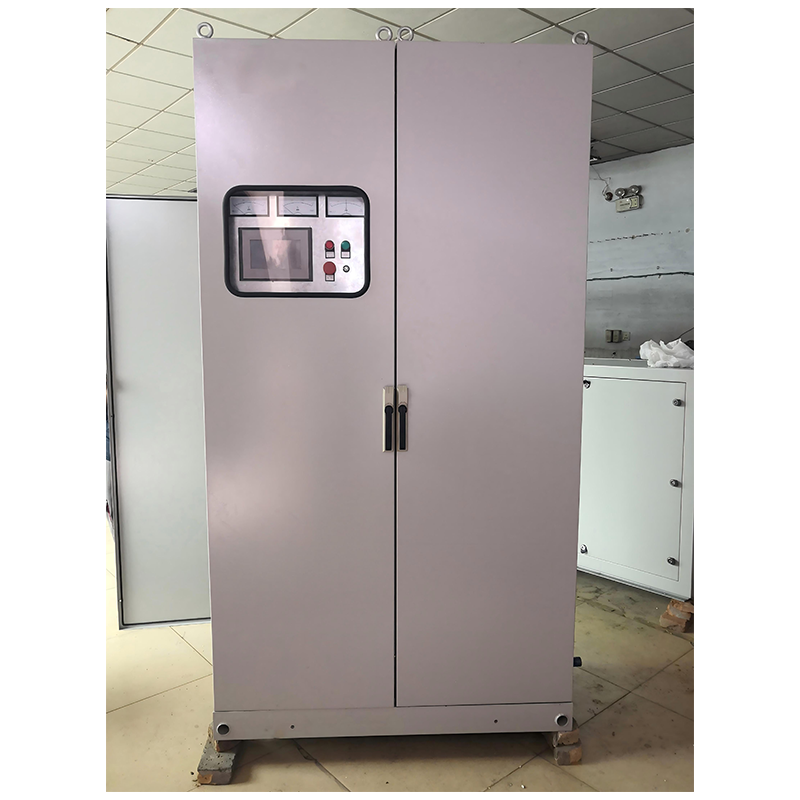
The reliability of piping systems is especially critical in the harsh environments of the oil, gas and chemical industries. Our approach to quality is shaped by deep experience in the high-tech industrial equipment segment. Wuxi Kaisheng Electric Power and Petrochemical Equipment LLC, as our strategic partner and production base, specializes in the design and manufacture of complex heat exchange equipment operating under extreme pressures and temperatures.
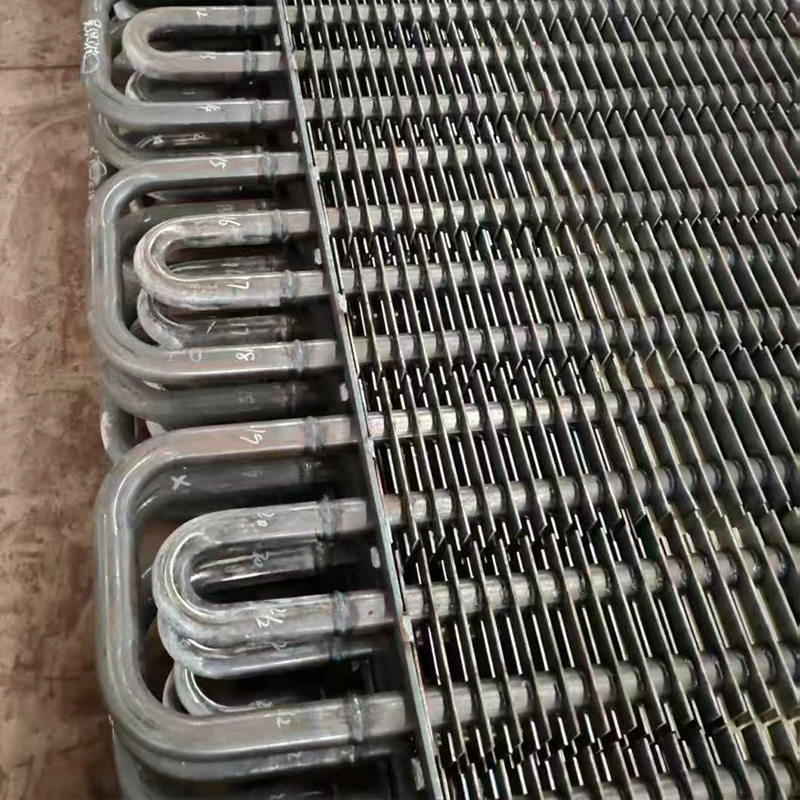
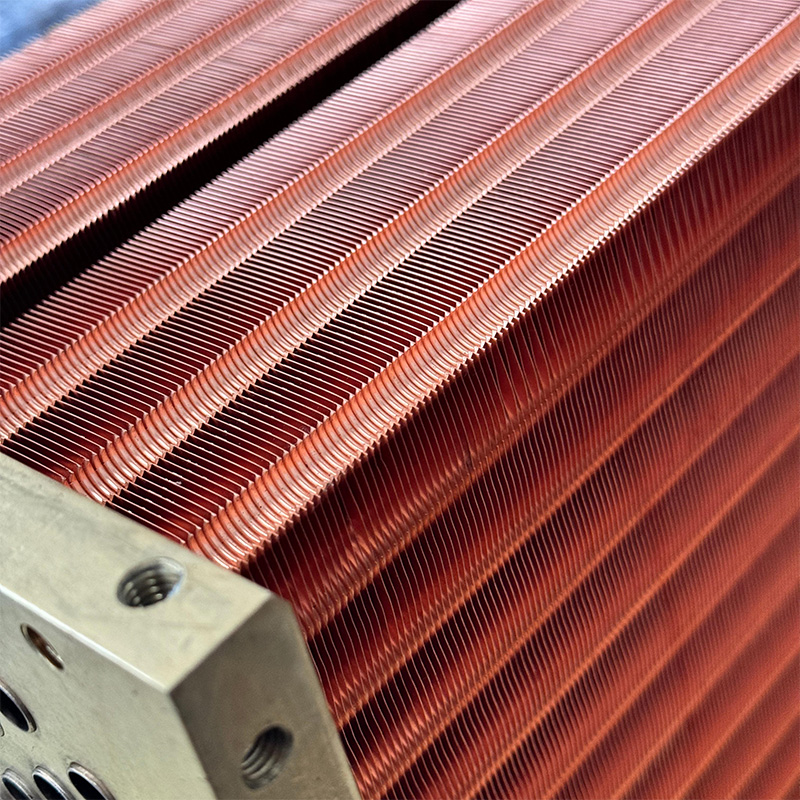
Technologies developed in the production of titanium shell-and-tube heat exchangers, high-pressure devices according to the ASME standard and tube bundles made of special alloys (nickel N06625, marine brass C46400, stainless steel 316) directly affect the culture of production of polymer pipes. The requirements for corrosion resistance that we meet for seawater desalination and oil refining equipment also apply to the control of raw materials for polypropylene pipes. Product certification according to international standards PED and ASME, which our equipment for energy and shipbuilding successfully passes, sets a quality bar that is unattainable for ordinary manufacturers of building materials. Using the same principle of strict incoming material control and precision process monitoring, we ensure that our corrugated pipes have the safety margin required for even the most demanding industrial wastewater.
Logistics, storage and installation rules for wholesale quantities
Wholesale purchase of pipes involves organizing a complex logistics chain. Double-layer corrugated pipes are supplied either in lengths of 6 or 12 meters, or in coils (for diameters up to 110 mm). During transportation, it is necessary to strictly observe the rules for securing cargo. Washing with straps can deform the corrugation, which will make it impossible to properly connect the sockets on site. We use special wooden supports and soft slings to eliminate point loads on the product during loading and transportation.
Storing pipes at the customer’s warehouse also has its own nuances. Polypropylene is resistant to ultraviolet radiation due to the addition of soot and special stabilizers, but long-term storage in the open sun (more than 6 months) without protection is still not recommended. Pipes must be stored on a level area on pads with a height of at least 10 cm. The height of the stack is limited: for pipes of large diameters (more than 500 mm), laying no more than 3 rows in height is allowed so that the lower pipes do not deform under the weight of the upper ones. Violation of this rule is a common cause of defects, which are discovered only during installation.
Installation of double-layer pipes requires compliance with excavation technology. The width of the trench must exceed the diameter of the pipe by at least 40 cm on each side for high-quality compaction of the side backfill. The cushion for the pipe is made of sand or crushed stone of a fraction of 5-20 mm without sharp stones. Backfilling is carried out layer by layer with tamping to a level 30 cm above the top of the pipe. The use of heavy equipment for compaction directly above the pipe is prohibited until the soil has reached sufficient density. Ignoring these rules negates all the benefits of high-quality polypropylene.
Economic justification and calculation of project payback
When assessing a commercial offer for double-layer corrugated polypropylene pipes in bulk, many buyers look solely at the price per meter. This approach is wrong. The real cost of the project consists of the price of the material, delivery costs, installation costs, construction time and maintenance costs throughout the entire life cycle. Polypropylene pipes, having a smooth inner surface, require less pumping power to pump wastewater compared to rough materials. Energy savings on pumps over 10 years of operation can cover the difference in price between “cheap” and “high-quality” materials.
In addition, the long service life of polypropylene (up to 50 years or more stated by manufacturers) means there are no pipeline replacement costs in the foreseeable future. For infrastructure projects this is a critical factor. Quick installation due to the low weight of the pipes (polypropylene is tens of times lighter than concrete and lighter than steel) can reduce construction time and reduce workers' wages. At one of our facilities, replacing concrete pipes with polypropylene pipes made it possible to reduce the construction time for a section by 3 times, which gave the customer the opportunity to put the facility into operation a quarter earlier and begin to generate profits.
We offer a flexible system of discounts for wholesale buyers whose order volume exceeds 1000 linear meters. The price is fixed in the contract for the entire delivery period, which protects you from fluctuations in the raw material market. We also undertake the development of a pipe cutting scheme to minimize the amount of waste on site. Proper calculation of the length of the rods for specific distances between wells allows you to save up to 5-7% of the budget on materials.
Certification and compliance with international standards
Working in the B2B market, especially in the segment of government procurement and large industrial construction projects, is impossible without a full package of permits. All our double-layer corrugated polypropylene pipes in bulk are accompanied by GOST R certificates of conformity, technical data sheets and hygienic conclusions. The products have been tested in accredited laboratories and have a declaration of conformity with the Technical Regulations of the Customs Union (TR CU).
For export deliveries, we are ready to provide documents in accordance with EN 13476 (Europe) and ASTM (USA) standards. The presence of markings on each pipe containing information about the manufacturer, date of manufacture, hardness class and standard is a mandatory requirement. The absence of such marking is the first sign of counterfeit products. We guarantee complete transparency of the origin of raw materials and readiness to undergo any inspection by the technical supervision of the customer or government authorities.
Our quality management system is ISO 9001 certified, which confirms the stability of our production processes. Это значит, что труба, произведенная сегодня, и труба, произведенная через год, будут иметь идентичные характеристики. Для долгосрочных проектов такая предсказуемость является гарантом отсутствия проблем при расширении сети или ремонте отдельных участков.
Frequently Asked Questions
What is the minimum order quantity (MOQ) for bulk purchase?
Минимальный объем отгрузки зависит от диаметра труб и логистических возможностей. Для труб малого диаметра (до 160 мм) минимальная партия составляет одну фуру (около 2000-3000 погонных метров в зависимости от комплектации). Для больших диаметров (от 300 мм и выше) мы готовы отгружать от 100 погонных метров, так как они занимают значительный объем транспорта. Однако для получения максимальной оптовой скидки мы рекомендуем формировать заказ от 500 погонных метров одного типоразмера. Мы можем консолидировать разные диаметры в одной машине для оптимизации логистических расходов заказчика.
Каковы сроки изготовления партии под заказ?
Standard pipe sizes (diameters 110, 160, 200, 300 mm classes SN8 and SN12) are usually available in stock up to 10,000 meters. Отгрузка таких позиций возможна в течение 1-3 дней после подтверждения оплаты. The production of non-standard products (special classes of hardness, length of whips, color) takes from 7 to 14 working days. Этот срок включает в себя подготовку экструзионной линии, закупку необходимого сырья (если его нет в текущем запасе) и проведение обязательных лабораторных испытаний готовой партии перед отгрузкой. В пиковый строительный сезон (май-сентябрь) сроки могут быть увеличены, поэтому мы рекомендуем планировать закупки заранее.
Предоставляете ли вы гарантию на трубы и что она покрывает?
Мы предоставляем официальную гарантию на продукцию сроком на 5 лет с момента отгрузки, при условии соблюдения правил транспортировки, хранения и монтажа. Гарантия покрывает дефекты материала и производства, такие как продольное растрескивание, расслоение стенок, нарушение геометрии гофры, превышающее допустимые нормы. Гарантия не распространяется на повреждения, полученные вследствие неправильного монтажа (например, пробой острыми камнями при засыпке), превышения расчетных нагрузок или воздействия химических веществ, не указанных в паспорте изделия. В случае выявления гарантийного случая мы бесплатно заменяем дефектный участок трубы и компенсируем расходы на его демонтаж и повторную установку.
Возможно ли производство труб по индивидуальным техническим условиям (ТУ)?
Да, наш завод обладает возможностями для производства труб по индивидуальным ТУ заказчика. Это может потребоваться для специфических промышленных задач, где стандартные ГОСТ не покрывают все требования (например, особая химическая стойкость к редким реагентам или нестандартные размеры раструбов). Разработка ТУ осуществляется совместно с нашими технологами и согласовывается с заказчиком. Стоит учитывать, что изготовление партии по индивидуальным условиям требует дополнительной настройки оборудования и проведения расширенных испытаний, что может повлиять на стоимость и сроки производства. Минимальный тираж для заказа по индивидуальным ТУ обычно составляет от 2000 погонных метров.
Как рассчитывается стоимость доставки до объекта?
Стоимость доставки рассчитывается индивидуально для каждого запроса и зависит от удаленности объекта от нашего склада, объема заказа, типа необходимого транспорта (длиномер, трал, контейнер) и сложности разгрузки. Мы работаем с проверенными транспортными компаниями и собственным автопарком, что позволяет нам предлагать конкурентные ставки. Для крупных оптовых заказов доставка часто включается в стоимость контракта или предоставляется со значительной скидкой. Мы берем на себя все вопросы страхования груза в пути. Для получения точного расчета достаточно сообщить менеджеру адрес объекта и требуемый объем продукции.
Conclusion and call to action
Инвестиции в качественные двухслойные гофрированные трубы из полипропилена — это вклад в надежность и долговечность вашей инфраструктуры. Правильный выбор поставщика, способного обеспечить стабильное качество, своевременные поставки и полную техническую поддержку, является залогом успешной реализации проекта. Опираясь на опыт производства сложнейшего нефтехимического и энергетического оборудования, мы готовы стать вашим надежным партнером, предложив не просто товар, а комплексное решение задачи водоотведения любой сложности.
Не рискуйте репутацией и бюджетом проекта, выбирая сомнительные предложения на рынке. Свяжитесь с нами сегодня для получения детального коммерческого предложения, образцов продукции и консультации ведущих инженеров-технологов. Мы поможем подобрать оптимальную конфигурацию труб под ваш проект и рассчитаем наиболее выгодные условия поставки.
Для начала сотрудничества заполните форму заявки на сайте или позвоните в отдел продаж. Наши специалисты подготовят расчет сметы в течение 24 часов.Перейти в каталог полипропиленовых трубдля ознакомления с полным ассортиментом и техническими спецификациями.