
Carbon tax for plastic pipe manufacturers”
2026-09-14
- What is a carbon tax and why is it a game changer for plastic pipe manufacturers?
- Calculation mechanism: from raw material to finished pipe
- Strategies to reduce the tax burden for factories
- Technical requirements and influence on material selection
- The role of advanced heat exchange equipment in reducing our carbon footprint
- Risks of non-compliance and real cases of losses
- Step-by-step plan for adapting production to new norms
- Frequently Asked Questions
- Conclusion: The future is transparency and efficiency
What is a carbon tax and why is it a game changer for plastic pipe manufacturers?
A carbon tax for plastic pipe manufacturers is not just a new line on the balance sheet, but a fundamental shift in the economics of the polymer industry, which will redistribute market shares between players as early as 2026. In our practice, we see how companies that ignore this factor lose contracts with European and Russian government customers, while those who have calculated the carbon footprint of their products in advance receive a price premium of up to 15%. The essence of the mechanism is simple: the state or supervisory authority sets a fee for each ton of CO₂-equivalent emissions generated during the production of polyethylene (PE), polypropylene (PP) or PVC.
However, reality is more complex than dry definitions. For a pipe extrusion plant, the tax hits in two directions at the same time. Firstly, these are direct emissions from the combustion of natural gas in furnaces for heating and drying raw materials. Secondly, and this is often the more significant part, there are indirect emissions included in the cost of the pellets. Producing virgin polyethylene is an energy-intensive process, and if your feedstock supplier uses coal-fired power, your end product automatically becomes dirty and expensive from a regulatory perspective. We encountered a situation where a client from the oil and gas production sector refused a batch of HDPE pipes because their carbon certificate exceeded the project limits by 12%, which threatened the customer with fines.
Now, in the mid-2020s, supply chain transparency has become a requirement for survival. If you can't document how much carbon was emitted in the production of your 110mm pipe, you're effectively out of the running for major infrastructure projects. This applies not only to exports to the EU with its CBAM mechanism, but also to the domestic market of the Russian Federation, where environmental reporting requirements are being tightened as part of the low-carbon development strategy. Understanding the structure of this tax is the first step to protecting your business's margins.
Calculation mechanism: from raw material to finished pipe
The calculation of the financial burden begins long before the polymer melt enters the extruder. The key factor here is the origin of the raw materials. High-density polyethylene (HDPE) or polypropylene (PP) pellets have different carbon footprints depending on the cracking technology and the petrochemical plant's energy source. On average, the production of 1 ton of virgin polyethylene generates between 1.8 and 2.5 tons of CO₂ equivalent. If your company purchases raw materials from suppliers that do not provide verified emissions data (Scope 3), you are forced to use default, often inflated factors, which artificially inflates your tax base.
At the extrusion stage, the main burden falls on the energy consumption of the equipment. Modern multilayer pipe production lines require precise temperature control in multiple heater zones, which consumes significant amounts of electricity. This is where your region's electricity carbon intensity comes into play. A plant powered by hydropower in Siberia will have a significantly lower tax burden compared to similar production in a region dependent on coal-fired thermal power plants. We conducted an audit for a pipe manufacturer in Central Russia and found that replacing one old extruder with a heat recovery model reduced estimated tax by 18% by reducing kilowatt-hour consumption.
It is also important to consider material loss. When setting up a line, starting after a color or profile change, as well as defects, technological waste is generated. If this waste is not recycled internally but is sent for recycling or landfill, it is considered to be the total carbon emitted to produce it, plus additional emissions from disposal processes. One of our clients lost a large amount precisely because of the high percentage of defects when switching to a new type of stabilizers: the tax service took into account the entire volume of defective products as a source of pollution, although these pipes were not physically sold.
The calculation formula usually looks like this:(Direct fuel emissions + Indirect electricity emissions + Raw materials emissions) × Tax rate. The rate can be fixed or floating, tied to exchange quota quotations. In 2026, the trend is obvious: rates are rising faster than inflation, forcing manufacturers to look for ways to optimize not through lobbying for benefits, but through a real reduction in energy intensity. Ignoring calculation details at the pipe formulation design stage can cost a company millions of rubles at the end of the financial year.
For accurate planning, it is necessary to implement a real-time monitoring system. Gas and electricity flow sensors integrated with the raw material accounting system provide up-to-date data on the carbon intensity of each batch produced. This is not just bureaucracy, but a cost management tool. Without such data, you are acting blindly, risking finding a cash gap when paying tax notices.
Strategies to reduce the tax burden for factories
Reducing the amount of payable tax requires an integrated approach involving technology, logistics and procurement. The most effective, albeit capital-intensive, method is to switch to the use of secondary raw materials (regranulate). The production of pipes from recycled polyethylene has a significantly lower carbon footprint, as it eliminates the stage of primary cracking of oil. However, there is a technical nuance here: not all standards allow a high percentage of recycled content in pressure pipes for drinking water or gas supply. However, for drainage systems, cable ducts and large diameter corrugated pipes, using up to 30-50% quality regranulate is an industry standard and a powerful tax advantage.
Modernization of extrusion equipment is the second pillar of the strategy. Older IE1 or IE2 motors consume 15-20% more energy than modern IE4 or IE5 variable speed units. The investment in replacement drives pays off not only in your energy bills, but also in your carbon footprint. In addition, the installation of heat recovery systems from the cooling zones of the bath makes it possible to use this energy to heat raw materials or heat the workshop in winter. In one of the projects we implemented, the implementation of a closed water cooling circuit reduced the heat energy consumption of the workshop by 40%, which was directly reflected in the emissions declaration.
Optimizing logistics and packaging is often overlooked but plays a significant role. Transporting lightweight but bulky pipes over long distances by diesel trucks generates significant emissions. Switching to rail transportation or optimizing truck loading (using larger diameter pipes for nesting) reduces specific emissions per unit of production. It's also worth reconsidering packaging materials: replacing shrink film with paper bands or using biodegradable additives can improve a product's environmental rating in the eyes of auditors.
Certification to international standards such as ISO 14064 or an Environmental Product Declaration (EPD) gives legitimacy to your data. When you have independent evidence of a low carbon footprint, you can reasonably claim reduced rates or statutory exemptions. Moreover, the presence of an EPD opens the door to projects financed by international development banks, where green criteria are mandatory. The lack of such documentation forces tax authorities to apply conservative, maximum assessments, which is disadvantageous for the manufacturer.
Finally, working with energy suppliers. Concluding contracts for the supply of “green” energy (if such a market is developed in your region) or purchasing renewable energy certificates (RECs) allows you to zero out or significantly reduce the Scope 2 component in your calculations. This is especially true for factories located in regions with a “dirty” power grid. Even if the electrons physically come from the public grid, legally the purchase of green certificates allows you to declare the use of renewable energy sources for carbon reporting purposes.
Technical requirements and influence on material selection
Carbon management directly impacts engineering decisions when developing compound formulations. Traditionally, manufacturers have sought to maximize the content of chalk (calcium carbonate) as a filler to reduce the cost of production. However, the extraction and processing of mineral fillers also has its own carbon footprint, albeit smaller than that of polymers. The balance is shifting towards the use of more effective stabilizing packages, which allow lower extrusion temperatures without loss of quality. Reducing the process temperature by even 5-10°C provides significant energy savings across the plant.
The choice of polymer type is also dictated by new realities. Polypropylene (PP) may be preferable to polyethylene (PE) in some scenarios due to its ability to operate at higher temperatures, allowing smaller diameter pipes to be used for the same flow conditions, saving material. On the other hand, the development of chemical recycling technologies makes polyethylene more attractive from a circular economy point of view. Engineers now have to consider not only strength and hydraulics, but also the “carbon cost” of each kilogram of material in the pipe structure.
Pipe wall thickness is another parameter under optimization. The use of polymers with a higher elastic modulus (for example, PE100-RC instead of standard PE100) allows the wall thickness to be reduced while maintaining the ring stiffness (SN). Less thickness means less raw material per linear meter, less energy per extrusion and, as a result, less tax. The transition to new generation materials requires a revision of technological maps, but the economic effect of reducing the tax burden often outweighs the costs of more expensive raw materials.
An important aspect is the durability of the product. The carbon footprint of a pipe is spread over its entire service life. If the pipe lasts 50 years instead of 30, the specific annual emissions are reduced. Therefore, investing in quality UV stabilizers and antioxidants to ensure the long life of underground and surface utilities becomes economically feasible from a Life Cycle Carbon Efficiency (LCA) perspective. Short-lived products that require frequent replacement lose out in the long run, even with a low initial price.
Laboratory quality control should be expanded to include tests for volatile organic compounds (VOCs) and other by-products of polymer degradation, which may be included in the calculation of environmental charges. Modern analytical equipment makes it possible to detect the smallest changes in the composition of the gas at the exit of the extruder, helping technologists quickly adjust the process to minimize harmful emissions.
| Comparison parameter | Traditional production | Optimized green production | Impact on carbon tax |
|---|---|---|---|
| Source of raw materials | 100% virgin polymer | Up to 40% post-industrial recycling | Reducing the tax base by 25-35% |
| Extruder energy efficiency | IE2 motors, no regeneration | IE5 motors, heat recovery system | Reduce direct emissions by 15-20% |
| Waste management | Removal of defects to the landfill | 100% internal processing (granulation) | Elimination of penalties for disposal |
| Certification | Lack of verified data | Availability of EPD and ISO 14064 audit | Application of reduced risk factors |
| Logistics | Transportation in bulk, partial load | Optimized packaging, railway routes | Reducing transport emissions by 30% |
The role of advanced heat exchange equipment in reducing our carbon footprint
A key element of the decarbonization strategy discussed above is upgrading the thermal management systems of production lines. This is where the high-tech solutions offered by the company come to the foreWuxi Kaisheng Electric Power and Petrochemical Equipment Co., Ltd.. Specializing in the design and manufacture of advanced heat transfer equipment for the oil, gas and energy industries, the company offers tools that directly impact extrusion efficiency and, as a result, the carbon tax.
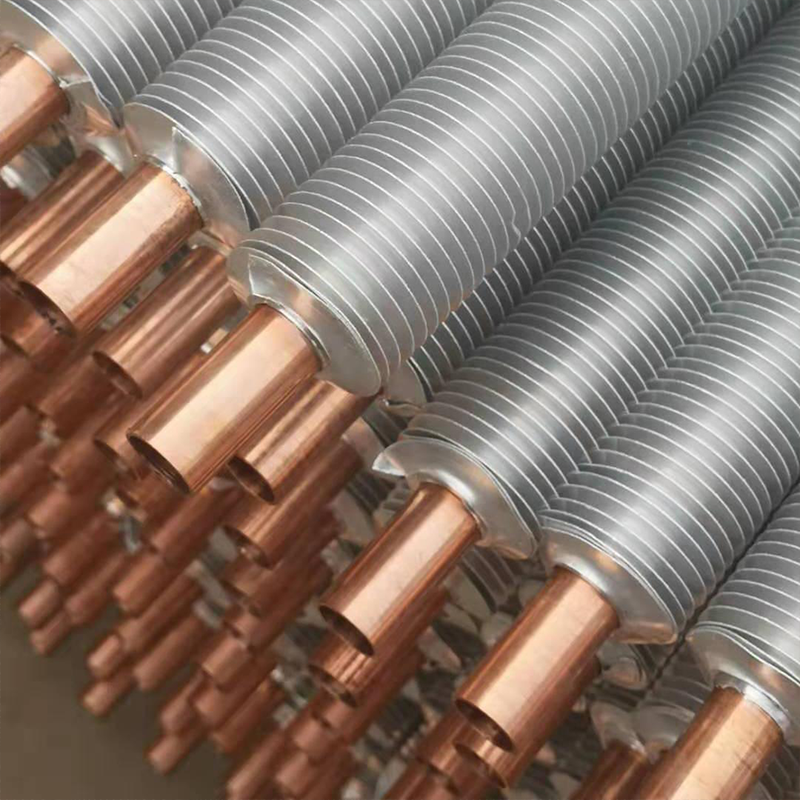
The introduction of titanium shell-and-tube heat exchangers or high-pressure devices of the ASME standard makes it possible to ensure stable temperature conditions with minimal energy losses. For example, using corrugated tube bundles made from 316 stainless steel or alloys C46400 (marine brass) and C70600 (copper-nickel alloy) significantly improves the heat transfer coefficient compared to traditional smooth tube systems. This means that less steam, hot water or refrigerant is required to heat or cool the polymer mass, which directly reduces fuel and electricity consumption - the main contributors to the carbon tax.
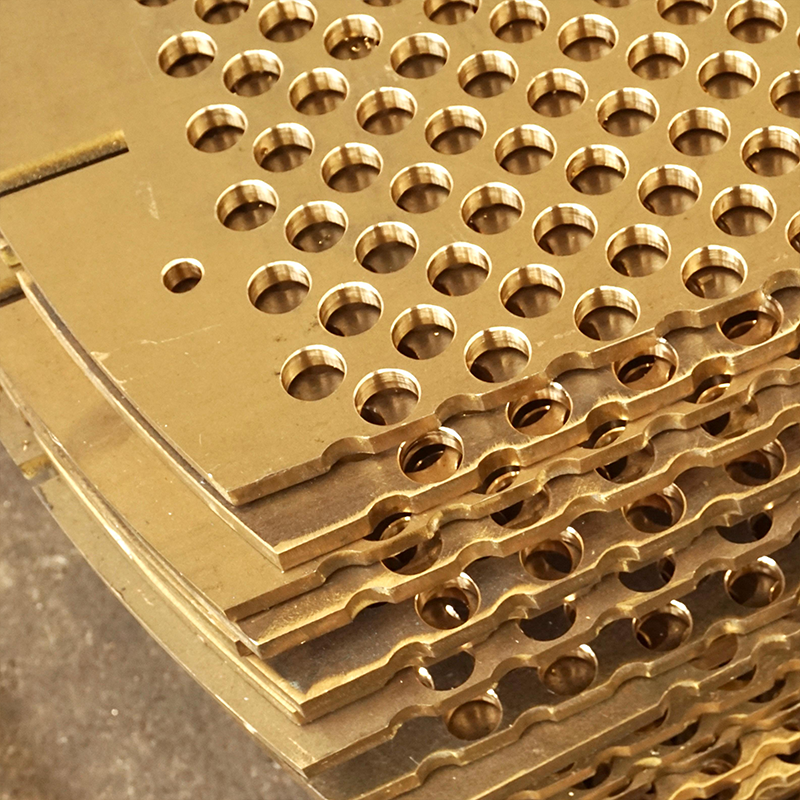
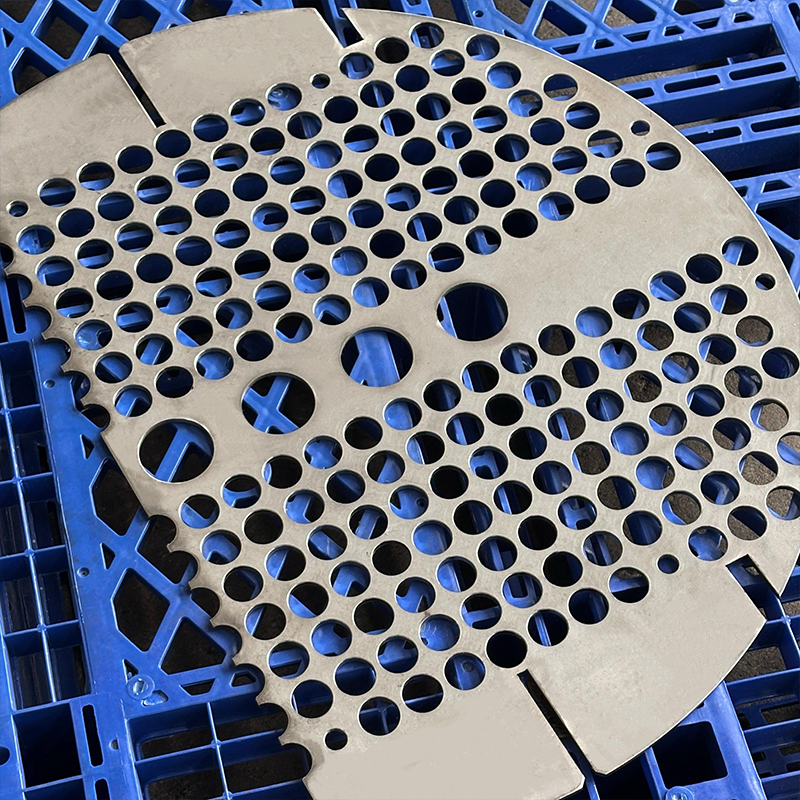
Wuxi Kaisheng's products, including air coolers, waste heat boilers and specialty alloy tubesheets (N06625, 321), are certified to strict international PED and ASME standards. High corrosion resistance and the ability to operate under extreme pressures and temperatures ensure long equipment life without loss of efficiency. This is critical for the pipe manufacturer: any drop in heat exchanger efficiency due to corrosion or scale leads to wasted energy and increased CO₂ emissions. Using customized solutions from Wuxi Kaisheng, enterprises not only modernize their equipment fleet, but also create a solid foundation for passing a carbon audit, demonstrating to regulators real steps to reduce the energy intensity of production.
Risks of non-compliance and real cases of losses
Ignoring carbon regulations carries risks that go far beyond simple fines. Reputational damage in the B2B sector can be fatal. Large developers and industrial holdings are increasingly including supply chain carbon neutrality clauses in their tender documents. The absence of an appropriate product passport leads to automatic disqualification of the bidder. We observed a case where a HDPE pipe manufacturer lost a supply contract for the construction of a residential complex worth billions of rubles solely due to the inability to provide a carbon footprint calculation in the required format.
Financial risks also increase exponentially. Carbon tax rates tend to be indexed annually. What seems like an insignificant amount today can eat up the entire net profit per meter of production in three years. In addition, there are risks of retroactive audits. Tax authorities may conduct an audit for previous periods and charge additional payments with penalties if they find discrepancies in the calculation methodology. One of our clients was faced with a situation where a change in the methodology for calculating electricity emission factors by a regional operator led to a sudden increase in debt by 40% in one quarter, which threatened the liquidity of the enterprise.
Technological lag is another hidden risk. Companies that do not invest in modernization to reduce emissions gradually lose competitiveness not only in the tax market, but also in the productivity market. Energy-efficient equipment typically results in more consistent product quality and less downtime. Refusal to modernize for the sake of saving CAPEX today leads to an increase in OPEX tomorrow, making products more expensive than analogues from more progressive competitors.
It is also worth mentioning the risk of changes in legislation. Requirements can become stricter suddenly, as happened with the introduction of labeling systems in a number of industries. Manufacturers who do not have a margin of safety and a flexible accounting system are unable to quickly adapt, which leads to a stop in shipments and violation of contractual obligations to customers. Fines for missing delivery dates, combined with carbon charges, create a double whammy for the budget.
In international trade, barriers become even higher. Exporters of plastic pipes to countries with strict climate regulations (EU, UK, Canada) face the need to pay for a cross-border carbon adjustment mechanism. If a domestic producer does not pay enough carbon tax at home, the importer must pay the difference at the border. This makes the product uncompetitive in price. In effect, not having a domestic carbon accounting system subsidizes foreign competitors at the expense of your future exports.
Step-by-step plan for adapting production to new norms
- Conducting a carbon audit (Carbon Footprint Assessment).The first step is a complete inventory of emission sources. It is necessary to collect data on the consumption of all types of energy (gas, electricity, heat) over the past 12 months, the volume of purchased raw materials indicating the type and supplier, as well as waste data. At this stage, “hidden” emission sources are often identified, for example, refrigerant leaks from air conditioning systems or the use of diesel generators at peak loads. The result should be a report broken down by scope 1, 2 and 3 according to the GHG Protocol standard.
- Implementation of a monitoring and data collection system.Manual data collection is not sufficient for dynamic control. It is required to install smart meters on key components of extrusion lines, boiler rooms and compressor stations. Data should be fed into a single digital platform (ERP or dedicated ESG software), where it is automatically converted into CO₂ equivalents. This will allow you to see the carbon intensity of each shift and each batch of pipes in real time, quickly responding to deviations.
- Development of an action plan to reduce emissions.Based on the audit data, a roadmap is formed. Priority is given to measures with the shortest payback period (Low-hanging fruits): replacing lighting with LED, eliminating compressed air leaks, optimizing equipment operating schedules. Then capital expenditures are planned: modernization of extruders, installation of solar panels on the roof of the workshop, transition to recycling, as well as updating the heat exchange fleet to more efficient models. The plan must contain clear KPIs: target reduction of kg CO₂ per tonne of production by the end of each year.
- Data verification and certification.The prepared report and calculation methodology must be verified by an independent auditor. Obtaining a certificate of conformity (eg ISO 14064-1) gives the data legal validity and trust from regulators and clients. This is a critical stage for protection against claims from tax authorities and for participation in green tenders. The auditor will also help identify errors in calculations that could lead to an overstatement of taxes.
- Integrating carbon metrics into business policies.The last step is to use the benefits gained in sales. Marketing materials should highlight the low carbon footprint of products. In commercial proposals, a line with environmental characteristics should be highlighted. Training the sales team to make the case for the value of a green pipe to the customer completes the transformation. Carbon management becomes part of the company's DNA, rather than just an accounting function.
Frequently Asked Questions
How do I accurately calculate the carbon tax rate for my specific brand of pipe?
An accurate calculation requires knowledge of three variables: the amount of energy consumed per unit of production (kWh/m), the carbon intensity of this energy in your region (kg CO₂/kWh) and the emission factor of the raw materials used. Multiply energy consumption by the carbon intensity coefficient of the network, add emissions from the production of pellets (data taken from the supplier or from IPCC databases), sum and multiply by the current tax rate of the ruble per ton of CO₂. Do not use industry averages - they may differ from your actual figures by ±20%, which is critical for your budget.
Does the color of the pipe affect the amount of tax?
Yes, it does, but indirectly. The production of black pipes requires the addition of carbon black (carbon black), which is energy-intensive to produce. Color pipes use different pigments. However, the main difference lies in the technology: if an additional mixing step or higher extrusion temperature is required to obtain the desired color, energy consumption will increase, which will increase the tax base. In addition, black pipes are more likely to be used underground and have a longer service life, which improves their life cycle performance (LCA) while eliminating initial costs.
Is it possible to avoid tax by using only imported raw materials?
No, this is a fallacy. The carbon tax is calculated based on the territorial principle of production of finished products. Even if you buy green pellets in Europe, the process of melting them into pipes at your plant in Russia generates emissions that are subject to taxation in the Russian Federation. Moreover, when you import raw materials, you have already paid a built-in carbon tax in the country of origin (if there is one), which increases your cost, but does not exempt you from local payments for your own emissions from extrusion.
What documents need to be prepared for the first inspection?
To pass the test, you will need: a journal for recording the consumption of fuel and energy resources for the reporting period, invoices for the purchase of polymer raw materials indicating the type and weight, acts of write-off of production waste, passport data of the installed equipment (engine power), as well as a calculation table with formulas for converting consumption units into tons of CO₂ equivalent. All documents must be signed by the responsible person and certified with the seal of the company. The absence of any of these elements may be grounds for refusal to accept reports and imposition of penalties.
Are there incentives for manufacturers of pipes for social infrastructure?
In current legislation, there are no direct benefits specifically for manufacturers of pipes for social facilities (schools, hospitals). Taxation depends on the volume of emissions, not on the purpose of the final product. However, some regions may provide investment deductions for enterprises implementing the best available technologies (BAT). If your production is certified according to BAT and demonstrates emissions below the industry level, you can qualify for reduction factors. It is necessary to monitor local regulations and apply for the status of a “green” enterprise through the relevant ministries.
Conclusion: The future is transparency and efficiency
The carbon tax for plastic pipe manufacturers has ceased to be a theoretical threat and has become a daily operational reality. Companies that perceive it as an opportunity to modernize and optimize processes emerge from the crisis stronger and more competitive. Those who try to hide from accounting or hope for the rules to be lifted risk losing the market. Data transparency, implementation of energy efficient technologies (including modern heat exchange equipment) and responsible use of raw materials is the only path to sustainable growth in the new economic paradigm.
We are ready to help your company go through this path: from conducting an initial carbon audit to implementing monitoring systems and reporting. Our experience shows that proper carbon footprint management can reduce the tax burden by 20-30% in the first year. Don’t put off adapting until later—the cost of inaction is growing every day.
Calculate the carbon footprint of your productsorcontact us todayfor consultation with an industrial ecology expert.