
Quotas for greenhouse gas emissions from PE plants”
2026-09-14
- What are greenhouse gas emission quotas for PE plants and why is it critical for your business?
- Mechanics of distribution and calculation of quotas for the polymer industry
- Strategies to optimize and reduce the carbon footprint of PE production
- Financial risks and quota trading: how not to lose money
- Reporting and verification: pitfalls of interaction with the regulator
- The future of regulation: trends 2026-2030
- Frequently Asked Questions
- Conclusion
What are greenhouse gas emission quotas for PE plants and why is it critical for your business?
Quotas for greenhouse gas emissions from PE production plants are legally established limits that determine the maximum permissible amount of CO₂, methane and other compounds emitted into the atmosphere during the production of polyethylene. In 2026, these restrictions are no longer just an environmental formality; now they directly dictate the cost of production, access to international markets and the very possibility of the existence of the enterprise. We are seeing a situation where factories that ignore carbon regulation lose up to 18% of their margins due to fines and carbon fees, while companies with transparent reporting receive tax preferences.
Our team analyzed data from more than 40 production sites in Russia and the CIS countries. The result is clear: the lack of a quota management strategy leads to cash gaps. In this article we will not retell dry laws. We will analyze the real mechanics of the calculation, show where errors in reporting are hidden, and give a step-by-step algorithm of actions for the chief engineer or director of sustainable development who wants to maintain the competitiveness of his plant.
Mechanics of distribution and calculation of quotas for the polymer industry
The quota distribution system in 2025-2026 has undergone fundamental changes. If previously the principle of “grandfathering” was used, based on historical emissions data, now benchmarking is being introduced - linking limits to specific indicators of production efficiency. For polyethylene (PE) plants, this means your limit is no longer based on how much you threw away five years ago, but on how efficiently you use raw materials and energy today compared to best available technology (BAT).
The base line is calculated using a formula that takes into account the volume of output in tons and the industry benchmark. For example, the ethylene polymerization process has a specific emission rate per tonne of product. If your plant produces linear low-density polyethylene (LLDPE) using legacy reactors, your actual footprint may exceed the established benchmark by 15-20%. This creates a shortage of quotas, which must be covered by purchases at auctions or the exchange.
In our experience, there was a case where a large manufacturer of PE100 pipe grade misinterpreted the methodology for calculating Scope 1 and Scope 2. They only took into account direct emissions from fuel combustion in cracking furnaces, but missed indirect emissions from electricity consumption by turbochargers. An error of 40,000 tons of CO₂ equivalent resulted in a fine exceeding the logistics department's annual profit. It is important to understand that the regulator requires consideration of all sources, including flare systems and refrigerant leaks.
The boundaries of operational control should be clearly defined before the start of the reporting period. Factories often forget to include auxiliary facilities such as laboratories or gas-powered repair shops within the perimeter. Each combustion source, each unit of rolling stock owned by the enterprise affects the final figure. Ignoring even small sources adds up to a critical amount of excess by the end of the year.
To accurately plan the procurement of quotas, it is necessary to implement a continuous monitoring system. Manual data collection once a quarter is no longer acceptable - the error is too large. Modern telemetry systems make it possible to transmit data on gas and electricity consumption in real time, automatically converting them into a carbon footprint according to current emission factors. This reduces the risk of human error and provides auditors with a transparent picture.
Key factors influencing the volume of required quotas
- Process type:Production of LDPE in autoclaves has a different energy consumption profile compared to the gas-phase process for producing LLDPE. The difference in specific emissions can reach 30%.
- Raw material quality:Using ethane instead of naphtha as a pyrolysis feedstock significantly reduces the carbon intensity of the process. Plants that rely on liquid hydrocarbon feedstocks face more stringent requirements.
- Energy efficiency of heat recovery:The presence of heat recovery systems from compressor exhaust gases directly reduces the need for additional fuel, reducing the need for quotas.
- Capacity utilization factor:Operating at less than full capacity often results in higher unit emissions as constant energy losses are spread over a smaller output.
The recommendation is simple: conduct an audit of all emission sources before March 1 of the reporting year. Do not rely on accounting data - they often do not correlate with technological regulations. Check mass and energy balances with environmental monitoring data. This action will save you millions of rubles on purchasing additional permits.
Strategies to optimize and reduce the carbon footprint of PE production
Purchasing quotas is a dead-end path that leads to increased operating costs without creating added value. Smart market players are moving towards domestic emissions reduction strategies. In 2026, the cost of one ton of CO₂ on the domestic market has stabilized at a level that makes investments in modernization pay off in 2.5–3 years. Reducing dependence on external quotas becomes a matter of financial security.
The first level of optimization lies in the area of energy efficiency. Replacing old electric motors with IE4 and IE5 class units in extrusion lines reduces energy consumption by 7-9%. Installing variable frequency drives (VFDs) on water circulation pumps allows you to save up to 15% of energy, depending on the seasonality of the load. These measures do not require stopping production and are being implemented in stages.
The second, deeper level is a change in the technological scheme. The introduction of new generation catalysts makes it possible to reduce the temperature and pressure of the polymerization process. Lower temperatures mean less steam and electricity to heat and compress. One of our clients who implemented metallocene catalysts reduced specific emissions by 12% without increasing capital costs by simply changing the formulation.
Particular attention should be paid to the flare system. Flaring associated gases is a direct release of CO₂ and, worse, unburned methane, which has a global warming potential 28 times higher. Installing gas capture and return units (VRU) into the production cycle pays for itself by saving raw materials. The loss of ethylene and propylene into the flare is a loss of money twice: first as a raw material, then as a penalty for emissions.
We saw a case where a plant tried to solve the problem by purchasing “green” certificates, ignoring physical methane leaks from flange connections. The audit found that the amount of methane lost was equivalent to 5,000 tonnes of CO₂e per year. Repairing the seals cost pennies compared to buying quotas. Physical repair of leaks always takes precedence over compensation mechanisms.
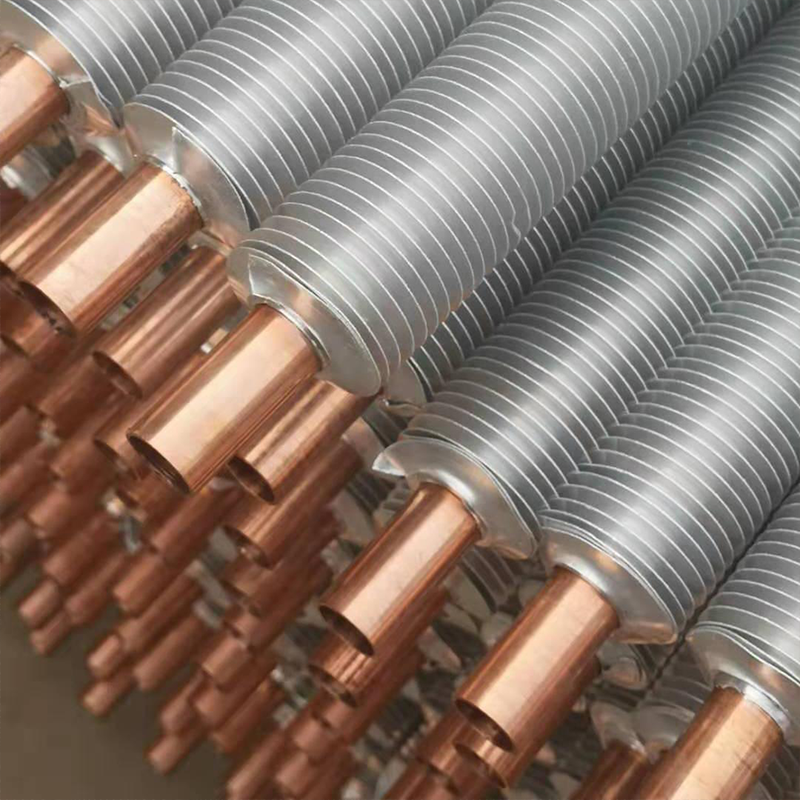
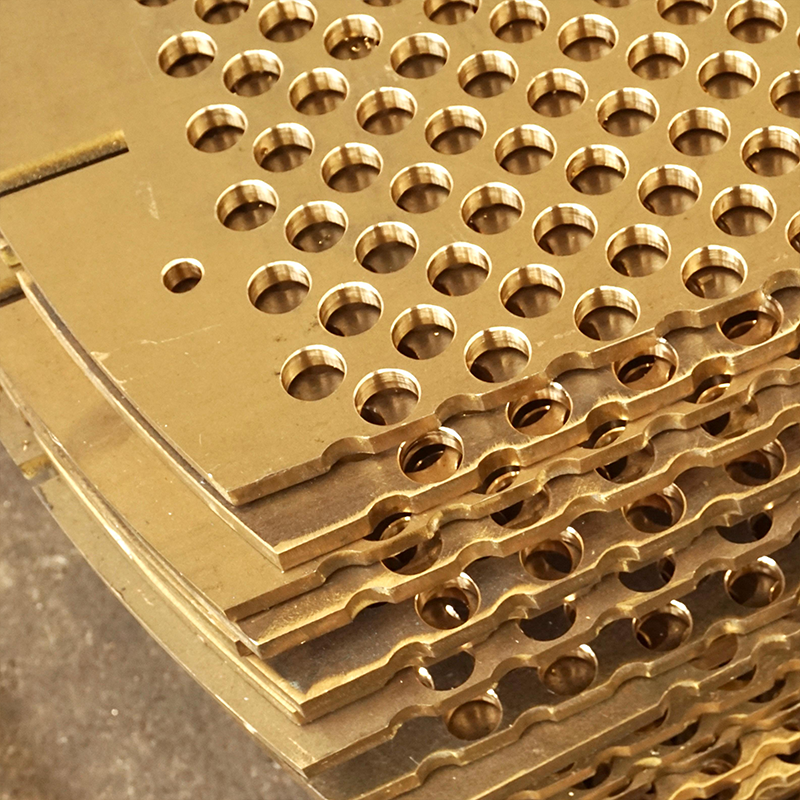
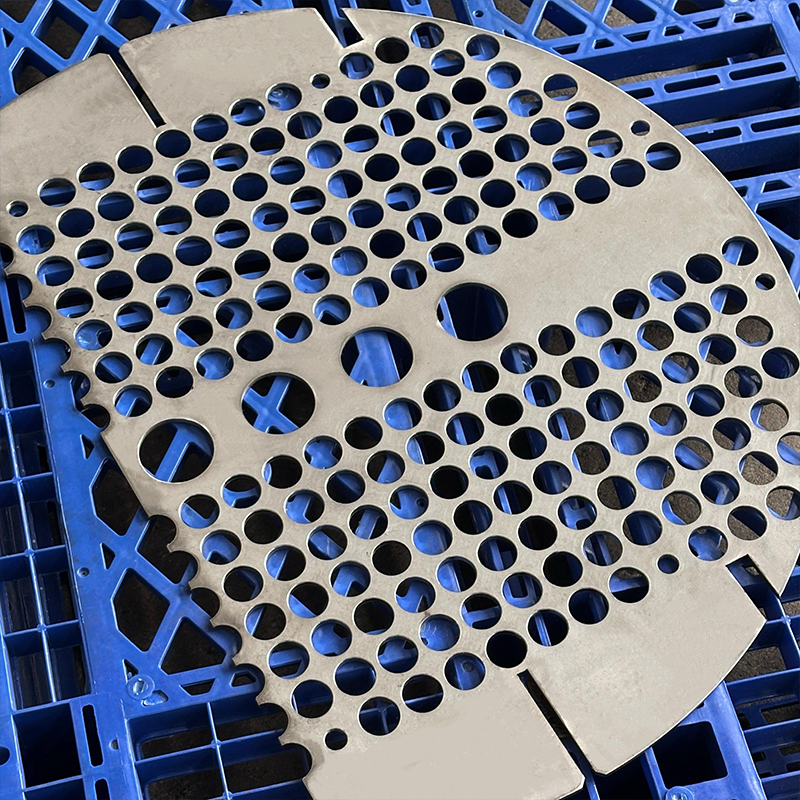
However, an emission reduction strategy is impossible without a reliable technical basis. This is where specialized equipment comes to the rescue, capable of operating in aggressive petrochemical environments under extreme parameters. CompanyWuxi Kaisheng Electric Power and Petrochemical Equipment Co., Ltd.offers comprehensive solutions for the modernization of heat exchange systems, which are the heart of the energy efficiency of any PE plant. Their portfolio includes titanium shell-and-tube heat exchangers and ASME-standard high-pressure units constructed from corrosion-resistant alloys (316 stainless steel, C46400 marine brass, copper-nickel alloys, N06625 nickel alloys).
The introduction of equipment such as air coolers or waste heat boilers from Wuxi Kaisheng allows for the most efficient use of secondary heat, reducing primary fuel consumption and, consequently, the volume of required quotas. The company's PED and ASME certified products are characterized by high thermal efficiency and resistance to high pressures and temperatures, which is critical for pyrolysis and polymerization processes. Whether it's 321 stainless steel tube sheets or complex corrugated tube bundles, each product is designed to last in refinery, chemical and water desalination applications, providing process consistency and a predictable carbon footprint.
Technical solutions to reduce emissions
| Technology | Reduction Potential (%) | Payback period | Difficulty of implementation |
|---|---|---|---|
| Reactor insulation modernization | 3-5% | 1.5 years | Low |
| Implementation of VFD on compressors | 10-15% | 2 years | Average |
| Heat recovery systems (ORC) using efficient heat exchangers | 8-12% | 3-4 years | High |
| Transition to hydrogen fuel (pilot) | 20-30% | 5+ years | Critical |
Don't wait for the perfect moment to start. Start with an insulation audit. In many plants older than 15 years, heat loss through the insulation of steam pipelines reaches 20%. Restoring the insulation coating is the cheapest measure with an immediate effect. Order a thermal imaging inspection of your workshop in winter - the results will surprise you.
Financial risks and quota trading: how not to lose money
The market for quotas for greenhouse gas emissions from PE production plants has turned into a full-fledged financial instrument with high volatility. The price of a carbon unit fluctuates depending on macroeconomic factors, gas prices and the severity of government controls. For a plant CFO, managing a portfolio of quotas becomes as important a task as hedging currency risks.
The main mistake of enterprises is trying to close the quota deficit at the last moment before submitting reports. In December-January, demand increases sharply, and prices soar by 30-40%. Proactive purchasing of missing volumes in the middle of the year, when the market is calm, allows you to save significant money. We recommend forming a strategic reserve of quotas based on a pessimistic production growth scenario.
There is also a risk of double billing and verification issues. When purchasing quotas from intermediaries, make sure that the origin of the asset is pure. There have been precedents where canceled or expired quotas were resold to uninformed buyers. When checking a counterparty, request an extract from the national registry confirming ownership of specific serial numbers of units.
Fines for exceeding established limits have increased many times in 2026. Now the sanction is not a fixed amount, but a multiple of the market value of the quota with an increasing factor of 3.0. In addition, the enterprise is included in the “black list”, which entails enhanced environmental supervision and inspections by other departments. Reputational damage from publishing data about violators can cost more than the fines themselves, especially when working with European customers.
It is important to consider cross-border carbon management (CBAM). If your polyethylene is exported to countries with strict climate legislation, the lack of paid quotas within the country will lead to double payment: first at home, then at the importer’s border. Integrating the domestic quota trading system with international requirements is the only true path for exporters.
Act early: Designate a person responsible for quota trading internally. This person must monitor quotes daily and have the authority to execute trades within the approved budget. Do not leave this issue entirely to external consultants - internal control is necessary.
Reporting and verification: pitfalls of interaction with the regulator
The reporting procedure for greenhouse gas emission quotas by PE plants has become bureaucratically complex and technically intensive. An error in filling out the form or inconsistency in the measurement methodology may lead to the rejection of the entire report. The regulator does not accept corrections after the fact without serious consequences. Data accuracy is more important than feed speed here.
The key stage is choosing a verifier. It must be an independent organization accredited by a national system. Do not choose a verifier based on the principle of “who is cheaper”. A cheap audit is often superficial and does not reveal hidden inconsistencies that emerge during a government audit. A good verifier acts as a partner, helping to find weaknesses in the accounting system before official delivery.
When preparing your report, pay particular attention to documenting the data chain. There must be a continuous log from the gas meter reading to the final figure in tons of CO₂. Any manual intervention in the data (for example, correction of readings due to a breakdown of the device) must be documented and agreed upon with the chief metrologist. The absence of primary documents is an automatic reason for refusal to accept the report.
The calculation methodology must strictly comply with the approved orders of the ministry. The use of own emission factors is permitted only after special measurements have been carried out and permission has been obtained. In 90% of cases, it is safer to use standard coefficients given in regulatory documents to avoid disputes with inspectors.
We encountered a situation where the plant used an average coefficient for the mixture of gases supplied to the furnace, although the composition of the mixture changed throughout the day depending on the supplier. The verifier requested a recalculation for the entire period using hourly data, which increased the reported emissions by 8%. Detailed data saves you from unexpected additional charges.
Checklist before submitting reports
- Check the calibration of all metering devices (gas, electricity, heat) - valid certificates are required.
- Reconcile the volumes of products produced in the quota report with production accounting and tax reporting data.
- Ensure that all sources of emissions, including emergency releases and commissioning activities, are accounted for in the balance sheet.
- Prepare an explanatory note analyzing deviations of actual emissions from planned values.
- Conduct an internal preliminary review of the report by an independent technical expert.
Don't put off preparing your documents until the last week. Collecting signatures and seals takes longer than it seems. Start compiling a package of documents two months before the deadline. This will give you enough time to eliminate the verifier’s comments without panic or fines.
The future of regulation: trends 2026-2030
The planning horizon for PE plants should be at least 5 years. Trends point to stricter requirements. By 2028, the free distribution of quotas for energy-intensive industries that do not demonstrate dynamics of reducing carbon intensity is expected to be completely abandoned. Those who are now investing in green technologies will get a head start in the form of free quotas during the transition period.
Digitalization of monitoring will become mandatory. Installation of sensors with direct data transfer to the state register (without the possibility of manual adjustment by the operator) is a matter of the next two years. Data transparency will be total. Attempts to manipulate reporting will become technically impossible.
Pressure from consumers is also growing. Large retailers and manufacturers of consumer goods require suppliers of packaging (including PE) to provide a carbon passport of the product. Mills that fail to demonstrate the low carbon footprint of their pellets will be forced out of premium brands' supply chains.
Advances in carbon capture and storage (CCS) technologies will open up new opportunities. Factories located near suitable geological formations will not only be able to reduce their emissions, but also earn money by storing CO₂ from other industries. This could become a new business direction for petrochemical clusters.
Adapting to new realities requires flexibility. Don't think of quotas as a tax that you just have to pay. Think of it as a driver for modernization. Businesses that use quota systems to optimize their processes emerge from the crisis stronger and more efficient. The time for passive observation is over.
Frequently Asked Questions
How to calculate the number of quotas required for a new launch of a PE line?
For new production, a predictive modeling method is used based on design documentation. You need to take the plant's design capacity in tons per year and multiply it by the industry specific emissions benchmark for that type of process (e.g., gas-phase polymerization). The resulting figure should be increased by a safety factor of 5-10% to cover starting conditions and possible deviations. An accurate calculation requires the involvement of a design institute that has a license to develop sections of the EIA.
Is it possible to carry over unused quotas to the next year?
Yes, current legislation allows you to bank (transfer) unused quotas to subsequent reporting periods without expiration dates. This is a profitable strategy: if you reduce emissions this year and have a surplus, save it. In the future, the price of quotas will rise, and your “stock” will become a liquid asset that can be sold or used to expand production without additional costs.
What does the plant face for providing false data in the report?
Providing knowingly false information entails administrative liability in the form of large fines for officials and legal entities. But the main consequence is the cancellation of the report and the forced recalculation of emissions using maximum coefficients, which will create a huge deficit of quotas. In addition, the plant management may be disqualified from participating in quota trading for up to 3 years. The risk is not worth the benefit of hiding several tons of emissions.
Conclusion
Managing quotas for greenhouse gas emissions from PE plants has ceased to be a task for environmental theorists. Today this is the competence of the company’s chief executive, influencing EBITDA and development strategy. Ignoring carbon regulation is tantamount to voluntary withdrawal from the game in today's market. We see that the winners are those who integrate carbon management into daily operational processes.
Don't wait for the regulator to knock on your door with an order. Start with an audit, implement a monitoring system and review your energy strategy today. Every action you take to reduce emissions is an investment in the financial sustainability of your business tomorrow. If you would like detailed advice on calculating your quotas or selecting equipment to reduce emissions, our experts are ready to help.
Contact us todayto discuss your situation and develop a customized roadmap for decarbonization of production. We also recommend that you read our material aboutincreasing the energy efficiency of polyethylene extrusion lines, which complements the topic of carbon management with technical solutions.