
Recycling waste from the production of plastic products”
2026-08-27
- Recycling waste from the production of plastic products: real experience and technologies
- Classification of polymer waste and its impact on the choice of equipment
- Process chain: from crushing to granulation
- Economics of Recycling: Calculating Payback and Hidden Costs
- Regulatory regulation and environmental standards in the Russian Federation
- Integration of processing systems in heavy industry: experience of Wuxi Kaisheng LLC
- Frequently Asked Questions
- Practical recommendations for implementing a recycling system
- Conclusion
Recycling waste from the production of plastic products: real experience and technologies
In our practice of working with large extrusion lines, we came across a fact that 80% of manufacturers ignore:recycling of waste from the production of plastic productsis not just an environmental issue, but a critical factor in profitability. We have seen factories where losses of raw materials reached 15-20% of the total volume of granulate purchases due to improper organization of collection and processing of trims, sprues and defective batches. One of our clients in the Leningrad region lost more than 4 million rubles in a year by simply throwing clean HDPE into a common container, instead of running a crusher next to the machine. An effective recycling system allows you to return up to 95% of production waste back into the cycle, reducing the cost of the final product by 7-12%. In this article we will analyze the technical nuances, equipment and economic models that work in the realities of the Russian market in 2026.
Classification of polymer waste and its impact on the choice of equipment
The first step to building an effective system is to have a clear understanding of what exactly you are throwing away. Incorrect sorting at the collection stage leads to contamination of the entire batch of recyclables, making them unsuitable for reuse in critical products. We divide waste into three main categories, each of which requires a different approach to processing.
Technological waste (clean)
These are film scraps, sprues after injection molding, defective pipes or profiles that did not have time to leave the workshop. The main advantage of such raw materials is its chemical homogeneity and lack of contamination. The melting point of such waste is known precisely, since it consists of the same brand of polymer as the main raw material. Low-speed crushers with sickle blades, which produce a minimal amount of dust, are ideal for processing clean waste. The fraction size is critical here: if you plan to return the crushed material to the extruder directly through the dispenser, the optimal size is 6-10 mm. A finer fraction can cause problems with the auger feed, and a larger fraction can cause uneven melting. In our blown film line modernization project, we reduced the dust content of the crusher from 4% to 0.5% simply by changing the rotor type and installing an additional cyclone. This made it possible to increase the extrusion speed by 8% without losing the quality of the film surface.
Contaminated industrial waste
This includes labels, adhesive layers, multi-layer composites and waste that has been in contact with process oils or shop dust. Such materials cannot simply be crushed and poured into a hopper. Pre-washing and separation required. The main challenge here is separating polypropylene (PP) from polyethylene (PE) or removing paper labels. Using hot water (70-85°C) with the addition of caustic soda effectively removes glue, but requires subsequent drying with a centrifuge and hot air. We recommend installing flotation baths to separate polymers with different densities: PP floats, while PE and PVC sink. Ignoring this stage leads to inclusions of foreign plastic appearing in the finished granulate, which cause delamination of the product during casting. At one of the factories for the production of boxes, we introduced a two-stage washing system, which made it possible to use 100% of internal waste for the production of marketable products, and not just technical containers.
Complex composites and multilayer structures
Waste such as Tetra Pak, aluminum-coated stretch films or automotive plastics require specific solutions. Mechanical crushing is often pointless here, since it is impossible to separate the layers. For such materials, the most promising direction is agglomeration or production of fuel briquettes (RDF). The agglomerator heats the mass to a plastic dough state, creating dense lumps that are convenient to dose into the extruder. However, it is worth remembering that the properties of such a material will be averaged and unpredictable. If your product requires GOST or ISO certification for food contact, the use of such waste is prohibited. We always advise clients to keep strict records of the receipt of such waste and, where possible, to minimize its generation at the packaging design stage.
Process chain: from crushing to granulation
The process of converting waste into secondary raw materials consists of successive stages, the violation of any of which jeopardizes the quality of the entire cycle. Let's look at the key equipment and parameters that you need to pay attention to when purchasing.
Crushing: choosing the type of knives and power
The heart of any recycling line is the crusher. An error in the selection of this unit leads to downtime and high maintenance costs. For soft films (LDPE, HDPE, stretch), crushers with a V-shaped blade configuration and a large rotor diameter (from 400 mm) are required. This ensures that the slippery film is captured without wrapping around the shaft. For hard plastics (PVC, PP, ABS), cascade knives that create a scissor effect are better suited. Motor power should be calculated based on productivity: approximately 15-20 kW per 100 kg/h for rigid plastic and 25-30 kW for film due to high cutting resistance. We came across a situation where a customer bought a powerful pipe crusher, but tried to crush thin film with it. The result is instant clogging of the chamber and overheating of the engine. Always check with the equipment manufacturer about the possibility of changing the rotor type. The material of the knives is also important: D2 tool steel holds an edge 3 times longer than conventional carbon steel when processing glass-filled plastics.
Washing and drying: combating moisture
Moisture is the main enemy of extrusion. Even 0.5% moisture in the crushed material can lead to the formation of bubbles in the granule and hydrolytic degradation of polyamide or PET. The washing system usually includes a pre-wash (removal of sand and heavy debris), a hot friction wash (friction wash) and a clean water rinse. The critical parameter is the efficiency of centrifuge drying. A good centrifuge will reduce the humidity to 1-2%, after which a hot air dryer is required to achieve less than 0.1%. The time spent in the dryer depends on the thickness of the flakes: for film, 30-40 minutes at a temperature of 60°C is enough, for thick PET sheets - up to 2 hours at 120-140°C. We recommend installing humidity sensors at the outlet of the dryer with automatic blocking of the material flow into the extruder when the threshold is exceeded. This cheap device saves tons of waste.
Granulation vs Agglomeration
The final stage determines the form of the secondary raw material. Granulators (extruders with a head and a cutter) produce ideal calibrated granules, which behave in production almost like primary raw materials. This is the best choice for selling aftermarket parts to third parties or for your own precision casting. However, the cost of such a line is high, and the energy consumption is significant. Agglomerators are cheaper and simpler; they produce porous lumps of irregular shape. The agglomerate is excellent for self-consumption in the production of pipes, manholes or paving slabs, where the appearance of the granules is not important, but the loading density of the hopper is important. The choice depends on your business model: if you sell raw materials - only granulation; if you use it inside for technical products, the agglomeration will pay for itself in 6-8 months.
Economics of Recycling: Calculating Payback and Hidden Costs
Many managers believe that buying a crusher automatically brings profit. The reality is more complicated. Let's look at the numbers based on actual implementation projects in 2025-2026.
The cost of owning a recycling line consists of more than just the price of the equipment. Energy consumption accounts for up to 40% of operating costs. A line with a capacity of 500 kg/hour consumes about 150-180 kWh of electricity. At a tariff of 6 rubles per kWh, this is 900-1000 rubles per hour of work. Replacing knives is another expense. A set of knives for a medium-power crusher costs from 40,000 to 80,000 rubles and requires sharpening or replacement every 400-600 operating hours, depending on the abrasiveness of the raw materials. Personnel: at least one operator and one service technician are required to service the line. The salary fund in the regions is about 80,000 - 100,000 rubles per month per shift.
The income portion is generated through savings on the purchase of primary granulate and the sale of surplus secondary raw materials. Let's take the example of a plant producing HDPE pipes. The monthly volume of waste is 20 tons. The cost of primary HDPE is 110 rubles/kg. The cost of processing (energy + depreciation + wages) is 25 rubles/kg. The savings on each kilogram of raw materials returned to the cycle is 85 rubles. Monthly benefit: 20,000 kg * 85 rubles = 1,700,000 rubles. If the line costs 6 million rubles, a simple calculation shows the payback in 3.5 months. However, this is the ideal scenario for clean waste. If you process contaminated film, the cost rises to 45-50 rubles/kg due to the cost of water, chemicals and drying, and the quality of the granulate decreases, reducing its market price. In this case, the payback period extends to 12-18 months.
It is important to consider logistics. Waste storage requires space. 1 ton of crushed film takes up a huge volume due to its low bulk density. Without a baler or agglomerator, you will need a warehouse 3-4 times larger than for granulate. We have seen cases where workshops refused to process simply because crushed material occupied all the aisles, violating safety regulations. Investing in a pneumatic conveying or briquetting system is often more important than purchasing the extruder itself.
Regulatory regulation and environmental standards in the Russian Federation
In 2026, waste management legislation became stricter. Extended Producer Responsibility (EPR) forces companies to either pay an eco-levy or prove the disposal of their own waste. A properly designed recycling system allows you to obtain the status of “secondary material resources” and be exempt from payments for the disposal of waste of hazard classes I-IV, which often includes some types of plastic waste.
To operate legally, it is necessary to develop and approve a waste passport. Laboratory analysis must confirm the hazard class. Pure thermoplastic waste often falls into class IV or even V (virtually non-hazardous), which simplifies licensing of activities. However, mixed waste with residues of oils, paints or unknown additives may be classified as Class III, requiring a hazardous waste license. Obtaining such a license is a long and expensive process.
Certification of products made from recycled materials also has nuances. If you produce pipes for water supply, the use of recycled plastic is strictly regulated by SanPiN. It is permissible to use only a recycled inner shell protected by a layer of virgin plastic, or completely limit contact with drinking water. For building profiles, cable ducts and technical packaging there are fewer restrictions, but confirmation of physical and mechanical properties according to GOST is required. The presence of an ISO 14001 certificate at an enterprise significantly simplifies interaction with inspection authorities and increases the confidence of large customers, for whom the “green” footprint of the supplier becomes an important selection criterion.
Integration of processing systems in heavy industry: experience of Wuxi Kaisheng LLC
The efficiency of plastics processing directly depends on the reliability of auxiliary equipment, especially in aggressive environments and high loads typical for the oil and gas and chemical industries. Here, the requirements for corrosion resistance and durability of components in contact with reagents or hot media come to the fore. A striking example of a provider of such solutions isWuxi Kaisheng Electric Power and Petrochemical Equipment Co.,Ltd" The company specializes in the development and production of high-tech heat exchange equipment, which plays a critical role in the processes of raw material preparation and thermoregulation of processing lines.
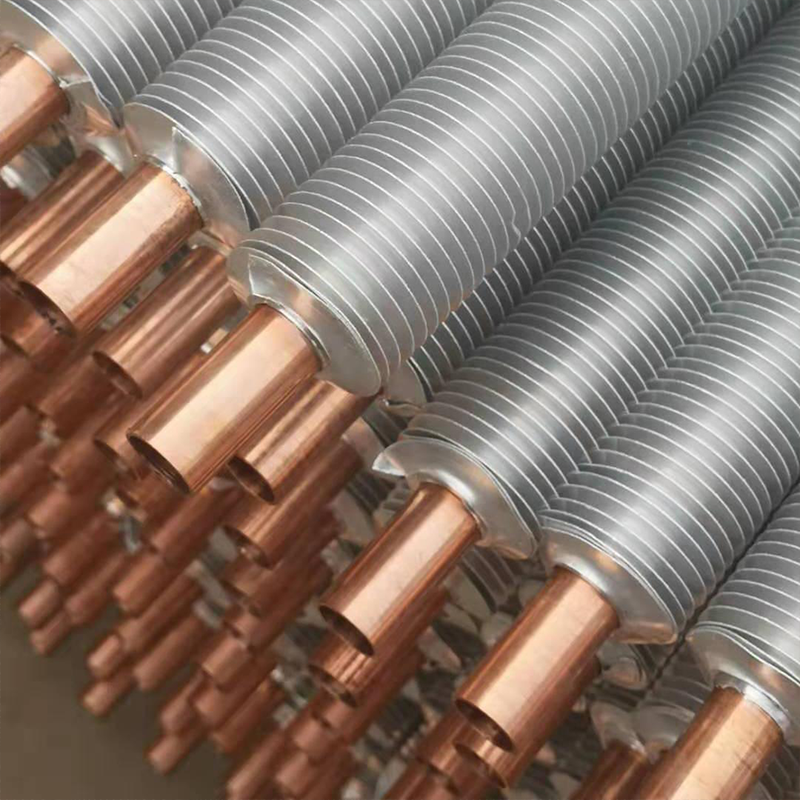
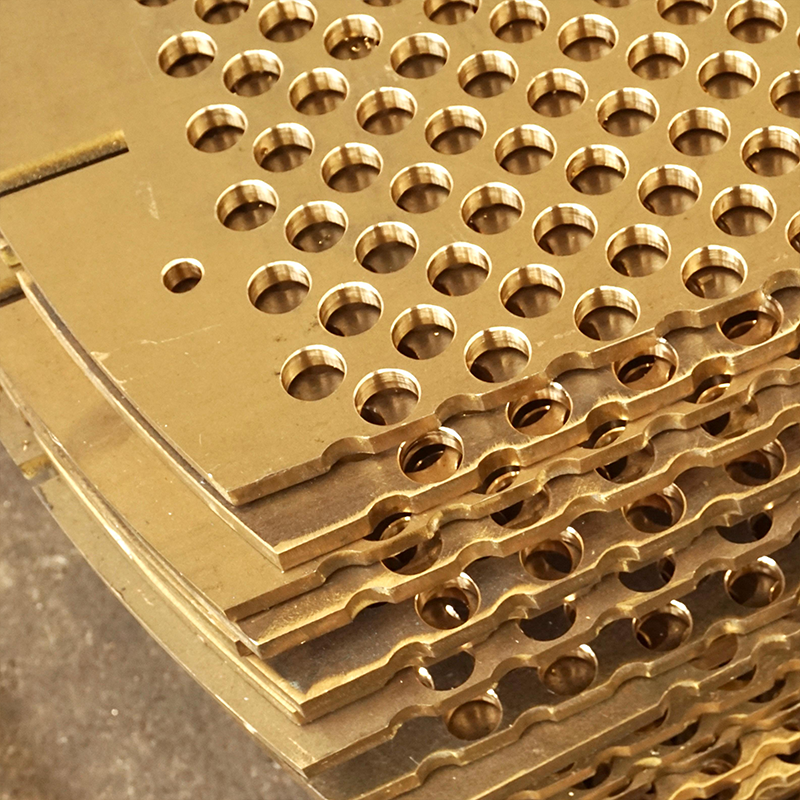
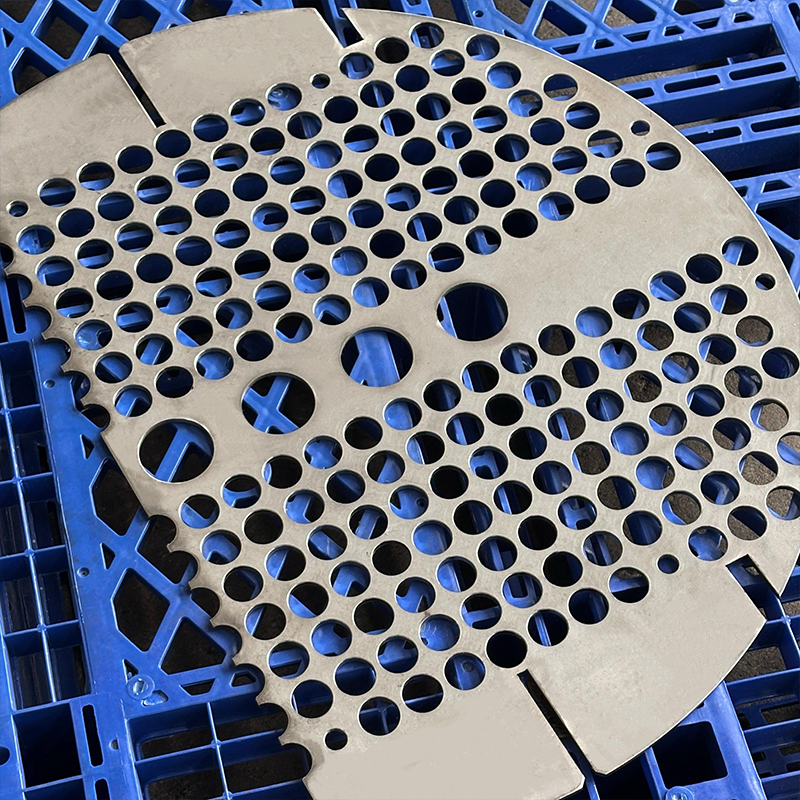
Wuxi Kaisheng's products, including titanium shell-and-tube heat exchangers, ASME high-pressure units, and 316 stainless steel, C46400 marine brass, and N06625 alloy bundles, provide process stability even when processing complex composites or harsh cleaning solutions. For example, in contaminated waste washing systems that use hot alkaline solutions, the use of heat exchangers made of copper-nickel alloys C70600 or titanium avoids corrosion and premature equipment failure, which often happens when using cheap analogues. In addition, air coolers and waste heat boilers from Wuxi Kaisheng help optimize the plant’s energy balance by recovering excess heat from extruders and dryers.
The company's PED and ASME certified equipment is widely used in the oil refining, chemical and shipbuilding industries, demonstrating high thermal efficiency and resistance to extreme temperatures. For enterprises implementing a closed plastic recycling cycle, partnering with manufacturers such as Wuxi Kaisheng means not just purchasing components, but receiving customized engineering solutions. This ensures that the recycling system runs smoothly, minimizing downtime and ensuring high quality recycled granulate, whether for the production of technical products or critical structures.
Frequently Asked Questions
Is it possible to mix different types of plastic (PE and PP) when recycling?
It is strictly not recommended to mix polyethylene (PE) and polypropylene (PP) in one batch to obtain high-quality granules. These polymers have different melting points and do not mix at the molecular level, forming a heterogeneous structure with low impact strength. Products made from such a mixture will be fragile and prone to delamination. The only exception is the production of low-quality technical products, such as paving slabs or pallets, where the mechanical requirements are lower. In our practice, we always insist on strict segregation of streams. If separation is not possible, use compatibility technology with the introduction of special compatibilizer additives, but this increases the cost.
What is the minimum amount of waste that justifies purchasing your own line?
The economic barrier to entry depends on the type of plastic. For expensive engineering plastics (polyamide, polycarbonate), installing a small line (50-100 kg/hour) pays off already with a waste volume of 30 kg per day. For mass plastics (LDPE, PP), the minimum cost-effective volume is 200-300 kg of waste per shift. At smaller volumes, the cost of equipment depreciation and operator salaries eats up all the savings. In such cases, it is more profitable to enter into an agreement with an external processor or use the services of a tolling scheme, where you only pay for processing without purchasing equipment. We conducted an audit for a small plastic molding shop: with a volume of 50 kg of waste per day, the purchase of a crusher paid for itself in 4 years, while renting a mobile crushing plant solved the problem in a month at a cost that was 5 times less.
To what extent are the secondary granulates inferior in properties to the primary granulate?
Degradation of properties depends on the number of processing cycles and the presence of oxygen during melting. After one cycle of processing clean industrial waste, the reduction in tensile strength is only 5-8%, and the melt flow rate (MFI) can change by 10-15%. This is quite acceptable for most applications if casting or extrusion conditions are adjusted. However, with repeated recycling or recycling of post-consumer waste, degradation can reach 30-40%. The key factor is the use of stabilizers and antioxidants during granulation. Adding 0.2-0.5% of a high-quality stabilizer allows you to restore up to 90% of the original properties. We tested HDPE after 5 cycles: without additives the material became crumbly, but with a package of stabilizers it remained elastic and suitable for blow molding.
Practical recommendations for implementing a recycling system
Implementing a recycling system is 70% organizational and 30% technical. The weakest link is the human factor. Workers at posts are often too lazy to sort waste, throwing everything into one pile. For the system to work, motivation must change. Implement KPIs for machine operators: the percentage of raw materials returned to the cycle should influence the bonus. Place colored containers directly near waste generation areas so workers don't have to walk far. Labeling should be intuitive, with photographs of waste types.
Start with an audit. Weigh different types of waste throughout the week. It often turns out that 80% of the mass is one type of plastic, which is easy to recycle, and the remaining 20% is a complex mix that is cheaper to dispose of externally. Don't try to process everything at once. Launch a pilot project on one type of waste, fine-tune the technology, calculate the real cost, and only then scale up.
Pay attention to fire safety. Plastic dust and film lint are extremely flammable. Crushers and dryers must be equipped with a spark extinguishing and automatic fire extinguishing system. Regular cleaning of air ducts from dust is a mandatory procedure that is often ignored until the first fire occurs. On our safety checklist, “cyclone cleaning” is number one.
Conclusion
Disposal of waste from the production of plastic productsceased to be an optional option and became a necessity for survival in the face of rising prices for primary raw materials and tightening environmental standards. A well-structured process allows you not only to reduce costs, but also to create a new source of income. Technologies in 2026 make it possible to process complex composites and contaminated waste with high efficiency, but success depends on discipline and the correct selection of equipment for the specific tasks of your production. Don’t blindly copy your competitors’ solutions: what works for pipe production may be unprofitable for a film shop.
If you are planning to modernize your production or want to calculate the economic effect of introducing a processing line, contact our engineers. We will audit your current losses and offer a solution that will pay off in the shortest possible time.Contact us todayfor consultation and ROI calculation.
Read also our materials onpolymer extrusion technologiesand reviewsrecycling equipment.