
Sanitary standards when working with chemical baths”
2026-08-27
- Sanitary standards when working with chemical baths: a direct answer to the main safety question
- Classification of chemical baths and associated risks according to GOST
- Requirements for production premises and ventilation systems
- Personal protective equipment (PPE): selection and regulations for use
- Organization of technological process and safe operations
- Air monitoring and medical control
- Emergency procedures and first aid
- Frequently Asked Questions
- Conclusion and next steps
Sanitary standards when working with chemical baths: a direct answer to the main safety question
Compliance with sanitary standards when working with chemical baths requires strict control of the concentration of harmful substances in the air of the work area, the mandatory use of personal protective equipment (PPE) of the third class and the presence of proper supply and exhaust ventilation with an air exchange rate of at least 8–10 times per hour. In our practice, violation of at least one of these parameters led to acute poisoning of personnel and a shutdown of production for up to two weeks to completely decontaminate the premises. We're not talking about abstract rules; Each point of the regulations is written in blood or lost money.
Working with plating lines, pickling areas and anodizing plants creates a unique mixture of risks where liquid electrolyte meets toxic aerosols. The misconception that simply putting on gloves is the cause of 70% of occupational diseases in this area. Real protection begins with process design and ends with waste disposal according to the hazard class. Below we will analyze the specific requirements of GOST and SanPiN, which turn a dangerous workshop into a safe workplace, based on real cases of implementing safety systems at factories in Russia and the CIS countries.
Classification of chemical baths and associated risks according to GOST
The first step to safety is to correctly identify the type of bathtub you are using, assanitary standards when working with chemical bathsdirectly depend on the hazard class of the reagents used. According to GOST 12.1.007-76, all hazardous substances are divided into four classes, and the approach to organizing a workplace for the first class (extremely dangerous, for example, cyanides, mercury compounds) is radically different from working with the third class (moderately hazardous, many acids in low concentrations).
In a production environment, we often encounter a situation where technologists use the same ventilation system for different processes, which is a gross violation. A chrome plating bath, which releases chromic anhydride (a carcinogen), cannot be adjacent to an alkali-based degreasing bath without physical partitions and separate hoods. The temperature of the solution also plays a critical role: when the electrolyte is heated above 45°C, the rate of evaporation of the components increases exponentially, requiring an increase in local suction power by 30–40%.
Let's consider a typical error that we observed at one of the factories in Yekaterinburg. The management decided to save on materials and replaced the lining of the pickling bath in sulfuric acid with a cheaper analogue that is not resistant to temperatures of 60°C. After three months of operation, the protective layer was destroyed; acid began to seep into the concrete floor, causing corrosion of the reinforcement and the release of vapors directly into the lower layers of air, where the operators’ feet are located. Gas sensors installed at waist level remained silent until the concentration near the floor reached critical levels. This resulted in chemical burns for two employees and a fine from Rospotrebnadzor, which was ten times the cost of the correct lining.
- Acid baths:Require respiratory protection from acid aerosols (grade B filters or combined A+B filters). Particular attention is paid to eye protection, as acid splashes cause irreversible damage to the cornea within seconds.
- Alkaline baths:The danger is not only inhalation, but also contact with skin, causing deep ulcers. The standards require the presence of emergency showers within a radius of 10 meters from each such installation.
- Cyanide baths:Working with them is allowed only in isolated boxes with negative pressure. The slightest leak of hydrogen when cyanide comes into contact with acids is fatal. Here, sanitary standards require the use of automatic dispensers that eliminate manual contact.
- Organic solvents:When using degreasing baths with volatile organic compounds (VOCs), the intrinsic safety of the equipment and control of the maximum permissible concentration of explosive vapors are critical.
Understanding the chemical nature of the process dictates the choice of materials for the bath itself and the surrounding space. Polypropylene is suitable for most acids, but does not withstand some organic solvents where AISI 316L stainless steel or specialized composites are required. Ignoring the compatibility of materials is a direct road to an emergency. Before starting the line, each engineer is required to check the table of chemical resistance of materials with the passport data of the reagents used.
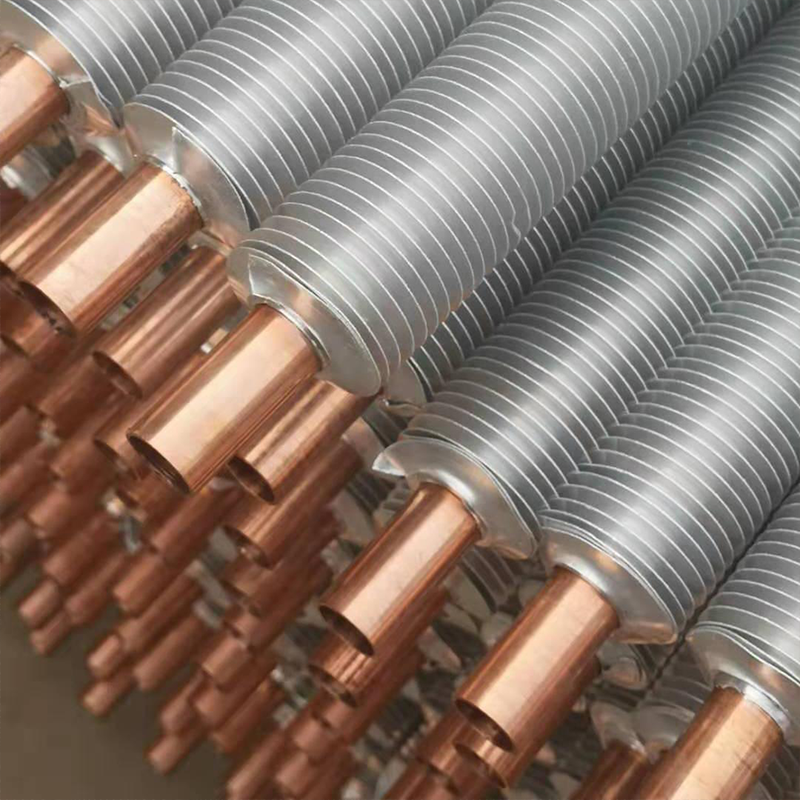
This is where the quality of the main equipment plays a key role. For example, a companyWuxi Kaisheng Electric Power and Petrochemical Equipment Co., Ltd.specializes in the development and production of high-tech solutions for aggressive environments, including heat exchange equipment made of titanium, AISI 316 stainless steel, marine brasses and nickel alloys. Their ASME and PED certified products demonstrate exceptional corrosion resistance and the ability to withstand high pressures and temperatures, critical for oil refining, petrochemical and seawater desalination applications. The use of reliable components such as corrugated tube bundles or shell-and-tube heat exchangers made of N06625 alloys minimizes the risks of depressurization and leaks, laying the foundation for safety at the line design stage.
Requirements for production premises and ventilation systems
The architecture of the workshop where the chemical baths are located must obey the principle of minimizing the spread of contamination. The floors are made of acid-resistant tiles or self-leveling polymer coatings with mandatory chemical-resistant skirting boards, rounded at the junction with the walls. This is not an aesthetic requirement, but a hygienic one: sharp corners accumulate dirt and reagents that cannot be washed away, creating a constant source of secondary air pollution. The slope of the floor should be at least 1.5% towards drains with water seals to quickly remove spills.
Ventilation is the heart of a security system. General standards require that air be supplied from above and removed from below for heavy gases, or vice versa for light vapors, but in reality, plating shops require combined circuits. Local suctions (on-board suctions) should cover the entire length of the bath. The efficiency of such systems is checked not by ear, but with the help of anemometers: the suction speed in the plane of the solution surface must be sufficient to intercept aerosols, but not so high as to disrupt the technological process or cool the solution.
We conducted an audit at an enterprise where they complained of a constant smell and pain in the eyes, despite the working fans. The measurements showed that the system performance corresponded to the design, but the problem lay in a pressure imbalance. Due to the lack of compensation valves, the supply system created excess pressure in the workshop, literally blowing polluted air through the cracks in the doors into adjacent office spaces. The solution required setting up the automation and installing check valves, which reduced the concentration of harmful substances in the work area by 65% in the first day.
Lighting is also regulated by sanitary standards. To accurately control the quality of the coating and identify surface defects, the illumination at the bath level should be at least 300–500 lux. However, the lamps must have a degree of protection of at least IP65 and be housed in a chemical-resistant housing. Conventional industrial lamps quickly corrode from acid vapors, lose their seal and can become a source of sparks or splinters falling into the electrolyte bath.
Space zoning is critical. The loading and unloading areas for parts must be clearly separated from the solution preparation areas. In our practice, it happened that operators stored containers with concentrated acids right at the sides of the working baths “for convenience.” This is strictly prohibited: the supply of reagents must be stored in special warehouses with a separate hood, and the supply must be carried out through pipelines or in closed containers using carts. Violation of this rule increases the risk of a spill during transportation within the workshop significantly.
Personal protective equipment (PPE): selection and regulations for use
The choice of personal protective equipment does not tolerate universal solutions. A cloth gown is useless against splashes of concentrated hydrofluoric acid, and ordinary rubber gloves can dissolve in an organic solvent in minutes.Sanitary standards when working with chemical bathsrequire the use of workwear made of rubberized fabrics or polymeric materials with mandatory impregnation that is resistant to a specific type of aggressive environment. The suit must be one piece, with no open pockets at the bottom where liquids could get in.
Respiratory protection requires a special approach. Filtering gas masks are effective only when the concentration of harmful substances is not more than 20 MPC and the oxygen content in the air is not less than 18%. In confined spaces, when discharging large volumes of reagents or in emergency situations, the use of filter masks is prohibited - only self-contained breathing apparatus. We insist that at each post there is a table of filters corresponding to the types of gases: grades A (organic vapors), B (inorganic gases), E (acid gases), K (ammonia). Using a Brand A filter to protect against hydrochloric acid fumes is a fatal mistake.
Shoes and gloves are the first line of defense. Rubber boots should have non-slip soles and high tops that protect from splashes up to the knee. Gloves are selected according to thickness and material: neoprene for acids, nitrile for oils and solvents, vinyl for weak alkalis. It is important to remember about the duration of protective action: no glove lasts forever. In our instructions, we indicate the maximum time for continuous use of gloves (usually 2-4 hours), after which they must be replaced, even if visually intact, as chemicals diffuse through the material.
Eye protection should always be used, no matter how carefully the operator is working. Closed goggles with indirect ventilation prevent splashes from entering from the side. Face shields are required when preparing solutions, mixing concentrates, and cleaning bathtubs. One of our clients ignored this rule when adding water to acid (a gross violation of technology), which led to the mixture boiling and drops getting into the eyes. Thanks to the timely wearing of the shield, vision was preserved, but the facial burn required a month of treatment.
Occupational hygiene includes mandatory showers after shifts and washing of work clothes exclusively in industrial conditions. It is prohibited to take contaminated clothing home - this is a transfer of toxins into the living area. Enterprises must have sanitary checkpoints divided into “dirty” and “clean” halves so that street clothes do not come into contact with work uniforms.
Organization of technological process and safe operations
Security is built into the sequence of operations. The most critical point is the preparation of electrolytes. Everyone knows the rule “acid is poured into water, and not vice versa,” but in practice it is violated due to haste. Automation of this process through dosing pumps with blocking against incorrect sequence of supply of components eliminates the human factor. When preparing by hand, use double-walled containers or place them in trays to catch any spills.
Loading and unloading of parts from baths should be mechanized where possible. The use of hooks, baskets and automatic lifts reduces the risk of parts falling into the solution, causing excessive splashing. If a part falls into acid, it displaces a volume of liquid equal to its volume, creating a wave that spills over the side. An operator trying to catch a falling part with his hands exposes himself to the blow. We recommend installing mesh screens or splash guards around the perimeter of the tubs, especially in hand loading areas.
Workplaces are cleaned daily using a wet method using neutralizing solutions. Dry cleaning (with a broom) is strictly prohibited, as it raises toxic dust into the air. Spilled reagents are immediately covered with sand, sawdust or special sorbents, then collected in an airtight container. Do not flush strong acids or alkalis directly down the drain without first neutralizing them - this destroys the pipes and violates environmental standards for drainage.
Maintenance of baths requires stopping the process and complete degassing. Before draining the solution, you must make sure that the ventilation system is operating in enhanced mode. Repair work inside tanks is considered high-risk work and requires a permit, the presence of a supervisor, and the presence of safety belts. We recorded a case where a welder began repairing a bathtub frame without checking for residual solvent vapors. The spark caused a flash of vapor located in the lower part of the bath. Fortunately, there were no casualties, only burns to the hands, but the equipment was destroyed. This incident showed the need for gas analysis before any hot work.
Storage and transportation of reagents inside the workshop is carried out in special containers with clear markings. The label must contain not only the name, but also danger signs, date of manufacture and first aid instructions. Bottles with acids are carried only in baskets with handles that prevent direct contact of hands with the glass. A glass bottle of sulfuric acid falling onto a concrete floor is a local disaster that requires the evacuation of people and the work of an emergency team.
Air monitoring and medical control
Monitoring the state of the air environment should not be formal. Stationary gas sensors are installed in areas where harmful substances are likely to accumulate: at the sides of bathtubs, in pits, under decking. They are adjusted to threshold values (usually 50% of the MPC for warning and 100% for alarm). However, sensors do not replace periodic laboratory measurements, which are carried out by certified specialists at least once every six months, and unscheduled when technology changes.
Medical examination of personnel working with chemical baths is mandatory upon hiring and periodically (once a year). The list of doctors includes a general practitioner, a dermatologist, an ophthalmologist and an otolaryngologist. Spirometry (pulmonary function test) is a key test to detect the early stages of occupational asthma or fibrosis. Ignoring medical examinations leads to the fact that the disease is detected at a stage when restoration of health is no longer possible, and the enterprise incurs huge losses on compensation payments.
An important element of monitoring is keeping logs of the issuance of PPE and briefings. Each employee must sign that he is familiar with the properties of the chemicals used and knows the procedure to act in the event of an accident. A formal approach to briefings (“sign and forget”) is unacceptable. We practice conducting surprise surveys and training alerts: if an operator cannot put on a gas mask or indicate the location of an emergency shower within 30 seconds, he is suspended from work until re-training.
Analysis of biological media (blood, urine) for the content of heavy metals (chromium, nickel, lead) allows us to assess the real load on the body, even if the concentration in the air is within normal limits. The cumulative effect may take years to appear. The introduction of such a biomonitoring program at a large electroplating plant made it possible to identify a risk group and adjust the work and nutrition regime for these employees, preventing the development of chronic intoxications.
Emergency procedures and first aid
The emergency plan should be simple, understandable and practiced to the point of automaticity. In the event of an acid spill, the first action is to evacuate people from the affected area and turn on emergency ventilation. Liquidation of a spill is carried out only in a full set of PPE level A or B. Using water to wash off concentrated acid without prior neutralization is dangerous due to the exothermic reaction and splashing. Special neutralizing compounds are used (for example, soda-based for acids or weak acids for alkalis).
When chemicals come into contact with your skin or eyes, seconds count. Stationary emergency showers and eyewash fountains should be available around the clock, the water in them should be warm (so that the victim is not afraid to undress under the icy stream) and supplied under moderate pressure. Washing time is at least 15 minutes. Trying to neutralize an acid with an alkali directly on the skin is prohibited: the neutralization reaction generates heat and aggravates the burn. Just plenty of water.
In case of vapor poisoning, the victim is immediately taken out into fresh air, the collar is unbuttoned, and rest is ensured. If breathing has stopped, artificial respiration is performed, but only through a mask or apparatus, so that the rescuer does not poison himself (especially in case of cyanide or phosphine poisoning). Calling an ambulance is mandatory even if you feel well, since the effect of some substances (for example, hydrogen fluoride) has a latent period when there is no pain, but deep necrotic processes occur in the tissues.
We have developed emergency checklists that are posted in visible places near each bathtub. They contain the algorithm: “Stop the process -> Evacuate -> Report -> Act.” Color coding helps you quickly navigate: red for fires, yellow for spills, green for medical attention. Regular training in these scenarios reduces the reaction time of personnel in a real accident by 3–4 times.
| Type of impact | Primary symptoms | Immediate Action | Prohibited actions |
|---|---|---|---|
| Acid contact with skin | Burning, redness, blistering | Rinsing with water for 15+ minutes, applying a sterile dressing | Applying oils, creams, trying to neutralize the wound with soda |
| Contact with alkali in the eyes | Sharp pain, lacrimation, photophobia | Rinse the eyes with a special fountain, keep the eyelids open | Rub your eyes, instill drops without a doctor's prescription |
| Inhalation of chromium/acid fumes | Cough, sore throat, shortness of breath | Exit to fresh air, rest, warm drink | Smoking, exercise, ignoring symptoms |
| Ingestion of the reagent | Abdominal pain, nausea, burn of lips/mouth | Rinse your mouth, drink some water (if you are not vomiting), call a doctor | Inducing vomiting (secondary burn of the esophagus), taking activated charcoal without consultation |
Frequently Asked Questions
How often do you need to change filters in gas masks when working with acid baths?
The service life of the filter depends on the concentration of vapors and the intensity of breathing, but in the conditions of a plating shop, a standard grade B filter should be changed at least once per shift or when the first sign of odor appears under the mask. We recommend keeping a log of the start time of each filter and forcefully replacing them after 4 hours of operation, even if no odor is detected, since the adsorbent may be depleted without the sense of smell.
Is it possible to work in the same ventilation with acid and alkaline baths?
Absolutely not. Mixing air streams containing acid and alkali vapors can lead to the formation of solid salts inside the air ducts, clogging the system and creating fire hazardous deposits. In addition, in the event of an accident, reagents may be released into the common shaft and interact with the formation of toxic gases. Each group of baths must have an independent ventilation circuit with its own scrubber-neutralizer.
What to do if the gas sensor triggered falsely?
False sensor alarms are rare and most often indicate a real problem or malfunction of the sensor itself. According to the regulations, when the alarm is triggered, all work stops immediately and the personnel are evacuated. Only after this does an occupational safety specialist with a portable certified gas analyzer check the situation. Ignoring the signal or attempting to simply “reset the error” without checking the air is prohibited and can cost your life.
What water temperature is acceptable in an emergency shower?
According to modern ANSI standards and recommendations of Rospotrebnadzor, the water temperature in an emergency shower should be comfortable, in the range of 16–38°C. Too cold water causes shock in the victim and forces him to stop washing prematurely, which is unacceptable. Water that is too hot can increase the chemical reaction and absorption of toxins through enlarged pores. The system must provide a stable pressure of at least 76 liters per minute.
Conclusion and next steps
Compliance with sanitary standards when working with chemical baths is not a bureaucratic obstacle, but the foundation of the economic sustainability of an enterprise. Accidents, occupational diseases and fines cost tens of times more than proper organization of ventilation, selection of high-quality personal protective equipment and regular staff training. Security cannot be bought once, it is a continuous process of monitoring and improvement.
Whether you're considering upgrading a plating line, starting a new pickling facility, or auditing existing safety systems, don't rely on outdated data. Technologies change, regulations become stricter, and only a professional approach guarantees the protection of your business and people.Contact us todayto receive advice on the development of individual safety regulations and the selection of equipment that meets the current requirements of GOST and the EAEU.
For a deep dive into the topic, we recommend studying our material aboutindustrial ventilation systems for aggressive environments, where we analyze the technical nuances of calculating air exchange and choosing air duct materials.