
Care and maintenance of PPH tanks”
2026-08-17
- Why Regular Maintenance of PPH Tanks Determines Their Lifespan
- Physicochemical properties of PPH and their impact on maintenance strategy
- Regulations for daily and weekly visual inspection
- Technology for safe cleaning and disinfection of tanks
- Diagnostics of welded joints and damage repair
- Protection from external factors: UV radiation and climatic conditions
- Frequently asked questions regarding the use of PPH containers
- Safety Standards and Regulatory Framework
- When is it time to think about replacing your tank?
- Integrated solutions for petrochemicals and energy
- Conclusion and next steps
Why Regular Maintenance of PPH Tanks Determines Their Lifespan
Care and maintenance of PPH tanks is not just a manufacturer's recommendation, but a critical process that directly affects production safety and the safety of expensive chemicals. In our practice, we have repeatedly encountered situations where containers that could last 15-20 years failed after only 3-4 years of operation solely due to ignoring the basic rules of cleaning and visual inspection. Polypropylene homopolymer (PPH) has outstanding chemical resistance to acids and alkalis, but is vulnerable to mechanical damage, ultraviolet radiation and improper cleaning temperatures.
If you want to get the most out of your industrial equipment investment, you need to understand the difference between a simple water wash and professional maintenance. This article was written by engineers who have personally inspected thousands of tons of polymer containers in chemical processing plants, plating lines, and wastewater treatment plants. We will not use general phrases about “the importance of quality.” Instead, we will provide specific instructions: what solvents are prohibited, how often welds should be inspected, what steam temperatures are acceptable for disinfection, and how to properly document the condition of equipment to pass safety audits.
Physicochemical properties of PPH and their impact on maintenance strategy
Before you begin practical care steps, you need to have a clear understanding of the material you are working with. PPH (polypropylene homopolymer) differs from copolymers (PP-B, PP-R) in its higher crystallinity and rigidity. This gives it the advantage of creep resistance under load and excellent resistance to aggressive media at temperatures up to +90°C (short term up to +100°C). However, this same rigidity makes the material sensitive to shock loads at low temperatures. In our practice, we recorded a case when a tank cracked during a winter wash with a jet of hot water: a sharp temperature change caused a thermal shock, which the material, fragile at -10°C, could not withstand.
Chemical inertness of PPH does not mean complete invulnerability. The material is susceptible to oxidation when exposed to strong oxidizing agents such as concentrated nitric acid or chlorosulfonic acid, especially at elevated temperatures. In addition, organic solvents (aromatic hydrocarbons, chlorinated solvents) can cause surface swelling, which over time leads to loss of geometric stability and stress cracking. Therefore, the first stage of any maintenance is to verify the chemical composition of the contents of the tank with the chemical resistance tables of the raw material manufacturer.
It is important to take into account the phenomenon of polymer aging. Even in the absence of aggressive environments, under the influence of atmospheric oxygen and sunlight (if the container is installed outdoors without protection), destruction of the polymer chains occurs. This manifests itself in a change in color (yellowing or graying) and the appearance of microcracks on the surface. The DIN 8077/8078 standard and Russian GOSTs regulate service life, but the actual service life depends precisely on the operating conditions. If you see that the surface has become chalky or has begun to peel off when rubbed with a fingernail, this is a signal of deep degradation of the material, requiring immediate examination.
The thermal expansion of PPH is significantly higher than that of steel (coefficient of linear expansion about 0.15 mm/m °C versus 0.012 mm/m °C for steel). This means that when the contents or the environment heat up, the tank changes its size. The fastening system and strapping must have compensators or free movement. During maintenance, it is often discovered that rigidly fixed pipes are torn from the body precisely because the personnel forgot to take into account thermal expansion when installing support structures. Checking the freedom of movement of the body relative to the supports is a mandatory item of every maintenance.
Regulations for daily and weekly visual inspection
Effective maintenance begins long before production stops for deep cleaning. The operator's daily walk-through should include checking not only the fluid level, but also the external condition of the container. We recommend implementing a checklist that takes no more than 5 minutes but prevents 80% of emergency situations. First, inspect the area around the tank for leaks. Even a microscopic drop at the base may indicate incipient corrosion of a weld or a crack in the bottom, which is still hidden by a layer of dirt or insulation.
Pay attention to the color of the walls. PPH usually has a natural milky white or gray tint. The appearance of local spots of a different color, especially in the area of the liquid surface or at the inlet pipes, indicates the beginning of a chemical reaction or the accumulation of sediment, which can become a source of pitting corrosion. If you are working with transparent or translucent modifications, shine a flashlight through the walls: the presence of internal delaminations or bubbles is immediately visible. In opaque containers, an indirect sign of a problem is a change in sound when lightly tapped with a wooden mallet: a dull sound instead of a ringing one indicates peeling of the material or the presence of voids.
Checking the fasteners and supporting structure is the second critical point. Vibration of pumping equipment or pulsation of flow in pipelines can cause bolted connections to become loose. Once a week it is necessary to go through with a wrench and check the tightness of the clamps securing the tank and flange connections. Pay special attention to the places where pipes enter the housing: here the stress concentrations are maximum. Any deformation of the pipe, misalignment of the flange or traces of white deposits (crystallization of leaked reagent) require immediate intervention.
Control of the ventilation system and breathing valves is often ignored, leading to disastrous consequences. When pumping liquid from a closed reservoir, a vacuum is created inside. If the vent valve is clogged with dust, salt crystals, or frozen, the negative pressure can collapse the walls of the container in a matter of seconds. We have seen cases where powerful stiffeners were crumpled like paper due to a clogged mesh filter on the air vent. Clean air ducts with compressed air or flush with solvent every week, especially if you are working with substances that tend to crystallize when dry.
Documenting inspection results is not bureaucracy, but part of the quality management system. Record any changes in the operation log: date, ambient temperature, defects noticed, measures taken. This data will become invaluable when analyzing the causes of failure in the future and will help prove to the supplier a warranty claim if the problem is related to the quality of the material and not to a violation of operating conditions. Take photographs of problem areas with reference to scale (place a ruler or coin nearby) to track the dynamics of the development of the defect.
Technology for safe cleaning and disinfection of tanks
Cleaning a PPH tank from process sludge, scale or product residue is the most risky operation in the tank's life cycle. An incorrectly chosen method or product can irreversibly damage the polymer structure. Rule of thumb: Never use metal scrapers, iron bristle brushes or abrasive pads. They leave microscratches, which become centers of stress concentration and starting points for corrosion. For mechanical cleaning, use only plastic scrapers made of polyethylene or Teflon and soft nylon brushes.
The choice of detergent is dictated by the nature of the contamination, and not by the availability of household chemicals. To remove organic deposits (oils, fats, biofilms), alkaline solutions based on caustic soda (NaOH) with a concentration of up to 10-15% at a temperature of 60-70°C are effective. PPH handles this environment very well. However, acids are required to remove mineral deposits (hardness salts, metal oxides). Here you need to be extremely careful: use inhibited acids or weak organic acids (citric, acetic). The use of nitric acid is prohibited due to the risk of surface oxidation. Always test your product on a small, inconspicuous area or sample of material first.
Hydrodynamic washing (high pressure washing) is acceptable, but with strict restrictions on the pressure and temperature of the jet. The pressure should not exceed 100-120 bar, and the distance from the nozzle to the wall should not be less than 30 cm. A jet directed perpendicular to the weld under high pressure can literally cut the joint, especially if the seam already has hidden defects. Use fan nozzles rather than point nozzles. The water temperature should not exceed 80°C to avoid softening the surface layer of the polymer, which can be deformed under water pressure.
Steam processing (steaming) is an effective sterilization method for the food and pharmaceutical industries, but is dangerous for large volumes of PPH. Steam has a high temperature (above 100°C) and enormous condensation energy. Local overheating can lead to warping of the walls. If the technology requires steaming, do it gradually, heating the entire volume evenly, and never direct the steam jet directly at the wall at close range. Monitor the wall surface temperature with a pyrometer: it should not rise above 90-95°C.
After completion of chemical or mechanical cleaning, thorough neutralization and rinsing with clean water is mandatory. Residues of washing acid or alkali on the walls will begin to work as an active agent immediately after filling the tank with a new product, creating local zones of excess aggressiveness. Rinse until the pH of the drain water is neutral (6.5-7.5). Drying the tank before putting it into service is advisable, but is not always necessary if the following product is compatible with water. However, for the storage of hygroscopic substances or reagents that react violently with water, complete drying with compressed dry air is critical.
Diagnostics of welded joints and damage repair
Weld seams are the weakest link of any plastic container, regardless of the qualifications of the welder and the quality of the equipment. This is where leaks and damage most often occur. Regular inspection of seams should be carried out using non-destructive testing methods. Visual inspection allows you to identify gross defects: undercuts, pores, unevenness of the roller. But to detect internal lack of fusion or cracks, ultrasonic testing (UT) or penetrant flaw detection (color flaw detection) is required.
The color flaw detection method is simple and can be performed by company personnel. A penetrant (a bright-colored penetrating liquid) is applied to the cleaned and degreased seam, which flows into the smallest microcracks. After exposure and removal of excess, the developer is applied. If there are through or deep defects, they will appear as bright stripes on a white background. This procedure is recommended to be performed annually for tanks operating under load or hazardous fluids. Defects discovered in this way must be repaired immediately.
Repair of PPH damage is only possible by extrusion welding or hot air welding with a filler rod of the same grade of material. The use of adhesives, epoxy resins or “cold welding” to repair chemical tanks is unacceptable. The glue creates only a surface film that will not withstand chemical exposure and internal pressure, and will also create a galvanic couple or stress zone at the interface of dissimilar materials. We have recorded many cases where an attempt to “quickly seal” a hole with silicone led to a large-scale chemical spill a month later.
Repair technology requires edge preparation. The crack needs to be drilled at the ends (to stop it from spreading), then a V-groove selected at a 60 degree angle. The groove is filled with molten filler material to ensure complete penetration of the weld root. It is important to observe the welding temperature regime: overheating will lead to destruction of the polymer (it will become brittle), underheating will lead to a lack of adhesion. The welder must have a qualification certificate for working with thermoplastics. After repair, the seam must be checked using the same flaw detection method as during diagnosis.
If the damage is in a high-stress area (corners, pipe attachment points, bottom), simply applying a patch may not be enough. Sometimes it is necessary to reinforce the structure with external stiffeners or install additional supports to remove the load from the area being repaired. In cases where the area of damage exceeds 10-15% of the surface or the depth of corrosion reaches half the wall thickness, it is more economically feasible to replace the tank than to endlessly patch it. The risk of sudden destruction becomes too high.
Protection from external factors: UV radiation and climatic conditions
PPH tanks installed outdoors are constantly exposed to ultraviolet radiation from the sun. Although modern brands of polypropylene contain stabilizers (carbon black or special additives), their resource is not endless. Under the influence of UV rays, photo-oxidative destruction occurs: the surface loses plasticizers, becomes dry, becomes covered with a network of microcracks and changes color. This process is called “coating”. If you run your hand over such a surface, a white powder will remain on your palm. This is a sign that the protective layer has been exhausted and degradation has gone deeper into the material.
For outdoor tanks, a mandatory element of maintenance is checking and restoring the protective coating. The best solution is to install an awning, a canopy, or place a container indoors. If this is not possible, the surface must be painted with special paints for polyolefins. Regular alkyd or oil paints do not adhere to PPH and peel off in chunks. Two-component polyurethane-based compounds or specialized primers are required to ensure adhesion to polypropylene. Painting should be renewed every 3-5 years depending on the intensity of solar radiation in your area.
Winter operation carries its own risks. PPH at temperatures below -10°C...-15°C becomes brittle. A blow from a metal object, a falling tool, or even a sudden opening of a hatch with a frozen lid can lead to the wall splitting. During the winter period, impact methods of removing ice are strictly prohibited. Don't break the ice with a crowbar! Use warm water or steam (with caution) to melt. Also pay attention to thermal insulation: if the tank is not insulated, and there is water or an aqueous solution inside, the formation of ice during expansion can rupture the container from the inside. Installing a heating cable or maintaining minimal fluid circulation helps avoid this.
Wind load is another factor for tall vertical tanks. Gusts of wind create dynamic loads on the hull and supports. Check anchor bolts and foundation condition regularly. Under the influence of wind and vibration, the foundation concrete can crumble and the anchors become loose. If necessary, tighten or replace the fasteners with more powerful ones. Make sure that ladders and service platforms are securely fastened; they may be blown away by the wind and damage the pipes or the tank itself.
Atmospheric precipitation (rain, snow) in itself is not harmful to PPH, but it can accumulate on the roof of flat tanks, creating an additional static load. The roof may bend, which will lead to a violation of the geometry and stress in the places where the roof is welded to the shell. Monitor the operation of gutters and the slope of the roof. In winter, promptly remove snow from the upper platforms of the equipment, avoiding the formation of snowdrifts weighing several tons.
| Option/Action | Allowable values / Materials | Critical errors (Prohibited) |
|---|---|---|
| Mechanical cleaning | Plastic scrapers (PE, PP), nylon brushes, melamine resin sponges (use caution). | Metal spatulas, brushes with iron bristles, sandpaper, knife. |
| Chemical reagents | Alkalis (NaOH up to 20%), weak acids (citric, phosphoric), surfactants, alcohols. | Concentrated nitric acid (>30%), oleum, chlorosulfonic acid, aromatic hydrocarbons (benzene, toluene) at T > 60°C. |
| Wash temperature | Water: up to 80°C. Steam: briefly up to 100°C (even heating). | Direction of a jet of boiling water/steam onto a cold wall (thermal shock), local overheating >110°C. |
| Fluid dynamics pressure | Up to 100-120 bar, distance from the nozzle >30 cm, fan nozzle. | Point jet (turbo nozzle), pressure >150 bar, distance<10 cm, direction perpendicular to the seam. |
| Crack repair | Extrusion welding, hot air welding, PPH filler rod. | Epoxy glue, silicone sealant, cold welding for metal, tin soldering. |
Frequently asked questions regarding the use of PPH containers
How often should a full tank inspection be performed?
A full inspection with process shutdown, emptying and internal inspection should be carried out at least once a year for containers handling aggressive media or under pressure. For tanks with neutral media (water, technical fluids), the interval can be increased to 2-3 years, provided there are no negative dynamics in previous reports. However, visual inspection and checking of fasteners should be performed weekly. If the tank is operated under extreme conditions (high temperatures, cyclic loads), the inspection frequency should be reduced to 6 months.
Can PPH be welded with other types of plastic (PE, PVC)?
No, this is technically impossible and technologically dangerous. Polypropylene (PPH) has a different chemical structure and melting point than polyethylene (PE) or polyvinyl chloride (PVC). When you try to weld, these materials will not fuse into a monolith, but form a weak connection that will collapse under the first load or exposure to chemicals. Repairs must be carried out strictly with the same grade of material (PPH). If it is necessary to connect different plastics, only mechanical flange connections with suitable sealing gaskets are used.
What to do if white spots or plaque appears on the surface?
White deposits can be of two types: crystallization of a dried product (easily washed off with water or a weak solvent) or the result of polymer degradation (“coating”). Try wiping the stain off with a damp cloth. If it washes off, it's just pollution. If the surface underneath is rough, dry and continues to turn white after cleaning, this is a sign of UV aging or chemical burn. In the first case, painting or installation of a canopy is necessary, in the second, an assessment of the remaining wall thickness and a possible replacement of the container is necessary, since the material has lost its strength.
Is it permissible to use the tank after the crack has been repaired?
Yes, it is allowed, but only subject to high-quality repairs by a certified specialist and carrying out control tests. After welding the crack, the seam must be checked by non-destructive testing methods (color flaw detection or ultrasound). Then the tank must undergo hydraulic testing (pressure testing) with a pressure exceeding the operating pressure by 25-30% for at least 1 hour. Only after successfully passing the tests and drawing up a repair report can the tank be returned to operation. Independent repairs without subsequent inspection are prohibited.
Safety Standards and Regulatory Framework
The operation of industrial tanks is regulated by a number of national and international standards, compliance with which is mandatory to ensure the safety of personnel and the environment. In Russia and the EAEU countries, the main document is GOST 32569-2013 “Technological pipelines. Requirements for design and operation...”, which also applies to vessels. For plastic containers, GOST R 54560-2011 (vessels made of polymer materials) and various industry standards (RD, SNiP) are also relevant. Knowledge of these documents helps to correctly draw up maintenance regulations and justify the need to replace equipment to management.
The European standard DVS 2205 regulates the welding processes of thermoplastics and is the quality standard for joints. If your supplier claims that welding is carried out to “European standards”, require proof of the welders’ DVS qualifications. The absence of such certificates is a red flag. It is also worth paying attention to the marking of the material itself: the presence of the ISO 9001 mark of conformity from the sheet manufacturer indicates the stability of the quality of the raw materials, which indirectly affects the durability of the finished product.
When working with hazardous chemicals, the safety data sheets (MSDS/SDS) for specific reagents must be followed. It specifies not only first aid measures, but also compatibility with construction materials, requirements for ventilation and disposal of rinsing water. Ignoring SDS data when selecting a detergent to clean the tank is a direct violation of safety regulations and may result in the release of toxic gases or fire.
Maintaining maintenance logs and equipment passports is a legal requirement in most countries. In the event of an accident, the presence of correctly completed documentation removes responsibility from the operator and shifts it to the manufacturer (if a material defect is proven) or to the contractor (if a violation of the repair technology is proven). Lack of records is interpreted by insurance companies and supervisory authorities as negligence, which leads to huge fines and denial of payments.
When is it time to think about replacing your tank?
No equipment lasts forever, and PPH tanks also have a service life limit. Understanding the signs of a limit state will help you plan your replacement budget in advance, avoiding a production shutdown. The main criterion is reducing the wall thickness. If, as a result of ultrasonic testing, a thinning of the wall by more than 15-20% of the original nominal value (taking into account corrosion tolerance) is revealed, the container must be written off. Further exploitation is unpredictable.
Multiple repairs are another signal. If you weld cracks more than once a year or the area of the repaired areas increases each time, it means that the resource of the material has been exhausted. The polymer is tired, internal stress has accumulated in it, and new cracks will appear faster than you can repair them. It is more economically profitable to buy a new tank than to waste resources on endless repairs and risk line downtime.
A change in geometry (barrel formation, bottom deflection, neck skew), which is not eliminated by aligning the supports, indicates irreversible creep deformations. This often happens during long-term operation at temperatures close to the limit, or when the design filling level is exceeded. A deformed tank places dangerous stress on the pipelines and can suddenly collapse. This container must be taken out of service immediately.
We recommend setting the service life limit for PPH chemical tanks at 10-15 years, even if they look good visually. Polymer aging is a hidden process. After this period, the risk of sudden brittle failure increases exponentially. Plan the replacement as planned, using the old tank as an emergency supply or dismantling it for spare parts (hatches, pipes), if they are still intact.
Integrated solutions for petrochemicals and energy
The reliability of chemical production depends not only on the condition of the tanks, but also on the efficiency of the entire process chain, including heat exchange equipment and high pressure systems. CompanyWuxi Kaisheng Electric Power and Petrochemical Equipment Co., Ltd.specializes in the development and production of high-quality solutions for industries such as oil refining, petrochemicals, seawater desalination and energy.
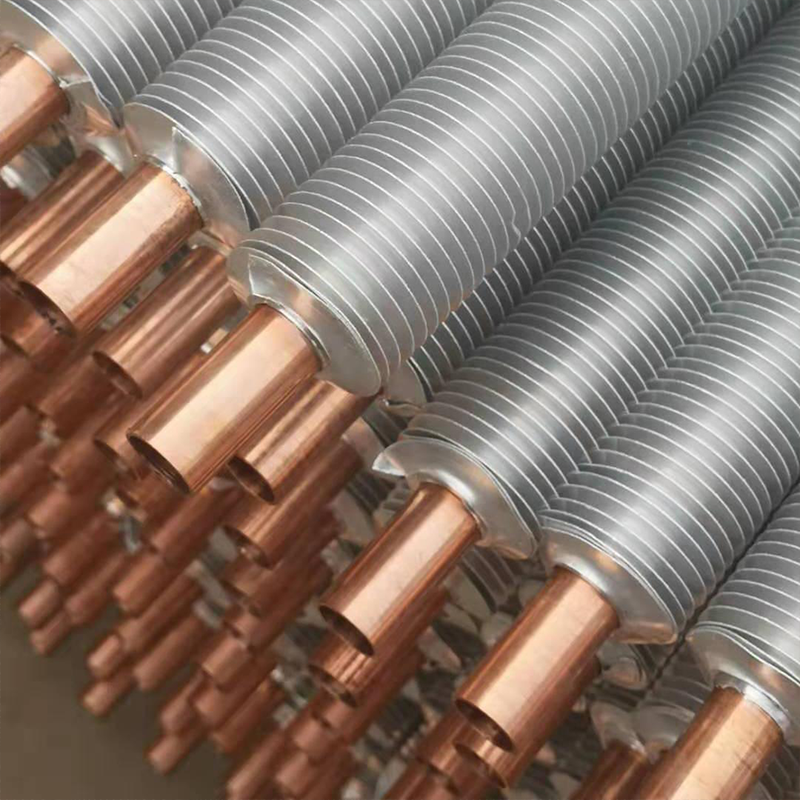
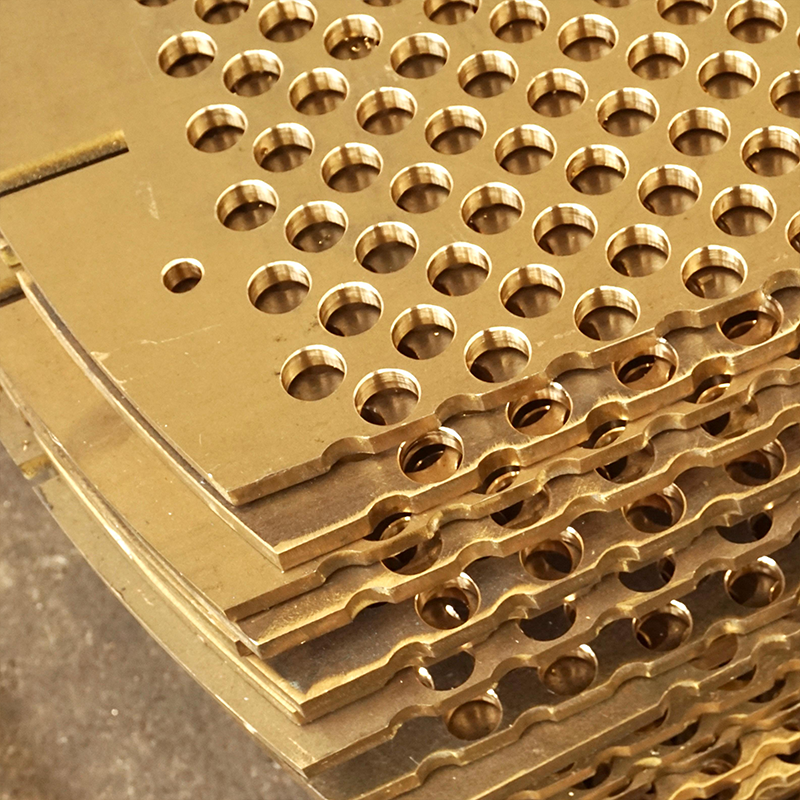
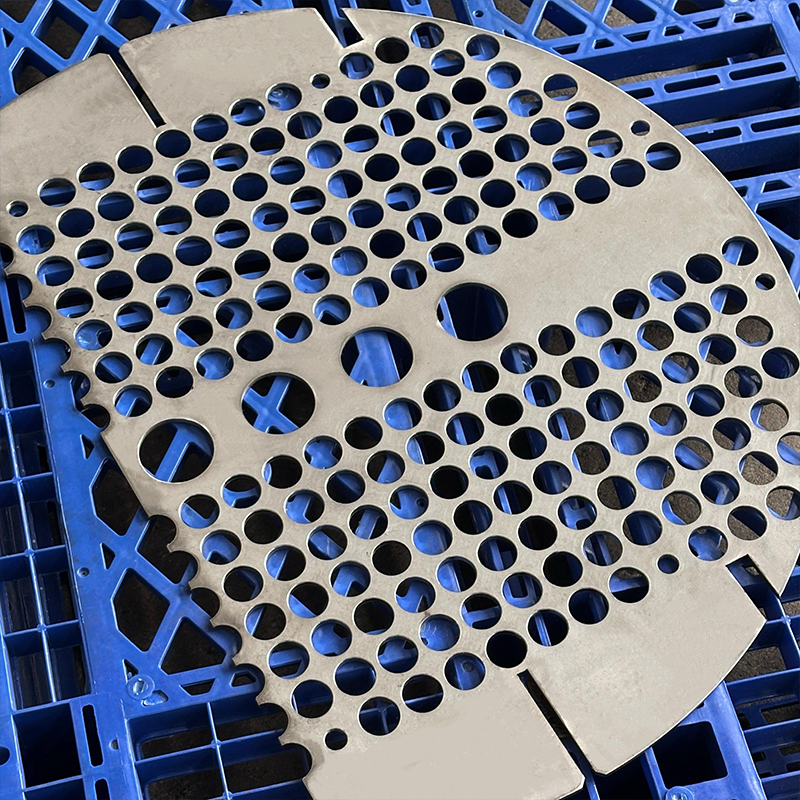
Our products include Titanium Shell and Tube Heat Exchangers, ASME Standard High Pressure Heat Exchangers, 316 Stainless Steel, C46400 Marine Brass, Copper Nickel Alloys and N06625 Nickel Alloys Corrugated Tube Bundles. We also manufacture air coolers, recovery boilers, and various components such as tubesheets made from 321 steel and C70600 alloys. All products are manufactured from carbon steel, stainless steel, alloy steel, titanium, copper and nickel alloys and are certified to PED and ASME standards.
Wuxi Kaisheng equipment features exceptional corrosion resistance, high thermal efficiency and resistance to extreme pressures and temperatures, making it an ideal complement to corrosive media storage and processing systems. We provide customized engineering solutions and reliable equipment to customers around the world, helping to optimize production processes and reduce the risk of accidents.
Conclusion and next steps
Proper care and maintenance of PPH tanks is a set of measures, including regular monitoring, proper cleaning, timely repairs and strict adherence to temperature and chemical conditions. Investments in quality service pay off many times over by extending equipment life, preventing expensive product loss, and ensuring personnel safety. Don't wait for a leak to appear before you take action. Implement a system of scheduled preventive maintenance right now.
If you doubt the condition of your current tanks, need to develop an individual maintenance schedule, or are looking for reliable heat exchange equipment to modernize production, contact the specialists of Wuxi Kaisheng LLC. We conduct an independent examination, carry out complex repairs with a guarantee and supply new equipment that meets the most stringent international standards.Contact us todayto receive advice and calculate the cost of services.
For more detailed information about the characteristics of our tanks, heat exchangers and delivery conditions, visit the sectionproduct catalogon our website. Remember: the reliability of your production begins with the reliability of each piece of equipment.