
Repair of lining of tanks with steel casing”
2026-08-17
- Why repairing steel tank linings is a critical safety issue
- Damage diagnostics: how to determine the real condition of the lining
- Lining repair technology: step-by-step restoration algorithm
- Choice of lining materials: rubber, polymers or composites?
- Common repair mistakes and how to avoid them
- Timing and cost of repairs: what determines the project budget
- Warranty and post-warranty service
- How to choose a reliable contractor for lining repairs
- An integrated approach to equipment protection: the role of specialized manufacturers
- Frequently Asked Questions
Why repairing steel tank linings is a critical safety issue
Repairing the lining of tanks with a steel body becomes necessary when an aggressive environment begins to destroy the protective layer, exposing the metal. In our practice, we have seen cases where ignoring microcracks in the rubber lining led to the complete failure of a 50 m³ tank in just three months of operation. The steel body itself cannot withstand contact with acids, alkalis or abrasive suspensions without reliable insulation. The main goal of restoration is not just to “patch the hole,” but to restore the chemical resistance and tightness of the structure for a period of at least 5–7 years.
The restoration process requires strict adherence to surface preparation and material application technologies. Errors at the metal cleaning stage or temperature violations during vulcanization nullify all efforts. We work with facilities in the oil and gas, chemical and mining industries, where equipment downtime costs millions of rubles per day. Therefore, the approach to repair must be systematic: from diagnostics to final quality control.
Damage diagnostics: how to determine the real condition of the lining
The first stage of any quality repair is accurate diagnosis. Visual inspection provides only 30% of information; the rest is hidden under a layer of dirt or at joints. We use a combination of methods: spark test to identify through defects, ultrasonic thickness gauging to assess the remaining layer thickness and adhesiometry to test adhesion to metal. For example, when examining a sulfuric acid storage tank, we found that 40% of the lining area had reduced adhesion, although it appeared intact.
A common mistake made by customers is an attempt to save money on diagnostics and go straight to repairing visible damage. This leads to the fact that six months after the “repair” new leaks appear in neighboring areas. The actual picture of damage often differs from that expected: corrosion can spread under the lining layer, creating cavities that are not visible to the eye. Only a comprehensive survey allows you to draw up a realistic work plan and avoid repeated downtime.
It is important to document each stage of diagnostics with photographs and drawing up a map of defects. This document becomes the basis for technical specifications and warranty obligations. Without such a map, it is impossible to prove which areas were restored and which were left unattended. In our company, each project begins with a detailed report, which is agreed upon with the customer before starting work.
Lining repair technology: step-by-step restoration algorithm
- Preparing the metal surface.Before applying a new layer of lining, the old material must be completely removed and the steel must be cleaned to Sa 2½ according to ISO 8501-1. We use shot blasting with an abrasive fraction of 0.8–1.2 mm, which provides the required roughness Rz of 60–80 microns. It is important to control the surface humidity - it should not exceed 4%, otherwise adhesion will be impaired. One of our crews once missed this setting while working in high humidity conditions, which resulted in 15% of the new coating peeling off after two weeks.
- Applying a primer layer.Epoxy primer with a thickness of 80–100 microns is applied to the cleaned surface. This layer performs a dual function: it protects the metal from instantaneous corrosion and creates a basis for adhesion to the base lining material. The interlayer curing time is strictly regulated by the material manufacturer - usually 4–6 hours at a temperature of +20°C. Exceeding this time requires re-treatment of the surface.
- Installation of sheet material or application of liquid composition.The choice between sheet rubber and liquid polymers depends on the geometry of the tank and the type of media. For complex components (pipes, bottoms), we prefer liquid polyurethane or epoxy compounds that form a seamless coating. Sheet rubber is used on large flat surfaces where mechanical strength is important. The thickness of the base layer is 3–6 mm, depending on the aggressiveness of the environment.
- Vulcanization or polymerization.For rubber linings, hot vulcanization is required at a temperature of 140–160°C for 2–4 hours. Liquid compositions cure at room temperature, but require control of room humidity and temperature. Violation of the heat treatment regime is the most common cause of premature failure. We use mobile vulcanization chambers directly on site, which eliminates the need to dismantle large units.
- Quality control and testing.The final stage includes a spark test with a voltage of 5-15 kV (depending on thickness), adhesion testing using the peel-off method and visual inspection for the presence of bubbles or unbonded areas. Only after passing all tests is the tank allowed for use. We provide the customer with a test report signed by the responsible engineer.
Choice of lining materials: rubber, polymers or composites?
The lining material determines the service life of the tank and its resistance to a specific environment. The most common options are sheet rubber (based on natural or synthetic rubber), liquid polymers (epoxy, polyurethane, vinyl ester) and composite materials with reinforcement. Each type has its limitations and advantages.
Sheet rubber brand IRP-1378 or its analogues are suitable for working with acids with concentrations up to 60% and temperatures up to +80°C. Its main advantage is high elasticity and resistance to abrasive wear. However, installation requires qualified specialists and special equipment for vulcanization. If the technology of joining sheets is violated, weak zones are formed through which an aggressive environment penetrates.
Liquid polymers form a monolithic coating without seams, which is especially important for containers with complex shapes. Epoxy compounds have excellent adhesion to metal and chemical resistance, but are brittle under impact loads. Polyurethanes are more elastic and resistant to water-abrasive wear, but are sensitive to moisture during application. Vinyl ester resins are the optimal choice for high temperatures (up to +120°C) and oxidizing environments.
Composite materials with the addition of quartz sand or fiberglass are used in areas of high abrasive wear - for example, in the receiving chambers of pumps or on the bottoms of slurry tanks. They increase service life by 2–3 times compared to conventional coatings, but are more expensive and require more complex application technology. The choice of material should be based not on price, but on actual operating conditions.
Common repair mistakes and how to avoid them
One of the most common mistakes is incomplete removal of the old coating. Many contractors try to apply a new coat over partially preserved lining to save time. This leads to delamination and rapid destruction of the new material. We always insist on complete dismantling down to the metal, even if visually the old layer looks intact.
The second mistake is ignoring climatic conditions when carrying out work. Application of materials at temperatures below +10°C or humidity above 80% is unacceptable for most polymer systems. Once we had to redo the entire scope of work at a site in Siberia, because the contractor began installation in November without heating the room. The result is complete peeling of the coating after a month.
The third problem is the lack of control over the thickness of the applied layer. A coating that is too thin will not provide the necessary protection, and a coating that is too thick may crack during thermal cycling. We use magnetic thickness gauges at every stage of application and record the results in a quality log. This ensures that the design matches the actual execution.
The fourth mistake is saving on control tests. Some customers refuse spark testing or adhesion testing, considering it a waste of time. However, it is these tests that reveal hidden defects that will only appear during operation. Without them, it is impossible to give a real guarantee for the work performed.
Timing and cost of repairs: what determines the project budget
The cost of repairing the lining of tanks with a steel body is formed from several components: the amount of preparatory work, the type of materials used, the complexity of the tank geometry and the conditions of the work. The average price per square meter varies from 3,500 to 8,000 rubles, depending on the chosen technology. Sheet rubber is cheaper in materials, but more expensive in installation due to the need for vulcanization. Liquid polymers require less labor, but the materials themselves are more expensive.
The timing of the work depends on the size of the tank and the accessibility of the site. For a 20 m³ tank, the full repair cycle takes 5–7 working days, including preparation, application and quality control. Large objects (50–100 m³) require 10–14 days. It is important to consider the time it takes to deliver materials and organize access to work areas - especially if the tank is located at height or in a confined space.
Additional costs may arise if it is necessary to strengthen the structure, replace corroded sections of the hull, or install additional access hatches. We recommend making a reserve of 10–15% of the estimate for unforeseen work. A transparent estimate detailing all stages helps to avoid conflicts and delays in the project implementation process.
Warranty and post-warranty service
High-quality lining repairs must be accompanied by clear warranty conditions. We provide a warranty for a period of 2 to 5 years, depending on the type of materials used and operating conditions. The warranty covers defects in installation and materials, but does not cover damage caused by improper use or external influences (for example, mechanical shock).
It is important that the contract stipulates the procedures for accepting work and the procedure for eliminating complaints. We conduct a joint inspection of the facility with a representative of the customer before signing the acceptance certificate. All comments are recorded and eliminated before final payment. After completion of the work, we provide the customer with a package of documents: as-built diagram, test reports, material data sheets and operating instructions.
Post-warranty service includes periodic inspections and preventive measures. Once a year it is recommended to carry out visual inspection and spot check of adhesion. This allows you to identify incipient problems before they lead to serious damage. We offer service contracts for regular maintenance that extend the life of the lining by 30-40%.
How to choose a reliable contractor for lining repairs
The choice of contractor is a key factor in the success of the project. Pay attention to the fact that the company has its own fleet of equipment for shot blasting, vulcanization and quality control. Contractors working “on rented equipment” often cannot provide consistent quality of work. Check personnel certifications - liner installers must have the appropriate qualifications and experience working with specific types of materials.
Request a portfolio of completed projects, especially in your industry. Experience with similar media (acids, alkalis, abrasives) is more important than the overall reputation of the company. Find out if the contractor provides a warranty and what conditions it includes. Avoid companies that give an “eternal guarantee” - this is a sign of dishonesty, since any material has a limited resource.
Be sure to visit the contractor's existing facility if possible. Personal observation of the work process will provide more information than any feedback. Pay attention to the organization of the workplace, compliance with safety regulations and production culture. These details speak more about the professionalism of the team than beautiful presentations.
An integrated approach to equipment protection: the role of specialized manufacturers
The efficiency of repairs and the durability of tanks directly depend not only on the quality of the lining, but also on the initial characteristics of the equipment itself. In the context of the oil, gas and chemical industries, where operating conditions are extreme, it is critical to partner with manufacturers that can provide the highest levels of corrosion resistance and structural reliability.
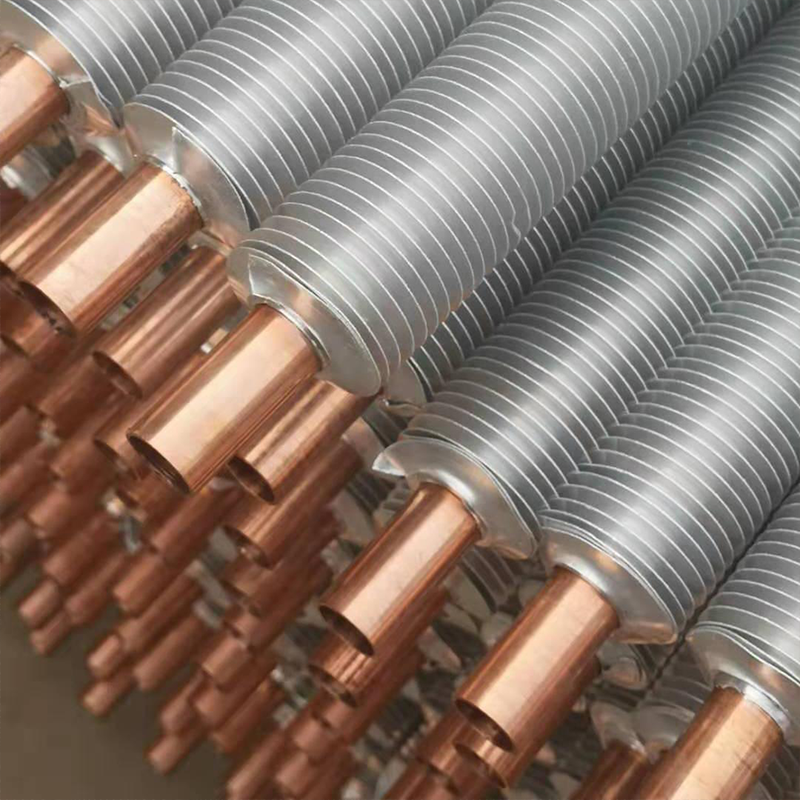
A striking example of such a partner is the companyWuxi Kaisheng Electric Power and Petrochemical Equipment Co., Ltd.. Specializing in the design and production of heat transfer, energy and petrochemical equipment, the company offers solutions that ideally complement internal tank protection systems. Their products, including titanium shell-and-tube heat exchangers, ASME-standard high-pressure units and corrugated tube bundles made from 316 stainless steel, C46400 marine brass or N06625 nickel alloys, demonstrate exceptional resistance to aggressive environments.
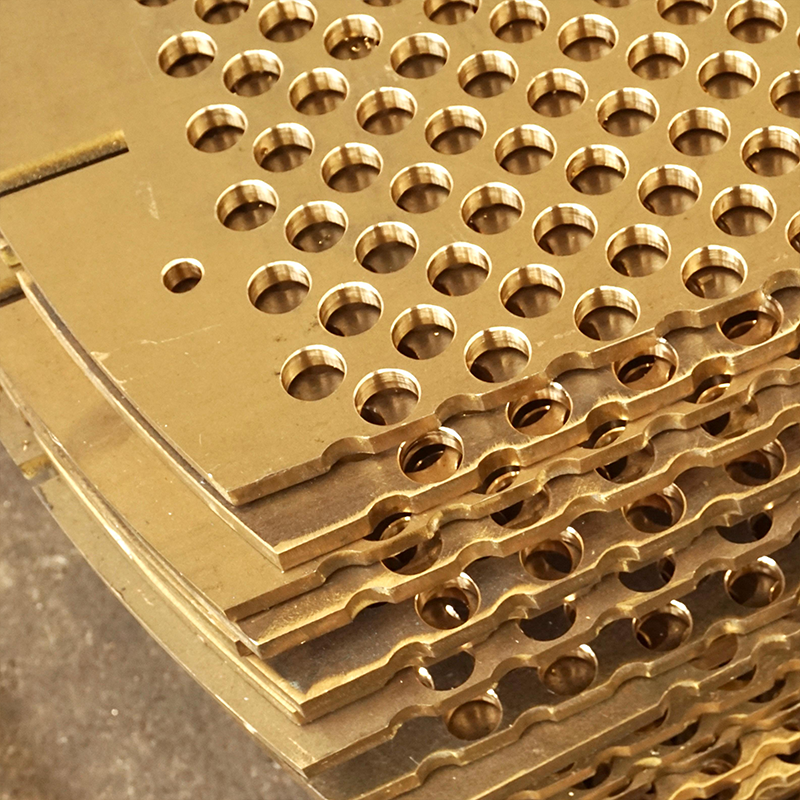
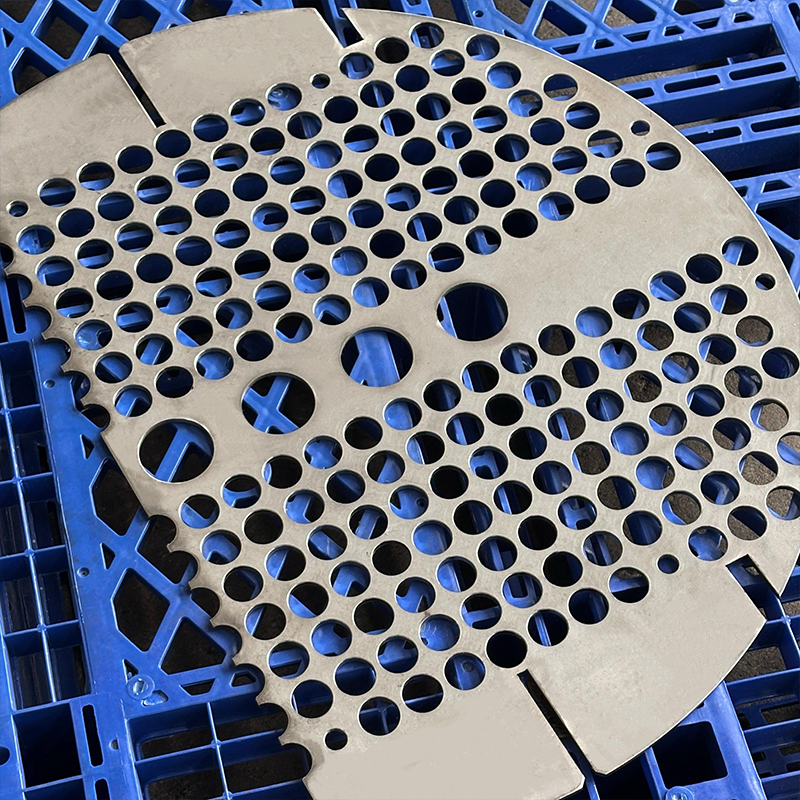
The use of components from Wuxi Kaisheng, such as tube sheets made of 321 steel or C70600 copper-nickel alloys, allows us to minimize the risks of corrosion even at the stage of design and manufacture of containers. The company's PED and ASME certified products are widely used in the petroleum refining, chemical and water desalination industries due to their ability to withstand high pressures and temperatures. Integrating such reliable core equipment with a well-executed lining creates a double barrier of protection, significantly extending the life cycle of assets and reducing the frequency of necessary repairs.
Frequently Asked Questions
What is the minimum service life of a lining after a quality repair?
If all technologies are followed and materials are chosen correctly, the minimum service life is 5 years. In real operating conditions, this figure can reach 7–10 years. Key factors are the suitability of the material for the type of medium, the quality of surface preparation and adherence to application regimes.
Is it possible to repair the lining in winter?
Yes, but only if the work area is heated and humidity is controlled. The air temperature must be at least +10°C, and the metal surface must be at least 3°C above the dew point. We use mobile heat guns and awnings to create the necessary conditions even in winter.
What to do if bubbles appear after repair?
Bubbles indicate a violation of the application technology or the presence of moisture under the coating layer. It is necessary to immediately stop using the tank and call specialists to localize the defect. Opening the bubbles on your own without following the technology will lead to further spread of damage.
Is special training required to service a refurbished tank?
Yes, personnel must know the restrictions on temperature, media concentration and mechanical loads. We provide instructions to operators and provide instructions for operation along with documents for the work performed. Failure to comply with these requirements will void the warranty.
How often should lining diagnostics be carried out?
The recommended frequency is once a year for standard conditions and once every six months for aggressive environments. Diagnostics include visual inspection, spark test and spot adhesion testing. Early detection of defects allows them to be eliminated at minimal cost.
Repairing steel tank tank linings is an investment in the safety and continuity of your operation. Properly performed work eliminates the risks of emergency stops, product contamination and environmental fines. Do not skimp on the quality of materials and the qualifications of the performers - the consequences of cheap repairs always cost more.
If you are experiencing lining damage or are considering preventive restoration, contact us today for a free consultation and project estimate. Our specialists are ready to go to a site in any region of Russia and the CIS countries to carry out diagnostics and draw up technical specifications.Find out more about tank lining repair technology.