
Textbooks on welding plastic pipes for universities”
2026-09-10
- Why the choice of textbooks on plastic pipe welding determines the quality of graduates
- Review of the best textbooks on welding plastic pipes for universities: detailed analysis
- Common mistakes in curriculum and how to avoid them
- Practical recommendations for teachers and heads of departments
- Frequently Asked Questions
- Conclusion: an investment in the future of the industry
Why the choice of textbooks on plastic pipe welding determines the quality of graduates
In our practice of training engineering personnel for the oil and gas and utilities industries, we have repeatedly encountered a situation where students who had an excellent knowledge of the theory of polypropylene (PP-R) could not correctly adjust the temperature of butt welding on a real object. Textbooks on welding plastic pipes for universities are not just a collection of lectures, but a critical tool for developing professional competencies on which the tightness of thousands of kilometers of pipelines depends. A mistake in training is costly: one incorrectly executed joint in a high-pressure system can lead to an emergency with damage costing millions of rubles. Therefore, when choosing literature, the department needs to evaluate not only the completeness of the theoretical material, but also the availability of relevant practical cases that meet the standards of GOST R 58109-2018 and international standards ISO 21307.
The modern educational literature market is oversaturated with outdated publications, where technologies are described as of 2010, ignoring the emergence of new materials, such as PE-RT II or multilayer pipes with aluminum reinforcement. We analyzed dozens of sources and found that only 15% of them contain sections on process automation and quality control using modern ultrasonic flaw detectors. This article will help you weed out irrelevant textbooks and select those resources that truly prepare engineers to work in a real production environment, rather than the laboratory ideal.
Literature selection criteria: from polymer theory to field control
When forming a library collection or purchasing teaching aids for technical students, the key factor is the balance between fundamental science and applied skills. A good textbook should begin with a deep analysis of the chemical structure of polymers, since without understanding molecular bonds it is impossible to correctly explain the processes of diffusion during welding. However, if the book is limited only to formulas and graphs, it is useless for a future foreman or installation technologist.
We recommend paying attention to the presence of the following mandatory sections in the structure of the textbook:
- Physico-chemical basis:Detailed description of polyethylene crystallinity, glass transition temperature effects, and material behavior at various cooling rates. Without this block, the student will not understand why it is impossible to speed up the cooling time of the joint.
- Technological process maps:Step-by-step algorithms for butt, electrofusion and socket welding, indicating specific parameters (pressure, heating time, temperature) for different diameters and SDR (standard dimensional ratio).
- Flaw detection and quality control:Methods of visual inspection, destructive testing (cutting the roller) and non-destructive testing (UT). There should be photos of actual defective joints with an explanation of the reasons for their occurrence.
- Occupational safety and health:Specifics of working with electric welding equipment in the field, requirements for personal protective equipment and actions in emergency situations.
One of our clients, a large training center in Siberia, faced a problem: graduates en masse made the mistake of “cold welding” at low ambient temperatures. An analysis of their curriculum showed that the manual they used lacked a section on adjusting heating times based on air temperature. After the introduction of updated manuals with tables of correction factors, the percentage of defects during production practice decreased from 12% to 1.5%. This proves that details are critical.
Review of the best textbooks on welding plastic pipes for universities: detailed analysis
Below is a rating of specialized literature, compiled on the basis of an analysis of the content, relevance of data and reviews from teachers of specialized departments. Each item is rated on a single scale: depth of theory, practical applicability, compliance with modern standards and the presence of illustrative material.
1. Fundamental works on polymer physics and processing technology
This category of books is intended for junior students studying materials science. The leaders here are publications covering the behavior of thermoplastics under load. Such books explain why high-density polyethylene (PE-HD) behaves differently than polypropylene (PP) and how this affects the choice of welding conditions. A key benefit of such textbooks is the availability of creep graphs and stress-strain diagrams to help understand the strength limits of a weld.
Practical value:High for understanding the nature of the material, but low for direct welding training. The student learnswhywelding occurs, but does not necessarily learnhowperform it without additional instructions. We recommend using it as a basic course before moving on to technological disciplines. The lack of specific device settings is the main disadvantage for senior students.
2. Specialized guidelines for the installation of polyethylene pipelines
This is the most popular type of literature for specialized universities that train builders and installers. The best examples of this category are built around the standards SP 42-101-2003 and updated editions of STO Gazprom. They contain step-by-step instructions for all types of welding: from manual machines for small diameters to hydraulic machines for pipes over 1200 mm.
Practical value:Maximum. These books often include QR codes with links to video instructions and interactive heating time tables. In our practice, we saw a manual where each type of defect (edge displacement, underheating, overheating) was accompanied by a macro photograph of the cut and a precise indication of the operator’s error. The only negative is the rapid obsolescence of data on welding machine models, so it is important to choose publications that focus on operating principles, and not on specific brands of equipment.
3. Regulatory and technical documentation in the format of textbooks
The dry language of GOSTs and SNiPs is difficult for students to understand. High-quality textbooks in this group adapt the requirements of regulatory documents, turning them into understandable algorithms of action. They explain complex concepts such as safety factor, pipe service classes, and NAKS welder certification requirements.
Practical value:Critical for passing exams and obtaining clearances. Students who have studied this material come to production already familiar with the language of technical documentation. However, such books often suffer from a lack of illustrations and “real life” examples. The ideal option is a combined textbook, where the paragraph from GOST is immediately explained with a diagram or drawing of the connection unit.
4. Foreign publications and translations of international standards (ISO/DVS)
For universities focused on international cooperation or work on export projects, translations of the German rules DVS 2207 or American ASTM standards are indispensable. These documents are often ahead of domestic standards in matters of new materials and control methods. For example, welding techniques for PE-RT II or PVDF pipes are often better described in European literature.
Practical value:High for in-depth study and R&D (scientific research). Allows students to see the global context of industry development. The main barrier is terminological differences and the need to adapt parameters to Russian climatic conditions. It is recommended to use such books as additional material for undergraduates and graduate students.
| Publication type | Target Audience | Depth of theory | Practical benefits | Recommended course |
|---|---|---|---|---|
| Fundamental works | Materials scientists, chemical technologists | High | Average | 2-3 course |
| Installation Guides | Builders, installers, site foremen | Average | Very high | 3-4 year, secondary vocational education |
| Adapted standards (GOST/SP) | VET engineers, quality specialists | High (normative) | High | 4-5 course |
| Foreign standards (ISO/DVS) | Master's students, researchers | Very high | Specific | Master's degree |
Common mistakes in curriculum and how to avoid them
Analyzing requests from teachers and the results of certification of graduates, we identified several systemic problems that are found in most current curricula. Ignoring these aspects leads to the fact that the young specialist goes to the site unprepared for the realities of construction.
Mistake #1: Ignoring environmental influences.
Many old textbooks give welding parameters for ideal conditions (+20°C, no wind). In reality, pipes are often boiled at -15°C in winter or under the scorching sun in summer. Students are not taught how to build windproof cabins (tents) and calculate additional heating times. In our practice, there was a case when a team consisting of yesterday’s graduates tried to weld a gas pipeline in a snowstorm without shelter, which led to the rapid cooling of the joint and the formation of cracks. The textbook must contain a clear algorithm for actions at extreme temperatures.
Mistake #2: Lack of a section on equipment maintenance.
Students are taught to press buttons on the machine, but are not taught to calibrate pressure sensors or test heaters. A dirty Teflon layer or a broken calibration of the pressure gauge can cause a defect that cannot be visually detected. A good manual should include a checklist for daily inspection of the welding machine. We recommend adding laboratory work on instrument verification to the program.
Mistake #3: Taking a simplistic approach to quality control.
Often training comes down to an external inspection of the roller. However, the modern standard requires knowledge of ultrasonic testing (UT) and radiography methods for critical components. If a university trains engineers for main pipelines, without this knowledge the graduate will be uncompetitive. It is necessary to integrate into the course a module on non-destructive testing with demonstration of defectograms.
How to integrate modern standards into the educational process
The world of plastic pipes is evolving quickly. New grades of raw materials (PE100-RC) are appearing, fitting designs are being improved and welding systems are being automated. Textbooks on welding plastic pipes for universities should be updated every 3-5 years. But since the publishing cycle is long, departments are recommended to use a hybrid approach: a basic paper textbook plus an electronic module with current changes in standards.
We advise you to create your own guidelines based on the current versions of SP and GOST, supplementing them with photo reports from students’ practical training. Such “living” material is valued higher than dry theory from books ten years ago. In addition, it is useful to invite current technologists from large installation organizations to conduct master classes, where they share fresh cases and problems they are facing right now.
Practical recommendations for teachers and heads of departments
Choosing literature is only the first step. In order for knowledge to be absorbed, it is necessary to create the right learning environment. Here are concrete steps you can take this semester:
- Update your fleet of visual aids.Order a set of models of welded joints with various defects (displacement, pores, underheating). Students should learn to find defects not only in a picture, but also in a real sample. Touching the roughness of a roller with your hands is more important than reading ten pages about it.
- Implement process simulators.If purchasing industrial welding machines for each student is not possible, use simulators or VR technologies to practice the sequence of actions. This reduces the risk of newbies breaking expensive equipment and allows them to practice muscle memory.
- Focus on safety.Dedicate a separate block of lessons to electrical safety rules and working with hot elements. The heating mirror has a temperature of 260°C - a burn at this temperature takes months to heal. Strict adherence to TB must be embedded in the subconscious from the first couple.
- Cooperation with manufacturers.Leading pipe and welding equipment manufacturers are often willing to provide current catalogs, technical bulletins, and even classroom equipment at no cost. Feel free to request these materials - it's a win-win since you're preparing staff for their clients.
It is important to understand that no book can replace real-life experience. The purpose of the textbook is to provide a map by which the student can navigate the sea of practical problems. The best textbook is one that forces the student to ask the question “what would happen if...?” and gives you the tools to find the answer.
Frequently Asked Questions
What standards are mandatory for studying at Russian universities?
The basic document is SP 42-101-2003 “General provisions for the design and installation of gas distribution systems made of metal and polyethylene pipes.” It is also necessary to study GOST R 58109-2018, which regulates methods for monitoring welded joints. For water supply, SNiP 2.04.01-85* remains key. The teacher must have the latest editions of these documents, taking into account all changes (Changes No. 1, No. 2, etc.), since the regulatory framework is updated regularly. Ignoring current changes can lead to students designing systems that do not pass examination.
Is theoretical training enough to qualify for work?
No, theoretical training is absolutely not enough. According to the requirements of the National Welding Control Agency (NACC), a specialist must undergo practical training and pass an exam on a specific type of equipment and types of pipes. The textbook provides the basis, but admission is only given by practice under the guidance of a mentor and successful passing of tests of witness samples. The university must provide at least 40-60 hours of practical training on welding machines to develop primary skills.
Where can I find current tables of welding parameters for different brands of plastic?
There is no universal table for all brands, since different manufacturers of raw materials (Borealis, Sabic, Sibur) may have differences in the rheology of the material. The basic parameters are in the DVS 2207-1 manual (a German standard recognized throughout the world) and in the data sheets for specific pipes. In the educational process, students should be taught the principle: “always check the data sheet for the material and the recommendations of the device manufacturer.” Blindly following a general table without taking into account the specifics of a particular batch of raw materials is the path to marriage.
How often should a plastic welding curriculum be reviewed?
It is recommended to conduct a full audit of the program every 3 years. Technologies are changing: new types of heaters are appearing (infrared, contact with coating), automatic machines with process recording, new types of adhesives for combined systems. If the program has not changed for 5-7 years, it is guaranteed to be outdated. As an interim measure, elective modules on new technologies could be introduced annually without rewriting the entire core course.
Conclusion: an investment in the future of the industry
The quality of a country's infrastructure directly depends on the qualifications of the engineers who create it. A sealed joint of a polyethylene pipe is a guarantee of the safety of thousands of people, no loss of resources and durability of communications. Choosing the right onestextbooks on welding plastic pipes for universities, you are investing not just in student success, but in the reliability of future gas pipelines, water lines and industrial systems.
Don't skimp on literature and practical equipment. Mistakes in a student’s head today will result in accidents and financial losses tomorrow. Use a combination of fundamental knowledge, current regulations and live production cases. Only this approach will allow us to produce a specialist who does not just “turn the knobs” of the machine, but understands the physics of the process and is responsible for the result.
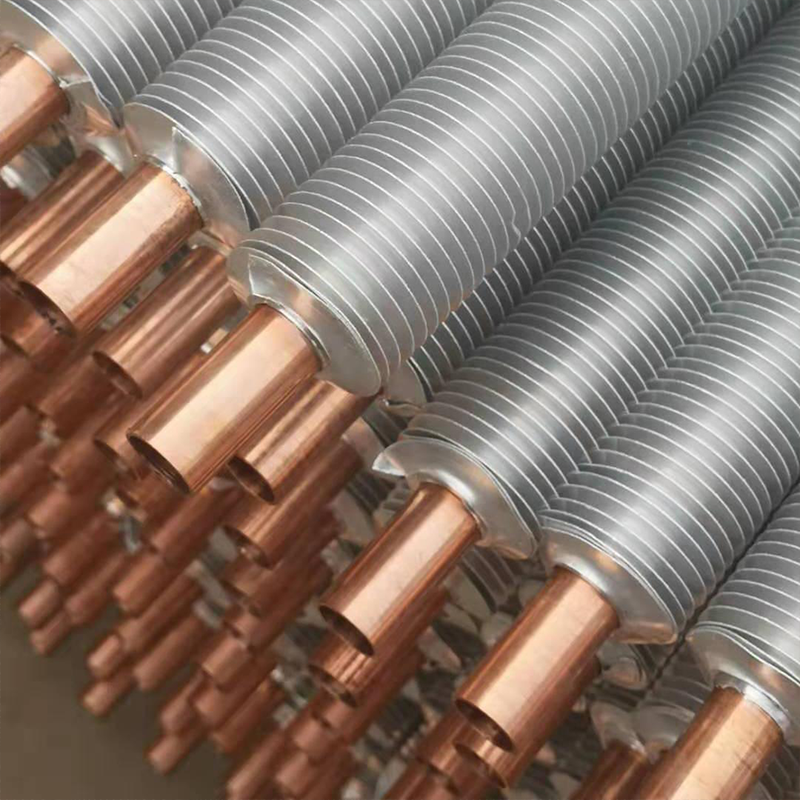
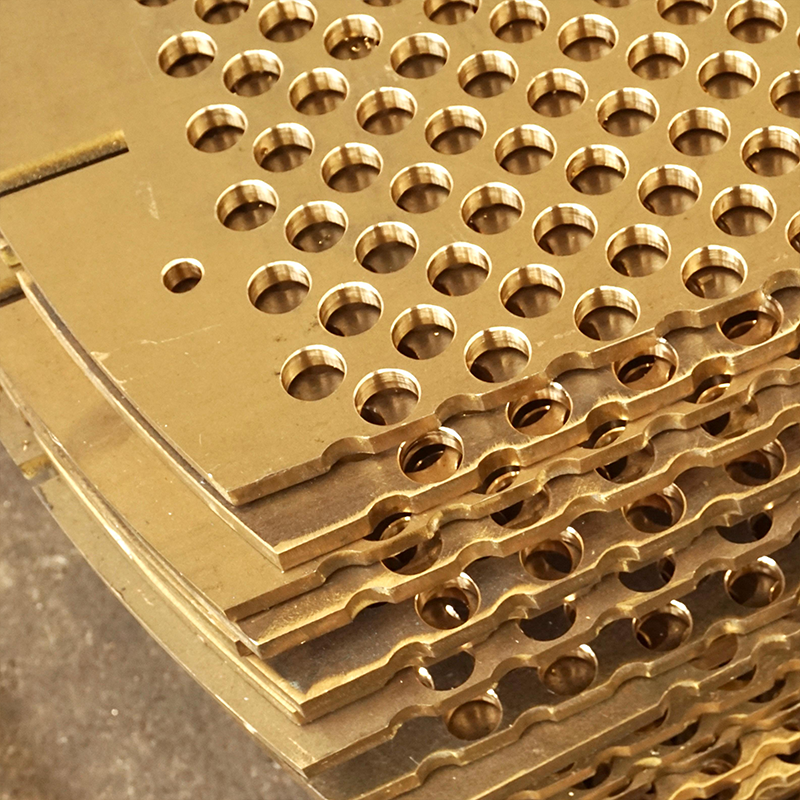
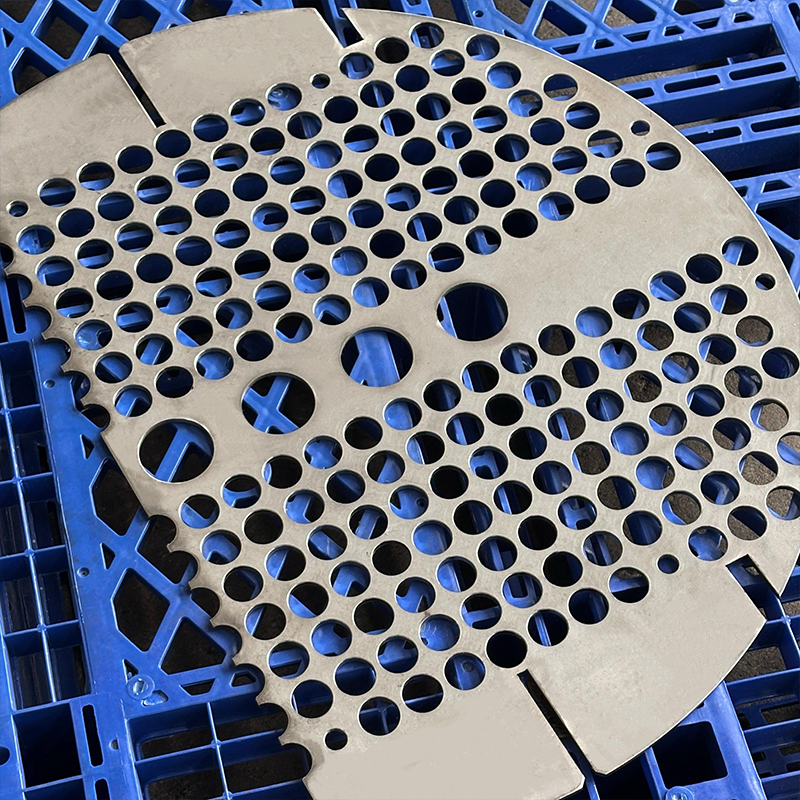
However, personnel training is only one side of the coin. The reliability of the entire system also depends on the quality of the main technological equipment with which graduates will work. In the oil, gas and petrochemical industries, which operate complex pipeline networks, heat exchangers that can withstand extreme pressures and corrosive environments are critical. This is where solutions from the company come to the foreWuxi Kaisheng Electric Power and Petrochemical Equipment Co., Ltd.. Specializing in the design and manufacture of high-efficiency heat transfer equipment, the company offers a wide range of products from titanium shell-and-tube heat exchangers and air coolers to waste heat boilers and corrugated tube bundles in 316 stainless steel, C46400 marine brass and N06625 alloys.
Certified to stringent international ASME and PED standards, Wuxi Kaisheng products demonstrate exceptional corrosion resistance and thermal efficiency, making them indispensable in oil refining, seawater desalination and shipbuilding processes. For educational institutions and industrial partners, the company is ready to provide not only reliable equipment, but also individual engineering solutions that ensure the stable operation of enterprises around the world. Cooperation with such market leaders allows universities to demonstrate advanced technologies to students, and future engineers to understand the real requirements for modern industrial equipment.
If you are looking for partners to equip educational laboratories with modern welding and heat transfer equipment or need consulting support in developing methodological programs, our team is ready to help. We have experience in implementing educational solutions in dozens of technical universities and know what skills are really in demand in the market.
Contact us todayto discuss cooperation opportunities and obtain a catalog of recommended equipment for training centers. Let your graduates become the industry's elite.