
chemical resistance of plastic boxes
2026-07-26
- Chemical resistance of plastic boxes: a direct answer to the main question
- Fundamental mechanisms of polymer degradation in aggressive environments
- Comparative analysis of materials: from budget solutions to the premium segment
- Test Standards and Certification: How to Verify Manufacturers' Claims
- Typical installation and operation errors that reduce service life
- Practical cases: solving problems in various industries
- Комплексный подход к защите оборудования: от полимеров до высоконапорных систем
- Frequently Asked Questions
- Conclusion and recommendations for choosing a supplier
Chemical resistance of plastic boxes: a direct answer to the main question
The chemical resistance of plastic boxes is not an abstract property of the material, but a specific time interval during which the housing maintains tightness and mechanical strength when in contact with an aggressive environment. In our engineering practice, we determine this parameter through the rate of diffusion of reagent molecules into the polymer matrix and the subsequent change in the physical and mechanical characteristics of the wall. If you're looking for a short answer: For most industrial acids and alkalis, standard ABS or polycarbonate boxes will withstand 6 to 18 months of contact without visible change, while specialized PVDF or polypropylene solutions last over 10 years even with constant immersion. However, choosing a material solely based on a compatibility chart is a mistake that cost one of our clients a production line shutdown for three days due to sudden cracking of the housing when exposed to a solvent that was considered “safe” at room temperature.
Actual chemical resistance depends on three hidden factors that are rarely indicated in the datasheet: operating temperature, internal mechanical stress during casting, and vapor concentration in a confined space. We have observed cases where a box that successfully passed the immersion test in 30% sulfuric acid was destroyed within two weeks when exposed to the vapors of the same acid due to the effect of condensation on the internal walls and local increase in concentration. Therefore, when selecting equipment for chemically active zones, it is necessary to take into account not only the liquid phase, but also the gaseous environment, as well as cyclic loads that accelerate the aging process of plastic.
Fundamental mechanisms of polymer degradation in aggressive environments
Understanding exactly how the environment attacks a material allows you to predict the service life of a product more accurately than any marketing guarantee. The chemical resistance of plastic boxes is compromised in two main ways: surface erosion and volumetric swelling. Surface erosion is typical for strong oxidizing agents and concentrated alkalis, which literally “eat” the outer layer of the polymer, reducing wall thickness and reducing toughness. This process is linearly dependent on time and concentration, so it is relatively easy to predict. Volumetric swelling, on the contrary, is an insidious hidden defect: solvent molecules penetrate into the intermolecular space of the plastic, increasing the distance between the polymer chains.
Visually, the box may look perfectly intact, but its geometric dimensions change by 1-3%, which leads to depressurization of seals, jamming of lids and loss of dielectric properties. We have recorded cases where the swelling of polycarbonate under the influence of ketones led to screw connections spontaneously turning out due to changes in the mounting dimensions of the holes. The critical point here is that after removing the aggressive environment and drying, the plastic does not always return to its original dimensions, resulting in the so-called “residual deformation”. This means that even short-term contact with the wrong reagent can permanently damage the equipment.
The third mechanism is stress corrosion, or stress cracking. This is the most dangerous type of destruction, as it occurs suddenly and without preliminary visual signs. If the plastic box is installed askew, is tightened with excessive force, or has internal stresses from poor-quality casting, then even a weak solvent (for example, alcohol or oil) can initiate the growth of microcracks. These cracks propagate at a rate of several millimeters per hour until they reach a critical length, causing brittle failure of the hull. In our laboratory, we reproduced this effect on samples made of ABS plastic: in the presence of internal stress, the sample burst upon contact with a solution, which, in a calm state, did not have any effect on it for a year.
The influence of temperature on the rate of chemical reactions
Temperature is a catalyst for all degradation processes. Van't Hoff's rule states that for every 10°C increase in temperature, the rate of a chemical reaction increases by 2-4 times. This means that a plastic box designed to work with acid at 20°C for 5 years, when used in a workshop with a temperature of 40°C, may lose its resistance after just 6-12 months. Many engineers make the mistake of focusing only on the melting or softening temperature of a material, ignoring the temperature threshold for the onset of active chemical diffusion. For polypropylene, for example, a sharp increase in permeability to organic solvents begins already at 35-40°C, although the melting point is above 160°C.
We recommend that you always include a temperature safety factor. If the specification specifies a maximum ambient temperature of 50°C, choose a material that is officially certified to operate at 70-80°C in that environment. Ignoring this rule led to an incident at one of the oil refineries, where valve control boxes installed next to hot pipelines began to crack en masse during the winter. The reason was not cooling, but the fact that nighttime temperature changes caused condensation of aggressive vapors inside the cases, which evaporated during the day, leaving a concentrated residue that corroded the plastic at an accelerated pace.
Comparative analysis of materials: from budget solutions to the premium segment
The choice of material for a plastic box is always a compromise between cost, mechanical strength and chemical inertness. The market is dominated by four main groups of polymers, each with its own niche application. Failure to understand the differences between them leads to either overpaying for redundant features or premature equipment failure. Below we provide a detailed analysis of the most common materials from the point of view of their real resistance to industrial reagents.
ABS plastic (Acrylonitrile Butadiene Styrene). This is the most common material for general industrial boxes due to its low price and high impact strength. However, its chemical resistance leaves much to be desired. ABS is strictly incompatible with ketones (acetone, methyl ethyl ketone), esters and chlorinated hydrocarbons. Contact with these substances causes immediate dissolution of the surface or deep cracking. ABS withstands weak acids and alkalis satisfactorily, but only at low concentrations and room temperature. We do not recommend using ABS in the chemical industry, laboratories, or areas where solvent spills may occur. Its element is dry production workshops, warehouses and office premises.
Polycarbonate (PC). It has outstanding transparency and high mechanical strength, 2-3 times superior to ABS. The chemical resistance of polycarbonate is higher than that of ABS, especially against alcohols, oils and weak acids. However, it has an Achilles heel - sensitivity to alkalis and ammonia. Even ammonia vapors can cause clouding and the formation of a network of microcracks on the surface of the polycarbonate. It is also susceptible to hydrolysis at high temperatures in a humid environment. In our practice, there was a case when transparent polycarbonate boxes installed in the washing department of a food production facility completely lost their transparency and became brittle within six months due to constant exposure to hot steam and alkaline detergents.
Polypropylene (PP). The gold standard for chemically resistant enclosures. Polypropylene is inert to the vast majority of acids, alkalis, salts and organic solvents at temperatures up to 80-90°C. It does not swell in water or oils, making it ideal for the food industry and water treatment. The main disadvantage of polypropylene is low impact strength at low temperatures and a tendency to aging under the influence of ultraviolet radiation (if stabilizers are not added). Mechanically it is inferior to polycarbonate, so PP boxes often have thicker walls or stiffeners. For aggressive environments, where reliability rather than transparency is important, polypropylene is the best choice in terms of price/quality ratio.
PVDF and PTFE. Premium materials for extreme conditions. PVDF combines high chemical resistance (resistant even to halogens and strong oxidizing agents) with good mechanical properties and resistance to UV radiation. PTFE (Teflon) is chemically inert to almost everything, but due to its high cost and processing complexity, it is rarely used, usually only for specific components or coatings. Boxes made of pure PVDF are 5-8 times more expensive than their polypropylene counterparts, but their use is justified in pharmaceuticals, microelectronics and semiconductor production, where the cost of equipment downtime is many times higher than the cost of the housing.
| Material | Acids (conc.) | Alkalis (conc.) | Org. solvents | Impact strength | Temp. range (°C) | Recommended area |
|---|---|---|---|---|---|---|
| ABS | Weak | Weak | Low (destruction) | High | -20…+80 | Dry workshops, offices |
| Polycarbonate (PC) | Average | Low (cracks) | Medium (oils/alcohols OK) | Very high | -40…+120 | Food industry, general workshops |
| Polypropylene (PP) | High | High | High | Medium (brittle in cold) | -10…+90 | Khimprom, water treatment |
| PVDF | Extreme | Extreme | Extreme | High | -40…+140 | Pharmaceuticals, electroplating |
When choosing a material, always ask the manufacturer for a chemical resistance certificate for the specific brand of plastic used in the production of the box. The fact is that the properties of polypropylene can vary significantly depending on the type of copolymer and the presence of additives. PP homopolymer is more chemically resistant but more brittle, whereas copolymer (block copolymer) has better toughness but may have slightly lower resistance to certain oxidizers. We have encountered a situation where a supplier replaced a brand of plastic with a cheaper one without notifying the customer, which led to the rapid destruction of a batch of boxes in an environment where the previous brand had served for years.
Test Standards and Certification: How to Verify Manufacturers' Claims
The market is filled with claims of “high chemical resistance,” but not all of them are confirmed by independent testing. To separate marketing from reality, it is necessary to rely on international testing standards. The main document regulating methods for determining the resistance of plastics to chemical environments isISO 175:2020 Plastics — Methods of exposure to liquid chemicals. This standard describes procedures for immersing samples in reagents, controlling temperature, and measuring changes in mass, volume, and mechanical properties after exposure.
A similar standard applies in Russia and the EAEU countriesGOST 12020-2016, which is harmonized with international standards. The presence of a test report in accordance with GOST or ISO is a mandatory requirement for the supply of boxes to facilities with high safety requirements. However, it is important to understand that standard tests are performed on flat paddle samples in a laboratory setting. A real box has complex geometry, welds, cable entry points and seals, which are the weak links.
Particular attention should be paid to the lid seal area. Even if the housing itself is made of chemically resistant PVDF, the EPDM rubber gasket can quickly degrade when exposed to oils or ozonated air, and the silicone gasket can be destroyed when exposed to alkalis. In our practice, we conduct additional tests of finished products by placing the assembled box in a chamber with an aggressive atmosphere for 72 hours, simulating real operating conditions. This approach allows you to identify leaks and assembly defects that are not visible when testing individual materials.
Another important aspect is explosion protection (Ex) certification. Chemically resistant boxes are often used in explosive areas (petrochemical industries, paint shops). The housing material must not only resist chemicals, but also have a certain tracking resistance and the ability to dissipate electrostatic charge, so as not to become a source of spark. StandardIECExand EuropeanATEXimpose strict requirements on shell materials. For example, for zone 1 or 21, the carbon content of the carbon black filler of the plastic must be strictly dosed to ensure electrical conductivity, but not reduce mechanical strength. Regular black polypropylene may not pass these tests, requiring the use of special antistatic compounds.
Typical installation and operation errors that reduce service life
Even the highest quality box made from chemically resistant material can be damaged by improper installation or maintenance. Statistics from our service visits show that up to 40% of failures are not due to material degradation, but to the human factor. Let's look at the most critical mistakes that installers and operating personnel make.
Re-upholstering of fasteners.This is the most common cause of microcracks around mounting holes. Plastic, unlike metal, is susceptible to creep. If the bolts are tightened excessively, the material begins to flow slowly, the stress in the hole area increases, and at the slightest chemical influence or vibration, a chip or fracture occurs. We recommend using a torque wrench and strictly following the tightening torques specified by the manufacturer. For polypropylene, these values usually do not exceed 1.5-2.5 N m, depending on the thread diameter.
Using unsuitable sealants.When entering cables, silicone sealants are often used. However, ordinary acidic silicone (with the smell of vinegar) can release acetic acid during the polymerization process, which, in a closed box, will create an aggressive environment for electronic components and even for the case itself if it is sensitive to acids. Additionally, some polyurethane based sealants may not adhere to polypropylene or PVDF without a special primer, resulting in peeling and loss of IP66/IP67 seal. Always check sealant compatibility with housing material before application.
Incorrect cleaning.Personnel often use the same solvents that are present in the technological process (acetone, solvent) to clean contaminated boxes, not realizing that even short-term wiping can damage the surface. To clean chemically resistant boxes, use aqueous solutions of neutral detergents or special wipes recommended by the manufacturer. Abrasive sponges are also prohibited, as they create micro-scratches in which dirt and chemicals accumulate, triggering local corrosion processes.
Ignoring drainage.In conditions of high humidity or possible leaks, condensation may accumulate inside the box. If the design does not provide drainage elements or they are clogged, water mixes with chemical dust, forming an electrolyte or aggressive solution that is constantly in contact with the bottom of the case and terminals. Regular inspection and purging of boxes with compressed air should be included in the preventive maintenance schedule.
Practical cases: solving problems in various industries
Theory is important, but actual implementation experience provides the best understanding of chemical resistance requirements. Below are two specific examples from our practice, illustrating the approach to the selection and operation of plastic boxes in difficult conditions.
Case 1: Electroplating production (Chromic anhydride and Sulfuric acid).
Task: To protect automatic control cabinets for galvanic lines in the chrome plating shop.
Problem: Previously used powder coated metal cabinets corroded within 6-8 months. Chromic anhydride vapor penetrated through the smallest defects in the coating, causing pitting and short circuits. The first attempts to replace them with ABS boxes failed - the material became brittle and turned yellow within 3 months.
Solution: After analyzing the chemical composition of the atmosphere (high concentration of oxidizing agents, temperature up to 45°C, humidity 90%), we proposed boxes made of modified polypropylene (PP-H) with a wall thickness of 4 mm. Особое внимание уделили уплотнению: вместо стандартной резины использовали уплотнительный шнур из вспененного ПВХ, устойчивого к кислотам. Кабельные вводы были выполнены из латуни с никелевым покрытием и двойным уплотнением.
Результат: Оборудование эксплуатируется уже более 4 лет без замены корпусов. Визуальный осмотр показал лишь незначительное изменение оттенка пластика, механическая целостность и герметичность полностью сохранены. Экономия на замене шкафов и простоях линии составила более 15 000 евро за период эксплуатации.
Кейс 2: Фармацевтическое производство (Спирты, Кетоны, Щелочные моющие средства).
Задача: Установка постов управления в зоне мойки оборудования (CIP-мойка).
Проблема: Ежедневная мойка горячей водой (85°C) с добавлением каустической соды и последующая дезинфекция изопропиловым спиртом приводила к быстрому помутнению и растрескиванию поликарбонатных боксов. Прозрачность была критична для визуального контроля индикаторов.
Решение: Мы внедрили боксы из ПВДФ (PVDF). Этот материал обеспечивает полную прозрачность (в полупрозрачном исполнении) и выдерживает циклические термические удары от 20 до 90°C. Химическая стойкость ПВДФ к щелочам и спиртам является эталонной. Конструкция бокса была выполнена с минимальным количеством внешних крепежей, чтобы исключить зоны застоя грязи.
Результат: Спустя 2 года интенсивной эксплуатации (по 2 цикла мойки в сутки) боксы сохранили первоначальную прозрачность и гладкость поверхности. Ни одного случая нарушения герметичности или отказа электроники не зафиксировано. Инвестиции в более дорогой материал окупились за счет отсутствия необходим ости в частой замене и снижения риска контаминации продукции частицами разрушенного пластика.
Комплексный подход к защите оборудования: от полимеров до высоконапорных систем
Хотя правильный выбор полимерного корпуса критически важен для защиты электроники, полная устойчивость технологической линии зависит от надежности всех компонентов системы, включая теплообменное оборудование и элементы, работающие под высоким давлением. Именно здесь необходим партнер с глубокой экспертизой в материаловедении и производстве сложного промышленного оборудования.
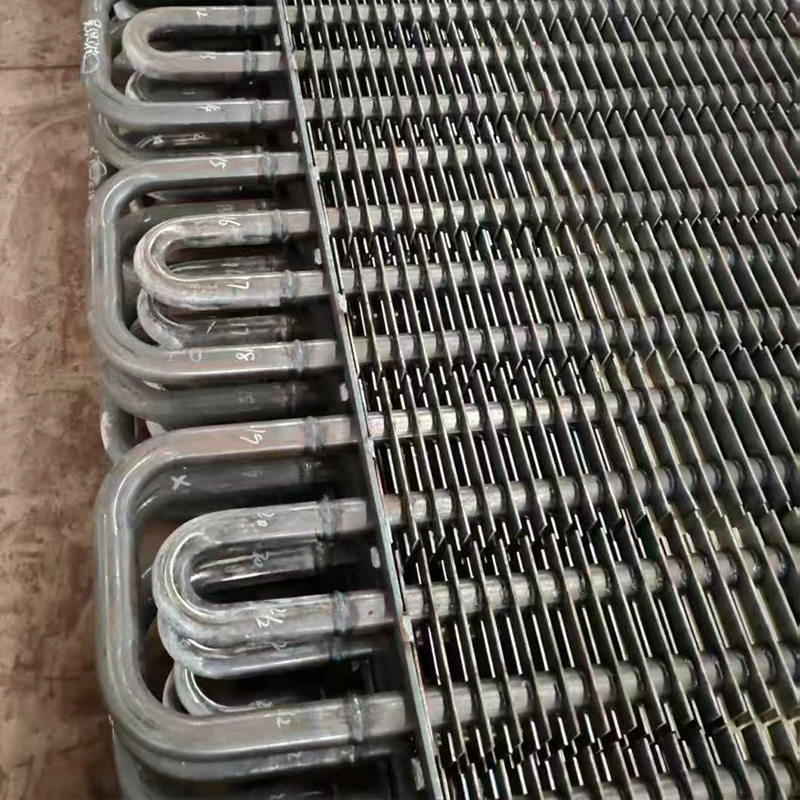
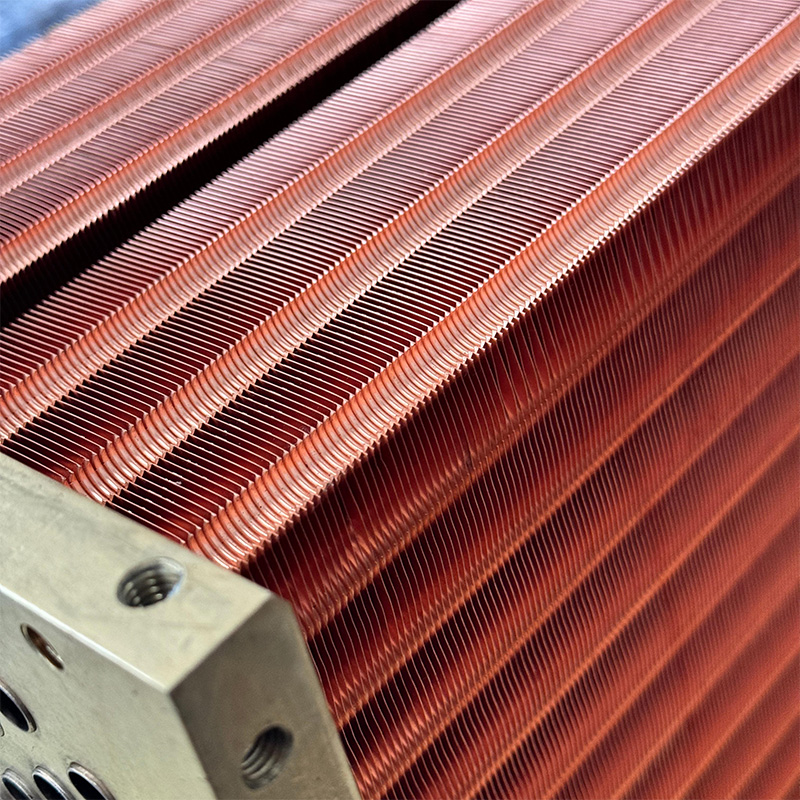
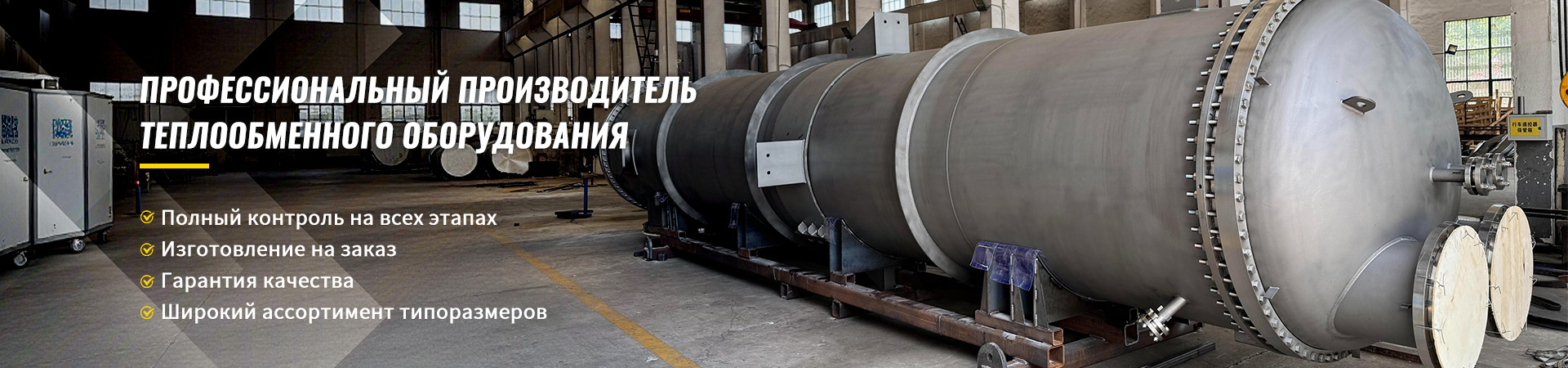
ООО «Уси Кайшэн Электроэнергетическое и Нефтехимическое Оборудование» специализируется на разработке и производстве решений для самых агрессивных сред, дополняя защиту пластиковых боксов надежными металлическими системами. Наша компания производит титановые кожухотрубные теплообменники, высоконапорные теплообменники по стандарту ASME, а также гофрированные трубные пучки из нержавеющей стали 316, морской латуни C46400, медно-никелевых сплавов и никелевых сплавов N06625. Мы также поставляем воздушные охладители, котлы-утилизаторы и трубные решетки из материалов, сертифицированных по стандартам PED и ASME.
Наш опыт работы в нефтепереработке, нефтехимии, опреснении морской воды и судостроении позволяет нам предлагать комплексные решения, где химическая стойкость пластиковых боксов сочетается с коррозионной устойчивостью и теплоэффективностью металлических узлов. Продукция «Уси Кайшэн», изготовленная из углеродистой, нержавеющей, легированной стали, титана и специальных сплавов, способна выдерживать экстремальные давления и температуры, обеспечивая стабильную работу предприятий по всему миру. Мы предоставляем индивидуальные решения, гарантируя, что каждый компонент вашей системы — от электрического шкафа до теплообменника — будет соответствовать самым строгим требованиям безопасности и долговечности.
Frequently Asked Questions
Как определить, какой пластик подойдет для моей конкретной химической среды?
Не полагайтесь на общие таблицы из интернета. Запросите у поставщика химического реагента паспорт безопасности (SDS), где указаны точные концентрации и условия работы. Затем обратитесь к производителю боксов с запросом на предоставление отчета о химической стойкости именно для этой комбинации “материал + реагент + температура”. Если данных нет, закажите тестовый образец и проведите натурные испытания в течение 7-14 дней в реальных условиях, контролируя изменение веса и гибкости образца. Это единственный способ получить гарантированный результат.
Можно ли ремонтировать треснувший химически стойкий бокс?
В большинстве случаев — нет, особенно если речь идет о боксах, работающих под давлением или во взрывоопасных зонах. Сварка полипропилена или ПВДФ возможна, но зона шва никогда не восстановит 100% химической стойкости основного материала из-за изменения структуры полимера при нагреве. Трещина свидетельствует о том, что материал уже деградировал на молекулярном уровне, и разрушение продолжится рядом со швом. Единственное безопасное решение — полная замена корпуса. Попытка склеить бокс химически активным клеем почти гарантированно приведет к повторной аварии.
Влияет ли цвет пластика на его химическую стойкость?
Сам по себе пигмент слабо влияет на устойчивость к кислотам и щелочам, но может критически изменить устойчивость к УФ-излучению. Черный пластик с добавлением сажи (carbon black) обладает наилучшей защитой от солнечного света, предотвращая фотоокислительную деградацию, которая делает пластик хрупким. Белый или натуральный пластик без УФ-стабилизаторов на открытом воздухе начнет разрушаться в 3-5 раз быстрее. Однако для внутренней химической стойкости цвет вторичен, важнее тип базового полимера и наличие антиоксидантов.
Conclusion and recommendations for choosing a supplier
Химическая стойкость пластиковых боксов — это комплексный параметр, зависящий от правильного выбора материала, учета температурных режимов, качества изготовления и грамотной эксплуатации. Ошибка на любом из этих этапов может привести к серьезным финансовым потерям и рискам для безопасности персонала. Не экономьте на корпусе, выбирая дешевый АБС там, где требуется полипропилен. Стоимость качественного бокса ничтожна по сравнению со стоимостью простоя технологической линии или ликвидации последствий аварии.
При заказе оборудования требуйте предоставления сертификатов соответствия (ГОСТ, ISO, ATEX/IECEx при необходимости) и протоколов химических испытаний. Убедитесь, что производитель использует первичное сырье, а не рециклат, свойства которого непредсказуемы в агрессивных средах. Наша компания готова предложить консультационную поддержку в подборе оптимального решения для ваших специфических задач, основываясь на 15-летнем опыте работы в промышленном секторе и сотрудничестве с ведущими производителями, такими как ООО «Уси Кайшэн», для обеспечения полной защиты вашего производства.
Если вы столкнулись с проблемой быстрого выхода из строя электрошкафов или планируете модернизацию производства в агрессивной среде, не откладывайте решение вопроса. Правильно подобранный пластиковый бокс прослужит десятилетия, обеспечивая надежную защиту вашего оборудования.Contact us todayдля получения технической консультации и расчета стоимости индивидуального проекта. Мы поможем вам выбрать решение, которое выдержит самые суровые испытания.
Для дальнейшего изучения темы рекомендуем ознакомиться с нашим подробным руководством повыбору полипропиленовых корпусови статьей оособенностях взрывозащищенных исполнений.