
built-in solutions for residential complexes
2026-07-26
- Why standard electrical panels are not suitable for modern residential complexes
- Technical requirements and regulatory framework for embedded equipment
- Design Features: Metal vs. Plastic in Operational Conditions
- Application scenarios: from input distribution devices to apartment switchboards
- Typical installation mistakes and how to avoid them
- Business Case: Why Cheap Solutions Cost More
- Supplier selection process and logistics for large projects
- Будущее встраиваемых систем: интеграция и умные технологии
- Frequently Asked Questions
- Conclusion and next steps
Why standard electrical panels are not suitable for modern residential complexes
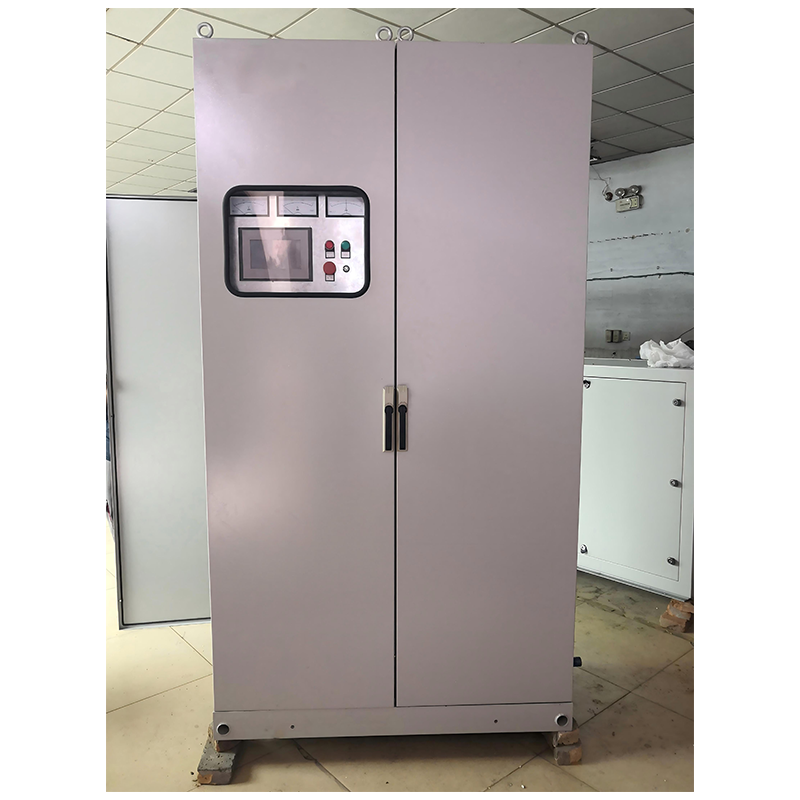
Built-in solutions for residential complexes are not just a way to save space in the hallway, but a critical element of the safety and longevity of the building. In our practice, we have repeatedly encountered situations where developers chose wall cabinets because of their low initial cost, only to receive hundreds of complaints from residents two years later about damaged doors and unauthorized access to the equipment. The depth of the niche, the wall material and the IP protection class become decisive factors that are ignored by 80% of projects at the design stage. If you plan to commission the facility in 2026, a mistake in choosing the type of installation will now cost you three times more in operation.
Modern requirements for residential real estate in Russia and the CIS countries dictate strict conditions. Residents want to see clean wall lines, no protruding structures and maximum protection from vandalism. An ordinary metal box screwed to the wall with dowels no longer corresponds to the concept of “comfort class” or “business class”. Utilities must be hidden but remain accessible to emergency services. This is where specialized embedded systems come to the fore, designed to withstand the loads typical of high-rise apartment buildings.
Technical requirements and regulatory framework for embedded equipment
Any solution integrated into building structures must strictly comply with government standards. In Russia, the main document is GOST R 51321.1 (analogous to international IEC 61439-1), which regulates low-voltage switchgear and control devices. For built-in switchboards, a critical parameter is not only the electrical strength of the insulation, but also the mechanical resistance of the housing to external influences during construction and operation.
The IP protection class (Ingress Protection) for equipment installed in niches of entrances or technical rooms should not be lower than IP31, and for wet areas (basements, parking lots) - strictly IP54 and higher. We have seen cases where dust from construction work has penetrated into cheap IP20 plastic housings, causing short circuits on the contact groups even before the house was put into operation. This led to a complete replacement of the batch of panels at the expense of the supplier, which amounted to losses of more than 15% of the project estimate.
The fire resistance of housing materials is another area where compromises are not acceptable. According to fire safety requirements, materials used in escape routes and places where electrical equipment is installed must have a certificate of compliance with the requirements of the technical regulations on fire safety requirements (FZ-123). Metal built-in cabinets with a wall thickness of 1.2 mm or more provide the necessary barrier to the spread of fire, while thin sheet metal or low-quality plastic can become a source of toxic smoke if the wiring catches fire.
The overall dimensions of the niche are also regulated by ergonomic standards. Access to controls (circuit breakers, metering devices) must be provided without removing the protective panel, if this is not provided for by the design, and the opening angle of the door of the built-in switchboard must be at least 120 degrees for ease of maintenance in cramped corridor conditions. Ignoring these parameters leads to the fact that utility electricians are physically unable to properly wire contacts or replace a module, increasing emergency downtime.
Recommendation:Before approving design documentation, request GOST certificates of compliance and fire resistance test reports from the manufacturer. Do not accept supplier declarations without the seal of an accredited laboratory.
Design Features: Metal vs. Plastic in Operational Conditions
The choice of housing material for a built-in solution determines its service life in the aggressive environment of a residential complex. Plastic boxes are popular due to their ease of installation and lack of corrosion, but they have a fundamental drawback - low impact resistance. In entrance halls, especially in economy-class houses or where access control is weakened, plastic doors often become victims of vandalism. One hit with a heavy object can shatter polycarbonate or ABS plastic, leaving live parts exposed.
Metal built-in cabinets, made of cold-rolled steel with powder coating, do not have this drawback. The metal thickness of 1.0–1.5 mm provides protection from mechanical damage, which is inevitable when residents transport furniture or children play in the hall. However, the metal requires high-quality anti-corrosion treatment. We analyzed samples of panels dismantled after 5 years of operation in new buildings with high humidity levels (ground floor, close to ventilation shafts). The cheap paint blistered and the metal began to rust from the inside, making dismantling the door impossible without a grinder.
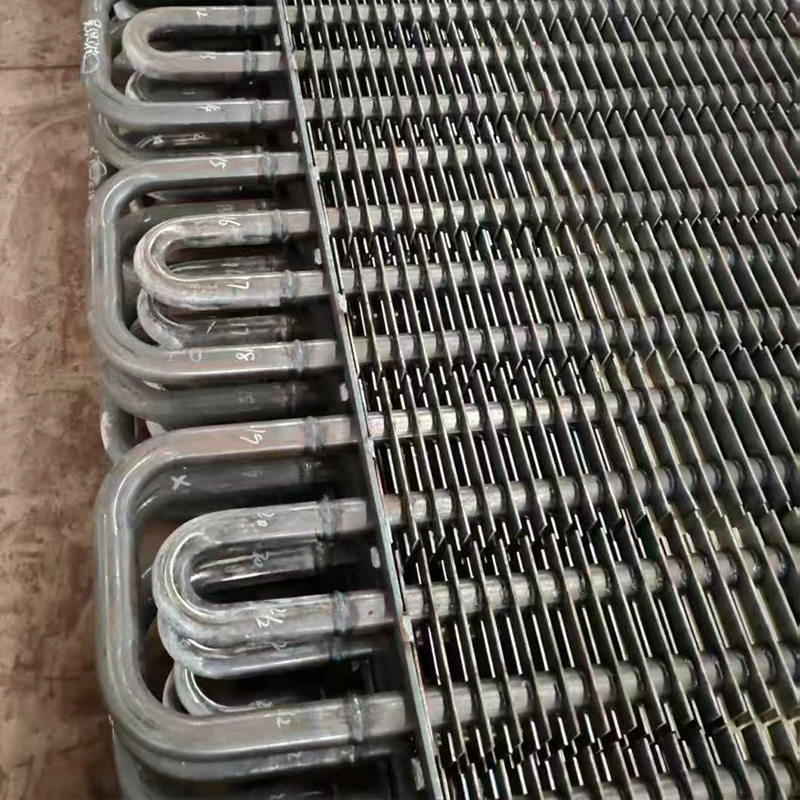
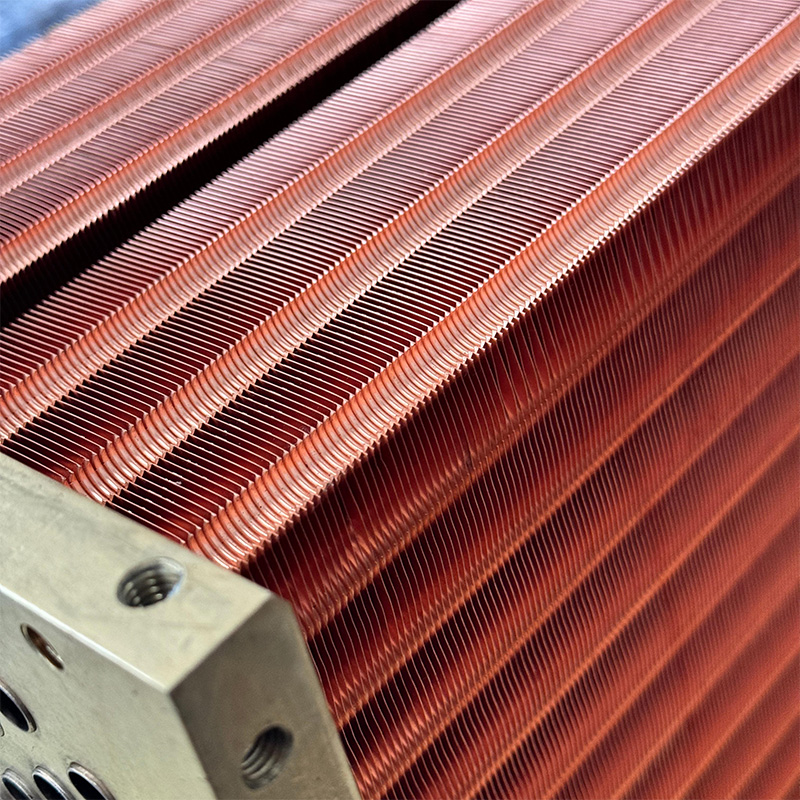
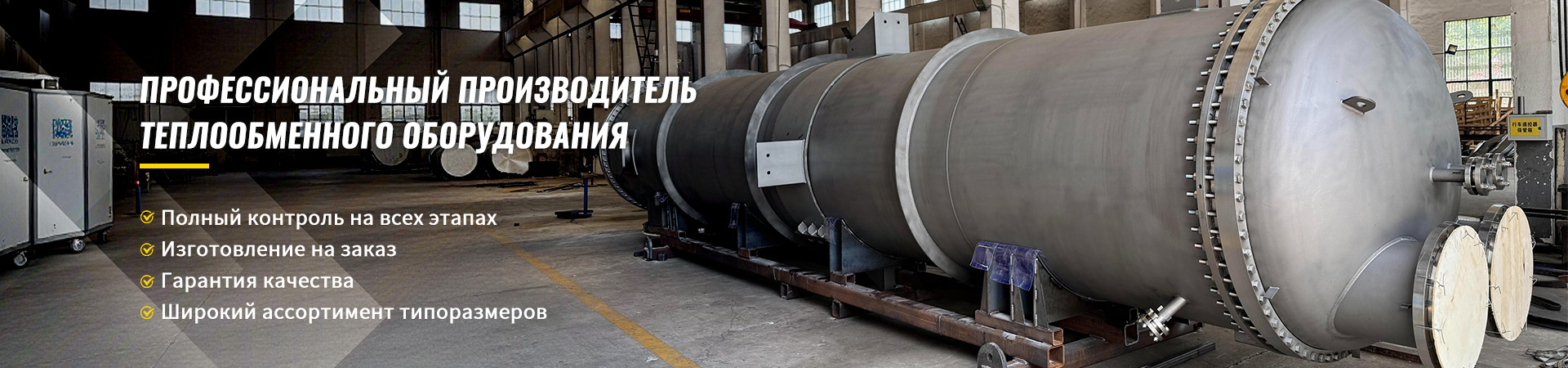
The experience of manufacturers working with complex alloys in extreme conditions is important here. For example, a companyWuxi Kaisheng LLC, specializing in the production of high-tech equipment for the oil and gas and energy industries, uses advanced metal processing technologies. Their expertise in working with stainless steel, titanium and copper-nickel alloys certified to international ASME and PED standards demonstrates how critical proper corrosion protection and material selection are. Although their main products are heat exchangers and waste heat boilers for the chemical industry and shipbuilding, the principles of manufacturing alloy steel housings with high pressure and temperature resistance are directly applicable to creating durable electrical panel solutions. The use of similar industrial quality standards ensures that the metal frame of the switchboard does not become a weak link even after decades of use.
An important aspect is the chassis grounding system. Metal built-in solutions must have a separate PE busbar to which the door and cabinet body are securely connected. This protects personnel and residents from electric shock in the event of a breakdown of the insulation on the housing. In plastic models, this issue is resolved differently, but requires careful checking of the integrity of the grounding conductors inside the box itself.
It is also worth paying attention to the locking system. For residential complexes, the optimal solution is to use universal keys of the “square” or triangle type for general access of service personnel, or locks with individual keys for each apartment in the case of apartment panels. Locking mechanisms must withstand at least 10,000 opening and closing cycles. Cheap Chinese analogues often break after 500 cycles, leaving the door warped and unlocked.
Action:When ordering a batch of shields, request a sample for crash testing. Hit the closed door with a hammer with moderate force - the high-quality metal will only be dented and the plastic will crack.
Application scenarios: from input distribution devices to apartment switchboards
Embedded solutions for residential complexes cover a wide range of tasks, from main lines to end consumers. Understanding the specifics of each node allows you to avoid budget overruns and ensure system reliability.
Input distribution devices (IDU) in technical rooms
ASUs are the heart of the home's electrical supply. They are usually located in separate electrical rooms on the ground floor or in the basement. Here space is limited and equipment density is maximum. Built-in cabinets of the VRU series allow you to effectively use the volume of the room by installing them in specially prepared niches in the walls.
The key problem of such units is heat generation. The total load from hundreds of apartments creates significant heating of the busbars and contacts. The built-in closet must have a well-thought-out ventilation system. We encountered a case when sealed built-in cabinets without perforation were installed in the Severny residential complex (name changed) in a room without air conditioning. In summer, the temperature inside reached 65°C, which led to false activation of the thermal releases of the circuit breakers and blackouts in the entire entrance. The solution required cutting additional ventilation holes and installing forced exhaust, which increased the cost of the upgrade by 40%.
For such solutions, scalability is critical. The design should allow the installation of additional modules (for example, heat meters or dispatch systems) without replacing the entire housing. The standard niche height should be a multiple of the DIN rail modules with a margin of at least 20% for future expansion.
Apartment metering and distribution boards
This is the most popular segment. The panels are installed in niches directly at the entrance to the apartment or in common floor halls. Here aesthetics and anti-vandalism come to the fore. The door of such a shield is in the line of sight and access of residents and guests.
The current trend is the use of built-in panels with decorative panels, which can be covered with wallpaper or painted in the color of the walls, making them completely invisible. However, this design complicates access for emergency services. Our solution involves the use of hidden hinges and magnetic latches that are opened with a special electrician's tool, but look like part of the interior.
An important nuance is the separation of chains. Inside the apartment switchboard, the power part (lighting circuit breakers, sockets, air conditioning) and the low-current part (Internet, TV, intercom) must be clearly separated. Built-in housings with two independent sections prevent interference and simplify installation for low-voltage users who do not need to go under 220V voltage. The absence of such a partition is a common mistake in budget projects, leading to interference in the operation of digital television.
Automation and dispatch panels (ADM)
Modern residential complexes cannot be imagined without a Smart Home system or automated engineering control. Built-in cabinets for lighting controllers, pump groups and ventilation require special conditions. Electromagnetic interference (EMI) protection is important here.
Housings for ADM must be shielded. We measured the interference level in a standard metal cabinet and in a cabinet with an additional copper shield. The difference in the signal quality of the pressure sensors in the water supply system was 15%, which directly affected the stability of the pumps. For residential embedded solutions, this means fewer false alarms and longer life for sensitive electronics.
Tip:For door-to-door panels, choose models with removable frames. This will allow residents to independently update the door design during cosmetic repairs without changing the entire panel.
Typical installation mistakes and how to avoid them
Even the highest quality built-in solution can fail if the installation is carried out incorrectly. Service call statistics show that 60% of problems are not related to equipment, but to the human factor during installation.
Mistake #1: Improper preparation of the niche.
Builders often make a niche “butt up” to the dimensions of the shield. This is a fatal mistake. To insert the cable from below and above, as well as to use a screwdriver when attaching the case, a technological gap of at least 5-7 cm is required on each side. In addition, the wall around the niche must be leveled with plaster before installing the shield. If you install a shield in “bare” brick or concrete and then plaster around it, the solution will inevitably get inside the lock mechanism and onto the terminals, causing corrosion and jamming.
Mistake #2: Ignoring the weight of the structure.
A fully equipped built-in panel for 48 modules with metering devices and automatic machines can weigh more than 25 kg. Fastening only to gypsum dowels in a tongue-and-groove partition is unacceptable. It is necessary to use through studs or special embedded elements provided at the stage of wall construction. We recorded a case of a niche collapse in a P-44T series house, where a heavy shield tore out a piece of a plaster wall along with reinforcement, damaging a heating pipe running nearby. Damage from flooding of the three lower floors exceeded the cost of the shield itself by 100 times.
Mistake #3: Lack of markings and diagrams.
Built-in panels are often covered with decorative panels. If there is no clear connection diagram and marking of each machine inside, troubleshooting turns into a quest. The electrician is forced to open the panel and waste time checking the lines while people are waiting in the apartment without power. Each recessed solution must be supplied with labeling stickers and space for placing a one-line diagram on the inside of the door.
Error No. 4: Violation of temperature conditions during installation.
Installation of built-in panels in unheated rooms in winter requires caution. Plastic elements become brittle at temperatures below -5°C. Trying to snap a plastic frame into place in the cold is guaranteed to result in microcracks that will expand in the summer. Metal cases with a sharp temperature change can become covered with condensation immediately after being brought into a warm room, which will cause oxidation of the contacts if they are not allowed to warm up in the packaging for 24 hours.
Checkpoint:Before accepting work, be sure to check that all doors move easily and that there is free space for cable entry. If the cable enters with tension, the work cannot be accepted.
Business Case: Why Cheap Solutions Cost More
When procuring equipment for large residential complexes, buyers often focus on unit price. However, for embedded solutions, the concept of TCO (Total Cost of Ownership) plays a much larger role. Let's look at real numbers using the example of a residential complex with 500 apartments.
Option A: Budget plastic boxes costing 1,500 rubles apiece.
Option B: High-quality metal built-in cabinets costing 4,500 rubles apiece.
At the procurement stage, the difference is 1.5 million rubles in favor of Option A. But let's look further. The service life of budget plastic in entrance conditions is on average 3-4 years before chips, cracks and locks break. Replacing 500 doors or entire boxes in 4 years will require not only new costs for materials (which will increase taking into account inflation), but also wages for electricians, coordination of work with residents, and restoration of the finishing of the walls around the panels. The cost of one call to a technician to replace the box is estimated to be at least 1,000 rubles. Total: 500 * 1000 = 500,000 rubles only for work, plus new materials at current prices (let’s say, already 2,000 rubles) = 1,000,000 rubles. Total costs for 5 years: 1.5 million (initial purchase) + 1.5 million (repairs) = 3 million rubles.
For Option B, metal cabinets last 15-20 years without loss of functionality. During the same period of 5 years, no replacements are required. Costs are limited to the initial purchase: 500 * 4500 = 2.25 million rubles. Savings over a five-year cycle amount to 750,000 rubles, not counting the nerves of the management company and complaints from residents.
In addition, high-quality embedded solutions increase the liquidity of real estate. Potential apartment buyers pay attention to details. Neat, reliable shields at the entrance create a feeling of order and security, which indirectly affects the speed of sales and the perception of the class of housing.
Another factor is energy efficiency. Cheap shields often have poor contact in the neutral bus due to the soft metal. This leads to heating of the connection and loss of electricity. On the scale of a large house, these losses can reach several thousand kilowatt-hours per year, which falls on the shoulders of the owners in the form of common house needs (CHN).
Conclusion:Investment in quality built-in solutions pays off due to reduced operating costs during the first 3-4 years of the building's operation.
Supplier selection process and logistics for large projects
Working with a residential built-in solutions provider is a complex process that requires coordination between designers, builders and suppliers. Errors at the logistics stage can disrupt the delivery deadlines.
The first step is a project audit. The supplier must provide a map linking the boards to the architectural plans. It often happens that according to the design, a niche has a depth of 120 mm, and a standard shield requires 150 mm. Выявление таких коллизий на этапе производства позволяет заказать щиты с уменьшенной глубиной или скорректировать строительство стен. Если это обнаружится на этапе монтажа, придется долбить стены, что generates пыль, шум и задержки.
Второй шаг — серийное производство и контроль качества. Для ЖК важно, чтобы все 500 щитов были идентичны. Разброс размеров даже в 2-3 мм может сделать невозможным установку декоративных рамок. Надежный производитель использует лазерную резку и роботизированную сварку, что гарантирует геометрию. Кустарные мастерские не могут обеспечить такую точность в больших партиях. Подход, аналогичный тому, что используют лидеры промышленного машиностроения вроде ООО «Уси Кайшэн» при производстве высоконапорных теплообменников и воздушных охладителей, где малейшее отклонение недопустимо, должен стать стандартом и для электрощитового оборудования. Их опыт поставки сертифицированного оборудования по всему миру доказывает: стабильность качества в крупных партиях возможна только при наличии полного цикла производства и строгого контроля на каждом этапе.
Третий шаг — упаковка и доставка. Встраиваемые щиты — груз негабаритный и чувствительный к царапинам. Лицевая панель с порошковой покраской должна быть защищена пленкой, углы — картонными накладками. Мы знаем случаи, когда при доставке “навалом” в кузове газели 30% щитов прибывали с вмятинами и царапинами, непригодными для установки в чистовые зоны. Request from the supplier use of wooden lathing or pallet packaging for batches over 50 pieces.
Четвертый шаг — комплектация. Идеальный поставщик предлагает услугу предварительной сборки. Вместо того чтобы получать пустые коробки и собирать их на стройплощадке в пыли, вы получаете щиты с уже установленными DIN-рейками, шинами N и PE, а иногда и с установленной автоматикой (если проект это позволяет). Это сокращает время монтажа на объекте в 3-4 раза и снижает риск ошибок монтажников.
Сертификация продукции обязательна. Для участия в тендерах крупных застройщиков (ПИК, Самолет, ЛСР и др.) поставщик должен иметь действующие сертификаты ISO 9001 и профильные сертификаты соответствия на каждую серию изделий. Отсутствие документов ведет к дисквалификации на этапе приемки технадзора.
Action:Запросите у потенциального поставщика референс-лист с объектами, сданными в последние 2 года, и свяжитесь с главными инженерами этих ЖК для получения обратной связи.
Будущее встраиваемых систем: интеграция и умные технологии
Рынок недвижимости движется в сторону цифровизации, и встраиваемые решения не остаются в стороне. Уже сегодня мы наблюдаем спрос на щиты, адаптированные под установку IoT-устройств. Это не просто место для автомата, а узел сбора данных.
Тренд 2025-2026 годов — встраиваемые шкафы с предустановленными каналами связи и датчиками состояния. Такие щиты могут передавать данные о температуре внутри корпуса, потреблении тока в реальном времени и статусе открытия двери в диспетчерскую службу. Это позволяет предотвращать аварии до их наступления. Например, если датчик фиксирует рост температуры на групповой линии, система автоматически отправляет сигнал электрику проверить контакты, предотвращая пожар.
Еще одно направление — модульность и гибридизация. Будущие встраиваемые решения будут позволять легко менять функционал без замены корпуса. Сегодня это щит учета электроэнергии, завтра — узел управления зарядной станцией для электромобиля в паркинге. Конструкция должна предусматривать резерв места и универсальные крепления для оборудования разных вендоров.
Экологичность материалов также выходит на первый план. Производители переходят на краски без тяжелых металлов и пластики вторичной переработки. Для девелоперов, стремящихся получить сертификаты “зеленого” строительства (LEED, BREEAM), использование экологичных встраиваемых решений становится обязательным условием.
Мы прогнозируем, что к 2026 году стандартным требованием станет наличие QR-кода на каждом встраиваемом щите. Сканирование кода смартфоном будет открывать паспорт изделия, схему подключения, историю обслуживания и контакты ответственного электрика. Это упростит жизнь как жильцам, так и управляющим компаниям, делая инфраструктуру дома прозрачной и понятной.
Frequently Asked Questions
Какова минимальная глубина ниши для стандартного встраиваемого щита?
Для большинства стандартных решений на DIN-рейку минимальная глубина ниши должна составлять 120-140 мм. Это необходимо для размещения корпуса, учета глубины самого оборудования (автоматы занимают около 70 мм) и обеспечения пространства для изгиба входящих кабелей. Если стена тоньше, необходимо заказывать щиты исполнения “Flat” или делать фальш-стену, что съедает полезное пространство коридора.
Можно ли устанавливать встраиваемые щиты в гипсокартонные перегородки?
Да, можно, но только при условии использования специальных монтажных наборов для ГКЛ и усиления конструкции закладными элементами (брус, профиль) в месте установки. Вес щита с оборудованием не должен превышать несущую способность профиля. Для тяжелых вводных щитов установка в гипсокартон категорически не рекомендуется без создания отдельного металлического каркаса, приваренного к основным конструкциям здания.
Какой класс защиты IP нужен для щита в подъезде?
Для сухих отапливаемых подъездов достаточно IP30 или IP31. Это защищает от попадания пальцев и вертикально падающих капель. Однако, если щит устанавливается в зоне возможной уборки с использованием воды или в техническом этаже с повышенной влажностью, настоятельно рекомендуется использовать исполнение IP54. Это защитит оборудование от брызг и пыли, которая неизбежно накапливается при строительных работах соседей.
Как правильно заземлить встраиваемый металлический щит?
Корпус щита должен быть соединен с главной заземляющей шиной (ГЗШ) здания медным проводником сечением не менее сечения фазного провода вводного кабеля (обычно не менее 10 мм²). Соединение осуществляется через специальный болт заземления на корпусе щита, обозначенный символом заземления. Дверца щита также должна быть заземлена гибкой медной перемычкой, если на ней установлено оборудование.
Возможна ли покраска встраиваемого щита в цвет стен после монтажа?
Покраска возможна, но только если используется специальная грунтовка для порошковых покрытий и краска, совместимая с материалом корпуса. Однако мы не рекомендуем красить лицевую панель, так как это может нарушить работу замков и петель, а также усложнить будущую очистку. Лучше заказать щит с заводской покраской в нужный цвет (RAL) или использовать сменные декоративные рамки.
Conclusion and next steps
Встраиваемые решения для жилых комплексов — это инвестиция в безопасность, репутацию и долгосрочную экономию. Выбор между дешевым пластиком и надежным металлом, между кустарной сборкой и заводским качеством определяет, насколько беспроблемной будет жизнь тысяч людей в вашем доме на протяжении десятилетий. Не позволяйте желанию сэкономить на старте привести к миллионным убыткам на финише.
Мы обладаем собственным производством полного цикла, позволяющим изготавливать встраиваемые щиты любых габаритов под конкретные задачи вашего проекта. Наши инженеры готовы провести бесплатный аудит вашей проектной документации и предложить оптимизированное решение, которое пройдет любую проверку технадзора.
Не откладывайте вопрос электробезопасности на потом. Свяжитесь с нами сегодня для получения коммерческого предложения и консультации по подбору оборудования.Изучите полный каталог встраиваемых решенийна нашем сайте или закажите выезд специалиста на объект прямо сейчас.