
Cylindrical vertical tank made of PP standard”
2026-08-14
- Cylindrical vertical PP tank standard: technical parameters and selection criteria
- Design features and requirements of GOST/EAS
- Comparative Analysis: PP vs Steel and PVC
- Production process and quality control
- Comprehensive engineering solutions: from heat exchangers to tanks
- Applications and industry solutions
- Logistics, installation and service
- Frequently Asked Questions
- Заключение и коммерческое предложение
Cylindrical vertical PP tank standard: technical parameters and selection criteria
In industrial practiceцилиндрический вертикальный резервуар из PP стандартis not just a storage container, but a key element of chemical production safety. We chose polypropylene (PP) as the main material due to its exceptional chemical resistance to aggressive environments at temperatures up to 95°C. Unlike lined steel counterparts, all-welded PP structures eliminate the risk of cladding delamination and seam corrosion. Our company specializes in the production of such containers with volumes from 0.5 m³ to 100 m³, observing strict geometric tolerances. When designing, we take into account not only the static pressure of the fluid, but also wind loads, as well as seismic coefficients for specific installation regions.
The main mistake customers make is choosing wall thickness solely by volume, ignoring the specific gravity of the stored product. For example, sulfuric acid with a density of 1.84 g/cm³ requires a wall thickness of at least 20 mm even with a volume of 10 m³, while for water 10-12 mm is sufficient. In our work, we always carry out stress calculations using the finite element method before launching into production. This avoids the "barrel" deformation in the lower third of the tank that is often found in cheaper competitors. A standard cylindrical vertical tank made of PP must have a reinforced bottom and mandatory stiffening ribs if the height exceeds the diameter by more than 1.5 times.
Dimensional transportation restrictions dictate a modular design for volumes above 60 m³. The maximum diameter of a solid container that can be transported by road without special permits is 2.9 meters. All connections are made by extrusion welding, which ensures a solid seam equal to the strength of the base material. In our practice, there was a case when a client tried to save money and ordered a container with adhesive joints for storing alkali at 60°C. Three months later, the seams came apart, which led to a shutdown of the workshop and an environmental fine. Therefore, we insist only on thermal welding of polypropylene.
Design features and requirements of GOST/EAS
The design of the tank is subject to the technical regulations of the Customs Union, in particular TR CU 032/2013 “On the safety of equipment operating under excess pressure.” Although most vertical tanks operate under atmospheric pressure, the presence of hatches, pipes and possible evacuation during emptying require consideration of the stability of the shells.Cylindrical vertical tank made of PP standardour production is equipped with breathing valves that prevent the body from collapsing during pumping. Ignoring this element is a common cause of accidents during the installation of pumping systems.
The polypropylene sheet material must correspond to the grade PP-H (homopolymer) or PP-C (copolymer) depending on the temperature conditions. For work at temperatures below -10°C, we exclusively use copolymers, since the homopolymer becomes brittle. The wall thickness is calculated using a formula that takes into account the permissible stress of the material at operating temperature. For PP-H at 20°C this value is about 10-12 MPa, but at 80°C it drops to 4-5 MPa. That is why the product passport necessarily contains a graph of the dependence of permissible pressure on temperature.
The supporting structure is critical. The tank should never be placed directly on the ground or concrete floor without preparation. We recommend using a ring foundation with a sand bed or a steel support frame with an anti-corrosion coating. The support area must be sufficient so that the pressure on the foundation does not exceed the bearing capacity of the foundation. In one of the projects in Siberia, we encountered the problem of soil heaving in winter, which led to the distortion of a 40 m³ tank. The solution required the construction of a pile foundation with an insulated blind area, which increased the cost estimate but saved the equipment from destruction.
Reinforcement system and stiffeners
For tall tanks (height to diameter ratio H/D > 1.5), the installation of outer rings is mandatory. They are made from a strip of the same polypropylene and welded around the circumference in increments of 1-1.5 meters. This prevents the cylindrical shell from losing stability under the influence of the liquid's own weight and wind load. The absence of stiffeners on high containers is a gross violation of technology, which we categorically do not allow. Visually, such a tank may look normal when filled, but when emptied or exposed to strong winds, it risks permanent deformation.
Hatches and pipes are located taking into account hydrostatics and ease of maintenance. An upper manhole with a diameter of at least 600 mm is required for a person to enter inside during installation and cleaning. The lower drain pipes must have a slope for complete emptying, eliminating stagnant zones. We often see projects where the drain is made horizontally, which leads to sediment accumulation and makes flushing difficult. Our engineers always check the drawings to ensure that all processes are free from gravity. Each pipe is reinforced with a pad plate on the inside to compensate for the weakening of the wall by the cutout.
Comparative Analysis: PP vs Steel and PVC
The choice of material often becomes a stumbling block when drawing up technical specifications. To make an informed decision, you need to compare polypropylene with alternatives on key parameters: chemical resistance, life cycle cost, repairability and temperature range. Below is a detailed table based on our laboratory tests and 5 years of facility operation data.
| Parameter | Polypropylene (PP) | Stainless steel (AISI 304/316) | PVC |
|---|---|---|---|
| Max. operating temperature | up to 95-100°C | up to 200°C+ | up to 60°C |
| Chemical resistance | High (acids, alkalis, salts) | Medium (risk of pitting corrosion from chlorides) | High but limited by temperature |
| Impact strength | High (especially for copolymers) | Very high | Low (brittleness on impact) |
| Structure weight | Lightweight (density ~0.9 g/cm³) | Heavy (density ~7.9 g/cm³) | Medium |
| Cost (CAPEX) | Low/Medium | High (3-5 times more expensive than PP) | Low |
| Maintainability | High (local welding on site) | Complex (requires argon welding, expertise) | Medium (gluing or welding) |
| Service life | 20+ years with proper UV protection | 30+ years | 10-15 years |
From the table it is clear thatцилиндрический вертикальный резервуар из PP стандартbeats stainless steel in price and corrosion resistance in most chemical environments, except for some oxidizing agents. Compared to PVC, polypropylene has a decisive advantage in operating temperature. If your process requires heating the solution to 80°C, PVC will simply melt or lose strength, whereas PP will retain its shape. However, if the environment contains strong oxidizing agents (for example, concentrated nitric acid), neither PP nor PVC are suitable - steel or fluoroplastic is needed here.
We often recommend composite solutions: a steel jacket for mechanical strength and a PP inner layer for chemical protection. But for pressures up to 0.5 bar and temperatures up to 90°C, an all-plastic design is more cost-effective. It is important to note that polypropylene is afraid of ultraviolet radiation. When installing in an open area, it is necessary to paint the tank with light-resistant paint or install a canopy. Without protection, UV rays cause destruction of the polymer, the surface becomes chalky and cracks after 2-3 years.
Production process and quality control
Production begins with cutting polypropylene sheets on CNC machines. The accuracy of the cut is critical to the quality of subsequent welding. The gap between the edges should not exceed 0.5 mm. We use only primary raw materials from certified suppliers (SABIC, Borealis), since recycled polypropylene has unpredictable properties and low chemical resistance. In our practice, there was a precedent when a sheet supplier changed the grade of material without notice, which led to cracking of the tank bottom under load after six months of operation. Now the incoming control of raw materials includes checking certificates and random tests for melt flow.
Welding is performed by automatic extruders with the supply of filler rod of the same composition as the base material. The weld pool temperature is maintained in the range of 240-260°C. Operators undergo mandatory certification by NAKS (or an equivalent) for the right to weld polymer materials. Each seam is visually inspected and, if necessary, dye penetration testing (PT) is performed. Particular attention is paid to corners and transitions from the bottom to the wall - these are zones of stress concentration. Here we use a double welding pass with mandatory cutting of the edges.
The final stage is hydrotesting. The tank is filled with water to 100% of its volume and kept under load for at least 24 hours. We monitor the absence of leaks, changes in geometry and water level. Only after successfully passing the tests, a quality certificate and warranty card are issued. For large objects, it is possible for our specialist to travel to the customer’s site to conduct tests at the installation site. This is especially true for large-volume containers that are transported disassembled.
Typical installation mistakes and how to avoid them
Even an ideal factory tank can be ruined by improper installation. The most common mistake is rigidly attaching pipes to pipelines without compensators. Polypropylene has a high linear expansion coefficient (10 times higher than steel). When heated from 20°C to 60°C, a meter section of pipe lengthens by 6-7 mm. If the pipeline is rigidly fixed, the resulting force will tear the pipe away from the tank wall. We always require the installation of flexible inserts or U-shaped expansion joints on nearby pipe sections.
The second mistake is an uneven base. If air cavities or uneven concrete remain under the bottom, when filled with liquid, the bottom will bend and the weld seam of the bottom “skirt” will burst. Foundation preparation should include a screed with a flatness tolerance of no more than 3 mm per 2 meters of length. The use of a sand cushion with layer-by-layer compaction is preferable for vibration damping. It is also prohibited to use the tank as a support point for heavy equipment (pumps, mixers) without additional supporting structures.
The third problem is electrification. Pumping dielectric liquids (organic solvents) generates static electricity. Polypropylene does not conduct current, so charge accumulates on the surface. A spark can cause a vapor explosion. A mandatory requirement is the grounding of metal fittings (if any) and the use of conductive inserts or grounding bars in contact with the liquid. The filling speed in the initial period should be limited to 1 m/s until the nozzle is immersed.
Comprehensive engineering solutions: from heat exchangers to tanks
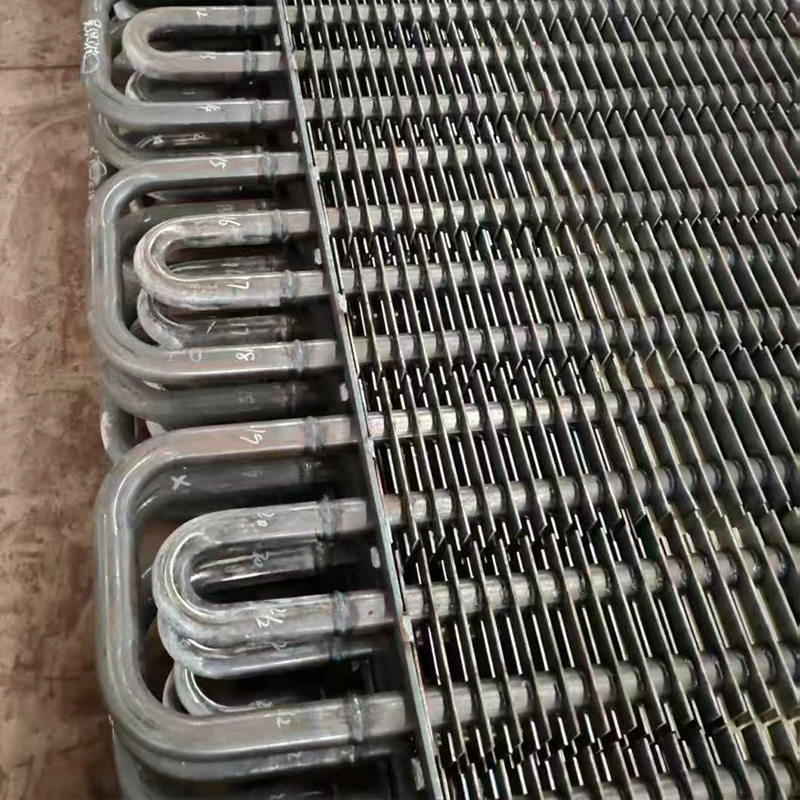
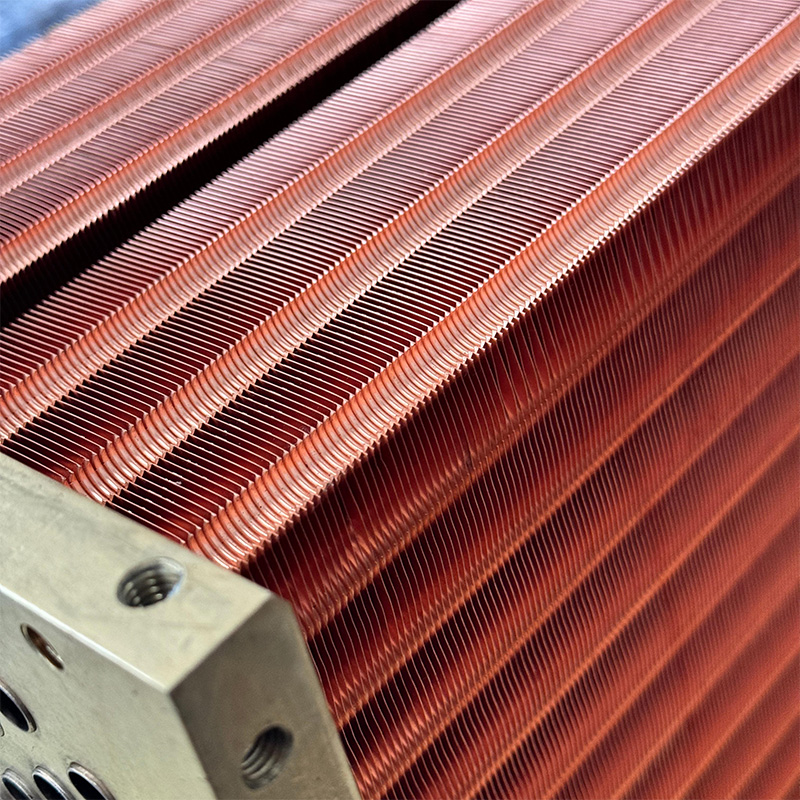
The efficiency of a modern chemical or oil refinery enterprise depends not only on individual pieces of equipment, but also on their coordinated work in a single technological chain. This is where the value of an integrated approach to production equipment manifests itself.Wuxi Kaisheng Electric Power and Petrochemical Equipment Co., Ltd.specializes in the development, production and sale of high-tech solutions for the most demanding industries. Our product portfolio covers the entire spectrum of applications, from titanium shell-and-tube heat exchangers and ASME high-pressure units to corrugated tube bundles in 316 stainless steel, C46400 marine brass and N06625 alloys.
Our experience in creating equipment that operates under extreme conditions of high pressure and temperature directly affects the quality of the tanks we produce. Understanding the specifics of processes in oil refining, the chemical industry and seawater desalination, we offer clients not just storage tanks, but integrated systems. For example, a combination of “nickel alloy heat exchanger + PP tank” allows you to effectively solve the problem of heating aggressive media with subsequent safe storage. The company's products are certified to international standards PED and ASME, which guarantees their reliability and compatibility with global projects. We provide customized solutions, combining advanced materials (carbon steel, titanium, copper alloys) with advanced manufacturing technologies, providing customers around the world with reliable equipment performance for decades.
Applications and industry solutions
Electroplating production requires reliable containers for pickling solutions. Hereцилиндрический вертикальный резервуар из PP стандартindispensable for storing hydrochloric and sulfuric acids. Volumes are usually 5-20 m³. A special feature of such tanks is the presence of overflow thresholds and emergency spill containment systems (pallets). We equip such containers with level sensors and an emergency drain system into the neutralizer. The temperature regime is often elevated (40-60°C), which confirms the choice of PP over PVC.
In water treatment plants, polypropylene containers are used to store coagulants (aluminum sulfate, ferric chloride) and alkalis (NaOH) for pH correction. The aggressiveness of these reagents quickly destroys concrete and metal tanks. Plastic lasts for decades without loss of properties. For large volumes (50-100 m³), we offer a block structure, assembled directly at the customer’s pit. This reduces logistics costs and makes it possible to install capacity in cramped conditions of existing workshops.
The food industry uses PP to store syrup, vegetable oils, whey and drinking water. Compliance with sanitary standards is critical here. We use food grade polypropylene approved for food contact and ensure smooth internal surfaces (Ra< 1.6 µm) to prevent bacterial contamination. The design provides complete drainage without “dead zones” and the possibility of washing with CIP systems. Hatches are equipped with silicone or EPDM seals approved for food production.
Logistics, installation and service
Delivery of finished tanks is carried out by road or rail. Tanks with a volume of up to 25 m³ are most often supplied assembled. Larger models are transported in the form of flats (sheets) or sections (rings, bottom, roof), which require skilled assembly on site. We provide a full set of documentation: drawings, passports, certificates of conformity, assembly instructions. Supervised installation by our specialists guarantees compliance with welding technology and reduces commissioning time.
Maintenance of polypropylene tanks is minimal, but regular. Once a year, it is recommended to inspect the external walls for mechanical damage and the condition of the UV protective coating. Once every 3-5 years (depending on the environment), internal inspection and cleaning of sediment is advisable. Repair of minor damage (scratches, through holes up to 5 mm) is possible on site using a hand extruder or a hair dryer with an filler rod. Deep damage requires a patch made from PP sheet of the same brand.
Disposal of used tanks is environmentally friendly. Polypropylene is 100% recyclable. We accept old containers for disposal and provide a waste disposal certificate, which is important for reporting to environmental agencies. Unlike composite materials (fiberglass), which are difficult to recycle, PP can be shredded and reused to produce technical products.
Frequently Asked Questions
What is the maximum operating temperature for a PP tank?
Standard homopolymer PP-H works reliably at temperatures up to 90-95°C. Brief surges up to 100°C are acceptable, but continuous operation above this point will result in softening and warping. For environments with temperatures above 100°C, we recommend using polyvinylidene fluoride (PVDF) or stainless steel. It is important to remember that the permissible pressure decreases with increasing temperature: if at 20°C the wall holds 1 bar, then at 80°C its load-bearing capacity is halved.
Can organic solvents be stored in polypropylene?
This depends on the specific solvent. Polypropylene is resistant to most alcohols, aldehydes and ketones at room temperature. However, aromatic hydrocarbons (benzene, toluene, xylene) and chlorinated solvents can cause PP to swell or dissolve. Before ordering, be sure to provide us with the chemical composition of the medium and temperature. We will conduct a material compatibility test. When in doubt, it is better to choose a lined steel tank or a PVDF tank.
Нужен ли обогрев резервуара зимой?
Сам по себе полипропилен морозостоек и не трескается даже при -30°C (особенно сополимеры). Однако хранящаяся жидкость может замерзнуть, увеличиться в объеме и разорвать емкость. Если продукт кристаллизуется или загустевает на холоде, система обогрева обязательна. Мы интегрируем паровые рубашки или электрические ТЭНы в конструкцию. Также возможно использование внешнего контура циркуляции с теплообменником. Просто оставить бак на морозе с водой внутри — гарантия аварии.
Какой срок гарантии вы предоставляете?
На стандартныецилиндрические вертикальные резервуары из PPмы даем гарантию 24 месяца с момента ввода в эксплуатацию, но не более 36 месяцев с даты отгрузки. Гарантия покрывает дефекты материала и сварных швов. Она не распространяется на повреждения, вызванные нарушением условий эксплуатации (перегрев, механические удары, неправильный монтаж, хранение несовместимых сред). Прозрачность гарантийных обязательств фиксируется в договоре поставки.
Заключение и коммерческое предложение
Инвестиция в качественныйцилиндрический вертикальный резервуар из PP стандартокупается за счет отсутствия затрат на антикоррозийную обработку, долгего срока службы и минимального обслуживания. Правильный выбор толщины стенки, марки полимера и конструкции опор — залог безопасности вашего производства на десятилетия. Не рискуйте технологическим процессом ради экономии на этапе закупки оборудования. Наши инженеры готовы рассчитать оптимальную конфигурацию под ваши задачи бесплатно, опираясь на многолетний опыт реализации сложных проектов в энергетике и нефтехимии.
Мы производим резервуары любой сложности: от небольших баков на 500 литров до промышленных хранилищ на 100 кубов. Работаем по всей территории РФ и стран СНГ. Предоставляем полный пакет документов для прохождения экспертиз промышленной безопасности. Свяжитесь с нами сегодня для получения детального технико-коммерческого предложения и консультации ведущего технолога.
Каталог резервуаров из полипропилена | Запросить расчет стоимости