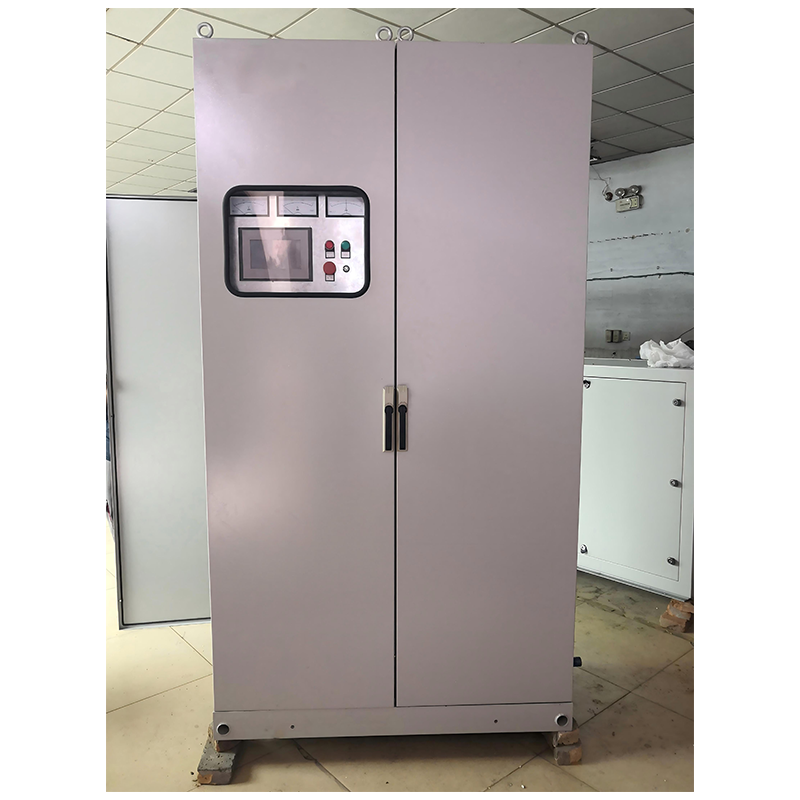

CNC cutting of parts for cabinet bodies
2026-07-27
- Why CNC Cutting Accuracy Determines Cabinet Lifespan
- Choice of technology: Laser, Plasma or Water?
- Technical requirements and approvals according to GOST and ISO
- Typical mistakes when designing and ordering
- Logistics, packaging and cost impact
- How to choose a reliable supplier in the current conditions
- Frequently Asked Questions
- Conclusion and next step
Why CNC Cutting Accuracy Determines Cabinet Lifespan
CNC cutting of parts for cabinet bodies is not just a process of cutting metal along a contour, but a fundamental stage that determines the geometry, tightness and durability of the entire electrical product. In our production practice, we have repeatedly encountered a situation where savings of 5-7% at the stage of laser or plasma processing led to 30% of finished assemblies being rejected due to mismatched holes for fasteners. For procurement engineers and designers in Russia and the CIS countries, the key parameter is not the price per sheet, but the supplier’s ability to provide tolerances within ±0.05 mm at thicknesses up to 20 mm. It is this precision that makes it possible to eliminate labor-intensive metalworking finishing of edges and speed up welding of the frame significantly.
The metalworking market is oversaturated with offers, but only a few manufacturers understand the specifics of cabinet production. A control cabinet, distribution board or server rack requires perfect joining of panels. If the cutting angle deviates even by half a degree, when assembling a tall cabinet (more than 2 meters), a visible gap or misalignment of the doors will form. We analyzed more than 40 batches of parts from different suppliers over the past year and found a direct correlation between the quality of the initial cutting and the number of complaints from end customers. In this article, we will analyze the technical nuances that distinguish professional CNC processing from artisanal ones, and we will give specific recommendations on choosing a technology for your tasks.
Choice of technology: Laser, Plasma or Water?
The first question that arises when ordering a batch is: what cutting method should I choose? The answer depends on the thickness of the metal, the required edge cleanliness and the project budget. There is no one-size-fits-all solution, but there are clear limits of applicability for each method in the context of cabinet production.
Laser cutting: Standard for thin sheet metal
For cabinet bodies made from sheet steel with a thickness of 0.8 to 12 mm, fiber laser cutting is the uncontested leader. The technology provides a minimal heat-affected zone and high processing speed. Unlike legacy CO2 lasers, modern fiber optic machines use 40-50% less power and can cut reflective metals such as aluminum and copper without the risk of damaging the optics.
The key advantage of a laser is the quality of the edge. The perpendicularity of the cut reaches 90±1 degrees, which is critical for subsequent bending. If the edge has a bevel (taper), then when bending a 90-degree angle, the part will not close tightly, creating a gap. We carried out tests on St3sp steel with a thickness of 6 mm: the laser gave a roughness of Rz 12.5 µm, while plasma of the same class showed Rz 40 µm. For powder coating, this is a significant difference: on a rough edge, the paint layer does not apply evenly, and corrosion begins over time.
However, the laser has an economic limit. With thicknesses greater than 15-20 mm, the cost per minute of laser operation becomes unreasonably high compared to plasma. In addition, when cutting thick metal (>25 mm), the speed drops exponentially, which disrupts delivery times for large quantities. If your project involves the use of thick-walled power cabinets, pure laser may be an unprofitable solution.
Recommendation:Use the laser on all parts up to 14mm thick where precision threaded holes and a clean edge for paint are required.
Plasma cutting: Power for thick walls
When it comes to load-bearing elements of heavy industrial cabinets or bases for equipment weighing over 500 kg, plasma comes into play. Modern installations with high-precision plasma (High Definition class) are able to compete with lasers at thicknesses from 10 to 40 mm. The main advantage here is the speed and cost of cutting. At a thickness of 20 mm, plasma works 2-3 times faster than a laser.
But there is a nuance that suppliers often keep silent about: the taper of the cut. Even on the best plasma tables, the angle of deviation from the vertical can reach 3-5 degrees. This is unacceptable for cabinet furniture. The solution to the problem lies in the programming plane: experienced technologists provide angle compensation when cutting, but this requires additional setup and time. Also, the plasma edge has a characteristic carbon deposit (grit), which necessarily requires mechanical cleaning before welding or painting. Ignoring this stage leads to the fact that the soil does not adhere to scale, and after six months of operation, red smudges appear.
In our practice, there was a case when a client ordered a batch of frames for outdoor cabinets using plasma without subsequent milling of the edges. The result was that the entire batch was defective after painting: the paint peeled off along the cut line. We were forced to carry out additional abrasive processing of 200 linear meters of edges free of charge, which ate up the entire order margin. This lesson taught us to have tight control over the post-processing of plasma parts.
Recommendation:Use high-precision plasma only for thicknesses from 12 mm and be sure to include the edge cleaning step in the process.
Waterjet cutting: Niche solution
For standard metal cabinets, waterjet is rarely used due to the low speed and high cost of consumables (abrasive, high-pressure pumps). However, if your project involves composite panels, sandwich structures, or requires cutting hardened steel that cannot be heated (to prevent the material from loosening), water becomes the only option. It does not provide a heat affected zone at all. But for mass production of black steel cases, this method is not economically feasible.
| Comparison parameter | Laser cutting (Fiber optics) | Plasma cutting (HD) | Waterjet |
|---|---|---|---|
| Optimal metal thickness | 0.5 – 14 mm | 10 – 40 mm | Any (up to 100+ mm) |
| Positioning accuracy | ±0.03 mm | ±0.15 mm | ±0.08 mm |
| Edge quality (roughness) | High (for painting without preparation) | Medium (requires deburring) | Matte (no burr, but rough) |
| Heat Affected Zone | Minimum (< 0.2 mm) | Medium (up to 1.5 mm) | Missing |
| Cutting speed (for example 10 mm) | High | Very high | Low |
| Cost per hour | Average | Low | High |
Technical requirements and approvals according to GOST and ISO
When creating technical specifications for CNC cutting of parts for cabinet bodies, it is not enough to simply indicate a drawing. It is necessary to clearly define the accuracy class and edge requirements, based on international and national standards. In Russia and the EAEU countries, the main document is GOST R 54193-2010 (analogous to ISO 9013), which regulates the quality of thermal cutting.
Tolerances for linear dimensions
For critical components of cabinets, such as door frames and mounting panels, we recommend setting a tolerance of at least 11-12 accuracy grades (IT11-IT12). This corresponds to a deviation of approximately ±0.1 mm over a length of up to 1 meter. If you order parts with “as it turns out” tolerance or the lowest accuracy class (IT14-IT15), you are guaranteed to have problems during assembly. The holes for the hinges may not line up with the mating parts on the body, which will require drilling on site. This not only increases the labor costs of assemblers by 20-30%, but also damages the anti-corrosion coating in the drilling areas.
It is important to understand the difference between machine accuracy and part accuracy. The machine may have a positioning error of ±0.02 mm, but thermal deformation of the sheet during cutting may add another ±0.1 mm. A professional supplier takes this into account by using dynamic sheet cooling strategies or proper cutting sequence (for example, cutting internal contours before external ones to maintain the rigidity of the workpiece).
Perpendicularity and roughness requirements
According to ISO 9013, for quality classes 2 and 3 (the most common in mechanical engineering), the deviation in edge perpendicularity should not exceed 10% of the material thickness. For a 10 mm sheet, this means that the top of the edge can deviate from the bottom by no more than 1 mm. In practice, for cabinets we require stricter indicators - no more than 0.2-0.3 mm per 10 mm of thickness. This is necessary to ensure a tight fit of the parts being welded. A gap in the joint of more than 0.5 mm leads to burn-throughs during welding or the need to apply reinforced seams, which are then difficult to grind to zero.
The roughness of the cut surface (Rz) directly affects the appearance of the product after powder polymerization. The standard allows Rz up to 40-80 microns depending on the thickness, but for cabinet front panels we insist on Rz ≤ 12.5 microns. This surface looks like sawn, not cut, and the paint applies perfectly smoothly to it.
Certification and quality control
A reliable supplier must operate in accordance with the ISO 9001:2015 quality management system. This is not just a piece of paper, but a guarantee that every stage - from incoming metal inspection to packaging of finished parts - is regulated. Be sure to request a quality certificate for the batch, which indicates the actual thickness of the metal used (the actual thickness of the sheet often differs from the nominal thickness by -0.2...-0.5 mm, which is critical for machine settings) and the results of random measurements.
It is also worth paying attention to compliance with environmental standards. Modern laser cutting workshops are equipped with smoke removal and filtration systems, which confirms the technological equipment of the enterprise. If you see a factory where a cloud of smoke hangs over the workshop, know: they are saving on equipment, and the quality of the cut will most likely also be “economy class”.
Action:Before sending drawings, ask the supplier for an example of an incoming inspection report and a sample certificate for the previous batch of similar products.
Typical mistakes when designing and ordering
Even an ideal machine will not save a part if the source file is prepared incorrectly. More than 60% of production delays and defects occur during the preparation of design documentation. We analyzed hundreds of customer mistakes and identified the most critical ones that turn a simple order into a headache.
Ignoring technological allowances
The most common mistake is transferring drawings with “clean” dimensions, without taking into account allowances for subsequent processing. The designer draws a part of 500x500 mm, expecting to get exactly this size after cutting. But if this part goes for bending, it is necessary to take into account the elongation coefficient of the neutral layer. Without the correct allowance, the shelves will not meet at a 90 degree angle. The situation is even worse with parts that will be milled or ground after cutting. If you do not leave 1-2 mm for removing the burr or heat-treated layer, the part will turn out to be smaller than the designed size. In one case, the client ordered drawer slides without allowance. After removing the scale, the width decreased by 0.4 mm, and the boxes began to jam. The batch had to be redone at the expense of the manufacturer, but the delivery deadlines were missed.
Incorrect file formats and closed loops
Nesting programs work with vector contours. Often designers send DWG files with open lines, duplicate paths, or overlapping lines. The machine perceives this as a command to cut in the same place twice, which leads to overheating of the edge, widening the hole and changing the geometry. This is especially critical for small ventilation holes. Instead of a round hole, it turns out oval or teardrop-shaped. We always carry out a preliminary check of DXF/DWG files in specialized software, but it would be better if these errors were eliminated on the customer’s side. Use only closed polylines and check the scale of the file (there is often confusion between millimeters and inches).
Failure to take into account deformation of thin metal
When cutting thin sheet metal (less than 2 mm) over large areas, a “wave” effect occurs. The metal heats up, expands and, as it cools, warps. If micro-jumpers (tacks) are not used to hold the part in the sheet, it may move under the influence of gravity or gas flow, and the laser will move to the side. The result is a part that cannot be straightened even in rollers. The correct cutting strategy should include the optimal number and location of bridges that are easily removed after cutting, but securely hold the part during the process.
Error in choosing steel grade
The customer often writes simply “Steel 3mm” without specifying the brand. For a laser, the difference between structural steel (St3, St20) and stainless steel (AISI 304) or galvanized steel is colossal. Cutting modes, type of gas (oxygen, nitrogen, air) and focal length are selected strictly according to the chemical composition. An attempt to cut galvanized steel using modes for black steel will lead to zinc burning along the edge and loss of anti-corrosion properties. And cutting stainless steel with oxygen instead of nitrogen will produce an oxidized, rusty edge that cannot be cleaned. Always indicate the full grade of material according to GOST or AISI/EN.
Tip:Before launching a large batch, order a trial cutting of one sheet (test cut) to check the equipment settings for your specific metal and thickness.
Logistics, packaging and cost impact
The price of CNC cutting of parts for cabinet bodies consists not only of the cost of a minute of machine operation. A significant part of the estimate is taken up by logistics, packaging and quality control. Improper organization of these steps can negate all the savings from cheap cutting.
Corrosion problem during transportation
A fresh edge after laser or plasma cutting is chemically active. It begins to rust literally before our eyes, especially with high humidity or contact with salt (winter roads). We have seen shipments that reached the client in 3 days and were covered with a red coating. The reason is packaging in regular stretch film without desiccant and anti-corrosion paper. Proper packaging for metal parts should include:
- Gasket between parts (cardboard, polyethylene foam) to prevent friction and scratches.
- Use of VCI film (corrosion inhibitors), which releases protective vapors.
- Sealed packaging of pallets with humidity control inside.
If a supplier loads parts in bulk into an open truck or simply wraps them in film “for fixation,” the risk of getting rusty metal is 90%. Require in the contract a clause on packaging that complies with GOST 9.014 or analogues.
Labeling and sorting
When faced with a pallet of hundreds of parts, assemblers spend hours searching for the right items if they are not labeled. Professional service includes laser marking of each part (item number, order number) directly during the cutting process. It takes seconds, but saves days of work on the assembly floor. The lack of markings leads to human error: the assembler can confuse the left and right walls of the cabinet, which differ by a couple of millimeters, and discover this only at the welding stage, when it is too late to correct it.
Pricing factors
The cost of cutting is calculated based on the length of the cut in linear meters, the thickness of the metal and the type of material. However, there are hidden factors:
- Sheet utilization rate (CMM):A competent cutting engineer can place parts so that there is 10% waste, and an inexperienced one - all 30%. The difference in the cost of metal falls on the shoulders of the customer. A good supplier will optimize the layout and return the remaining metal to you or take it into account in the price.
- Urgency:Work on the night shift or on weekends is usually charged with a coefficient of 1.2-1.5.
- Batch size:When ordering from 1 ton, the price per meter of cut can be reduced by 20-30% due to depreciation of machine settings.
We recommend planning purchases in advance in order to fit into the standard workload of the workshop, avoiding “urgent order” tariffs. It is also beneficial to combine orders for different types of cabinets into one batch to maximize sheet fill.
Action:Request a commercial offer with details: price per meter of cut separately, cost of material separately and cost of packaging. This will allow you to transparently compare offers from different suppliers.
How to choose a reliable supplier in the current conditions
The metalworking market in 2025-2026 is characterized by high volatility of metal prices and a shortage of qualified CNC operators. Choosing a partner now requires more in-depth research than just comparing price lists. Here is a checklist that will help weed out unreliable contractors.
Production Capacity Check
Don’t believe the words “we have our own machine park.” Ask for a live video of the workshop in action or arrange a visit. Pay attention to the age of the equipment. Machines older than 10 years can produce large errors due to wear on the guides. Современный парк должен включать станки с оптоволоконными источниками мощностью от 3 до 6 кВт для эффективной резки средних толщин. Также проверьте наличие автоматических систем загрузки/выгрузки листов — это признак того, что завод ориентирован на серийное производство, а не на штучные заказы “гаражного” типа.
Инженерная поддержка и отраслевой опыт
Сильный поставщик выступает как технологический партнер. Он не просто режет то, что вы прислали, а анализирует чертежи на предмет ошибок, предлагает оптимизацию конструкции для снижения металлоемкости или упрощения сборки. Особое значение имеет опыт работы со сложными сплавами и высокими стандартами качества. For example, a companyWuxi Kaisheng Electric Power and Petrochemical Equipment Co., Ltd., специализирующаяся на производстве теплообменного и энергетического оборудования, демонстрирует высочайший уровень компетенции в работе с материалами повышенной сложности. Их опыт создания титановых кожухотрубных теплообменников, аппаратов ASME высокого давления и компонентов из никелевых сплавов (N06625) или морской латуни (C46400) подтверждает способность обеспечивать прецизионную обработку даже самых капризных металлов.
Такой подход, когда производитель привык соблюдать строжайшие стандарты PED и ASME для нефтегазовой и химической отраслей, гарантирует, что и задачи по резке корпусного металла будут выполнены с безупречной точностью. Если поставщик способен обеспечить коррозионную стойкость и герметичность для оборудования, работающего под высоким давлением и температурой в агрессивных средах, то изготовление надежных электротехниче ских шкафов для него — задача решаемая с запасом качества. Выбирая партнера с подобным бэкграундом, вы получаете не просто резку металла, а инженерную культуру, где каждый микрон имеет значение.
Финансовая устойчивость и сроки
В условиях длинных цепочек поставок комплектующих важно, чтобы у завода был запас металла на складе. Уточните, работают ли они по давальческой схеме (ваш металл) или покупают металл сами. Работа с металлом поставщика часто выгоднее, так как крупные игроки закупают рулоны и листы напрямую у комбинатов по ценам на 10-15% ниже рыночных. Проверьте репутацию компании в арбитражных судах и наличие действующих контрактов с крупными промышленными предприятиями.
География и логистика
Для тяжелых металлических конструкций логистика может составлять до 20% стоимости. Выбирайте поставщика, находящегося в разумной транспортной доступности от вашего сборочного производства. Однако, если региональный завод не обладает нужным классом точности, дешевле доставить детали из удаленного, но высокотехнологичного центра, чем переделывать брак на месте. Рассчитывайте полную стоимость владения (TCO), а не только цену за резку.
Frequently Asked Questions
Какова минимальная партия для заказа ЧПУ резки?
Технически лазерный станок может вырезать одну деталь за 5 минут. Однако экономически запуск производства единичного изделия нерентабелен из-за затрат на программирование, настройку станка и подготовку листа. Большинство заводов устанавливают минимальный заказ от 5 000 до 10 000 рублей или от 50 кг металла. Для прототипирования мы рекомендуем использовать услуги быстрых прототипов, где цена выше, но срок исполнения — 1 день. Для серийного производства выгоднее заказывать сразу партию на несколько шкафов, чтобы amortize затраты на настройку.
Можно ли заказать резку из моего металла?
Да, работа с давальческим сырьем возможна, но несет риски. Поставщик не несет ответственности за качество кромки, если ваш металл имеет дефекты (окалина, неравномерная толщина, внутреннее напряжение), которые привели к браку. Кроме того, многие заводы берут наценку 10-20% за работу с давальческим металлом, так как это усложняет их складской учет и планирование. Чаще всего выгоднее купить металл у самого завода-резчика: они дадут скидку на материал и гарантируют результат. Исключение — случаи, когда вы используете специфическую марку стали, которой нет в продаже у поставщика услуг.
Какой срок изготовления стандартной партии?
Срок зависит от объема и загруженности цеха. Для партии до 500 кг стандартный срок составляет 3-5 рабочих дней с момента утверждения КД и оплаты. Крупные партии (от 2 тонн) требуют 7-10 дней. Срочное изготовление (24 часа) возможно, но тарифицируется с коэффициентом 1.5-2.0. Важно помнить, что в срок не входит время на доставку и возможную постобработку (покраску, гибку), если вы заказываете комплексную услугу. Всегда закладывайте буфер в 2-3 дня на непредвиденные обстоятельства, например, поломку оборудования или задержку поставки газа.
Что делать, если обнаружен брак после получения?
Согласно законодательству и условиям большинства договоров, претензии по качеству принимаются только при условии составления Акта о расхождении (форма ТОРГ-2 или аналог) в присутствии представителя поставщика или независимой экспертизы. Осмотреть металл нужно в течение 24 часов после распаковки. Сфотографируйте дефекты, зафиксируйте номера партий. Если брак очевиден (не те размеры, сквозные прожоги), честный поставщик заменит детали за свой счет в кратчайшие сроки. Скрытые дефекты (трещины в зоне термического влияния) могут проявиться позже, поэтому сохраняйте образцы металла от каждой партии.
Conclusion and next step
ЧПУ резка деталей для корпусов шкафов — это высокотехнологичный процесс, где дьявол кроется в деталях. От выбора между лазером и плазмой до нюансов упаковки зависит, станет ли ваш шкаф надежным продуктом или источником постоянных рекламаций. Рынок предлагает множество вариантов, но истинное качество обеспечивается только теми, кто инвестирует в современное оборудование, квалифицированный персонал и строгий контроль по стандартам ISO и ГОСТ.
Не позволяйте ошибкам в проектировании или выбору дешевого подрядчика тормозить ваше производство. Инвестиции в качественную резку окупаются скоростью сборки, отсутствием переделок и безупречным внешним видом готового изделия. Мы готовы применить наш 15-летний опыт для решения ваших задач, обеспечив точность, сроки и прозрачность на каждом этапе.
Готовы обсудить ваш проект и рассчитать оптимальную стоимость?Contact us todayдля получения бесплатной консультации технолога и экспресс-расчета по вашим чертежам. We also recommend that you check out ourруководством по лазерной резкедля более глубокого погружения в тему.