
Environmental management at PE pipe enterprises”
2026-09-15
Environmental management at PE pipe enterprises: from raw materials to disposal
Efficientenvironmental management in PE pipe factoriestoday is not just a formal requirement of regulators, but a critical factor for business survival in the face of tightening international standards and rising costs of carbon credits. In our practice, we observe that factories that ignore a systematic approach to ecology face fines exceeding 15% of their annual operating profit, not to mention the loss of contracts with European and Russian government customers. Managing environmental risks in the polyethylene pipe industry requires a thorough understanding of extrusion chemistry, recycling, and strict emissions control protocols.
We will not consider ecology as an abstract concept. In this article we will analyze specific technical solutions that can reduce extruder energy consumption by 18-22%, minimize defects during the transition between colors and ensure full traceability of raw materials in accordance with the requirements of ISO 14001:2015. If you manage production or purchase pipeline fittings, this data will help you assess the real reliability of the supplier.
Specifics of polyethylene production and main environmental risks
The production of low and high pressure polyethylene (PE) pipes (PE80, PE100, PE100-RC) is associated with a number of specific environmental impacts that are often underestimated in plant audits. The main risk lies not so much in the granule melting process itself, but in the stages of raw material preparation, cooling and disposal of process waste. Extrusion temperature for polyethylene varies in the range of 180–240°C. If temperature conditions are violated or unstabilized secondary raw materials are used, thermal destruction of the polymer begins, accompanied by the release of volatile organic compounds (VOCs), aldehydes and specific odors, which can exceed the maximum permissible concentrations (MAC) in the work area by 3-4 times.
The second critical aspect is the water cooling system for the calibrators and baths. On a typical line for the production of pipes with a diameter of 110 mm to 1200 mm, water consumption can reach 5-8 m³ per hour. Without a closed water cycle, the plant discharges warm water containing microplastics and traces of cutting fluids directly into sewers or water bodies. This is a direct violation of the water legislation of most countries of the EAEU and the EU. We have seen cases where the lack of proper fine filters (less than 50 microns) led to clogged city sewers, resulting in lawsuits from utility companies.
The third risk element is the generation of solid waste. When starting a line, changing the color or diameter of a pipe, a significant number of defective products and transition profiles are formed. If an enterprise does not have its own granulation line or a clear sorting system for polyethylene grades (PE-HD, PE-LD, PP), this material is sent to landfills. Considering that polyethylene takes hundreds of years to decompose, the accumulation of such waste creates a long-term environmental burden. Efficientenvironmental management in PE pipe factoriesmust include a “Zero Waste to Landfill” strategy, where 95% of production waste is recycled.
Finally, noise pollution cannot be ignored. Modern high-speed extruders in combination with vacuum pumps and pulling devices create noise levels of up to 85-90 dB. Without proper acoustic insulation of workshops, this affects not only personnel (risk of occupational hearing loss), but also residential areas if the plant is located within a city or industrial area with mixed buildings. Solving these problems requires a comprehensive engineering approach, not just installing filters.
Implementation of an environmental management system (EMS) according to ISO 14001 standard
The formal presence of an ISO 14001 certificate is often perceived by the marketing department as a “tick” to participate in tenders. However, in reality, the implementation of this system at a PE pipe production plant changes the very architecture of production processes. The standard requires not just recording violations, but preventing their occurrence through product life cycle analysis. You should start with an environmental policy, which must be signed by the company's top person and communicated to each extruder operator.
The first step is to identify environmental aspects. For a pipe plant, this means compiling a register of all processes: from the acceptance of a carload of granules to the shipment of the finished coil. Each process is assessed according to the criterion of significance. For example, the drying process of raw materials may be a low priority, while the extrusion process, which uses nitrogen purge to prevent melt oxidation, is given a high priority due to energy consumption and potential emissions. We recommend using a risk matrix, where the probability of an event is multiplied by the severity of the consequences. This allows resources to be focused on those areas where the risk is greatest.
The second step is setting goals and objectives. The abstract desire to “become greener” does not work. Goals should be measurable: “Reduce specific energy consumption per 1 kg of product by 7% by the end of 2026” or “Increase the share of recycled materials in the production of technical pipes to 30% without loss of strength characteristics.” It is important to understand that the use of recycled polyethylene (regranulate) in drinking water pipes is strictly regulated by sanitary standards (for example, GOST or EU directives), so the goals must be differentiated by product type.
The third key element is staff competence. The line operator must understand why waste from different brands of plastic should not be mixed. One of our clients encountered a situation where a worker dumped PVC (polyvinyl chloride) scraps into a PE waste bin to speed up cleaning. During subsequent processing, this mixture entered the extruder, caused corrosion of the screw due to the release of hydrogen chloride, and led to the production of a batch of pipes with critical structural defects. The entire batch was rejected, and the damage amounted to more than 40,000 euros. Training should include not only safety training, but also modules on environmental responsibility.
Regular internal audits are the engine of the system. Auditors must check not only the logs, but also the actual condition of the equipment. A situation often occurs when pressure and temperature sensors are calibrated, but dust aspiration systems are clogged, which reduces their efficiency by 40-50%. Identifying such nonconformities and taking corrective action in a timely manner is the essence of the continuous improvement required by the standard. Documenting these processes creates a transparent history for external inspection bodies and large customers.
Energy efficiency and reduced carbon footprint in extrusion
Energy consumption is one of the largest expense items in the cost of polyethylene pipes, accounting for up to 25-30% of variable costs. Traditional resistive heaters installed on extruder barrels have low efficiency and high inertia. They continue to heat the cylinder even after the screw has stopped, causing overheating of the material and degradation of the polymer. Switching to induction heaters or ceramic heaters with improved thermal insulation allows you to reduce energy consumption for heating the plasticization zone by 20-25%. In addition, such systems reach operating mode faster, reducing downtime when changing products.
However, the biggest savings potential is hidden in the drive system of the main engine and auxiliary equipment. The use of Variable Frequency Drives (VFDs) for extruder motors, pulling devices and cooling system pumps allows energy consumption to be adapted to the actual load. During startup or when working with viscous materials, the load changes, and the VFD optimizes torque, preventing excessive consumption of electricity. Our measurements on lines with a diameter of 630 mm showed that modernizing drives pays off in 14-18 months due to energy savings.
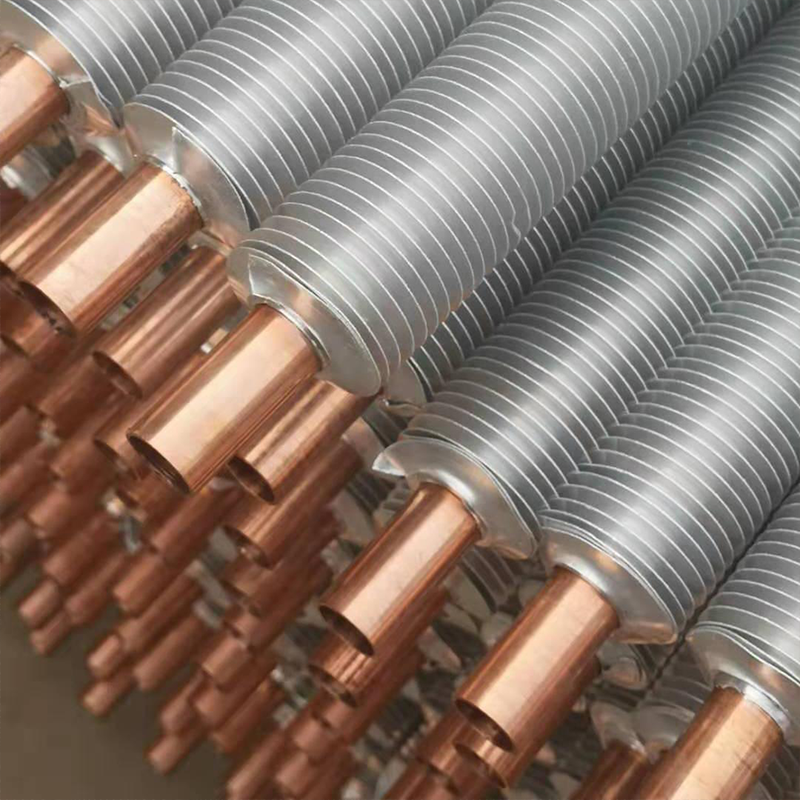
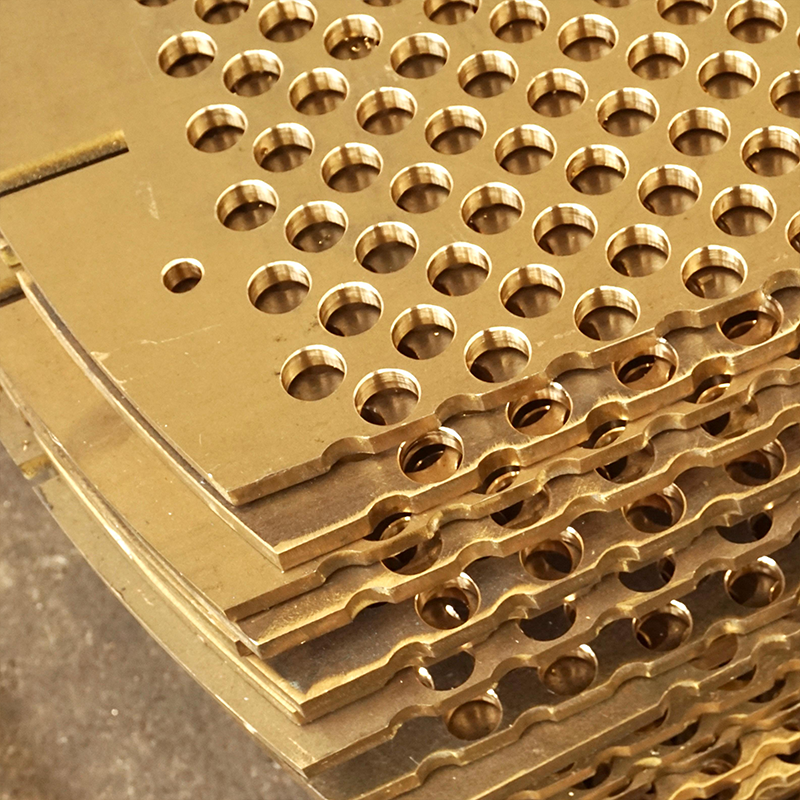
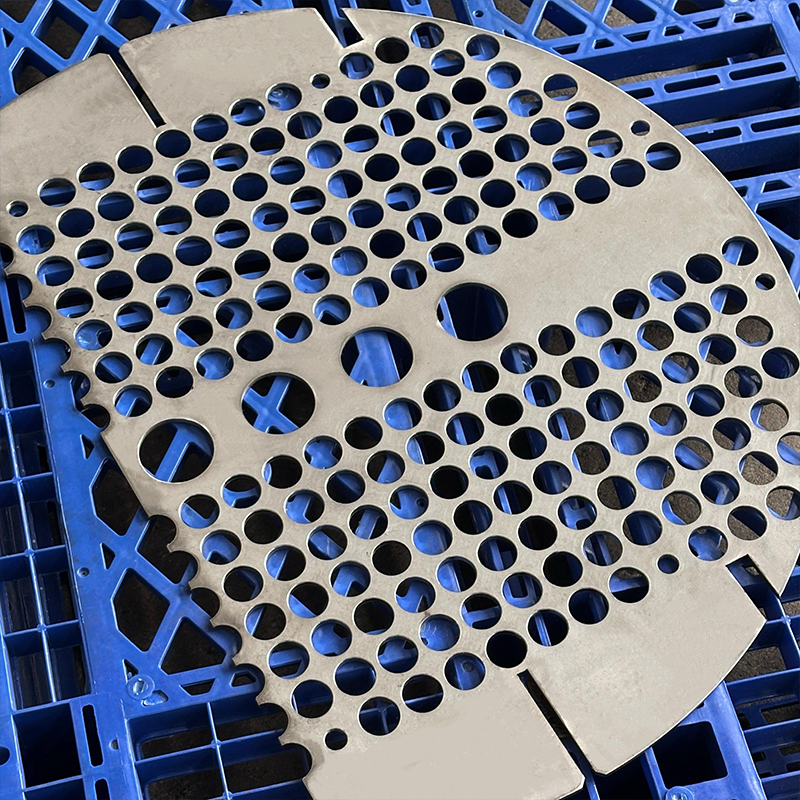
The cooling system also requires attention. Instead of using cold water from artesian wells, which is then released warm, modern plants are switching to closed-loop cooling towers and heat recovery chillers. The quality of heat exchange equipment plays a key role here. For example, a companyWuxi Kaisheng Electric Power and Petrochemical Equipment Co., Ltd., which specializes in the design and manufacture of high-efficiency heat exchangers, offers solutions critical to these closed cycles. Their products, including titanium shell-and-tube heat exchangers and corrugated tube bundles made from 316 stainless steel or C46400 marine brass, provide maximum thermal efficiency and corrosion resistance, even in harsh environments. The use of such ASME and PED certified components allows not only to stabilize the temperature of the extrusion process, but also to effectively utilize the heat generated by the pipes to heat rooms or raw materials, realizing the principle of industrial symbiosis. Calculations show that recycling only 15% of thermal energy using modern equipment can cover the needs of the office and domestic premises of the plant.
An important aspect is monitoring of power quality. Extrusion equipment is sensitive to voltage surges and harmonics in the network, which they themselves generate through frequency converters. Installing active harmonic filters not only protects equipment from premature failure, but also reduces losses in the transformer substation. This is a technical detail that is often overlooked by environmentalists, but which directly affects the efficiency of resource use.
To calculate the carbon footprint of products, it is necessary to take into account not only direct emissions from fuel combustion (if you have your own boiler houses) and electricity consumption, but also the emissions inherent in the raw materials. Polyethylene is made from oil or gas, and its “carbon cost” at birth is high. Therefore, increasing the service life of pipes through improved quality (for example, using PE100-RC instead of PE80) is an indirect contribution to the environment. A pipe that lasts 100 years instead of 50 requires half the resources to replace and repair networks in the future.
Waste management and circular economy
The waste problem at a pipe plant falls into two categories: production scraps and defective products. In an ideal modelenvironmental management in PE pipe factoriesthe concept of “waste” should be replaced by the concept of “secondary material resources”. Polyethylene is one of the few polymers that can be processed many times without critical loss of properties if the process is organized correctly. The key condition is the purity of the fraction. Mixing different types of plastic (e.g. PE and PP) makes the recyclate unsuitable for the production of critical pipes.
The technology for processing your own waste is as follows: large scraps (heads, ends of pipes) are crushed in crushers with knife rotors to a fraction size of 6-10 mm. The material then passes through an agglomerator, where friction and heating cause partial melting and the formation of irregularly shaped granules, or through an extruder-granulator to obtain a high-quality secondary granule. It is important to note that with repeated processing, the molecular weight of the polymer decreases and the melt flow index (MFI) drops. This means that regranulate can be added to the bulk only in certain proportions, usually no more than 10-15% for pressure pipes and up to 30-40% for non-pressure or corrugated products.
Particular attention should be paid to packaging. Traditional piping with metal tape or using wooden pallets creates additional waste streams. Best practices include switching to reusable plastic containers, big bags made from recyclable polypropylene, and paper lining. Wooden pallets, if used, must comply with ISPM 15 (Pest Control) to avoid becoming a conduit for invasive species when exporting products.
The issue of recycling packaging from raw materials is also relevant. Pellet bags (usually multi-layered with an aluminum layer or printing) are difficult to recycle. Concluding agreements with specialized licensed companies for the removal and disposal of such packaging is a mandatory legal requirement. Attempts to burn such packaging in conventional stoves lead to the release of dioxins and heavy metals, which is a gross violation of environmental standards.
We recommend implementing a color-coding system for waste collection containers directly at the extruders. The blue container is for pure PE, the red container is for contaminated waste, and the yellow container is for mixed polymers. This simple visual solution reduces the likelihood of operator error by 90%. The economic effect from the sale of high-quality recycled granulate or its use within the plant can constitute a significant part of the profit, especially during periods of high prices for primary raw materials.
Emission control and air quality in the production area
Although polyethylene extrusion is considered a relatively clean process compared to PVC or rubber production, it is not free of emissions. When PE is heated above 250°C, intense release of thermo-oxidative degradation products begins. The main components are alkanes, alkenes, as well as trace amounts of acrolein and formaldehyde. In a poorly ventilated workshop, the concentration of these substances can reach levels that cause headaches, irritation of mucous membranes and long-term respiratory diseases in workers.
A local exhaust ventilation (aspiration) system must be installed above the pipe unloading area from the cooling bath and above the loading bins. Air containing dust and volatile substances must pass through filters. Cyclone filters in combination with bag filters made of antistatic material work effectively to capture fine polyethylene dust. Static electricity accumulated on plastic particles can cause dust in the filter to ignite, so grounding and the use of explosion-proof equipment is mandatory.
To clean the air from gaseous emissions, carbon filters or scrubbers are used. Activated carbon adsorbs organic vapors, eliminating the specific “melted plastic” smell that is often the cause of complaints from neighbors in industrial areas. Regeneration or replacement of cartridges should be carried out on a schedule based on monitoring data, and not “as needed”. A clogged filter creates resistance, the fan begins to work with overload, and cleaning efficiency drops to zero.
Air quality monitoring must be continuous. Installing stationary gas analysis sensors at key points in the workshop allows operators to see the current situation in real time. Data from these sensors can be integrated into the overall plant control system. If the VOC concentration exceeds a threshold, the system can automatically increase the capacity of the exhaust fans or sound an alarm. This approach demonstrates the proactive position of management in matters of labor protection.
Don't forget about the outer perimeter. Regular measurements at the border of the sanitary protection zone (SPZ) of the enterprise are a legal requirement. Exceeding the standards at the border of the sanitary protection zone may become grounds for suspension of the enterprise's activities by regulatory authorities. Therefore, calculating emissions dispersion at the workshop design stage and constantly monitoring actual emissions is not bureaucracy, but business insurance.
Digitalization and automation of environmental control
Modernenvironmental management in PE pipe factoriesimpossible without digital tools. Manual data collection in paper logs is becoming a thing of the past, giving way to SCADA and IIoT (Industrial Internet of Things) systems. Sensors installed on water, electricity, gas meters and aspiration systems transmit data to a single center every second. This allows you to build accurate consumption balances and identify anomalies instantly.
For example, if the cooling water flow for a particular line suddenly increases by 10% without changing the operating mode, the system automatically signals a possible leak or valve failure. Previously, such a leak could go undetected for weeks until the water bill arrived. The digital twin of production allows us to simulate various scenarios: “What will happen to energy consumption if we switch to a night tariff and shift the melting schedule?” or “How will installing a new extruder affect the overall load on the wastewater treatment plant?”
Blockchain technologies are beginning to penetrate into the area of tracking the origin of raw materials. The pipe buyer can scan the QR code on the product and see the complete journey of the pellet from petrochemical plant to extruder, including recycling certificates and batch-specific carbon footprint data. This increases trust in the product and is in line with trends in supply chain transparency.
Environmental management software (EHS software) helps automate the generation of reports for government agencies. It reminds you of the deadlines for checking devices, renewing licenses and carrying out regular measurements. Reporting errors due to human factors are minimized. Integration of such systems with an enterprise's ERP system ensures data consistency: environmental indicators become part of the overall business performance (KPI).
However, digitalization has its risks. Software dependency and data cybersecurity are becoming new challenges. It is necessary to ensure data backup and protection of systems from unauthorized access. It is also important to remember that sensors require calibration and maintenance. “Digital” does not replace the engineer, but only gives him a more powerful tool for decision-making.
Compliance with international standards and market requirements
The global market for pipe products dictates strict conditions. For export to the European Union, compliance with ecodesign directives and REACH (Registration, Evaluation, Authorization and Restriction of Chemicals) requirements is required. The presence of prohibited substances in the pipe (heavy metals, certain phthalates, PAHs) can lead to a complete ban on the import of the batch and inclusion of the manufacturer in the blacklist. Laboratory monitoring of incoming raw materials and finished products for the content of harmful substances must be regular.
Russia and the EAEU countries have their own standards, such as GOST R 58118-2018 and technical regulations of the Customs Union. Product certification includes checking not only physical characteristics (strength, tightness), but also sanitary and hygienic indicators for drinking water supply pipes. Obtaining a certificate of conformity requires the provision of test reports from accredited laboratories. Ignoring these requirements leads to withdrawal of products from the market and reputational losses.
Increasingly, large infrastructure projects (construction of gas pipelines, water utilities) include clauses in the tender documentation that the supplier must have a certified environmental management system. Customers want to be sure that their project will not be associated with environmental scandals. Thus, ecology becomes a competitive advantage. A business that can document its green agenda has a better chance of winning a contract, even if the price is slightly higher than average.
The ISO 14064 standard for quantifying and reporting greenhouse gas emissions is becoming increasingly popular. Voluntary verification of the carbon footprint of products allows you to participate in carbon management projects and receive tax benefits in some jurisdictions. This is a long-term investment in business sustainability.
It is also worth mentioning the ISO 50001 standard (energy management), which is often implemented in conjunction with ISO 14001. The synergy of these two systems allows for maximum effect in reducing costs and environmental impact. An integrated approach to certification shows the maturity of the enterprise and its readiness to operate in international markets.
Practical steps to optimize environmental performance
If you run a business and want to improve the environmental situation, you don’t have to immediately implement complex, expensive systems. Start with an audit. Walk around the workshop and see where heat is lost, where water drips, where garbage lies. Often simple measures have a quick effect. Replacing leaking fittings, installing timers for lighting, insulating hot pipelines - these are measures with a payback of less than a year.
Train your staff. People need to understand why they sort garbage. Hold a competition for the best energy saving idea. Employee motivation plays a huge role. An operator who sees meaning in his actions will take better care of the equipment. We have seen cases where a simple sign showing the current cost of electricity on the control panel screen has reduced consumption by 5% simply by making operators more aware.
Establish interaction with raw material suppliers. Require them to provide safety data sheets (MSDS) and environmental certifications. High-quality raw materials with a narrow range of MFI and stable additives are easier to process and produce less waste and emissions. Saving on cheap, unstable raw materials always results in problems with the environment and product quality.
Implement a culture of continuous improvement (Kaizen). Environmental management is not a one-time event, but daily work. Analyze data, look for bottlenecks, test new solutions. Be open to innovation. Technologies do not stand still, and what was expensive yesterday can become an affordable standard today.
One last thing: be honest. Don't try to hide problems or sugarcoat reports. Sooner or later the truth will come out, and the price will be too high. Transparency and responsibility are the best strategies for building a long-term and sustainable business in today's world.
Frequently Asked Questions
What percentage of recycled materials can be used in the production of PE pressure pipes?
The use of recycled polyethylene in potable water pressure pipes is strictly limited by health regulations in most countries. Typically, it is allowed to add no more than 5-10% of your own pure industrial recyclate (regranulate), obtained from waste of the same grade of material, subject to careful quality control and additional testing for the migration of harmful substances. For non-pressure pipes (sewerage, drainage), the share of recycled materials can reach 30-50%, depending on the requirements of a specific standard (for example, GOST or EN). It is important to remember that mixing recyclable materials of unknown origin is strictly prohibited for critical applications.
How to reduce the noise level from an extrusion line without completely reconstructing the workshop?
The most effective method is local sound insulation of noise sources. Install acoustic enclosures around gearboxes and motors, and use anti-vibration pads under equipment. Replace metal pipe guides with coated damping materials. Check the condition of the vacuum pumps - they are often the main source of high-frequency noise; installing mufflers on pump exhausts can reduce the sound level by 10-15 dB. It is also recommended to install sound-absorbing panels on the walls in areas where sound is reflected.
Is it necessary to have a water recycling system for a small pipe plant?
Yes, in most regions, the presence of a closed water supply cycle is a mandatory requirement of environmental legislation, regardless of the size of the enterprise. Discharge of warm water containing technological impurities into city sewers or water bodies without preliminary treatment and cooling is prohibited. Even small lines require storage tanks, pumping stations and cooling towers or heat exchangers to cool the water. The absence of such a system threatens with serious fines and suspension of activities. Exceptions are possible only when connecting to centralized industrial water supply systems that receive wastewater of a certain quality.
What documents confirm the environmental safety of PE pipes?
The main documents are: Certificate of Conformity (indicating HS codes and standards), Hygienic conclusion or Expert opinion of Rospotrebnadzor (for the Russian Federation) / CE Declaration of Performance (for the EU), Laboratory test reports for the migration of harmful substances and the content of volatile organic compounds. Another important document is the Material Safety Data Sheet (MSDS), which lists all the components of the composition. To confirm the management system, an ISO 14001 certificate is provided. All documents must be valid and issued by accredited bodies.
What to do with packaging waste from raw materials if there is no way to recycle it?
Multilayer packaging waste (bags with foil, paint) belongs to the class of hazardous or difficult to recycle waste. They should absolutely not be burned in open sources or conventional furnaces. The only legal way is to conclude an agreement with a specialized licensed organization that has the right to collect, transport and dispose of this class of waste. The enterprise is obliged to keep a log of waste generation and movement and submit reports to environmental authorities in a timely manner. Accumulation of waste on the territory of the plant in excess of limits is prohibited.
Implementing a sound environmental management system is an investment in the future of your company. It reduces risks, saves resources and opens doors to new markets. We are ready to help you assess the current state of your production and develop a roadmap to improve environmental performance.Contact us todayfor consultation with our experts in industrial ecology and the production of polymer pipes.
Remember thatenvironmental management in PE pipe factoriesis a continuous process of improvement where every step matters. Start small, but act systematically. The future of industry belongs to those who know how to combine production efficiency with caring for the planet.