
Environmental audit systems for PP tank factories”
2026-09-15
- What are environmental audit systems for PP tank factories and why are they needed in 2026
- Key components of the environmental audit system in a PP tank factory
- Practical steps to implement an environmental audit system
- Economic benefits and ROI from implementing an audit system
- The Future of Environmental Auditing in the Polypropylene Tank Industry
What are environmental audit systems for PP tank factories and why are they needed in 2026
PP Tank Factory Environmental Audit Systems are more than just a box of paperwork, but a critical risk management tool for the PP tank industry. In our practice, we see that the absence of such an audit leads to fines from supervisory authorities, loss of reputation and even shutdown of the conveyor due to non-compliance of emissions with standards. Modern requirements for 2025–2026 have tightened control over plastic recycling, especially in the large tank segment, where waste volumes and energy consumption are highest.
The audit covers three key areas: monitoring emissions of volatile organic compounds (VOCs) during polypropylene extrusion, accounting for water consumption in cooling systems of molding equipment, and analyzing the disposal of manufacturing defects. Without accurate data on these parameters, it is impossible to obtain ISO 14001 or EAC certificates, which are required for exporting products to the EU and EAEU countries. One of our clients in Tatarstan was faced with a situation where, due to the lack of a system for accounting for polypropylene vapors when welding PP sheets, he had to suspend the shipment of a batch of tanks with a volume of 50 m³ for two months.
Effective auditing begins with installing air quality sensors in thermoforming areas and implementing automatic data collection software. This allows you to monitor in real time the excess of the maximum permissible concentration and quickly adjust the technological process. It is important to understand: manual measurements once a quarter no longer meet the requirements of Rosprirodnadzor and European directives. Digitalization of environmental control has become a prerequisite for the survival of the plant in an increasingly competitive environment.
Regulatory framework and standards for enterprises producing polypropylene containers
The production of polypropylene (PP) tanks is regulated by strict international and national standards, the violation of which leads to serious consequences. In Russia, the main document is GOST R 57937-2017, which establishes safety requirements for polymer processing processes. For export-oriented plants, compliance with the EU industrial emissions directive 2010/75/EU, which limits the content of styrene and other by-products of thermal degradation of polypropylene to no more than 0.5 mg/m³ in the working area, is critical.
Certification to ISO 14001 requires the implementation of an environmental management system (EMS), which includes regular auditing of all stages of the product life cycle - from the purchase of granules to the disposal of scraps after mechanical processing. Particular attention is paid to the hazard class of waste: polypropylene scraps belong to class IV (low-hazard), but when mixed with dyes or stabilizers they can go to class III, which changes the procedure for their removal and storage. We recommend weekly laboratory analysis of waste composition to avoid classification errors.
In the EAEU countries, there is a technical regulation TR CU 048/2019 “On energy efficiency requirements”, which obliges tank manufacturers to indicate specific energy consumption per unit of product. For a plant with a capacity of 200 tons of polypropylene per month, this figure should not exceed 1.8 kWh/kg of finished product. Failure to comply with the standard blocks participation in government tenders and deprives the right to tax benefits. Compliance audits are carried out by accredited bodies every two years, so preparation for an audit should be an ongoing process rather than a one-time event before an inspection.
Each production manager must have access to current versions of standards through the official portals of Rosstandart or the European NORMAPME database. Ignoring legislative updates is the most common reason for failed environmental audits. We recommend appointing a responsible employee for monitoring changes in the regulatory framework and conducting internal training for operators of extruders and welding stations.
Key components of the environmental audit system in a PP tank factory
A successful environmental audit system for PP tank plants is built on four interconnected modules, each of which solves a specific problem in reducing environmental impact. The first module, air emissions monitoring, focuses on monitoring the concentration of volatile organic compounds (VOCs) produced when polypropylene is heated above 160°C. Our measurements show that without an effective aspiration system, the level of propylene fractions in the workshop can reach 3–4 mg/m³, which is 6 times higher than the safe threshold.
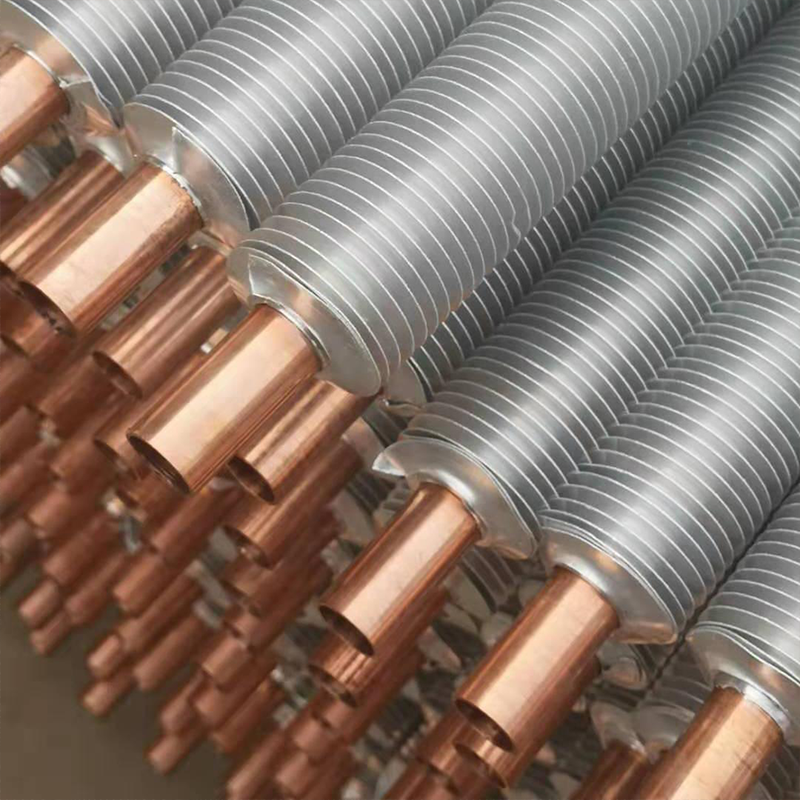
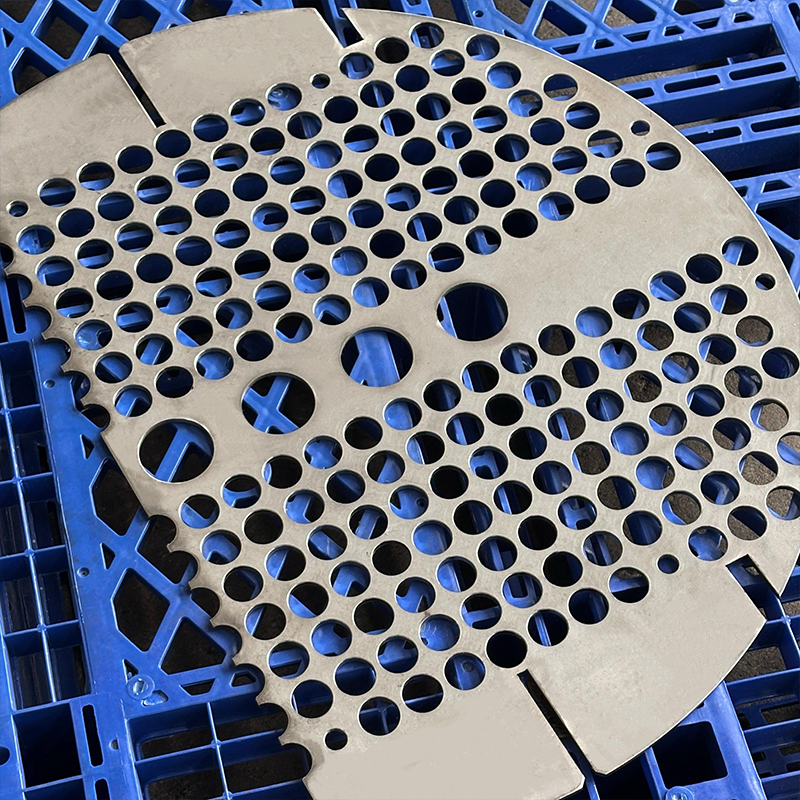
The second module is responsible for water resource management. The production of large tanks using rotational molding requires significant volumes of water to cool the molds. A typical plant uses up to 15 m³ of water per day, and 70% of this volume can be recycled if a closed cooling system with particulate filtration is installed. This is where the quality of heat exchange equipment plays a decisive role. For example, companies like Wuxi Kaisheng Electric Power and Petrochemical Equipment LLC specialize in creating highly efficient solutions for such applications, offering titanium shell-and-tube heat exchangers and 316 stainless steel corrugated tube bundles that provide the necessary corrosion resistance and thermal efficiency even in hostile environments. We observed a case where an enterprise in the Leningrad region saved 2.3 million rubles per year precisely due to the modernization of the water circuit using similar advanced components and the introduction of automatic water hardness control.
The third module - waste management - includes sorting, weighing and labeling of all types of production defects. Polypropylene trimmings, shavings and defective products should be stored in separate containers, indicating the date of formation and chemical composition. An error at this stage leads to mixing of waste of different hazard classes, which makes it impossible to further process it and increases the cost of disposal by 40–60%. The fourth module - energy audit - analyzes the energy consumption of extruders, welding machines and lifting equipment, identifying bottlenecks with inefficient use of resources.
Integrating all four modules into a single digital platform allows you to generate reports in the format required by supervisory authorities, without manual data entry. This reduces the preparation time for an external audit from several weeks to 2–3 days. It is important to note: purchasing expensive software does not guarantee success if the primary processes for collecting data in the workplace are not established. Start with an audit of current practices and only then choose technical solutions.
Monitoring emissions and air quality in production areas
Air quality control in workshops for the production of polypropylene tanks requires the use of specialized equipment capable of detecting trace amounts of polymer thermal degradation products. Standard gas analyzers used in metallurgy or the chemical industry are often not suitable for this task due to their low sensitivity to aliphatic hydrocarbons. We recommend using photoionization detectors (PIDs) with 10.6 eV lamps, which provide a detection limit of up to 0.01 ppm for propylene compounds.
The placement of sensors should take into account the aerodynamics of the room: the main sampling points are located at a height of 1.5 meters from the floor in areas where operators directly work, as well as under the ceiling in places where hot air masses accumulate. A critical mistake that we have repeatedly documented is installing sensors near ventilation grilles, where the air flow artificially lowers the readings. The correct configuration of a monitoring network includes a minimum of 5 points for every 500 m² of production area.
Data from sensors must be transmitted to a centralized information collection system at intervals of at least once every 5 minutes. This allows you to build daily emission profiles and identify peak loads associated with the launch of extruders or welding operations. When threshold values are exceeded, the system automatically sends a notification to the responsible engineer and records the event in the incident log. This approach complies with the requirements of Article 67 of Federal Law No. 7-FZ “On Environmental Protection” and allows one to avoid fines of up to 250 thousand rubles for each violation.
Regular calibration of equipment is a prerequisite for reliable measurements. Manufacturers of PID detectors recommend calibration every 3 months using reference gas mixtures. Neglect of this rule leads to the accumulation of systematic error, which can distort the audit results and create a false sense of security. Keep a calibration log in electronic form linked to the serial numbers of the devices - this will simplify the passage of external checks.
Water and cooling management
Water plays a key role in polypropylene tank manufacturing technology, especially when using rotational molding and vacuum forming methods, where intense cooling of the metal molds is required. The average water consumption at one modern plant is 12–18 m³ per day, and the main part is spent precisely on maintaining the temperature in the range of 15–25°C. Without an effective recycling system, these volumes place a significant burden on municipal networks and increase production costs by 8–12%.
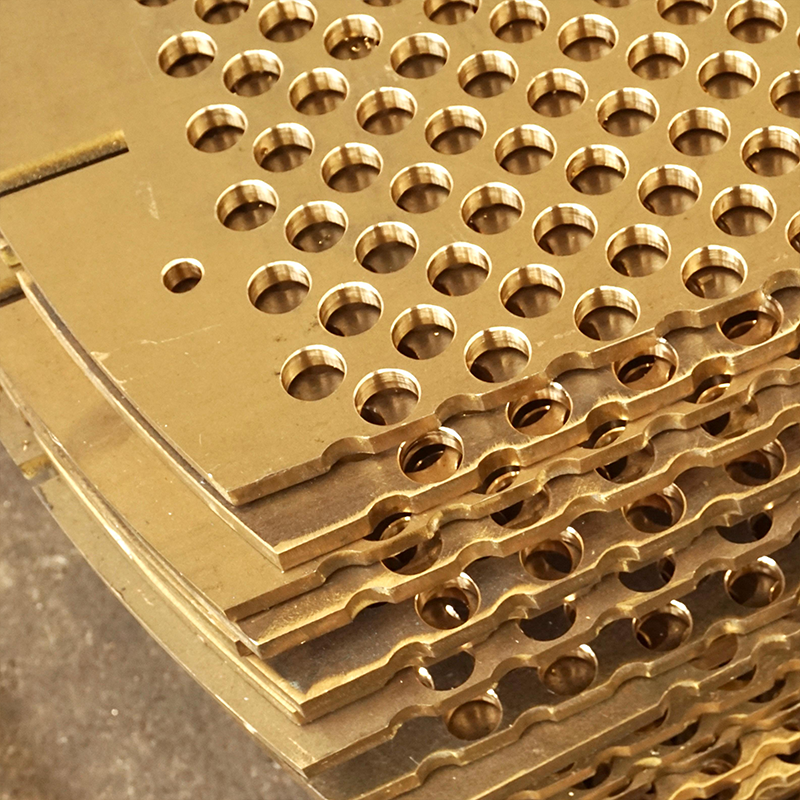
The optimal solution is the introduction of a closed cooling cycle with multi-stage filtration and reliable heat exchange equipment. The first stage removes mechanical impurities (polypropylene particles, dust) using mesh filters with a mesh size of 100 microns. The second stage uses carbon cartridges to adsorb organic contaminants released into the water from cutting fluids. The third stage - water softening by ion exchange - prevents the formation of scale in heat exchangers. The choice of materials is critical here: using C46400 marine brass tube bundles or copper-nickel alloys offered by market leaders such as Wuxi Kaisheng LLC allows heat transfer efficiency to remain at 90-95% throughout its service life, despite the harsh effects of water and chemical additives.
Automated monitoring of water parameters includes continuous monitoring of pH (norm 6.5–8.5), electrical conductivity (no more than 800 µS/cm) and dissolved oxygen content. Deviation of any of these indicators indicates a violation of the tightness of the circuit or the development of bacterial flora, which can lead to corrosion of pipelines and contamination of molds. We documented a case where ignoring biofilm growth in a cooling system resulted in a batch of 30 tanks being rejected due to uneven cooling of the walls.
The economic effect of modernizing the water supply system is evident already in the first year of operation. Reducing fresh water consumption by 70% and reducing wastewater disposal fees allows you to recoup the costs of installing treatment facilities in 14–18 months. In addition, stable coolant parameters extend the service life of expensive molding tools by 20–25%. Don't put off auditing your current system - start by measuring actual water flow and analyzing its chemical composition.
Waste management and recycling of polypropylene
The production of polypropylene tanks generates a significant amount of waste, the volume of which reaches 5–8% of the mass of raw materials using traditional processing methods. This waste includes sheet trims from cutting, sprues from injection molding machines, defective products and machining shavings. Proper organization of the waste management system not only reduces the environmental load, but also creates an additional source of income through the sale of recycled granulate.
The first step is strict sorting of waste by type and color. Polypropylene of natural color has the highest market value (up to 45 rubles per kg), while colored material loses up to 60% of the price due to the difficulty of reuse. We recommend installing separate containers for each type of waste directly at workplaces to prevent their mixing at the generation stage. Containers must be marked with information about the date they were filled and the intended direction of disposal.
The second stage is pre-treatment of waste before sending it for recycling. Crushing large scraps into a fraction of 10–20 mm increases the density of the material and reduces transport costs by 30–40%. Washing crushed polypropylene is only necessary if it is contaminated with oils or dyes; For clean waste, this operation is redundant and economically infeasible. Drying the material to a moisture content of less than 0.5% prevents defects during subsequent extrusion of the secondary granulate.
The final stage is the conclusion of contracts with licensed processors who have equipment for the production of high-quality regranulate. The average price for receiving clean polypropylene scrap is 35–50 rubles per kilogram, which, with a monthly waste volume of 2 tons, provides an additional income of 70–100 thousand rubles. It is important to require the partner to provide recycling certificates indicating the final product - this is necessary for reporting to supervisory authorities and confirming compliance with the principles of the circular economy.
Do not forget about documentary support: each type of waste must have a passport indicating the hazard class, FKKO code and method of neutralization. The absence of correctly executed documents is equated to illegal waste management and entails administrative liability. Regularly conduct an inventory of waste stocks and compare them with the material flow log data.
Practical steps to implement an environmental audit system
The implementation of a full-fledged environmental audit system for PP tank factories requires a consistent approach based on an assessment of the current state and step-by-step modernization of processes. The first stage is conducting a basic audit of existing practices with the involvement of independent experts. This analysis should cover all aspects of the activity: from the purchase of raw materials to the shipment of finished products, with special attention to the units generating emissions and waste. The audit results form a road map of activities with clear deadlines and budgets.
At the second stage, the necessary monitoring equipment is selected and installed. These include gas analyzers to monitor VOCs, flow meters to track water consumption, scales to weigh waste, and smart energy meters. It is important to choose devices that can be integrated into a single data network to avoid creating isolated “islands” of information. Preference should be given to equipment with a GOST R certificate of conformity and the ability to work in the aggressive environment of polypropylene production.
The third stage is the development of regulations and instructions for personnel. Each employee working with potentially hazardous substances or equipment must be trained in the new procedures. The instructions should be as specific as possible: not “keep it clean,” but “wipe the water level sensors in the tank every 4 hours with a soft cloth.” We recommend conducting quarterly knowledge assessments with practical tasks to ensure that you have mastered the material.
The fourth stage is test operation of the system for 2–3 months with daily data collection and deviation analysis. This period allows you to identify hidden problems that were not apparent at the design stage: for example, insufficient pump performance in the cooling system or interference in the operation of wireless sensors. Based on the testing results, adjustments are made to equipment settings and maintenance procedures.
The final stage is official certification of the system according to ISO 14001 or obtaining a conclusion from the state environmental assessment. For this purpose, a complete package of documents is prepared, including monitoring reports, waste logs, test reports and environmental policies. Successful completion of this stage opens access to new markets and increases the investment attractiveness of the enterprise. Don't try to rush the process - a quality audit takes time, but pays off many times over.
Common mistakes when organizing environmental control
One of the most common mistakes is trying to save on the quality of sensory equipment. Cheap Chinese gas analyzers without verification certificates often give an error of up to 30%, which makes their readings unsuitable for official reporting. We came across a case where a plant in the Sverdlovsk region used such devices and received a fine of 180 thousand rubles for allegedly exceeding the maximum permissible concentration, which in fact was absent. Always check the presence of a certificate of approval of the type of measuring instruments in the Rosstandart register.
The second common problem is the lack of redundancy of critical system nodes. If the single water level sensor in a cooling system fails, production may be shut down for several hours until it is replaced. We recommend installing redundant sensors at all key monitoring points and setting up automatic switching to a backup channel when a fault is detected. This increases system reliability by 90% and prevents downtime.
The third mistake is a formal approach to staff training. Conducting one introductory briefing upon hiring is not enough to maintain a high level of environmental culture. Employees forget procedures, new risks appear, equipment changes. An effective training program includes short monthly briefings (15–20 minutes), real-life incidents, and hands-on emergency training. This is the only way to achieve conscious participation of each employee in the environmental audit system.
Ignoring seasonal factors also leads to system failures. In winter, the viscosity of oils in hydraulic systems increases, which affects the energy consumption of equipment. In summer, high ambient temperatures reduce the efficiency of air-cooled condensers. The audit should take into account these fluctuations and provide for adaptive process control algorithms depending on the time of year. Keep a log of seasonal adjustments and analyze their impact on overall performance.
Economic benefits and ROI from implementing an audit system
Investments in environmental audit systems for PP tank plants pay off faster than many managers expect. Direct savings are generated by reducing losses of raw materials, reducing payments for negative environmental impacts and optimizing energy consumption. Indirect benefits include increased customer loyalty, improved brand image and reduced risk of litigation. Calculation of return on investment (ROI) for an average plant with a capacity of 150 tons of polypropylene per month shows a payback period of 18–24 months with an initial investment of 4.5–6 million rubles.
Reducing raw material losses is achieved through precise control of extrusion and molding parameters. An automatic temperature and pressure control system makes it possible to reduce defects from the typical 6–7% to 2–3%, which, at a granulate price of 90 rubles per kg, results in savings of up to 400 thousand rubles per month. Reducing the volume of waste also reduces the costs of their removal and disposal, which in some regions reach 3 thousand rubles per ton.
Optimizing energy consumption brings even more significant benefits. The introduction of frequency converters on extruder motors and cooling system pumps reduces energy consumption by 15–20%. For a plant with a monthly consumption of 45,000 kWh, this means savings of 6,750–9,000 kWh, which, at a tariff of 5 rubles per kWh, amounts to 33–45 thousand rubles monthly. Additional bonuses are provided to ISO 50001 certified enterprises in the form of tax benefits and priority when participating in government procurement.
The reputational benefits are difficult to quantify, but they are real. Large customers from the oil, gas and chemical industries are increasingly demanding evidence of environmental responsibility from suppliers. The presence of a functioning environmental audit system becomes a competitive advantage when participating in tenders and allows you to conclude long-term contracts with a premium of 5–10% to the market price. One of our partners, after implementing such a system, won a contract for the supply of tanks for a petrochemical complex, beating three competitors precisely thanks to the environmental certificate.
Don’t forget about reducing legal risks. Fines for violation of environmental legislation in 2026 will reach 500 thousand rubles per violation, and in case of harm to health - millions of rubles. An early warning system built into the audit allows deviations to be identified before they lead to an incident. Insurance companies also offer reduced rates for businesses with a certified environmental management system, which further improves financial results.
How to choose a contractor to conduct an environmental audit
Selecting a competent contractor to conduct an environmental audit is a critical decision that will determine the success of the entire initiative. The first thing you need to pay attention to is the presence of accreditation in the national system (Rosaccreditation for Russia) and experience working specifically with polymer processing enterprises. General environmental consultants often do not understand the specifics of polypropylene extrusion and molding processes, resulting in superficial recommendations.
Ask the potential contractor for a portfolio of completed projects indicating specific results: how much emissions were reduced, what percentage of waste was recycled, what was the resource savings. A good contractor will provide you with contacts of previous clients for references. Avoid companies that guarantee 100% compliance with all regulations without first examining your production - this is a sign of dishonesty.
Pay attention to the composition of the performing team. It should include specialists in various fields: chemical technologists to analyze emissions, energy engineers to audit equipment, lawyers to check compliance with the regulatory framework. The absence of at least one of these areas reduces the value of the audit. Also check whether the company uses its own measuring equipment or rents it - the former is preferable, as it guarantees the calibration and maintenance of devices on schedule.
The cost of services should not be the determining factor. Cheap audits are often limited to collecting existing documents without field measurements and analysis of technological processes. High-quality work costs from 300 thousand rubles for a small plant and includes visiting experts, laboratory research, development of an action plan and assistance in obtaining certificates. Remember: the stingy pays twice - correcting errors after a failed audit will cost more than quality work the first time.
Before signing the contract, make sure that it specifies the specific results of the work: a report with quantitative indicators, a risk map, an action plan with deadlines and responsible persons, document templates for internal use. The contractor should remain in contact for 3-6 months after completion of the audit for consultation on the implementation of recommendations. A long-term partnership is more valuable than a one-time service.
The Future of Environmental Auditing in the Polypropylene Tank Industry
By 2026, PP tank plant environmental audit systems will transform from a compliance tool to a strategic asset to improve competitiveness. Trends point to the complete digitalization of monitoring processes using Internet of Things (IoT) technologies and artificial intelligence to predict deviations. Smart sensors will not only record current indicators, but also predict possible failures 24–48 hours before they occur, allowing you to take preventive measures.
Requirements for the carbon footprint of products are expected to become stricter. The European CBAM (Carbon Border Adjustment Mechanism) will begin to apply to polymer products, which will oblige Russian manufacturers to calculate and declare CO2 emissions at each stage of the tank’s life cycle. Factories that have a developed environmental audit system will be able to accurately determine their carbon footprint and minimize payments when exporting. Those who ignore this trend will face a loss of EU markets and a 10-15% increase in production costs.
The development of a circular economy will make waste recycling an integral part of the production cycle. Chemical recycling technologies for polypropylene will allow up to 95% of waste to be returned to production without loss of material quality. Audit systems will track not only the volume of waste processed, but also the quality of the resulting secondary raw materials, ensuring that they comply with the specifications for the manufacture of tanks for the food and pharmaceutical industries.
Government support for environmental initiatives will grow: it is planned to introduce subsidies for the modernization of wastewater treatment plants and tax deductions for investments in green technologies. Enterprises with a certified environmental management system will receive priority in the distribution of these funds. It is already possible to prepare an application for participation in pilot programs of the Ministry of Industry and Trade, providing audit data as evidence of the effectiveness of the proposed activities.
Don't wait until change becomes mandatory - start your transformation today. Investments in modern environmental audit systems are not an expense, but a contribution to sustainable business development. Contact us today to receive a free self-assessment checklist for your business and advice on choosing the best solution for your conditions.environmental audit systems for PP tank factories- the key to the future of your company.