Environmental legislation for PE pipe factories”
2026-09-14
- Relevance of environmental standards for the production of HDPE pipes in 2026
- Key aspects of environmental legislation for PE pipe factories
- Waste management and recycling in accordance with new standards
- Water use and protection of the hydrosphere in pipe production
- Certification and international standards: export
- Frequently Asked Questions
- Conclusion and action strategy
Relevance of environmental standards for the production of HDPE pipes in 2026
In our practice, over the past three years, we have observed a fundamental shift in the requirements for plants producing polyethylene pipes. If earlierenvironmental legislation for PE pipe factorieswas perceived as a formality, then in 2026, failure to comply with these standards will lead to an immediate shutdown of the conveyor and loss of the license to produce products. We were faced with a situation where a large plant in Central Russia lost a contract to supply 40 kilometers of pipeline for a municipal water supply program simply because their emissions filtration system did not meet updated MAC (maximum permissible concentration) standards. This is not just bureaucracy - it is a matter of business survival.
Today's realities dictate strict rules of the game. Government regulators have implemented automated emissions monitoring systems that transmit data to regulatory agencies in real time. Any deviation is recorded instantly. For the manufacturer, this means that “gray” operating schemes or temporarily shutting down treatment facilities to save energy no longer work. Moreover, international partners from the EAEU countries and the Middle East now require confirmation of the environmental friendliness of not only the final product, but also the entire production cycle. The buyer wants to know the carbon footprint of the pipe he is installing underground.
We analyzed hundreds of audit reports and see one pattern: enterprises that invested in the modernization of environmental systems two years ago are now receiving government subsidies and priority in tenders. Those who ignore the signals are forced to pay fines that often exceed the cost of the cleaning equipment itself. In this article, we will break down the specific steps required to bring your operation into compliance with the law. We will not give general advice like “you need to follow the rules.” We will show you exactly what filters to install, how to dispose of defects and what documents to prepare for verification, based on real experience of implementation on existing extrusion lines.
Why old control methods no longer work
The traditional approach to ecology in pipe production often boiled down to installing simple cyclones and periodically submitting samples to the laboratory once a quarter. This method is dead. Modern HDPE and LDPE extrusion technologies emit a complex cocktail of volatile organic compounds (VOCs), aldehydes and fine dust that older filters simply cannot capture. When the temperature in the extruder reaches 220–240°C, thermal degradation of the polymer begins if the process is not controlled to the nearest degree. The products of this breakdown are toxic.
One of our clients, the owner of a plant in the Ural region, for a long time believed that the smell of plastic on the territory of the plant was normal. “This is what production smells like,” they said. However, after installing new generation gas analysis sensors, it turned out that the concentration of styrene and phenol in the workshop exceeded the norm by 3.5 times. This created a direct threat to the health of operators and led to hidden losses due to decreased productivity and sick leave. Solving the problem required not just replacing filters, but completely reconfiguring the ventilation system and installing carbon adsorbers with automatic regeneration.
Legislation for 2025–2026 requires a transition to the principles of BAT (best available technologies). This means that you are required to use equipment that has the lowest environmental impact at an economically feasible cost. If your plant uses pre-2015 extruders without heat recovery systems and modern scrubbers, you are automatically at risk. Inspections have become sudden, and the presence of outdated equipment is interpreted as a deliberate violation.
Key aspects of environmental legislation for PE pipe factories
The basis for regulation is Federal Law No. 7-FZ “On Environmental Protection”, however, for a specific industry, industry reference books BAT and sanitary rules SanPiN are critically important.Environmental legislation for PE pipe factoriesstructured around three main vectors: air emissions control, industrial waste management and water resource protection. Ignoring any of these points leads to a cumulative effect of violations.
The first vector is air. In the production of HDPE pipes, the main source of pollution is the extrusion section and the marking printing section. During the melting of granules, microparticles of polyethylene and products of thermal-oxidative destruction are released. The law requires that the concentration of suspended solids does not exceed 0.5 mg/m³, and the content of specific pollutants (formaldehyde, carbon monoxide) is strictly regulated. Factories are required to equip each extruder with local suction units connected to a central cleaning system. Simply opening the workshop gate for ventilation is now considered a violation, as this disperses harmful substances without cleaning.
The second vector is waste. Polyethylene itself is inert, but manufacturing defects, pipe scraps and dust from calibrators are classified as hazard class IV or V waste depending on additives (soot, stabilizers). Legislation prohibits the disposal of polymer waste that can be recycled. The plant must have a waste management license or an agreement with a licensed contractor. We have seen cases where fines were issued for improperly storing cuttings in an open area where they were exposed to rainfall, resulting in chemical additives leaching into the soil.
The third vector is water. Although pipe production is considered low-water, cooling systems for calibrators and vacuum baths require constant water renewal or the use of a closed loop. The discharge of warm water into the city sewer without pre-cooling or the treatment of storm drains from the plant territory is strictly controlled. The presence of oil or technological lubricant in a storm drain is a guaranteed fine and an order to suspend activities. In 2026, discharge standards have tightened by 15% compared to the previous period, which requires the installation of more efficient oil and gas separators.
For plant management, this means the need to conduct a full environmental audit. You cannot rely on documents that are five years old. Standards change, equipment wears out, and the composition of raw materials may differ from that for which old MPE (maximum permissible emission) projects were calculated. The action now is to request a current draft maximum permissible limit from a specialized organization and compare it with the actual state of the ventilation systems.
Specific emission requirements for polyethylene extrusion
The extrusion process of HDPE pipes is associated with the release of specific pollutants that are often overlooked during standard measurements. The bulk of emissions is made up of polyethylene dust generated when loading bins and cutting pipes. However, the greatest danger is posed by gases released when raw materials are heated. Even high-quality polyethylene begins to decompose at temperatures above 260°C, releasing ethylene, propylene and other hydrocarbons. If the formulation uses dyes or stabilizers based on heavy metals (which is rare, but happens in cheap segments), the risk of toxic emissions increases many times over.
Modernenvironmental legislation for PE pipe factoriesrequires the installation of multi-stage cleaning systems. Single-stage fabric filters no longer pass muster. The optimal scheme that we recommend to implement includes: a cyclone to remove coarse dust, a fine bag filter and a carbon adsorber to capture volatile organic compounds. This combination makes it possible to achieve cleaning efficiency of up to 98–99%, which meets the requirements of categories I and II of objects of negative impact.
An important nuance that is often forgotten: the system must operate not only during normal operation, but also during commissioning and shutdown of the line. It is at the moment when the extruder is started, when the temperature has not yet stabilized, that the maximum release of products of incomplete combustion and degradation of the polymer occurs. The automation must synchronize the operation of the fans with the operating cycle of the extruder. In our practice, there was a case when a plant was fined for emissions during the night shift, when operators started the line “cold” without turning on the second filtration stage to save coal resources.
Control is carried out not only by the mass of emissions, but also by their ground concentration. This means that even if your pipe emits little, if it is low and located next to a residential area, a violation cannot be avoided. The height of the pipe and the exit speed of the gas flow are calculated individually for each enterprise, taking into account the wind rose in a given region. Trying to copy a neighbor's project will result in errors. It is necessary to order an emission dispersion calculation from a specialized institute.
Waste management and recycling in accordance with new standards
The polymer industry is under close government attention in the context of the implementation of the concept of extended producer responsibility (EPR). For HDPE pipe factories, this means that every kilogram of scrap or scrap produced must be accounted for and disposed of properly. The burning of polyethylene waste on the territory of the plant is strictly prohibited without expensive licenses and special furnaces with gas afterburning systems, which are owned by a few enterprises. Therefore, the main way is recycling.
Technologically, the process of returning waste to production is simple: crushing, agglomeration or granulation and re-extrusion. However, this process is legally surrounded by many barriers. Firstly, secondary raw materials must undergo a quality confirmation procedure. You can't just throw crushed grain into a bin and call it a premium product. For technical pipes, the use of recycled polyethylene in a certain proportion is allowed (usually up to 10–20% of the inner layer), but for drinking water supply pipes the requirements are stricter. Hereenvironmental legislation for PE pipe factoriesintersects with sanitary standards: contact with drinking water allows only primary raw materials or secondary ones that have undergone deep cleaning and have an appropriate hygienic certificate.
Secondly, waste storage. Sites for temporary waste accumulation must have a hard surface (asphalt or concrete), canopies to protect from precipitation and fences to prevent the spread of light films and dust by the wind. We conducted an audit of one plant where pipe scraps were simply stored on the ground. After the rain, a soil analysis showed an excess of the maximum permissible concentration for the chemical elements included in the stabilizers. The fine amounted to several million rubles, plus the cost of land reclamation. This could have been avoided by installing simple containers under cover.
The logistics of waste removal are also regulated. Each batch of waste transferred to a third party must be accompanied by an electronic coupon in the state waste accounting system. Paper magazines are becoming a thing of the past. An error in the waste code or the absence of an agreement with the licensee is equivalent to illegal business in the field of hazardous waste management. We recommend entering into long-term contracts with processors who can provide not only removal services, but also equipment for preparing raw materials directly at your site.
The economic aspect plays an important role here. A properly organized recycling system turns an expense item (disposal) into an income item (sale of granules or savings on raw materials). But for this the process needs to be legalized. Obtain a passport for waste, develop instructions for handling it and train staff. Chaos in the trim storage area is the first sign that an inspector pays attention to during an inspection.
Practical steps to legalize recycling
- Inventory of sources of waste generation.Make a complete map of the plant: where the defect is formed, how much it is in kilograms per shift, what type it is. Don't judge by eye. Weigh the waste for a week in different workshops. It often turns out that the actual volume of defects is 30% higher than planned due to unaccounted losses when setting up the extruder. These data will form the basis for draft waste generation standards.
- Development of technological regulations.Describe the processing process: what crushing equipment is used, is there washing, how is drying done. If you plan to inject the crushed material back into the extruder, indicate the input percentage and the injection zone (inner coextrusion layer). This document must be agreed upon with the technologist and ecologist. Without regulations, any use of secondary products will be considered a violation of technology.
- Arrangement of a storage area.Prepare the place in accordance with SanPiN requirements. Concrete base, walls at least 1 meter high, roof. Install scales to control the weight of shipments. Place safety signs and waste data sheets in an accessible place. The inspector will go here first.
- Laboratory control.Conduct an analysis of secondary raw materials for the content of harmful impurities. Even if you recycle your own scrap, the polymer composition may have changed due to thermal history (overheating). Make sure that the secondary granulate complies with GOST or specifications according to which you produce products. Save test reports.
- Reporting in GIS WASTE.Register in the state information system. Set up online transfer of waste movement data. Appoint a responsible employee who will monitor the correct completion of electronic coupons. Errors in the system are interpreted as concealment of information.
Completing these steps takes time and resources, but it builds the foundation for legal work. An attempt to bypass these stages leads to the fact that at the first serious inspection the entire processing cycle is recognized as illegal, and products produced using such raw materials are subject to seizure.
Water use and protection of the hydrosphere in pipe production
Although HDPE pipe production is not a water-intensive process compared to the metallurgy or pulp and paper industries, water management issues remain critical. The main consumer of water is the cooling system of calibrators and vacuum tanks. Water here acts as a coolant, taking heat from the hot pipe to fix its dimensions. In a closed cycle, water circulates constantly, but some of it evaporates, and some is lost along with the product or when purging the system.
The main problem facing plants is the quality of recycled water and stormwater discharge. Over time, hardness salts, biological fouling and equipment wear products accumulate in the cooling circuit. If the water is not purified and corrosion inhibitors are not added, the cooling efficiency decreases, which leads to defective pipes (ovality, dimensional instability). On the other hand, discharging contaminated blowdown water into a sewer without prior treatment violates discharge limits.
Storm drains are a separate headache. The territory of the plant, especially the storage area for raw materials and finished products, is exposed to precipitation. Rainwater washes away polyethylene dust, drops of oil from forklifts, and traces of rubber from tires. According to modern requirements, stormwater must pass through a system of treatment facilities, including sand separators, oil separators and sorption filters, before entering the city sewer or reservoir. Direct reset “as is” is not acceptable.
We observed a situation where a plant discharged water from the cooling system directly into a storm drain during maintenance work. The water was cloudy and contained a suspension of rust and organic matter. A sensor installed at the outlet recorded an excess of suspended solids and BOD (biochemical oxygen demand). The result is a fine and a requirement to install additional cleaning units. The cost of these units turned out to be ten times less than the amount of fines for the year, but the decision took a long time to make.
To comply with the standards, it is necessary to implement an automatic wastewater quality control system at the outlet. Sensors for pH, turbidity and oil content must be connected to the control room. In the event of an emergency surge of pollution, the system must automatically close the valve and direct the flow into the emergency reservoir, and not into the city network. This requirement becomes mandatory for all enterprises of categories I and II.
Optimizing water balance
Reducing fresh water consumption is not only environmentally friendly, but also directly saves money. The introduction of modern cooling towers with efficient heat exchange makes it possible to reduce water make-up by 40–50%. The use of chemical reagents for water treatment prevents scale and extends the service life of equipment. But the main thing is the tightness of the circuit. Often water losses occur due to trivial leaks in pipe connections or overflows in tanks. Regular inspection of communications and installation of meters at each large consumer helps to identify and eliminate leaks.
Another aspect is the collection and use of condensate. In some climatic zones, the amount of precipitation makes it possible to collect rainwater from the roofs of production buildings and use it for technical needs (washing areas, watering green spaces, recharging fire tanks). This reduces the load on city networks and demonstrates a responsible approach to environmental management, which is highly valued when passing eco-certification.
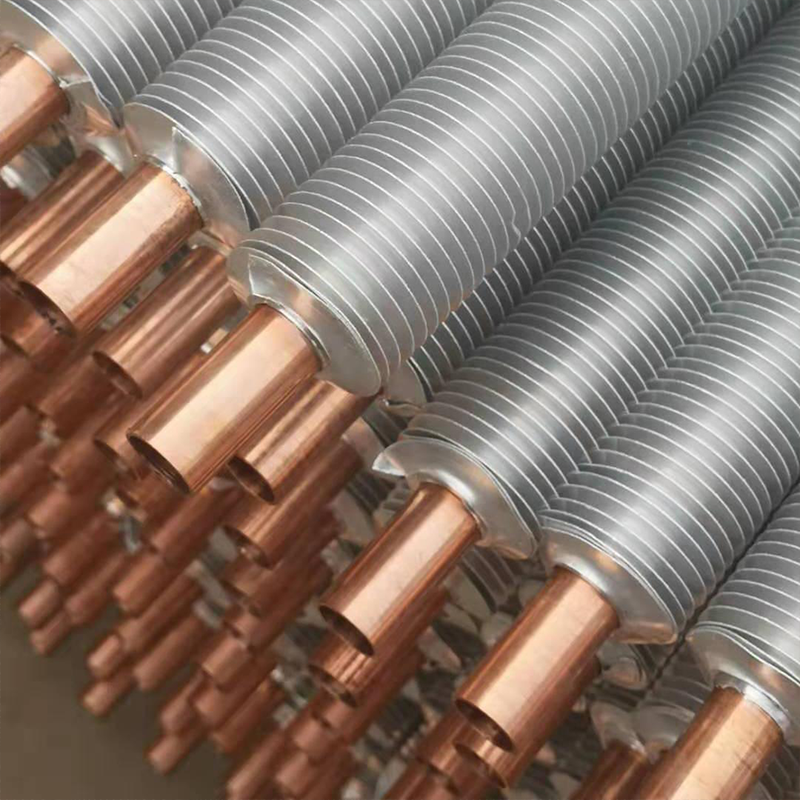
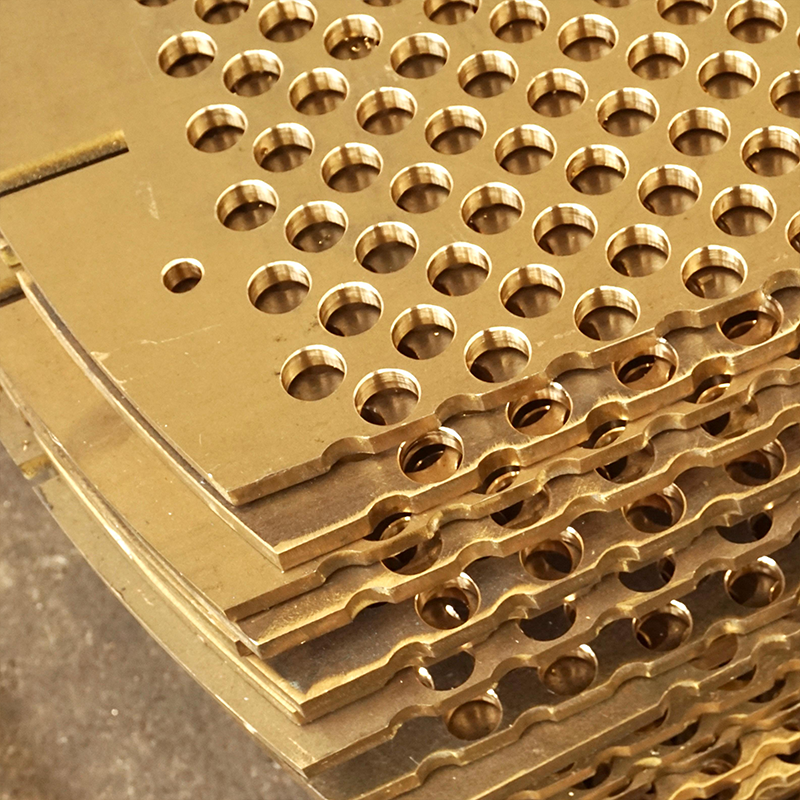
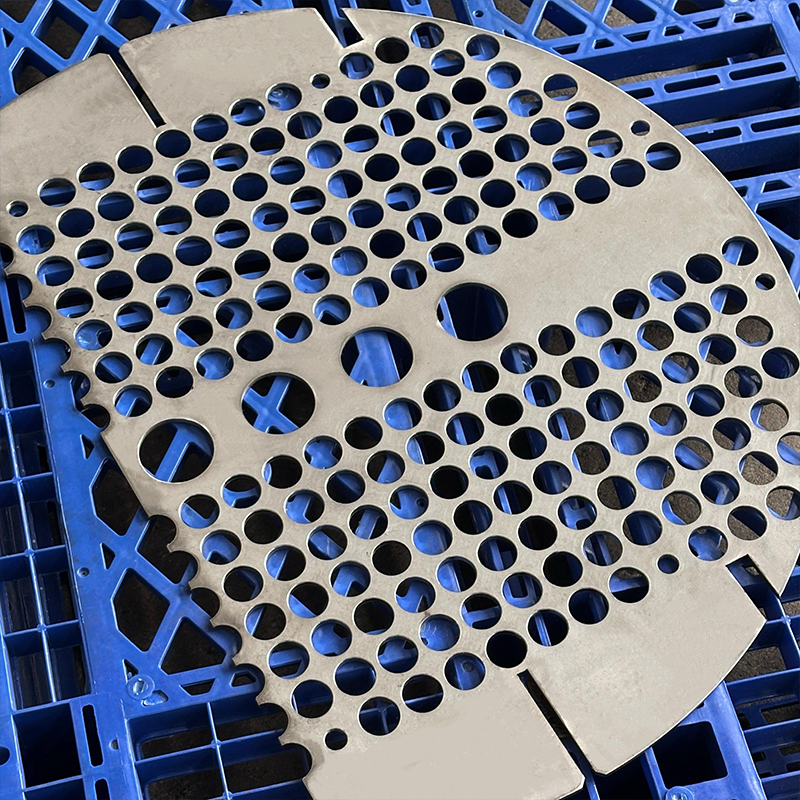
It is in matters of optimization of thermal processes and water treatment that high-quality heat exchange equipment plays a key role. This is where specialized solutions, such as those offered by the company, come to the rescueWuxi Kaisheng Electric Power and Petrochemical Equipment Co., Ltd.. Specializing in the design and manufacture of high-efficiency heat exchangers, the company provides solutions critical to the modernization of cooling systems in industrial plants. Their products, including titanium shell-and-tube heat exchangers, 316 stainless steel, C46400 marine brass and copper-nickel alloys, offer exceptional corrosion resistance and thermal efficiency. This is especially true for plants working with aggressive environments or sea water, where conventional steel analogues quickly fail. Equipment certified to international ASME and PED standards allows for reliable closed cooling cycles, minimizing water loss and preventing wastewater pollution, which directly contributes to meeting stringent 2026 environmental regulations.
Certification and international standards: export
If your plant plans to supply HDPE pipes outside the Russian Federation, for example, to the CIS countries, the Middle East or Africa, compliance with domestic legislation is only a basic level. Exporting requires compliance with international standards, which often include more stringent environmental criteria. The key documents here are ISO 14001 certificates (environmental management systems) and industry standards such as DIN, ASTM or BS, which regulate not only the properties of the pipe, but also the safety of its manufacturing process.
The ISO 14001 certificate confirms that the company has built a system of continuous improvement of environmental performance. This is not just a piece of paper, but a real risk management tool. The presence of such a certificate opens the door to participation in international tenders financed by the World Bank or the European Bank for Reconstruction and Development. These organizations require suppliers to demonstrate sustainable production.
It is also important to take into account the requirements of importing countries. For example, in the countries of the Eurasian Economic Union there is a single technical regulation, but national characteristics may make adjustments. Some Arab countries require confirmation of the absence of toxic additives (lead, cadmium) in stabilizers used in the production of pipes.Environmental legislation for PE pipe factoriesin this context extends to international conventions such as the Stockholm Convention on Persistent Organic Pollutants.
We help clients pass audits according to international standards. It often turns out that a Russian enterprise is technically ready for certification, but does not have properly completed documentation. Lack of emission sensor calibration records, waste logs, or personnel training records may result in denial of certification. Preparation for the audit should begin six months before the audit date.
Frequently Asked Questions
What fines will be imposed for violating environmental standards in 2026?
The fines have increased significantly. For legal entities, the fine for exceeding the maximum permissible limit can reach 250,000 rubles for each emission source, and in case of repeated violation - up to 600,000 rubles or suspension of activities for up to 90 days. If the violation resulted in damage to health or the environment, the amount is calculated in millions of rubles based on the methods for calculating harm. In addition, criminal liability is possible for the head of the enterprise.
Is it necessary to install an automatic emissions monitoring system?
Yes, for enterprises of categories I and II of negative impact (which include large factories of plastic products), the installation of automatic emission controls (AEC) is mandatory from 2025. Data from these devices must be transmitted to the state registry online. For small enterprises (category III), the requirements are softer, but the frequency of instrumental measurements has been reduced to once a year.
Can recycled polyethylene be used to produce drinking water pipes?
The use of recycled materials for pipes in contact with drinking water is extremely limited and requires a special hygienic certificate. In most cases, standards (for example, GOST 32415) require the use of only virgin polyethylene grades PE 100 or PE 80 for the inner layer of the pipe in contact with water. Recycled material is allowed only in the outer layer, provided that it does not migrate into the internal environment and has undergone deep cleaning. We recommend that you clarify the requirements of a specific customer and the regulatory document.
How quickly can a plant be brought into compliance with new standards?
The timing depends on the current condition of the equipment. Replacing filters and adjusting ventilation takes from 2 to 4 weeks. Arrangement of the waste site - 1–2 weeks. Development of new project documentation (PDV, PNOOLR) takes from 2 to 4 months. The full modernization cycle with the purchase of new equipment can take up to 6–8 months. You need to start immediately, since approvals from government agencies take a significant part of the time.
Conclusion and action strategy
Environmental legislation has ceased to be an abstract set of rules. Today this is a specific business factor that affects the cost, reputation and the very possibility of existence of a HDPE pipe plant. Investments in environmental safety are not an expense, but insurance against multimillion-dollar losses and a tool for competition. Factories that have already implemented modern treatment systems and established transparent waste accounting today will receive better contracts and government support tomorrow.
Don't wait for instructions from regulatory authorities. Conduct an internal audit now. Check the condition of the filters, the relevance of MPE projects and the correctness of paperwork for waste. If you find inconsistencies, draw up an action plan and begin implementing it. Remember: ignorance of the law does not exempt you from responsibility, and the cost of a mistake has become too high.
We are ready to help you understand complex issues of environmental regulation and select the optimal technical solutions for your production. Our experts have experience in successfully passing inspections and implementing eco-management systems at dozens of industry enterprises.Contact us todayfor consultation and audit of your production. We also recommend that you read our material aboutquality standards for polyethylene pipesto provide a comprehensive approach to developing your business.