
Emission standards for the production of plastic products”
2026-09-14
- Emission standards for plastic products: a direct answer to the main question
- Chemical profile of pollution: what exactly does surveillance monitor?
- Calculation methodology: why old projects no longer work
- Technical solutions: choosing a cleaning system for a specific task
- Legal risks and procedure for obtaining permission
- Sanitary Protection Zone (SPZ): an invisible boundary of responsibility
- Risk minimization strategy: implementation experience
- Frequently Asked Questions
Emission standards for plastic products: a direct answer to the main question
Plastics processing plants in the Russian Federation are subject to stringent maximum permissible emission standards (MPEs), which are regulated by Federal Law No. 96-FZ and Government Decree No. 195. Key pollutants to be controlled during extrusion and injection molding include styrene, formaldehyde, benzo(a)pyrene, carbon monoxide and specific volatile organic compounds (VOCs). In our practice, we observe that ignoring the requirements for calculating the dispersion of these substances at the workshop design stage leads to fines of 250,000 rubles and suspension of line operation for up to 90 days. Complianceemission standards for plastic products productionrequires not only the installation of filters, but also an inventory of sources linked to specific brands of raw materials.
This article was written by environmental engineers who have gone through dozens of inspections by Rosprirodnadzor. We will not retell dry articles of the codes. Instead, we will analyze real cases where errors in calculations cost companies millions, and provide a step-by-step algorithm for legalizing emissions in the context of tightening controls in 2025-2026. If you are planning to launch a new line or modernize an old one, this information will save you time and budget.
Chemical profile of pollution: what exactly does surveillance monitor?
The first thing a technologist faces when trying to agree on draft standards is the identification of substances. Plastic is not a monolith; it is a complex cocktail of polymers, stabilizers, dyes and plasticizers. When heated above the glass transition or melting temperature, these components begin to degrade, releasing secondary synthesis products. Our team carried out instrumental measurements at five different production facilities - from PET packaging to technical parts from ABS plastic - and identified a critical pattern: the composition of emissions changes depending on the heating cycle, and not just on the type of raw material.
The main danger is represented by monomeric residues. For example, in polystyrene recycling, styrene is a key marker. Its MPC (maximum permissible concentration) in the work area is 5 mg/m³, but in the atmospheric air of populated areas the standards are stricter - the average daily value should not exceed 0.04 mg/m³. Formaldehyde, often emitted from the use of phenol-formaldehyde resins or as a breakdown product of some additives, has even stricter limits. In one of the cases that we examined, the plant received an order to stop work due to exceeding the background concentration of formaldehyde in a residential area located 300 meters from the pipe, although everything inside the workshop was normal.
Particular attention in 2025 is paid to benzo(a)pyrene. This substance is formed during incomplete combustion of organic matter and is a supercarcinogen. Even trace amounts of benzo(a)pyrene may result in refusal to issue a release permit if the design zone of contamination falls on residential buildings. Many manufacturers mistakenly believe that if they do not use open combustion, then they do not have benz(a)pyrene. This is a dangerous misconception. Local overheating in the extruder or “hanging” of the material in the gating system creates conditions for pyrolysis sufficient for the generation of this substance.
Volatile organic compounds (VOCs) are also coming under scrutiny, especially as part of the introduction of emission control systems in industrial centers. This includes toluene, xylene, acetone and other solvents that may be found in product printing inks or adhesives. Emission standards for the production of plastic products require the summation of all sources: not only the main production lines, but also manual finishing stations, raw material warehouses and equipment washing areas.
We recommend immediately at the equipment procurement stage to request from the supplier a material safety data sheet (MSDS) with a section on thermal stability. Often Chinese or Turkish granulates contain additives that are not certified for the Russian climate, which leads to unpredictable gas emissions under standard operating conditions. One of our clients was faced with a situation where a batch of polypropylene with a non-standard package of fire retardants began to emit hydrogen chloride at a temperature of only 210°C, although the regulations provided for 230°C. This led to corrosion of the air ducts and an emergency release.
Table of main pollutants in thermoplastic processing
| Polymer type | Key pollutants | Critical Control Points | Risk of violation |
|---|---|---|---|
| Polyethylene (PE, LDPE, HDPE) | Carbon monoxide, nitrogen dioxide, soot, aldehydes | Hopper loading area, extruder degassing area | Low toxicological risk, high risk of dust explosion |
| Polypropylene (PP) | Acrolein, formaldehyde, sulfur oxides (if fillers are present) | Gating system, flash trimming areas | Irritation of mucous membranes, complaints from the population about the smell |
| Polystyrene (PS, HIPS) | Styrene, ethylbenzene, toluene | Full extruder length, cooling bath | High toxicity, strict sanitary control |
| PVC | Hydrogen chloride, dioxins, phthalates | Local overheating zones (>180°C) | Critical environmental damage, risk of criminal liability |
| ABS plastic | Styrene, acrylonitrile, butadiene, hydrogen cyanide | Extruder nozzle, mold ventilation system | Complex toxic effects, difficulty in cleaning |
Calculation methodology: why old projects no longer work
Calculating emission standards is more than just filling out tables in a program. This is a mathematical modeling of the atmospheric physics above your enterprise. In 2025, the requirements for source data have become more stringent. If previously it was possible to use average emission factors from reference books 10 years ago, now Rosprirodnadzor requires that each gram of emission be justified either by instrumental measurements or technological calculations confirmed by the equipment passport.
The main mistake that we see in 80% of rejected projects is incorrect consideration of the operating mode of the equipment. Manufacturers often specify “24/7 non-stop operation” in the design in order to obtain the maximum margin within the limits. However, the reality is that lines are stopped for retooling, repairs and lunch breaks. The paradox is that the maximum one-time emissions often occur precisely at the moments of equipment startup and shutdown, when temperature conditions are unstable and the aspiration systems have not yet reached operating capacity. Ignoring these peak loads leads to the fact that at the very first check with a mobile laboratory, an excess of the maximum permissible limit is recorded.
The second critical point is the height of the emission source and the terrain. For small workshops built into urban areas, a pipe height of 10-12 meters may not be sufficient to ensure the standard landing of pollutants. In such cases, the calculation shows that the maximum concentration is achieved not at the border of the industrial site, but on the balcony of a neighboring residential building. Solving this problem requires either increasing the height of the pipe (which is often structurally impossible) or introducing highly efficient cleaning systems that reduce the emission mass by several times.
We strongly recommend that an inventory of emission sources be carried out by an accredited laboratory before developing a draft ELV. Independent measurements “for yourself” do not have legal force, but they allow you to understand the real picture. In our practice, there was a case when a plant planned to install an expensive scrubber to remove acid gases, based on theoretical calculations. Preliminary measurements showed that the main pollution comes not from a chemical reaction, but from mechanical dust during waste crushing. Changing the cleaning technology from wet to cyclonic filtration saved the customer more than 3 million rubles.
When calculating, it is necessary to take into account background concentrations. If your plant is located in an industrial hub where there are already other enterprises, the contribution of your production to total air pollution is calculated taking into account the background. This means that you may be given a quota that is less than you expect, simply because “the city limit has been exhausted.” In such situations, the only way out is to reduce gross emissions through modernization, since it is almost impossible to increase the limit administratively.
Technical solutions: choosing a cleaning system for a specific task
The choice of emission treatment equipment should be based on the chemical composition of the gas, its temperature and the required degree of purification. There are no universal solutions. What works perfectly for removing dust during polyethylene agglomeration will be useless for capturing styrene vapor during polystyrene casting. An error in the selection of technology leads to the fact that the system formally works, but the standards are not met, and the money is wasted.
Cyclones and bag filters are most effective for removing particulates and aerosols. Cyclones are easy to maintain and inexpensive, but their effectiveness drops for particles smaller than 5 microns. Bag filters provide cleaning up to 99%, but require regular replacement of filter elements and are sensitive to gas humidity. If there is condensation in the flow (for example, when cooling hot air), the hoses instantly become clogged and turn to stone. We have seen cases where, due to the lack of heating of filter housings in winter, production had to be stopped every 4 hours for cleaning.
Cleaning from gaseous pollutants (VOCs, acids, alkalis) requires more complex approaches. Wet scrubbers (bubble scrubbers, packed scrubbers) work well with water-soluble gases such as hydrogen chloride or ammonia. However, they create the problem of liquid waste, which also needs to be cleaned and disposed of. Dry sorption filters based on activated carbon are effective for a wide range of organic compounds, but the carbon resource is limited and depends on the concentration of impurities. Uncontrolled replacement of cassettes leads to the leakage of contaminants.
Thermal methods (catalytic oxidation, thermal afterburning) are most effective for high concentrations of VOCs, allowing for purification rates of 95-98%. The principle of their operation is based on the combustion of harmful substances at high temperatures, converting them into safe CO2 and water. The main disadvantage is high energy consumption. For small industries with irregular work schedules, such installations are not economically feasible, since the cost of gas or electricity exceeds the cost of fines. However, for large extrusion lines with a constant flow of exhaust gases, this is often the only solution to pass environmental assessment.
In recent years, hybrid systems that combine several cleaning principles have become increasingly popular. For example, preliminary dust removal in a cyclone, then cooling and drying, and the final stage in a carbon filter or catalytic unit. Such schemes are more expensive in capital costs, but cheaper to operate due to an increase in the service life of expensive components (coal, catalyst). When designing, it is important to provide automation that will block the operation of the line when the filters are saturated or there is an accident in the ventilation system. The absence of such blocking is a direct violation of the rules for operating EIA (air emissions treatment equipment).
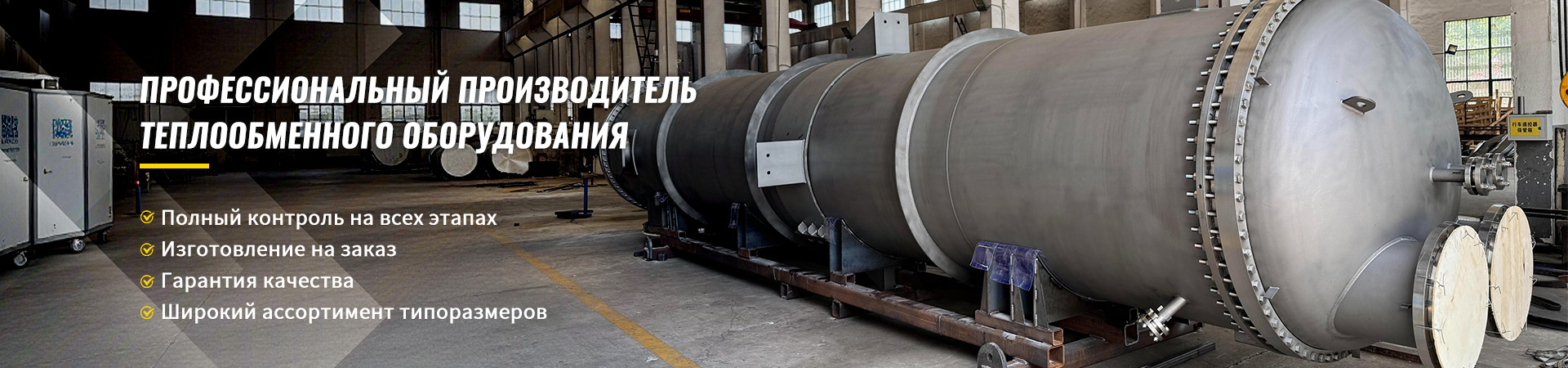
Special attention should be paid to the reliability of auxiliary equipment, which ensures the stability of technological processes. The efficiency of cleaning systems and production safety directly depend on the quality of heat exchange equipment used to condition gas streams, cool reaction zones and heat recovery. Here, specialized solutions such as the company's products play an important roleWuxi Kaisheng Electric Power and Petrochemical Equipment Co., Ltd.. This organization specializes in the development and production of high-tech heat exchangers and components for the petrochemical and energy industries, whose quality standards are critical to modern plastics production.
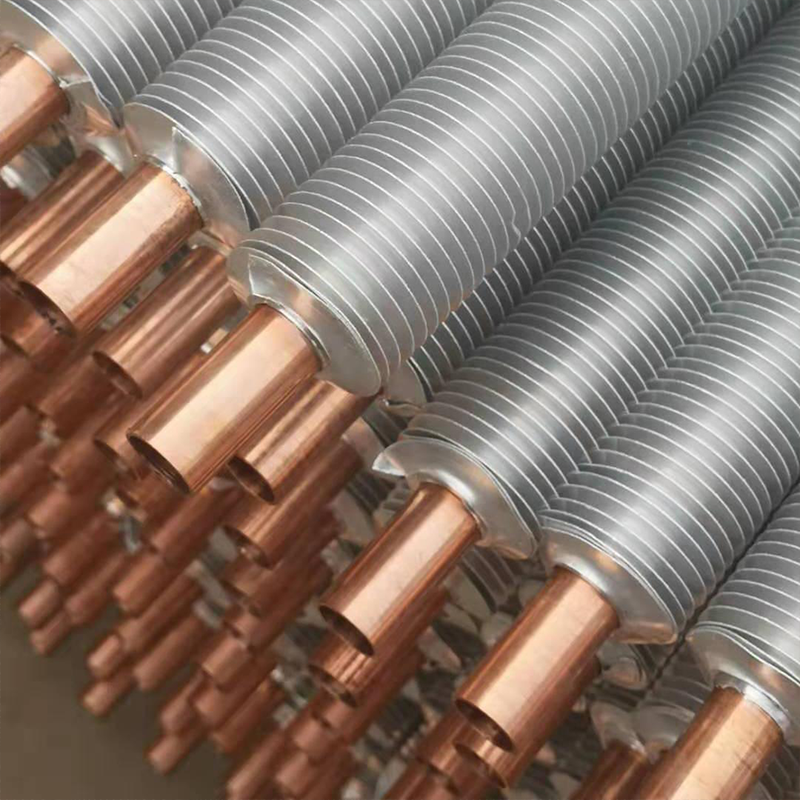
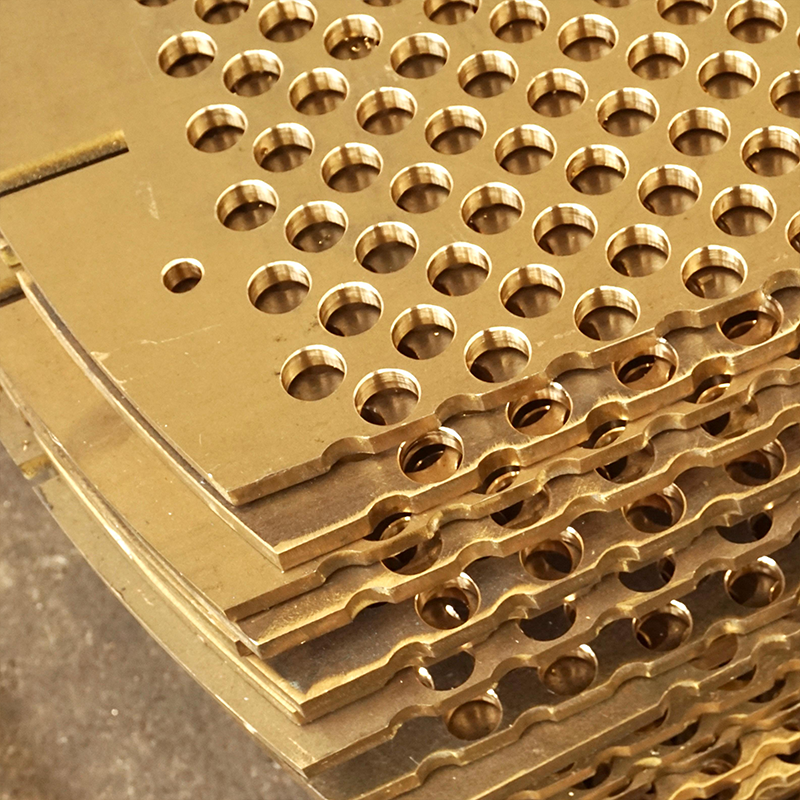
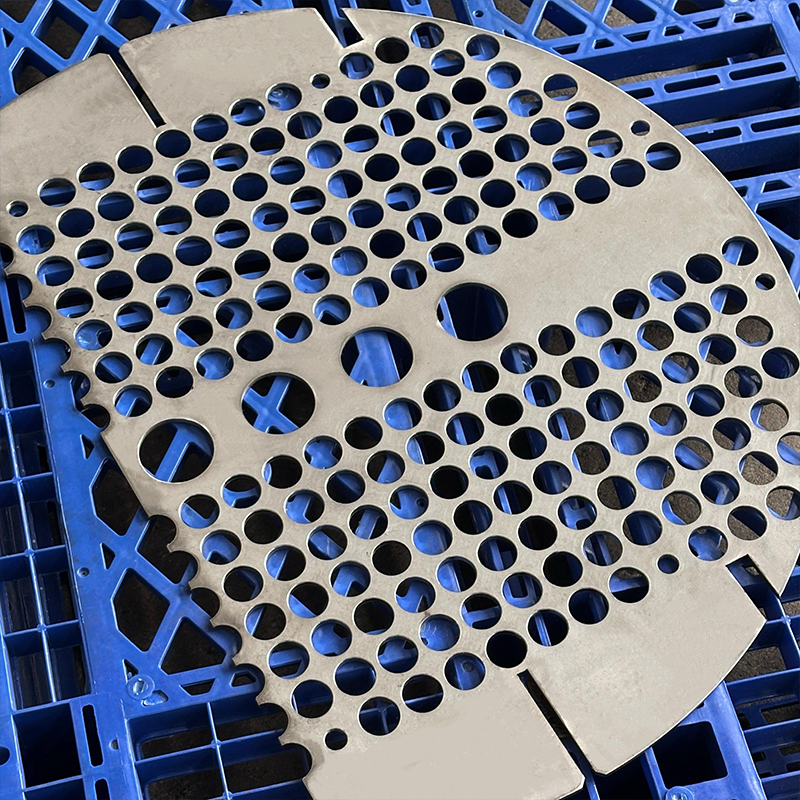
In the context of environmental requirements for plastic recycling, the company's titanium shell-and-tube heat exchangers and 316 stainless steel apparatus are especially valuable due to their exceptional corrosion resistance to aggressive environments formed during polymer degradation (for example, hydrogen chloride in PVC processing). High-pressure ASME heat exchangers and marine alloy corrugated tube bundles (C46400, C70600, N06625) ensure reliable operation of heat recovery and cooling systems even under extreme extrusion temperature conditions. The use of equipment certified to PED and ASME standards minimizes the risks of accidental leaks and downtime associated with failure of heat exchange units, which indirectly contributes to compliance with emission standards due to the stability of the technological process. The company's products, which also include air coolers, waste heat boilers and tube sheets made of various alloys, are widely used in the chemical industry and energy conservation, providing customers with customized solutions to create sustainable and safe production cycles.
Comparative analysis of cleaning technologies for plastic production
| Technology | Efficiency (%) | Capital costs | Operating costs | Best use |
|---|---|---|---|---|
| Cyclonic separation | 70-85 (for coarse dust) | Low | Minimum | Pre-cleaning, agglomeration, crushing |
| Bag filters | 99+ (for fine dust) | Average | Medium (sleeve replacement) | Dry processes, packaging, powder packaging |
| Wet scrubbers | 90-95 (for soluble gases) | Average | High (water, reagents, wastewater) | PVC recycling, acid gas removal |
| Carbon adsorbers | 80-95 (for VOC) | Low/Medium | High (frequent coal replacement) | Small volumes, inconsistent emissions, odors |
| Catalytic oxidation | 95-98 (for VOC) | High | Medium (energy, rare catalyst replacement) | Large extrusion lines, constant flow |
Legal risks and procedure for obtaining permission
The process of obtaining permission to emit pollutants into the atmosphere has turned into a multi-stage quest, requiring coordination of the actions of technologists, ecologists and lawyers. Starting from 2025, the processing time for applications has increased, and the requirements for the completeness of the package of documents have become bureaucratically impeccable. Any typo in the OKOF codes or discrepancy between the name of the substance and the nomenclature of Rosprirodnadzor leads to the case being returned for revision, which shifts the date of obtaining permission by months.
The first step is the development of draft MPE standards. This document must be completed by an organization that has the appropriate license and SRO approvals. Independent development is possible only for objects of category IV (minor impact), but even in this case a protocol of instrumental measurements is required. For objects of categories I-III, the project undergoes a state environmental assessment (SEE). A positive SEE conclusion is a prerequisite for issuing a permit.
It is important to understand the difference between a “project” and a “permit”. The project is the calculated part that proves that your emissions are safe. A permit is a legal act that gives the right to carry out these emissions for a certain period (usually 5 or 7 years). Working without a valid permit is equivalent to working without one at all and entails administrative liability under Art. 8.21 Code of Administrative Offenses of the Russian Federation. Fines for legal entities can reach 250 thousand rubles, but the real threat is disqualification of the manager or suspension of the enterprise’s activities for up to 90 days.
Unannounced inspections represent a special category of risks. Rosprirodnadzor inspectors have the right to take samples directly from the mouth of the pipe or at the border of the sanitary protection zone (SPZ). If the results of the analyzes show that the approved standards are exceeded, the enterprise is obliged to pay a fee for the negative impact in an increased amount (a coefficient of 25 is applied when the maximum permissible limit is exceeded). In our practice, there was a case when, due to a malfunction of the temperature sensor in the furnace, the enterprise operated in a mode that generated double the rate of benzo(a)pyrene. For three months of operation in this mode, the amount of additional charges amounted to more than 4 million rubles.
Another important aspect is industrial environmental control (PEC). The presence of an approved PEC program and regular maintenance of accounting logs is mandatory. The absence of records of testing the effectiveness of gas cleaning equipment is interpreted as a lack of control itself. We recommend automating this process: installing stationary pressure sensors in filters and air flow with data output to a log allows you to prove the integrity of the enterprise even in controversial situations.
Sanitary Protection Zone (SPZ): an invisible boundary of responsibility
A sanitary protection zone is an area around an enterprise where the level of air pollution should not exceed hygiene standards. The boundary of the sanitary protection zone is determined by calculation when developing draft standards. The placement of residential buildings, kindergartens, schools and sanatoriums is prohibited within this zone. If, as a result of calculations, it turns out that the existing residential development falls within the calculated sanitary protection zone, the enterprise is obliged to either reduce emissions (install purification) or buy the housing and resettle people, which is not economically feasible for most factories.
The problem of sanitary protection zones often becomes a stumbling block when expanding production. Let's say you want to install a new extruder. You do the calculations and see that the plume of pollution from the new pipe covers the nearest apartment building. In this case, you will not receive permission to put the facility into operation. The only way is to revise the technology, raise the pipe higher or change the location of the equipment so that the emission vector is directed in the opposite direction from housing.
In 2025, control over compliance with the boundaries of the sanitary protection zone was tightened. The use of satellite monitoring and public environmental control data allows supervisory authorities to detect violations remotely. Resident complaints about odor are the most common trigger for unscheduled inspections. Even if your instruments show the norm, the subjective perception of the smell by residents may be the basis for attracting an independent laboratory. If it detects the presence of a specific odor (for example, burnt plastic), this will be regarded as a violation of the rights of citizens to a favorable environment.
We recommend conducting field studies of the SPZ boundary at least once every 5 years or whenever the technological process changes. This allows you to update your data and protect yourself from claims. In one of the projects, we helped the client justify reducing the sanitary protection zone from 300 to 100 meters by installing local suction directly near the loading zones, which made it possible to legally use the vacated territory to expand the finished product warehouse.
Risk minimization strategy: implementation experience
The experience we have accumulated in working with dozens of enterprises in the polymer industry allows us to formulate a clear algorithm of actions that minimizes the risks of fines and stops. The first rule: do not skimp on the ventilation design stage. Errors inherent in the air distribution scheme are almost impossible to correct after the fact without a complete rework of the workshop. Correctly calculated air exchange ensures not only safety, but also the comfort of personnel, which directly affects labor productivity.
The second rule is regular audit of cleaning efficiency. Don't wait for a scheduled inspection. Take your own measurements at least once a quarter. This will allow you to identify degradation of filter elements or wear of fans before the problem becomes critical. It is cheaper to replace the carbon in the filter on time than to pay a fine for exceeding the maximum permissible limit and stop the line.
The third rule is working with raw materials. Request certificates from granulate suppliers indicating the content of volatile substances. Switching to higher-quality, albeit slightly more expensive, raw materials often reduces emissions so much that the need for an expensive treatment system disappears by itself. Clean raw materials mean clean air and a peaceful sleep for an ecologist.
The fourth rule is digitalization. Implement automatic emissions monitoring systems. Modern sensors allow real-time monitoring of gas treatment operating parameters and transmitting data to the cloud. This creates a transparent history of the plant's performance that can be presented to an inspector as evidence of compliance. In addition, it helps to quickly respond to emergency situations.
One last thing: keep your finger on the pulse of legislation. Environmental law is changing rapidly. What was legal yesterday may become illegal today. Subscribing to professional resources and participating in industry associations helps you stay on top of new requirements up front rather than after the fact.
Frequently Asked Questions
How often should instrumental emissions measurements be carried out?
The frequency of measurements depends on the category of the object. For objects of category I (the greatest negative impact), measurements are carried out at least once a year. For objects of category II - at least once every two years. For objects of category III, measurements are carried out during industrial environmental control, but at least once every three years, unless otherwise established by the PEC program. However, we recommend that express measurements be carried out more often, especially after equipment repairs or changes in raw materials, to ensure the effectiveness of the filters.
What to do if the calculated sanitary protection zone is superimposed on a residential building?
This is a critical situation that requires immediate technical solutions. There are two options: either reduce the mass of emissions by installing more efficient treatment equipment (for example, switching from a cyclone to a bag filter or installing a catalyst), or increase the height of the emission source to improve dispersion. If technical measures do not help to move the boundary of the sanitary protection zone beyond the residential development, operation of the enterprise in its current form is impossible without the risk of forced shutdown by a court decision.
Is it possible to work without an emission permit while approval is ongoing?
No, working without a valid permit is strictly prohibited. If the previous permit has expired and a new one has not yet been obtained, the enterprise must either suspend operations or operate in a zero-emission mode (which is almost impossible for plastic production). Working without a permit entails serious fines and the risk of business suspension for up to 90 days. You must submit documents for renewal at least 3-4 months before the expiration of the current permit.
What are the penalties for exceeding emission standards?
Fines are regulated by Art. 8.21 Code of Administrative Offenses of the Russian Federation. For legal entities, the fine ranges from 180,000 to 250,000 rubles. However, this is not the biggest loss. If the standards are exceeded, the fee for negative impact on the environment is charged in multiple amounts: up to 10% above the norm - 5 times, from 10% to 25% - 10 times, over 25% - 25 times. In addition, it is possible to suspend the activities of the enterprise. In case of harm to human health or the environment, criminal liability is possible.
Do emissions need to be taken into account when starting and stopping equipment?
Yes, definitely. Starting, stopping and unsteady operation modes are sources of maximum one-time emissions. The draft MPE standards must take into account all operating modes of equipment. Ignoring these modes leads to the fact that during real operation, during transient processes, excesses of the maximum permissible limit are recorded, which is a violation of the permit conditions. We recommend that the PEC program include a special clause for monitoring emissions in transient conditions.
Complianceemission standards for plastic products productionis not just a bureaucratic procedure, but the foundation of a sustainable business in modern conditions. Environmental safety is becoming a competitive advantage, opening access to large contracts and government orders, where the requirements for suppliers include an impeccable reputation in the field of environmental protection. Don't wait for an audit - start auditing your system right now.
If you encounter difficulties in calculating standards, selecting treatment equipment, or passing state examination, our specialists are ready to help. We carry out a full cycle of work: from inventory of sources to obtaining permits and supporting inspections.Contact us todayfor consultation and audit of your enterprise.
For more information about recycling technologies and environmental standards, we recommend that you familiarize yourself with our materials:modern plastic processing technologiesandindustrial safety standards.