
environmentally friendly powder paints for electrical panels
2026-07-27
- Why eco-friendly powder coatings are the standard for electrical panels in 2026
- Technical requirements for dielectric properties and adhesion
- Comparison of binder types: Polyester vs. Epoxy resins
- Environmental standards and production safety
- Typical errors during application and how to eliminate them
- Economic efficiency and cost calculation
- How to choose a reliable materials supplier
- The Future of Coating Technologies for Electrical Engineering
- Комплексные решения для энергетического сектора: опыт ООО «Уси Кайшэн»
- Frequently Asked Questions
Why eco-friendly powder coatings are the standard for electrical panels in 2026
Eco-friendly powder paints for electrical panels today are not just a marketing trend, but a strict requirement of European and Russian industrial safety standards. If you are selecting a coating for switchboards that will operate in hostile environments or within residential complexes, traditional solvent-based liquid enamels are no longer tested for volatile organic compound (VOC) levels. In our practice, we were faced with a situation where a large manufacturing plant of panel equipment lost a contract for supply to Scandinavia precisely because of exceeding emission standards during coating application. This forced them to completely reconsider the technological chain and switch to solvent-free polyester compositions.
The modern market dictates new rules: the coating must not only be corrosion-resistant and electrically inert, but also safe for installers and end users. We analyzed hundreds of batches of coatings and found that the correct powder formula reduces the risk of insulation breakdown by 15-20% due to the absence of micropores characteristic of improperly dried liquid paints. In this article we will analyze the technical nuances of choosing a material that will provide your product with a service life of more than 20 years without loss of dielectric properties.
Technical requirements for dielectric properties and adhesion
The main function of the coating on an electrical panel is to protect the metal from corrosion and provide additional electrical insulation. However, many buyers make the mistake of focusing only on color and gloss, while ignoring the critical parameters of adhesion and breakdown voltage. Eco-friendly powder paints for electrical panels must meet strict standards for layer thickness and uniformity. The standard coating thickness for the interior surface of a cabinet is 60-80 microns, while for external surfaces exposed to ultraviolet radiation and moisture, this parameter increases to 80-120 microns.
It is important to understand the physics of the process: the powder melts and polymerizes, creating a monolithic film. Unlike liquid, there is no shrinkage when the solvent evaporates, which guarantees the absence of internal stress. But if the polymerization temperature is chosen incorrectly, the coating becomes brittle. One of our clients complained about paint chipping when transporting boards. During the audit, we found out that the furnace was underheated by 10°C, which led to incomplete cross-linking of the polymer. The result was loss of adhesion upon impact, although no visual defects were immediately visible.
When choosing a material, be sure to request a test report according to ISO 9001 or GOST R 57387-2017 for the Russian market. Pay special attention to the reverse impact test. For electrical panels this figure should be at least 40 kg/cm. If the paint manufacturer cannot provide data on this parameter, the risk of the coating cracking when installing a door or installing heavy equipment inside the cabinet increases many times over. Don’t skimp on incoming inspection: checking one batch takes 2 hours, but saves you from complaints worth millions of rubles.
Critical parameters for quality control
- Adhesion (lattice cut method):Must comply with class 0 or 1 according to ISO 2409. Any peeling along the cut line is unacceptable for critical structures.
- Flexibility when bending:Test on a mandrel with a diameter of 2-4 mm. The coating should not crack when molding the metal elements of the shield after painting (if the technology allows).
- Salt fog:Minimum 500 hours without signs of corrosion under the film for interior solutions and 1000+ hours for outdoor all-weather cabinets.
- Dielectric strength:Critical parameter for electrical engineering. The coating must withstand a voltage of at least 2000 V at a thickness of 60 microns without breakdown.
Remember: high adhesion is achieved only with ideal surface preparation. Even the most expensive eco-friendly paint will peel if there are traces of oil or an oxide film on the metal. Before purchasing a large quantity, always perform a test stain on a real sample of your metal using your prep line.
Comparison of binder types: Polyester vs. Epoxy resins
The choice of chemical base for powder paint determines the fate of your electrical panel after 5 years of operation. Two main types dominate the market: hybrid (epoxy-polyester) and pure polyester. Many purchasing managers choose hybrids because of their low price and excellent spreadability, without realizing the fundamental disadvantage of low UV resistance. The epoxy component in the hybrid begins to chalk under the influence of sunlight, losing color and protective properties after 6-12 months outdoors.
For internal electrical panels installed in server rooms, workshops or residential entrances, hybrid compositions are quite acceptable. They provide excellent protection against corrosion and mechanical damage. However, if your panel will be placed on the façade of a building, in a transformer substation, or anywhere that receives direct sunlight, using hybrids is a technical error. What is needed here are 100% polyester compositions (TGIC-free or Primid-based), which maintain the gloss and integrity of the film for more than 10 years, even in subtropical climates.
We conducted a comparative cost and risk analysis for a typical production order. The difference in cost per kilogram of paint between hybrid and super-durable polyester is about 15-20%. However, the cost of repainting a defective batch of panels, line downtime and logistics of returned goods exceeds this savings by 50 times. The table below provides a detailed comparison of features to help you make an informed decision.
| Comparison parameter | Hybrid paints (Epoxy-Polyester) | Pure Polyesters (Super Durable) |
|---|---|---|
| UV resistance | Low. Chalking and fading after 6-12 months. in the sun. | High. Gloss and color guarantee up to 10-15 years. |
| Chemical resistance | Excellent. Resistant to solvents, acids, alkalis. | Good. Inferior to epoxides in resistance to strong solvents. |
| Heat resistance | Up to 120°C for a short time. Turn yellow when overheated. | Up to 150-180°C. Stable at high operating temperatures of the panel. |
| Dielectric properties | Tall. Ideal for internal insulation. | Tall. Suitable for all types of electrical equipment. |
| Raw material cost | Low/Medium. | Medium / High (15-25% more expensive). |
| Recommended Application | Internal components, cabinets in rooms without windows. | Outdoor cabinets, facade solutions, food industry. |
Pay attention to the new trend for 2025-2026: the emergence of polyester paints based on Primid (without TGIC). Traditional TGIC hardeners are toxic and require special precautions when producing the powder itself. The new formulas are not only safer for the health of operators, but also have better charge transfer during spraying, which reduces material consumption by 5-7%. If your company declares a sustainable development policy (ESG), switching to Primid systems will be a powerful argument for international partners.
Environmental standards and production safety
The term “eco-friendly” in the context of powder coatings has a specific dimension. Firstly, it is the absence of solvents. The powder application process generates 0 grams of volatile organic compounds (VOC). For comparison: painting the same electrical panel with liquid enamel requires complex solvent recovery systems or expensive afterburning filters in order not to violate air protection legislation. Secondly, there is the possibility of recycling. Excess powder that has not settled on the product in the spray chamber can be collected, sifted and reused. The material utilization rate reaches 95-98%, while with liquid painting the losses are 30-40%.
However, “environmental friendliness” should not become an end in itself at the expense of quality. We have seen cases where manufacturers tried to reduce the cost of a product by adding low-quality secondary raw materials. Such powder may contain contaminants that become corrosion centers under the film. True eco-friendly electrical panel powder paints are made from virgin polymer with controlled particle size. Packaging is also an important aspect. Leading suppliers are switching to biodegradable boxes and minimizing the use of plastic in shipping packaging.
Certification is key. To operate on the European market, CE marking is mandatory. In Russia and the EAEU countries, confirmation of compliance with the technical regulations of the Customs Union is required. In addition, electrical panels used in the food industry or healthcare facilities require a food contact certificate or a hygiene report. The absence of these documents may result in the finished product not being approved for use by regulatory authorities.
Don't forget about staff safety. Although the powder itself is inert, fine dust is harmful to the lungs if inhaled. An aspiration system and personal protective equipment (FFP2/FFP3 class respirators) are required in the spraying area. Modern installations make it possible to create a closed cycle, where the operator has virtually no contact with the cloud of dust, but neglect of this rule leads to occupational diseases and fines from the labor inspectorate.
Typical errors during application and how to eliminate them
Even the highest quality material can be ruined by improper application. Statistics from our service department show that 80% of complaints are not related to paint defects, but to technology violations on the part of the customer. The most common problem is “orange peel”. It occurs when the layer is too thick (>120 µm) or the oven temperature is incorrect. The surface becomes rough, which not only spoils the appearance, but also makes it difficult to clean the shield from dust in the future.
The second common mistake is poor grounding of the product. The powder is applied due to electrostatic charge. If the suspension hook is contaminated with paint or contact with the part is unreliable, the charge is not transferred to the metal. The result is the effect of “reverse ionization” (lumbago) or uneven coverage in the corners and deep niches of the shield body. We strongly recommend checking the ground resistance of the suspension daily before starting your shift. Resistance should not exceed 1 MOhm.
The third problem is craters and fish eyes. This is usually the result of silicone or oil getting on the metal surface before painting. The source could be compressor lubricant trapped in the compressed air, or silicone seals near the paint line. It is impossible to remove such defects locally; complete washing and re-preparation of the surface is required. To avoid this, install high-quality fine filters in your compressed air line and prohibit the use of silicone sprays in the workshop.
Another nuance that is often forgotten is the heating of massive parts. The thick-walled body of the electrical panel (3-4 mm steel) has a high heat capacity. If the residence time in the furnace is calculated for thin metal, the massive part will not reach the required temperature deep in the profile. Externally, the coating looks ready, but inside polymerization has not occurred. This leads to a decrease in mechanical strength. Use thermoprofilers to monitor the actual temperature of the metal, not just the air in the furnace.
Checklist before launching a game
- Check the cleanliness of the pendants and the reliability of the grounding contact.
- Make sure there are no oils or silicones in the spray area.
- Adjust the parameters of the spray gun (kV, air flow) for a specific brand of powder.
- Carry out test spraying on a witness plate and measure the thickness of the wet and dry layers.
- Verify the temperature profile of the furnace for a specific mass of loaded products.
Regular equipment maintenance is the key to stable quality. Clogged recovery filters change the aerodynamics of the camera, which leads to excessive paint consumption and color contamination when changing to a different shade. Plan to replace filters and clean the camera according to the equipment manufacturer’s regulations, and not “based on quality deterioration.”
Economic efficiency and cost calculation
Switching to environmentally friendly powder coatings is often perceived as an increase in costs, but with a detailed TCO (Total Cost of Ownership) calculation, the picture changes. Yes, the price per kilogram of good polyester powder is higher than that of cheap hybrid enamel. However, the transfer efficiency of the powder is much higher. In an optimally tuned line, losses do not exceed 2-5%, whereas with liquid painting, a significant part of the material goes into fog or evaporates.
Let's consider an example of calculation for a batch of 1000 electrical panels. The painted surface area of one panel is 5 m². The required thickness is 70 microns. Powder density is 1.5 g/cm³. The theoretical consumption will be about 0.525 kg per shield. Taking into account a utilization rate of 95%, the actual consumption will be 0.55 kg. A total of 550 kg of paint is needed per batch. With liquid painting at 60% efficiency, you'll need almost 1.6 times the dry matter, plus the solvents you buy don't stay on the product, but evaporate, requiring you to pay for disposal.
Additionally, powder coating eliminates the drying step between coats and reduces overall cycle time. A single-layer coating replaces the multi-layer primer-enamel-varnish system. This frees up production space and reduces the wage bill. The energy consumption for powder polymerization is comparable to drying liquid paint, but the absence of the need for powerful ventilation to remove solvent vapors provides additional savings on electricity and workshop heating in winter.
Don't forget about marriage. The stability of color and shade in powder coating is higher. In liquid systems, the human factor (dilution, viscosity, holding time) greatly influences the final shade. In the powder, the color is specified by the recipe at the manufacturer. This reduces the number of customer returns due to batch variations, which is especially important for large infrastructure projects where panels are delivered in parts throughout the year.
How to choose a reliable materials supplier
The market is full of offers, but not all suppliers are able to ensure consistency of quality from batch to batch. When choosing a partner, ask him a few provocative questions. First: “What is your guaranteed shelf life for paint and what conditions do you recommend?” A good supplier will know that powder can cake at temperatures above 25°C and will offer a solution. Second question: “Can you provide MSDS and certificates for each batch?” Lack of documentation is a red flag.
Pay attention to logistics. Powder paint is sensitive to moisture and temperature changes. If the supplier transports goods in open trucks in winter without thermal protection, condensation inside the boxes can spoil the material before it reaches you. Reliable companies use air-conditioned vehicles and control the humidity in the warehouse. Technical support service is also important. Is the supplier able to send a technologist to set up your equipment in case of problems? This is critical to minimizing downtime.
Avoid the temptation to buy “analogues” of famous brands at a dumping price. Often, mixtures from leftovers from different batches or reconstituted powder are sold under the guise of a quality product. Such materials have unpredictable behavior in the oven: they may change color, fail to flow, or lose adhesion. Saving 10% on material can lead to a loss of 100% of the cost of the product due to defects. Work only with official distributors or direct representatives of factories.
In our practice, there was a case when a client purchased cheap paint from an unverified intermediary. The batch came out with a “crater” effect on the entire surface. The examination showed the presence of foreign inclusions of low-melting polyethylene in the composition. The supplier disappeared and the client suffered losses. Check the reputation of the counterparty, request contacts of existing clients and do not hesitate to ask for test samples before concluding a large contract.
The Future of Coating Technologies for Electrical Engineering
Индустрия движется в сторону снижения температуры полимеризации. Традиционные режимы 180-200°C требуют больших энергозатрат и ограничивают применение порошков на изделиях с пластиковыми или деревянными элементами. Новые поколения низкотемпературных красок (отверждаемые при 140-160°C) открывают возможности для комбинированных материалов в электрощитах. Это позволяет интегрировать декоративные элементы из термочувствительных материалов прямо в металлический корпус.
Еще одно направление — функциональные покрытия. Уже сейчас существуют порошки с антибактериальными свойствами (с добавлением ионов серебра), что актуально для медицинских учреждений. Разрабатываются составы с повышенной огнестойкостью, которые не просто не горят, но и выделяют газы, подавляющие пламя. Для энергетики интересны покрытия с высокой теплопроводностью, помогающие отводить тепло от силовых компонентов внутри щита, снижая необходимость в активных системах охлаждения.
Цифровизация также затрагивает эту сферу. Появляются системы автоматического контроля толщины и дефектоскопии в реальном времени, интегрированные с линией нанесения. Камеры и датчики анализируют каждое изделие и автоматически корректируют параметры распыления для следующего. Это сводит человеческий фактор к нулю и гарантирует 100% соответствие спецификации. Компании, внедряющие такие решения уже в 2026 году, получают существенное конкурентное преимущество по скорости и качеству.
Не игнорируйте эти тренды. Инвестиции в современные материалы и технологии сегодня — это страховка от устаревания вашего производства завтра. Рынок становится все более требовательным к экологии и долговечности. Те, кто адаптируется первыми, займут лидирующие позиции в тендерах на крупные государственные и коммерческие проекты.
Комплексные решения для энергетического сектора: опыт ООО «Уси Кайшэн»
Выбор правильного покрытия неразрывно связан с качеством самого оборудования, которое оно защищает. В условиях, когда электрощиты и энергетические установки эксплуатируются в экстремальных средах — от морских платформ до нефтехимических заводов — требования к материалам возрастают многократно. Именно здесь важен комплексный подход, объединяющий передовые технологии окраски с высококлассным инженерным исполнением металлоконструкций.
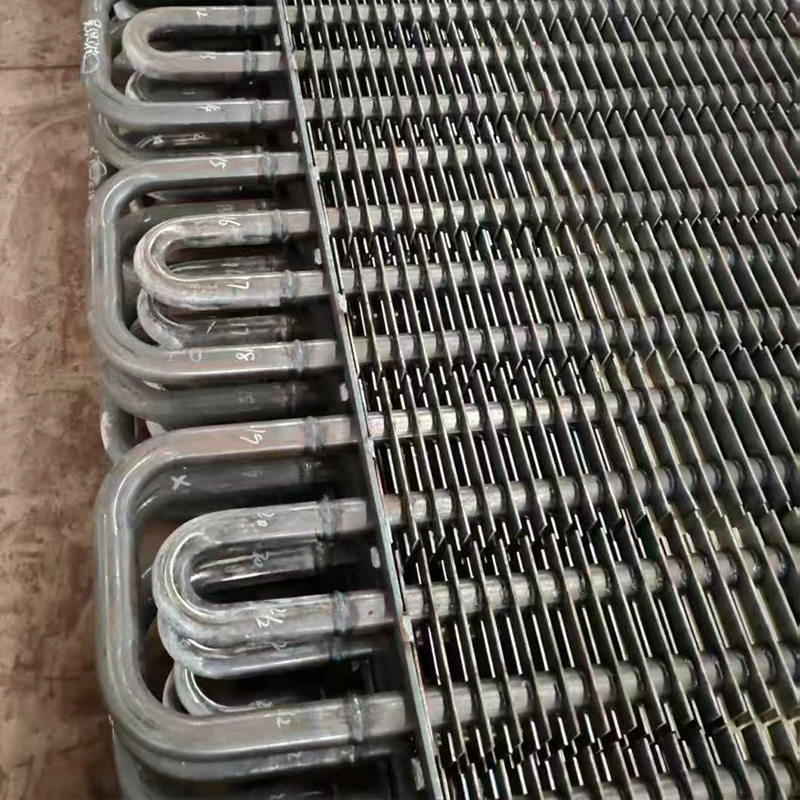
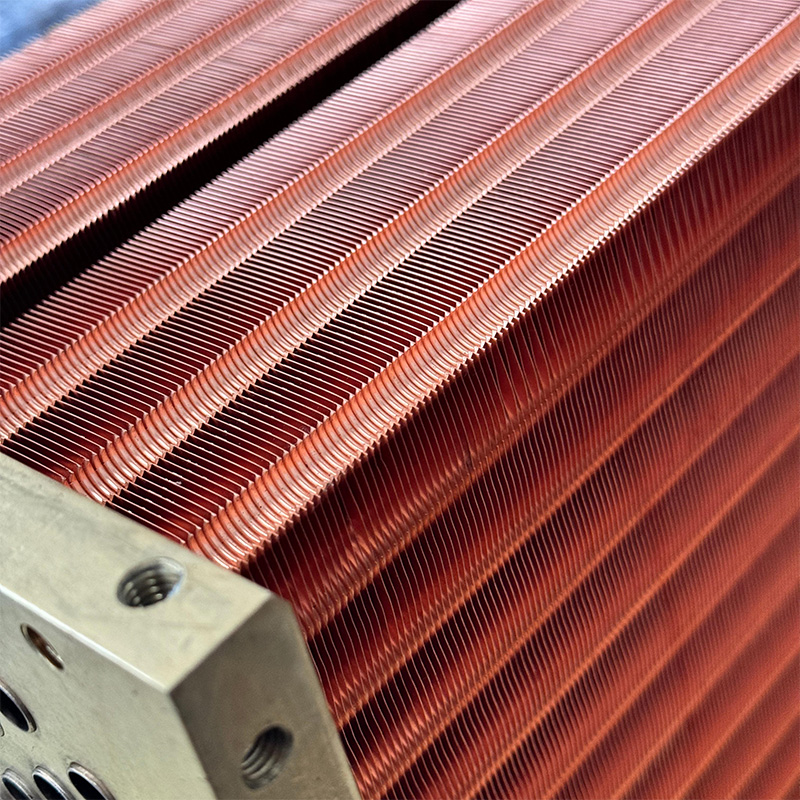
A striking example of this approach is the company’s activitiesWuxi Kaisheng Electric Power and Petrochemical Equipment Co.,Ltd" Специализируясь на разработке и производстве сложного теплообменного и энергетического оборудования, компания демонстрирует, как высокие стандарты качества реализуются на практике. Их продукция, включая титановые кожухотрубные теплообменники, ASME высоконапорные системы и воздушные охладители, производится из материалов с исключительной коррозионной стойкостью: нержавеющей стали 316, морской латуни C46400, медно-никелевых сплавов и никелевых сплавов N06625.
Опыт «Уси Кайшэн» в работе с агрессивными средами нефтепереработки, химической промышленности и опреснения морской воды напрямую коррелирует с требованиями к защите электрощитового оборудования. Использование сертифицированных по стандартам PED и ASME материалов, обладающих устойчивостью к высоким давлениям и температурам, создает идеальную базу для нанесения современных экологичных покрытий. Когда прочный, грамотно сконструированный корпус из качественных сплавов покрывается правильно подобранным порошковым составом, синергетический эффект обеспечивает срок службы оборудования, превышающий все отраслевые ожидания. Это подтверждает тезис о том, что надежность конечного продукта зависит от каждого этапа цепочки создания стоимости — от выбора металла до финишной отделки.
Frequently Asked Questions
Можно ли наносить порошковую краску на оцинкованную сталь для электрощитов?
Да, можно, но это требует специальной подготовки. Гладкий цинк имеет плохую адгезию. Необходимо использовать специальные грунтовки для цинка или применять фосфатирование с последующим пассивированием. Без этого покрытие может отслоиться пластами при термическом расширении. Мы рекомендуем проводить тест на адгезию после полного цикла полимеризации перед запуском серии.
Какой минимальный заказ (MOQ) у производителей экологичных красок?
Стандартный минимальный заказ у крупных заводов обычно составляет 200-300 кг одного цвета (одна коробка или паллета). Однако многие дистрибьюторы предлагают фасовку от 20 кг для небольших партий или тестирования. Для уникальных цветов (RAL, не входящих в стандартную гамму) MOQ может быть увеличен до 1 тонны из-за настроек экструдера. Уточняйте условия у конкретного поставщика, так как они варьируются.
Совместимы ли порошковые краски с компонентами внутри щита (контактами, изоляторами)?
Сами по себе затвердевшие порошковые краски инертны и безопасны для большинства материалов. Опасность представляет только процесс напыления: пыль может попасть на контактные группы и вызвать нарушение проводимости. Поэтому все внутренние компоненты должны быть установленыafterокраски корпуса, либо тщательно закрыты термостойкими заглушками и масками во время процесса. Никакая краска не должна попадать на резьбовые соединения шин.
Как хранить остатки краски после вскрытия упаковки?
Порошок боится влаги и жары. Остатки нужно плотно закрывать в оригинальной упаковке или герметичных контейнерах. Хранить в сухом помещении при температуре от +5°C до +25°C. Избегайте хранения на полу (риск конденсата) и возле отопительных приборов. При соблюдении условий срок хранения обычно составляет 12 месяцев с даты производства. Перед использованием лежалую краску желательно просеять.
Выбор правильного покрытия для электрощита — это инвестиция в репутацию вашего бренда. Usingэкологичные порошковые краски для электрощитовот проверенных поставщиков и соблюдая технологию, вы получаете продукт, который служит десятилетиями, защищая дорогое оборудование и обеспечивая безопасность людей. Не рискуйте качеством ради сиюминутной экономии.
Если вы готовы оптимизировать свое производство и перейти на современные стандарты окраски, наши эксперты помогут подобрать оптимальную рецептуру под ваши задачи. Мы работаем с ведущими мировыми производителями и гарантируем наличие сертификатов и стабильность поставок.Contact us today, чтобы получить бесплатный образец и технико-коммерческое предложение для вашего проекта.