
PE sheet for waterproofing: application and properties”
2026-08-13
- What is PE sheet for waterproofing and why is it critical for the durability of structures
- Technical specifications: what numbers to look at when purchasing
- Areas of application: where PE sheet is indispensable
- Comparison of technologies: PE sheet versus bitumen and liquid waterproofing
- Installation technology: step-by-step instructions and typical mistakes
- Risk factors and economics of supplier selection
- Frequently Asked Questions
- Conclusion and recommendations for action
What is PE sheet for waterproofing and why is it critical for the durability of structures
PE waterproofing sheet is a high-density polyethylene (HDPE) that serves as a primary barrier against moisture penetration into foundations, tunnels and landfills. Unlike bitumen roll materials, which lose elasticity over time and crack at low temperatures, polyethylene film retains its mechanical properties for decades. Our experience working with sites in Siberia and the Far East has shown that the correct choice of material thickness and density reduces the risk of leaks by 90% compared to traditional methods. The key parameter here is not just the presence of the word “waterproofing” on the packaging, but specific physical and mechanical indicators confirmed by laboratory tests.
Many developers make the mistake of buying the cheapest material with a thickness of less than 1.5 mm for critical components. We saw the consequences of such a decision: three years after the commissioning of the facility, groundwater destroyed the concrete foundation, since the thin film could not withstand the pressure of plant roots and soil movements. PE sheet for waterproofing should be selected based on real loads, and not just on the project budget. In this article, we will analyze the technical nuances that distinguish professional material from household material, and give clear recommendations for installation.
Technical specifications: what numbers to look at when purchasing
When choosing a material, most managers look only at the price per square meter, ignoring the critical parameters laid down in GOST and international standards. The density of polyethylene should be in the range from 0.940 to 0.965 g/cm³. If the indicator is below 0.930 g/cm³, you have a low-pressure material with impurities that quickly degrades under the influence of ultraviolet radiation and aggressive chemical environments. We independently tested samples from different factories: sheets with a density of 0.925 g/cm³ lost up to 40% of their tensile strength after just one season of exposure to open sun.
The second most important indicator is the crushing resistance (CBR). To protect the foundations of residential buildings, the minimum value should be 450-500 N, and for municipal solid waste (MSW) landfills this parameter rises to 700 N and higher. Why is this important? Because it is this parameter that ensures that sharp stones in the backfill will not pierce the membrane when compacting the soil with a vibrating plate. Often customers require a certificate of conformity, but do not check the test reports, which indicate real numbers and not regulatory minimums.
Elongation at break also plays a role. A high-quality PE sheet should stretch at least 600-700% before breaking. This property allows the material to compensate for shrinkage of the building or soil movement without the formation of through cracks. If the material is rigid and breaks at 200-300% tension, it is not suitable for unstable soils. In our practice, there was a case when the use of a rigid composite led to depressurization of the reservoir bowl during the first filling with water due to uneven settlement of the base.
Oxidation resistance (OIT) determines the service life of a material. For underground waterproofing, this indicator should be at least 20 minutes at a temperature of 200°C. Low OIT means that insufficient antioxidants were added or the material was made from recycled materials. Such a sheet will begin to crumble after 5-7 years, although the manufacturer could claim a 50-year service life. Always ask for a quality certificate indicating specific OIT values, and not just a general phrase about compliance with standards.
The thickness of the material varies from 0.5 mm to 3.0 mm depending on the task. For horizontal waterproofing of foundations of private houses, 1.5 mm is usually sufficient, while for vertical protection of basement walls and technical structures it is recommended to use sheets from 2.0 mm. Increasing the thickness directly affects the cost, but the savings here often come at a cost. The difference in price between 1.5 mm and 2.0 mm is about 25-30%, however, the safety margin increases proportionally more, especially taking into account possible installation defects.
Areas of application: where PE sheet is indispensable
The scope of use of polyethylene sheets is much wider than is commonly believed in mass construction. The main application is waterproofing foundations and underground parts of buildings. Here the material works as a shut-off capillary waterproofing, preventing the rise of moisture from the soil into the concrete. Unlike coating waterproofing, which requires ideal surface preparation and a dry base, a PE sheet can be installed even on wet concrete, which speeds up construction time significantly. This is especially true given the short construction season in the northern regions.
Landfills for solid household and industrial waste are another key niche. Here, geomembranes with a thickness of 1.5 to 2.5 mm are used with mandatory welding with a hot wedge or extruder. The requirements for tightness here are maximum, since we are talking about preventing contamination of groundwater with toxic filtrates. An error in choosing a material or welding technology can lead to an environmental disaster and huge fines from regulatory authorities. For such objects, we recommend using only primary raw materials with a full package of environmental certificates.
In road construction, PE sheets are used to separate the layers of the road pie and protect the roadbed from waterlogging. Laying geotextiles in combination with polyethylene film allows you to create an effective drainage screen. This solution extends the service life of the road by preventing the washout of the bearing layer and the formation of ruts. In regions with high groundwater levels, this technology is standard, while in central regions it is often ignored, saving at the base preparation stage, which leads to rapid destruction of asphalt.
Artificial reservoirs, ponds and canals are also protected using these materials. The smooth surface of polyethylene prevents the growth of algae and makes the tank easier to clean. For decorative ponds, black film is often used, which visually hides the bottom and creates the effect of depth. It is important to remember that for open water bodies the material must have UV stabilizers (soot), otherwise sunlight will destroy the polymer chain in one or two seasons. Transparent or colored sheets without stabilizers are absolutely not suitable for open work.
Industrial floors and warehouses require protection from capillary moisture, which can spoil stored products. Laying a PE sheet under a concrete screed solves this problem radically. In this case, it is important to ensure that the fabrics overlap by at least 15-20 cm and glue the joints with special tape or weld them to create a single monolithic carpet. Many builders neglect to seal joints, believing that the concrete pressure is sufficient, but moisture finds the smallest cracks and rises upward, causing corrosion of the reinforcement and peeling of the finish coating.
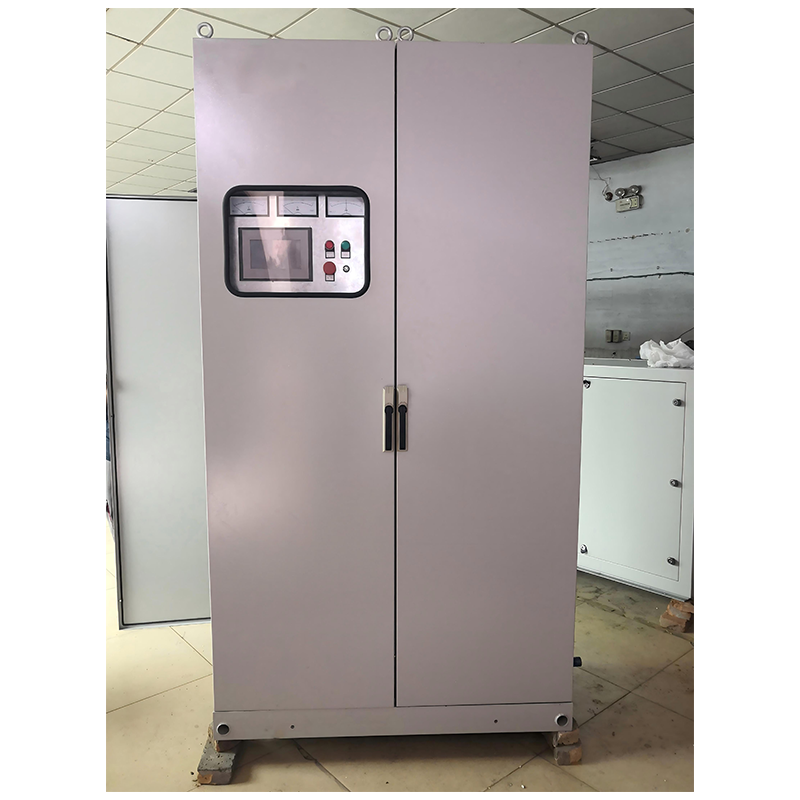
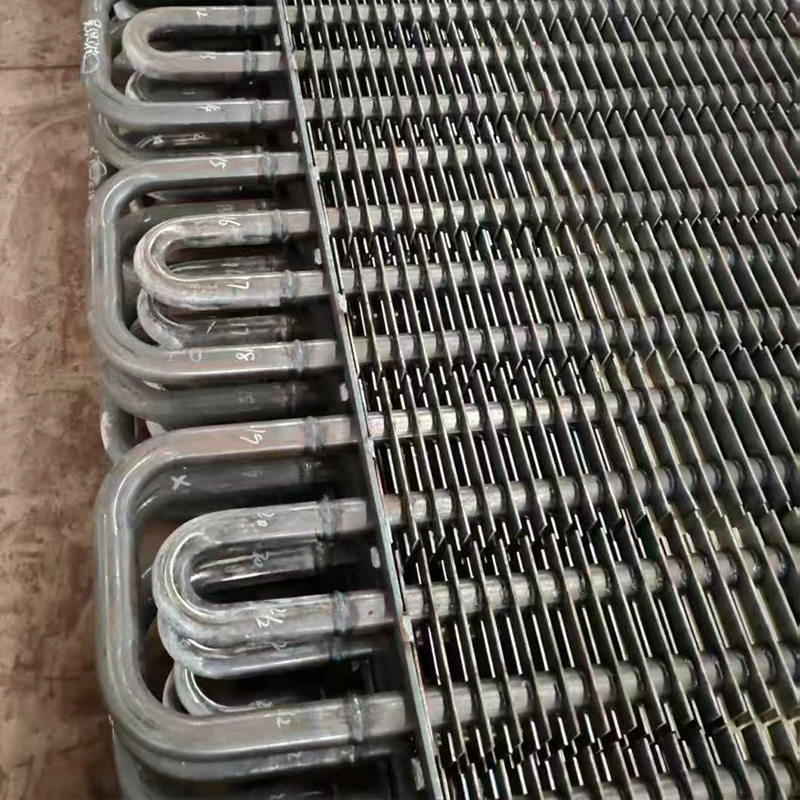
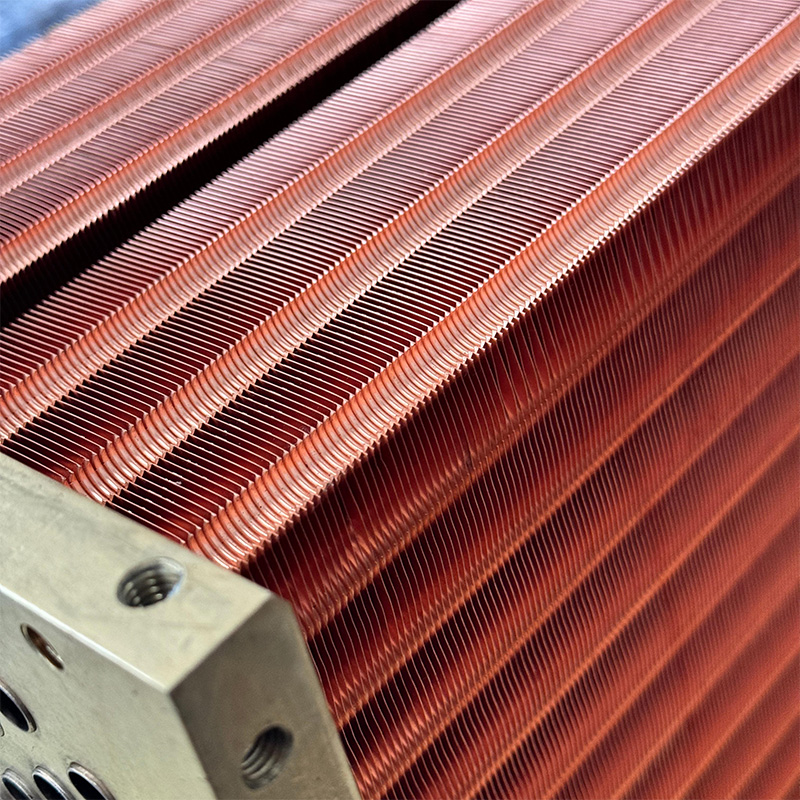
A special place is occupied by the use of such protective solutions in heavy industry, where the requirements for the reliability of materials are maximum. For example, companies specializing in the production of complex energy and petrochemical equipment, such asWuxi Kaisheng LLC, understand the importance of using certified components with high corrosion resistance. Although their main focus is the manufacture of heat exchangers from titanium, stainless steel and nickel alloys to ASME and PED standards for operation in extreme conditions, the principles of approach to the quality of materials are identical: whether it is a tube bundle for a waste heat boiler or a waterproofing membrane for the foundation of a plant, the elimination of recycled materials and strict control of parameters are the key to the longevity of the entire system.
Comparison of technologies: PE sheet versus bitumen and liquid waterproofing
The choice between rolled polyethylene, bituminous materials and liquid rubber often becomes a stumbling block for designers. Each method has its pros and cons, but there are different leaders for different tasks. To make an informed decision, you need to compare them according to specific criteria: installation speed, durability, foundation requirements and cost of ownership.
| Comparison criterion | PE sheet (Polyethylene) | Bitumen roll materials | Liquid waterproofing (sprayed) |
|---|---|---|---|
| Service life | 50+ years (in the absence of mechanical damage) | 10-15 years (needs repairs) | 20-30 years (depending on layer thickness) |
| Base requirements | Minimum (humidity allowed) | High (requires a dry, flat surface) | Medium (primer required) |
| Installation speed | High (rolling and welding) | Low (burner heating, fire hazard) | Medium (hardware required) |
| Puncture resistance | High (depending on thickness) | Low (easily damaged during installation) | Medium (forms a seamless film) |
| Environmental friendliness | High (inert material) | Low (release of harmful substances when heated) | Medium (depending on composition) |
| Maintainability | Local patch welding | Complex local repairs | Requires a new coat |
Bituminous materials, despite their popularity in the past, have a significant drawback - they are afraid of ultraviolet radiation and require protection with a screed or pressure wall immediately after installation. PE sheet is more resistant to external influences, but its main enemy is sharp objects. Liquid waterproofing is good for complex terrain, where it is difficult to roll out a roll, but control of the thickness of the applied layer is often left to the workers, which leads to waste of material or the formation of weak areas.
For large industrial projects and demanding civil engineering, we definitely recommend PE sheet. Its inertness to chemical reagents contained in the soil and its ability to work in a wide temperature range make it a universal soldier of water protection. Bitumen is best left for minor repairs or temporary structures where service life is not a priority. Liquid compositions occupy a niche for the reconstruction of complex assemblies, junctions and ventilation shafts, where it is technically impossible to lay rolled material.
Installation technology: step-by-step instructions and typical mistakes
Even the most expensive material will not save the object if the installation technology is violated. Installing a PE sheet for waterproofing is a process that cannot be messed up. Below is a sequence of actions, tested on hundreds of objects, with an emphasis on the points where problems most often arise.
- Preparing the base.The surface must be clear of debris, dirt and sharp protrusions. The concrete base should be leveled with a cement-sand screed or a separating layer of geotextile with a density of at least 300 g/m² should be laid. Geotextiles will protect the film from punctures by reinforcement or stones. A common mistake: ignoring geotextiles on unprepared soil, which leads to multiple microdamages of the membrane even before pouring concrete.
- Rolling out canvases.The sheets are rolled out with an overlap of 10-15 cm for mechanical fastening or 6-8 cm for welding. It is important to let the material rest for 15-20 minutes to relieve internal stress after transportation in a roll. If you start fastening a tensioned material, when the temperature changes, it can shrink and tear the fastening points. In cold weather (< +5°C) the material becomes hard and must be preheated in a warm room or use heat guns on site.
- Sealing joints.This is the most critical stage. To connect the sheets, thermocline welding (double seam) or extruder welding (for complex assemblies and patches) is used. The welding temperature depends on the thickness of the sheet and the weather, usually it is 200-250°C. Underheating will lead to a lack of adhesion, overheating will lead to thinning of the seam and its rupture. Be sure to check the quality of the seam using pressurized air or a vacuum method. We came across situations where foremen saved time and simply taped the joints with tape, which fell off after a month.
- Fastening to vertical surfaces.On the walls, the material is fixed mechanically using a clamping strip and dowels in increments of 20-30 cm. The upper edge of the strip must be sealed with polyurethane sealant. You can’t just nail the film without a strip - water will flow under the fasteners. It is also important to carefully bypass all pipes and communications, using cuffs made of the same material, welded with an extruder.
- Protective layer and backfill.Immediately after installation, the waterproofing must be covered with a protective layer. For horizontal surfaces this can be a screed or EPS sheets, for vertical surfaces it can be a profiled membrane or high-density geotextile. Backfilling with soil should be done carefully, without throwing large stones from a height. The use of heavy equipment directly over unprotected film is prohibited. Violation of this rule is the cause of 80% of hidden defects, which appear only after the facility is put into operation.
Particular attention should be paid to weather conditions. It is not recommended to carry out installation during rain or snowfall, as moisture between the layers will turn into steam during welding and compromise the integrity of the seam. Strong wind also interferes with high-quality installation, so the canvases should be temporarily loaded with sandbags until they are fixed.
Risk factors and economics of supplier selection
The market is filled with offers from dozens of manufacturers, and the price difference can reach 40%. However, a cheap PE sheet for waterproofing often turns out to be a “pig in a poke.” The main risks are associated with the use of recycled materials. Manufacturers can add up to 30-50% recycled polyethylene, which reduces the cost of the product, but catastrophically reduces its frost resistance and chemical resistance. Such material becomes brittle already at -15°C, while virgin HDPE works down to -60°C and below.
Another hidden factor is thickness. The declared 2.0 mm may actually turn out to be 1.7 mm due to manufacturer tolerance or deliberate deception. With large volumes of purchases (thousands of square meters), this shortage results in significant budget losses and reduced design reliability. We recommend ordering an incoming inspection of the batch: measuring the thickness with a micrometer at several points and requesting a certificate from the manufacturer with a seal, and not just a printout from the dealer.
Certification is key. To work at government facilities and hazardous industries, the material must have a GOST or EAC certificate of conformity. The absence of markings on the roll itself (width, thickness, production date, batch number) is a red flag. Responsible manufacturers apply this information every 2-3 meters along the length of the roll. If you see an unnamed roll in transparent packaging, the risk of running into defects is maximum.
Logistics also affects the final cost. PE sheet is a bulk load. Delivery from remote regions can eat up all the savings on the price per square meter. It is optimal to choose a supplier that has warehouses in your region or offers pickup conditions from the nearest hub. In addition, it is important to take into account seasonality: in spring and summer, prices rise due to high demand, so it is better to plan and pay for the purchase of materials for the summer season in winter.
Frequently Asked Questions
Is it possible to use regular greenhouse polyethylene instead of special waterproofing polyethylene?
Absolutely not. Greenhouse film is made from LDPE (low density polyethylene), it is soft, stretches easily and has low puncture resistance. Its service life outdoors is 1-3 years. PE waterproofing sheet is made from HDPE, it is stiffer, stronger and contains stabilizers designed to last 50 years. Replacing one with the other will lead to the need to completely re-insulate the waterproofing after a couple of seasons, which will exceed the initial savings many times over.
What thickness should I choose for the foundation of a private house?
For most private houses in temperate climates, the optimal thickness is 1.5 mm. If the soil is rocky or the groundwater level is high, it is better to take 2.0 mm. A thickness of 1.0 mm is permissible only for temporary structures or as a vapor barrier under a screed, but not as the main protection of the foundation from external moisture. Saving 10-15% on the cost of the material is not worth the risk of dampness in the basement.
Do I need to glue sheets to concrete?
No, gluing is not required or even advisable. The PE sheet acts as a loose membrane. Он прижимается весом конструкции (бетона, грунта) или защитными слоями. Жесткая фиксация клеем лишит материал возможности компенсировать подвижки основания, что может привести к его разрыву. Главное — обеспечить герметичность стыков и защиту от механических повреждений.
Вреден ли полиэтилен для окружающей среды?
Сам по себе высокоплотный полиэтилен химически инертен и не выделяет токсинов в почву или воду. Он безопасен для контакта с питьевой водой (при наличии соответствующего санитарного заключения). Проблемой является утилизация после окончания срока службы, так как он не разлагается биологически. Однако длительный срок эксплуатации (полвека и более) минимизирует частоту замены и образования отходов по сравнению с другими материалами.
Conclusion and recommendations for action
PE-лист для гидроизоляции — это надежное и технологичное решение, которое при правильном подборе и монтаже обеспечивает сухость и долговечность вашего объекта на десятилетия. Не стоит гнаться за самой низкой ценой, жертвуя качеством сырья и толщиной. Инвестиции в качественный материал и профессиональный монтаж окупаются отсутствием ремонтов и спокойствием за сохранность имущества. Помните, что гидроизоляция — это та часть здания, которую практически невозможно заменить без масштабных земляных работ после завершения строительства.
If you are planning to purchase materials for a large facility or need advice on selecting specifications to suit your conditions, contact our specialists. Мы поможем рассчитать необходимое количество, подберем оптимальную толщину и предоставим все необходимые сертификаты.Посмотреть полный каталог гидроизоляционных материаловможно на нашем сайте, где представлены технические карты и примеры реализованных проектов.
Не откладывайте вопрос гидроизоляции на последний момент. Правильное решение сегодня сэкономит вам миллионы рублей на устранении последствий завтра.Contact us todayдля получения индивидуального коммерческого предложения и образцов продукции.