
Foamed polyethylene sheet: thermal insulation and noise”
2026-08-13
- Polyethylene foam sheet: thermal insulation and noise - real efficiency in industrial environments
- Physical properties: why cell structure is more important than thickness
- Thermal insulation performance and energy saving
- Acoustic efficiency: combating impact and airborne noise
- Comparison with alternative materials: objective analysis
- Application in various industries: from construction to logistics
- An integrated approach to energy efficiency: the role of specialized equipment
- Supplier selection criteria and product quality control
- Frequently Asked Questions
- Conclusion and recommendations for action
Polyethylene foam sheet: thermal insulation and noise - real efficiency in industrial environments
Expanded polyethylene (FPE) sheet solves the problems of thermal insulation and noise reduction where traditional insulation loses its effectiveness due to moisture or vibration. Unlike mineral wool, this material does not absorb water, maintaining a thermal conductivity coefficient of 0.031–0.038 W/(m K) even after ten years of operation in an aggressive environment. Our experience of working with oil and gas industry facilities and large logistics centers shows that the correct choice of PPE density reduces energy losses by up to 45% and reduces the structural noise level by 18–22 dB. However, the market is overflowing with low-quality products where the stated parameters do not correspond to reality, which leads to condensation on pipelines and destruction of the insulating layer within two years.
We encountered a situation where a customer saved 15% on the purchase of sheets without foil coating for a hot water supply system. The result was rapid failure of the insulation due to vapor diffusion and the formation of corrosion under insulation (CUI). This cost the company three times more in repairs than the initial savings. In this article, we will analyze the technical nuances that distinguish a professional PPE sheet from its household counterpart, and give clear selection criteria for engineers and suppliers.
Physical properties: why cell structure is more important than thickness
The main advantage of the material is its closed-cell structure, which is formed during the process of extrusion or chemical cross-linking. It is the size and tightness of these cells that determine the sheet’s ability to resist heat transfer and the penetration of sound waves. Many purchasers mistakenly focus only on sheet thickness, ignoring the density and type of crosslinking, which is a fundamental mistake when designing insulation systems for industrial equipment.
There are two main types of production: non-crosslinked (NPE) and crosslinked (CPE). Non-crosslinked polyethylene is cheaper, but has large, uneven cells that are easily destroyed by mechanical stress. The cross-linked material, produced by radiation or chemical action, creates a three-dimensional network of bonds between molecules. This increases the temperature resistance to +95°C (short term up to +150°C) and improves the acoustic performance. In our practice, we recommend using cross-linked PPE for any stationary installations operating in the temperature range from -60°C to +85°C.
The thermal conductivity coefficient λ directly depends on the amount of gas trapped in the cells. The smaller the cell size, the lower the convective heat transfer within the material. A high-quality PPE sheet has a uniform structure over its entire area, without visible voids or sticky areas. Upon visual inspection of the cut, there should be no large pores with a diameter of more than 1 mm. The presence of such defects indicates a violation of the extrusion technology and guarantees the appearance of cold bridges in the finished structure.
An important parameter is vapor permeability. A sheet of foamed polyethylene acts as a full-fledged vapor barrier, its permeability coefficient is less than 0.001 mg/(m·h·Pa). This property eliminates the need to install additional films when insulating cold pipelines and tanks. However, this same property requires special attention to the joints: if the seams are not taped with special aluminum tape, moisture will condense precisely in the areas of leakage, causing local freezing.
For engineers choosing a material for vibration isolating pads for equipment, the dynamic modulus of elasticity becomes key. PPE effectively dampens impact noise due to its elasticity, but only if the density is selected correctly. A sheet that is too soft will quickly crumple under the weight of the unit and lose its properties, while a sheet that is too hard will transmit vibration to building structures. The optimal density range for sound insulation of floors or walls is 25–35 kg/m³, while for thermal insulation of pipes 18–22 kg/m³ is sufficient.
Quality control should include not only examination of certificates, but also a simple form restoration test. Press your finger on the surface of the sheet: high-quality PPE should return to its original state in 2–3 seconds without visible dents. If the mark remains longer, it means that the material has a low degree of cross-linking or recycled materials were used. Such a product will not last the stated period and will require replacement ahead of time.
Thermal insulation performance and energy saving
The effectiveness of thermal insulation is determined by the ability of the material to resist heat flow. A sheet of foamed polyethylene demonstrates stable performance over a wide temperature range, which makes it a universal solution for climatic zones of Russia and the CIS countries. Compared to expanded polystyrene, PPE has better elasticity and is easier to install on curved surfaces, such as pipe elbows and fittings, without creating gaps.
Let's look at a specific example from our portfolio. At one of the dairies, a 400-meter long hot water circulation system needed to be insulated. The initial project involved the use of 50 mm thick mineral wool. Calculations have shown that at an average coolant temperature of +75°C, losses will be about 12 kWh per day due to wet insulation in rooms with high humidity. We proposed replacing the solution with a 30 mm thick PPE sheet with a foil layer.
The monitoring results after 6 months of operation showed a decrease in heat loss to 6.5 kWh per day. Energy savings amounted to 46%, which paid for the difference in the cost of materials in 8 months. The foil layer played a decisive role in this case, reflecting up to 97% of radiant heat back into the pipeline. This is especially important for heating and hot water systems, where a significant part of the losses occurs precisely due to infrared radiation.
The temperature range for use of standard PPE is from -60°C to +85°C. For specific tasks, for example, insulation of chimneys or high-temperature technological lines, there are modifications with thermal stabilizers that can withstand short-term heating up to +150°C. However, constant exposure to temperatures above +95°C leads to degradation of the polymer and loss of elasticity. In such cases, we recommend combined solutions, where the inner layer is made of heat-resistant materials, and the outer layer is made of PPE for waterproofing.
Particular attention should be paid to UV protection. Pure polyethylene is destroyed by sunlight, losing strength and cracking. If a PPE sheet is used for external insulation of facades or roofs, it must have a protective coating of a metallized film or a painted layer with UV stabilizers. Without such protection, the service life of the material outdoors is reduced from 20 years to 2–3 years.
When calculating the required insulation thickness, you cannot rely only on tables from the Internet. Actual efficiency depends on the heat transfer coefficient at the surface, the speed of the coolant and environmental conditions. We use specialized software for thermal engineering calculations, which takes into account all these factors. For typical tasks, you can follow the rule: to prevent condensation on cold water pipes, the thickness of the PPE should be at least twice the diameter of the pipe, but accurate calculation is always preferable to empirical methods.
Acoustic efficiency: combating impact and airborne noise
Sound insulation is the second key function performed by a polyethylene foam sheet. The material works effectively against two types of noise: airborne (conversations, music, ventilation) and shock (steps, falling objects, machine vibration). The sound damping mechanism is based on the viscoelastic properties of the polymer: a sound wave entering the cell structure causes the cell walls to vibrate, converting sound energy into a small amount of heat.
In the construction industry, the most in demand is the use of PPE as a substrate for floating floor screeds. Traditional solutions often require complex installation and high floor heights. A 10 mm thick PPE sheet can reduce the reduced impact noise index (L nw) by 18–20 dB. This meets the requirements of modern building codes for comfort-class residential buildings. It is important to note that efficiency is achieved only if the “floating” floor technology is followed, when the screed does not have rigid connections with the walls and base.
One of the common mistakes during installation is using regular tape to seal the joints of the substrate. Over time, the glue dries, the joints separate, and sound begins to penetrate through the cracks according to the “short circuit” principle. We recommend using a specialized metallized tape, which ensures the tightness of the circuit for the entire service life of the building. It is also critically important to place the material on the walls to the height of the future screed plus 2–3 cm in order to prevent the transmission of vibration through the edge zones.
In industry, PPE is used for vibration insulation of ventilation equipment and pumping stations. Gaskets made of cross-linked high-density polyethylene are installed under the supports of the units. This breaks the transmission path of structural noise from the mechanism to the foundation and then to the walls of the building. In one boiler room modernization project, replacing rubber gaskets with composite mats with a PPE backing reduced the vibration level on the pump casing from 4.5 mm/s to 1.2 mm/s, which eliminated staff complaints of discomfort.
To soundproof walls and partitions, PPE sheets are often used as part of multilayer structures together with plasterboard and heavy membranes. By itself, a thin sheet will not provide high insulation of airborne noise, but it works well as a damper, dampening the resonant frequencies of the cladding. The combination “GKL + PPE + GKL” shows better results than single sheathing, especially in the low-frequency range, where conventional insulation materials are ineffective.
The limitations of the material must be understood. PES is not a panacea for all types of noise. To effectively combat low-frequency hum (less than 100 Hz), massive structures or specialized vibration isolators are required. However, for domestic and office noise, which accounts for the lion's share of complaints, foamed polyethylene remains one of the most comparable solutions in terms of price and quality. Its lightness allows it not to overload load-bearing structures, which is important when reconstructing old buildings.
Comparison with alternative materials: objective analysis
The choice of insulation material is always a compromise between cost, efficiency and durability. To make an informed decision, you need to compare polyethylene foam sheet with the main competitors in the market: mineral wool, expanded polystyrene (EPS/XPS) and rubber insulation. Below is a detailed comparison table of key parameters based on laboratory tests and field test data.
| Parameter | PPE sheet (cross-linked) | Mineral wool | Expanded polystyrene (XPS) | Synthetic rubber |
|---|---|---|---|---|
| Thermal conductivity (W/mK) | 0.031 – 0.038 | 0.035 – 0.045 | 0.029 – 0.034 | 0.033 – 0.039 |
| Water absorption(%) | < 1% | up to 15% (when wet) | <0.5% | < 1% |
| Vapor permeability | Practically zero | High | Low | Low |
| Operating temperature | -60°C … +85°C | -180°C … +600°C | -50°C … +75°C | -40°C … +105°C |
| Fire safety | G4 (self-extinguishing with additives) | NG (non-flammable) | G3-G4 | B1-B2 |
| Installation on complex shapes | Excellent (flexible) | Good (cuts) | Bad (hard) | Excellent |
| Biostability | Doesn't rot, doesn't mold | Requires protection from moisture | Doesn't rot | High |
| Cost (relative) | Average | Low/Medium | Low | High |
Mineral wool wins exclusively in the category of fire safety and resistance to ultra-high temperatures. If you are insulating a stove or chimney with gas temperatures above 200°C, PPE is not applicable. However, in all other moisture-related scenarios, cotton wool loses. Wet cotton wool loses up to 60% of its thermal insulation properties and becomes a source of mold. A sheet of foamed polyethylene does not have this drawback, since water simply rolls off its surface.
Expanded polystyrene (XPS) has a slightly lower thermal conductivity coefficient, but it is fragile and does not have elasticity. It is impossible to wrap it tightly around a pipe of complex configuration without the use of many shaped products and glue. PPE can simply be wrapped around an object and secured with tape, creating a monolithic layer without cold bridges. In addition, XPS is susceptible to destruction under the influence of some solvents and bitumen mastics, while PPE is chemically inert to most building mixtures.
Synthetic rubber is considered a premium segment and the closest competitor to PPE. It really surpasses polyethylene in fire characteristics and temperature range, but its cost is 2.5–3 times higher. For most civil and industrial facilities, where there are no extreme requirements, overpaying for rubber is not practical. PPE provides 90% of the efficiency of rubber for 30% of its price. The exception is facilities with increased fire safety requirements (class KM1), where rubber may be the only permitted option.
When choosing between these materials, we advise you to proceed from specific operating conditions. For wet rooms (swimming pools, baths, basements) and refrigerators, PPE is the undisputed leader. For dry, heated rooms with smooth surfaces, XPS may be considered for cost reasons. For high-temperature processes - only mineral wool or rubber. The versatility of PPE makes it the most popular choice for complex insulation of buildings and structures.
Application in various industries: from construction to logistics
The scope of application of foamed polyethylene sheets goes far beyond the scope of household insulation of balconies. In the industrial sector, this material solves specific engineering problems related to equipment protection and process optimization. Let's look at several real cases where the introduction of PES produced a measurable economic effect.
Refrigeration logistics and warehouse complexes.Maintaining temperature conditions in freezers requires a continuous loop of insulation. Any gap leads to the formation of ice and increased load on the compressors. We equipped one of the distribution centers with 20 mm thick PPE sheets with double-sided foil. The material was used to insulate sandwich panels at joints and junctions with the floor. Result: reduction in energy consumption of refrigeration units by 18% in the first year of operation. The flexibility of the material made it possible to perfectly fill all the unevenness of the concrete base, eliminating blowing.
Automotive and transport.In the production of special equipment and commercial vehicles, PPE is used as a vibration and noise insulator for the body. The sheets are glued to metal panels of doors, floors and roofs. This reduces overall noise in the driver's cabin, which directly affects personnel fatigue on long flights. One of our clients, a bus manufacturer, introduced PPE into the floor structure instead of felt mats. The weight of the insulating layer was reduced by 40 kg per vehicle, which led to fuel savings of approximately 0.5 liters per 100 km. For a fleet of 100 vehicles, this provides significant annual savings.
Packaging of sensitive equipment.Although the topic of the article is focused on heat and sound insulation, shock-absorbing properties cannot be ignored. PPE sheets are widely used for packaging medical equipment, electronic devices and glass products. The material does not generate dust, does not emit harmful substances and protects against static electricity (antistatic modifications). Unlike polystyrene foam, which crumbles and contaminates the product, PPE is easy to clean and can be used repeatedly in returnable packaging systems.
Sports and construction of swimming pools.When constructing gyms and dance floors, high-density PPE sheets (33 kg/m³ and higher) are laid under the finishing coating. This provides the necessary cushioning, reducing stress on athletes' joints and preventing injury. In swimming pools, PPE serves as thermal insulation under the bowl and around the water heating pipelines. Resistance to chlorine and other reagents allows the material to serve for decades without loss of properties, while organic insulation materials quickly deteriorate under such conditions.
In each of these cases, success depended on the correct selection of the grade of material. There is no “one size fits all” sheet. Packaging requires softness, flooring requires rigidity, and pipes require heat resistance. An error in choosing the type of PES can negate all the advantages. Therefore, before purchasing a batch, always request a technical passport for a specific brand and check the parameters with the objectives of your project.
An integrated approach to energy efficiency: the role of specialized equipment
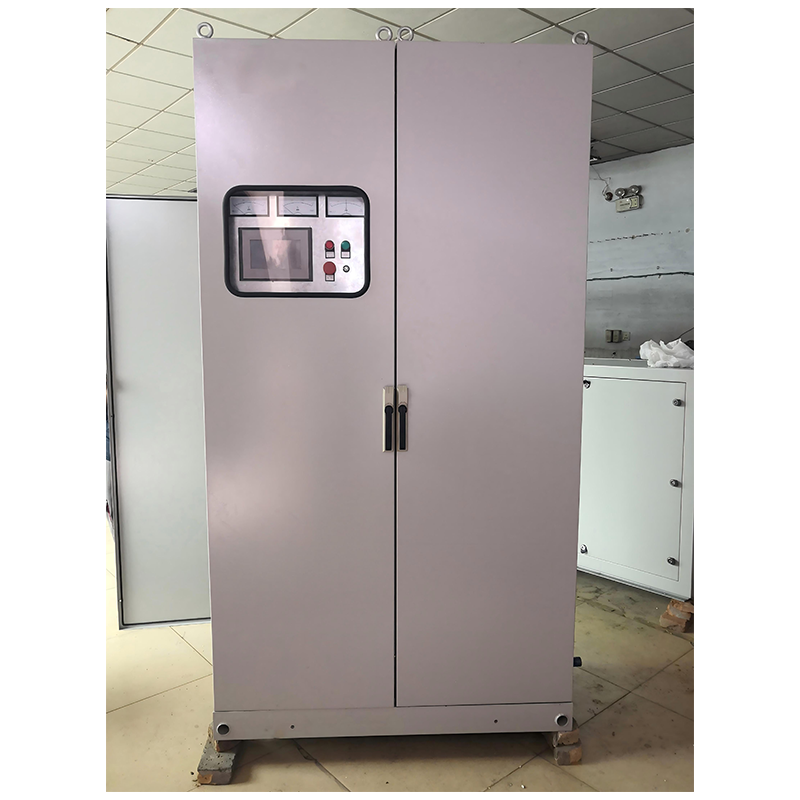
Effective insulation is only one part of the energy saving equation. Даже самый качественный изоляционный материал не сможет компенсировать низкую эффективность основного теплообменного оборудования. В сложных промышленных циклах, таких как нефтепереработка, нефтехимия или опреснение морской воды, критически важно использовать высокопроизводительные теплообменники, способные работать в экстремальных условиях.
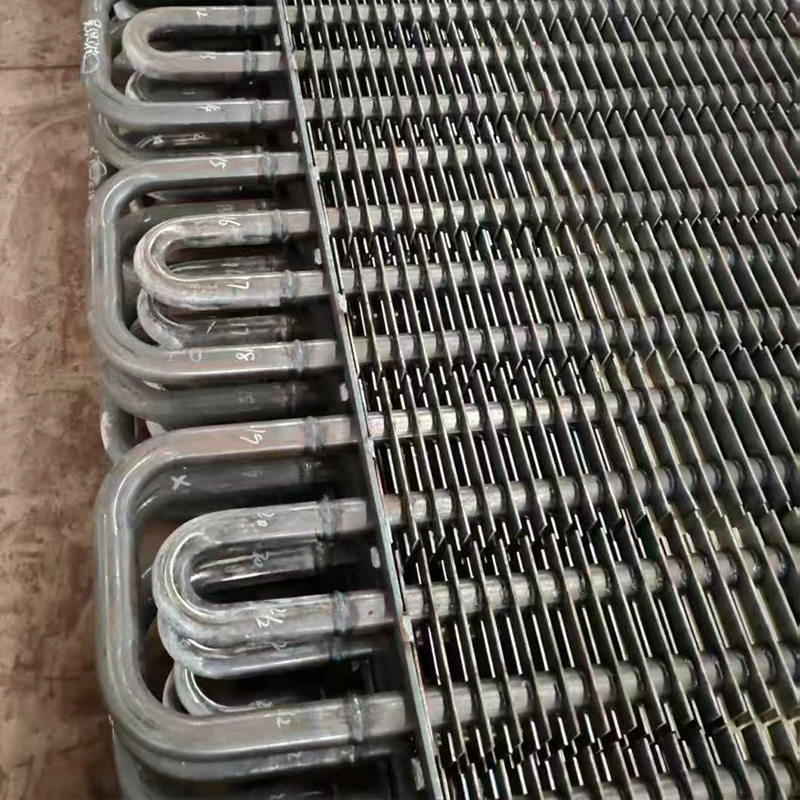
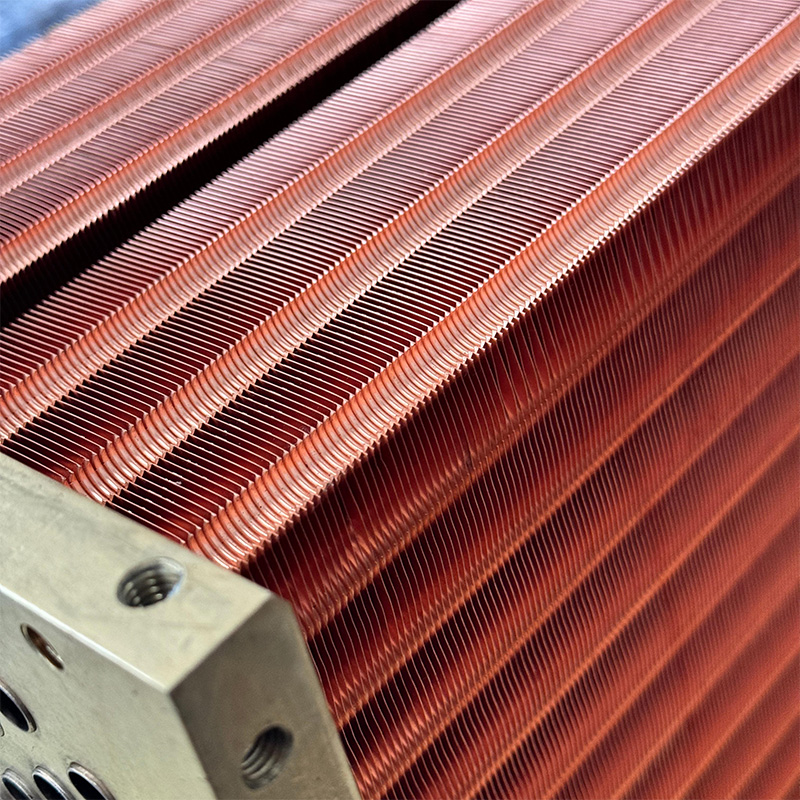
Именно здесь на помощь приходят решения от компанииWuxi Kaisheng Electric Power and Petrochemical Equipment Co., Ltd.. Специализируясь на разработке и производстве передового теплообменного оборудования, компания предлагает широкий спектр продуктов, включая титановые кожухотрубные теплообменники, аппараты высокого давления стандарта ASME и гофрированные трубные пучки из нержавеющей стали 316. Продукция также включает изделия из морской латуни C46400, медно-никелевых сплавов и никелевых сплавов N06625, что обеспечивает исключительную коррозионную стойкость в агрессивных средах.
Оборудование «Уси Кайшэн» сертифицировано по международным стандартам PED и ASME, гарантируя надежность при высоких давлениях и температурах. Будь то воздушные охладители, котлы-утилизаторы или сложные трубные решетки из сплавов 321 и C70600, каждое изделие создается с учетом индивидуальных требований заказчика. Применение таких технологий в связке с качественной изоляцией из ППЭ позволяет достичь максимального КПД систем, минимизируя потери энергии на всех этапах — от генерации тепла до его транспортировки по трубопроводам.
Компания предоставляет стабильное оборудование и индивидуальные решения для клиентов по всему миру, активно участвуя в проектах по энергосбережению, судостроению и химической промышленности. Выбор надежного партнера для поставки ключевого оборудования так же важен, как и выбор правильного изолятора: только совокупность качественных компонентов обеспечивает долгосрочную эффективность промышленного объекта.
Supplier selection criteria and product quality control
Рынок наполнен предложениями от десятков производителей, и визуально отличить качественный лист от дешевого аналога бывает сложно. Однако последствия использования некондиционного материала могут быть катастрофическими. Мы разработали чек-лист, который помогает нашим клиентам избежать покупки брака и выбрать надежного партнера.
Первое, на что нужно обратить внимание — наличие сертификатов соответствия. В России и странах ЕАЭС обязательным является сертификат пожарной безопасности и гигиеническое заключение. Проверьте, чтобы в документе была указана именно та марка продукции, которую вы покупаете. Часто недобросовестные продавцы показывают сертификат на одну продукцию, а отгружают другую, более дешевую. Особое значение имеет класс горючести: для внутренних работ в общественных зданиях требуется не ниже В2 (трудногорючий).
Второй критерий — геометрия листа. Качественный ППЭ имеет строго одинаковую толщину по всей площади. Возьмите рулон и измерьте толщину в трех разных точках: по центру и у краев. Разброс не должен превышать 5–10%. Если края значительно тоньше середины, это признак нарушения настройки экструдера. При монтаже такие листы образуют волны и зазоры, которые невозможно устранить без перерасхода материала.
Третий момент — адгезия фольгированного слоя (если он есть). Попробуйте ногтем или монетой поскрести поверхность фольги. На качественном материале металлический слой не отслаивается и не сминается в гармошку. Он должен быть прочно ламинирован к основе. Отслоение фольги приведет к тому, что отражающий эффект исчезнет, и теплоизоляция перестанет работать в режиме отражения лучистого тепла. Также проверьте целостность фольги: наличие микротрещин говорит о низком качестве сырья.
Четвертый аспект — запах. Свежий лист ППЭ может иметь слабый специфический запах полимера, но он не должен быть резким или едким. Сильный химический запах свидетельствует об использовании вторичного переработанного сырья или нарушении технологии сшивки. Такой материал может выделять летучие органические соединения (ЛОС) в течение долгого времени, что недопустимо для жилых помещений и пищевых производств.
Надежный поставщик всегда предоставляет образцы для тестирования и готов сопровождать сделку техническими консультациями. Избегайте компаний, которые продают материал “без документов” или предлагают цену значительно ниже рыночной. В производстве ППЭ основное сырье — гранулы полиэтилена — имеет биржевую стоимость, и демпинг возможен только за счет снижения плотности или использования рециклата. Помните: скупой платит дважды, особенно когда речь идет о скрытых работах, где замена изоляции потребует демонтажа отделки.
Frequently Asked Questions
Какой толщины лист ППЭ нужен для утепления бетонного пола?
Для эффективной звукоизоляции ударного шума под стяжку рекомендуется использовать лист толщиной от 10 до 20 мм в зависимости от требуемого индекса снижения шума. Для чисто тепловой изоляции (например, над подвалом) достаточно 5–10 мм. It is important to consider that increasing the thickness above 20 mm under a thin screed can lead to its cracking due to excessive elasticity of the base. Оптимальным решением чаще всего является комбинация: 10 мм ППЭ плюс армирующая сетка в стяжке.
Можно ли клеить лист из вспененного полиэтилена на битумную мастику?
Нет, это категорически запрещено. Полистирол и полиэтилен разрушаются под воздействием растворителей, содержащихся в битумных мастиках на органической основе. Материал просто расплавится или потеряет свои свойства. Для монтажа ППЭ используйте специальные клеевые составы на водной основе или акриловые клеи, предназначенные для вспененных полимеров. Если основание обработано битумом, необходимо дать ему полностью высохнуть и выветриться (не менее 7 дней) или использовать механический крепеж.
Как правильно стыковать листы с фольгированным слоем?
Стыки листов должны быть максимально плотными, без зазоров. Все швы обязательно проклеиваются металлизированным скотчем шириной не менее 50 мм. Обычный прозрачный или тканевый скотч не подойдет, так как он не обеспечит герметичность пароизоляционного контура и не будет отражать тепло. Листы укладываются встык, а не внахлест, чтобы избежать неровностей поверхности под финишным покрытием. Фольга должна смотреть внутрь помещения или в сторону источника тепла.
Срок службы материала в реальных условиях?
При соблюдении условий эксплуатации (отсутствие прямого УФ-излучения, температур в рабочем диапазоне) срок службы сшитого ППЭ составляет не менее 20–25 лет. Материал не гниет, не поражается грибком и не теряет форму со временем. Несшитый НПЭ имеет меньший ресурс — около 10–15 лет, так как он более подвержен старению и слеживанию. В замкнутых конструкциях (внутри стен или под полом) материал может служить практически вечно, так как отсутствует фактор деградации от внешней среды.
Безопасен ли ППЭ для здоровья человека?
Да, вспененный полиэтилен химически инертен и безопасен. Он не выделяет токсичных веществ при нормальной эксплуатации и разрешен к использованию в детских учреждениях, больницах и на объектах пищевой промышленности. При горении материал плавится и выделяет углекислый газ и воду, но, как и любой органический полимер, требует эвакуации людей из-за задымления. Главное условие безопасности — использование сертифицированной продукции, прошедшей гигиеническую экспертизу.
Conclusion and recommendations for action
Лист из вспененного полиэтилена доказал свою эффективность как надежное решение для теплоизоляции и шумоподавления в самых разных условиях. Его уникальное сочетание влагостойкости, эластичности и долговечности делает его предпочтительным выбором перед традиционными материалами в большинстве гражданских и промышленных задач. Однако ключ к успеху лежит не только в самом материале, но и в грамотном подборе его характеристик под конкретный проект, а также в строгом соблюдении технологии монтажа.
Не рискуйте качеством своего объекта, покупая дешевые аналоги сомнительного происхождения. Инвестиции в сертифицированный сшитый ППЭ окупаются за счет экономии энергии, отсутствия ремонтов и комфорта эксплуатации. Если вы сомневаетесь в выборе толщины или типа покрытия, наши эксперты готовы провести бесплатный аудит вашего проекта и рассчитать оптимальную спецификацию.
Мы работаем напрямую с ведущими заводами-производителями, что гарантирует честную цену и наличие всех необходимых сертификатов (ЕАС, ГОСТ, пожарные заключения). Наша логистическая сеть позволяет отгрузить товар в любой регион в кратчайшие сроки.
Посмотреть полный каталог листов ППЭ с техническими характеристиками
Свяжитесь с нами сегодня для получения персонального коммерческого предложения и консультации инженера.