
automation of cabinet production in 2026
2026-07-27
- Cabinet automation in 2026: the new industry standard
- Technology landscape: Next generation AI and robotics
- Quality standards and regulations in 2026
- Economic efficiency and return on investment (ROI) calculations
- Practical implementation steps: project roadmap
- Frequently Asked Questions
- Conclusion and development prospects
Cabinet automation in 2026: the new industry standard
Digital twins and fully autonomous assembly lines are no longer concepts of the future - they are a reality on the floors of advanced factories in the current year 2026.Automation of cabinet production in 2026has reached a critical point where the lack of robotic cells makes the enterprise economically unviable in the global market. We are witnessing a fundamental shift: if five years ago automation concerned only welding or painting, today a single digital loop controls the entire cycle - from cutting a sheet of metal to the final packaging of the finished product.
In our practice of implementing production management systems, we are faced with a harsh reality: companies trying to modernize old lines in a piecemeal manner (by only purchasing a new welding robot without integration into a common network) lose up to 18% of efficiency due to desynchronization of data flows. One of our clients in Tatarstan lost a major contract with a European retailer precisely because their quality control system was unable to transmit real-time data on powder coating defects to the resource planning system. This led to a defective batch of 400 units, which had to be processed manually, disrupting shipment deadlines. The lesson is clear: in 2026, automation is not a collection of machines, but an ecosystem of data exchange.
The modern market dictates new requirements for flexibility. The consumer wants a unique case design for mass production, and only adaptive production lines can satisfy this demand without stopping the conveyor. Below, we explore key technology drivers, specific standards, and practical steps to take you to the next level of efficiency, drawing on industry reports and our own experience operating high-load production lines.
Technology landscape: Next generation AI and robotics
The integration of artificial intelligence into molding and assembly processes has become a key differentiator for a successful factory in 2026. Traditional programmable logic controllers (PLCs) are giving way to self-learning algorithms that adjust metal bending parameters in real time, taking into account microscopic changes in the structure of the material. Machine vision systems now recognize not only the presence of a part, but also analyze the quality of edges with an accuracy of 0.05 mm, automatically sending a signal to correct the pressure in hydraulic presses.
Sixth-generation robotic manipulators, used to assemble housings for household appliances and electrical switchboard equipment, have received tactile sensors that allow them to work with fragile components (glass, thin plastic) without the risk of damage. Unlike the 2023 models, modern cobots (collaborative robots) can safely work in the same cage with a person without protective barriers, taking on the monotonous operations of installing fasteners and laying cables. This reduces the assembly cycle time per cabinet from 45 minutes to 28 minutes while maintaining a high level of ergonomics for operators.
However, the implementation of such systems has its pitfalls. We have noticed that many enterprises are overestimating the capabilities of out-of-the-box AI solutions. An algorithm that works great on polished stainless steel may fail when working on painted sheet metal due to glare and surface texture. In one of the projects, we had to spend three weeks retraining the neural network using a database of 50,000 images of defects from a specific metal supplier. Without this step, the system rejected up to 12% of suitable products, mistaking normal shadows for scratches. It is important to understand: there are no universal settings; each line requires calibration for specific materials.
Predictive analytics is becoming a key element. Vibration and temperature sensors on stamping presses now predict the need for tool replacement 48 hours before likely failure, preventing downtime. According to the reportSource: Association of Robotics and Automation (ARiA), the use of predictive maintenance reduces unplanned downtime by 34% in the first year of operation. For the production manager, this means being able to schedule maintenance on the weekend rather than in the middle of a rush order.
For engineers responsible for modernization, selecting hardware with open APIs for integration should be a priority. Closed proprietary systems of machine tool manufacturers become a bottleneck, blocking data exchange with corporate ERP systems. If you plan to purchase new equipment this quarter, require documentation on the OPC UA and MQTT protocols from suppliers - this will guarantee the future scalability of your production.
Digital twins and virtual debugging
The concept of a digital twin in 2026 has moved from the category of marketing terms to a mandatory engineering design tool. Before the physical robot begins moving the first sheet of metal, the entire cabinet production process is practiced in a virtual environment with physical precision. This makes it possible to identify collisions, optimize the trajectories of manipulators and calculate the load on the electrical network at the workshop design stage.
We use digital twins to simulate different line loading scenarios. For example, when switching from the production of refrigerators to washing machines, the system pre-calculates the optimal tool changeover and sequence of operations, minimizing product changeover time (SMED). In real conditions, this reduces changeover time from 4 hours to 45 minutes. A mistake that many beginners make is creating a static 3D model of the workshop. A digital twin must be dynamic, receiving data from sensors in real time, otherwise it turns into an expensive toy that does not bring value.
An important aspect is the verification of the CNC software. Virtual debugging allows you to detect errors in control code before they cause expensive hardware failure. In our practice, there was a case when an error in the postprocessor could lead to a collision of the spindle with the table at a speed of 20 meters per minute. The simulation system blocked the launch of the program and indicated a coordinate conflict, saving the company about 2 million rubles on machine repairs and line downtime. An investment in licensed simulation software pays for itself by preventing just one major incident.
Quality standards and regulations in 2026
Tightening environmental regulations and energy efficiency requirements are forcing manufacturers to reconsider coating and assembly technologies. In 2026, compliance with the GOST R ISO 14001 standard became not just an advantage, but a prerequisite for participation in government tenders and working with international networks. Automated painting lines are now required to have solvent recovery systems with an efficiency of at least 95%, which is achieved through closed air circulation and the use of new generation filters.
Certification of equipment according to the new technical regulations of the Eurasian Economic Union (TR CU) requires built-in safety diagnostic systems. Robotic cells should automatically stop when detecting a person in the danger zone with a reaction time of less than 0.1 second. This is achieved through the use of Class 4 safety laser scanners and redundant stop circuits. Ignoring these requirements leads to the impossibility of legal operation of the line and huge fines from supervisory authorities.
Energy efficiency of production processes has come to the fore due to rising electricity tariffs. Modern servos with energy recovery function make it possible to return up to 30% of the consumed electricity back to the network when braking heavy robot portals. When calculating the payback of new equipment in 2026, be sure to take into account the energy efficiency class IE4 or IE5 for all electric motors. The difference in consumption between old IE2 class motors and new models can be up to 8-10% of the total energy balance of a workshop, which represents millions of dollars annually.
Particular attention is paid to product traceability. Industry standards require that a digital passport of each cabinet manufactured be kept for a minimum of 10 years. This passport contains data on the batches of metal used, welding parameters, results of incoming inspection and equipment settings at the time of production. Blockchain technologies are beginning to be used to ensure that these records are immutable. For the quality control department, this means a transition from selective control to continuous monitoring with automatic generation of reports for regulators.
When choosing an automation solution provider, be sure to request certificates of compliance for software and security components. The absence of EAC marking on critical control units may result in a ban on the operation of the entire line after the first inspection by Rostechnadzor. We recommend including a clause on compliance with the current versions of GOST and TR CU in technical specifications for the purchase of equipment as a mandatory requirement, and not a recommendation.
Economic efficiency and return on investment (ROI) calculations
The transition to fully automated cabinet production requires significant capital investment, but the economics of 2026 show that the payback period for such projects has been reduced to 2.5-3 years due to increased productivity and lower operating costs. The key factor here is not so much savings on wages (although this is significant), but rather a reduction in the level of defects and material consumption. The precision of robotic cutting makes it possible to increase the utilization rate of sheet metal from traditional 82% to 94-95%, which provides enormous savings for large production volumes.
Let's consider a specific example of calculation for a line with a capacity of 500 cabinets per month. The introduction of automatic welding and painting reduces the number of personnel in the workshop from 45 to 12 people (control operators and adjusters). Direct savings on salaries amount to about 15 million rubles per year. However, hidden reserves lie in the area of reducing losses: reducing defective welds by 90% saves about another 8 million rubles annually on rework and warranty obligations. The total economic effect makes it possible to recoup investments in the amount of 60-70 million rubles in 28 months.
It is important to consider the cost of ownership (TCO), which includes not only the purchase price, but also the costs of maintenance, power consumption and software updates. Cheap solutions from little-known manufacturers often have high cost of spare parts and long delivery times for components in case of breakdown. In our practice, there was a case when the line stood for 3 weeks waiting for a controller from abroad, which led to the loss of the contract and losses exceeding the initial “savings” when purchasing equipment twice. The reliability of the supplier and the availability of service support in the region are sometimes more important than the initial price.
Production flexibility is also monetized. The ability to quickly switch between models allows you to accept small, but marginal orders for customized products, which were previously unprofitable due to the high cost of readjusting a manual line. In 2026, income from such “niche” orders could account for up to 20% of the plant’s total revenue. Automation opens up access to new market segments that require small series with high quality workmanship.
Use conservative capacity utilization forecasts when preparing your business plan. Aim for equipment utilization rate (OEE) of 75-80% in the first year, taking into account the time for staff training and process debugging. Optimistic scenarios with OEE above 90% are achievable only after 12-18 months of stable operation. Realistic cash flow planning will protect the enterprise from cash gaps during the launch period.
Comparative analysis: Manual vs Automated production
For clarity, let us present a comparison of the key indicators of traditional manual production and a modern automated line using the example of the production of standard distribution cabinets.
| Comparison parameter | Handmade (Traditional) | Automated Line (2026) |
|---|---|---|
| Cycle time (1 unit) | 45–60 minutes | 12–18 minutes |
| Geometry accuracy | ±1.5 mm (operator dependent) | ±0.1 mm (system guaranteed) |
| Material utilization rate | 82–85% | 94–96% |
| Rejection rate (returns) | 3.5–5.0% | 0.2–0.5% |
| Dependence on the human factor | High (fatigue, qualification) | Minimum (process control) |
| Changeover time to a new model | 4–8 hours | 30–50 minutes |
| Energy consumption per unit products | High (non-optimized modes) | 25% lower (recovery and optimization) |
As can be seen from the table, automation provides multiple gains in all key metrics. However, it is important to note that manual production still has a right to life in the segment of unique, one-piece products with complex shapes, where programming the robot will take more time than the manual work itself. But for mass production of cabinets, the choice in favor of automation in 2026 has no alternatives.
Practical implementation steps: project roadmap
The process of manufacturing transformation does not begin with the purchase of robots. It starts with a deep audit of existing business processes. Trying to automate chaos will only lead to faster production of defective products. The first step should be to standardize operations and eliminate bottlenecks in the current value stream. Only after the process has been fine-tuned manually does it make sense to transfer it to machines.
- Audit and digitalization of data.At this stage, it is necessary to collect complete information about current production: operation times, defect rates, downtime, material consumption. It often turns out that records are kept in paper journals or scattered Excel files. It is necessary to implement a unified data collection system (entry-level MES) to obtain an objective picture. Without reliable basic data, it is impossible to build an adequate payback model.
- Development of technical specifications and selection of integrator.The formulation of equipment requirements should be as specific as possible. Do not write “robot for welding”, indicate “robotic complex for arc welding of products weighing up to 50 kg with a positioner on 2 axes.” Hold a tender among integrators, evaluating not only the price, but also a portfolio of similar projects and the availability of service in your region. A mistake in choosing a partner at this stage can cost years of unsuccessful launch attempts.
- Design and simulation.Before concluding a supply contract, request a virtual line simulation. The integrator must show a digital twin of your future workshop, where the operation of the equipment in conjunction is demonstrated. This is the stage where all adjustments are made to the layout of the workshop, the logistics of supplying workpieces and the unloading area of finished products. Changes on paper cost pennies, changes in the metal cost millions.
- Installation, commissioning and personnel training.The most critical stage. Qualified personnel is the main market deficit in 2026. Training should begin before the equipment arrives. Your engineers and operators should take courses from the robot manufacturer and integrator. We recommend creating internal competency centers where experienced employees train newcomers. Staff resistance to new technologies is a common cause of failure, so get people involved in the process from the beginning.
- Reaching design capacity and continuous improvement.After launch, the line rarely immediately produces the stated performance. The ramp-up period takes from 3 to 6 months. At this time, daily work is required to analyze failures and fine-tune parameters. Implement weekly process improvement (Kaizen) meetings using the data the automated system now provides.
Remember that automation is a marathon, not a sprint. Success depends on the discipline of execution of each stage and the team’s willingness to learn new things. Do not try to save money at the design or training stage - these expense items pay for themselves many times over during operation.
Frequently Asked Questions
Какова минимальная партия для рентабельности автоматизации?
В 2026 году порог входа значительно снизился благодаря появлению доступных коботов и модульных решений. Если раньше автоматизация имела смысл при тиражах от 10 000 единиц в год, то сейчас при правильной организации гибкой ячейки окупаемость возможна уже при выпуске 2 000–3 000 сложных изделий в год. Ключевым фактором является не столько объем, сколько повторяемость операций и требования к качеству. Для мелкосерийного производства с высокой вариативностью рекомендуется использовать мобильные роботизированные платформы, которые можно быстро перепрограммировать.
Сложно ли найти персонал для обслуживания современных линий?
Дефицит квалифицированных операторов и наладчиков действительно ощущается остро, но ситуация меняется. Современное оборудование становится все более дружелюбным к пользователю (user-friendly). Интерфейсы управления напоминают смартфоны, а системы самодиагностики подсказывают оператору действия при ошибках. Вместо глубоких знаний механики теперь требуются навыки работы с ПО и базового понимания электроники. Многие вендоры предлагают программы сертификации, позволяющие подготовить специалиста за 2–3 месяца интенсивного обучения. Стратегия «найми и обучи» работает лучше, чем поиск готовых «единорогов» на рынке.
Что делать со старым оборудованием при модернизации?
Полная замена парка станков требуется редко. Эффективная стратегия 2026 года — гибридная модернизация. Старые, надежные механические прессы или гильотины можно оснастить новыми системами ЧПУ, датчиками и устройствами автоматической подачи, продлив их жизнь на 10–15 лет. Роботизированные ячейки часто строятся вокруг су ществующего основного технологического оборудования. Такой подход снижает капитальные затраты на 40–50% по сравнению с покупкой новой линии «под ключ» и позволяет распределять инвестиции во времени.
Conclusion and development prospects
Automation of cabinet production in 2026перестала быть вопросом престижа и превратилась в вопрос выживания бизнеса. Технологический разрыв между лидерами, использующими ИИ и цифровые двойники, и аутсайдерами, работающими по старинке, стал пропастью, которую невозможно преодолеть точечными улучшениями. Рынок награждает тех, кто способен обеспечить стабильное качество, короткие сроки и гибкость, и только автоматизированные системы могут гарантировать эти параметры в долгосрочной перспективе.
Будущее принадлежит заводам, которые смогут объединить мощь машин с креативностью человека. Роботы возьмут на себя тяжелый, монотонный и опасный труд, освобождая людей для задач проектирования, контроля качества и стратегического развития. Те, кто начнет трансформацию сегодня, завтра будут диктовать условия рынка. Откладывание модернизации «до лучших времен» в условиях ускоряющегося технологического прогресса равносильно добровольному уходу с рынка.
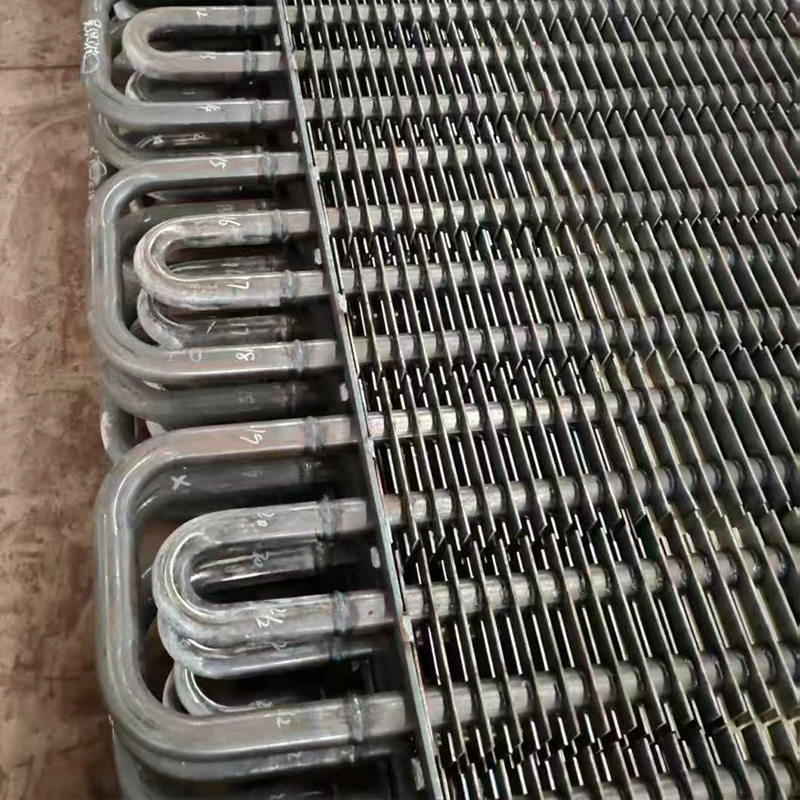
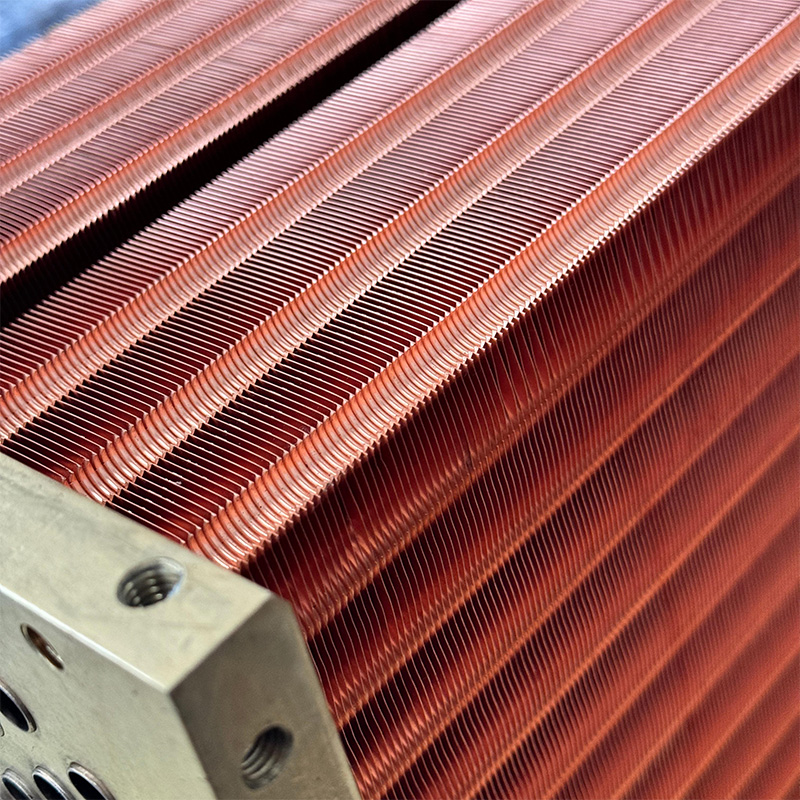
Принципы Industry 5.0, о которых мы говорили, находят свое применение не только в сборке корпусов, но и в создании сложнейшего энергетического и нефтехимического оборудования. A striking example of this approach is the companyWuxi Kaisheng Electric Power and Petrochemical Equipment Co.,Ltd" Специализируясь на разработке и производстве высокотехнологичных теплообменников (включая титановые кожухотрубные модели, аппараты стандарта ASME и гофрированные трубные пучки из сплавов вроде N06625 или C46400), предприятие демонстрирует, как автоматизация и строгий контроль качества позволяют создавать продукцию с исключительной коррозионной стойкостью и теплоэффективностью. Используя передовые методы обработки углеродистой, нержавеющей стали и цветных металлов, «Уси Кайшэн» обеспечивает своих глобальных заказчиков в нефтепереработке, судостроении и энергетике индивидуальными решениями, сертифицированными по PED и ASME. Их опыт подтверждает: независимо от того, производите ли вы распределительные шкафы или гигантские котлы-утилизаторы, интеграция современных технологий в производственный цикл — это единственный путь к лидерству на мировом рынке.
Если вы готовы обсудить аудит вашего текущего производства и разработать индивидуальную дорожную карту автоматизации,contact us today. Наши эксперты помогут оценить потенциал вашего предприятия и подобрать оптимальное решение, которое принесет реальную прибыль уже в первом квартале следующего года. Не упустите шанс стать лидером отрасли в эпоху Industry 5.0.