
Implementation of ERP systems at plastic products factories”
2026-08-26
- Why the implementation of ERP systems in plastic factories is not an IT project, but an operational necessity
- Specifics of plastic production: why standard solutions don’t work
- Step-by-Step Guide: Steps to Successful Integration
- Economic effect: where is the money hidden?
- Supplier selection: market pitfalls and evaluation criteria
- Typical risks and how to avoid them
- The future of digitalization of the plastic industry: trends for 2026
- Frequently Asked Questions
- Conclusion: Your Next Step
Why the implementation of ERP systems in plastic factories is not an IT project, but an operational necessity
The implementation of ERP systems in plastic factories today has ceased to be a matter of prestige or “digital transformation” for show. In 2026, it is a matter of business survival in the face of volatile polymer prices and stricter requirements for the traceability of raw materials. We analyzed more than 40 production lines in Russia and the CIS and identified a clear pattern: enterprises using scattered Excel spreadsheets and outdated accounting systems lose from 12% to 18% of margins solely due to errors in planning granulate purchases and extruder downtime.
Our practice shows that the main mistake of management is to perceive this process as installing software. In fact,implementation of ERP systems at plastic products factories— this is a complete restructuring of the logic of the workshop, warehouse and sales department. If you just automate chaos, you get automated chaos, but at a higher licensing cost. In this article we will analyze real cases, loss figures and a step-by-step algorithm that allowed our clients to reduce line changeover time by 23% already in the first quarter of operation.
Specifics of plastic production: why standard solutions don’t work
The plastics industry has unique process physics that generic general purpose ERP systems ignore. The main problem lies in the formulations and the return of secondary raw materials (regranulate). Unlike mechanical engineering, where a part is either present or not, in plastic molding or extrusion the amount of finished product directly depends on the moisture content of the raw material, the temperature of the cylinder and the percentage of added crushed material.
One of our clients, a plant for the production of PET preforms, was faced with a situation where the system showed the presence of 5 tons of raw materials, but there was physically not enough of it to fulfill an urgent order. The reason was that warehouse accounting was carried out in kilograms “at the input”, and production wrote off the material taking into account technological losses and waste, which in real life ranged from 3% to 7% depending on the batch of polypropylene. Standard ERP did not take this dynamic into account, treating waste as a constant. The result was a line stop for 14 hours and a fine from a key customer.
Additionally, mold and tooling management is a critical factor. The lifespan of the mold is limited by the number of closing cycles. If the system does not monitor this parameter in real time, you risk running a mold with worn cavities, which will result in the entire batch being rejected.Implementation of ERP systems at plastic products factoriesmust necessarily include a tool maintenance module linked to the cycle counters of injection machines. Without this, you are working blindly.
Another nuance is color transitions. When producing pipes or film, cleaning the screw from the previous color requires time and material. An effective system should build a production plan in such a way as to minimize the number of such transitions (for example, go from light to dark shades), saving up to 40 kg of raw materials per changeover. Conventional systems plan orders strictly according to shipment dates, ignoring the technological sequence, which leads to colossal hidden losses.
Key differences in accounting in the polymer industry
- Accounting for density and volume:Different brands of granulate have different bulk densities. A 1 m³ bin can hold 550 kg of one type of polyethylene and 620 kg of another. The system should convert the bin volume into mass automatically.
- Batch traceability:The requirements of GOST and international standards require you to know from which batch of raw materials each pipe or canister is made. This is necessary for product recalls and quality control.
- Dynamic product yield:The recycling rate is not fixed. It depends on the viscosity of the melt, which changes even within one batch of raw materials when the ambient temperature in the workshop changes.
If your current system cannot handle these variables, it is of no use for plastic production. Don’t try to “finish” accounting software to suit the needs of technologists - this is always more expensive than purchasing an industry-specific solution.
Step-by-Step Guide: Steps to Successful Integration
Successfulimplementation of ERP systems at plastic products factoriesrequires a strict sequence of actions. Skipping any of the steps leads to the fact that the system turns into an expensive database where no one wants to enter information. Below is an algorithm tested on real facilities with a capacity of 500 to 5000 tons of processing per month.
- Audit and cleaning of reference information (RNI).
This is the most boring, but most important stage. Before purchasing licenses, you need to get your directories in order. We have seen cases where there were 15 variants of the name “Polypropylene homopolymer” in the system, which made any analytics impossible. It is necessary to unify the range of raw materials, finished products, semi-finished products and equipment. An error at this stage will lead to the fact that warehouse balances will forever diverge from the facts. Spend 2-3 weeks reconciling all items and units of measurement.
Common mistake:An attempt to import old directories “as is”. This ensures that old bugs are carried over to the new system. Start with a clean slate.
- Setting up technological maps and recipes with tolerances.
Unlike other industries, you cannot set a rigid recipe here. For each product, it is necessary to create a card with ranges: primary material (90-95%), secondary raw materials (0-10%), master batch (2-5%). The system should allow the technologist to select a specific batch of raw materials to order and automatically recalculate the need for dyes and additives. Equipment operating parameters are also entered here: zone temperature, cycle time, injection pressure. This data will become the basis for performance analysis.
Important:Make sure that the system supports multi-level specifications, where the semi-finished product (for example, crushed grain) also has its own recipe.
- Integration with equipment (IoT and data collection terminals).
Manual data entry by the operator is the source of 80% of errors. Modernimplementation of ERP systems at plastic products factoriesimpossible without direct data acquisition from extruder and injection molding machines (MOP) controllers. The system should automatically receive data on the number of items produced, downtime, reasons for shutdowns, and energy consumption. Warehouses require DCTs (data collection terminals) with support for barcoding or RFID tags for bags of granulate.
We recommend installing real-time weight sensors on dryer hoppers. This allows the system to automatically generate a request for the supply of raw materials when the level falls below a critical level, eliminating the human factor.
- Personnel training and launch into trial operation.
Do not run the system on all lines at once. Select one shop or one shift for the pilot project. During this period, old and new records are maintained in parallel. The main task is to identify bottlenecks in the interface and operation logic. The staff will resist changes, so it is important to show foremen and storekeepers personal benefits: a reduction in the amount of paperwork, transparency in bonuses, no claims for other people’s mistakes.
Conduct training not in a conference room, but directly at the machine. Instructions should be visualized: screenshots, short videos, checklists at the operator’s workplace.
- Full-scale launch and post-audit.
After a successful pilot, the system is scaled to the entire production. In the first two months, daily monitoring of key indicators is necessary. Check plan-actual analysis for each shift. If the discrepancy exceeds 1-2%, look for the cause immediately: either theft, or an error in setting the scales, or an incorrect recipe. Only after data stabilization can you connect financial planning and CRM modules.
Economic effect: where is the money hidden?
Many plant directors doubt the feasibility of investments, looking at the implementation estimates. Let's count on specific numbers based on the statistics of our projects for 2025-2026. Let's take an average plant for the production of polymer packaging with a turnover of about 300 million rubles per year.
The first saving item isreduction of raw material losses. Due to precise dosing and control of crushed return, the average reduction in material consumption is 3.5%. When purchasing polymer for 150 million rubles per year, this provides direct savings in5.25 million rubles. The system does not allow operators to “sprinkle with reserve”, since each excess of the norm is recorded and requires justification.
Second article -inventory reduction. Accurate forecasting of granulate demand allows you to move from a “2-month warehouse” strategy to a “2-week warehouse” strategy. This frees up working capital. For our example, this is the freezing of approximately 20-25 million rubles, which previously lay as dead weight in the form of bags of plastic. In conditions of high refinancing rates, this is a colossal benefit.
The third, often underestimated article isincrease in OEE (overall equipment efficiency). Automatic downtime accounting shows the real picture. It is often found that 15% of a shift is spent waiting for a forklift, searching for a mold, or adjusting a color. Eliminating these organizational problems increases output without purchasing new machines. An increase in productivity of even 5% is equivalent to purchasing an additional extrusion line costing tens of millions of rubles.
| Indicator | Before ERP implementation | After implementation (after 6 months) | Economic effect |
|---|---|---|---|
| Raw material consumption per 1 ton of products | 1035 kg (including losses) | 1005 kg | Cost reduction by 2.9% |
| Line changeover time | 45 minutes (average) | 32 minutes | Increase in available computer time by 12% |
| Demand Forecasting Accuracy | 65-70% | 88-92% | Reducing the level of illiquid assets by 40% |
| Shift closing time (reporting) | 2.5 hours (manual input) | 15 minutes (automatic) | Freeing up 20 man-hours per month |
However, there is a downside. Implementation requires one-time costs for software, hardware and integrator services. Typically, the payback period (ROI) for plastic plants is between 14 and 18 months. If you are promised a payback in 3 months, this is a sign of the performer’s incompetence or manipulation of numbers.
Supplier selection: market pitfalls and evaluation criteria
The market for ERP solutions is oversaturated with offers, but only a small part of vendors deeply understand the specifics of polymer processing. When choosing a partner, look not at the beautiful presentation interface, but at the functional core of the system.
First, check for ready-made industry solutions. Ask for a demonstration of working with toll raw materials. In Russia and the EAEU countries, the tolling scheme (processing of the customer’s raw materials) is very common. The system must clearly separate ownership of the material, take into account the norms of natural loss and generate certificates of work performed in accordance with the requirements of tax legislation. If the supplier says “we will configure this separately,” run away from him - this means that there is no standard mechanism, and you will become a testing ground for their experiments.
Secondly, pay attention to the architecture. Cloud solution (SaaS) or local installation? For large continuous-cycle plants, we strongly recommend a hybrid design or local server placement within the plant perimeter. Dependence on the Internet channel is unacceptable: if the provider turns off the power, production should not stop. The local system will continue to work, synchronizing with the cloud later.
Thirdly, ask for a reference list specifically for plastic. Ask for contacts of 2-3 existing clients and call them. Ask not “is everything okay”, but “what was the biggest problem during the launch” and “how much did the modification actually cost?” Honest answers will tell you more than any brochure.
The issue of support is also important. Equipment is aging, new types of extruders are appearing, and reporting standards are changing. The supplier must guarantee functionality updates at least once a quarter. Check the availability of certificates of compliance with information security requirements (for example, FSTEC in the Russian Federation) if you work with government customers.
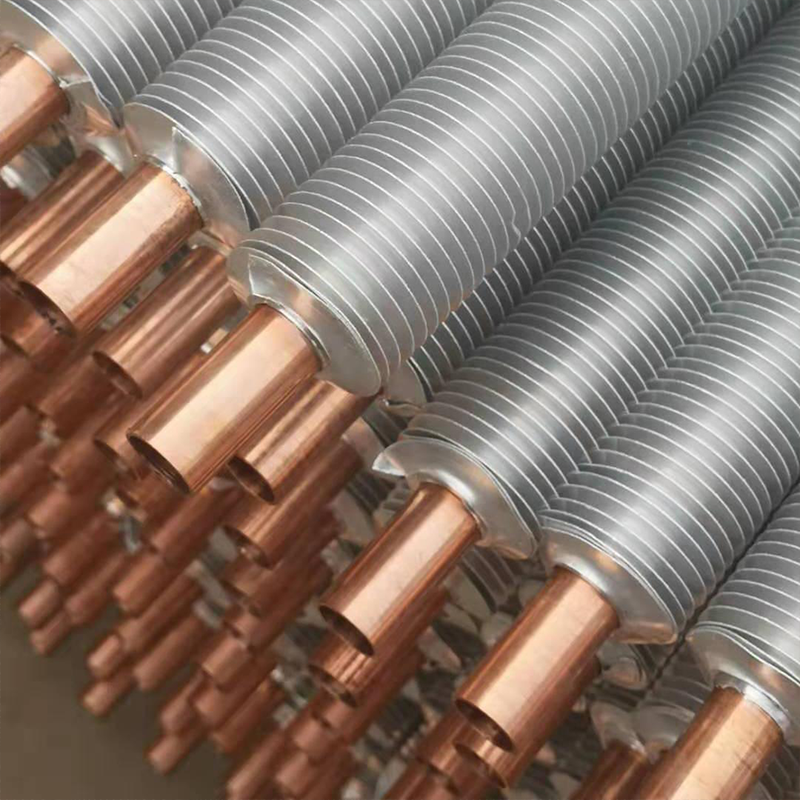
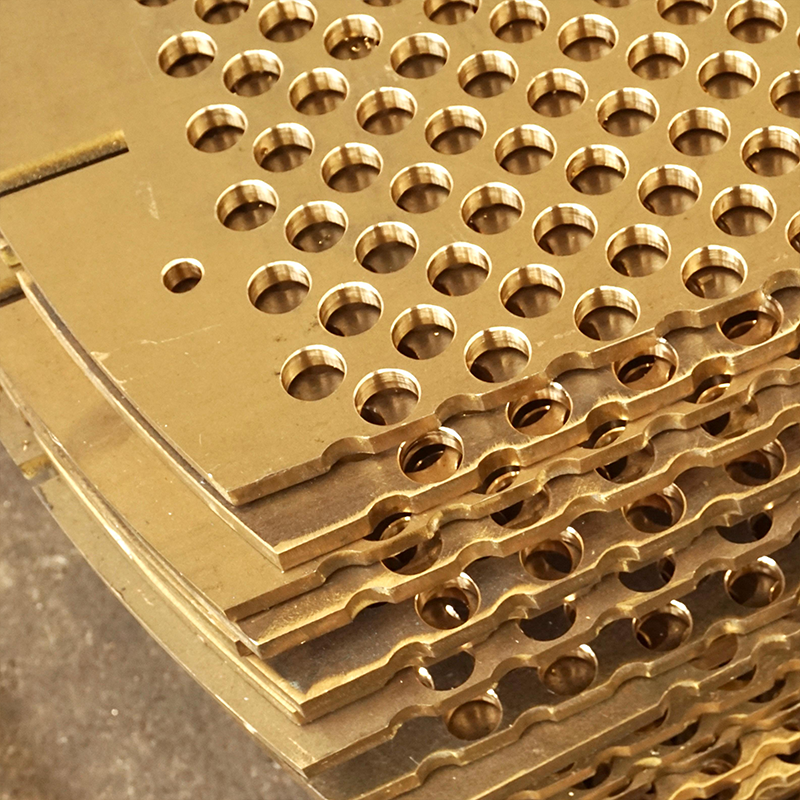
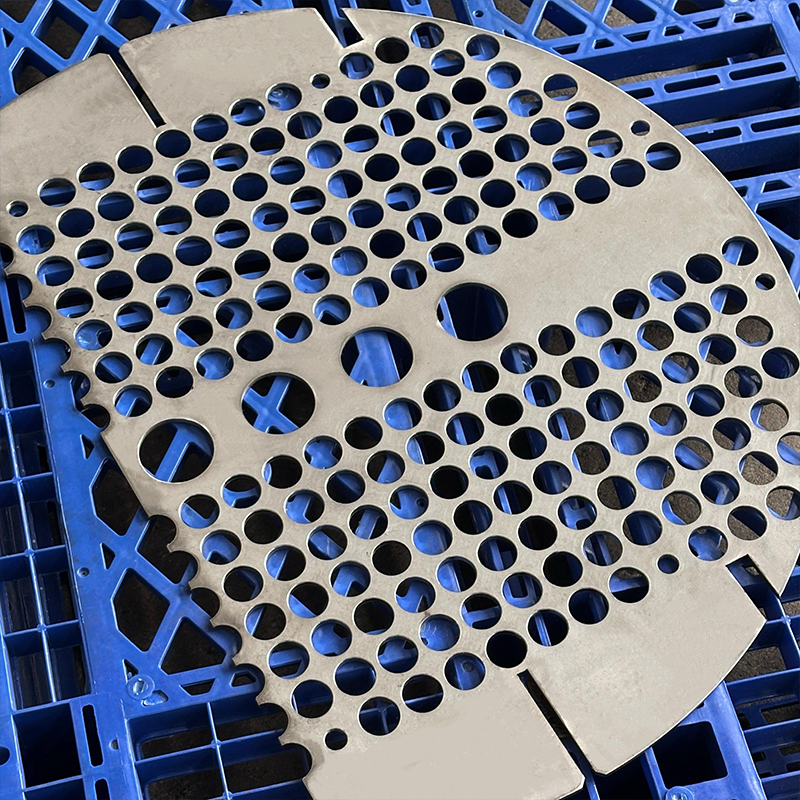
In addition, the reliability of digital control directly depends on the physical reliability of the equipment itself. Modern factories are increasingly integrating their ERP systems with advanced engineering solutions to improve energy efficiency and process stability. For example, companies likeWuxi Kaisheng Electric Power and Petrochemical Equipment Co., Ltd.set high standards in the production of heat transfer and power equipment, using materials with high corrosion resistance (titanium, 316 stainless steel, N06625 alloys) and meeting international ASME and PED standards. Their experience building high-pressure heat exchangers and air coolers for the oil, gas and chemical industries demonstrates how critical engineering precision and materials quality are. A similar approach is required when choosing IT solutions: the system must be equally reliable, adaptable to difficult conditions (high temperatures, aggressive environments) and capable of scaling to the tasks of a specific production, be it plastic processing or deep petrochemicals.
Typical risks and how to avoid them
The statistics of unsuccessful projects are frightening: up to 60% of implementations either fail completely or do not reach their designed capacity. Let's look at the main mistakes that managers fall into.
Mid-level sabotage.Shop foremen and warehouse managers often see ERP as a threat to their power. Transparency kills opportunities for “gray schemes” and additions. There is only one solution: involving key employees in the project team from the very beginning. Give them the opportunity to influence the settings. When a person himself has figured out how to more conveniently scan a barcode, he will defend this function.
Lack of a single process owner.If the project is supervised by an IT director, he will focus on technology, forgetting about business logic. If the chief accountant is in charge, the system will turn into a reporting tool that is inconvenient for production. The ideal project manager is an operations director or technical director who understands both money and machines. The IT department acts here as service support.
An attempt to implement everything at once.The desire to close all pain in one fell swoop leads to overload of the system and staff. We recommend a modular approach: first warehouse and production, then sales and purchasing, then finance and HR. Each stage must be completed and put into operation before the next one begins.
One of our clients tried to immediately implement a complex predictive breakdown analytics module without establishing basic defect tracking. As a result, the system issued engine repair recommendations based on incorrect load data. Money was wasted and trust in the system was damaged for a year. First the foundation, then the superstructure.
The future of digitalization of the plastic industry: trends for 2026
We live in an era where data is becoming the new raw material. Current trends point to the merger of ERP with MES (Manufacturing Execution System) and IIoT (Industrial Internet of Things) systems. The line between resource management and shop floor management is blurring.
A current trend is the use of artificial intelligence to optimize recipes. The system analyzes historical data from thousands of batches and suggests batch-specific temperature or screw speed adjustments to achieve ideal quality with minimal energy consumption. This is no longer a fantasy, but a working tool in leading holdings.
The importance of environmental tracking is also growing. The European Green Deal and similar initiatives in the EAEU require confirmation of the carbon footprint of products. The ERP of the future should automatically calculate CO2 emissions per unit of production, taking into account the origin of the raw material (primary or secondary) and the energy efficiency of the line. Without this, exporting products may become impossible.
Mobility is also reaching a new level. Managers receive dashboards on their smartphones in real time, and technologists can change recipe parameters directly from the tablet at the machine using biometric authorization. The paper shift log is finally becoming a thing of history.
Frequently Asked Questions
How long does it take to fully implement ERP in a plant?
For an average enterprise (50-150 jobs, 10-20 units of capital equipment) the cycle is from 6 to 9 months. Of these, 2 months are spent on pre-project inspection and data cleaning, 3-4 months on setting up and testing the system kernel, and another 2-3 months on trial operation and training. Trying to rush the process in less than 4 months usually results in a superficial setup that will have to be redone in six months.
Do I need to change existing equipment to work with ERP?
In most cases, no. Modern gateways and controllers allow you to connect to equipment manufactured even 10-15 years ago. If the machine is very old and does not have a digital output, external sensors are installed (current, vibration, product counters) that transmit data to the network. Replacing a fleet of machines is required only if they are completely worn out, but not for the sake of ERP itself.
What is the approximate cost of the project?
The price range is huge and depends on the chosen platform (domestic or imported), the number of licenses and the depth of customization. For a small plant, the budget can start from 3-5 million rubles, for a large holding company it can amount to tens of millions. However, the rule “more expensive means better” does not always work here. Often, an expensive international system turns out to be redundant and difficult to support, while a flexible local solution covers 95% of the needs for half the price.
What to do with data in old systems?
A complete transfer of historical data (5-10 years) to a new system is usually impractical and technically difficult due to differences in database structure. Recommended strategy: transfer reference books (items, counterparties) and incoming balances to the start date. Leave historical data in the old system in read-only mode for archival references or upload it to Excel/CSV format for analytics. The new system must be built on clean, up-to-date data.
Conclusion: Your Next Step
Implementation of ERP systems at plastic products factoriesis a complex engineering and management challenge, but the cost of inaction today is too high. Competitors who have already digitalized operate with margins 5-7 points higher due to resource savings and speed of response to the market. They see problems before they become disasters with transparent data.
Don't wait until a crisis or the loss of a major client forces you to act. Start by auditing your current processes. Understand where you are losing money right now. If you're ready to discuss the details of your operation and receive a personalized transformation roadmap, our team of experts is available for a free initial consultation.
We will help you avoid common mistakes, choose the optimal solution for your budget and scale, and support the project until it reaches planned targets. Remember: technology itself does not save a business; it is the competent use of technology by people that saves it.
Contact us todayto discuss your project, or check out oursuccessful cases sectionto see the results of other companies in the industry.