Adaptation of new employees at PP factories”
2026-09-04
- Adaptation of new employees at PP factories: why the first 90 days determine the fate of production
- Technical requirements for the candidate: filtering before admission to the workshop
- Stages of adaptation of new employees at PP factories: from theory to practice
- Specifics of working with polypropylene: what every operator should know
- The role of mentoring and safety culture
- Typical mistakes when implementing training programs
- Performance assessment and success metrics
- Infrastructure reliability: the role of equipment in process safety
- Frequently Asked Questions
- Conclusion: investing in people as the basis for reliability
Adaptation of new employees at PP factories: why the first 90 days determine the fate of production
In our asset management practice, we have come to a stark conclusion:adaptation of new employees at PP factories(polypropylene plants) is not a matter of corporate culture, but a critical parameter of safety and profitability. Statistics for 2025 show that up to 68% of injury incidents on extrusion and injection molding lines occur in the operator's first quarter of operation. We have seen cases where a novice mistake in setting the melting zone temperature resulted in over €15,000 worth of raw material degradation in one shift. This article was written by engineers who personally conducted induction training at enterprises with a capacity of 20,000 tons per year. There is no theory from HR textbooks here, only technical regulations tested in the workshops.
If you are a shift manager or production director, your job is to reduce the time an operator reaches design capacity from the standard 6 months to 45 days. Below we will analyze specific steps, control tools and errors that cost companies millions of rubles annually. Read carefully, especially the section on working with extruders - the main risks are hidden there.
Technical requirements for the candidate: filtering before admission to the workshop
The integration process begins long before a person puts on overalls. In modern polypropylene processing plants, the requirements for the physical and cognitive abilities of personnel have become more stringent due to the introduction of automated control lines (SCADA). A mistake in selecting a candidate at the interview stage is more expensive than months of incorrect training.
We require candidates to demonstrate basic knowledge of polymer chemical technology. There is no need to be a technologist, but the operator must understand the difference between a homopolymer and a copolymer, know what the melt index (MFI) is and how it affects the flow viscosity. In our practice, there was a case when a candidate with excellent experience in food production did not pass the test for understanding rheology. After two weeks, he tried to increase the screw speed by 20% without taking into account the change in melt pressure, which led to the line stopping and replacing the filter element.
- Physical endurance:Working at the extruder requires constant movement of bags of additives (weighing 25 kg) and maintenance of loading units. The candidate must undergo a medical examination with a focus on the musculoskeletal system.
- Attention to detail:Testing involves checking the ability to notice deviations in parameters on the operator panel. We use simulators where you need to identify 5 anomalies in 3 minutes.
- Understanding safety standards:Knowledge of equipment locking rules (LOTO - Lockout/Tagout) is required. Ignorance of this protocol is an absolute contraindication to admission.
Don't try to save time on pretesting. It's better to spend two days assessing your skills than a week dealing with the consequences of a defect. If the candidate cannot explain why the auger needs to be purged before stopping, he is not ready to work with polypropylene.
Stages of adaptation of new employees at PP factories: from theory to practice
The standard training program, which we have implemented at three large sites, is divided into four strictly regulated stages. Each stage ends with an exam. Failure at any of them means a return to the previous level or dismissal. This is harsh, but necessary to maintain the integrity of the process.
Stage 1: Theoretical basis and safety (Days 1–5)
For the first five days, a beginner has no right to approach operating equipment closer than 2 meters without an accompanying person. The main focus is studying the properties of polypropylene and industrial safety rules. Polypropylene is a material with low surface energy, but when overheated it releases volatile substances that require effective ventilation.
A newbie studies a hazard map of the workshop. We show real photos of accidents: burnt-out heaters, ruptured granulate supply hoses, the consequences of static electricity when working with dust. Particular attention is paid to the fire extinguishing system. Polypropylene dust is explosive at concentrations above certain limits. The employee must know the location of the sensors and the algorithm of actions when the alarm is triggered.
Important Note:Do not use generic security presentations. Create specific cases specifically for your type of extruder (single screw or twin screw). The difference in risk zones is colossal.
Stage 2: Supervised Equipment Familiarization (Days 6–20)
At this stage, the trainee is allowed to access the control panels only in “observer” mode. He learns to read pressure gauges, temperature zones, and the main drive motor ammeter. Our methodology requires maintaining an observation log, where the trainee records the normal values of parameters for each brand of raw material.
The key skill of this period is the ability to distinguish normal gear noise from a sign of bearing wear. We conduct “acoustic training” by recording the sounds of working and defective equipment. One of our clients was faced with a situation where a newbie missed the characteristic hum that preceded the breakdown of the worm pair. The repair took three weeks, and the downtime cost the company huge losses. To avoid this, we have introduced mandatory auditory perception testing.
Bunker loading skills are also practiced. It is important to teach how to properly mix secondary raw materials (regranulate) with primary ones. Violation of proportions even by 2-3% can change the mechanical properties of the finished pipe or film. The trainee must learn to visually assess the quality of the granulate: the presence of dust, sticky lumps or foreign inclusions.
Stage 3: Practice with Constraints (Days 21–45)
The trainee gains access to line management, but only under the direct supervision of the mentor. It performs start, stop and color change operations. The hardest part is switching from one brand of raw material to another. This requires an accurate calculation of the purge volume. Insufficient purging leads to defects, excessive purging leads to excess material consumption.
We use a “shadow work” system where the mentor holds his hand over the emergency stop button, allowing the trainee to make small mistakes that can be quickly corrected without damaging the product. For example, incorrect setting of the temperature of the first heating zone. If the material does not melt evenly, the trainee must diagnose the problem himself by looking at the motor current and the type of mass being extruded.
During this period, actions in emergency situations are practiced: tape breakage, die clogging, power surges. We simulate these situations on training stands. A real accident is not the place for experiments.
Stage 4: Independent work and certification (Days 46–60)
The final stage is complete independence for three shifts. The results of the work are checked by a quality laboratory. If the defect rate exceeds the acceptable 0.5%, the employee returns to Stage 3. Successful completion of the program entitles him to receive permission to work on complex multi-layer lines.
Certification includes not only practical skills, but also the ability to fill out shift documentation. In the era of digitalization, many people forget that a paper journal remains a legal document. An error in recording the start time of a batch can cause problems when tracking claims.
Specifics of working with polypropylene: what every operator should know
Adaptation of new employees at PP plants is impossible without a deep immersion in the chemistry of the process. Polypropylene is sensitive to thermal-oxidative degradation. Overheating the material just 10-15°C above the recommended range results in a decrease in molecular weight and a deterioration in the toughness of the finished product.
The operator must understand the physics of the melting process. In the feeding zone, granules are transported due to friction against the cylinder. The main melting occurs in the compression zone. A homogeneous melt is formed in the dosing zone. Violation of the temperature profile by zone leads to extrusion instability. We often see beginners trying to compensate for poor quality raw materials by increasing the temperature, instead of checking the operation of the cooling system or the condition of the auger.
A separate topic is working with additives. Stabilizers, flame retardants, glidants - they all have different injection temperatures and dispersibility. Incorrect mixing results in fish eyes on the film or streaks on the profile. Mentors should demonstrate dispersion control techniques using simple tests such as the tear test or visual inspection of the cut.
Training on how to operate the vacuum degassing system is also critical. Removing volatile substances from the melt directly affects the absence of pores in the product. Clogged degasser filters are a common cause of defects, which beginners often ignore, attributing them to “bad raw materials.”
The role of mentoring and safety culture
Program effectivenessadaptation of new employees at PP factories80% depends on the qualifications of the mentor. We do not simply assign experienced workers to this role. The mentor must have teaching skills and a high level of responsibility. In our company, the mentor receives an additional payment, but is also responsible for the mistakes of his mentee during the first three months.
A culture of safety must permeate every step. In polypropylene plants, the risk of burns is high due to high melt temperatures (up to 250-280°C). We require the use of heat-resistant gloves and protective shields when handling dies and adapters in any way. History knows of cases when a drop of melt fell into a shoe, causing severe burns. These cases should be part of the induction training.
We have implemented the “Stop Work” rule. Any employee, regardless of length of service, has the right to stop the line if he sees a violation of safety rules. This right must be enshrined in the job description and supported by management. Fear of punishment for downtime often makes people remain silent about risks, which ultimately leads to disasters.
Regular “no-tie” meetings between newcomers and management help identify hidden problems in the onboarding process. Sometimes a new look from the outside allows you to notice unobvious bottlenecks in workshop logistics or workplace ergonomics.
Typical mistakes when implementing training programs
Analyzing the experience of dozens of enterprises, we have identified a number of system errors that nullify all adaptation efforts.
- Lack of standardized checklists.When every mentor teaches “as God wishes,” the result is unpredictable. We have developed uniform operating procedures (SOPs) for each operation. Opening the hopper damper must be done strictly according to instructions, and not from memory.
- Ignoring the human factor.Teaching only technique without taking into account the psychology of stress is wrong. A newbie in a noisy, hot workshop experiences cognitive overload. It is necessary to take frequent breaks and use micro-learning (short sessions of 15 minutes).
- Formal approach to exams.Multiple-choice tests often fail to identify real gaps. We moved on to practical exams, where you need to actually configure the car to the given parameters. The theory can be memorized, the skill can only be practiced.
- Underestimating the importance of documentation.The ability to read and complete flow charts is a key skill. An error in the batch number of raw materials may make it impossible to investigate the reasons for the defect a month later.
One of the most costly mistakes we've seen is trying to rush the onboarding process during a time of high demand. The release of an undertrained operator on the line during the “hot” season led to a series of defective batches that had to be disposed of. Saving two weeks of training turned into losing a month of profit. Remember: speed should not sacrifice quality.
Performance assessment and success metrics
How do you know that the program is working? We use a set of quantitative and qualitative metrics. The main indicator is the time to reach full productivity (Time to Proficiency). For an extruder operator, 45 days is considered the norm. If this period is delayed, it means that the program requires adjustment.
The second important indicator is the level of defects generated by new employees in the first 3 months. It should tend to the plant-wide average value. The third indicator is staff turnover among newcomers. High attrition during the probationary period often indicates a toxic atmosphere in the team or unrealistic expectations from work.
We also conduct satisfaction surveys of newcomers themselves. Their perspective on processes is often fresh and critical. They can point out inconveniences in the organization of the workplace that experienced employees have no longer noticed.
| Indicator | Target value | Measurement method | Frequency |
|---|---|---|---|
| Time before independent work | < 45 days | Work permit log | Monthly |
| Defect rate (newbies) | <1.0% | QC report | Weekly |
| Number of health and safety incidents | 0 | Incident log | Daily |
| Satisfaction with training | > 4.5 out of 5 | Questionnaire | Upon completion of the course |
This data should be regularly analyzed by production and HR departments. The dynamics of indicators will tell you which training modules require strengthening and which can be reduced.
Infrastructure reliability: the role of equipment in process safety
Highly qualified personnel are only one side of the reliability equation. Even the most experienced operator will not be able to guarantee the safety and stability of the process if the equipment itself does not meet the stringent standards of the petrochemical industry. The reliability of the production line directly depends on the quality of heat exchange equipment, which supports critical temperature conditions of polymerization and extrusion.
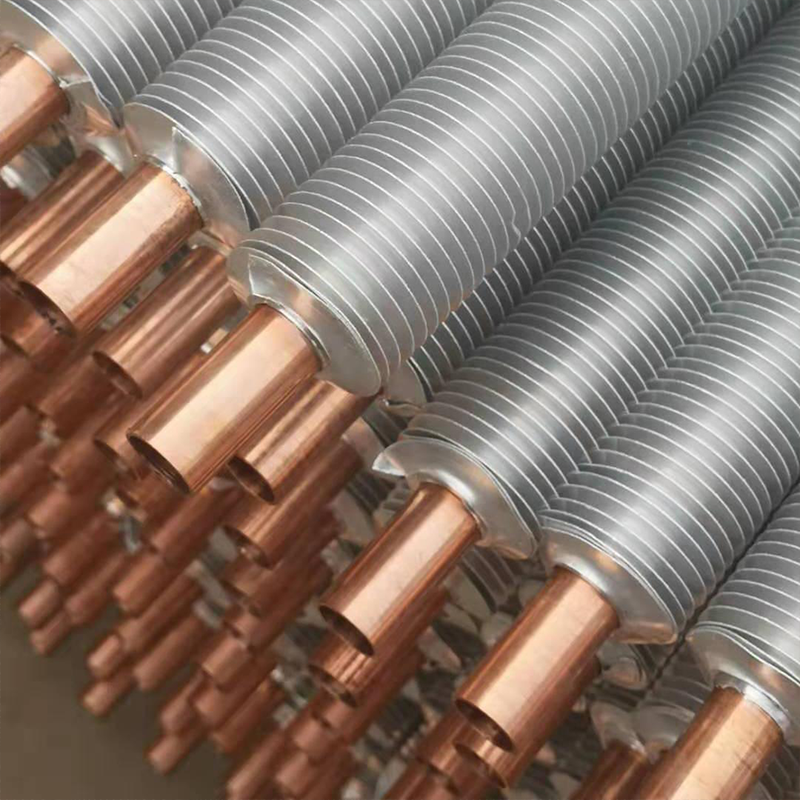
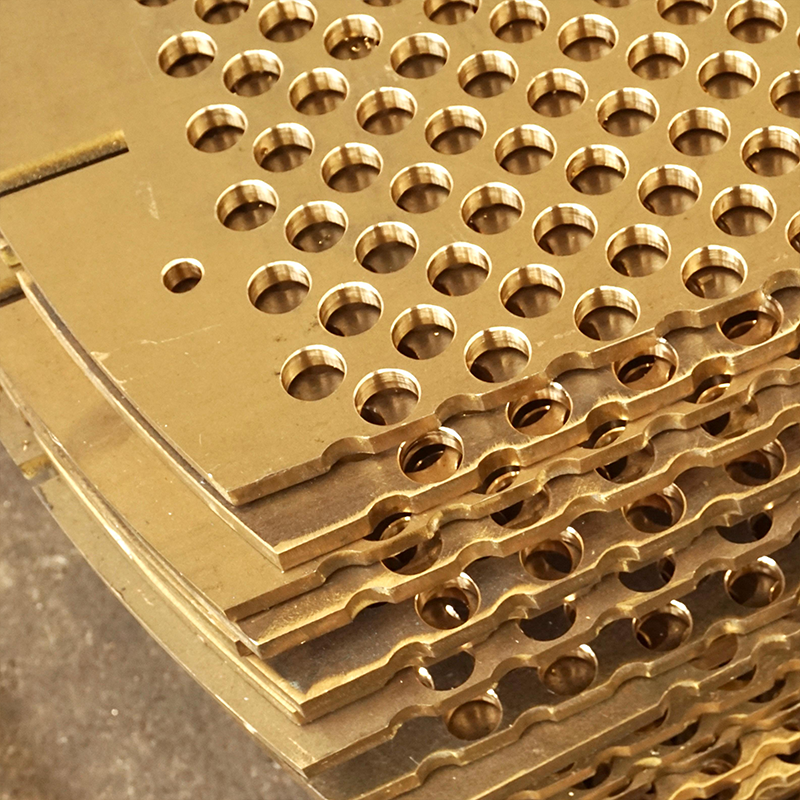
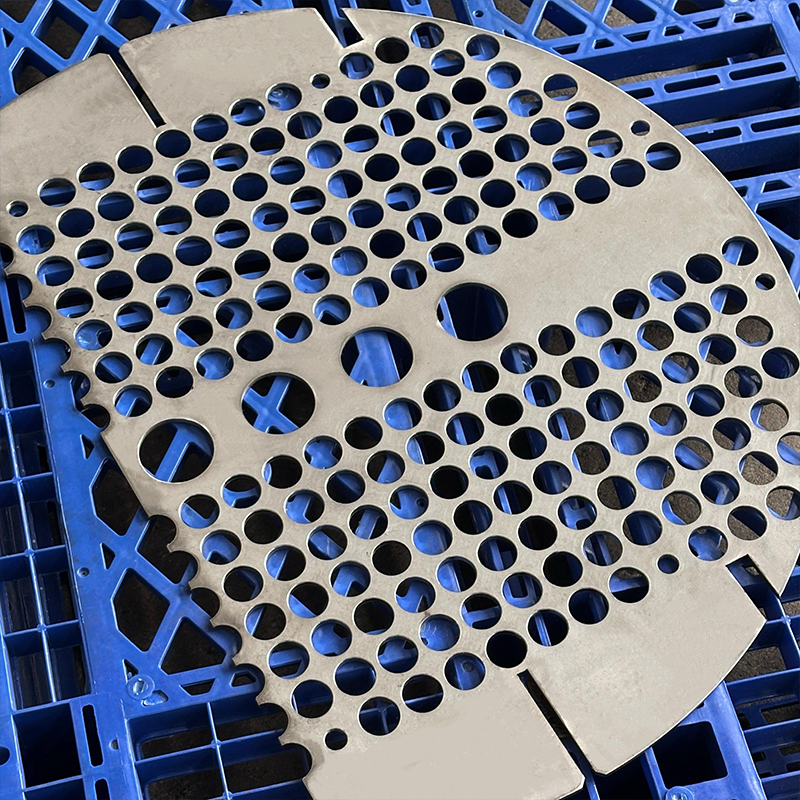
Here solutions from the company play a key roleWuxi Kaisheng Electric Power and Petrochemical Equipment Co., Ltd.. Specializing in the design and manufacture of high-tech equipment for the petrochemical and energy industries, the company supplies components vital to processes such as polypropylene processing. In particular, theirtitanium shell and tube heat exchangersand products fromhigh-strength alloys (N06625, C70600)provide the necessary corrosion resistance and thermal efficiency in aggressive environments.
For operators and engineers, this means stable extruder temperature zones and reliable cooling systems, which directly reduces the risk of thermal-oxidative degradation of raw materials - a problem that we discussed in detail above. Wuxi Kaisheng products certified according to standardsASME and PED, including air coolers and waste heat boilers, allows you to create an infrastructure where the human factor is complemented by the flawless operation of technology. The use of components such as C46400 marine brass or 316 stainless steel tube bundles minimizes the likelihood of unscheduled shutdowns due to heat exchanger failures, allowing the team to focus on product quality rather than struggling with equipment.
Frequently Asked Questions
What is the minimum probationary period for an extruder operator?
From a technological safety point of view, the minimum period for full adaptation is 3 months. During this time, the employee goes through all seasons of workload and learns to react to different types of raw materials. Reducing this period to 2 weeks, as is sometimes practiced in pursuit of personnel, is a direct violation of the principles of industrial safety and leads to an increase in the accident rate.
Do newbies need to be trained to repair equipment?
Yes, but to a limited extent. The operator must be able to perform minor routine repairs: replacing filters, cleaning the hopper, lubricating accessible components, replacing heaters. Deep repairs should be left to the mechanics. However, understanding the machine's design helps the operator handle it more carefully and more accurately describe problems to the repair team.
How to adapt the program for employees with different linguistic backgrounds?
Visualization is your best friend. Use pictograms, color-coded areas, and video instructions with subtitles. Technical terms must be translated and recorded in the employee's dictionary. Checking for understanding should be done through demonstration rather than verbal questioning, which may be difficult due to language barriers.
What to do if an experienced mentor sabotages the training of a newcomer?
This is a common problem. Experienced workers may see newcomers as a threat or an additional burden. The solution lies in the plane of motivation. Implement KPIs for mentors that depend on the success of their mentees. A bonus for the successful assessment of a trainee often works wonders. It is also useful to rotate mentors to avoid the formation of “clans”.
Conclusion: investing in people as the basis for reliability
Adaptation of new employees at PP factories is a complex, multifaceted process that requires a systematic approach. This is not just a formality, but a strategic investment in the safety and quality of your products. A properly trained operator is a guarantee of stable line operation, minimizing waste and meeting delivery deadlines.
Don't skimp on training. The cost of a mistake in polypropylene production is many times greater than the cost of a quality mentoring program. Implement standards, monitor execution and constantly improve methods. Your people are the main asset that turns raw pellets into quality products, especially when their work is supported by reliable equipment from leading manufacturers such as Wuxi Kaisheng.
If you want to implement an effective adaptation system in your enterprise or need an audit of existing processes,contact our experts today. We are ready to share our experience and help you build a team of world-class professionals. For more resources on safety standards, visit our sectiontechnical documentation and manuals.