
Motivation of personnel of PE production workshops”
2026-09-04
- Why does the motivation of PE production staff determine the profitability of a plant?
- Specifics of working with polyethylene: where efficiency is lost
- Material incentive structure: from salary to bonuses
- Intangible methods and competence development
- Error analysis and anti-patterns in personnel management
- Digitalization as a tool for transparency
- Frequently Asked Questions
- Conclusion and next steps
Why does the motivation of PE production staff determine the profitability of a plant?
Motivation of personnel in PE production shops is not an abstract concept from HR textbooks, but a direct lever for managing production costs and the percentage of defects on the extrusion line. In our practice of working with polyethylene processing plants, we have repeatedly observed the situation: the latest German or Chinese equipment has been purchased, automated control systems have been introduced, but planned output indicators are not achieved. The reason often lies not in technology, but in the human factor. An extruder operator who is not interested in the result may ignore micro-variations in temperature in the heating zones, which leads to polymer degradation and the loss of tons of raw material.
We analyzed data from dozens of industries and came to the conclusion that reducing staff turnover by only 15% through a competent incentive system provides an economic effect comparable to the modernization of one production line. In this article we will look at specific mechanics that work specifically in heavy industry, and not in office centers. You will learn how to link operator KPIs with real granulate quality parameters and why old “carrot and stick” methods in modern PE shops lead to sabotage.
Specifics of working with polyethylene: where efficiency is lost
The production of polyethylene (PE) products has unique process physics that cannot be ignored when building a labor remuneration system. Unlike mechanical processing of metal, where defects are visible immediately after the machine, processes in an extruder or polymerization reactor have inertia. An operator error made at the beginning of a shift can manifest itself in the form of a batch of substandard film or pipe only after 4–6 hours, when the raw material has already passed through all stages.
In our practice, there was a case at a plant in Tatarstan, where they introduced a bonus system solely for the volume of products produced in kilograms. The result was disastrous: operators began to force the screw speed, ignoring the melt pressure. Externally, the products looked normal, but during subsequent welding of pipes or tension of the film, ruptures occurred. The plant lost a major client, and the brand's reputation was damaged. This example shows that the motivation of personnel in PE production departments should be based on a comprehensive indicator that includes quality, and not just quantity.
Key pain points to consider when developing a strategy:
- Temperature sensitivity:Low pressure polyethylene (LDPE/HDPE) and high pressure polyethylene (LDPE) require different temperature profiles. Overheating leads to destruction of the circuit, underheating leads to poor homogenization. The operator should be interested in complying with technological regulations, and not in violating them for the sake of speed.
- Change of raw materials:Frequent reconfiguration of the line for different brands of granules (for example, switching from linear polyethylene LLDPE to regular LDPE) reduces the overall useful time. If the pay system does not compensate for the complexity of changeovers, workers will resist frequent switching, insisting on long runs of a single product, even if it is not profitable for the warehouse.
- Energy intensity:Extrusion is an energy-intensive process. Unoptimized operation of motors and heaters can increase kWh consumption per unit by 10–15%. In the current economic climate, this is a direct loss of margin.
To solve these problems, it is necessary to implement a transparent metrics system. The worker should be able to see on his terminal screen or scoreboard how his actions affect the bottom line in real time. We recommend using an approach where the base rate guarantees social security, and the variable part is strictly tied to the coefficient of useful use of raw materials (KPI Yield).
Psychological aspects of working in a noisy workshop
We must not forget about the living environment of the personnel. Plastics processing shops are characterized by high noise levels, a specific smell of molten polymer and elevated air temperatures in the summer. These factors create chronic stress, which reduces cognitive ability and reaction speed. Motivation in such conditions cannot be based only on money. People should feel concerned about their health and comfort.
One of our clients has implemented a simple but effective practice: providing high-quality, next-generation personal protective equipment (PPE) and providing air-conditioned break areas right on the shop floor. Staff turnover decreased by 20% over six months. This proves that non-material motivation works as a foundation for material motivation. If a person feels uncomfortable, no bonuses for exceeding the plan will force him to work with full dedication.
Material incentive structure: from salary to bonuses
Developing a tariff schedule for manufacturers requires a balance between stability and incentive. An excessive bias towards the variable part (bonuses) creates anxiety among workers, especially during periods of seasonal decline in orders or downtime due to lack of raw materials. On the contrary, a high fixed salary without reference to results kills initiative. The optimal formula for PE shops is as follows: 60% fixed part + 40% variable.
The variable part must be decomposed into several independent parameters. This allows the employee to influence his earnings even when one of the indicators is unavailable for objective reasons (for example, downtime due to the fault of supply). Let's consider the detailed structure of an effective payment system:
- Basic rate for hours worked:A guaranteed amount that is paid regardless of output, subject to labor discipline. This ensures loyalty and reduces fear of the future.
- Piece premium for volume (taking into account quality):Payment is not made for the entire shaft, but only for products that have passed quality control from the first presentation. Defects caused by the operator are not paid, and in some cases may lead to a deduction. Important: the production rate must be realistic and achievable with normal operation of the equipment.
- Raw Material Saving Award:Polyethylene granulate is the main cost item. If the technological process allows you to reduce the percentage of waste (burst, start-up waste, waste) below the standard value, the difference in cost is divided between the enterprise and the employee. For example, saving 1 ton of raw materials can bring the operator 5–10% of the cost of this ton.
- Bonus for uninterrupted operation of equipment:Encouraging careful use of extruders, molding heads and drawing devices. If there are no emergency stops due to human error within a month, the crew receives a fixed bonus.
It is important to note that all these indicators should be calculated automatically based on data from SCADA systems or accounting logs in order to eliminate the subjectivity of shift foremen. Transparency of charges is a key factor of trust. When a worker sees a clear formula: “I made X kg of a good product, saved Y kg of raw materials, which means my bonus is Z rubles,” motivation grows naturally.
We came across a situation where at one of the factories, craftsmen manually filled out production tables. This led to constant conflicts, suspicions of nepotism and demotivation of the best employees. Switching to automated data collection eliminated this problem. Now each employee has access to his personal account, where he sees his indicators in real time.
Intangible methods and competence development
Money is important, but it has a limit to its effectiveness. After reaching a certain level of income, additional financial injections cease to increase productivity proportionally. This is where intangible methods come into play and build long-term commitment to the company. In the context of PE production, professional development and recognition play a special role.
System of grades and qualifications.Introducing a clear career ladder within the shop gives the employee perspective. From assistant operator to senior shift foreman. Each level requires the development of new skills: the ability to configure an extruder for complex brands, carry out minor repairs, read complex equipment drawings. Certification should be carried out regularly, and an increase in rank should be accompanied by an increase in the base rate. This transforms work from a “temporary side hustle” into a lifelong profession.
Professional skills competitions.Regular internal competitions (“Best operator of the month”, “Lowest defect rate”) with public awards create healthy competition. Awards can be symbolic but meaningful: a badge of honor, a photo on the honor roll, an extra day off, a training certificate. The main thing is public recognition of services to the team.
Training and cross-functionality.Modern polyethylene processing lines are becoming increasingly complex. The integration of robotic laying units, laser thickness control systems and online extrusion analysis requires new knowledge from personnel. Investments in employee training (polymer courses, safety training, learning English to work with imported software) are perceived by employees as concern for their future. In addition, training in related professions (the operator can perform the functions of an adjuster) increases production flexibility and the value of the employee himself.
There was a case in our practice when a plant introduced the Mentoring program. Experienced workers received additional payment for training newcomers. This solved two problems: it accelerated the adaptation of young personnel and gave production veterans a sense of importance and respect. A year later, the level of defects in new areas decreased by 30%, as newcomers quickly reached the design operating modes.
The role of occupational safety and health (HSE) in motivation
Safety in polyethylene production is a matter of life and death. Working with high temperatures, moving machinery and potentially explosive dust requires extreme concentration. The incentive system should encourage compliance with labor safety rules, and not punish for reporting violations.
Introducing a culture of “Stop Work Authority” allows any employee who sees a danger to immediately stop the line without fear of being punished for downtime. Moreover, employees should be rewarded for preventing a potential incident. This creates an environment where safety is a shared value rather than a set of restrictions. Statistics show that in enterprises with a high safety culture, the overall level of occupational injuries is lower, and, consequently, the loss of working time is minimal.
Error analysis and anti-patterns in personnel management
When trying to improve motivation, management often makes common mistakes that lead to the opposite effect. Understanding these “rake” will help to avoid unnecessary costs and loss of trust of the team.
Mistake #1: Vague criteria.Formulations like “a bonus for good work” or “at the discretion of the boss” do not work. They breed uncertainty and rumors. The employee must know exactly what needs to be done to receive the bonus. If the criteria change every month or depend on the mood of the director, the system is perceived as manipulation.
Mistake #2: Collective responsibility without individual contribution.A bonus for the entire team for overall success is good for unity, but if there are “free riders” (free riders) in the team who do not work but receive the same share, this demotivates the leaders. The best employees either start to work worse (“why am I straining myself?”) or quit. A mechanism for assessing personal contribution within the team is needed.
Mistake #3: Ignoring opinions from below.Often, a motivation system is developed by HR managers and economists in offices who have never been on the shop floor. They do not understand the specifics of working with PE melt, the difficulties of changeover, or the effect of raw material moisture on the process. The result is beautiful KPI tables that are impossible to achieve in reality. Before implementing any system, be sure to conduct focus groups with workers and foremen. Ask them, “What is stopping you from doing better?” The answers often surprise management.
Mistake #4: Delayed feedback.If an employee learns about the amount of his bonus only on payday, a month after work, the connection between the action and the reward is severed. The brain does not associate today's effort with a future reward. Ideally, intermediate results are available daily or weekly.
Digitalization as a tool for transparency
Modern motivation is impossible without digital tools. Manual logs and verbal orders are a thing of the past. The introduction of MES systems (Manufacturing Execution System) allows you to automatically collect data on the work of each operator. Sensors record startup time, extrusion speed, zone temperature, number of cycles and defect rate.
Based on this data, personal dashboards are formed. The operator sees on the tablet: “Your current efficiency is 92%, the goal for the shift is 95%. If you maintain this pace for another 2 hours, you will receive the maximum bonus.” This turns the work into a kind of game with clear rules, where the result depends on the skill of the player. Gamification of production processes is a powerful trend for 2025-2026, which has already proven its effectiveness in leading factories in Europe and Asia.
In addition, digital systems allow for an objective analysis of the causes of marriage. Was it operator error, equipment failure, or poor quality raw materials? Such detail eliminates unfounded claims against personnel and helps direct efforts to real production bottlenecks.
Frequently Asked Questions
How to calculate the optimal bonus for an extruder operator?
The optimal bonus amount should be 30–40% of the total monthly income if the plan is 100% fulfilled. If the bonus is less than 20%, it is not perceived as a significant incentive. If it is more than 50%, the employee loses a sense of stability. The calculation should be based on the marginality of the product: the amount of bonuses should not exceed the share of profit received by increasing the efficiency of a particular employee. Use the formula:Premium = (Actual output – Plan) × Unit price × Participation rate.
What to do if the equipment is old and often breaks down, affecting production?
In this case, tying the bonus only to volume will be unfair and demotivating. It is necessary to introduce a correction factor or a separate payment item for work on worn-out equipment. Also, part of the bonus should depend on efforts to maintain equipment in working condition (timely lubrication, cleaning, reporting defects). An alternative is a guaranteed hourly wage during periods of downtime through no fault of the employee, in order to maintain income at an acceptable level.
How to motivate staff to reduce energy consumption?
Introduce the indicator “Energy intensity per unit of production” (kWh/kg). Establish a basic standard based on equipment data sheets and historical performance. Any savings above the standard (while maintaining quality) must be monetized. For example, 20% of the cost of saved electricity goes to the brigade’s bonus fund. This forces operators to more closely monitor heating conditions and engine operation, turn off idle speeds and optimize cycles.
Does shift schedule affect motivation?
Yes, it is significant. Irregular schedules, frequent overtime, and awkward shift rotations lead to rapid burnout. Predictable schedules, the ability to influence shift assignments (for example, through a request system), and respect for the right to rest are powerful intangible incentives. Studies show that a tired operator makes 3 times more errors than a rested one, which in PE production is fraught with accidents.
Conclusion and next steps
Motivating PE production floor personnel is a complex engineering and management process that requires fine tuning, just like the extrusion line itself. There is no silver bullet, but there are proven principles: transparency, fairness, linking pay to real contribution and caring about the person. The introduction of the right incentive system can turn an ordinary plant into a highly efficient enterprise with a loyal team of professionals.
Start by auditing your current payment system. Survey employees, analyze statistics on defects and staff turnover. Find bottlenecks where money is wasted or where people feel cheated. Remember that investments in motivation pay off faster than buying a new machine, because even the most expensive equipment is maintained by people.
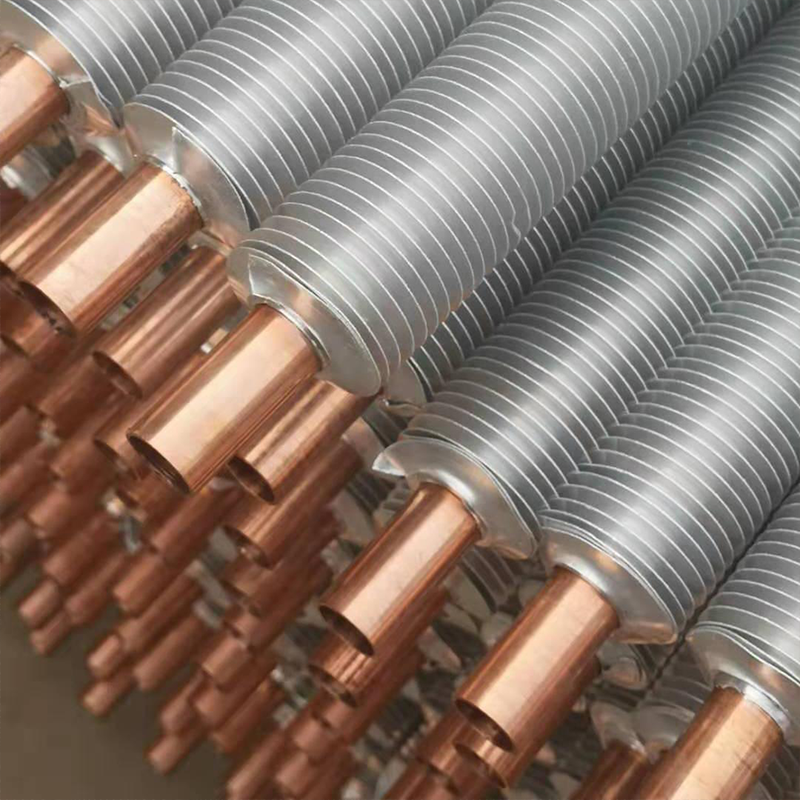
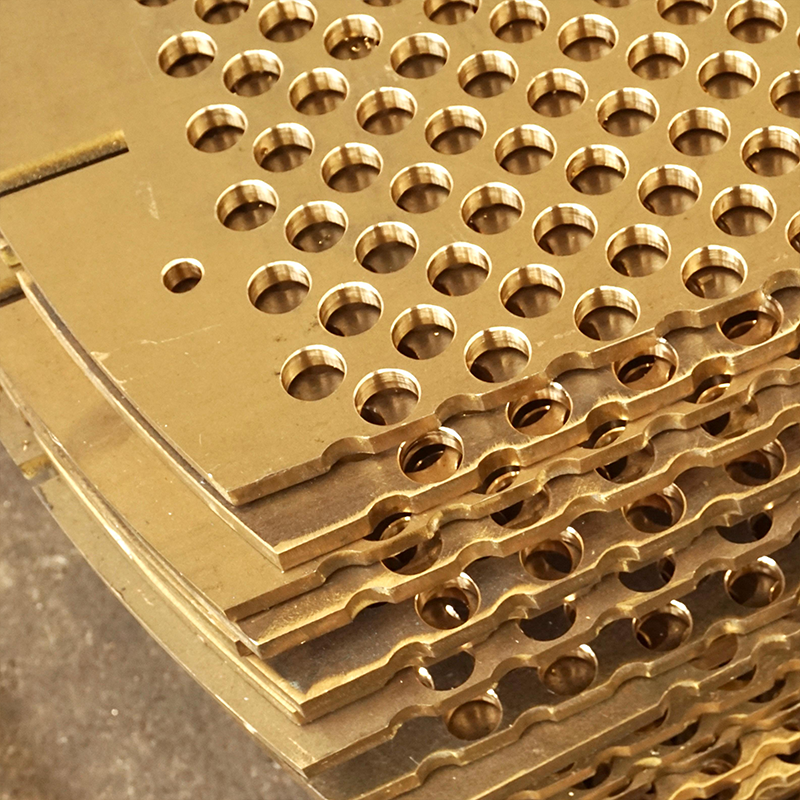
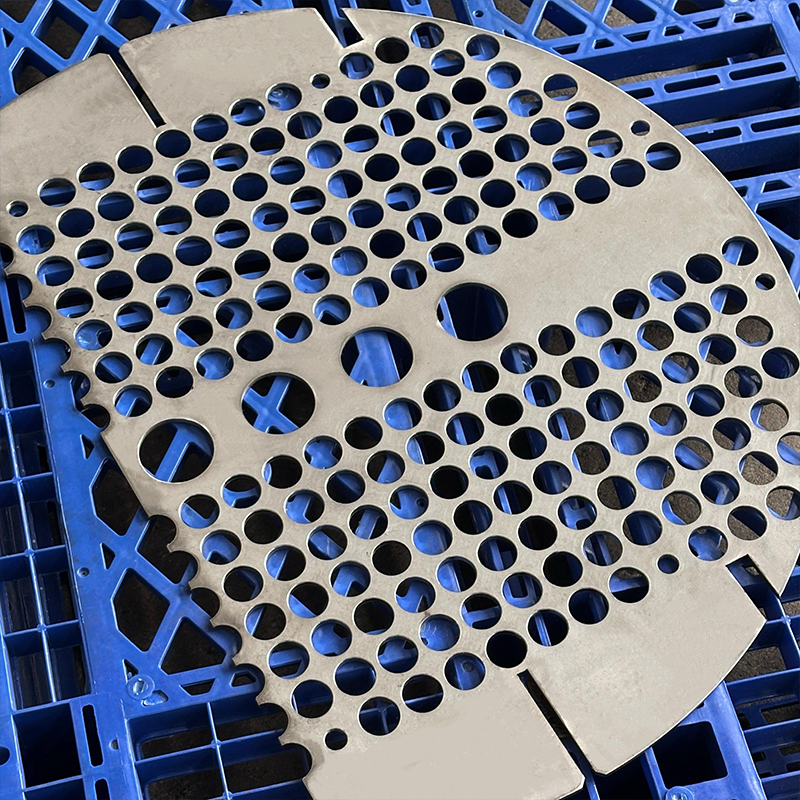
However, it is worth remembering that the human factor works in conjunction with the technical condition. Even the most motivated team will not be able to achieve peak performance with worn out or incorrectly selected equipment. This is where specialized solutions come to the rescue. For example, a companyWuxi Kaisheng Electric Power and Petrochemical Equipment Co., Ltd.specializes in the development and production of high-tech components for the oil and gas and chemical industries, including heat exchange equipment critical for thermoregulation of polymer processing processes. Their products, such as titanium shell-and-tube heat exchangers, air coolers and recovery boilers, are made from corrosion-resistant alloys (316 stainless steel, C46400 marine brass, N06625 nickel alloys) and are certified to ASME and PED standards. The reliability of such equipment directly affects the stability of the technological process: the absence of unexpected stops due to breakdowns of heat exchangers allows operators to focus on product quality rather than dealing with emergency situations. The use of individual solutions from partners such as Wuxi Kaisheng ensures high energy efficiency and durability of the lines, creating an ideal technical basis for the implementation of any personnel motivation systems.
If you want to implement best HR practices in your production or need advice on optimizing your processes taking into account the human factor,contact us today. Our experts are ready to conduct a detailed analysis of your situation and offer a solution that will increase the profitability of your business.
For more information about modern quality management standards in the polymer industry, we recommend that you read our materialQuality Control of Polyethylene Products: A Complete Guide.