
Recruiting engineers for the production of PE tanks”
2026-09-04
- Why recruiting engineers for the production of PE tanks requires narrow specialization
- Key competencies: what to check when interviewing for a PE engineer position
- Common hiring mistakes and their consequences for business
- Sources for finding qualified personnel in the Russian Federation and the CIS
- Adaptation and retention: how to retain a valuable employee
- Frequently Asked Questions
- Conclusion: investment in personnel as the foundation of quality
Why recruiting engineers for the production of PE tanks requires narrow specialization
Recruiting engineers for the PE tank industry is not just about finding people with polymer knowledge, but is a critical task in ensuring the safety of industrial sites. An error in the selection of personnel at the design or welding stage of polyethylene containers leads to depressurization, leakage of aggressive media and millions of losses. In our practice, we encountered a situation where a plant in the Volga region hired a process engineer with experience only in pipe extrusion. The result was predictable: the specialist did not take into account the shrinkage of the material during rotational molding of large volumes, which led to deformation of the body of a batch of tanks with a volume of 50 m³ even before shipment to the client. This case proves: standard recruitment methods do not work here.
The market for the production of low-density polyethylene (HDPE) containers is growing rapidly. Demand is dictated by tightening environmental standards and the need to replace metal tanks with corrosion-resistant analogues. However, the shortage of personnel in this niche is felt more acutely than in related industries. The engineer must simultaneously understand the rheology of the melt, know the requirements of GOST and EAS, master the methods of non-destructive testing of welds and understand the specifics of the logistics of large-sized products. If you are looking for a jack-of-all-trades, you risk getting a defective one. Below we will look at specific profiles, the technologies required, and the pitfalls that employers expect when hiring.
Industry specifics: why an ordinary chemical engineer will not work
The production of polyethylene tanks is fundamentally different from the production of pipes or film. The key factor here is not the extrusion speed, but the integrity of the structure under load. The production engineer must have a thorough understanding of the behavior of PE 100 or PE 80 polymer under long-term static load conditions. An ordinary chemical engineer, accustomed to working with reactors or laboratory installations, often underestimates the influence of residual stresses that arise when cooling thick-walled products.
During the rotational molding or extrusion blow molding process, the material is subjected to complex thermomechanical stress. The specialist must be able to calculate the cycle time so that the crystalline structure of the polymer is formed correctly. Violation of the cooling regime by only 10-15% can reduce the impact strength of the finished tank in winter. We have seen cases where containers that passed hydraulic tests perfectly in the summer cracked at the first negative temperature due to the incorrect choice of technological parameters.
In addition, the production of PE tanks often requires work with reinforcement or the creation of multi-layer structures for barrier properties. The engineer must know how to ensure adhesion between layers of different densities or how to integrate metal flanges without creating stress concentration points. This requires experience that has been accumulated over the years specifically in the field of large-sized packaging, and not in the production of consumer packaging.
Therefore, when creating a vacancy, we strongly recommend that you indicate experience specifically with Rotational Molding or Blow Molding technologies for containers with a volume of 1000 liters or more. Knowledge of polymer theory is important, but the ability to configure a rotary oven for a specific brand of raw material is more important. Look for candidates who can explain the difference between the time it takes for powder particles to sinter and the time it takes for them to completely melt.
Key competencies: what to check when interviewing for a PE engineer position
When assessing candidates for the role of lead engineer or tank technologist, there are three key areas to focus on: knowledge of raw materials, proficiency in equipment, and understanding of quality standards. Theoretical knowledge is easy to test with a test, but practical experience is revealed only through the analysis of specific production situations.
Deep knowledge of raw materials: PE grades and additives
The engineer must be able to easily navigate the grades of polyethylene. PE 100 is the most commonly used material for tanks due to its durability and resistance to stress cracking. The candidate must know the differences between extrusion and rotational molding materials. Powder for rotomoulding has a specific granulometric composition, different from granules for extruders. If a specialist confuses these concepts, he will not be able to ensure the stability of the process.
An important aspect is working with additives. Ultraviolet stabilization (carbon black, HALS) is critical for tanks installed outdoors. The engineer must be able to calculate the concentration of stabilizer depending on the expected service life and climatic zone of operation. Lack of UV protection will lead to destruction of the polymer within 3-5 years, while a high-quality tank should last 50 years. Ask the candidate how he controls the dispersion of soot in the polymer mass and what rapid analysis methods he uses.
It is also worth touching on the topic of food tolerances. Drinking water tanks require raw materials certified to sanitary standards. The engineer must understand the risks of migration of substances and know how to document the safety of the product. In our practice, there was a case when a batch of tanks was rejected by the customer due to the smell caused by the use of recycled materials with impurities, although visually the products looked perfect.
Forming and welding technologies
The bulk of large tanks are produced using rotational molding. The candidate must have a detailed knowledge of the structure of rotary machines (carousel type, rock and roll). Questions should relate to setting the axle speed ratio, furnace temperature profiles and forced cooling systems. An error in rotation timing results in uneven wall distribution (“banana effect”), rendering the tank unusable.
If production involves the assembly of large structures from sheets or sections, welding skills are critical. Extrusion welding, hot air welding, butt welding - the engineer must know the parameters for each method. Tool temperature, filler rod feed speed, torch angle - all affect the strength of the weld. A weak seam is the most vulnerable point of a structure. Ask the candidate to describe the welder qualification process and weld quality control methods (such as vacuum box or penetrant testing).
Pay special attention to post-processing. Cutting holes for pipes, installing fittings, installing a metal frame (for composite containers) - all these operations require precision. The engineer must develop equipment that eliminates the human factor when drilling or milling. Any scratch or cut on the inner surface of the tank can become a source of stress crack development.
Standards and regulatory framework
Working in a legal field requires knowledge of current standards. In Russia and the EAEU countries, the main document is GOST, as well as technical regulations of the Customs Union (TR CU). For tanks operating under pressure or containing hazardous substances, the requirements are even stricter. The engineer must be aware of the differences between certification and declaration of conformity.
International standards are also important, especially if the company plans to export. ISO 9001 regulates the quality management system, but there are also industry standards, for example, recommendations from associations of manufacturers of plastic pipes and containers. The candidate must be able to read drawings, understand tolerances and fits, and know the requirements for product labeling. Lack of marking or incorrect data on the nameplate can lead to problems when the object is accepted by supervisory authorities.
The issue of labor protection and industrial safety also lies on the shoulders of the chief engineer. Working with hot surfaces, lifting heavy objects, ventilation in the welding area - all this should be reflected in the technological maps. We recommend asking the candidate how he organizes his workplace to minimize the risks of injuries and occupational diseases.
Common hiring mistakes and their consequences for business
The plastics processing job market is tight, and companies often make the same mistakes when trying to fill positions quickly. These mistakes are costly, sometimes resulting in production shutdowns or loss of reputation.
Mistake #1: Looking for a “universal soldier”
Many employers are trying to find one person who will be a technologist, a designer, a workshop manager, and a buyer of raw materials. In reality, such specialists are rare, and their salary expectations correspond to the level of top management. By hiring someone with average competencies in all areas, you end up with a weak link everywhere. A designer without deep knowledge of technology will produce a drawing that cannot be implemented without defects. A technologist without knowledge of procurement economics will choose expensive raw materials, killing the margin of the product.
Solution:Separate functions. Hire a separate process technologist and designer. If the budget allows only one bid, look for a specialized specialist (for example, a rotational molding technologist) and additionally train him in related skills or engage external consultants for complex tasks.
Mistake #2: Ignoring experience with a specific size
The experience in producing 20 liter canisters is not equal to the experience in producing 50 cubic meter tanks. The scale changes the physics of the process. Heat removal in a large mass of polymer occurs differently; gravitational loads deform the product in a hot state. An engineer accustomed to small forms may not provide for structural reinforcement or incorrect installation of the product removal point.
Solution:When interviewing, ask for a portfolio of completed projects. Photographs of large objects, equipment diagrams, descriptions of solved problems with large volumes. Specify the maximum volume of the product the candidate worked with.
Mistake #3: Focusing only on “hard skills” without testing problem-solving ability
Manufacturing is a constant stream of emergency situations. A power surge, a batch of raw materials with a deviation in fluidity, a breakdown of the heating element in the furnace. An engineer must be able to make quick decisions under conditions of uncertainty. Candidates with a good resume are often confused when asked “What will you do if...”.
Solution:Use case interviews. Describe a real emergency situation: “The temperature in the oven dropped by 20 degrees in the middle of the cycle, the mold is already loaded. What are your actions?” The answer will show how much a person understands the physics of the process and whether he is ready to take responsibility.
Sources for finding qualified personnel in the Russian Federation and the CIS
Where to look for such rare specialists? Classic job sites often provide a stream of applicants without relevant experience. Industry channels must be used.
- Specialized universities and departments:Collaborate with universities that have strong programs in chemical technology and plastics processing (for example, Mendeleev Chemical Technology University, St. Petersburg State University of Technology and Technology, KNRTU). Look not only for graduates, but also for practicing teachers who can recommend their former students or consider a part-time offer themselves.
- Industry exhibitions:Visiting exhibitions like Interplastic or RosMould is a great opportunity for networking. Communicate with representatives of equipment and raw material suppliers. They know who works well on their machines and can make recommendations.
- Competitors and related industries:Poaching specialists from other factories of plastic products (pipes, fittings, large parts for the automotive industry) is possible, but requires offering better conditions. It is also worth looking towards enterprises that have closed or are reducing production.
- Professional communities:Forums for plastic processors, industry-specific telegram channels. Publishing a vacancy in such communities provides more targeted coverage.
Don't forget about internal training. Sometimes it is more profitable to take a talented mechanic or operator with good technical thinking and send him to advanced training courses than to look for a ready-made “star” engineer who is difficult to fit into the team.
Adaptation and retention: how to retain a valuable employee
Finding an engineer is difficult, keeping him is even more difficult. In a manufacturing environment, high employee turnover is detrimental. The loss of a key technologist can mean months of downtime for a new person to fine-tune processes.
Create a clear motivation system. In addition to the fixed salary, implement KPIs related to product quality (percentage of defects), plan implementation, and optimization of raw material consumption. An engineer must feel involved in the financial result of the enterprise. A reward for reducing the return rate works better than abstract calls for quality.
Provide technical support. There is nothing more demotivating for a competent specialist than working on worn-out equipment without the opportunity to carry out maintenance or modernization. Give the engineer the authority and budget to improve the process. The opportunity to realize your idea and see its result in metal (or plastic) is a powerful incentive.
Develop a corporate culture of safety and professionalism. Regular training seminars, inviting outside experts, and participation in industry conferences show the employee that the company is investing in his development. This creates loyalty and a desire to grow with the company.
Frequently Asked Questions
What is the average salary for a PE tank manufacturing engineer in 2026?
Income levels vary greatly depending on the region and scale of production. In the central regions of Russia, for a specialist with at least 3 years of experience in the field of rotational molding or blowing, the average salary ranges from 120,000 to 180,000 rubles per person. Leading engineers and chief technologists at large factories can earn from 200,000 rubles and more. It is important to understand that the market is scarce, and good specialists often have several offers at the same time, so dumping salaries is not recommended - this will lead to hiring unqualified personnel.
Is knowledge of English necessary for an engineer in this field?
To work in the domestic market, deep knowledge of English is not a requirement. However, a basic understanding of technical terminology will be an advantage, since much of modern equipment (furnaces, extruders, controllers) is imported, and documentation is often only available in English or German. If you plan to work with foreign customers or use imported raw materials of specific brands, an average level of language proficiency will be a serious plus when hiring.
How to check the real experience of a candidate without a test period?
Ask the candidate to share the most difficult technical problem they encountered in a previous job and how they solved it. Ask clarifying questions about process parameters, brands of raw materials, equipment settings. A fraudster or someone with superficial experience will quickly become confused by the details. You can also ask to show examples of technological maps or equipment drawings developed by him (of course, impersonal, without trade secrets). A real practitioner speaks in the language of numbers and specific solutions, not general phrases.
Should you hire a retired engineer?
In the manufacturing industry, age is often synonymous with experience. Old-school specialists often have unique practical skills in setting up equipment “by ear” or “by eye,” which are indispensable in emergency situations. The only risk is possible conservatism and reluctance to master new digital control systems. If your equipment fleet is modern and automated, you will need a balance: an experienced mentor + a young specialist proficient in CAD/CAM systems. In many cases, a tandem of older and younger employees produces the best results.
Conclusion: investment in personnel as the foundation of quality
The production of polyethylene tanks is a high-tech process, where the quality of the final product is 90% determined by the qualifications of the personnel. No modern equipment can replace a competent engineer who can anticipate problems and set up the process in an optimal way. Recruiting engineers for the PE tank industry requires patience, a deep understanding of the industry, and a willingness to invest in finding the best minds.
Errors in selection are too expensive: from defective batches to reputational losses. Approach hiring systematically, check not only diplomas, but also a real understanding of the physics of the process. Create an environment in which professionals want to work and develop. This is the only way to build a sustainable business that can compete in the market for high-quality industrial packaging.
Synergy of materials and technologies: an example of successful integration
Highly qualified engineers become especially critical when working with complex hybrid systems where polyethylene tanks interact with other industrial equipment. A striking example of this approach is the company’s activitiesWuxi Kaisheng Electric Power and Petrochemical Equipment Co., Ltd.. Specializing in the design and manufacture of heat transfer equipment for the oil, gas and energy industries, they create solutions that require seamless integration with capacitive storage systems.
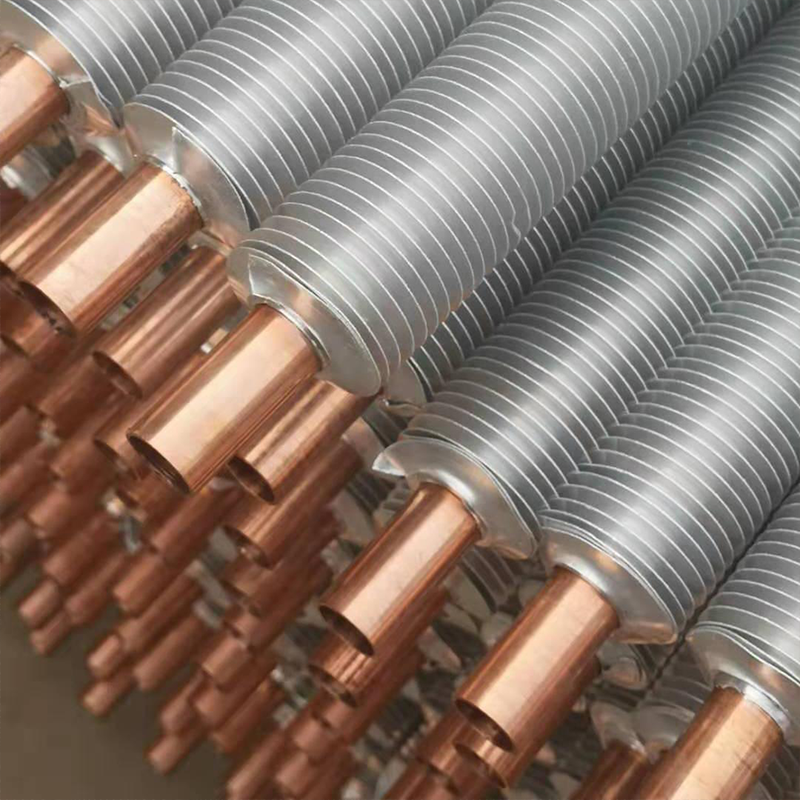
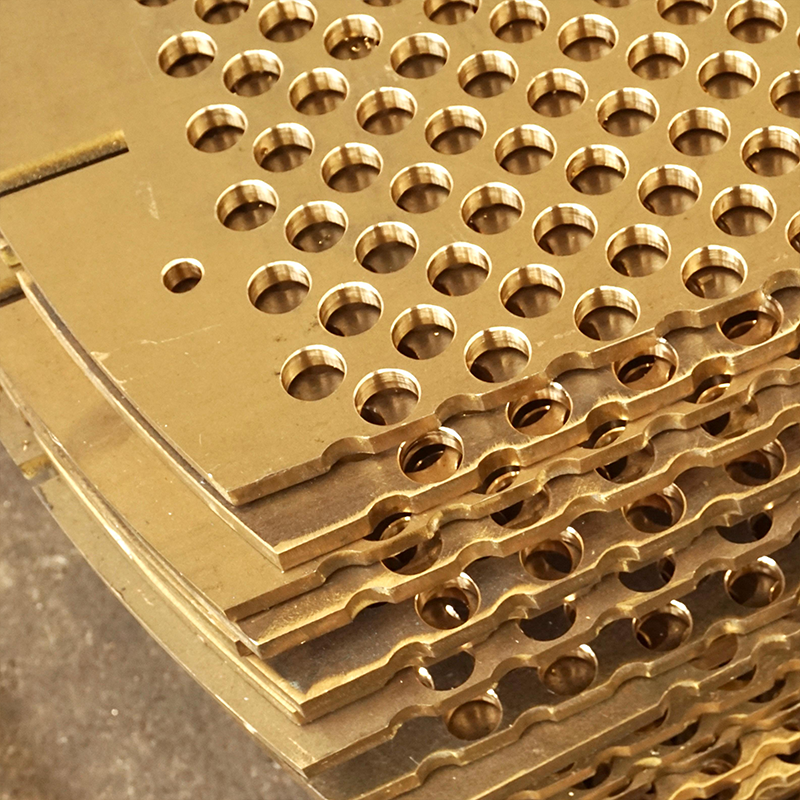
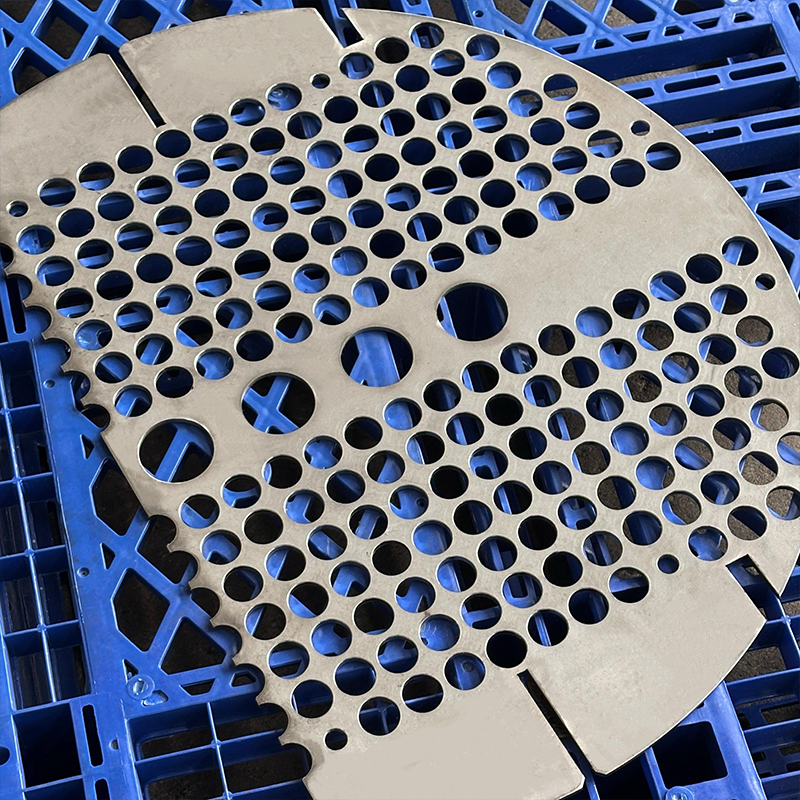
Wuxi Kaisheng's products, which include titanium shell-and-tube heat exchangers, ASME-standard high-pressure units and corrugated alloy tube bundles (316 stainless steel, C46400 marine brass, copper-nickel alloys), are often used in conjunction with PE tanks to prepare corrosive environments before storage or transportation. The engineer designing such lines must understand not only the properties of polyethylene, but also the characteristics of the metals with which it comes into contact. For example, when connecting a PE tank to a N06625 nickel alloy heat exchanger or waste heat boiler, it is necessary to accurately calculate thermal expansion and attachment points to avoid destruction of the polymer housing.
The experience of companies like Wuxi Kaisheng, whose products are certified to strict international PED and ASME standards and successfully used in shipbuilding, desalination and chemical industries, demonstrates the importance of interdisciplinary knowledge. A competent specialist today must see the entire chain: from heat exchange in a metal circuit to long-term storage of the product in a polymer container. It is this integrated approach that allows us to create reliable customized solutions for customers around the world, minimizing the risks of corrosion and ensuring high energy efficiency of processes.
If you are facing difficulties in finding subject matter experts who can work at the intersection of technologies, or need an audit of your current technological processes, our team is ready to offer expert support. We have an extensive base of contacts in the industry and an understanding of all the nuances of producing thermoplastic containers.Contact us todayto discuss your staffing and technology needs.
For more information about quality standards and product requirements, visit our sectiontechnical documentation and certificates, where current data on all types of tanks we produce is collected.