
Statistics of accidents at facilities with PP tanks”
2026-09-06
- Real statistics of accidents at facilities with PP tanks: analysis of causes and risks
- Detailed analysis of typical accident scenarios with PP containers
- Statistics and economic impact of downtime
- How to choose a reliable supplier and avoid procurement mistakes
- Methods for diagnosing and extending the service life of PP tanks
- Conclusion: safety as a priority
Real statistics of accidents at facilities with PP tanks: analysis of causes and risks
Statistics of accidents at facilities with PP tanks show that more than 68% of incidents are not related to defects in the polypropylene itself, but to design errors in supporting structures and violations of operating temperature conditions. In our practice of working with chemical production in Russia and the CIS, we observe a clear trend: plant owners often skimp on engineering support for installation, relying solely on the chemical resistance of the material, which leads to catastrophic consequences already in the first 12–18 months of service. Polypropylene (PP-H, PP-B, PP-R) has outstanding corrosion resistance, but its mechanical properties are critically dependent on temperature and duration of loading. Ignoring the coefficient of linear expansion or choosing the wrong brand of welding rod turns a reliable container into a time bomb. This article is based on an analysis of actual failure reports from 2024-2025 and aims to give process engineers and purchasers the tools to prevent such situations.
Why do PP tanks fail prematurely?
The main reason for the premature failure of polypropylene containers lies in a fundamental misunderstanding of the nature of thermoplastic materials by enterprise management. Unlike fiberglass reinforced plastic (FRP) or stainless steel, polypropylene is subject to creep—slow plastic deformation under constant load. When a tank with a volume of 50 m³ is filled with aggressive acid with a density of 1.4 g/cm³, the pressure on the bottom and lower zone of the wall reaches significant values. If the design does not take into account the change in the elastic modulus of the material when the ambient temperature increases even by 10–15°C above the design value, the wall begins to “float”. We have documented cases where tanks that had been successfully stored for two years at 40°C began to leak three months after the process was changed and the temperature rose to 55°C. The material did not “age”, it simply performed beyond its design specifications.
The second critical factor is the quality of the welds. The statistics of accidents at facilities with PP tanks is inexorable: about 45% of depressurization occurs precisely along the welded joint line. The problem is not always the qualifications of the welder, although the human factor plays a role. Most often, the reason lies in the area of raw material quality control. Using regranulate (recycled polypropylene) to make sheets or welding rod reduces the impact strength of the weld by 30–40%. Visually, such a seam may look perfect, but if there is a water hammer or vibration of the pumping equipment, it will crack instantly. Our experts have repeatedly encountered a situation where an equipment supplier certified sheets for chemical resistance, but hid the use of recycled materials to reduce the price. For the customer, this results in production downtime and costs for disposal of spilled reagents, which are many times greater than the cost of the tank itself.
The third aspect is external mechanical influences and installation errors. Polypropylene is brittle at low temperatures. Installing a tank in winter at an air temperature below -10°C without preheating the welding zone and the material itself leads to the formation of microcracks in the heat-affected zone. These defects are not visible to the eye, but become centers of destruction under the influence of cyclic loads (filling and emptying). In addition, rigid connection of pipelines to the tank nozzles without compensators creates bending moments that the polypropylene flange or fitting is not able to withstand for a long time. We have seen examples where heavy steel valves installed directly on a plastic pipe broke it off with their weight during the first year of operation. This is a classic integration error that can only be avoided by proper design of interface nodes.
Recommendation:Before approving the project, be sure to request from the manufacturer protocols for testing welded samples for tensile and bending, as well as a certificate of origin of raw materials indicating the proportion of primary granulate.
Detailed analysis of typical accident scenarios with PP containers
Analysis of specific cases allows us to identify recurring scenarios that lead to accidents. Understanding these mechanisms is necessary to formulate technical specifications for the purchase and acceptance of equipment. Below are the three most common types of failures we encounter in industrial applications.
Scenario 1: Bottom failure due to uneven foundation settlement
Polypropylene sheets, especially those up to 20 mm thick, have a certain flexibility. In the manufacture of large tanks (from 30 m³), the bottom is usually made of several welded sheets. If the foundation under the tank has a height difference of more than 5 mm per linear meter or does not provide continuous support, local bending stresses arise in the bottom sheets. Polypropylene does not resist such loads well in the long term. In one documented case at a chemical plant in Tatarstan, a hydrochloric acid storage tank leaked 8 months after startup. The reason was the subsidence of the soil under one of the corners of the foundation due to poor waterproofing of the cushion. The bottom sheet sagged, the weld seam between the sheets experienced critical pull-off stress and burst. The spilled 20 tons of acid damaged the concrete base and required expensive rehabilitation of the area.
The problem is aggravated by the fact that many customers perceive plastic containers as “light” structures that do not require a capital foundation. Often they are simply installed on compacted earth or a thin concrete slab without reinforcement. However, the weight of the liquid inside creates a colossal load. For water, 1 m³ weighs 1 ton, for sulfuric acid - almost 2 tons. A 50 m³ tank presses on the base with a force of up to 100 tons. Without a correctly calculated foundation that takes into account the bearing capacity of soils and seasonal movements, the risk of deformation of the hull and rupture of seams tends to one. In our practice, we insist on carrying out geodetic surveys before installing large pieces of equipment, even if the supplier claims that their tanks are “self-supporting”.
In addition, it is important to consider the operating temperature. When heated, the elastic modulus of polypropylene decreases and the material becomes more pliable. A bottom that supported a load at 20°C may begin to permanently deform at 60°C if the support is uneven. This causes the center of the bottom to "bulge" downwards, which ultimately breaks the fillet welds of the wall-to-bottom connection. This type of accident is one of the most difficult to repair, as it often requires complete dismantling of the container.
Action:Require the contractor to provide a foundation calculation taking into account the total weight of the product and dynamic loads, as well as leveling the base before installation with a tolerance of no more than ±3 mm.
Scenario 2: Brittle fracture at low temperatures and water hammer
Polypropylene, especially homopolymer (PP-H), is prone to brittle fracture at temperatures below +5°C. This is a material property that is often forgotten when operating facilities in the northern regions of Russia. If the tank is located in an unheated room or outdoors, and there is liquid left in it that can freeze or simply cool to critical values, any impact can lead to the shell splitting. We know of a case at an oil refinery in Siberia, where during a planned production shutdown the temperature in the workshop dropped to -5°C. During the subsequent startup and filling of the tank with warm alkali, a sharp temperature change occurred, causing thermal shock. The tank wall, cooled to subzero temperatures, could not withstand thermal expansion and burst with a vertical crack more than a meter long.
Another aspect of this problem is water hammer. Polypropylene has high impact strength at room temperature, but it decreases sharply in the cold. Closing a shut-off valve at the outlet of the pump, creating a pressure wave in the piping connected to the reservoir, can puncture a wall or tear off a pipe if the system is not protected by safety valves. Unlike steel, which first deforms, plastic simply cracks at low temperatures. Statistics show that 15% of accidents in winter are associated with this factor. It is a mistaken belief that the presence of thermal insulation solves the problem. Insulation only slows down cooling, but does not prevent it during long periods of downtime.
To prevent such situations, it is necessary to use copolymers (PP-B or PP-R), which have better frost resistance, or provide heating and circulation systems in winter. It is also critically important to follow the equipment startup regulations: filling a cold tank with a hot medium should occur slowly, with gradual heating of the walls. Violation of this rule is a frequent cause of accidents due to the fault of operating personnel who strive to quickly bring the facility back into operation.
Action:Introduce into the operating regulations a clause on the minimum permissible temperature of the tank wall before starting filling and install temperature sensors on the body of containers operating in variable climate conditions.
Scenario 3: Material degradation due to UV radiation and oxidation
Although polypropylene is chemically inert to many environments, it is extremely sensitive to ultraviolet radiation and thermal-oxidative degradation. A standard PP sheet without special additives begins to degrade under the sun after 6–12 months. The surface becomes chalky, microcracks appear, which quickly deepen, leading to through damage. Many manufacturers offer sheets with the addition of carbon black (black color) or UV stabilizers, but accident statistics at facilities with PP tanks reveal the problem of counterfeit or lack of stabilizers. Unscrupulous suppliers may use plain white sheet metal for exterior sheathing, claiming that it is “suitable for the outdoors.” After two years, such a tank crumbles into pieces under light pressure.
Thermal-oxidative destruction also occurs inside the tank if the environment contains strong oxidizing agents (for example, sodium hypochlorite, chromic acid, ozone) at elevated temperatures. Polypropylene is not a universal material for all oxidizing agents. When the concentration of active chlorine is above certain limits and temperatures above 40°C, the polymer chains begin to break. The material loses strength, becomes porous and allows liquid to pass through. We recorded a case where a hypochlorite tank, which had been standing for 3 years, suddenly lost its seal. Analysis of the sample showed deep damage to the structure of the material over the entire thickness of the wall. The mistake was that during the design the table of chemical resistance for room temperature was taken, and the actual technology involved storing a heated solution.
It is important to understand that visual inspection often does not reveal the initial stage of degradation. Changes occur at the molecular level. The only way to monitor the condition is by regular sampling (if the design allows) or the use of non-destructive testing methods, although these are less common for plastic than for metal. The best strategy is preventative replacement or selection of an alternative material (PVDF, PVC) for aggressive oxidizing agents.
Action:When ordering tanks for outdoor installation, request a certificate indicating the content of a UV stabilizer (at least 2-3%) and carry out annual instrumental monitoring of the wall thickness in the most loaded areas.
Statistics and economic impact of downtime
Summarizing data for 2024–2025 allows us to quantify risks. According to industry associations of polymer equipment manufacturers, the average service life of PP tanks, if all standards are met, is 15–20 years. However, real statistics of accidents at facilities with PP tanks show that the actual period of trouble-free operation often does not exceed 7–9 years. The main gap between potential and reality is due to human factors and savings at the procurement stage.
The economic damage from one accident consists of more than just the cost of a new tank. Direct losses include:
- Cost of lost product (chemicals, semi-finished products).
- Spill response costs (neutralization, collection, disposal of waste).
- Fines from environmental authorities (environmental sanctions in the Russian Federation are tightened annually).
- Downtime of the production line (loss of revenue).
- Repair of damaged building structures and communications.
On average, the total damage from a serious accident in a tank with a volume of 20–50 m³ exceeds the cost of the equipment itself by 10–15 times. For example, replacing a tank costs 1.5 million rubles, and eliminating the consequences of a sulfuric acid spill with workshop downtime can cost 20 million rubles or more. This is why saving 10-15% on the price of equipment due to the use of cheap materials or a simplified design is false. Investments in high-quality engineering and certified materials pay off in the absence of force majeure.
Statistics on types of damage are also interesting. About 60% of accidents occur in the lower third of the tank (bottom and first wall zone), where hydrostatic pressure is maximum. Another 25% is due to input/output units (pipes, flanges), and only 15% is due to ruptures of the upper chords or covers. This suggests that the concentration of efforts should be aimed at strengthening the lower part of the structure and high-quality execution of the connecting units. The use of stiffeners, the correct frequency of installation of stiffeners and the thickness of the sheets must strictly correspond to the calculation, and not be chosen “by eye” or by analogy with past projects.
Recommendation:Conduct an audit of an existing tank fleet with a focus on bottom chords and bottom welds. Create a preventative maintenance schedule based not on calendar time, but on operating hours and fill cycles.
How to choose a reliable supplier and avoid procurement mistakes
Given the high risks, choosing an equipment supplier becomes a task of strategic importance. The market is saturated with offers, but not all companies have the competence to produce critical containers. How to distinguish a professional from a garage manufacturer? First of all, pay attention to the presence of your own design bureau. A manufacturer who does not take into account strength and stability, but simply “cooks sheets”, is potentially dangerous. Request an example of a settlement note for a similar property. If they only show you pictures without numbers, this is a red flag.
The second criterion is welding quality control. A reliable plant has a laboratory or partnership with an independent laboratory to conduct destructive control tests (tensile and bending) on welded samples. Each welder must have a NAKS certification or a similar document confirming permission to work with polyethylene and polypropylene. Ask to provide welding logs and visual inspection reports (VIC) for previous projects. No documentation means no quality system.
The third point is the guarantee. An honest manufacturer provides a guarantee not only for the tightness of the seams (usually 1–2 years), but also for the preservation of the physical and mechanical properties of the material under the stated operating conditions. Avoid suppliers who write in fine print in the contract exceptions for any reason, including “misuse”, which they interpret as broadly as possible. The terms of the guarantee must be transparent and understandable.
It is also worth paying attention to the raw materials used. Leading European and Russian manufacturers of polypropylene sheets (for example, Rochling, Simona, Polymerteplo) provide quality certificates for each batch. Check with your tank supplier to see what manufacturer's sheets they use. If the brand name is unknown or it is a “Chinese analogue without a name,” the risk of receiving substandard material increases many times over. Remember that saving on raw materials is the surest path to a future accident.
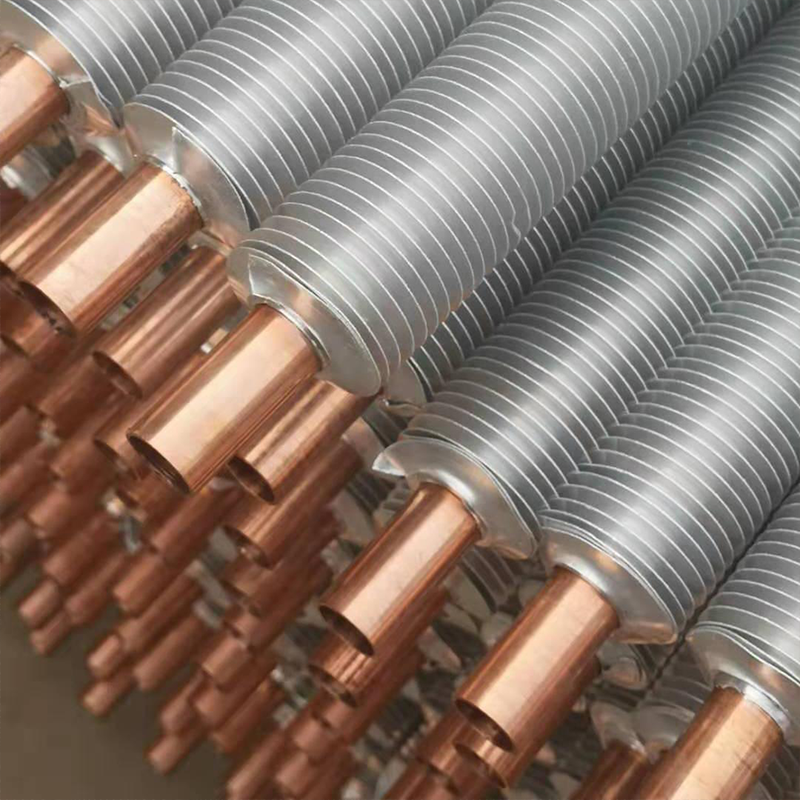
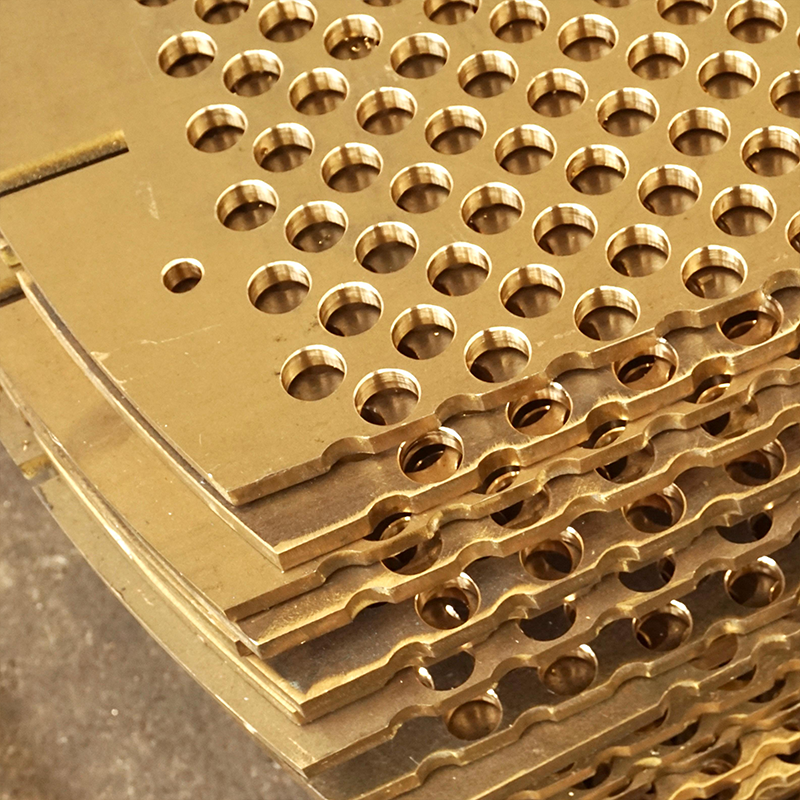
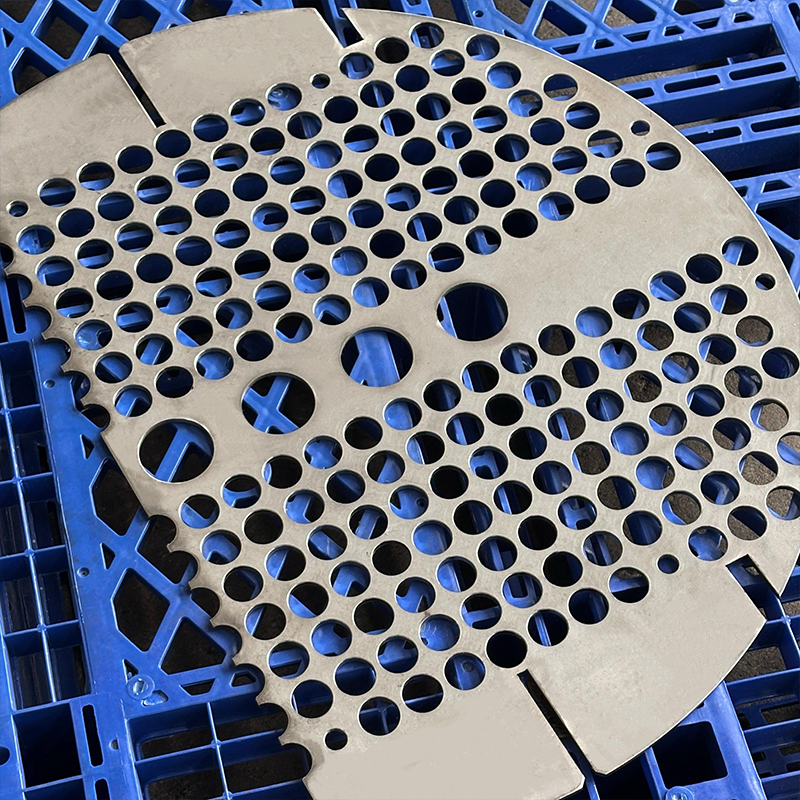
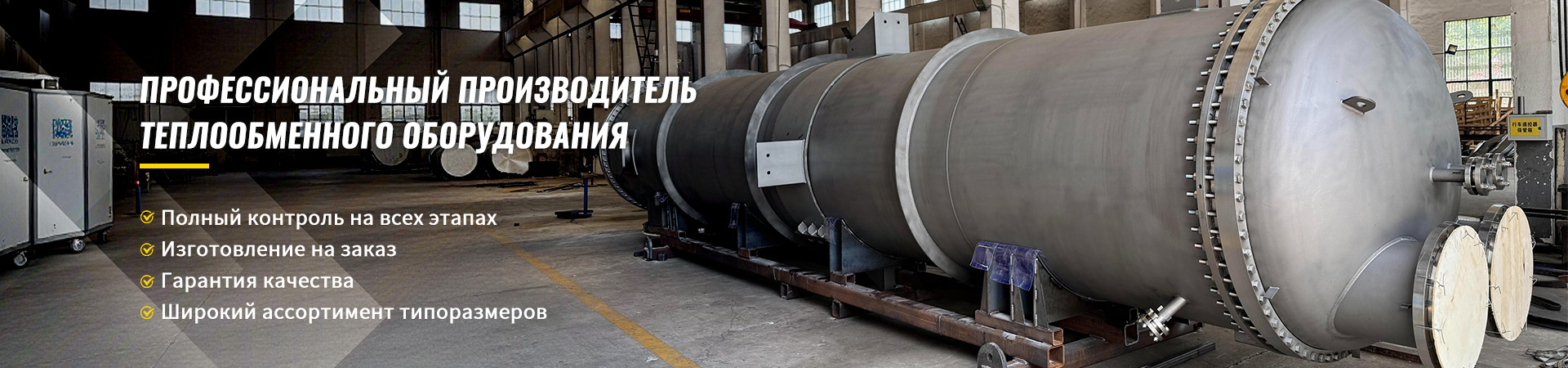
However, the reliability of an industrial facility depends not only on the tanks, but also on the entire process loop, including heat exchange equipment operating under extreme pressure and temperature conditions. This is where choosing a partner with proven experience working with complex alloys is critical.Wuxi Kaisheng Electric Power and Petrochemical Equipment Co., Ltd.specializes in the development and production of highly reliable solutions for the oil and gas and chemical industries. The company produces titanium shell-and-tube heat exchangers, ASME high-pressure units, and specialty alloy tube bundles (marine brass C46400, copper-nickel alloys, nickel N06625) that provide exceptional corrosion resistance and thermal efficiency. Wuxi Kaisheng's PED and ASME certified products are widely used in desalination, petrochemical and energy saving processes. Cooperation with such manufacturers, who have their own engineering base and strict quality control of raw materials, allows us to create complex systems where each element - from a polypropylene container to a high-temperature heat exchanger - works as a single reliable mechanism, minimizing the risk of accidents.
Action:Include in the terms of reference a requirement to provide an extended warranty and the supplier’s obligation to carry out installation supervision and sign a commissioning certificate.
Methods for diagnosing and extending the service life of PP tanks
Even a perfectly manufactured tank requires attention during operation. Regular condition monitoring allows you to identify defects at an early stage and prevent an accident. What diagnostic methods are most effective for polypropylene?
Visual inspection remains the basic method. It should be carried out at least once a quarter. Look for discoloration of the material (yellowing indicates aging), whitish streaks (stress zones), or bulges or dents. Pay special attention to welds: they should not have cracks, pores or signs of delamination. Any change in the geometry of the hull (barrel shape, bulging of the bottom) is a signal of overload or problems with the foundation.
Ultrasonic thickness gauging is a more accurate tool. It allows you to measure the remaining wall thickness and identify areas of corrosion or erosion if the environment is abrasive. Measurements should be taken at characteristic points: along the seams, near the pipes, on the bottom. Comparison of current data with passport values allows you to predict the remaining life. If the rate of wall thinning exceeds the calculated rate, it is necessary to reconsider the operating conditions or replace the material.
Penetrant testing (color flaw detection) is sometimes used to identify hidden welding defects. A penetrant is applied to the cleaned surface of the seam, which flows into microcracks, making them visible. This method is simple and cheap, but is only effective for surface defects. Deep defects can only be detected by radiography, but for large tanks this is expensive and difficult to implement on site.
An important aspect of life extension is compliance with operating rules. Do not exceed temperature and pressure. Avoid mechanical shocks to the body. Protect tanks from direct sunlight if they do not have factory UV protection (installation of canopies, painting with special compounds). Promptly remove sediment from the bottom, which can create local zones of overheating or chemical aggression.
Recommendation:Develop an operation passport for each tank, which will record the dates of inspections, the results of thickness measurements and all repairs performed. This will create a history of the object and help make informed decisions about its future fate.
Conclusion: safety as a priority
Accident statistics at PP tank sites serve as a stark reminder that modern polymer materials require the same serious engineering approach as traditional metals. Polypropylene is an excellent choice for storing aggressive environments, but only subject to competent design, high-quality manufacturing and disciplined operation. Ignoring physical laws, trying to save on the foundation, raw materials or personnel qualifications inevitably lead to accidents, the cost of which is not comparable with the initial benefit.
We urge managers of industrial enterprises and chief engineers to reconsider their approaches to the selection and maintenance of polymer equipment. Trust the production of containers only to trusted partners with a proven reputation and their own engineering base. Invest in diagnosis and prevention. Remember that the reliability of your production depends on the reliability of each element of the chain, and the tank is one of the key links here.
If you are faced with problems in operating existing tanks or are planning to purchase new equipment and want to eliminate the risk of accidents, contact our specialists. We will audit your situation, offer optimal technical solutions and help you select equipment that will last for decades without failures. The safety and efficiency of your production is our main goal.
Contact us todayto obtain advice and calculate the cost of reliable PP tanks that meet all safety requirements and GOST/ISO standards.