
Antistatic properties of polypropylene sheets”
2026-08-18
- What are the antistatic properties of polypropylene sheets and why is it critical for your production
- Physics of the process: how additives work and why regular PP is dangerous
- Comparative analysis of types of antistatic polypropylene
- Applications in industries ranging from electronics to chemical processing
- Processing, welding and installation: technical nuances
- Quality standards and certification in 2026
- Frequently Asked Questions
- Conclusion and recommendations for choosing a supplier
What are the antistatic properties of polypropylene sheets and why is it critical for your production
The antistatic properties of polypropylene sheets determine the material's ability to prevent the accumulation of static electricity on the surface, which is a key safety factor when handling flammable substances, electronics and explosive atmospheres. Unlike standard polypropylene, which acts as an excellent insulator and stores charge up to 15-20 kV, antistatic modifications reduce surface resistance to the 10⁶–10⁹ Ohm range, allowing the charge to safely drain into the ground. We have repeatedly encountered situations where the use of conventional plastic in painting shops or on solvent bottling lines led to micro-discharges that initiated the ignition of vapors - the price of such savings on material always turns out to be catastrophically high.
The industrial plastics market in 2026 shows a strong trend towards tightening safety standards, especially in the oil and gas sector and pharmaceuticals. If five years ago it was enough to simply declare “anti-static”, today customers require test reports according to IEC 61340-5-1 or GOST R IEC 61340 standards. Our experience shows that more than 40% of complaints related to defective electronic products or contamination of clean rooms are rooted precisely in the incorrect selection of polymer materials from an electrostatic point of view. This article does not just list the characteristics, but provides an algorithm for choosing a material that will save your equipment and reputation.
Physics of the process: how additives work and why regular PP is dangerous
Polypropylene in its native state has a high volumetric electrical resistance exceeding 10¹⁴ Ohm cm. This makes it an ideal dielectric for electrical insulation, but a nightmare for production lines where friction, cutting or rapid movement of sheets occurs. When subjected to mechanical action, electrons are torn away from the surface, creating a potential that has no path for drainage. Discharge occurs instantly when the potential reaches the critical air breakdown point or upon contact with a grounded object.
To impart antistatic properties to sheets, we use two main approaches, each of which has its own physical limitations and applications. The first method is the introduction of internal antistatic agents (migration additives). These substances, usually ethoxylated amines or glycerol monooleates, migrate from the thickness of the material to the surface, attracting moisture from the air. The resulting microscopic film of moisture provides conductivity. However, this mechanism directly depends on the relative humidity of the environment. When humidity is below 30%, which often happens in winter in heated workshops or in air-conditioned clean rooms, the effectiveness of such sheets drops by an order of magnitude.
The second method is the use of permanent antistatic agents based on polymer additives or carbon fillers. Here, conductivity is provided not by moisture, but by the creation of a conductive network within the polymer matrix. Carbon black or fibers create channels for current to flow, making the material independent of climate. In our practice, there was a case when a client replaced migration sheets with composite ones with carbon filling in the sensitive optics assembly shop. Previously, they lost up to 3% of production due to the attraction of dust by electrostatic charge. After the replacement, the scrap rate dropped to zero, despite the fact that the cost of the sheet increased by 25%. The savings on the waste paid for the difference in price in three months.
It is important to understand the difference between the terms “Antistatic”, “Static Dissipative” and “Conductive”. Antistatic sheets (resistance 10⁹–10¹² Ohm) only slow down charge generation. Dissipative materials (10⁶–10⁹ Ohm) allow the charge to flow in a controlled manner, without sparking. Conductive materials (<10⁵ Ohm) are used for shielding and rapid current drainage. Misclassification may result in you purchasing a material that simply "sparks less" instead of one that eliminates the risk completely.
Key parameters influencing the choice
- Surface resistance (Rs):Measured in Ohms per square (Ω/sq). A range of 10⁶–10⁹ ohms is required to protect electronics. Values above 10¹⁰ Ohm are considered insufficient for serious applications.
- Charge half-life:The time it takes for the surface voltage to drop from 1000 V to 100 V. A quality sheet should do this in less than 2 seconds.
- Dependence on humidity:Critical parameter for migration antistatic agents. If your process is in a dry climate, this type of material is excluded.
- Mechanical strength:The introduction of fillers (especially carbon) can reduce the impact strength of polypropylene by 10-15%, which must be taken into account when designing pressure vessels.
When ordering a batch, always ask for a certificate with real resistance measurements, and not a declaration of conformity. We have seen batches where the declared 10⁸ Ohms actually turned out to be 10¹¹ Ohms due to a violation of the granulate mixing technology. Testing with a portable megohmmeter directly at the supplier’s warehouse is a mandatory acceptance procedure.
Comparative analysis of types of antistatic polypropylene
Choosing between different types of modified polypropylene often becomes a stumbling block for purchasing engineers. The market offers many options, from cheap externally coated sheets to expensive composites. To make the right decision, it is necessary to clearly compare the technical characteristics with the operating conditions. Below is a detailed table based on our laboratory tests and manufacturer data for 2025-2026.
| Characteristics | PP with migration additives (Internal) | Carbon Filled PP (Black) | PP with permanent polymer additives | Conductive Coated Sheets |
|---|---|---|---|---|
| Resistance range | 10⁹ – 10¹² Ohm (depending on humidity) | 10³ – 10⁵ Ohm (Conductive) | 10⁶ – 10⁹ Ohm (Stable) | 10³ – 10⁵ Ohm (Surface) |
| Humidity dependent | High. Loses properties at RH<30% | Absent. Works in any climate | Low. Stable at RH > 15% | Missing |
| Color and aesthetics | Natural color PP (translucent/white) | Black only (cannot be dyed) | Available in grey, blue, green | Transparent base with a yellowish tint to the coating |
| Abrasion resistance | Low. Properties disappear after sanding or deep scratching | High. Properties are maintained throughout the entire thickness | High. Volume property of material | Extremely low. The coating wears off on contact |
| Effect lifespan | 6–18 months (the additive is gradually washed out) | Constantly (the entire service life of the product) | Permanently (does not migrate or wash out) | Before the first serious mechanical impact |
| Cost (relative) | Low (+10-15% to base) | Average (+30-40% to base) | High (+50-70% to base) | Low/Medium |
| Recommended Application | Packaging, temporary containers, dry warehouses | Transportation of explosive goods, fuel systems | Clean rooms, electronics, pharmaceuticals | Work surfaces, temporary protection |
Analyzing this table, we can draw an unambiguous conclusion: for long-term engineering solutions, such as lining baths, manufacturing equipment casings or conveyor guides, options with coating or migration additives are not economically feasible in the next 3-5 years. Their initial cheapness is offset by the need for frequent replacement. Carbon-filled sheets have excellent conductivity, but their black color and reduced impact strength make them unsuitable for visual inspection of process cleanliness or handling fragile parts.
Sheets with permanent polymer additives are becoming the gold standard for high-tech industries. They retain most of the mechanical properties of the base polypropylene, can be painted in signal colors (which is important for marking safety zones) and guarantee stability of resistance regardless of the season. Their only drawback is their high price, but if you calculate the cost of line downtime due to a static failure, the investment seems justified. In one of the projects to modernize the aerosol ignition line, we insisted on replacing a cheap antistatic agent with a permanent one. The customer had doubts because of the budget, but after a fire safety audit, he received an order from supervisory authorities to replace the material, since the migration antistatic agent did not pass testing in the winter.
Applications in industries ranging from electronics to chemical processing
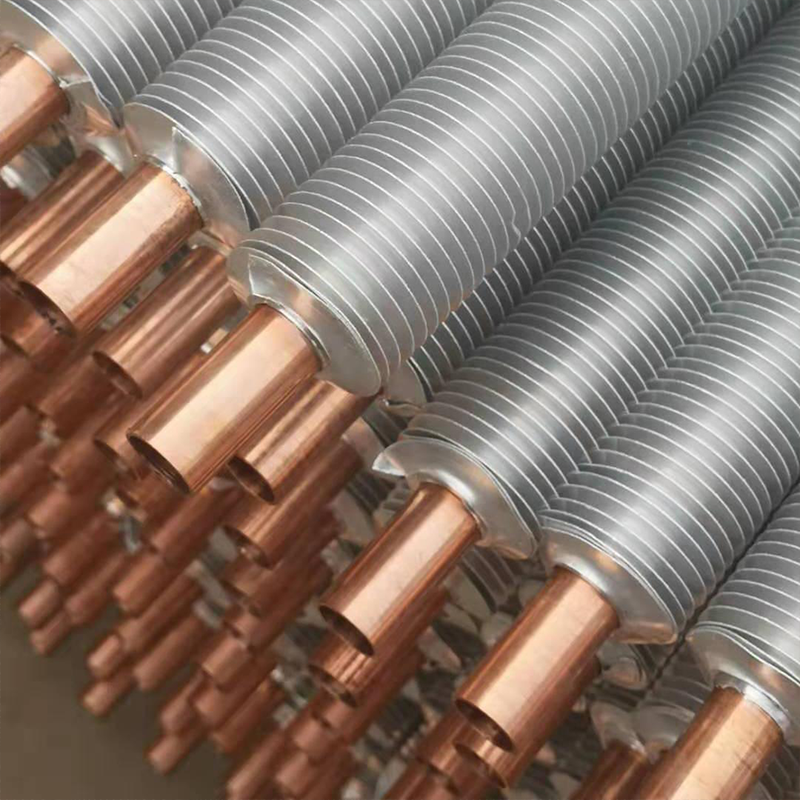
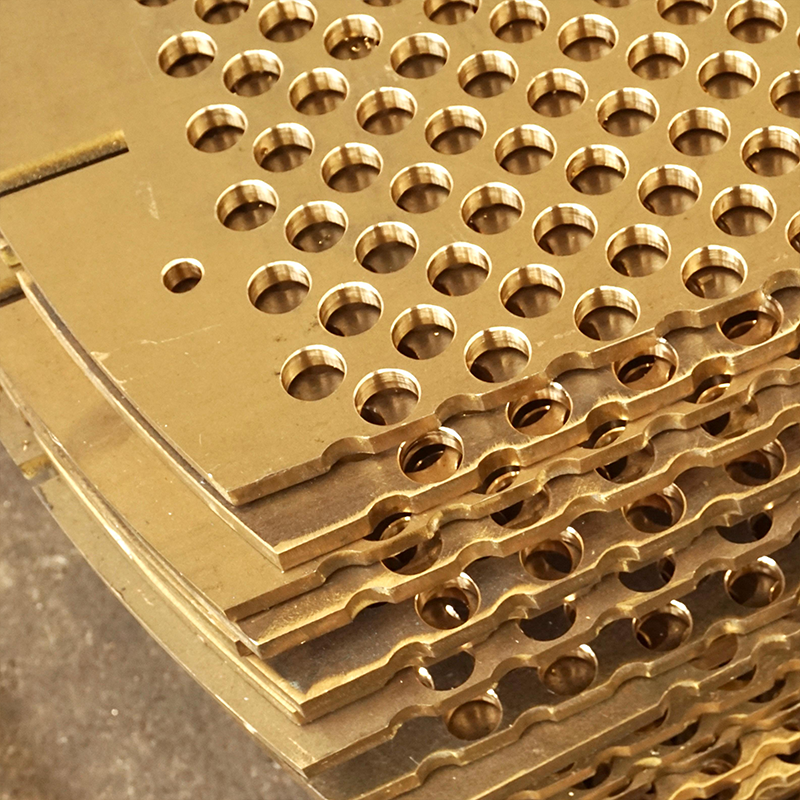
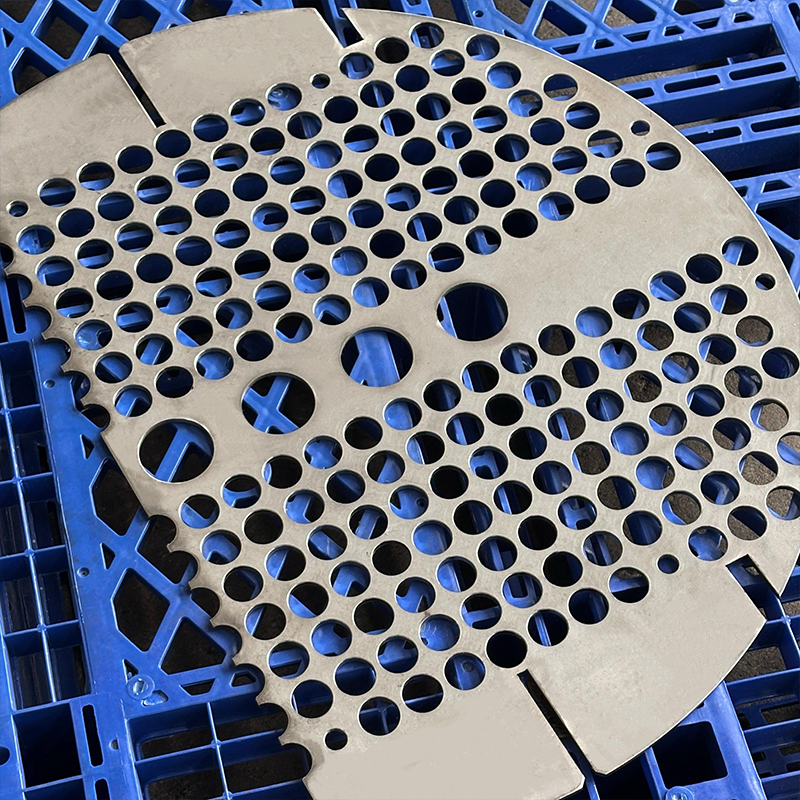
The scope of use of antistatic polypropylene sheets goes far beyond simple packaging. In modern industrial realities, this material becomes an element of the enterprise security system. This is especially true for the oil refining and petrochemical industries, where equipment safety requirements are as strict as possible. For example, companies likeWuxi Kaisheng Electric Power and Petrochemical Equipment Co., Ltd., specializing in the production of high-pressure heat exchangers, recovery boilers and components from titanium, nickel alloys (N06625) and marine brass for aggressive environments, understand the importance of an integrated approach. While their primary products are ASME and PED certified metal structures for high pressure and temperature service, peripheral chemical storage and transfer systems often require the use of antistatic polymers. The synergy of advanced metal technologies and properly selected polymer solutions creates a complete picture of the safety of modern production.
Let's look at two specific cases where the correct choice of material solved critical problems.
Case 1: Pharmaceutical production and cleanrooms
Problem: At the powder preparations packaging site, there was constant contamination of the products with microdust particles. Operators in protective suits worked near bunkers made of conventional PP. Static electricity generated by the movement of personnel and the friction of bags against the walls of the bunker acted as a powerful magnet for dust in the ISO 7 air purity class. Even the ventilation system could not cope with the local attraction of particles.
Solution: We proposed replacing the internal hopper liners and conveyor guides with sheets of antistatic polypropylene with permanent additives (resistance 5×10⁸ Ohm). The material was chosen to be a light blue color to contrast with the white powder, making it easier to visually inspect.
Result: The number of detected foreign inclusions decreased by 92%. In addition, operators noted the absence of unpleasant electric shocks when touching the equipment, which improved the ergonomics of the workplace. It is important that the material can withstand regular sanitation with alcohol solutions without losing its antistatic properties, which cannot be said about migration analogues that are washed out with disinfectants.
Case 2: Storage and transportation of flammable liquids
Problem: A logistics company used IBCs made from standard polyethylene and polypropylene to transport Category A solvents. When draining the liquid through the top hatch, intense static charge was generated. Sensors recorded potentials of up to 25 kV on the walls of the container. The risk of sparking when opening the lid or touching metal fittings created a risk of vapor explosion.
Solution: Introduction of polypropylene composite sheets with the addition of carbon fiber for the manufacture of internal partitions and protective screens in drainage areas. The resistance of the material was 10⁴ Ohms, which ensured instant grounding of any resulting charge.
Result: The surface potential did not exceed 50 V even with intense liquid flow. The insurance company revised the rates for this storage area, classifying the risks as minimal. This example clearly shows how material specifications directly impact business financial performance through insurance premiums and asset safety.
In both cases, the key success factor was not simply the presence of antistatic properties, but the exact matching of the type of material to the operating conditions (humidity, chemical exposure, mechanical loads). There is no one-size-fits-all solution, and trying to use one type of worksheet for all tasks inevitably leads to either overpaying or risking an accident.
Processing, welding and installation: technical nuances
Working with antistatic polypropylene requires compliance with certain technologies that are different from working with conventional plastic. The main mistake that many installation organizations make is ignoring the specifics of welding conductive materials. When using extrusion or hot air welding, it is important to remember that the filler rod must have identical electrical characteristics to the base plate. If you weld a conductive sheet with a regular rod, the seam will become an insulator, breaking the ground circuit and creating a danger zone right at the junction.
We recommend using specialized filler materials of the same grade as the base sheet. When welding with hot air, the temperature must be carefully calibrated: overheating can lead to degradation of antistatic additives in the heat-affected zone. Sheets with carbon filling are characterized by increased thermal conductivity, so warming up takes longer, but cooling also occurs faster. This requires the welder to work faster and have precise coordination.
Mechanical processing (cutting, milling, drilling) of antistatic sheets, especially those filled with carbon, causes rapid wear of the cutting tool. Carbon fibers act as an abrasive. Use carbide (WC) tips for cutters and saws. Regular steel tools will become dull 3-4 times faster. When cutting with a laser, be careful: the edges of the cut may char, creating an area of altered resistance. In critical units, it is better to additionally process such edges with a milling cutter or grind them.
Grounding is the most important installation step. The antistatic sheet itself does not eliminate the charge, it only provides a path for it to drain. This path must be closed to the building ground loop. When installing sheet structures, use conductive fasteners or special grounding bars in contact with the material. The transition resistance between the sheet and the grounding system should not exceed 10 ohms. Regularly check the integrity of the grounding with a megohmmeter, especially after vibration loads or dismantling of components.
Quality standards and certification in 2026
In the context of the globalization of supply chains and stricter requirements for industrial safety, the availability of certificates is becoming not a formality, but a mandatory condition for allowing material to enter the facility. The main international document regulating the requirements for antistatic materials remains a series of standardsSource: IEC 61340. In particular, IEC 61340-5-1 specifies requirements for the protection of electrostatically sensitive devices (ESD), and IEC 61340-4-1 describes test methods for floor coverings and sheet materials.
On the Russian market and in the EAEU countries, the key document is GOST R IEC 61340, harmonized with international standards. Also, when working with explosive environments, it is necessary to be guided by the requirements of GOST 30852 (a series of standards for explosion-proof equipment), which stipulates acceptable levels of surface resistance to prevent sparking. The absence of ESD labeling or specific resistance class indication on a shipment should be considered a red flag.
In addition to electrical parameters, it is important to check hygiene certificates if the material is used in the food or medical industry. Polypropylene itself is inert, but some antistatic additives may migrate into the product. Make sure that the additives used are approved for contact with food (compliance with TR CU 005/2011 regulations or FDA 21 CFR).
When purchasing imported materials, pay attention to the country of origin and the presence of an EAC declaration of conformity. In 2025-2026, cases of supply of counterfeit products have become more frequent, where ordinary painted plastic is sold under the guise of antistatic. Require the provision of test reports from accredited laboratories, dated no earlier than 6 months before delivery. Old protocols do not guarantee that the current batch meets the stated characteristics, since the additive formulation may change.
Frequently Asked Questions
How long do the antistatic properties of sheets last?
The service life depends on the type of additive. Sheets with migration antistatic agents lose effectiveness after 6-12 months, as the additive is gradually consumed and washed out. Materials with permanent polymer additives or carbon filling retain their properties throughout the entire service life of the product (10-15 years), unless physical destruction of the material structure occurs. We recommend planning the replacement of migration sheets proactively, without waiting for a complete failure.
Is it possible to wash antistatic polypropylene with aggressive chemicals?
It depends on the type of antistatic agent. Sheets with migration additives should absolutely not be washed with strong solvents or alkalis - they will wash away the active layer, and the material will become an ordinary insulator. Sheets with bulk (permanent) additives are resistant to most chemical influences, including acids, alkalis and alcohols, since the conductive structure is located inside the plastic mass. Always test a small area before choosing a detergent.
Does the color of a sheet affect its antistatic properties?
There is no direct influence of color, but there are technological limitations. Black color usually means carbon filler, which guarantees high conductivity. Colored sheets (blue, gray, white) most often use polymer permanent additives, which are a little more expensive, but allow you to visually control the cleanliness of the surface. Clear anti-static sheets exist, but they are generally of the migration type and are less effective in dry climates.
Do I need to ground each sheet separately?
Yes, if the sheets do not have reliable metal contact with each other. In prefabricated structures (for example, bathtubs or boxes), it is sufficient to ground one point if reliable electrical contact is ensured between all elements (through welding or conductive fasteners). If the sheets are simply lying side by side or connected with regular glue/fasteners, each element should have its own path to the ground. An insulated antistatic sheet is useless - there is nowhere for the charge to go.
Conclusion and recommendations for choosing a supplier
The antistatic properties of polypropylene sheets are not just a marketing characteristic, but a complex engineering parameter that requires a careful approach to selection, installation and operation. Errors at the procurement stage can cost a company millions of rubles in losses due to defective products, fires or fines from supervisory authorities. The market of 2026 offers a wide range of solutions, but there is no universal material. The key to success is a detailed analysis of operating conditions: humidity, chemical loads and durability requirements.
Our practice shows that the transition from cheap migration solutions to materials with permanent properties pays off in an average of 18-24 months due to reduced risks and increased service intervals. Don't skimp on safety. When choosing a supplier, give preference to those who provide not only the product, but also technical support, test reports and guarantees of compliance with current GOST and IEC standards. As with the selection of complex heat transfer equipment, where every detail of alloy and certification is important, the approach to polymers must be equally careful.
If you are faced with the task of selecting antistatic materials for a specific production or need an audit of existing solutions, our experts are ready to conduct a free analysis of your requirements. We will help you choose the optimal type of polypropylene, calculate the required quantity and ensure delivery of certified products on time.
Contact us todayto receive advice and a commercial offer. Order sample sheets to conduct your own tests under your conditions - we are confident in the quality of our products. For more information on other industrial plastics, visit our pagecatalog of industrial plastics.