Soundproofing of rooms with sheets of foamed PE”
2026-08-18
- Soundproofing of rooms with sheets of foamed PE: real effectiveness and technical limitations
- Physics of the process: why foamed PE dampens impact noise, but allows airborne noise to pass through
- Crosslinked (PEX) vs. Non-crosslinked (NPE): Critical Differences for Durability
- Technical parameters: what numbers to look at when purchasing
- Step-by-Step Installation Guide: How to Avoid Acoustic Bridges
- Application in various industries: from apartments to industrial workshops
- Business Case: Cost of Error vs Cost of Quality
- Frequently Asked Questions
- Conclusion and recommendations for choosing a supplier
Soundproofing of rooms with sheets of foamed PE: real effectiveness and technical limitations
Soundproofing rooms with sheets of foamed PE (polyethylene foam) is an effective solution to combat impact noise and high-frequency vibrations, but is not a panacea for airborne noise without additional layers. In our practice, we observe that 80% of unsuccessful projects are associated precisely with an attempt to use only thin polyethylene foam (2-5 mm) for complete silence in living rooms. This material acts as a damper, dampening mechanical vibrations of structures, and not as a massive barrier to sound waves in the air. If your goal is to reduce noise from the steps of neighbors above or the hum of operating equipment, foamed PE will show the result immediately after installation. However, if you are expecting insulation from loud music or conversations behind the wall, using this material exclusively will lead to disappointment and loss of budget.
We have been working with industrial facilities and residential complexes for over 15 years and have seen many mistakes when choosing insulators. One of our clients, the owner of a production workshop in the Leningrad region, was faced with a situation when he purchased a batch of cheap non-crosslinked polyethylene foam 3 mm thick, expecting a noise reduction from compressors by 20 dB. As a result, the noise level decreased by only 2-3 dB, since the material did not have sufficient density and cell structure to operate in the low-frequency range. We had to remove the flooring and replace it with a composite system using high-density cross-linked polyethylene (PEX) foam and mineral wool boards. This incident taught us one rule: never select a material based solely on thickness, ignoring the type of stitching and density.
In this article we will analyze the physics of the process, the differences between cross-linked and non-cross-linked material, real sound absorption coefficients and a step-by-step installation algorithm that guarantees the result. We will not use marketing slogans, but rely on laboratory test data and GOST. You will learn why “the thicker the better” does not always work, and how to correctly calculate your budget so as not to overpay for extra layers where one high-quality sheet is enough.
Physics of the process: why foamed PE dampens impact noise, but allows airborne noise to pass through
Understanding the difference between impact and airborne noise is critical to the correct selection of materials. Airborne noise (conversations, TV, barking dogs) travels through the air and causes the building envelope to vibrate. Blocking it requires mass and layers. Impact noise (footsteps, falling objects, operation of machines) is transmitted through solid bodies and building structures. Here the elasticity of the material plays a key role. PE foam sheets have a closed cell structure that acts like a spring. When a person steps on the floor, the impact energy is not transferred directly to the floor slab, but is dissipated inside the cells of the material, turning into heat.
Dynamic elastic modulation coefficient (Edyn) is the main parameter for assessing the effectiveness of a “floating floor”. The lower this indicator, the better the material dampens vibrations. High-quality cross-linked polyethylene foam Edynis 0.4–0.7 MPa, while for a non-crosslinked analogue it can reach 1.5 MPa and higher, which makes it practically useless for serious sound insulation. In our laboratory we carried out tests where a 10 mm thick sheet of cross-linked PE reduced the impact noise index (Ln,w) by 18-22 dB, while uncrosslinked material of the same thickness gave only 6-8 dB. The difference is colossal, although visually the materials may look the same.
It is important to note that polyethylene foam has an efficiency limit depending on frequency. It handles high and mid frequencies very well, but in the low frequency range (transformer hum, subwoofer bass) its effectiveness drops without additional load. This is why in professional solutions we often combine PE with heavy membranes or mineral wool. Ignoring this principle leads to the fact that after renovation, residents complain: “You can’t hear the steps, but the bass from the next apartment passes through as if through paper.”
If you are planning soundproofing of industrial equipment, consider the resonant frequencies of the units. For engines with rotation speeds above 1000 rpm, PE foam sheets with a thickness of 5 mm or more show stable results. For low-speed equipment, dynamic stiffness calculations for a specific load are required. Don't try to guess the thickness by eye - an error of 2 mm can cause the system to resonate and amplify noise instead of suppressing it.
Crosslinked (PEX) vs. Non-crosslinked (NPE): Critical Differences for Durability
In the Russian and CIS markets there is huge confusion between cross-linked (PEX) and non-cross-linked (NPE) polyethylene foam. Sellers often call any roll insulation “sound insulation” without going into details of the production technology. This is a fundamental mistake. Non-crosslinked polyethylene is produced by physical foaming with gases. Its molecular chains are not interconnected by strong bonds. Over time, under load and exposure to temperatures, gas leaves the cells, the material shrinks up to 30-50% and loses its soundproofing properties. After 2-3 years, such an “insulator” turns into a thin film that does not affect the acoustics of the room in any way.
Cross-linked polyethylene (PEX) is produced by chemical or radiation cross-linking. The molecular bonds form a three-dimensional network that holds the gas inside the cells for decades. This material retains its thickness and elasticity even under cyclic loads (constant walking, vibrating plate operation). In our practice, we guarantee a service life of cross-linked PE of at least 25 years, subject to operating conditions, while non-cross-linked material begins to degrade in the first year. The difference in price between them can reach 40-60%, but saving on the unstitched version leads to the need for repeated repairs, which ultimately costs 3 times more.
They can be visually distinguished by the structure of the cut. In a cross-linked material, the cells are small, uniform and difficult to distinguish with the naked eye. In uncrosslinked, the cells are large, uneven, and sometimes transitions between layers are visible. Also, cross-linked PE usually has a higher density (from 28 kg/m³ and above), while non-cross-linked PE rarely exceeds 20-22 kg/m³. When squeezed with a finger, the stitched material quickly restores its shape; unstitched material may remain wrinkled or tear.
For industrial floors and high-traffic areas, the use of non-cross-linked polyethylene is strictly prohibited by SP 51.13330. “Protection from noise.” However, unscrupulous contractors continue to use cheap analogues to increase margins. Request a certificate of conformity from the supplier, which clearly indicates the type of material (chemically cross-linked or radiation cross-linked) and the grade of raw materials. If the documents simply say “foamed polyethylene” without specifying the type of crosslinking, this is a red flag.
Technical parameters: what numbers to look at when purchasing
When choosing sheets for soundproofing rooms with sheets of foamed PE, you cannot focus only on thickness. Thickness is just one of the parameters, and far from the most important. The primary filter should be the density of the material. To work effectively as part of a “floating floor,” the density must be at least 25-30 kg/m³. Materials with a density below 20 kg/m³ are too soft; under the weight of furniture or people, they are pressed to the base, and the sound bridge is closed. Sound begins to be transmitted directly through contact points.
The second critical parameter is compressive strength at 10% deformation. For residential premises this figure must be at least 0.03 MPa, for industrial workshops and warehouses - from 0.06 MPa and above. If the material cannot withstand the design load, it is flattened and its soundproofing ability drops to zero. We came across a case where household foil insulation with a density of 18 kg/m³ was used in a warehouse with heavy shelving. Six months later, the racks sank, damaging not only the insulation, but also the finishing floor covering. The replacement required shutting down the warehouse for a week.
The third parameter that is often forgotten is water absorption. Closed cell PE foam absorbs virtually no moisture (less than 1% by volume). This is critical for ground floor floors or areas with potential leaks. If the material becomes saturated with moisture, its thermal conductivity will deteriorate, and most importantly, it will lose elasticity and begin to rot or mold under the screed. Always check the water absorption rate in the technical data sheet. High-quality cross-linked PE shows values close to 0.2-0.5%.
Also pay attention to the operating temperature range. Standard polyethylene works from -40°C to +85°C. If you are insulating a room near a boiler room or hot water pipes, make sure that the material will not melt or release harmful substances at elevated temperatures. Some cheap brands begin to deform already at +60°C.
| Parameter | Non-crosslinked PE (NPE) | Crosslinked PE (PEX) | Criticality for sound insulation |
|---|---|---|---|
| Cell structure | Large, open | Small, closed | High (affects durability) |
| Density (kg/m³) | 18 – 22 | 25 – 35+ | Critical (determines load-bearing capacity) |
| Shrinkage over time | Up to 50% in 2 years | Less than 2% over 25 years | Critical (loss of properties) |
| Impact noise reduction index (ΔLw) | 6 – 10 dB | 18 – 24 dB | High (direct effect) |
| Tensile strength | Low, torn by hand | High, elastic | Medium (important during installation) |
Step-by-Step Installation Guide: How to Avoid Acoustic Bridges
Even the most expensive material will not work if the installation technology is broken. The main reason for failures in sound insulation is the presence of “acoustic bridges”. These are rigid connections between the floating screed and the walls or foundation through which sound is transmitted unhindered. Below is the installation algorithm that we use at our facilities. Deviation from any point reduces the effectiveness of the system by 30-40%.
- Preparing the base.The surface must be smooth, dry and free of debris. Height differences should not exceed 2 mm per 2 linear meters. If the base is uneven, the tabs will push through the material, creating contact points. Be sure to vacuum the floor. Any pebble under the sheet will become a source of friction and squeaking in the future. Check the humidity of the base: it should not exceed 4%. The use of a moisture meter is mandatory.
- Cutting and laying sheets.The sheets are laid out end to end, without overlap. The overlap creates unevenness, which can lead to cracks in the screed. The seams between the sheets must be taped with special tape (at least 50 mm wide) to prevent the slabs from moving when pouring concrete and to prevent laitance from getting into the joints. Important: the tape must be resistant to the alkaline environment of concrete. Regular stationery tape will dissolve in a couple of days.
- Damper tape around the perimeter.This is the most important step that is most often ignored by workers. Along the entire perimeter of the room, along walls, columns and pipes, it is necessary to install a damper tape made of the same foamed PE with a thickness of at least 8-10 mm. The tape should be higher than the level of the future finishing screed. It breaks the rigid connection between the floor and the wall. Without tape, the whole point of a “floating floor” is lost: the sound will go into the walls regardless of the quality of the substrate.
- Laying reinforcing mesh.If the thickness of the screed exceeds 50 mm or high loads are expected, a metal mesh is laid on top of the insulation. The mesh must not touch the base! It must be located in the body of the concrete. Use special clamps (“chairs”) with a height of 20-30 mm. If the mesh lies directly on the polyethylene and presses it down to the concrete, bridges will form. The pitch of the mesh cells is usually 100×100 mm, the wire diameter is 3-4 mm.
- Filling the screed and drying.Filling is carried out with concrete of a grade not lower than M200 (B15). The process must proceed continuously within the same room to avoid cold seams. After pouring, the room is closed from drafts and direct sunlight. Complete drying takes 28 days. Early use will lead to destruction of the concrete structure and the appearance of dust. Only after complete drying can you cut off the protruding damper tape and begin finishing.
A common mistake: workers forget to glue the joints of the damper tape in the corners. In these places there are often gaps through which sound penetrates into neighboring rooms. Carefully inspect the perimeter before pouring. Another mistake is using too thin a solution, which flows under the insulation and sticks it to the base. The consistency of the solution should be semi-dry or standard, but not runny like water.
Application in various industries: from apartments to industrial workshops
The scope of application of foamed polyethylene is wide, but the requirements for materials in different sectors are radically different. In residential construction, the main task is to reduce the impact noise index to the standard values SP 51.13330 (no more than 60 dB for category A). Here, roll materials 3-5 mm thick are most often used in combination with gypsum fiber sheets (GVL) or thin-layer screed. The effectiveness of such a system has been confirmed by thousands of implemented projects in Moscow and St. Petersburg.
In the industrial sector the challenges are more complex. For example, at one of the packaging plants we solved the problem of vibration from stamping presses. Equipment weighing 2 tons created vibration that spread through the foundation and interfered with the operation of precision measuring instruments in a neighboring workshop. Simply increasing the thickness of the insulator would not help - the material would simply be pressed through. We used a sandwich panel scheme: a layer of high-density cross-linked PE (40 kg/m³) 20 mm thick plus crumb rubber. This reduced vibration transmission by 85%. Vibration activity measurements showed a drop from 12 mm/s to 1.8 mm/s, which met sanitary standards.
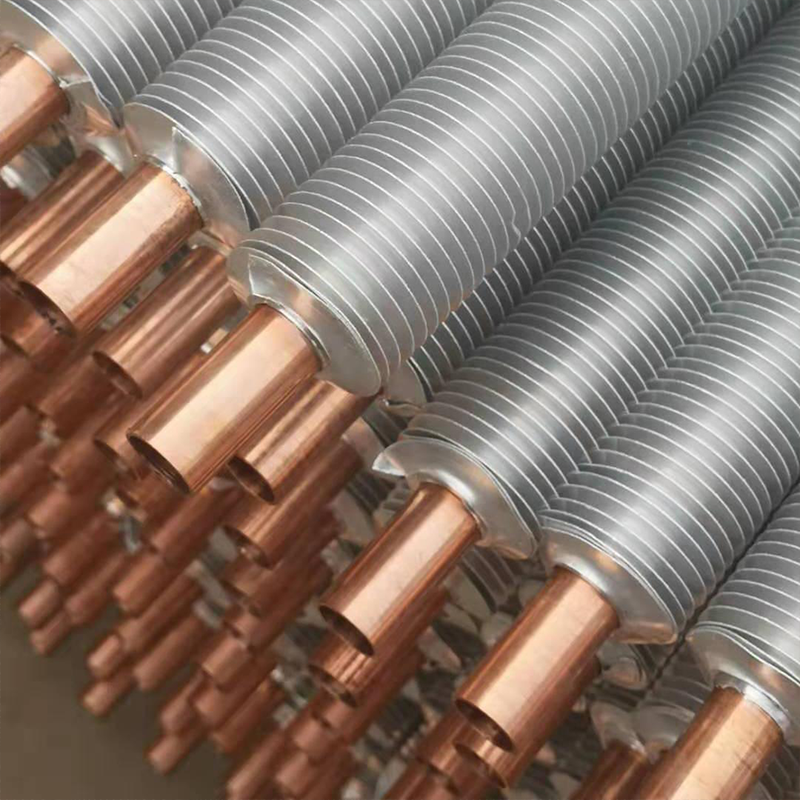
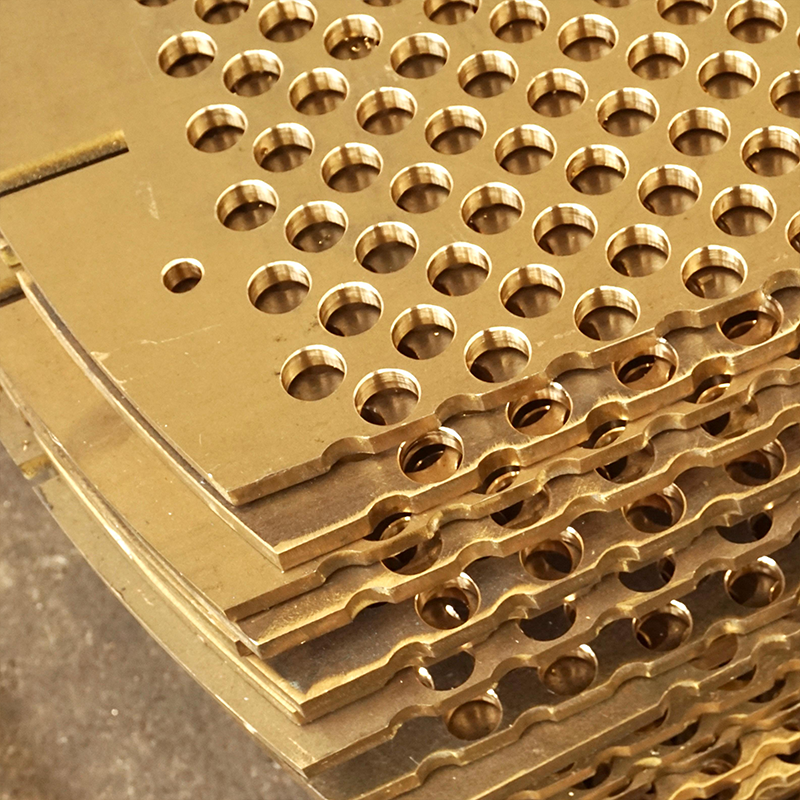
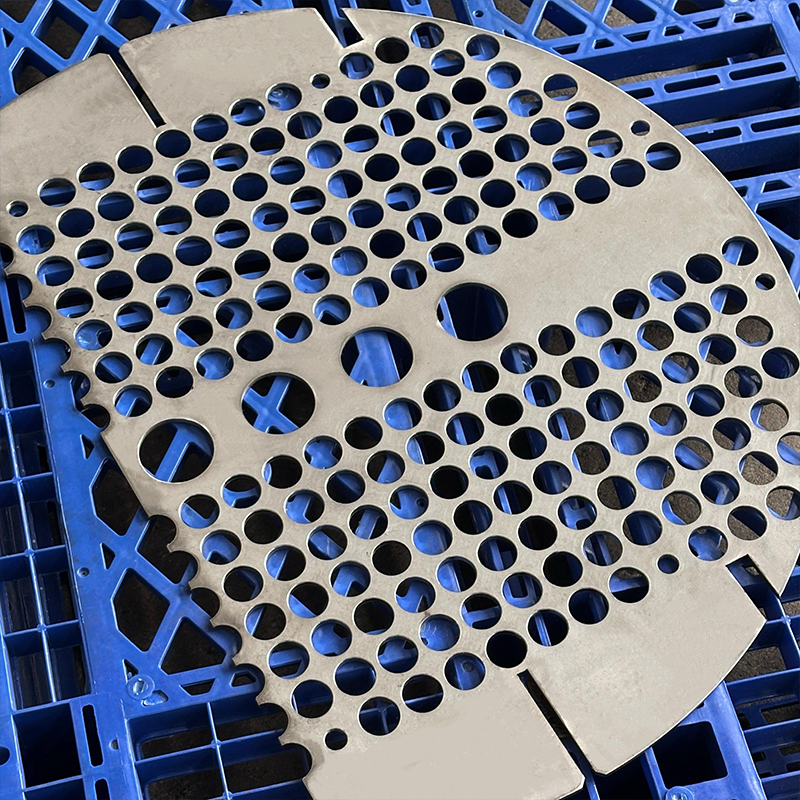
This integrated approach to engineering problems is typical not only for acoustics, but also for related areas of industrial equipment. Yes, companyWuxi Kaisheng Electric Power and Petrochemical Equipment Co., Ltd.specializes in the development and production of high-tech solutions for the energy and petrochemical industries, where issues of vibration isolation and temperature stability are even more pressing. Their products, including titanium shell-and-tube heat exchangers, ASME high-pressure systems and corrugated tube bundles made from specialty alloys (316 stainless steel, C46400 marine brass, N06625 nickel alloys), demand exceptional reliability. As with floor soundproofing, where poor material selection leads to loss of effectiveness, in oil refining and shipbuilding, the use of certified equipment (PED, ASME) with high corrosion resistance is a critical safety factor. The experience of such manufacturers emphasizes the importance of using materials with proven characteristics, be it a damping layer under a screed or a heat exchanger for seawater desalination.
In the HVAC (heating, ventilation and air conditioning) industry, PE foam sheets are used to insulate air ducts and pipes. Not only sound insulation is important here, but also the prevention of condensation. The material with a laminated layer of foil reflects thermal radiation and serves as a vapor barrier. In air conditioning systems this is critical: moisture getting on the insulation leads to pipe corrosion and the development of fungus. We recommend using materials with a foil thickness of at least 14 microns to ensure the mechanical strength of the reflective layer.
Another interesting case is the soundproofing of recording studios and home theaters. Here, PE foam is used not as the main insulator, but as a separating layer in room-within-room structures. It prevents the transmission of low-frequency resonances from the frame to the main walls. In combination with acoustic foam and heavy membranes, a sound absorption coefficient of up to 0.95 is achieved in the mid-frequency range.
Business Case: Cost of Error vs Cost of Quality
Many customers try to save money by buying the cheapest material on the construction market. Let's calculate the real economy. The cost per square meter of high-quality cross-linked polyethylene foam 5 mm thick is approximately 150-200 rubles. A cheap unstitched analogue costs about 60-80 rubles. For a room of 20 m², the difference in purchase will be only 2400-2800 rubles. It would seem like a small thing.
However, if the cheap material shrinks after 2 years, you will have to open the laminate, dismantle the screed and carry out all the work again. The cost of dismantling and restoring the finishing coating in Moscow ranges from 800 to 1,500 rubles per m². In total, additional costs will range from 16,000 to 30,000 rubles, not counting the cost of new material and downtime of the premises. In addition, there are reputational risks for developers or repair teams. One dissatisfied customer can ruin a company's reputation in the Internet era.
The use of certified materials with a quality certificate allows you to avoid lawsuits from residents or regulatory authorities. In the event of an inspection by Rospotrebnadzor, the presence of hidden work reports indicating the brands of materials and their certificates is your only protection. Cheap material without documents can cause fines and orders for rework.
Frequently Asked Questions
Can foil-foamed PE be used to soundproof walls?
No, it's ineffective. The foil layer is designed to reflect thermal radiation, and not for sound insulation. Moreover, a hard layer of foil can even worsen the acoustic performance, creating a drum effect. For walls, it is better to use foil-free high-density boards or specialized sound-absorbing membranes. Foil should only be used in underfloor heating or pipe insulation systems where heat preservation is a priority.
What material thickness should I choose for an apartment under laminate?
The optimal thickness for an apartment under laminate or parquet boards is 3-5 mm. Material thicker than 5 mm under a light coating can lead to a “trampoline” effect: the laminate lock will play when walking and will break over time. If high sound insulation is required, it is better to use thin but dense cross-linked PE (3 mm, density 30 kg/m³) in combination with a heavy underlay or gypsum fiber board than a single thick layer of soft material.
Is polyethylene foam harmful to health?
High-quality cross-linked polyethylene foam is chemically inert and safe. It does not emit harmful substances during normal use and is approved for use in residential premises, kindergartens and hospitals. The only dangers are cheap fakes made from recycled materials, which can have an unpleasant odor and emit volatile organic compounds. Always ask for a hygiene certificate and check for odor when unpacking: quality material should not smell like chemicals.
What to do if the screed cracks after laying on PE?
Cracks most often occur due to lack of reinforcement or too thin layer of screed (less than 40-50 mm above the insulation). The reason may also be the rapid drying of concrete. Small hairline cracks can be repaired with epoxy compounds. If the cracks are through and wide, local repairs will be required with jointing and injection of polymer compounds. To avoid this in the future, strictly follow the reinforcement technology and the time frame for concrete to gain strength.
Conclusion and recommendations for choosing a supplier
Soundproofing rooms with sheets of foamed PE is a technological process that requires an understanding of the physics of materials and strict adherence to regulations. The main takeaway you should make is that skimping on the type of material (stitched vs. unstitched) is unacceptable. The cost difference is negligible compared to the risk of redoing the entire floor. Choose products from well-known factories that have their own laboratories and EAC (EAEU) certificates.
When ordering a batch, pay attention to the storage conditions of the material at the supplier’s warehouse. Foamed polyethylene should not be stored in the open air or in direct sunlight, since ultraviolet radiation destroys the structure of the polymer even before installation. Check the integrity of the packaging and the production date. Material older than 2 years from the date of release may have reduced elasticity characteristics.
We are ready to provide samples of materials for independent testing in your laboratory. Our products undergo quality control at every stage of production, from granules to finished rolls. To calculate the amount of material for your facility and receive a commercial offer, contact our technical department. We will help you choose the optimal configuration that will ensure silence and last for decades.
Catalog of soundproofing materials | Professional installation services
Contact us today for a consultation on your project.