
UV stabilization of plastic sheets for outdoor use”
2026-08-18
- Why UV stabilization of outdoor plastic sheets is a matter of structural survival and not just an option
- Degradation chemistry: what happens to a polymer under the sun without protection
- Protection technologies: comparison of methods and their effectiveness
- Standards and certification: how to check the quality of a document
- Life cycle economics: why cheap plastic is more expensive
- Practical guide: installation and errors that kill protection
- Specific application in various industries
- Frequently Asked Questions
- An integrated approach to reliability: from polymers to industrial equipment
- Conclusion and recommendations for choosing a supplier
Why UV stabilization of outdoor plastic sheets is a matter of structural survival and not just an option
In our practice of working with industrial customers from Russia and the CIS, we have repeatedly encountered a situation where beautiful canopies and translucent structures lost their presentation after only 18–24 months of operation. The reason is always the same: lack of or poor quality technologyUV Stabilization of Plastic Sheets for Outdoors. Many buyers perceive UV protection as a marketing “tick” in a specification, believing that any polycarbonate or acrylic can survive the Russian summer. This is a fatal mistake. Solar radiation in temperate and southern latitudes destroys polymer bonds at a speed that the human eye does not notice in the first months, but which becomes obvious when the material begins to crumble at the first mechanical impact.
We conducted our own tests of samples without stabilizers in a climate chamber simulating 3 years of outdoor operation in the Krasnodar Territory. The result was predictable but significant: impact strength was reduced by 65%, and light transmittance dropped from 88% to 42% due to surface haze. If you are planning to purchase materials for facades, greenhouses, noise barriers or advertising structures, this article will become your technical guide. We will analyze the chemistry of the process, real GOST and ISO standards, and also give clear criteria for acceptance of goods so that you do not pay a bill for material that will turn into dust in two seasons.
Degradation chemistry: what happens to a polymer under the sun without protection
To understand the importanceUV Stabilization of Plastic Sheets for Outdoors, you need to look at the problem from the point of view of molecular physics, and not just believe the words of salesmen. The polymer chains that make up polycarbonate (PC), acrylic (PMMA) or PVC sheets have high bonding energy, but this bonding is vulnerable to ultraviolet photons, especially in the UV-B range (280–315 nm). When a photon hits a material, it breaks chemical bonds, creating free radicals. These radicals trigger an oxidation chain reaction that spreads deep into the material like a cancerous tumor.
Visually, this process manifests itself in three stages, which we often record when examining defective batches:
- Yellowing stage:Initial sign. The material changes color to yellow or brown. This indicates the formation of chromophore groups in the polymer structure. At this stage, the mechanical properties are still preserved, but the aesthetics are already lost.
- Haze stage:The surface becomes dull and cloudy. Light transmission drops catastrophically. For greenhouses, this means the death of plants due to lack of light; for shop windows, this means loss of attractiveness of the product.
- Brittleness and cracking stage:Final stage. The material loses its elasticity. With thermal expansion (which in winter can reach significant values), the leaf simply bursts or crumbles from the wind. It is impossible to restore such a sheet.
One of our clients, a large agricultural holding in the Rostov region, was faced with the fact that the covering of greenhouses with an area of 12,000 m² required complete replacement after 2.5 years instead of the guaranteed 10 years. The reason was a batch of polycarbonate, where the co-extrusion layer was applied unevenly, with a thickness of less than 30 microns instead of the required 50. The losses amounted to millions of rubles, not only due to the cost of new plastic, but also due to loss of yield. This case proves: saving on the quality of UV protection always backfires.
It is important to understand that adding a stabilizer to the mass (mass stabilization) is less effective than applying a protective layer using coextrusion. In bulk, the stabilizer is quickly consumed throughout the entire thickness of the sheet, while the coextruded layer acts as a shield, taking the blow and slowly being depleted only from the surface. That is why for critical street structures we recommend using only sheets with a co-extrusion layer.
Protection technologies: comparison of methods and their effectiveness
There are several approaches to accomplishing the task on the marketUV Stabilization of Plastic Sheets for Outdoors, and they differ radically in price and durability. Suppliers often use terminology to confuse the buyer by calling material "protected" when it is not. Let's look at the main technologies so that you can speak the same language with the manufacturer.
Co-extrusion method
This is the industry gold standard for polycarbonate and some types of PVC. During the production process, a thin layer (usually 30–50 microns) of a special composition rich in UV absorbers is applied to the base sheet. This layer is inextricably linked to the base at the molecular level.
Benefits:High durability (up to 10–15 years warranty), preservation of the mechanical properties of the base, the possibility of applying additional functional layers (anti-condensation, anti-dust).
Disadvantages:Higher cost of equipment and raw materials, risk of technology violation during cheap production (layer unevenness).
Lacquer Coating
Often used for acrylic sheets (PMMA) and less commonly for polycarbonate. The protective varnish is applied to the finished sheet by dipping or spraying.
Benefits:Excellent scratch resistance (hard coat), high gloss.
Disadvantages:Risk of varnish peeling due to temperature deformations, especially if adhesion has been compromised. The service life is usually lower than co-extrusion - about 7-10 years.
Volume stabilization (Mass Stabilization)
UV absorbers are introduced directly into the granules before extrusion. The entire volume of the sheet contains protection.
Benefits:The protection works even if the surface is damaged or scratched. Cheaper to produce.
Disadvantages:Low concentration of stabilizer on surfaces where sun exposure is maximum. The material turns yellow faster and loses its transparency. Suitable only for temporary structures or interior work exposed to diffuse light.
The table below compares key parameters for different protection methods, based on our laboratory tests and specifications from leading manufacturers:
| Parameter | Coextrusion (UV Layer) | Varnish coating | Volumetric stabilization |
|---|---|---|---|
| Outdoor service life | 10–15 years | 7–10 years | 2–4 years |
| Preservation of light transmission | > 85% after 10 years | > 80% after 8 years | <60% after 3 years |
| Scratch resistance | Medium (depends on layer) | High (Hard Coat) | Low |
| Risk of protection peeling off | Minimum | Medium (with temperature changes) | Missing |
| Recommended Application | Facades, greenhouses, canopies | Advertising, glazing, anti-vandal zones | Interior decoration, temporary fencing |
When choosing a supplier, always ask for a certificate indicating the method of application of the protection. If the documentation simply says “UV protection” without specifying the technology, most likely they are offering you volumetric stabilization, which is not suitable for capital construction.
Standards and certification: how to check the quality of a document
In the world of B2B procurement, trust but verify. Especially when it comes to characteristics such asUV stabilization of outdoor plastic sheets. The pieces of paper can be anything, but real standards have clear numbers. In Russia and the EAEU countries, the main document is GOST, but many manufacturers also focus on European standards.
The key standard for testing isGOST R 56927-2016(Honeycomb polycarbonate sheets). It clearly states the requirements for light transmission and color change after artificial aging. International standard is also importantISO 4892-2, which describes exposure methods in xenon arc lamp cameras. It is these tests that simulate years of sun exposure in a few weeks.
What to look for in the test report:
- Color Change (Delta E):After 2000 hours of exposure (equivalent to ~2-3 years of southern sun), the color change should not exceed 5 CIELAB units. If the dealer shows the number 10 or 15, run away from this material.
- Impact strength:After aging, the material should not lose more than 20-30% of its original strength. We have seen batches where, after “aging”, the sheet was pierced with a finger.
- Side marking:A quality coextruded sheet will always have the UV protected side marked (usually a film with “UV protected” or logos on it). This film is removed only after installation. If there is no film or it is the same on both sides, this is an alarming sign.
It is also worth paying attention to the presence of an EAC (Eurasian Conformity) certificate of conformity. Although the EAC mark itself does not guarantee a high content of UV absorbers, its presence confirms that the plant has passed the declaration procedure and is responsible for the declared characteristics. The absence of markings of the country of origin and production date on the end of the sheet is a sure sign of counterfeit or “garage” bottling products.
In our practice, there was a case when a batch of sheets from China had beautiful certificates, but an independent examination in a Moscow laboratory revealed that the thickness of the protective layer was only 15 microns instead of the stated 50. The manufacturer saved on expensive raw materials. Therefore, the rule is simple: request not only a certificate, but also a test report for a specific batch, preferably from a third independent laboratory.
Life cycle economics: why cheap plastic is more expensive
Buyers are often under budget pressure and choose the option with the lowest input cost. However, in the segment of building materials exposed to aggressive environmental influences, the initial price is just the tip of the iceberg. Let's calculate the real cost of owning a structure taking into account the factorUV Stabilization of Plastic Sheets for Outdoors.
Let’s present a glazing project for a bus stop pavilion with an area of 100 m².
- Option A (Cheap, without reliable UV protection):The cost of the sheet is 800 rubles/m². Total: 80,000 rub. + installation. Service life before loss of appearance is 2 years. Replacement is required after 2 years. In 10 years you will have to change the sheets 5 times. Total material costs: RUB 400,000. Plus pay 4 times for dismantling and installation (work, scaffolding, downtime of the facility).
- Option B (Quality, with co-extrusion):The cost of the sheet is 1400 rubles/m². Total: 140,000 rub. + installation. Service life is 10–12 years. After 10 years no replacement is required.
The difference in initial costs is 60,000 rubles. But the difference in costs over 10 years, taking into account replacement work, can reach 500,000 - 700,000 rubles. in favor of a quality option. In addition, we must not forget about reputational risks. If you are a contractor and have delivered an object that turns yellow after a year, the customer will never contact you again and will tell all his colleagues about it.
For industrial facilities, such as skylights in warehouses, the cost of lifting equipment to replace sheets at a height of 10 meters can be 3-4 times the cost of the plastic itself. In such cases, using a material without a 10+ year warranty is economic suicide. We strongly recommend that only materials with proven long-term stability be included in the estimate.
Practical guide: installation and errors that kill protection
Even the most expensive sheet with perfectUV Stabilized Plastic Sheets for Outdoorscan be damaged by improper installation. We have compiled a list of critical mistakes that installers make that will void the manufacturer's warranty.
Mistake #1: Installing upside down
This is the most common and fatal mistake. Sheets with a co-extruded layer are protected on only one side. This side should face the sun.
How to avoid:Always keep an eye on the marking film. It says “This side up” or “UV protected”. Remove the film only after complete installation work. If you mix up the sides, ultraviolet radiation will hit the unprotected polymer directly, and the sheet will collapse in 1-2 years, regardless of its thickness.
Mistake #2: Incorrect lathing pitch
Under the load of snow or wind, the sheet bends. If the sheathing pitch is too large, microdeformations occur, which accelerate the aging process and can lead to cracking of the protective layer.
Recommendation:For cellular polycarbonate 4 mm, the pitch should not exceed 600 mm, for 6 mm - 700-800 mm, for 10 mm - 1000-1200 mm (depending on the snow load of the region). Always check the manufacturer's load tables.
Mistake #3: Using the wrong thermal washers
Plastic expands and contracts with temperature changes much more than metal or wood. If you fasten the sheet tightly with a self-tapping screw without a compensating washer, enormous stress will arise at the fastening point. Over time, cracks will appear around the fasteners, through which water will enter the honeycomb, causing flowering and rotting.
Solution:Use special polycarbonate thermal washers with a rubber seal. The diameter of the hole in the sheet should be 2-3 mm larger than the diameter of the screw leg to ensure free movement of the material.
Mistake #4: Sealing the ends with tape
Many people seal the ends with regular stationery or mounting tape. Under the sun, the glue dries, the tape falls off, and insects and dust get inside. The black coating inside the honeycomb cannot be washed off.
Correct approach:Use special perforated tape for the bottom end (so condensation can drain out, but insects cannot enter) and continuous sealing tape for the top end. For reliable protection, use aluminum or polycarbonate profiles for the ends.
Following these simple rules will allow you to realize the potential of the material by 100%. Please remember that the manufacturer's warranty is only valid if you follow the installation instructions. Violation of installation technology is a legal reason for refusal of warranty service.
Specific application in various industries
Material requirements vary depending on the application. What is suitable for a country greenhouse may not be suitable for the facade of a skyscraper.
Agriculture and greenhouses
Here, not only the service life is critical, but also the transmission spectrum. Plants need a certain range of light for photosynthesis. High qualityUV stabilization of outdoor plastic sheetsin the agricultural sector it should ensure transmission of the useful spectrum, cutting off hard ultraviolet radiation that burns the leaves. Also important is the anti-condensation (drip) property, which often comes in combination with a UV layer. The water droplets act like lenses, focusing the sun and causing plant burns. Specialized sheets have a hydrophilic coating that distributes moisture in a uniform film.
Advertising designs and branding
For billboards and signs, color rendering is important. Yellowing of the white background or changing the shade of the brand is unacceptable. Monolithic polycarbonate or acrylic with a reinforced varnish coating is often used here. It is important to consider that advertising is often illuminated by powerful spotlights at night, which creates additional thermal stress for the material. The combination of daytime UV and nighttime heating requires materials with increased thermal stability.
Industrial glazing and skylights
The toughest conditions. Height, difficulty of access for maintenance, high requirements for fire safety and load-bearing capacity. Multilayer panels or reinforced monolithic polycarbonate are used here. An error in the choice of material here threatens not only replacement, but also downtime of production lines due to leaks or collapses under the snow.
Frequently Asked Questions
How to distinguish a sheet with UV protection from a regular one without a laboratory?
It is almost impossible to distinguish visually, since absorbers do not produce color. The only reliable household method is to look at the end of the sheet under a bright light (if it is cellular polycarbonate). Quality co-extruded sheets often show a thin layer of a different shade on the surface, but this is not always noticeable. The most reliable method is to check the marking film. It should have the manufacturer's logo and an inscription about UV protection. Also require a quality certificate for the batch. If the seller cannot provide documents or says “everything is protected there,” it is better to refuse the purchase.
Can I apply UV protection myself to a regular sheet?
No, it's a myth. There are sprays and varnishes labeled “UV protection,” but they create a film several microns thick that will be washed off by the first heavy rain or hail in a couple of months. Industrial protection is embedded into the structure of the material or applied by hot coextrusion at the melting temperature of the polymer, which ensures adhesion at the molecular level. Self-treatment will not provide any long-term effect.
How long does polycarbonate with good stabilization actually last in Siberian conditions?
Low temperatures in themselves are not dangerous for polycarbonate (it can withstand down to -60°C and below). The main enemy is ultraviolet radiation, the intensity of which on clear winter days in Siberia is very high due to reflection from snow (albedo effect). Snow reflects up to 80% of UV radiation, doubling the load on the material. Therefore, in the northern regions the quality requirementUV Stabilization of Plastic Sheets for Outdoorseven higher than in the south. If there is a high-quality co-extrusion layer, the service life will be the same 10–12 years, but when using cheap material, destruction will occur many times faster precisely because of reflected radiation.
Does sheet color affect the effectiveness of UV protection?
Yes, it does. Transparent and light blue sheets transmit more radiation into the structure, so the requirements for a stabilizer for them are maximum. Colored sheets (bronze, green, red) contain pigments that themselves partially block ultraviolet radiation, acting as an additional filter. However, this does not eliminate the need for a main protective layer. Without it, the pigment will fade and the leaf will turn white or become spotted.
An integrated approach to reliability: from polymers to industrial equipment
Selecting durable materials is only part of the equation for the success of any industrial or infrastructure project. The reliability of the system depends on each component, whether it is the translucent roof structure or the critical heat exchange unit within the process line. The principles of careful selection of materials, verification of certificates and consideration of operating conditions are universal.
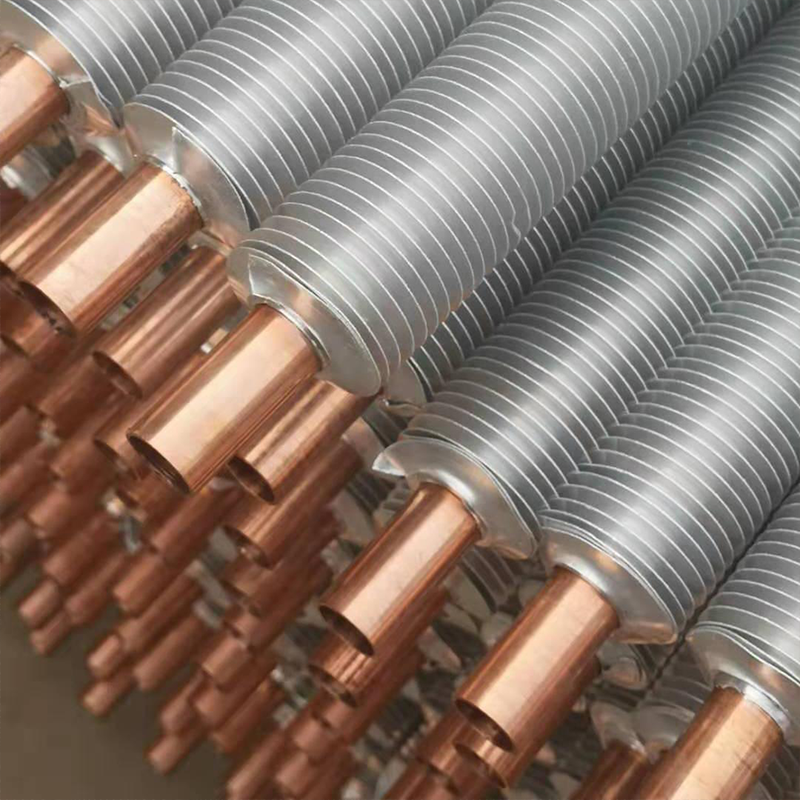
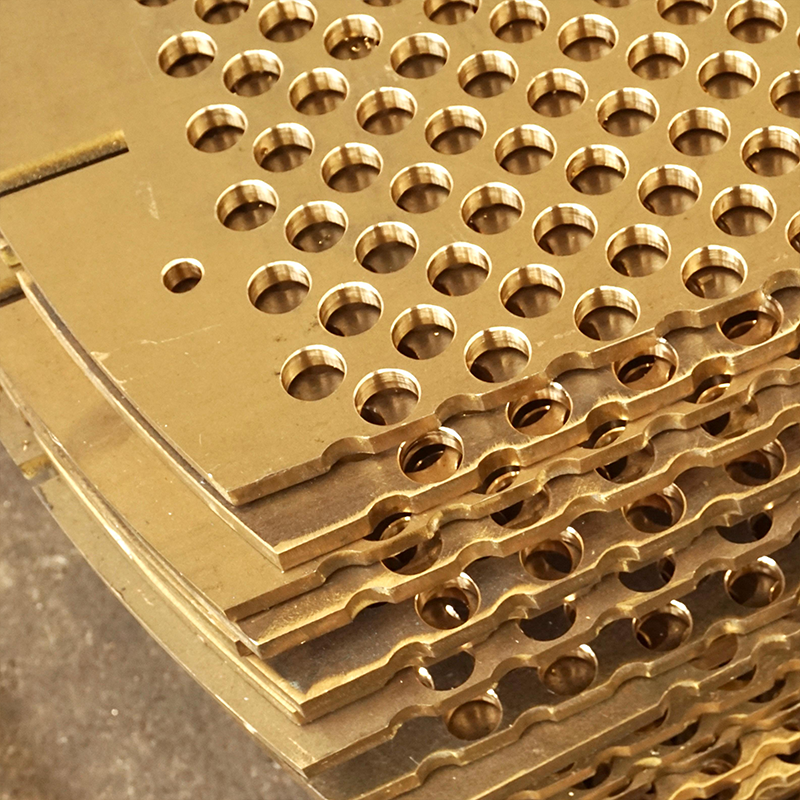
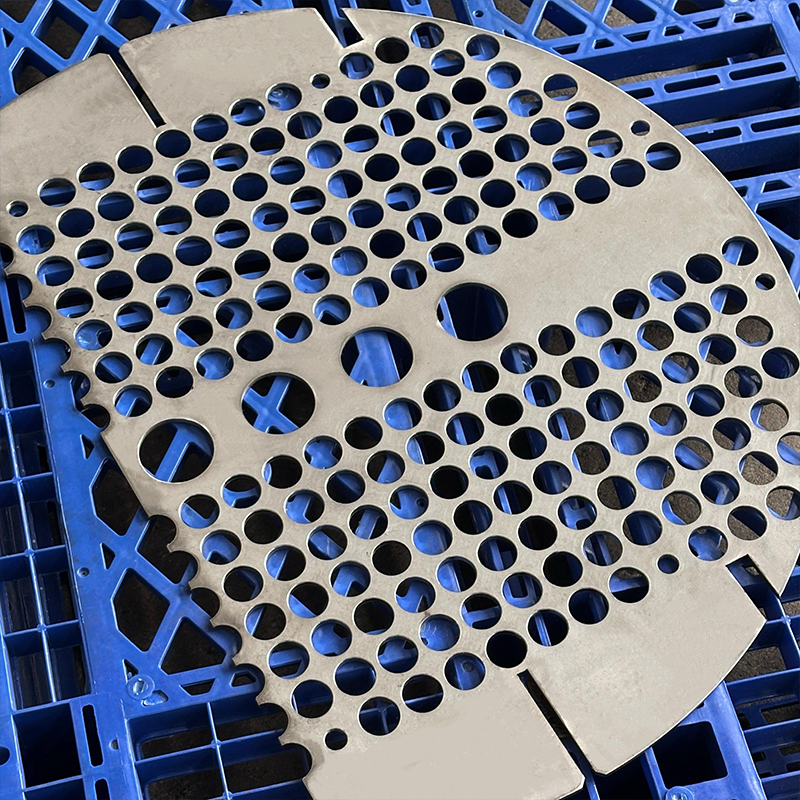
A striking example of this approach is the companyWuxi Kaisheng Electric Power and Petrochemical Equipment Co., Ltd.. Specializing in the design and production of high-tech equipment, the company demonstrates how important the right materials are in extreme conditions. Their products, including titanium shell-and-tube heat exchangers, ASME high-pressure units, and corrugated tube bundles made from 316 stainless steel, C46400 marine brass, or N06625 nickel alloys, are designed to perform where conventional solutions quickly fail.
Just as UV stabilization protects polycarbonate from solar radiation, the use of specialized alloys (titanium, copper-nickel compositions, alloy steels) protects equipment from corrosion, high temperatures and pressure in oil refining, the chemical industry and shipbuilding. Wuxi Kaisheng LLC products, certified to strict international PED and ASME standards, undergo rigorous quality control, guaranteeing process stability and safety. Whether it's waste heat boilers, air coolers or complex tubesheets, each element is manufactured to individual customer requirements, ensuring a long life cycle for installations around the world. This experience confirms the main rule: investments in quality materials and technologies always pay off in reliability and the absence of emergency downtime.
Conclusion and recommendations for choosing a supplier
Investment in qualityUV stabilization of outdoor plastic sheets— this is your project’s insurance against premature destruction. The market is oversaturated with offers, but, as we have shown, low prices are often a consequence of skimping on the most important components. Don't let marketing gimmicks fool you.
When choosing a supplier, use the following checklist:
- Availability of EAC certificate and light fastness test reports.
- A clear indication of the protection technology (co-extrusion is preferable).
- The warranty period is at least 10 years for maintaining light transmission and mechanical properties.
- Availability of marking film with installation instructions.
- Reputation of the manufacturer (avoid nameless Chinese brands without representation).
We are ready to offer solutions that have stood the test of time and harsh climate. Our sheets comply with all international standards and are accompanied by full technical support at the design and installation stage. Don't risk your property for dubious savings.
Contact us todayto receive a detailed product catalog, testing samples and cost estimates for your project, taking into account all durability requirements. Our experts will help you choose the optimal thickness and type of sheet specifically for your needs.
For more information about the technical characteristics of our materials, visit the sectioncatalog of polycarbonate sheetsor check out our guide tocorrect installation of cellular polycarbonate.