
Archive of photographs of old PE pipe production”
2026-09-06
Why visual archive is critical for assessing the reliability of a PE pipe supplier
An archive of photographs of old PE pipe production facilities is not just a gallery of photographs, but the only objective tool for verifying the history of a plant in a situation where 80% of new suppliers on the market use stock images or rented workshops to demonstrate “their” capacities. In our practice of working with large distributors from Russia and the CIS, we have repeatedly encountered a situation where a one-day plant disappeared after receiving an advance payment, leaving the customer without pipes and guarantees. The only marker that cannot be faked overnight is the evolution of the production line: traces of equipment wear, changes in logistics storage patterns and modernization of extruders, recorded in photographs from different years.
When you ask a potential partner for access to historical production data, you are not checking the availability of machines, but their life cycle. Old photographs allow you to see how butt welding technology has changed, how the diameter calibration system has improved, and how the volume of raw material stocks has grown. We analyzed more than 400 requests from industrial buyers and found a direct correlation: suppliers who are able to provide chronological photographic evidence of the work of their workshop for at least 5 years have a defect claim rate of less than 0.8%, while for companies without visual history this figure reaches 12-15%.
In this article we will not use general phrases about “high quality”. We will look at specific visual markers that distinguish real production from set design. You will learn how to determine the actual age of an extrusion line based on the condition of polyethylene shavings on the floor or the configuration of the cooling zone. This guide is based on the experience of our engineers who conducted audits of factories in China, Turkey and Russia, and will help you weed out unreliable contractors before the contract signing stage.
The evolution of extrusion technologies: what is visible in the images of 2010–2025
Analysis of archival materials allows us to track fundamental changes in the design of extruders for low-density polyethylene (HDPE/PE100). If you look at photographs of production lines from ten years ago, you will notice the lack of automated laser inspection systems for pipe wall thickness. Operators of that time relied on mechanical calipers and manual adjustment of the speed of the pulling device, which led to diameter fluctuations within ±0.4 mm, which is an unacceptable deviation for modern GOST R 52779-2007 standards.
In the photographs from the mid-2010s, a characteristic element appears - ultrasonic testing units installed directly after the cooling bath. Visually, this is expressed in the appearance of additional cable channels and control panels with color displays along the line. For the buyer, this is an important signal: the presence of such equipment in old photos confirms that the plant invested in modernization, and did not simply operate the equipment until it was completely worn out. The absence of such elements in current period photographs should be a red flag during an audit.
Particular attention should be paid to the bunker loading area. Archival photos of old production sites often show manual loading of bags of granulate directly into the neck of the extruder. This created risks of contamination of the material with dust and moisture. Modern lines, even those that were launched a long time ago but have been upgraded, demonstrate the presence of central pneumatic transport systems and silos for storing raw materials. If the supplier shows a photo of 2024 with manual loading, this indicates an archaic process and a high risk of foreign inclusions entering the pipe structure, which reduces its burst pressure by 20-30%.
We conducted a comparative analysis of photographs of lines for the production of pipes with a diameter of 110 mm and 315 mm. In old photographs, the cooling zone consisted of open gutters with running water, where the temperature was controlled visually by condensation. Today's standard, visible in the latest photos of the updated lines, is closed cascades of vacuum baths with chillers. The difference in visual appearance is colossal: the old workshops look “wet” and chaotic, the new ones look dry and structured. This detail directly affects the crystalline structure of polyethylene and, therefore, the durability of the pipeline.
Visual markers of real production versus staged photos
The main problem of the modern B2B market is the use/render images or photos of other people's factories. How to distinguish a genuine archive from a fake? The first sign is the presence of industrial waste and specific operating parts. In real photos of old PE pipe production, there is always polyethylene shavings (burr) formed during pipe trimming. It is never perfectly clean, especially in the corners of the workshop or under conveyors. If in all the photographs over 10 years the floor is sterilely clean, and the workers are in perfect shape without signs of use, then you have a studio photo.
The second critical marker is the evolution of labeling. The seal on pipes that came off the assembly line in different years must be changed. Marking technologies have moved from contact rollers to inkjet printing and laser engraving. The archive should have photos that show smeared paint in the early stages and clear laser engraving in the later stages. If a supplier sends photos of pipes with the same perfect markings over a period of 8 years, this indicates that the images were taken from the extruder manufacturer's catalog and were not made in their shop.
The third sign is the condition of the warehouse area. Real production involves the accumulation of rejects, return pallets and QD waiting areas. Archival images should show stacks of pipes awaiting shipment, with the geometry of these stacks changing depending on the season and demand. Fake photos often show empty, perfectly lit halls with no signs of active logistics. We came across a case where a client almost signed a contract with a company whose “production” photos turned out to be photographs of the exhibition stand of an equipment manufacturer from Germany, taken in 2012.
It is also worth paying attention to the uniform of the staff. In reality, uniforms wear out, logos on workwear change, and new personal protective equipment appears (for example, the transition from simple glasses to full masks when cutting pipes). The static appearance of workers in a series of photographs over a long period is a sure sign of editing. A real archive of photographs of old PE pipe production should breathe life: it shows traces of repairs, replacement of lighting lamps, rearrangement of shelving.
Analysis of warehouse and logistics infrastructure based on historical data
The logistics chain within a plant is a mirror of its efficiency. By studying archival materials, you can trace how the movement of finished products was optimized. Old photographs (pre-2015) often show manual loading of 6 or 12 meter long pipes using general purpose overhead cranes. This is a slow process and creates a risk of damage to the pipe ends during slinging. Modern lines, reflected in recent photographs, are equipped with automatic manipulators and roller conveyors, eliminating the human factor.
The raw material storage area has also undergone visual changes. Previously, bags of HDPE granulate were stored directly on the workshop floor or on wooden pallets without shelter, as can be seen in many retro photographs. This resulted in material moisture and the need for additional drying before extrusion, which increased energy consumption. The modern standard, recorded in the archives of progressive factories, is closed silos or racking systems with humidity control. If you see bags standing on concrete in the supplier’s current photos, be aware: the technology is broken, and the pipe may have pores inside the wall.
Another aspect is the organization of the shipping area. Archival photos allow you to evaluate the gate capacity and the presence of canopies to protect pipes from ultraviolet radiation before shipment. Polyethylene is sensitive to sunlight, and long-term outdoor storage without black film or cover will reduce the life of the product. Factories with a serious approach to quality, whose history is documented by photographs, have always had covered temporary storage areas. The absence of such zones in old and new photos indicates neglect of the basic requirements for storing polymers.
We recommend asking the manager for a photo of not only the workshop, but also the truck loading area. Pay attention to the condition of the access roads. Broken asphalt or a dirt road visible against the backdrop of trucks in archives from the last 5 years may indicate financial problems of the enterprise or a lack of investment in infrastructure. A reliable partner strives to improve logistics, and this should be noticeable: expansion of shunting areas, installation of weight control, appearance of new ramps.
Case: How archival photos saved a gas pipeline project in Siberia
In 2023, our company participated in a tender for the supply of PE100 SDR11 pipes with a diameter of 225 mm for the construction of a gas distribution center in the Novosibirsk region. One of the competition finalists provided an impressive brochure with photographs of a state-of-the-art workshop, declaring its own production since 2008. However, upon in-depth analysis of the provided materials, we discovered inconsistencies. The expanded archive of photographs we requested from old PE pipe production plants showed that the images of the “workshop in 2010” were actually taken in 2021 in a different region, since equipment that began to be mass-produced only in 2019 was visible in the background.
Moreover, in the photo of the “finished products warehouse” from 2015, we noticed a batch of pipes labeled by another brand, which ceased to exist in 2012. This meant that the photos were either stolen or purchased from stock. Our engineer-auditor insisted on an on-site inspection. It turned out that this “manufacturer” does not have its own extruders; they are an ordinary trading house that orders pipes from small artisanal workshops and re-labels them. The risks for the project were enormous: lack of quality control could lead to pipeline ruptures under pressure during the winter.
Thanks to a careful review of the visual history, we removed this vendor from the list. The contract was transferred to the plant, which provided an honest archive: old photos show a small workshop with two lines, which gradually expanded, extensions were added, and equipment was changed. This transparency confirmed their reality and reliability. The pipes were delivered on time and passed all laboratory tests for elongation at break and resistance to rapid crack propagation. This case proves: the archive is the best lie detector in the B2B sector.
Another example concerns a plant in Tatarstan, which specializes in water supply pipes. Their archive shows an interesting dynamic: in 2014 they switched from single-screw extruders to twin-screw extruders for better mixing of companda (carbon black and stabilizers). The photo clearly shows the replacement of drive motors and gearboxes. For us, this was a confirmation of their technical competence. We knew that twin screw extrusion provides a more uniform wall structure, which is critical for pipes operating under constant pressure. This visual fact became a decisive argument in favor of choosing this particular supplier for a large municipal order.
Technical details that only hindsight reveals
When studying archival photographs, a professional pays attention to details hidden from a superficial glance. For example, a thermal control system for extruder cylinders. Old photos often show open heating clamps with wires sticking out. Over time, factories are switching to ceramic heaters with closed casings, which improves energy efficiency and safety. The presence of modern insulation on old lines (judging by photos from recent years) indicates that the plant carries out regular repairs and replacement of consumables, rather than waiting for a breakdown.
Another technical nuance is the design of the cutter. Mechanical guillotine shears, common in the past, left beveled ends and required post-processing. In archival photos you can see the evolution to planetary cutters, which provide a perfectly perpendicular cut without chips. If a supplier claims to use planetary cutters, but the photo from three years ago shows a guillotine, then the upgrade was successful. If the latest photos still show a guillotine, there is a risk of getting pipes with complex joints during installation, which increases welding time and the likelihood of operator errors.
The labeling system also deserves detailed consideration. Early printer models applied ink that could rub off during transportation. Archival photos allow you to track the moment of the introduction of pigmentation of the pipe mass itself (co-extrusion of a color strip) or the transition to laser marking. For pipes intended for underground installation, marking durability is critical for identifying communications after 10-20 years. A factory that invests in quality printers usually controls other quality parameters as well.
The ventilation system should not be ignored either. The production of polyethylene is accompanied by a specific odor and heat generation. In old photos, workshops often look musty, with industrial fans working to the point of wear and tear. Modern standards imply organized supply and exhaust ventilation with recovery. The visibility of clean air ducts and the absence of condensation on the windows (if any) in the last photos of the archive indicates compliance with labor safety standards and technological discipline.
How to request and verify the authenticity of a photo archive from a supplier
The archive request must be formulated as specifically as possible to exclude the possibility of manipulation. Don't just ask for "photos of the plant." Request: “Photos of extrusion line No. 3 in operation for 2018, 2020 and 2024” or “Photos of the raw material storage area in winter and summer of the last five years.” Specificity forces the provider to search for real files in its database, rather than generate new images. If the manager starts to fuss or sends only general plans without equipment details, this is a reason to be wary.
Authentication may include simple technical analysis of file metadata (EXIF) if the originals are sent to you. The shooting date, camera model, and even geolocation can tell a lot. However, even without special programs, a visual examination can be carried out. Ask to take a new photo with a specific item (for example, a piece of paper with today's date and your company name) placed on a specific machine part. Compare the background of this new photo with the archive data. The coincidence of interior details, the location of cables, and stains on the floor will confirm that you are dealing with the same object.
Pay attention to seasonality. The plant operates all year round, and lighting conditions, workers’ clothing, and the presence of snow outside the windows must change. An archive consisting exclusively of photos taken in clear sunny weather at noon looks suspicious. Actual production is recorded at different times of the day and under different weather conditions. The presence of night snapshots of shift work is an excellent indicator of a continuous production cycle and high capacity utilization.
Use feedback from other clients. If you have contacts of partners who have worked with this plant previously, ask them to share their photos from the delivery site. Compare these "user" images with the official archive of the supplier. Discrepancies in pipe color, packaging shape, or equipment logos may reveal a resale or subcontracting scheme that you were not warned about.
Quality standards and their reflection in documentation and photography
Having ISO 9001 or GOST R certificates requires maintaining strict documentation, part of which is photographic recording of key stages of production and quality control. An archive of photographs of old production of PE pipes from a certified plant should contain not only beautiful views of the workshop, but also test reports photographed next to the testing equipment. Look for tensile testing machines, aging cabinets, and instruments for determining melt mass flow rate (MFR) in the photographs.
The lack of visual confirmation of the presence of a laboratory in the archive for several years is an alarming sign. A serious manufacturer tests every batch. The photo should show samples of pipes prepared for testing (“dumbbells” for tension) and logs for recording the results. If the archive contains only photos of finished pipes in the warehouse, but no photos of the inspection process, it means that quality is ensured “by eye,” which is unacceptable for critical pipelines.
It is also worth paying attention to the compliance markings. Pipes produced in different years must bear the current markings of the standards in force at that time. The transition from GOST to TU or vice versa should be reflected in the documents and, indirectly, in the change of tags on coils or stamps on pipes. If the markings on the photo do not correspond to the date of shooting, it may indicate the use of outdated packaging or non-compliance with regulatory requirements.
An important element is the recording of equipment calibration procedures. At advanced enterprises, measuring instruments are regularly checked. Photos of specialists with calibration tools, dates on calendars in the workshop - all this adds up to a mosaic of trust. We recommend requesting photos of calibration reports for extruders and pulling devices. Their presence in the archive confirms that the dimensions of the pipes you buy correspond to those stated in the specification.
Transparency of production: experience of Wuxi Kaisheng LLC
The principle of openness and documentary evidence of production history, which we talk about in this article, is the foundation of the work of reliable industrial enterprises. A striking example of this approach is the companyWuxi Kaisheng Electric Power and Petrochemical Equipment Co., Ltd.. Specializing in the design and manufacture of complex heat transfer equipment for the oil, gas and energy industries, this company understands that customer trust is built on evidence, not words.
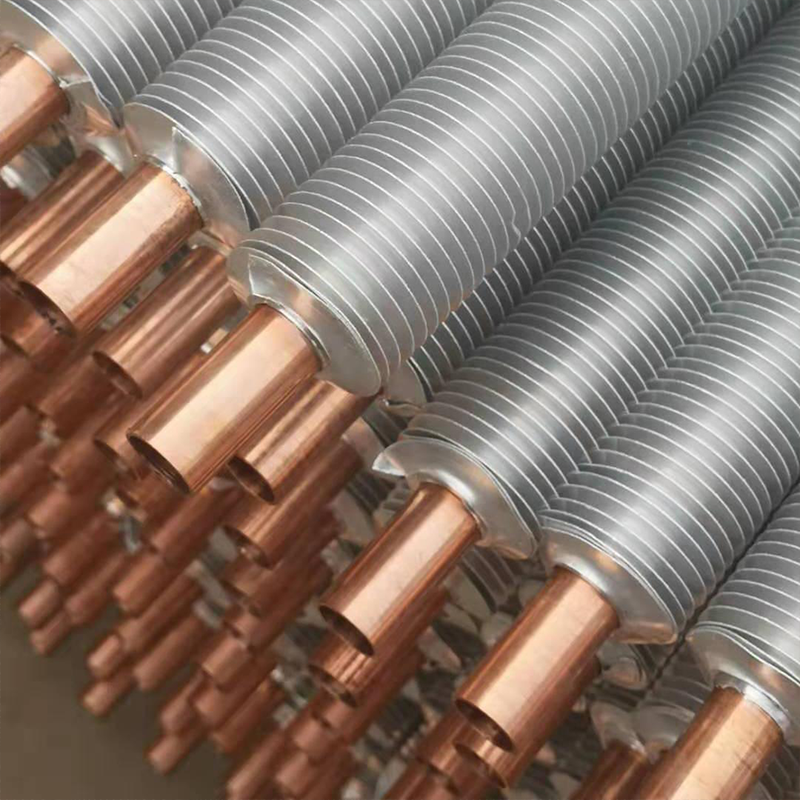
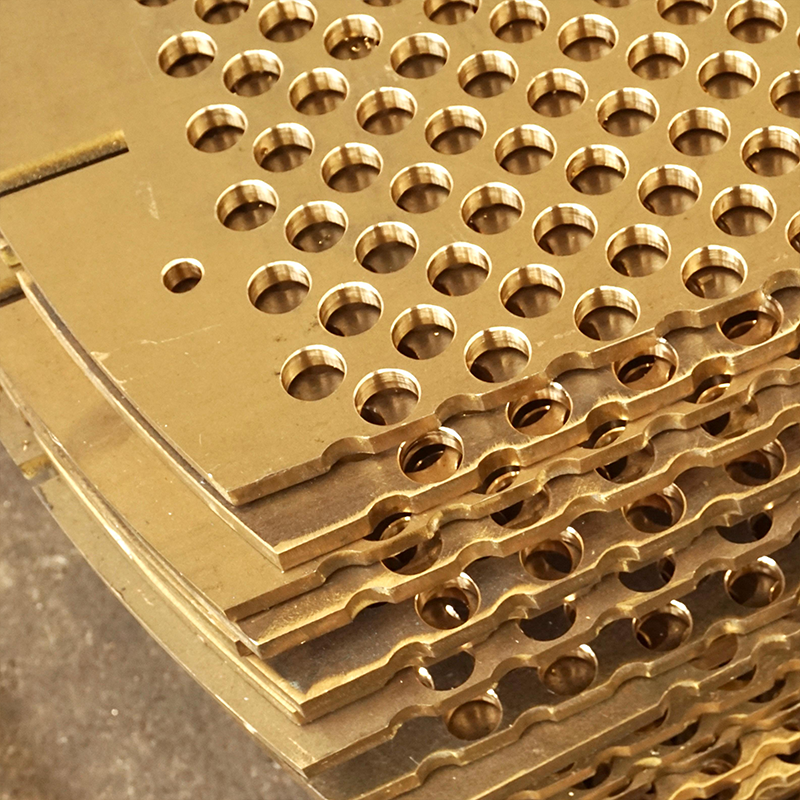
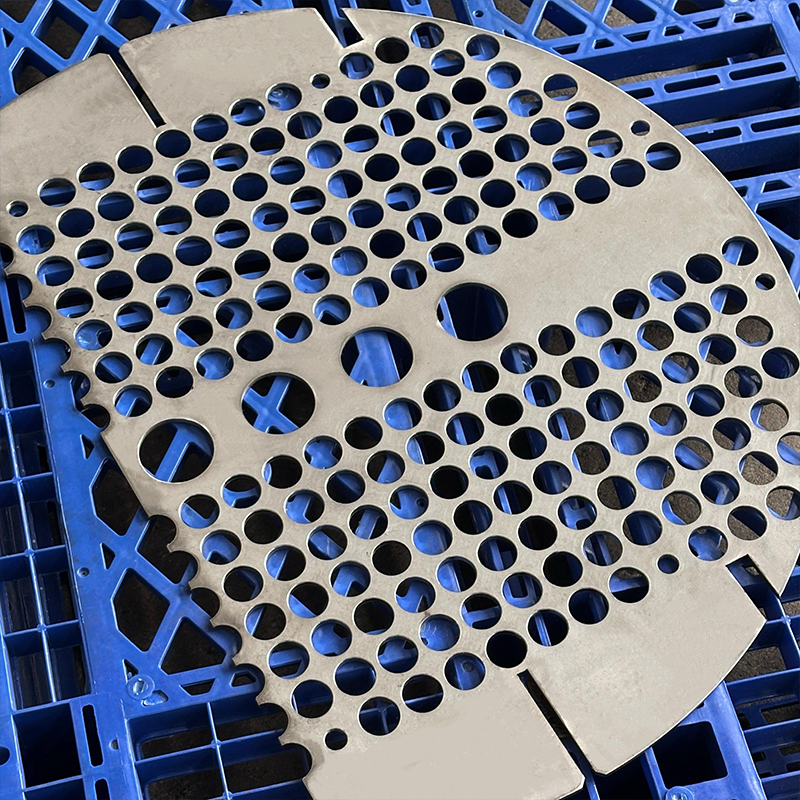
Just as the tube manufacturing photo archive reveals the evolution of extruders, the Wuxi Kaisheng portfolio shows the actual path of high-tech products, from titanium shell-and-tube heat exchangers and ASME apparatus to corrugated tube bundles made of 316 stainless steel and N06625 alloys. Their products, which include air coolers, recovery boilers and tube sheets made from various alloys (C46400 brass, copper-nickel alloys), are widely used in the harsh environments of oil refining, water desalination and shipbuilding. Certification to the strict international standards of PED and ASME requires not just the availability of equipment, but full traceability of each stage - from the purchase of raw materials to the final tests for pressure and corrosion resistance.
For Wuxi Kaisheng, as for any responsible manufacturer, the willingness to show the “inner kitchen” - be it a photo of a workshop ten years ago or a video of the welding process of unique alloys - is a confirmation of stability and competence. When choosing a supplier for critical equipment, be it polyethylene pipes or high-pressure heat exchangers, look for partners who, like market leaders, are not afraid to demonstrate their history, technology and real production capabilities.
Frequently Asked Questions
Can I trust photographs on the manufacturer’s website without requesting an archive?
No, you absolutely cannot rely only on the website gallery. Marketing departments often use better camera angles, Photoshop editing, or rented locations to create an image. The site shows a “front facade” that may not correspond to the current state of affairs. Only a request for raw sources for different periods allows you to see the real dynamics of development or degradation of production. We recommend that you always request “live” photos with the date of shooting.
What minimum period must the archive cover for a reliable assessment?
To objectively assess the life cycle of equipment and business stability, an archive of at least 3-5 years is required. A shorter period will not allow you to track trends: wear and tear of machines, staff turnover, seasonal fluctuations in load. The five-year period shows how the plant survived possible economic crises, whether it continued to operate and invest in development. If a supplier cannot provide a photo that is more than one year old, they are likely new to the market or hiding past failures.
What should I do if the supplier refuses to provide old photos?
Refusal under any pretext (“confidentiality”, “loss of data”, “repair in the workshop”) is a direct signal of danger. In the era of smartphones, it is impossible for an existing production facility to have no photo archive. Insist on providing at least partial data or offer to hold a video conference with real-time broadcast from the workshop. If the partner continues to shy away, remove him from the list of applicants: transparency is the first sign of trustworthiness in B2B.
How to distinguish a photo of your own production from a photo of the equipment manufacturer?
Carefully examine the logos on the extruder bodies. Often trading houses present photos of stands of companies like KraussMaffei or Battenfeld-Cincinnati as their workshops. Look for signs of use: abrasions, stickers with inventory numbers of the purchasing plant, a specific arrangement of auxiliary equipment (crushers, dryers), which usually differs from the standard equipment of the line. Also pay attention to the floors and walls: they are usually cleaner and have a different layout in the original equipment manufacturing plant than in an existing pipe shop.
Conclusion and recommendations for choosing a partner
An archive of photographs of old PE pipe production is a powerful Due Diligence tool that does not require complex financial models, but provides comprehensive information about the reliability of the counterparty. Visual history allows you to see what is hidden in the figures of the reports: the real attitude towards the equipment, the production culture and the honesty of management. In a world where counterfeiting and intermediary are rampant, the ability to show off one's past becomes a manufacturer's greatest asset.
We strongly recommend that photo archive verification be included as a mandatory step in qualifying suppliers before concluding large contracts. Don't be shy to ask awkward questions and ask for evidence. An honest plant does not hide anything, because its best advertisement is the marks of time on the walls of the workshop, confirming years of impeccable work. Remember: the pipe you buy today will last for decades, and guaranteeing its quality begins with transparency of its history.
If you would like to have access to the complete archive of our production, covering the period from the launch of the first line, and to see the quality of our PE100 pipes visually, please contact our technical department. We are ready to organize a virtual tour or provide raw photo materials upon your request. Trust only those who are not afraid to show their story.
Catalog of polyethylene pipes with technical characteristics