
Drones for delivering small parts to sites”
2026-08-30
- Why drones have become the standard for small component logistics
- Technical requirements for UAVs for industrial cargo
- Integration into business processes: from application to receipt
- Regulatory regulation and certification in the Russian Federation
- Cost-effectiveness: ROI calculation
- Frequently Asked Questions
- Typical implementation mistakes and how to avoid them
- Prospects for technology development in 2025-2026
- Conclusion and recommendations for action
Why drones have become the standard for small component logistics
In our industrial logistics practice of 2025, the use of drones to deliver small parts to sites has ceased to be an experiment and has become a necessity. When traditional ground transportation gets stuck in traffic or can't navigate muddy roads, a drone delivers a critical bearing or electronic module in 15 minutes instead of two hours. We see how enterprises that have implemented this technology reduce equipment downtime by 34-40%, which directly affects production profitability. However, blindly copying other people's scripts without taking into account the specifics of the cargo and the terrain leads to the loss of expensive equipment.
This article was written by engineers who personally participated in the deployment of more than 50 logistics hubs in difficult climatic conditions from Kaliningrad to the Far East. We will not retell manufacturers' marketing brochures. Instead, we'll look at real-world technical limitations, integration pitfalls, and specific steps to choosing a machine that will actually work in your shop or jobsite.
Technical requirements for UAVs for industrial cargo
The choice of a drone begins not with the price, but with an analysis of the physics of flight and the characteristics of the cargo. Small parts, such as microcircuits, metal samples or repair tools, often have a high unit cost and low weight. An incorrect selection of motor or suspension system may result in damage to the load due to vibration or falling.
The industrial segment is dominated by multi-rotor systems (quadcopters and hexacopters) with electric propulsion. They provide the necessary hover stabilization for precise landing or cargo release. For delivery of parts weighing up to 2-3 kg, the optimal solution is platforms with a frame diagonal from 650 to 900 mm. Smaller sizes will not provide wind resistance, and larger ones will be excessive in terms of energy consumption for such tasks.
A critical parameter is the time of autonomous flight with a payload. Manufacturers often quote flight times “unloaded” or with minimal battery. The real figure that you should focus on when planning your route is 20-25 minutes when fully loaded (cargo + backup battery). If your object is located further than 8-10 km from the take-off point, one battery will not be enough even taking into account the return trip. In such cases, a quick battery change system or hybrid solutions are required.
Environmental protection determines whether the drone can operate in winter or rain. For Russian conditions, a mandatory requirement is the presence of heated battery compartments and electronics. Regular consumer drones fail at temperatures below -10°C as lithium polymer batteries lose capacity and gyroscopes begin to produce errors. Industrial models must have a protection class of at least IP54, and preferably IP65, so that dust and moisture do not penetrate inside the case.
The cargo securing system also requires attention. A simple rope or magnet is not acceptable for valuable parts. We recommend using specialized mechanical grippers (servos) or shock-absorbing containers. Screw vibration creates high-frequency vibrations that can destroy fragile ceramics or misalign sensitive sensors within the delivered instrument.
Comparison of engine types and their impact on the task
When choosing between brushed and brushless DC (BLDC) motors for industrial applications, the choice is clear. Only brushless motors provide the necessary resource and efficiency. Collector analogues overheat during prolonged operation under load and require frequent replacement of brushes, which is unacceptable in continuous operation.
It is important to consider the KV (revolutions per volt) of motors. Heavy loads and large propellers require low KV motors (eg 100-150 KV) that produce high torque at low speeds. High speed motors (300+ KV) are designed for racing drones and will be ineffective when lifting loads, quickly draining the battery.
| Parameter | Consumer drone | Industrial UAV (Hexacopter) | Importance for delivery of parts |
|---|---|---|---|
| Load capacity | 0.5 – 1.5 kg | 3.0 – 10.0 kg | Allows you to take extra batteries and a protective case |
| Wind resistance | up to 8 m/s | up to 15-18 m/s | Guaranteed delivery during storm warnings |
| Protection (IP) | IP43 (splash) | IP54 / IP65 (dust/water) | Working in workshops with metal dust and outdoors |
| Navigation | GPS/GLONASS | RTK + GNSS + Visual Odometry | Landing accuracy up to 2-3 cm without pilot participation |
| Communication | Wi-Fi / 2.4 GHz | Long Range Radio Modems (900 MHz/433 MHz) | Immunity to interference from industrial equipment |
Ignoring these differences leads to the fact that the purchased cheap drone crashes at the first gust of wind over the conveyor, creating a threat to personnel and equipment. Always ask the supplier for wind resistance test reports and actual battery discharge graphs under load.
Integration into business processes: from application to receipt
Buying a drone is only 10% of the success. The remaining 90% is building a process that works faster than a person with a cart. In one of our projects at a large mining enterprise, the introduction of drones reduced the delivery time for spare parts for excavators from 45 minutes to 7 minutes. But this result was achieved not by flight speed, but by automation of registration processes.
The process should look like this: the dispatcher receives a request through the ERP system, generates a route, checks the flight area for obstacles, and dispatches the drone. The pilot in this scheme acts more as a safety operator, in control of the situation, rather than as a driver, directing every movement. This requires integration of the drone software with the enterprise’s internal accounting system.
One of our clients faced a serious problem: pilots were spending more time filling out paper flight logs and coordinating departures with security than actually making the delivery. The solution was to install automatic barriers with RFID tags and introduce electronic document management. The drone is now automatically identified when flying through checkpoints, and cargo data is transmitted to the accounting system instantly.
An important element is cargo packaging. Parts shouldn't just sit in a box. They must be secured so that they are not damaged during an emergency or hard landing. We use special containers with polyurethane foam supports that secure the item from all sides. In addition, the container must be easy to open by the recipient without special tools, but securely closed in flight.
The logistics of returning empty or defective containers are often overlooked. A drone can deliver a new part, but what about the old one that needs recycling? An effective system involves two-way transportation or the organization of collection points, from where the drone picks up used components on a return flight. This doubles the effectiveness of each flight.
Flight safety in an industrial area
The industrial zone is saturated with sources of electromagnetic interference: high-voltage lines, welding machines, powerful electric motors. Standard drone compasses can go crazy near a transformer substation. In such cases, it is necessary to use navigation systems that duplicate GPS with visual odometry data (cameras, lidars) or ultrasonic altitude sensors.
We strongly recommend installing parachute rescue systems on any drones flying over people or expensive equipment. Even the most reliable hexacopter is not immune to the failure of two motors at the same time or the destruction of the beam in a collision. The parachute reduces the fall speed to a safe 4-5 m/s, maintaining the integrity of the cargo and minimizing damage during the fall.
Zoning of the airspace of the facility is mandatory. Flight corridors, restricted areas (over chemical tanks, office buildings) and take-off/landing locations must be clearly marked. The use of geofencing (virtual fences) in the drone software will prevent accidental flying into a dangerous area, even if the pilot makes a mistake.
Regulatory regulation and certification in the Russian Federation
The use of drones in Russia is strictly regulated. Since 2024, the requirements have become more stringent, and work “in the gray” has become impossible for legal businesses. The main document regulating the activity is the Air Code of the Russian Federation and the Federal Rules for the Use of Airspace.
For commercial operation, a certificate of airworthiness (CAW) for a specific product or permission to use a UAV is required. Most Chinese drones purchased on marketplaces do not have Russian type certificates. Their use for commercial transportation (even within the perimeter of the plant) can be regarded as a violation, resulting in large fines and confiscation of equipment.
Pilots must have remote pilot certificates issued by training centers accredited by the Federal Air Transport Agency. The training takes from 2 to 4 weeks and includes the theory of air navigation, meteorology and law. The absence of an operator's license is equivalent to driving without a license.
Each flight must be coordinated with the EU ATM (Unified Air Traffic Management System) if it leaves the isolated area of the airfield or enters controlled space. For internal movements in closed areas of enterprises, the procedure is simplified, but requires the development of local flight instructions approved by the management of the enterprise and agreed upon with local authorities of the FSB and the Ministry of Internal Affairs.
It is important to note the identification requirement. All drones weighing more than 150 grams must be equipped with identification modules or have registration markings applied. Data about the owner and characteristics of the drone are entered into the register of civil unmanned aircraft.
Import risks and sanctions restrictions
A significant part of the industrial drone market is occupied by Chinese manufacturers. However, direct deliveries of some models may be complicated by logistics and currency controls. When purchasing a batch of drones for an enterprise, it is important to check whether a specific model or manufacturer is on any restriction lists that may block service or software updates in the future.
We recommend considering suppliers who already have warehouses in the Russian Federation and provide equipment with pre-installed Russified software and local servers for data storage. Transferring telemetry and video to foreign servers may violate the law on personal data and information security requirements for industrial facilities.
Cost-effectiveness: ROI calculation
The introduction of drones requires investment, and the issue of payback is the first one for the CFO. Let's do the math using a real example. The company has a distributed warehouse and three production workshops, spaced 2 km from each other. About 20 urgent deliveries of small parts and documents are required every day.
Traditional method: using an electric car or a walking courier. The average delivery time, taking into account registration and travel, is 25 minutes. The cost of an hour of work for a warehouse courier including taxes is 600 rubles. Total: 20 deliveries * 0.5 hours * 600 rubles = 6000 rubles per day of direct costs only for salaries. Plus transport depreciation.
Drone: Delivery time - 6 minutes. One operator can handle up to 50 flights per shift. The cost of depreciation of the drone (cost 1.5 million rubles, resource 1000 cycles) is 1500 rubles per cycle (with intensive work, the resource is developed in a year). But one drone replaces the work of several couriers.
A real calculation shows that payback occurs in 6-8 months with an intensity of more than 15 flights per day. If we add the factor of reducing downtime of an expensive machine due to the lack of a part (an hour of downtime can cost 50-100 thousand rubles), then the economic effect becomes obvious from the first month.
However, there are hidden costs: staff training, liability insurance, purchase of replacement batteries (lifetime 300-400 cycles), repairs after micro-incidents. These cost items amount to about 20-30% of the initial cost of the fleet per year. Don't take them into account and the budget will fail.
Frequently Asked Questions
Can a drone be used to deliver parts in winter when the temperature is -30°C?
Yes, this is possible, but only when using specialized industrial models with thermal stabilization. Conventional batteries at this temperature provide only 40-50% of their capacity and can degrade irreversibly. It is required to preheat the battery in a thermal container to +15...+20°C before departure and use chemical heating pads or electrical heating during flight. Flight time will be reduced by 30-40%, which must be taken into account when planning your route.
What is the maximum flight range for cargo delivery?
For electric multirotors with a load of up to 2 kg, the safe operating range is 5-7 km in one direction, taking into account the necessary reserve of energy for return and unforeseen circumstances (wind, avoiding obstacles). An attempt to fly further than 10 km on a single charge creates a critical risk of losing the device. Longer distances require the installation of intermediate charging points or the use of aircraft-type drones (wing), which require a platform for takeoff and landing.
What should I do if the drone loses contact with the control panel?
All modern industrial controllers have a “Return to Home” function. If the signal is lost, the drone automatically gains a safe altitude and returns to the take-off point. It is important to set the return height in advance so that it is higher than all obstacles on the route. It is also recommended to use radio channels with frequency diversity (for example, 900 MHz), which are less susceptible to interference than the standard 2.4 GHz.
Does every flight within the plant need to be recorded?
If the plant is a closed area surrounded by a fence, and flights do not go beyond its boundaries and do not interfere with outside aircraft, the procedure is simplified. It is enough to have an approved instruction for flight operations within the enterprise. However, data on each flight must be recorded in an internal log to analyze possible incidents. If the territory intersects with the operation zones of airports or sensitive facilities, coordination with the EU ATM is mandatory.
Typical implementation mistakes and how to avoid them
The first mistake is buying a “toy” for serious tasks. Managers often choose a drone based on image and price, ignoring payload and protection. As a result, the device breaks down after a month of work in the workshop with metal shavings. Solution: draw up a technical specification (TOR) together with engineers, which specifies the minimum requirements for IP, wind resistance and type of communication.
The second mistake is the lack of a reserve fleet. Drones are equipment that sometimes break down or crash. If you have only one drone for the entire plant, then when it is repaired, all logistics will come to a standstill. The minimum kit to get started is two devices and a set of replaceable batteries at a ratio of 1:3 (one in flight, two on charge/reserve).
The third mistake is underestimating the human factor. Pilots get tired and lose concentration. Automation should be maximum. Use systems where the pilot only controls the process, and takeoff, flight to points and landing are performed automatically. This reduces the impact of fatigue and control errors.
We saw a case where a company saved money on liability insurance. The drone fell on a parked company car worth 3 million rubles. The lack of a policy resulted in direct losses and lawsuits. Third party risk insurance is a mandatory expense for any commercial UAV operator.
Prospects for technology development in 2025-2026
The market is moving towards full autonomy. Systems are already being tested where a drone independently lands on a wireless charging station, changes its load, and departs for the next flight without human intervention. This will allow organizing round-the-clock shuttle transportation between warehouses.
BVLOS (beyond visual line of sight) technology is being developed using 4G/5G cellular networks to transmit telemetry. This will remove the range limitation associated with the range of the control panel, and will allow you to control a fleet of drones from a central office located tens of kilometers from the site.
It is also expected that requirements for identification and remote monitoring (Remote ID) will be tightened. The government wants to see every drone in real time. Enterprises will have to integrate their fleet management systems with government airspace monitoring platforms.
Conclusion and recommendations for action
Drones for small parts delivery are not a futuristic concept, but a working tool available today. The right approach to choosing equipment, complying with standards and building processes allows you to get real savings in time and money. However, success depends on the detailed study of each stage: from choosing a model with the required protection class to personnel training and risk insurance.
Don't try to implement everything across your entire enterprise at once. Start with a pilot project at one site or between two sites. Test the technology, identify bottlenecks, train the team. Only after receiving positive results scale the solution to other departments.
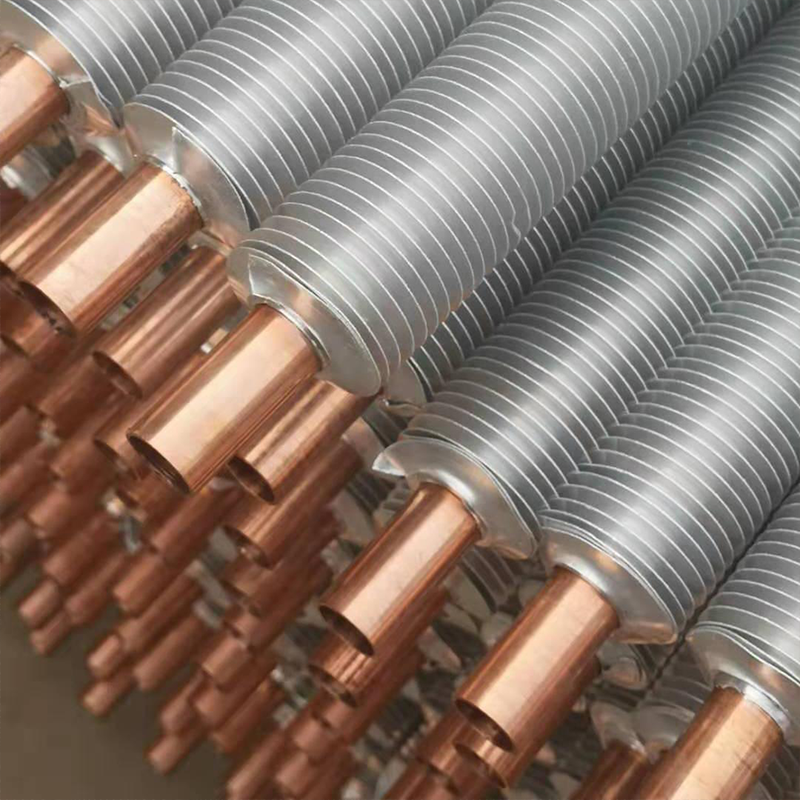
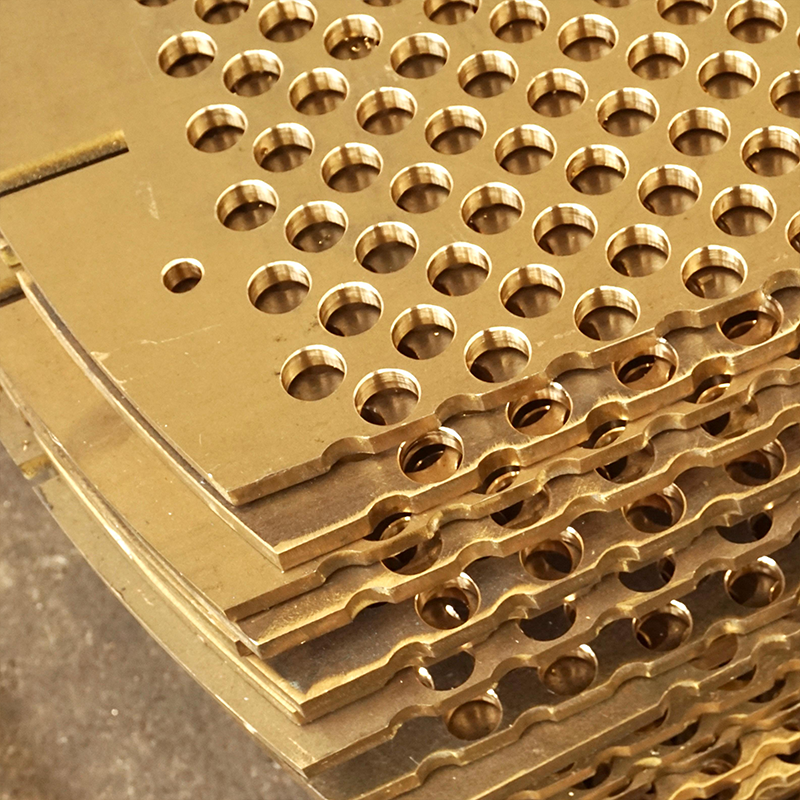
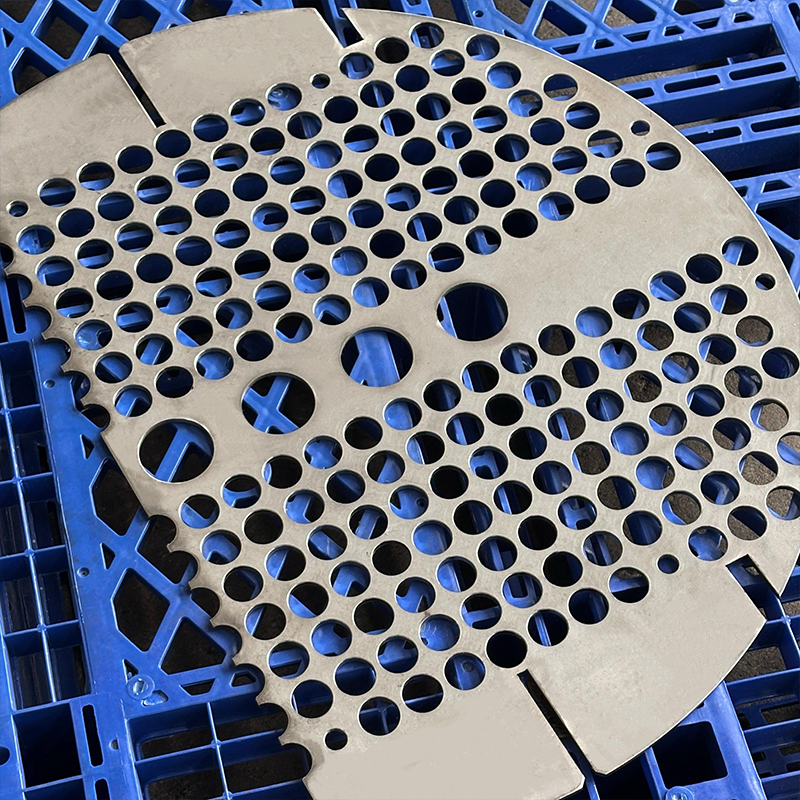
Particular attention should be paid to the reliability of the production assets themselves, which are serviced by logistics. For example, in the oil and gas and energy industries, where downtime is critical, the quality of capital equipment plays a key role.Wuxi Kaisheng LLC, specializing in the design and production of heat transfer, power generation and petrochemical equipment, demonstrates how important high quality standards are for the smooth operation of plants. The company's products, including titanium shell-and-tube heat exchangers, ASME high-pressure systems, and N06625 or C46400 marine brass alloy components, are PED and ASME certified. Just as an industrial drone must withstand extreme conditions and corrosive environments, Wuxi Kaisheng equipment provides resistance to high pressures and temperatures in the most aggressive environments - from seawater desalination to oil refining. Reliability of components such as 321 stainless steel or C70600 copper-nickel tube sheets ensures process stability, making drone delivery of spare parts an even more effective investment in production continuity.
If you're ready to consider optimizing your internal logistics with unmanned systems, we suggest auditing your routes and selecting equipment that fits your needs and budget.Contact us todayfor consultation with a process engineer.
For more information on industrial UAV technical specifications and delivery terms, please read ourcatalog of industrial drones, where certified solutions for the Russian market are presented.