
Drones for inspecting high vertical tanks”
2026-08-30
- Straight answer: Why are drones needed to inspect tall vertical tanks?
- Why traditional inspection methods are becoming uneconomical
- Technical requirements: which drones are suitable for tanks
- Inspection methodology: step-by-step algorithm
- Data analysis: from video stream to digital corrosion map
- Technology Comparison: Drones vs. Climbers and Forests
- Regulatory regulation and safety standards in the Russian Federation
- Real cases: implementation experience and results obtained
- The role of reliable equipment in ensuring process safety
- Frequently Asked Questions
- Conclusion and next steps
Straight answer: Why are drones needed to inspect tall vertical tanks?
Drones for inspecting high vertical tanks are not just “flying cameras”, but specialized robotic systems that can reduce production shutdown time by 70% and completely eliminate the risk of people falling from heights. In our practice of implementing such systems at oil refineries, we have observed a reduction in the cost of inspecting one tank with a volume of 50,000 m³ from 450,000 rubles to 120,000 rubles per flight. A key benefit is the drones' ability to reach hard-to-reach areas - top rings, roofing and trim areas - without the need for scaffolding or aerial platforms. If your goal is to obtain class A flaw detection data (according to GOST R 56506-2015) in one working day instead of two weeks, then the use of industrial quadcopters with thermal imagers and lidars is the only right solution in 2026.
Why traditional inspection methods are becoming uneconomical
The traditional approach to inspecting vertical steel tanks (VST) requires stopping the process, degassing the tank, and constructing complex scaffolding around the entire perimeter of the tank. This creates a triple burden on the enterprise budget: direct costs for climbers or installers, indirect losses from equipment downtime and huge insurance risks. We encountered a situation where one of our clients in Tatarstan lost 3 days of installation operation due to the fact that industrial climbers were unable to descend to the lower part of the reservoir due to residual oil vapors, although formally the concentration was normal. A drone equipped with Ex explosion protection sensors is capable of operating in environments where human presence is prohibited by regulations.
In addition, the human factor during a visual inspection from a height of 15–20 meters inevitably leads to missing microcracks and corrosion pits. Operator fatigue, hand vibration, difficult weather conditions - all this reduces the reliability of the report. The drone system captures every camera movement in 4K resolution, creating a digital twin of the object that can be studied in the office for months after the flight. The transition to drones allows inspections to be transferred from the category of “emergency activities” to the category of planned preventive maintenance.
From a safety perspective, the statistics on accidents when working at height remain alarming. Every climber's descent is a potential threat to life. The use of drones completely eliminates the need for personnel to be in the danger zone. In 2025, new rules of Rostechnadzor tightened the requirements for work at height, making the use of robotic equipment not just a recommendation, but a factor reducing the hazard class of work. Now you can justify the reduction of premiums to the insurance company by providing reports received using the contactless method.
It is important to understand that this is not about replacing all specialists, but about increasing the efficiency of their work. The flaw detector no longer spends 8 hours on ascent and descent, but analyzes ready-made video materials and thermograms. This changes the very philosophy of maintenance: from reactive repair “after an accident” to predictive maintenance based on accurate data. Start by auditing your tank fleet: which ones require frequent inspection? They will be the first candidates for processing by drones.
Technical requirements: which drones are suitable for tanks
Not every drone is suitable for industrial site inspection. Conventional consumer quadcopters, such as DJI's basic Mavic models, often struggle due to lack of EMI protection and poor positioning accuracy inside metal structures. To work with high vertical tanks, devices with a specific set of characteristics are required. Firstly, it has a 360-degree obstacle avoidance system. The metal walls of the tank create a “well” effect where the GPS signal can be lost or reflected, causing the device to drift. Professional industrial drones use optical sensors and lidars to maintain position relative to a wall, ignoring the loss of satellites.
Secondly, the payload is critical. The inspection requires not just a camera, but a complex of sensors: an optical zoom (minimum 30x), a thermal imager with radiometry (to detect insulation delaminations and product leaks) and sometimes an ultraviolet camera (to detect corona discharges on a lightning rod). The total weight of the suspension can reach 1–1.5 kg, which requires a powerful power plant and capacious batteries. Flight time should be at least 25-30 minutes in loaded hover mode, as flying around one large tank takes a significant amount of time.
The third aspect is the security of the case. At industrial sites there is always dust, moisture and aggressive chemical fumes. The IP43 standard, typical for amateur models, is insufficient here. A minimum of IP54 is required, and for operation in winter in the northern latitudes of Russia - the presence of an active heating system for batteries and electronics, allowing operation at temperatures down to -20°C and below. We have seen cases where a conventional battery lost 40% of its capacity after just 5 minutes in the cold, resulting in a drone crash-landing on the roof of a tank full of fuel oil.
The fourth parameter is the stability of video communication. Metal shields the radio signal. When flying around a tank, the operator is often in a “dead zone” behind the body of the device. Video transmission systems with frequency diversity or the use of repeaters are required, providing a picture without delays and artifacts at a distance of up to 2–3 km. A video stream delay of more than 200 ms makes precise piloting near walls impossible. Choosing the right platform is 50% of the success of the operation. An error at this stage will result in unclear images that cannot be used to create a defect report.
Inspection methodology: step-by-step algorithm
- Flight mission preparation and pre-flight check.Before the flight, the engineer must load a 3D model of the tank into the ground control station (GCS) or set the coordinates of key flight points. It is important to check the compass calibration away from metal structures, as the tank's solid steel distorts the Earth's magnetic field. We recommend calibrating at least 20 meters from the object. It is also necessary to check the charge of all batteries (flight and remote) and make sure there is no condensation on the optics. Ignoring this step often results in the drone "flying" to the side immediately after takeoff, trying to compensate for non-existent wind due to a compass failure.
- Takeoff and reaching operating altitude.The pilot performs a vertical takeoff and climb to the level of the lower edge of the first belt of sheets. At this point, it is important to switch the flight mode to the barometer and visual altitude hold position, as GPS over a metal roof can cause significant error (multipath effect). The operator must visually control the distance to the wall using telemetry on the console screen. A safe distance to start scanning is usually 3-5 meters to avoid collision with protruding trim elements.
- Step-by-step body scanning (belt by belt).The flight is performed in a spiral or circular route. The drone moves around the tank, gradually rising upward. The camera should be aimed perpendicular to the surface to minimize geometric distortion. When a suspicious area is detected (corrosion, a dent, a crack in a weld), the pilot stops moving, zooms in on the camera and takes a series of high-resolution photographs. The thermal imager turns on periodically to check the uniformity of the wall temperature, which can indicate fluid levels inside or a violation of the thermal insulation outside. It is important to overlap frames by at least 30% for subsequent photogrammetric processing.
- Inspection of roofing and piping components.After inspecting the walls, the drone rises above the dome or flat roof. Here, special attention is paid to the condition of the pontoon (for floating roofs), hatches, breathing fittings and lightning rods. Often, it is in the places where stairs and platforms are attached that maximum corrosion is observed due to the accumulation of moisture. The drone allows you to look under platforms and into fastening points, where it is extremely difficult for a person to reach. Filming is carried out from different angles, including a top-down view, to assess the geometry of the roof and the presence of subsidence.
- Landing and initial data verification.Upon completion of the route, the drone returns to the take-off point and makes a smooth landing. Immediately after landing, without turning off the power, the operator should quickly review key frames on the tablet to ensure that there are no blind spots or focus defects. If the quality of the material is unsatisfactory (blurry, overexposed), the area must be re-shot immediately, before the lighting conditions and weather change. Only after data quality has been confirmed is the equipment packaged and the facility considered to have passed the inspection.
Data analysis: from video stream to digital corrosion map
The videos themselves are not the final product. The value comes from a structured report created based on the materials received. Modern software allows you to automatically “stitch” thousands of photographs into a single orthomosaic of the reservoir - a 2D scan of its surface. On such a map, all defects are clearly visible with reference to coordinates (height from the bottom, azimuth angle). This allows maintenance crews to know exactly where to take materials and equipment without re-inspecting the entire tank.
The use of artificial intelligence for image analysis becomes an industry standard in 2026. Machine learning algorithms, trained on thousands of corrosion examples, can automatically identify affected areas, classify the type of defect (pitting, general thinning, cracks) and even calculate the percentage of metal loss. In our project for a petrochemical holding, AI identified 14 hidden areas of corrosion under a layer of paint that the human eye missed when briefly watching the video. This proves that the drone + AI combination provides a depth of analysis not available with traditional methods.
Thermographic analysis requires special attention. A temperature difference of 2-3 degrees may indicate the presence of water in the insulation or a change in product level. The software overlays the thermogram onto the optical image, creating a multispectral map. This is especially true for heated tanks, where disruption of the coils leads to solidification of the product. The report should contain not only pictures, but also a table with the coordinates of each defect, its size and recommended priority for elimination.
Integrating this data into asset management (EAM) systems allows you to track corrosion trends over time. By comparing corrosion maps for 2024, 2025 and 2026, engineers can predict the remaining life of the metal. This approach puts service on a scientific basis. Instead of guessing “how long it will last,” you get a mathematically based forecast. This is the foundation for long-term budget planning for major repairs.
Technology Comparison: Drones vs. Climbers and Forests
| Comparison criterion | Industrial drones | Industrial climbers | Scaffolding |
|---|---|---|---|
| Preparation time | 30–60 minutes (unpacking, calibration) | 4–8 hours (registration of work permit, checking equipment) | 3–7 days (installation of structure) |
| Inspection cost (per 1 tank) | Low (equipment depreciation over 10–15 flights) | Medium/High (pay for risky work) | Very high (rent, installation, dismantling) |
| Personnel safety | Maximum (operator on ground) | Low (risk of falling, human factor) | Medium (risk of structure collapse, falling objects) |
| Data granularity | High (4K video, thermography, 3D model) | Medium (visual inspection, tactile control) | High (possibility of tactile control and ultrasonic testing) |
| Impact on facility operation | Minimal (often without stopping the process) | Stop or restrict access required | Complete perimeter blocking, long stop |
| Documentation | Automatic (geotagging, digital map) | Manual (journal entries, photos from the phone) | Manual / Partially automated |
As can be seen from the table, drones win in terms of speed, cost and safety in 90% of visual inspection scenarios. However, there is a caveat: the drone cannot replace ultrasonic thickness gauging (UT) where physical contact of the sensor with the metal is required to measure the residual wall thickness. Here, a hybrid approach is optimal: the drone conducts a 100% visual inspection and identifies problem areas, and the climber descends only to these specific points to perform ultrasonic inspection. This reduces the climber's work time from days to hours, while maintaining the benefits of both methods.
Regulatory regulation and safety standards in the Russian Federation
The use of drones in industry is strictly regulated. In Russia, the main document is the Air Code of the Russian Federation and the Federal Rules for the Use of Airspace. For flights over industrial facilities, which are often located near restricted areas or airfields, it is necessary to obtain permission to use the airspace. In addition, many refineries and chemical plants are sensitive facilities, which requires additional coordination with the enterprise security service and the FSB.
An important aspect is the qualifications of the pilots. According to the order of the Ministry of Transport, pilots of civil unmanned vessels weighing more than 250 grams must have a remote pilot certificate. For industrial inspections, it is strongly recommended to have ATO (Aviation Training Center) type certificates with access to complex types of work. Lack of qualified personnel may void your insurance in the event of an incident. We recommend including in the contract a clause regarding the provision of copies of pilot certificates and third party liability insurance.
As for the technical standards for the tanks themselves, the drone inspection methodology must comply with the requirements of GOST R 56506-2015 “Vertical steel tanks. Diagnostic requirements." Although the standard was written before the widespread adoption of drones, it allows for the use of “non-destructive testing by other methods” if they provide comparable confidence. Leading institutes (for example, VNIIST) are already developing amendments to the standards that would legalize the use of UAVs as the main instrument of visual inspection (VIC).
Explosion protection is a separate topic. To operate in zones of classes 0, 1, 2 (according to GOST 30852.9), the drone must have an appropriate explosion protection certificate (Ex marking). Using a conventional drone in such an area is a gross violation of fire safety regulations and can lead to disaster. Always check the object's classification area before departure. If there is no Ex certificate, work can only be carried out after complete degassing and confirmation of the absence of an explosive concentration of gases with a gas analyzer.
Real cases: implementation experience and results obtained
Case No. 1: Oil depot in the Leningrad region. Facility: a group of 12 RVS-5000 tanks, in operation for more than 30 years. Problem: The need for an annual assessment of the condition of insulation and painting. The traditional method with scaffolding was estimated at 12 million rubles and required the decommissioning of 4 tanks for a month. Solution: conducting an inspection using two drones with thermal imagers. Result: the work was completed in 3 days without stopping oil pumping. Four areas of insulation delamination were identified that could lead to freezing of the product in winter. Savings amounted to more than 8 million rubles in the first stage alone, not counting prevented losses from downtime.
Case No. 2: Chemical plant in Bashkortostan. Object: sulfuric acid storage tank. Problem: the highly aggressive environment made the descent of climbers deadly even in protective suits. Any failure to seal the suit could result in severe burns. Solution: use a drone in a body made of acid-resistant polymers. The pilot was in a safe zone 100 meters away. The drone successfully inspected all welds and identified corrosion in the support ring area. This case clearly demonstrates that drones are not only economic, but also the only possible method of inspection in extreme conditions.
Case No. 3: Gas storage facility in Siberia. Conditions: air temperature -25°C, strong wind. Problem: Regular batteries were drained in 5 minutes. Solution: the use of specialized frost-resistant heated batteries and a drone with increased motor power. Despite the difficult conditions, it was possible to collect a complete set of data. This experience showed the importance of choosing the right hardware for the climatic characteristics of the region. Universal solutions do not work here; adaptation to a specific environment is required.
The role of reliable equipment in ensuring process safety
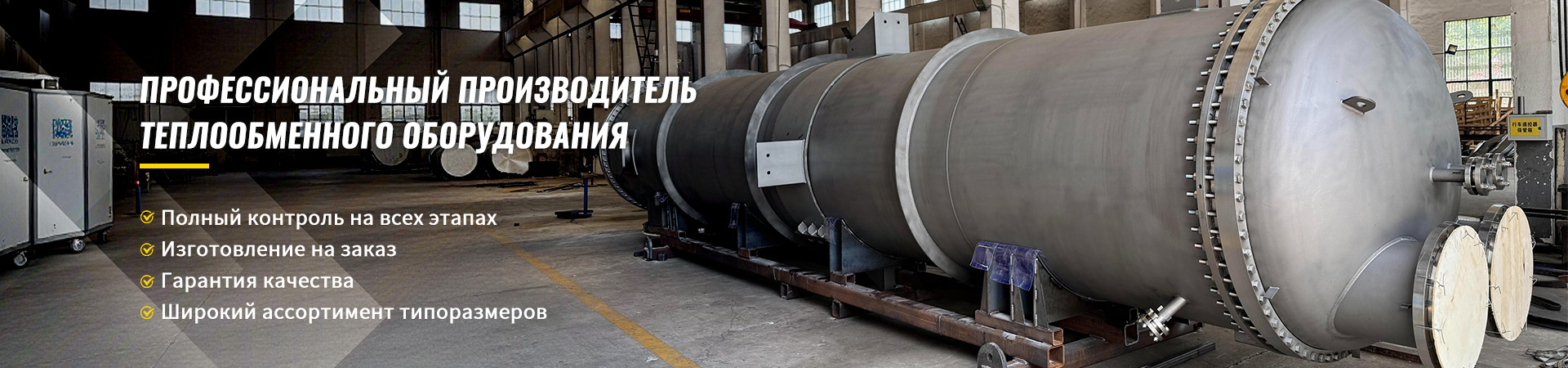
The effectiveness of diagnostics and subsequent repairs directly depends on the quality of the equipment used. While drones help identify problems at an early stage, the reliability of the process equipment itself determines the longevity and safety of the entire production cycle. In this context, it is of particular importance to select a supplier of heat exchange and petrochemical equipment that can offer solutions that are resistant to the most aggressive environments.
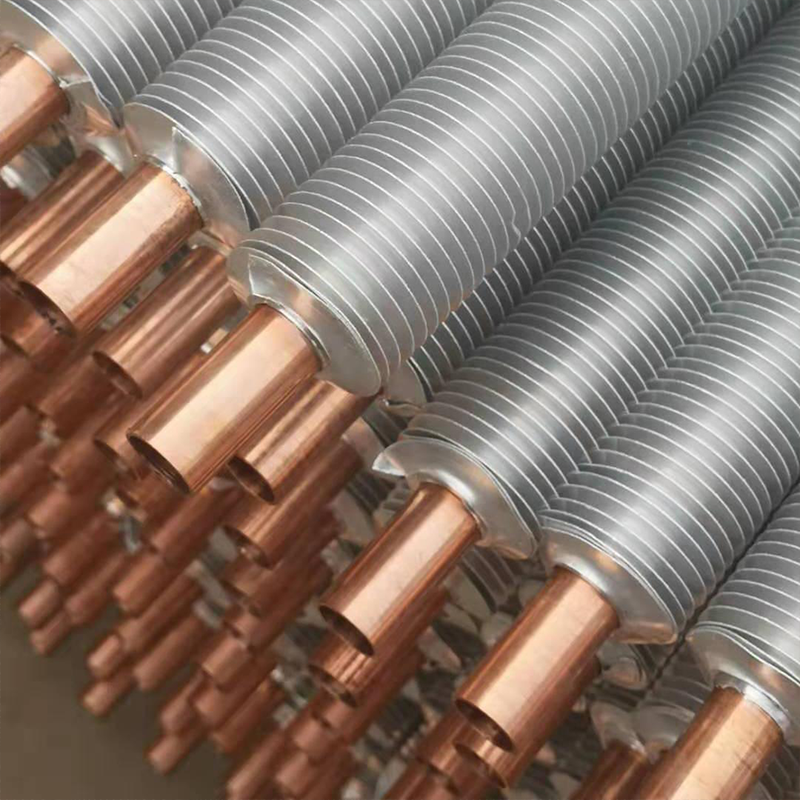
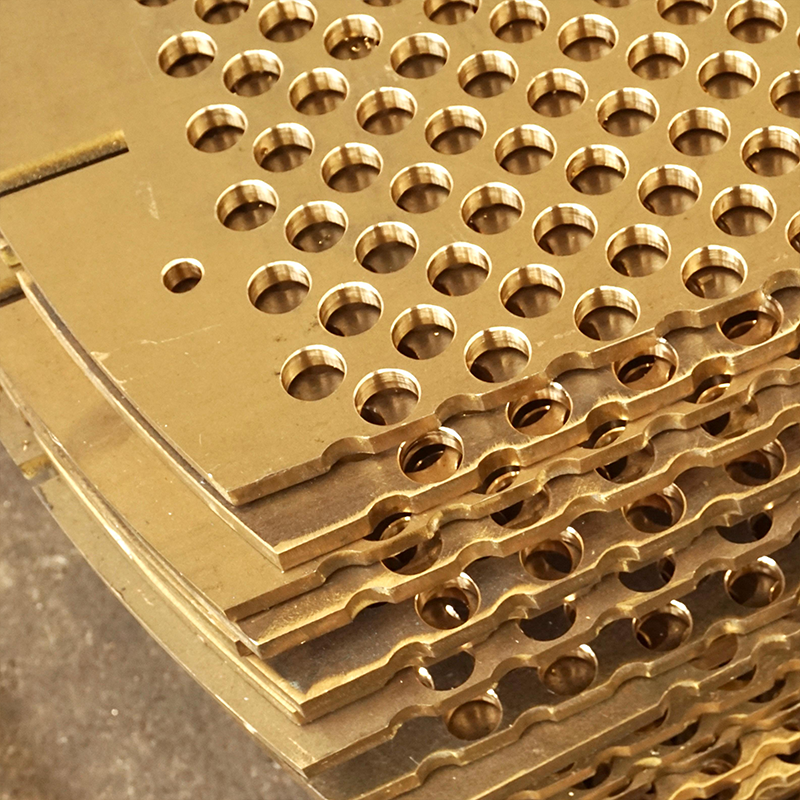
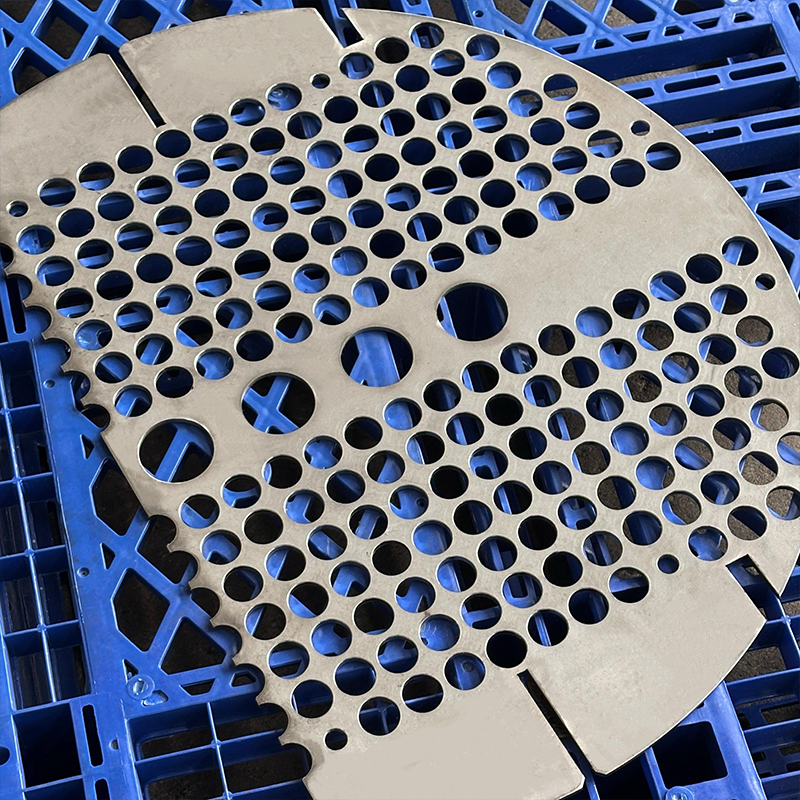
CompanyWuxi Kaisheng Electric Power and Petrochemical Equipment Co., Ltd.specializes in the development and production of high-quality equipment for the oil refining, petrochemical and energy industries. The company's products, including titanium shell-and-tube heat exchangers, ASME high-pressure heat exchangers, and corrugated tube bundles made from 316 stainless steel, C46400 marine brass, and nickel alloys (N06625), are designed to withstand the most demanding operating requirements. Products are certified to international PED and ASME standards, offering exceptional corrosion resistance and the ability to withstand extreme pressures and temperatures.
It is equipment such as air coolers, waste heat boilers and tube sheets made of special alloys supplied by Wuxi Kaisheng LLC that become the key to the smooth operation of enterprises whose tanks and pipelines are regularly inspected by drones. When diagnostics identify potential risks, the availability of reliable components made from carbon steel, stainless steel, titanium or copper-nickel alloys allows for rapid replacement or upgrade of components, preventing accidents. The synergy of advanced diagnostic methods (drones) and high-end production equipment (Wuxi Kaisheng LLC) forms the basis for a safe and cost-effective future of modern industry.
Frequently Asked Questions
Can a drone perform ultrasonic testing of metal thickness?
A standard drone with a camera is not. However, there are specialized contact drones equipped with manipulators and ultrasonic sensors (UT crawlers or drones with contact probes). They can press a sensor against a wall and transmit data in real time. Such systems are more expensive and more difficult to pilot, but they allow you to measure metal thickness without scaffolding. If you need specific thickness, check with the contractor about the availability of such equipment, since a normal visual inspection only indirectly indicates the problem.
Do I need to stop a tank for drone inspection?
In most cases, no. Drones allow for external inspection of a working tank. The exception is cases when inspection of internal structures (pontoons, columns) is required or when product vapors are so dense that they block the camera’s view. For external VIM (visual measurement control) no stop is required, which is the main economic advantage of the technology.
What weather is considered unsuitable for flying?
Manufacturers indicate different limits, but the “gold standard” for a quality inspection is: wind up to 10 m/s, absence of precipitation (rain, snow), temperature within the operating range of the batteries (usually from -10°C to +40°C for standard models). Fog and low clouds are also a limitation, as they reduce the pilot's visibility and the quality of optical images. Flying in stormy weather is prohibited by safety regulations.
Who is responsible if a drone falls on a tank?
Responsibility lies with the operator (pilot) and the legal entity that owns the drone. This is why having liability insurance is critical. Professional service companies always include the cost of insurance in the contract. A drone falling onto a working facility can cause sparks and fire, so requiring insurance is a mandatory requirement for a contractor to enter the facility.
Conclusion and next steps
The introduction of drones to inspect tall vertical tanks is no longer an experiment and has become an industry standard for efficiency. The numbers speak for themselves: reducing costs by 3–4 times, speeding up processes by 10 times and completely eliminating the risk to human life make this technology the only alternative for a modern industrial enterprise. However, success depends not only on the presence of a drone, but also on the qualifications of the team, the correct choice of equipment for your tasks and compliance with all safety standards.
If you're ready to modernize your asset maintenance process and move to a digital level of control, start by auditing the current condition of your tanks. Determine which assets require the most frequent inspections and calculate the potential savings from eliminating scaffolding.Contact us todayto get advice on selecting equipment or ordering inspection services. Our experts will help you develop an individual monitoring program that will pay for itself after the first cycle of inspections. Don't put off safety and efficiency until later—the future of industrial diagnostics is now.