
Business plan for opening a workshop for the production of PE sheets”
2026-08-26
- Structure and key performance indicators of a business plan for a PE sheet workshop
- Market analysis and niche selection: primary vs secondary raw materials
- Technological equipment and calculation of production capacity
- Financial model: CAPEX, OPEX and break-even point
- Organizational plan and personnel requirements
- Quality standards and product certification
- Sales strategy and distribution channels
- Risk analysis and ways to minimize them
- Conclusion and next steps
Structure and key performance indicators of a business plan for a PE sheet workshop
A business plan for opening a workshop for the production of PE sheets is not just a formality for the bank, but a detailed roadmap that determines the return on investment in a highly competitive polymer market. In our practice, we have seen dozens of projects that failed precisely because of an incorrect calculation of the break-even point or the selection of equipment with excess capacity that was idle 40% of the time. The actual margins for the production of polyethylene sheets today range from 18–25%, but only under strict control over the raw material base and energy consumption of extruders. If you are planning to launch a line with a capacity of 300 to 500 kg/hour, the minimum entry threshold will be about 15–20 million rubles, excluding the cost of land and capital construction of the building. The key mistake of beginners is focusing on the price of equipment at the expense of the quality of the cooling system and calibration, which directly affects the geometry of the sheet and the percentage of defects.
The document should clearly answer the question: why will your product be purchased if giants like SIBUR or local processors with an established customer base are already present on the market. A successful plan is based on three pillars: access to cheap secondary or primary granulate (HDPE, LDPE), long-term contracts with construction companies or agricultural holdings, and technological flexibility of the line for rapid transition between thicknesses from 1 mm to 50 mm. We strongly recommend including in the financial model a working capital reserve for at least 4 months of work, since the deferred payment for large B2B customers in the construction sector often reaches 60–90 days. Ignoring this factor of the cash gap led to the stoppage of one of our clients in the Krasnodar Territory already in the sixth month of work, despite a full portfolio of orders.
Market analysis and niche selection: primary vs secondary raw materials
The market for polyethylene sheets in Russia and the CIS countries is showing steady growth driven by import substitution in construction and agriculture, however, the structure of demand varies dramatically depending on the type of raw material. Production from primary granulate (HDPE 273-83, PVD 15803-020) is aimed at the food industry, medical institutions and the manufacture of containers for aggressive chemical environments, where hygiene certificates and odorlessness are critical. The recycling segment (re-granulate) accounts for up to 60% of the market in monetary terms and serves the needs for foundation waterproofing, temporary shelters for construction sites and laminate underlays. The choice of strategy depends on your budget: a line for virgin plastic requires more expensive extrusion equipment with precise filtration of the melt (mesh bags up to 120 mesh), while working with secondary plastic allows the use of simpler units, but creates serious logistical difficulties in collecting and sorting waste.
In 2025–2026, there is a trend towards stricter environmental requirements, which makes production from recycled materials a promising, but risky direction. Source:Plastics Processors Associationnotes that the shortage of high-quality flex and agglomerate leads to price volatility, which can reach 15% within a month. If you decide to work with raw materials supplied by customers, your margin will drop to 10-12%, but you will get rid of the procurement risks. To start, we recommend a hybrid model: load 70% of the capacity with orders for sheets from recycled HDPE for construction (thickness 2–10 mm), and leave 30% for premium orders from virgin HDPE for the food industry. This will help smooth out seasonal fluctuations in demand, since construction stops in winter, and the need for containers for the food industry remains stable.
Sales geography also dictates the choice of raw materials. In central regions with a high population density, it is easier to organize the collection of secondary raw materials, while in Siberia or the Far East, waste logistics can eat up all the profits, and it is more profitable to transport primary granulate by rail containers. One of our partners in Novosibirsk tried to launch a workshop exclusively on local secondary waste, but was faced with the fact that waste suppliers could not guarantee a volume of more than 5 tons per day, which led to line downtime and overheating of the screws during frequent starts and stops. Therefore, the market analysis section of your business plan must include a map of suppliers of raw materials within a radius of 500 km from the workshop with confirmed shipment volumes.
Technological equipment and calculation of production capacity
The heart of any workshop is the extrusion line, and it is here that 80% of future operating costs and product quality lie. For the production of PE sheets with a thickness of 0.5 to 50 mm, the most common are flat-slit extruders with a screw diameter of 90 to 150 mm. When choosing equipment, you cannot look only at the declared productivity in kg/hour; A critical parameter is the ratio of auger length to diameter (L/D). To process secondary raw materials with non-uniform bulk density, an L/D ratio of at least 30:1 is required to ensure high-quality melting and homogenization of the melt. Using short screws (24:1), which are often offered by budget Chinese manufacturers, will lead to the fact that when you try to increase the drawing speed, you will end up with a sheet with non-fusion and low mechanical tensile strength.
The calibration and cooling system is the second most important component, which is often underestimated. A high-quality sheet should have ideal geometry without wavy edges (“dog ears”) and internal stresses. We recommend installing vacuum calibrators with separate cooling zones and an automatic water level support system. An error in the design of the cooling table, when the length of the zone is insufficient for crystallization of the polymer before drawing, leads to deformation of the sheet immediately after winding or cutting. In our practice, there was a case when a client saved on the length of the cooling table (4 meters were installed instead of 6 meters), and as a result, a batch of 10 mm thick sheets was twisted into a spiral 24 hours after production, which resulted in the return of the entire batch and a fine of 30% of the contract value.
The choice between single-layer and multi-layer (3-5 layers) line determines your flexibility. Multilayer coextruders allow you to combine layers: for example, make a middle layer from cheap recycled granulate, and the top and bottom from primary granulate with the addition of a UV stabilizer or antistatic agent. This reduces the cost per square meter by 15–20% while maintaining high surface properties. However, such lines are more difficult to set up and require a more qualified operator. To start a small business (up to 500 thousand rubles in monthly revenue), a reliable single-layer line with the ability to quickly replace filter bags is sufficient. Be sure to include in your budget the purchase of a crusher to return scraps (edges) to the extruder - this is a standard practice that allows you to reduce raw material consumption by 5–7%.
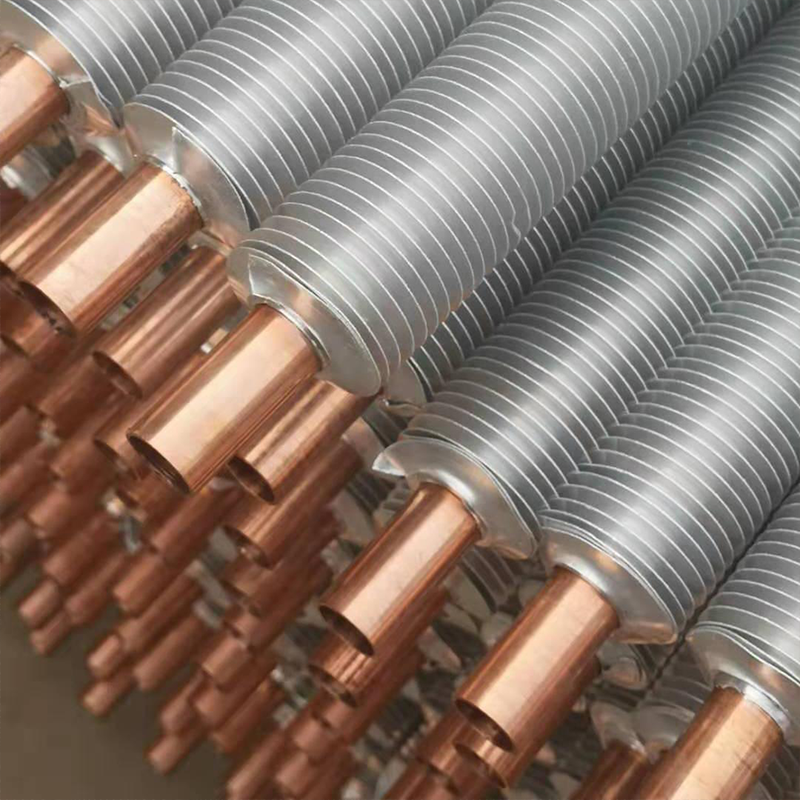
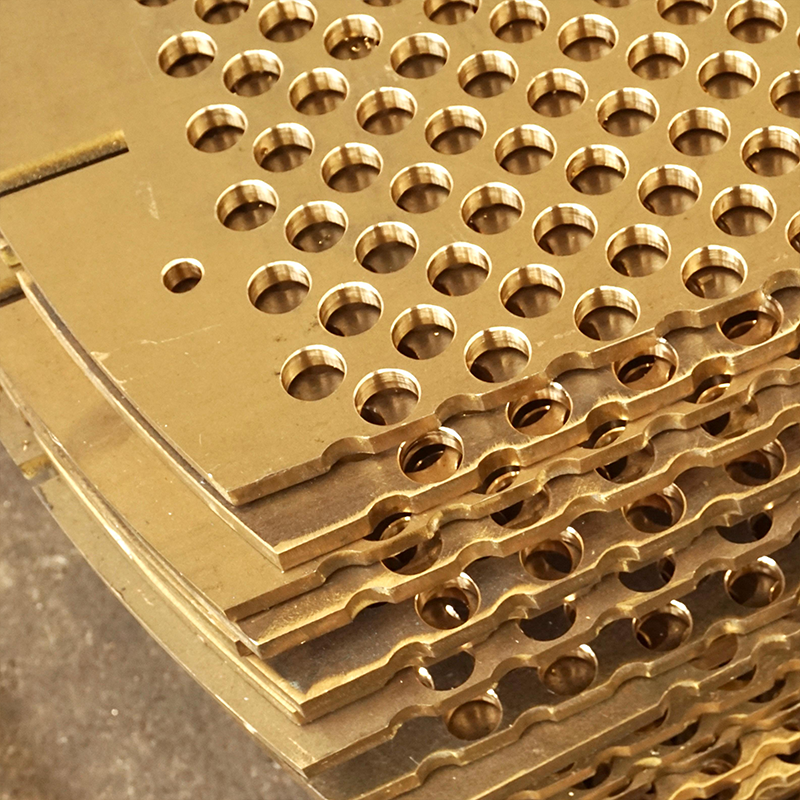
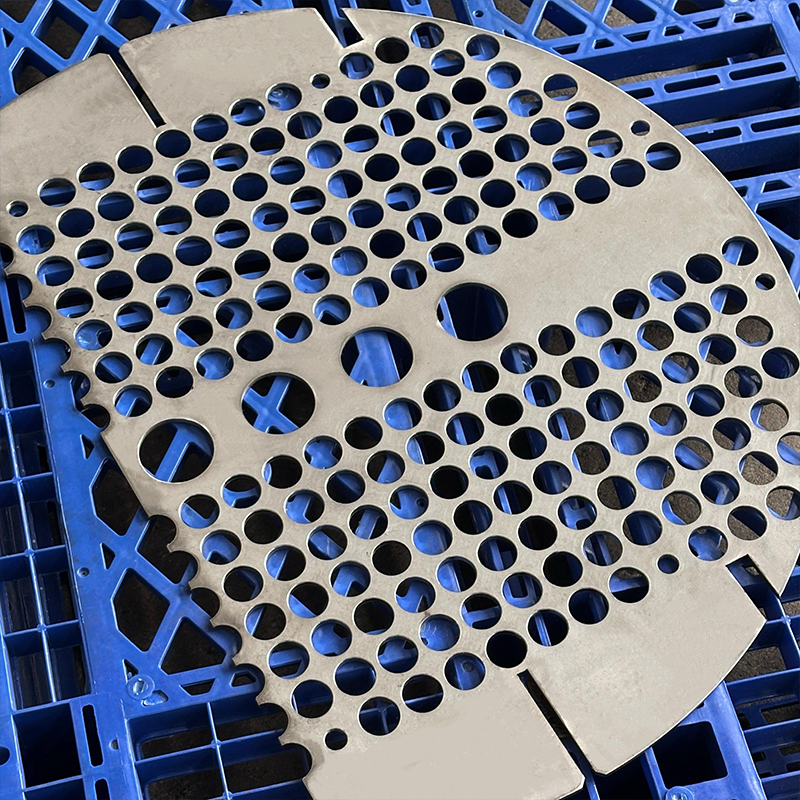
Energy consumption is the second largest expense item after raw materials. A modern extruder with a diameter of 120 mm consumes from 90 to 130 kW per hour, depending on productivity and the type of material being processed. The business plan must include electricity tariffs taking into account possible growth and provide for the installation of frequency converters on drawing and winding motors, which allows saving up to 10% of electricity. It is also important to consider the need for compressed air for pneumatics and water for cooling. This is where the reliability of heat exchange equipment plays a decisive role: effective heat removal ensures stability of extrusion temperature conditions. Companies specializing in high-tech power and petrochemical equipment, such as Wuxi Kaisheng LLC, offer solutions critical to maintaining a smooth refrigeration cycle. Their products, including titanium shell-and-tube heat exchangers, air coolers and chillers made of corrosion-resistant alloys (316 stainless steel, C46400 marine brass, copper-nickel alloys), are certified to ASME and PED international standards. The use of such equipment guarantees high thermal efficiency and resistance to aggressive environments, which is especially important when organizing closed water cooling cycles in regions with hard water or when working under high load conditions typical for round-the-clock production of plastic sheets.
Financial model: CAPEX, OPEX and break-even point
The calculation of start-up investments (CAPEX) should be as detailed as possible to avoid cash gaps at the launch stage. In addition to the cost of the main extrusion line, the estimate must include the costs of auxiliary equipment: a compressor station, a water treatment system, a waste granulator, weighing equipment and packaging machines. Don’t forget about the costs of commissioning work (PW), which usually amount to 10–15% of the cost of the equipment, and delivery with customs clearance if the equipment is imported. Real example: a project with an equipment budget of 10 million rubles required an additional 2.5 million rubles for installation of ventilation, reinforcement of floors in the workshop (the load from the lines is high) and connection of electrical power over 150 kW, which was not initially known.
Operating expenses (OPEX) form the cost of finished products. The cost structure of a typical workshop is as follows: raw materials - 60-70%, electricity - 10-15%, wages - 10-12%, depreciation, etc. - 5-8%. It is critically important to correctly calculate the rate of consumption of raw materials. The theoretical consumption is equal to the density of polyethylene (0.92–0.96 g/cm³) multiplied by the volume of the sheet, but in practice it is necessary to add 5–8% for technological losses (edge allowances, defects during startup, dust). If the business plan includes an ideal cost without losses, the actual margin will be several percentage points lower than the calculated one, which can make the project unprofitable at current granulate prices.
The break-even point for a medium-capacity workshop (300–400 kg/hour) is usually reached at capacity utilization of 45–55%. This means that you need to sell about 4-5 tons of finished products per day when working in one shift to cover all fixed and variable costs. The payback period (ROI) in current realities ranges from 18 to 30 months. A quick payback (less than 1.5 years) is possible only when working in two shifts and having your own sales channels with a high margin, or when using very cheap secondary raw materials from your own collection. When lending to such projects, banks often require a DSCR (debt coverage ratio) of at least 1.3, which implies a margin of safety in the cash flow.
The sensitivity of the project to changes in raw material prices is extremely high. An increase in the cost of granulate by 10% at fixed sales prices for finished sheets reduces net profit by almost 40–50%. Therefore, in the financial section of the business plan it is necessary to provide for a mechanism for indexing prices in contracts with clients or hedging risks through forward contracts for raw materials. We recommend creating a warehouse stock of raw materials for at least 2 weeks of work in order to level out short-term price surges, but not to freeze excess capital, since the turnover of funds in the production of plastic sheets should be high.
Organizational plan and personnel requirements
The success of production depends not only on machines, but also on the qualifications of people. The minimum staff for one shift includes: a shift supervisor (technologist), 2 extrusion line operators, 2 workers in the cutting and packaging area, and a loader driver. The key figure is a technologist who knows how to adjust the temperature profiles of the extruder heating zones for a specific batch of raw materials. Since the properties of recycled granulate can vary from batch to batch, the operator must be able to quickly adjust the speed of rotation of the auger and pull shafts to avoid tearing of the web or changes in thickness. It is difficult to find a ready-made specialist on the labor market, so you need to budget for the costs of training personnel directly from the equipment supplier or hiring an engineer-mentor for the first month of work.
The operating mode of the workshop directly affects the economy. It is not profitable to stop and start extruders frequently: the process of reaching the operating mode takes from 40 minutes to 2 hours, during which defective products are produced and energy is wasted. Optimal is a 24-hour work schedule (3 shifts) or at least a two-shift schedule (16 hours). Working in one shift (8 hours) is permissible only at the initial stage of technology debugging or when fulfilling highly specialized orders, but it sharply increases the unit cost of production due to high fixed costs. The business plan should include a weekly or monthly maintenance schedule to prevent sudden breakdowns of augers or heaters.
Requirements for the workshop premises include a ceiling height of at least 4–5 meters (for installation of a crane beam and placement of vertical loading bins), the presence of concrete floors with a load of at least 5–7 tons per square meter. m and good supply and exhaust ventilation. When processing plastic, especially recycled plastic, it is possible to release specific odors and microparticles, therefore an air aspiration and filtration system is a mandatory requirement of sanitary standards (SanPiN). Ignoring this aspect may lead to fines from Rospotrebnadzor and complaints from neighboring businesses or residential areas. It is also necessary to provide a storage area for finished products, since rolls and sheets occupy a significant volume, and their storage requires a dry, heated room to avoid condensation and freezing.
Quality standards and product certification
To legally sell products on the territory of the Russian Federation and the EAEU countries, it is necessary to comply with the technical regulations of the Customs Union. The main document for general-purpose polyethylene sheets is GOST or developed Technical Conditions (TU), if you produce products with specific properties. Certification can be mandatory (declaration of conformity) or voluntary, depending on the field of application. For example, sheets that come into contact with drinking water or food products require mandatory receipt of a Certificate of State Registration (CGR) and a hygienic examination. The absence of these documents prevents access to large tenders and cooperation with chain retailers or construction holdings.
Quality control should be built into the process rather than an afterthought. The main parameters to be checked are: sheet thickness (tolerance is usually ±5–10% depending on the accuracy class), width, density, tensile yield strength and elongation at break. To measure thickness, it is recommended to use non-contact laser sensors installed directly on the line, which allow the operator to see deviations in real time. Periodic laboratory tests (once per shift or batch) on the tensile testing machine are required to confirm the declared characteristics. In our practice, refusal of incoming inspection of raw materials and output inspection of finished products led to the fact that a batch of sheets for waterproofing could not withstand the loads during installation, which caused complaints and loss of reputation of the plant.
An ISO 9001 quality management system is not required by law, but its implementation significantly increases the confidence of large B2B customers, especially if you plan to export or work with government corporations. The presence of a certified system guarantees the buyer the stability of product parameters from batch to batch. In addition, for some types of products (for example, geomembranes for solid waste landfills) special environmental safety certificates are required. The risk section of the business plan should include costs for annual inspection certification and laboratory support, as these costs can add up to a significant amount for a small operation.
Sales strategy and distribution channels
The sale of polyethylene sheets has its own specifics: this is a product where logistics and deferred payment play a decisive role. The main sales channels can be divided into three groups: direct sales to large wholesalers and dealers, work with construction companies and tenders, as well as retail sales through your own website or marketplaces (for small formats). Direct contracts with manufacturers of containers or greenhouses ensure stable loading, but require a deferred payment of up to 60 days and strict penalties for missed delivery deadlines. Working with dealers allows you to receive money faster (often prepayment or payment upon shipment), but the margin in this case is reduced by 15–20%, since the dealer sets his own markup.
Pricing should be flexible and transparent. Clients in this segment are well aware of exchange prices for polyethylene (ICE Plastics, regional data) and the formula for calculating the price of the finished sheet: cost of raw materials + processing + markup. An attempt to inflate the price without justification by the unique properties of the product will lead to the loss of the client. An effective strategy is to offer a service: free delivery for orders over a certain amount, cutting to size according to customer drawings, the ability to produce sheets of non-standard width. These services have low cost for the manufacturer, but high value for the buyer who wants to minimize their cutting waste.
Marketing in the B2B sector works differently than in retail. What is important here is not bright banners, but the availability of an up-to-date price list, technical product cards and samples. Participation in specialized exhibitions (for example, RosUpack, Buildex) and posting information on industry portals provide a good flow of targeted leads. SEO promotion of the site for the queries “buy HDPE sheet”, “manufacturer of polyethylene sheets” is mandatory, since suppliers are looking for suppliers on the Internet. It is important to have a section on the website with cases and reviews, which show real objects where your products were used. One of our clients increased website conversion by 40% by simply adding a video review of their production and sheet tear tests, which removed questions about quality from remote buyers.
Risk analysis and ways to minimize them
Any manufacturing business involves risks, and the task of a business plan is not to hide them, but to offer management mechanisms. The main risk is raw materials. Dependence on monopolists or imports of granules can lead to a stop in production. Mitigation: diversification of suppliers (minimum 3 counterparties), concluding long-term contracts with fixed volumes, creating a buffer warehouse for raw materials. The second serious risk is technological defects. A broken auger or heater can shut down the line for several days. Mitigation: availability of a set of spare parts (heating elements, thermocouples, filter meshes) in the warehouse, agreement with the equipment manufacturer’s service department for emergency service.
Market risks are associated with falling demand in the construction sector, which is cyclical. During the crisis, construction volumes are reduced, and the demand for waterproofing and covering materials falls. Mitigation: expanding the range with products for other industries (agriculture, advertising, packaging), which are less dependent on the season. It is also worth considering the possibility of exporting to neighboring countries, where competition may be lower. Financial risks (growth in exchange rates, if some of the equipment or additives are imported) are hedged by currency clauses in contracts or by purchasing additives from local distributors.
Personnel risk—the departure of a key technologist to competitors. In small production, one person often controls all the technology. Mitigation: filing patents for utility models (if there are unique recipes), motivating staff through KPIs and a percentage of profits, maintaining detailed logs of equipment settings so that knowledge does not go away with the person. We've seen cases where the departure of the lead service technician paralyzes the shop for a month while they search for a replacement, so cross-training of employees is a mandatory element of the organizational structure.
Conclusion and next steps
Opening a workshop for the production of PE sheets remains a profitable business, subject to a competent approach to choosing a niche and strict cost control. The market requires not just “plastic”, but a high-quality product with stable characteristics and service support. Success awaits those who can offer the best price-quality ratio, using modern processing technologies and building transparent relationships with suppliers and clients. Don’t try to compete only on price with the big players - your advantage is in flexibility, speed of response and an individual approach to the order.
If you're ready to move from planning to execution, start by auditing available raw material sources in your area and engaging in preliminary conversations with potential anchor customers. A business plan for opening a workshop for the production of PE sheets should become a living document that you will adjust as you receive feedback from the market. We recommend ordering a professional feasibility study for the specific equipment you are considering to avoid errors in assessing power and energy consumption. Contact us today for advice on selecting extrusion equipment and developing an individual strategy for launching your production.
For an in-depth study of the topic, we recommend that you read our materialplastic sheet production equipment, where the technical nuances of choosing extruders are discussed in detail.