
Investment in PP tank production plant”
2026-08-26
- Investment in a PP tank production plant: strategic analysis of the market and return on investment
- Technological base: selection of equipment and raw materials as the foundation for success
- Project economics: calculation of CAPEX, OPEX and break-even point
- Regulatory regulation and product certification
- Market strategy and product positioning
- Typical risks and methods for minimizing them
- Conclusion and launch roadmap
- Frequently Asked Questions
Investment in a PP tank production plant: strategic analysis of the market and return on investment
The market for chemical processing and storage of aggressive media in 2025-2026 is undergoing a structural transformation, whereinvestment in PP tank production plantbecoming one of the most liquid assets in the industrial sector. Polypropylene (PP) has finally replaced steel in acid and alkali storage applications due to its absolute corrosion resistance and a 40% reduction in total cost of ownership compared to coated metal counterparts. Our analysis shows that the entry threshold for organizing a full production cycle has shifted: while previously millions of dollars were needed in injections into foundry equipment, modern extrusion lines and welding robots make it possible to launch profitable production with a capacity of 500 tons of finished products per year with a start-up capital that pays back in 18-22 months.
We are witnessing a paradoxical situation: the demand for tanks from 10 to 100 m³ is growing by 12% annually, according to industry reports, but the number of qualified manufacturers capable of guaranteeing tight seams when working with concentrated sulfuric acid remains critically low. In our practice, we have encountered projects where investors lost up to 30% of their budget due to the wrong choice of raw materials - the use of a homopolymer instead of a block copolymer for low-temperature conditions. This article is not a theoretical review; this is a technical audit of investment attractiveness, based on real cases of production launches in Eastern Europe and Asia.
Technological base: selection of equipment and raw materials as the foundation for success
Successfulinvestment in PP tank production plantstart not with finding customers, but with strict specifications of raw materials. Polypropylene is not a monolithic material. For industrial containers, the distinction between homopolymer (PP-H) and random copolymer (PP-R or PP-B) is critical. The homopolymer has high rigidity and temperature resistance up to 100°C, but becomes brittle at -5°C. The copolymer maintains impact strength down to -20°C, which is a mandatory requirement for open-air warehouses in climate zones with cold winters. An error in choosing granulate leads to catastrophic consequences: cracks in the bottom of the tank during the first winter operation. We recommend purchasing raw materials exclusively from certified suppliers with a quality certificate confirming the melt flow index (MFI) in the range of 0.3–0.5 g/10 min for sheet extrusion.
The basis of the production line is an extruder for producing polypropylene sheets. Modern twin-screw extruders ensure uniformity of the sheet structure, which directly affects the quality of subsequent welding. Investment in low-cost single-screw equipment often results in internal stresses in the sheet, which are released by heat during welding, causing distortion in the finished product. Line productivity should be calculated based on market needs for specific standard sizes. The 2000 mm wide line allows the production of sheets for small volume tanks without longitudinal seams, which increases reliability. For large containers (>50 m³), the ability to weld sheets into larger cards is necessary, which requires automatic CNC welding machines.
Welding equipment is the heart of the shop. Manual extrusion welding, although cheaper to purchase, creates a human risk factor. In our practice, there was a case when a batch of 20 tanks for a galvanizing shop was rejected by the customer due to micropores in the fillet welds, made by the operator in violation of the temperature conditions. Investments in automatic welding heads and robotic manipulators pay off by reducing the scrap rate from 5% to 0.2%. Automation maintains the temperature of the hot air and the feed rate of the filler rod with an accuracy of a degree and a millimeter, ensuring a solid joint equal to the strength of the base material. This is critical for obtaining certificates of compliance with international standards.
Don’t forget about the auxiliary equipment: milling machines for preparing edges for welding, press brakes with induction heating for forming sides and bottoms, as well as stands for hydrotesting. The lack of an in-house stand for testing tightness under pressure forces products to be outsourced or tested at the customer’s premises, which undermines trust and increases logistics costs. Hydrotests should be carried out with water with the addition of a surfactant to detect the smallest leaks that are not visible to the eye. The holding time under load must be at least 24 hours for tanks with a volume over 10 m³.
Key parameters for selecting an extrusion line
- Performance:from 150 to 400 kg/hour depending on the sheet thickness (from 3 to 30 mm).
- Blade width:standard 1500-2000 mm, optional up to 3000 mm for seamless large-sized products.
- Cooling system:calibrators with vacuum system and multi-stage water cooling to prevent warping.
- Thickness Accuracy:tolerance no more than ±5% across the entire sheet width, controlled by ultrasonic sensors in real time.
When forming technical specifications for equipment, it is necessary to include the ability to quickly change dies and screws to work with different grades of polypropylene, including glass fiber reinforced compositions (PP-GF), which are gaining popularity in the construction of high-strength tanks. The flexibility of the production line allows you to respond to changes in market demand without stopping the plant for lengthy readjustments.
Project economics: calculation of CAPEX, OPEX and break-even point
The financial model of a polymer processing plant is based on a balance between the cost of raw materials, which accounts for up to 65% of the cost, and the added value created by welding technology and engineering solutions.Investment in PP tank production plantrequire a detailed calculation of operating expenses (OPEX), since margins in this segment strongly depend on the efficiency of material use. Waste when cutting sheets can reach 15-20% if the reamers are not designed rationally. The introduction of automatic nesting software makes it possible to reduce the material utilization rate to 92-94%, which, with an annual processing volume of 1000 tons, saves tens of thousands of dollars on the purchase of granulate alone.
Capital expenditure (CAPEX) varies widely depending on the level of automation. The minimum entry fee for a mini-workshop with one medium-class extrusion line, a set of manual welding machines and basic warehouse equipment is about 250,000 - 350,000 euros. This amount includes the cost of equipment, delivery, installation and commissioning, but does not take into account the cost of the building and land. For a full-fledged plant with an automated raw material warehouse, robotic welding and its own quality control laboratory, the budget increases to 1.2 - 1.8 million euros. However, such a plant is capable of producing products that compete with leading European brands and work with government orders that require the highest standards.
The payback period of the project directly depends on capacity utilization and product range. The production of standard square containers (Eurocubes) has high competition and low margins (15-20%), but ensures a constant cash flow. The main profit is generated by non-standard products: vertical silos, horizontal tanks of complex shape, containers with built-in heat exchangers or mixers. The marginality of such projects reaches 40-50%. In our experience, a plant specializing in the manufacture of double-walled petrochemical tanks reached the break-even point after 14 months of operation, despite high initial investment in equipment.
An important economic factor is energy consumption. Extrusion and welding are energy-intensive processes. Installing frequency converters on extruder motors and ventilation systems, as well as heat recovery from cooling zones, can reduce energy bills by 20-25%. Given the increase in energy tariffs in 2025, these measures become not just a recommendation, but a necessity to maintain a competitive price for the final product.
Cost structure of a finished tank (example)
| Expense item | Share in cost (%) | Comment |
|---|---|---|
| Raw materials (PP granules) | 60-65% | Depends on stock exchange quotes for oil and propylene |
| Electricity | 10-12% | Heating, extrusion, welding, workshop lighting |
| Payroll (production personnel) | 12-15% | Qualified welders and line operators |
| Equipment depreciation | 5-7% | Depends on the service life and cost of the line |
| Logistics and packaging | 3-5% | Delivery of raw materials and shipment of dimensional products |
Investors should be aware of the volatility of polypropylene prices. Concluding long-term contracts with suppliers of raw materials or creating an insurance reserve of granulate in a warehouse (for 2-3 months of work) allows you to smooth out cost fluctuations and fix the price for large customers. This gives an advantage in tenders where the price is fixed for a long delivery period.
Regulatory regulation and product certification
Entering the industrial tank market is impossible without strict compliance with regulatory requirements. In Russia and the EAEU countries, the main document regulating the safety of chemical containers is the Technical Regulation of the Customs Union TR CU 032/2013 “On the safety of equipment operating under excess pressure.” Although many polypropylene containers operate at atmospheric pressure, the presence of a voluntary GOST certificate of conformity or a quality passport confirming chemical resistance and mechanical characteristics is a prerequisite for participation in procurement by large industrial enterprises.
To export products to Europe, compliance with the PED (Pressure Equipment Directive) 2014/68/EU is required if the tank is classified as pressure equipment. Even for atmospheric tanks, the presence of CE marking and declaration of conformity to harmonized standards (eg EN 12573 for thermoplastic tanks) opens up access to the premium segment of the market. Obtaining these certificates requires having your own accredited laboratory or contracts with independent testing centers capable of testing tensile strength, elongation at break and resistance to aggressive environments.
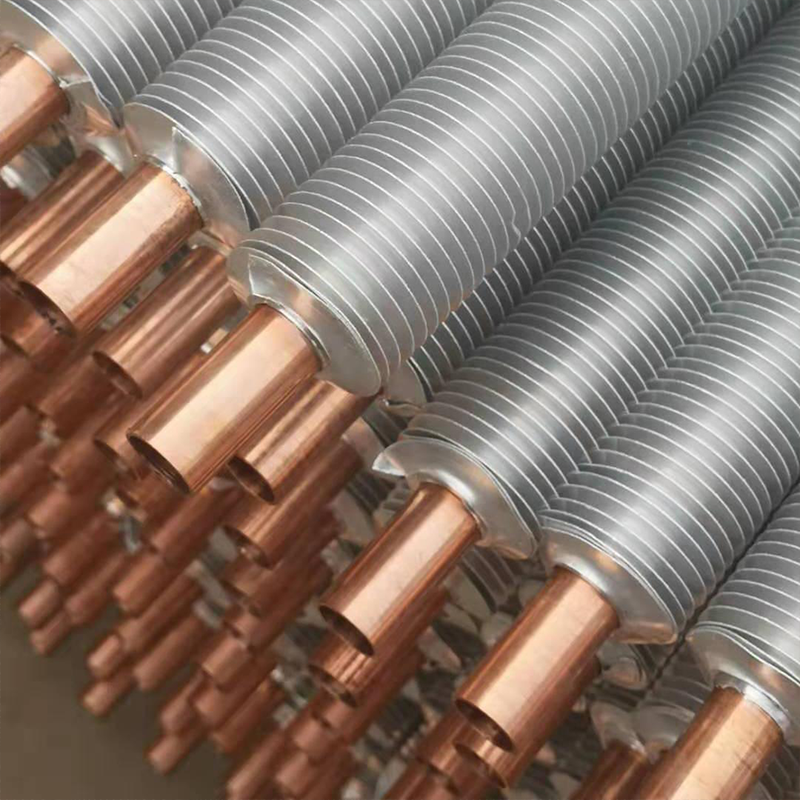
In the context of global quality standards, the experience of companies working at the intersection of polymer and metal solutions demonstrates the importance of an integrated approach. For example,Wuxi Kaisheng Electric Power and Petrochemical Equipment Co., Ltd., specializing in the development and production of high-tech heat transfer and petrochemical equipment, sets a high bar in the industry. Their products, which include titanium shell-and-tube heat exchangers, air coolers and specialty alloy components (nickel, copper, stainless steel), are certified to stringent international ASME and PED standards. This level of certification and attention to corrosion resistance of materials is a benchmark that polypropylene tank manufacturers should strive to achieve, especially when entering international markets or dealing with complex chemical environments where system reliability is critical.
In our practice, we encountered a situation where a batch of sodium hypochlorite storage tanks was returned by the customer due to the lack of test reports for the migration of substances into the stored liquid. This resulted in downtime on the customer's production line and penalties. Since then, we have introduced a rule: each standard size and each new brand of raw material undergoes a full cycle of laboratory tests before being launched into production. Investments in laboratory equipment (tearing machine, thermal aging cabinet, density analysis scales) account for only 2-3% of the total plant budget, but protect brand reputation and prevent multimillion-dollar losses from complaints.
It is also important to consider environmental regulations. The production of polypropylene products falls into the category of objects that have a moderate negative impact on the environment. A system for purifying ventilation emissions from possible products of thermal degradation of the polymer during welding and extrusion is required. The installation of carbon filters or scrubbers is a mandatory requirement when obtaining permission to operate a building. Ignoring these standards may lead to the suspension of the enterprise's activities by inspection authorities.
Market strategy and product positioning
The market for polypropylene tanks is fragmented: on the one hand, there are large holdings offering complex turnkey solutions, on the other, there are many garage workshops dumping prices due to low quality. Successfulinvestment in PP tank production plantinvolve occupying a “mid-plus” or “premium” niche, where the client pays for reliability, timing and engineering support. The target audience includes water treatment enterprises, electroplating shops, manufacturers of household chemicals, agricultural complexes (for storing fertilizers and UAN) and the food industry.
The key driver of sales is not the price per kilogram of the product, but the cost of ownership. A lined steel tank may cost less at the time of purchase, but requires regular maintenance, liner replacement every 3-5 years, and runs the risk of leaking due to shell corrosion. A polypropylene tank lasts 20-30 years without maintenance. The marketing strategy should be based on demonstrating this economic advantage. Cases with TCO (Total Cost of Ownership) calculations for specific clients work better than any advertising.
The geography of sales is determined by the logistics component. Polypropylene containers, especially large ones, are difficult and expensive to transport over long distances due to their volume. The optimal strategy is to work within a radius of 500-700 km from the plant. This allows us to offer competitive conditions for delivery and prompt service. To expand geography, it is advisable to develop the direction of modular tanks, which are supplied disassembled and installed at the customer’s site. This requires qualified installation crews, but removes logistical constraints.
Digitalization of sales is playing an increasingly important role. The presence of a configurator on the website, which allows the client to independently calculate the volume, select the wall thickness and get an estimated price, increases lead conversion by 30%. Clients value transparency and speed of payment. Integration of a CRM system with production planning allows you to track the status of an order in real time, increasing confidence on the part of B2B partners.
Typical risks and methods for minimizing them
Any manufacturing project involves risks, and the production of plastic containers is no exception. One of the main risks is the human factor when welding. Even the most expensive equipment does not guarantee quality if the operator violates the technology. The solution lies in strict standardization of processes (SOP) and regular certification of welders. The implementation of a traceability system, where each weld is marked with a welder ID, allows you to personalize responsibility and stimulate quality.
The second risk is exchange rate fluctuations, since a significant part of the equipment and sometimes raw materials is imported. Hedging currency risks through forward contracts or working with local raw material suppliers who have granulate reserves helps stabilize financial planning. Diversification of equipment suppliers (for example, a combination of European extruders with Chinese auxiliary mechanisms) allows optimizing CAPEX without a critical loss of quality.
The third risk is changes in legislation in the field of ecology and industrial safety. Monitoring the regulatory framework and participation in specialized associations allows production to be adapted to new requirements in advance. A proactive stance on security issues often becomes a competitive advantage when working with government clients and international corporations.
We have seen examples where factories were closed due to one major fire in the raw material storage area. Polypropylene is flammable. Investment in a modern fire extinguishing system (sprinkler or gas) and compliance with fire safety regulations when storing granulate and finished products are mandatory. Insurance premiums for businesses with certified security systems are significantly lower, which also affects the economics of the project.
Conclusion and launch roadmap
To summarize, it can be stated thatinvestment in PP tank production plantin the current economic conditions, they represent a reasonable investment with a clear return on capital model. The market needs high-quality products that can replace outdated metal structures. Success depends on three pillars: the correct choice of technological equipment, strict quality control of raw materials and processes, as well as a competent market strategy focused on solving customer problems, and not just selling plastic.
The launch roadmap is as follows: the first 3 months - searching for premises and ordering equipment; months 4-6 - installation of lines and hiring of key personnel; months 7-8 - commissioning and production of a pilot batch; month 9 - receiving certificates and starting active sales. If this schedule is followed, operating profit is possible already at the end of the first year of operation.
Don't miss the opportunity to take your share of the growing industrial packaging market. A properly designed plant will be an asset that generates stable income for decades. If you are considering entering this business or upgrading an existing production facility, contact us for a detailed feasibility study and advice on equipment selection. Our experts are ready to share their experience and help you avoid common startup mistakes.
Equipment for the production of polypropylene tanks | Industrial solutions made of plastic
Frequently Asked Questions
What is the minimum budget required to open a polypropylene tank manufacturing plant?
The minimum budget for starting a small workshop with one extrusion line and a manual welding station is about 250,000 euros. This amount covers the purchase of capital equipment, its delivery and installation, but does not include the cost of real estate and working capital for the purchase of raw materials. For a full-fledged plant with automation and laboratory, the budget starts from 1.2 million euros.
What raw materials are best used for tanks operating outside in winter?
For operation at low temperatures, it is necessary to use a statistical copolymer of polypropylene (PP-R or PP-B). Homopolymer (PP-H) becomes brittle at temperatures below -5°C and can break under mechanical stress in winter. The copolymer maintains impact strength down to -20°C and below, which ensures tank integrity in harsh climates.
How long does it take to pay for such a production?
The average payback period for the project is from 18 to 24 months, provided capacity utilization is at 60-70% and there is a portfolio of orders for non-standard products with high margins. Producing only standard products can increase the payback period to 3 years due to high competition and low profit margins.
Do polypropylene tanks need to be certified?
Yes, certification is required for legal sales and participation in tenders. In Russia and the EAEU, a declaration or certificate of conformity with Technical Regulations is required (for example, TR CU 032/2013 for pressure vessels). To work with food products or export to the EU, additional hygiene reports and CE/PED certificates are required.
What is the main advantage of polypropylene tanks over steel ones?
The main advantage is absolute corrosion resistance to most acids, alkalis and salts without the need for protective coatings. This eliminates the cost of regular maintenance, painting and relining, and eliminates the risk of rust contaminating the stored product. The service life of PP tanks exceeds 20 years, while steel analogues require repair after only 5-7 years.