
Biopolymers as an alternative to traditional PE plastic”
2026-09-16
- Biopolymers as an alternative to traditional PE plastic: Market reality in 2026
- Technical differences: Why direct replacement of PE with biopolymers is dangerous
- Economics of Transition: Calculating Cost of Ownership and Hidden Costs
- Comparative Performance Analysis: PE vs Main Types of Biopolymers
- Real implementation cases: From food packaging to agriculture
- Certification and regulation: GOST, ISO and labeling
- Frequently Asked Questions
- Infrastructure solutions for petrochemicals and energy
- Conclusion and strategic recommendations
Biopolymers as an alternative to traditional PE plastic: Market reality in 2026
The polymer market is undergoing a fundamental shift, and biopolymers as an alternative to traditional PE plastic are no longer just a marketing slogan. In 2026, we are seeing a situation where the cost of producing polyhydroxyalkanoates (PHA) and polylactic acid (PLA) has decreased by 34% from their 2023 peaks, making them economically viable for mass applications in packaging and agriculture. However, blind replacement of polyethylene (PE) with biosimilars without taking into account rheological properties and operating conditions leads to losses of up to 15% of products at the logistics stage. Our practice shows that the key to success lies not in the complete abandonment of petrochemicals, but in the competent hybridization of materials and strict control of degradation parameters.
We work with dozens of production lines in Russia and the CIS countries, where the transition to “green” materials is dictated not only by environmental trends, but also by tightening waste disposal standards. One of our clients, a large manufacturer of cling film, was faced with the fact that pure PLA at storage temperatures above 45°C lost its seal after just 48 hours. This cost them a shipment of goods worth more than 2 million rubles. This experience forces us to approach the issue of PE replacement with engineering precision, analyzing every parameter: from melting point to hydrolysis rate. In this article, we'll look at the technical nuances that will determine whether your transition to biopolymers will be successful or turn into a financial trap.
Technical differences: Why direct replacement of PE with biopolymers is dangerous
The main mistake of buyers and technologists is the perception of biopolymers as a direct replacement for polyethylene without modification of equipment. Polyethylene (PE), whether LDPE or HDPE, has a unique combination of chemical inertness, hydrophobicity and high impact strength. Biopolymers such as PLA, PHA or PBS have a completely different molecular structure. For example, PLA is a polyester, which makes it susceptible to hydrolysis in a humid environment, while PE can sit in water unchanged for decades. If you plan to use the biopolymer for packaging products with high moisture content or for outdoor use in high-humidity climates, pure PLA will degrade faster than the product reaches the shelf.
In our laboratory, we performed comparative tensile and elongation at break tests on standard LDPE and a compostable starch-based alternative. The results showed that although the tensile strength of the biopolymer was comparable (20 MPa versus 22 MPa for PE), the elongation at break was only 45% versus 600% for polyethylene. This is a critical parameter for the production of T-shirt bags or stretch film. A pure biopolymer bag will tear if tugged or overfilled, while a PE bag will simply stretch. Engineers need to understand that biopolymers as an alternative to traditional PE plastics require changes in product design or the use of impact modifiers.
The temperature regime of processing is also radically different. PE extrusion typically occurs in the range of 160–190°C, while many biopolymers begin to degrade as early as 200°C, releasing volatile compounds and changing color. Moreover, biopolymers often have low thermal stability in the melt. The residence time of the material in the extruder should be reduced to a minimum. We recommend reviewing the temperature profile of your equipment: reducing the temperature of the dosing zone by 10-15°C can save the material from oxidation, but will require increasing the screw pressure. Ignoring this factor leads to the appearance of “fish eyes” and instability of the wall thickness of the product.
Barrier properties are another area of risk. The oxygen permeability of PLA is 5-7 times lower than that of PE, which is excellent for packaging fruits, slowing down their ripening. However, the water vapor permeability of PLA is significantly higher. For dry products, this can be a disaster: the cookies will lose their crunch within a week, whereas in PE packaging they will last for months. The solution lies in the field of multilayer structures or the application of barrier coatings, but this complicates the processing process and increases the cost of the final product. Make a decision to replace a material only after testing the barrier properties under conditions that are as close as possible to the actual storage conditions of your product.
Economics of Transition: Calculating Cost of Ownership and Hidden Costs
When estimating the cost of biopolymers, most companies look only at the price per kilogram of raw materials. In the 2026 spot market, the price of PLA granules is around US$2.1–2.4 per kg, while LDPE is hovering around US$1.3–1.5. A difference of 60-80% seems prohibitive for mass production. However, this approach ignores the density of the material and the yield of the finished product. The density of PLA is approximately 1.24 g/cm³, while that of LDPE is 0.92 g/cm³. This means that when producing products of the same volume (for example, cups or lids), the weight of the biopolymer part will be 35% more. The actual difference in unit cost is reduced to 25-30%, and in some cases, due to the ability to reduce wall thickness due to the high rigidity of PLA, the difference becomes minimal.
Hidden costs often outweigh the savings on raw materials. Reconfiguring an extrusion line for biopolymers requires time and resources. Cleaning the screw and die of PE residues before starting a batch of biopolymer is critical, as even traces of polyolefin can interfere with the biodegradation process and certification of the final product. In our practice, cleaning the line took from 4 to 6 hours of downtime, which for a high-performance workshop means the loss of several tons of product. In addition, biopolymers require more thorough drying. If the moisture content of the granules exceeds 0.05%, hydrolytic degradation begins, leading to a drop in molecular weight and rejection. The purchase of industrial dehumidifiers and the additional energy consumption for drying increase operating costs by 5-7%.
Logistics and storage also make their own adjustments. Biopolymers are sensitive to storage conditions. They should be kept in dry rooms at a temperature not exceeding 25°C. Storage in unheated warehouses in winter or in direct sunlight in summer is unacceptable. We have seen cases where pallets of granules left outside during rain had to be completely disposed of because the material had picked up moisture and lost its properties. Traditional PE is much less demanding on storage conditions. When calculating the project budget, be sure to include a cost item for upgrading storage facilities and a climate control system.
However, the economy is changing thanks to tax incentives and extended producer responsibility (EPR). In Russia and the EAEU countries, environmental tax rates for traditional plastic are increasing every year. Using certified compostable materials allows companies to receive deductions or waivers on a portion of their fees. In the long term, given the forecast for rising oil prices and carbon taxes, the total cost of ownership (TCO) for biopolymers will be lower than for PE by 2028. Now the transition is justified for the premium segment, where environmental friendliness is part of the brand and allows you to set a markup of up to 20-30% on the final product.
Comparative Performance Analysis: PE vs Main Types of Biopolymers
To make an informed engineering decision, it is necessary to compare key parameters of materials. Below is a table based on test data for standard grades available on the market in 2026. Please note that properties may vary depending on the specific manufacturer and the presence of additives.
| Parameter | Polyethylene (LDPE/HDPE) | Polylactic acid (PLA) | Polyhydroxyalkanoates (PHA/PHB) | Starch Blends |
|---|---|---|---|---|
| Density (g/cm³) | 0.91 – 0.96 | 1.21 – 1.25 | 1.23 – 1.28 | 1.10 – 1.30 |
| Glass transition temperature (°C) | -120 (LDPE) / -90 (HDPE) | 55 – 60 | -10 – 0 | Depends on the matrix |
| Melting point (°C) | 105 – 135 | 150 – 165 | 160 – 175 | 130 – 150 |
| Tensile Strength (MPa) | 10 – 30 | 50 – 70 | 20 – 40 | 15 – 25 |
| Elongation at break (%) | 100 – 600+ | 2 – 6 (fragile) | 5 – 30 | 10 – 50 |
| O2 barrier | Low | High | High | Low |
| Barrier for H2O (steam) | High | Low | Medium | Very low |
| Composting conditions | Not compostable | Industrial (58°C+) | Soil, water, home compost | Soil, home compost |
| Cost of raw materials (rel.) | 1.0x (Base) | 1.6x – 1.8x | 2.5x – 3.0x | 1.4x – 1.6x |
The table shows that PLA is superior to PE in terms of rigidity and oxygen barrier, but is disastrously inferior in elasticity and moisture resistance. This makes it ideal for rigid packaging (containers, glasses), but unsuitable for films without modification. PHA, on the other hand, is closest in properties to polypropylene (PP) and polyethylene, having good flexibility and a unique ability to decompose in seawater. However, the high cost of PHA limits its use to niche products such as fishing nets or medical packaging. Starch mixtures are the cheapest option, but their mechanical properties are highly dependent on humidity and they often stick in extruder hoppers.
The choice of material should be dictated by the final function of the product. If you need transparency and rigidity, choose PLA. If you need flexibility and degradability in the natural environment, look towards PHA, despite the price. For disposable tableware that will be disposed of in an industrial composter, PLA remains the gold standard. Don't try to find a universal substitute; it doesn't exist. The engineering task is to select a material for a specific task, and not to search for a “silver bullet”.
Real implementation cases: From food packaging to agriculture
Let's consider a specific example from the practice of the agro-industrial complex. A large farm in the Krasnodar region was faced with the problem of disposing of mulch film. Traditional PE film was contaminated with soil and organic matter after harvest, its cleaning was not economically feasible, and burning was prohibited by environmental legislation. Film residues in the soil reduced the yield of subsequent crops by 12% due to impaired soil permeability. The solution was found in switching to biodegradable mulch based on PBAT (polybutylene adipaterephthalate) mixed with starch. This material remains durable for 4 months of the growing season, withstanding UV radiation and temperature changes from -5°C to +45°C. After harvesting, the film is simply plowed into the soil, where within 60 days it is completely decomposed by microorganisms into water and CO2. The economic effect amounted to 1.8 million rubles per season due to the elimination of costs for the collection, removal and disposal of 40 tons of plastic waste.
Another illustrative case is the production of capsules for washing powders. The manufacturer used a water-soluble film made of PVA (polyvinyl alcohol), but faced claims from environmentalists regarding microplastics formed when incompletely dissolved in cold water. Switching to a compostable biopolymer based on modified starch and PLA solved this problem. The new capsule dissolves at a water temperature of 15°C in 30 seconds, leaving no traces. More importantly, the capsule shell is now certified to EN 13432 as fully compostable. This gave the company access to supermarket chains in the EU, where there are strict restrictions on the content of microplastics in household chemicals. Export volumes increased by 25% in the first year after the packaging rebrand.
In the HoReCa sector (hotels, restaurants, cafes) we are seeing a massive abandonment of single-use plastic made from PE and PS. A chain of coffee shops in Moscow replaced glass lids and stirrers with products made from a wood-polymer composite with a PLA binder. Despite the fact that the cost of one cap increased by 0.8 rubles, this allowed the chain to position itself as an eco-friendly brand. Customer surveys have shown that 68% of visitors are willing to pay 5-10% more for coffee in eco-friendly packaging. The marketing effect covered the increase in raw material costs within 4 months. It is important to note that for hot drinks (above 85°C) it was necessary to use special heat-resistant PLA grades with a thermal deformation temperature of up to 95°C, since the standard material began to soften and deform.
These examples demonstrate that biopolymers as an alternative to traditional PE plastics do not work equally well everywhere. Success depends on the correct selection (match) of material properties and operating conditions. In agriculture, the balance between service life and degradation rate is important. In food packaging - barrier properties and contact safety. In public catering - heat resistance and image component. There is no universal solution, but for each of these tasks there already exists an optimized biopolymer composition.
Certification and regulation: GOST, ISO and labeling
Working with biopolymers is impossible without a deep understanding of the regulatory framework. In Russia and the EAEU countries, the main document regulating the requirements for packaging materials is the Technical Regulation TR CU 005/2011 “On Packaging Safety”. However, there are additional standards for biodegradable materials. The key international standard that manufacturers focus on isISO 17088(specifications for compostable plastics) and EuropeanEN 13432. These standards clearly state that the material must degrade 90% within 6 months under industrial composting conditions at 58±2°C.
It is important to distinguish between the terms “biodegradable” and “compostable”. Any organic material is theoretically biodegradable, but the process can take centuries. The term “compostable” ensures that decomposition will occur within a certain period of time and without releasing toxins. The marking “OK compost HOME” or “OK compost INDUSTRIAL” from the certifier TÜV Austria has become a de facto quality standard on the world market. The presence of such a logo on a product increases consumer confidence and facilitates customs control during export. A system of voluntary eco-certification is also being developed in Russia, but to enter international markets, an international certificate is required.
Another critical aspect is the migration of substances. Biopolymers in contact with food must comply with the requirements of TR CU 028/2012 “On the safety of food products”. Some additives used to increase the flexibility of PLA (plasticizers) can migrate into fatty foods. We strongly recommend that you request test reports for migration into simulated media (water, alcohol, oil) from your granule supplier. The absence of such documents can lead to the seizure of a shipment of goods by Rospotrebnadzor and serious fines. Check not only the polymer itself, but also the dyes used when printing on the packaging; they must also be safe and preferably of natural origin.
Since 2025, the Russian Federation has been discussing the introduction of mandatory labeling for all types of packaging indicating the method of disposal. This will be an advantage for biopolymers, since a clear “Compost” instruction will distinguish them from conventional plastic, which requires sorting. Preparations for these changes must begin now. An audit of current documentation and obtaining the necessary certificates will take from 3 to 6 months. Don't leave this process until the last minute to avoid stopping shipments during peak season.
Frequently Asked Questions
Can biopolymers be recycled together with regular plastic?
Absolutely not. Mixing biopolymers (especially PLA) into the PET or PE recycling stream results in contamination of recyclables. Even 1-2% PLA impurity in PET recyclate sharply reduces its viscosity and strength, making it suitable only for low-quality products like paving slabs. Biopolymers must be collected separately and sent for industrial composting or anaerobic digestion. If your region does not have the infrastructure for separate collection of organics, the use of biopolymers may not make environmental sense, since they will emit methane in a landfill without access to air.
Do biopolymers degrade in seawater?
Most popular biopolymers, such as PLA, do NOT biodegrade in seawater. They require high industrial composter temperatures (58°C+), which are unattainable in the ocean. The only exception is some types of PHA (polyhydroxyalkanoates), which are certified Marine Degradable. If your goal is to prevent ocean pollution (such as fishing gear), choose only materials with specific marine-safety labels. Regular “bio-plastic” in the ocean behaves almost as badly as traditional plastic.
What is the shelf life of biopolymer granules?
The shelf life of biopolymer granules is significantly shorter than that of PE. When stored correctly (airtight packaging, humidity<50%, temperature<25°C) PLA retains its properties for about 12 months. PHA is more stable and can be stored for up to 18-24 months. After the expiration date, the material does not become toxic, but its molecular weight decreases, which leads to brittleness of the products. We recommend the FIFO (First In, First Out) principle and regular humidity control before going into production. Do not purchase biopolymers for future use for years to come, as is done with petrochemicals.
Infrastructure solutions for petrochemicals and energy
The transition to biopolymers and the development of a green economy are impossible without a reliable technological base. The production of both traditional and new biodegradable materials requires sophisticated heat transfer equipment capable of operating in hostile environments and under extreme pressures. This is where the company comes into the pictureWuxi Kaisheng Electric Power and Petrochemical Equipment Co., Ltd..
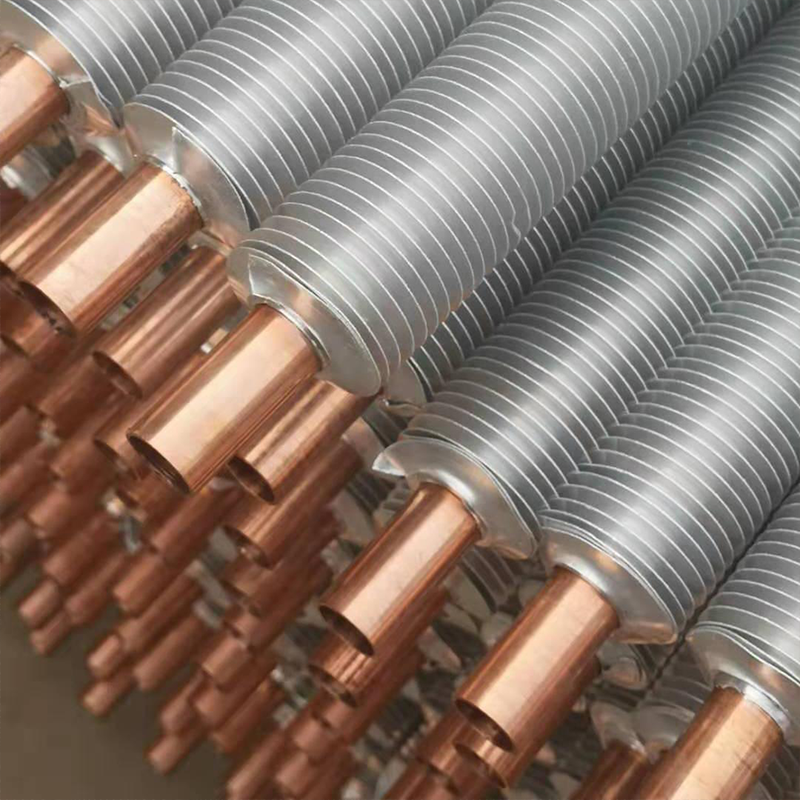
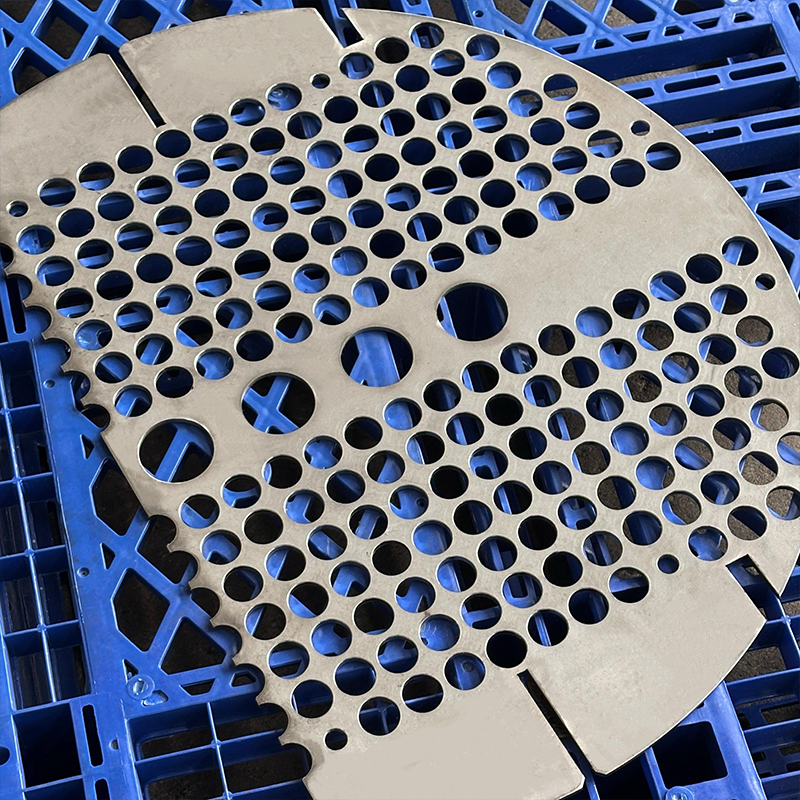
Specializing in the development and production of high-tech solutions for the oil, gas and energy industries, Wuxi Kaisheng provides enterprises with critical components. In the context of polymer production, they are of particular importancetitanium shell and tube heat exchangersand devices made of alloysN06625with exceptional corrosion resistance. They are indispensable when working with reaction media that arise during the synthesis of biopolymers, where even the slightest metal impurity can catalyze unwanted degradation of the material.
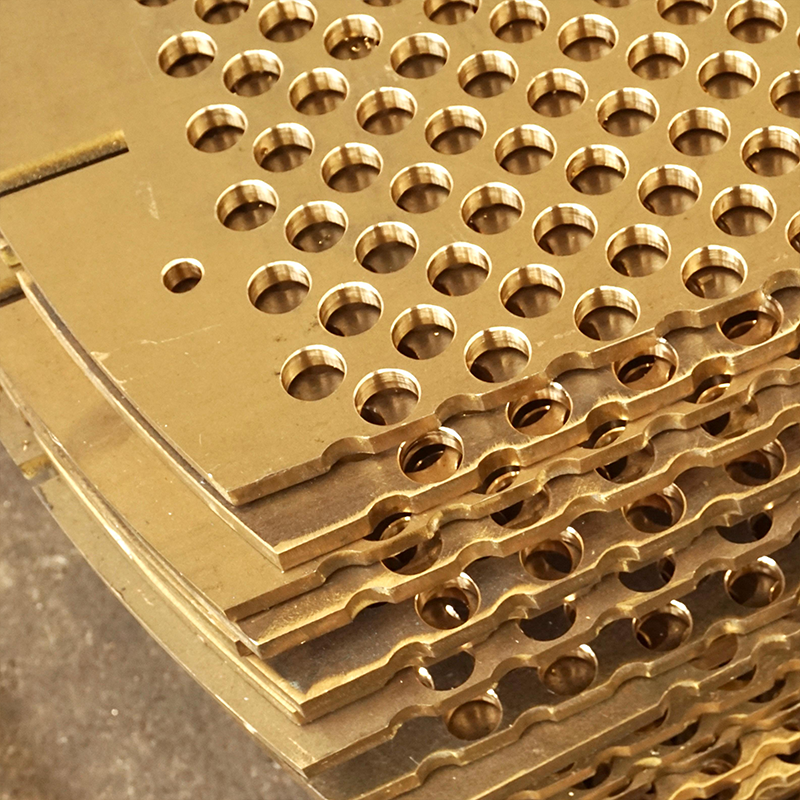
The company's products, includingASME high pressure heat exchangers, corrugated tube bundles made from 316 stainless steel and C46400 marine brass, as well as copper-nickel alloys, certified to international standardsPED and ASME. This guarantees the stability of technological processes both at large petrochemical plants and at new lines for the production of eco-materials. Whether desalinating seawater for industrial applications or recovering heat from waste heat boilers, Wuxi Kaisheng provides customized solutions to ensure energy efficiency and longevity in installations around the world.
Conclusion and strategic recommendations
Biopolymers as an alternative to traditional PE plastics are a powerful tool, but they require skilled handling. We have come from the first experiments with fragile samples to well-established industrial processes that allow us to produce competitive products. The market no longer forgives mistakes due to ignorance of rheology or degradation conditions. Success awaits those who integrate biomaterials into their strategy consciously, taking into account the total cost of ownership and application specifics, and relying on reliable engineering equipment from trusted partners such as Wuxi Kaisheng.
If you are planning to launch a new line of eco-products or modernize an existing production facility, do not rely on general articles on the Internet. Each case is unique and requires individual calculation of the recipe and processing modes. Our experts are ready to audit your technological process and offer the optimal solution based on proven brands of biopolymers. Contact us today to discuss the details of your project and receive sample materials for testing.
For more detailed information about the technical characteristics of our materials, visit the sectioncatalog of biopolymersor check out our guide toeco-certification packaging.